Out in the middle of the Pacific, Hawaii rises from the ocean in a blaze of green cliffs, black lava, and deep-sea dropoffs. Sea turtles cruise volcanic shorelines, humpback whales breach in winter swells, and manta rays love the moonlit feeding sessions on an abundance of plankton. Inland, rainforest trails climb toward active volcanoes and ridgelines with views that stretch forever. Each island is its own world, connected by the ocean.

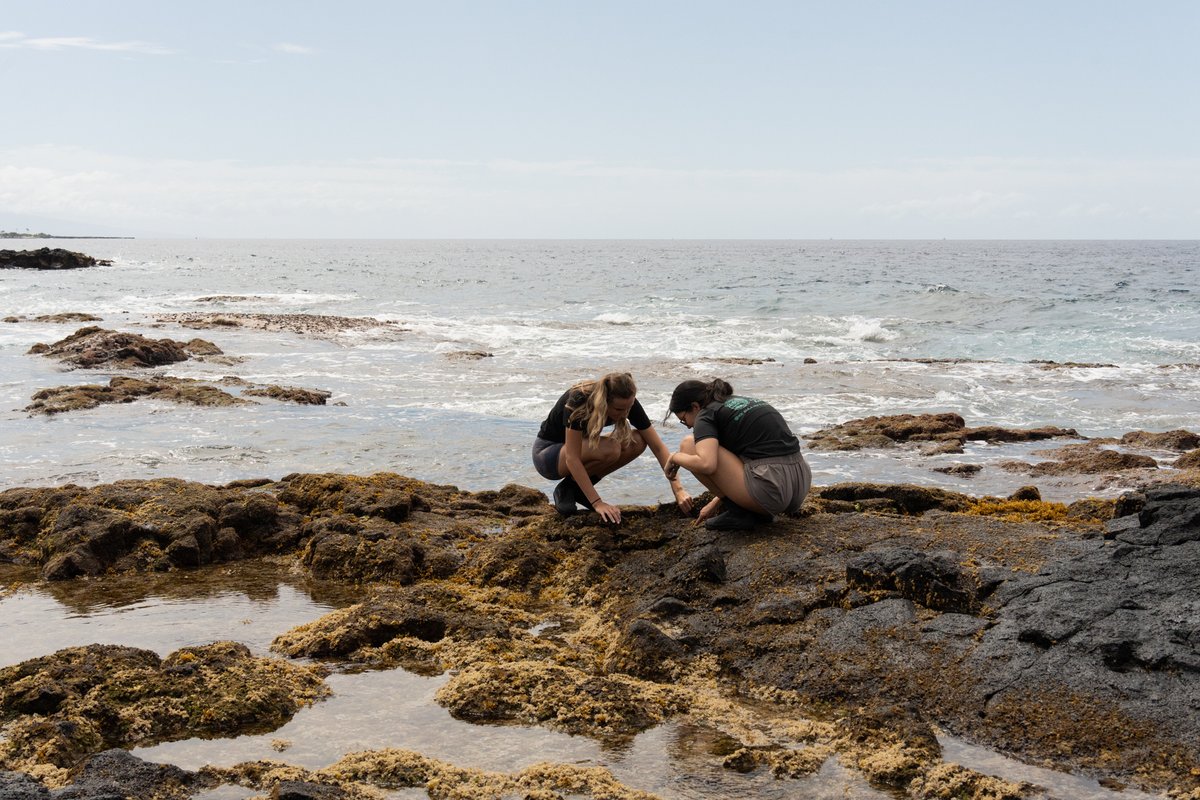

The Big Island is still being born, built by five volcanoes and shaped by eruptions that continue today. Black-sand beaches meet hardened lava flows, some still warm from recent activity, while rainforest valleys hide waterfalls and rare native forests. Offshore, dolphins, manta rays, and whales move through deep Pacific waters, part of an ecosystem as dynamic as the island’s ever-changing landscapes.
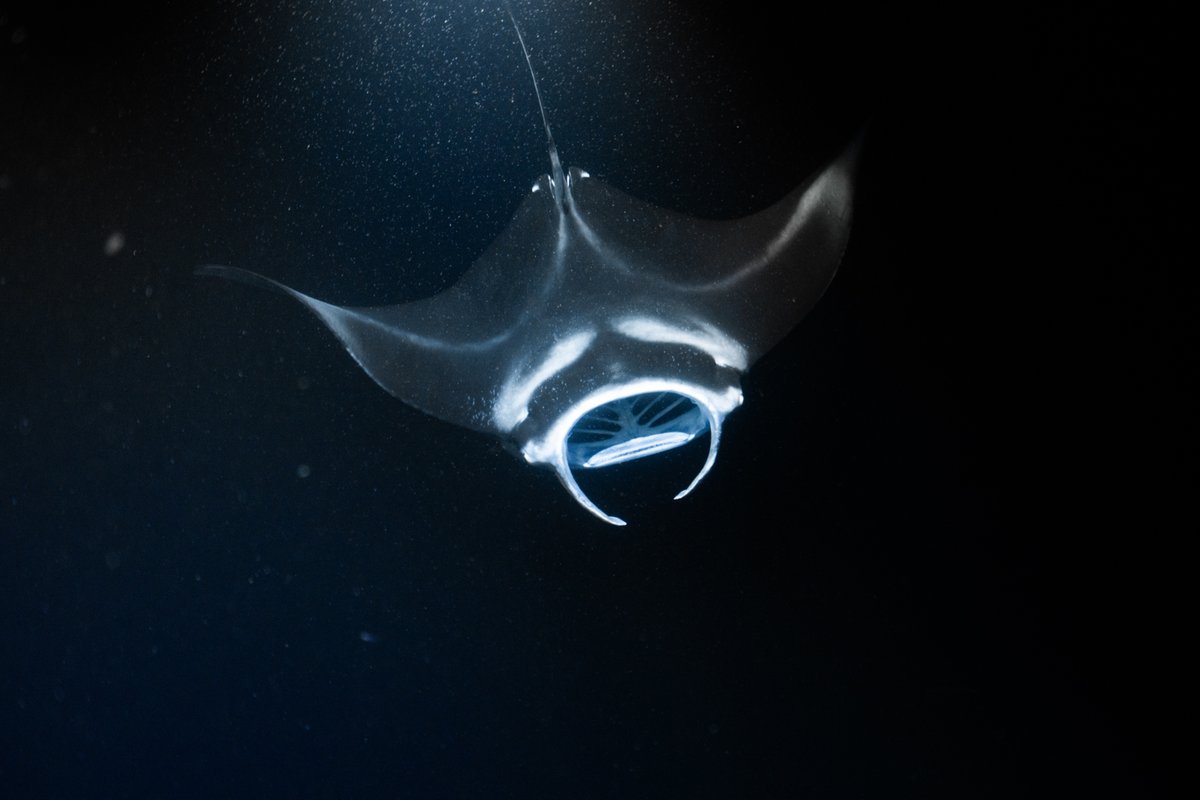
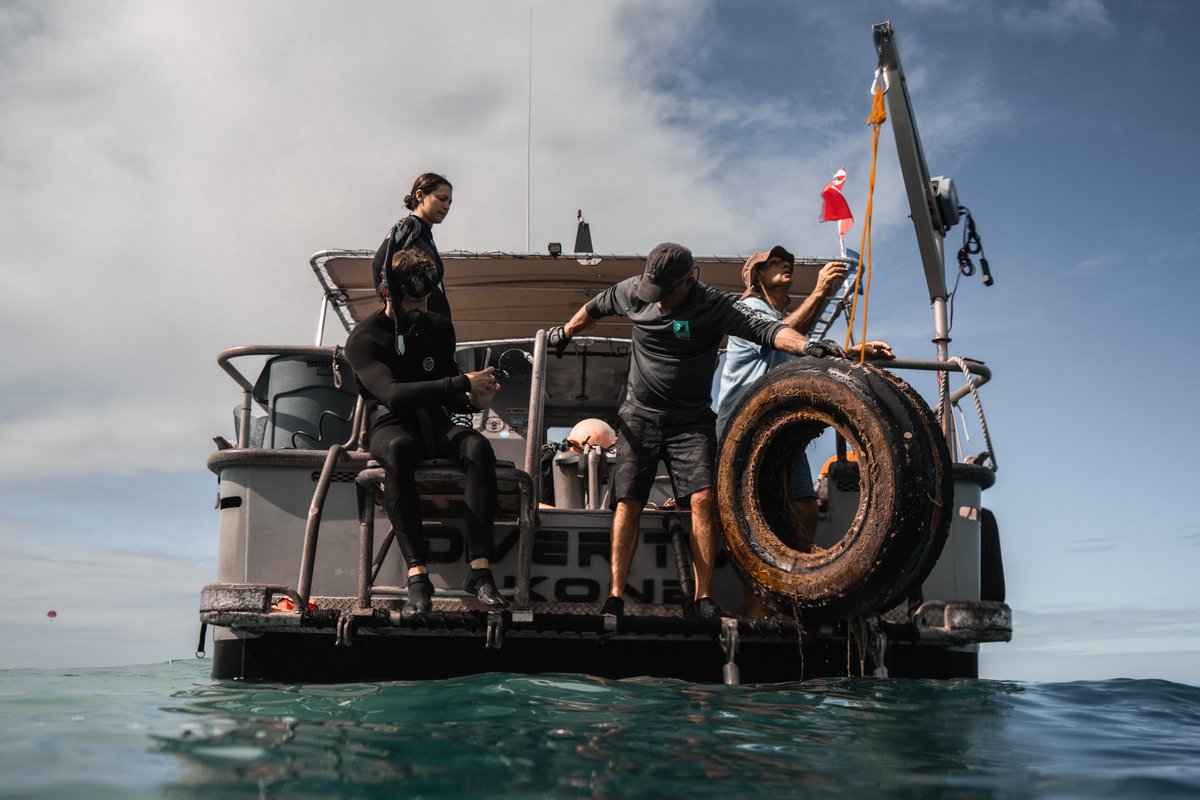
KONA: On the Big Island’s leeward coast, Kona’s waters host some of Hawaii’s most unforgettable dives. At night, giant manta rays sweep past in slow arcs, drawn to diver lights. Offshore, blackwater dives drift into the open ocean after dark, revealing deep-sea creatures few ever see. Kona is also a hub for marine innovation, where projects like seaweed farming test solutions for cutting carbon and restoring reef health.
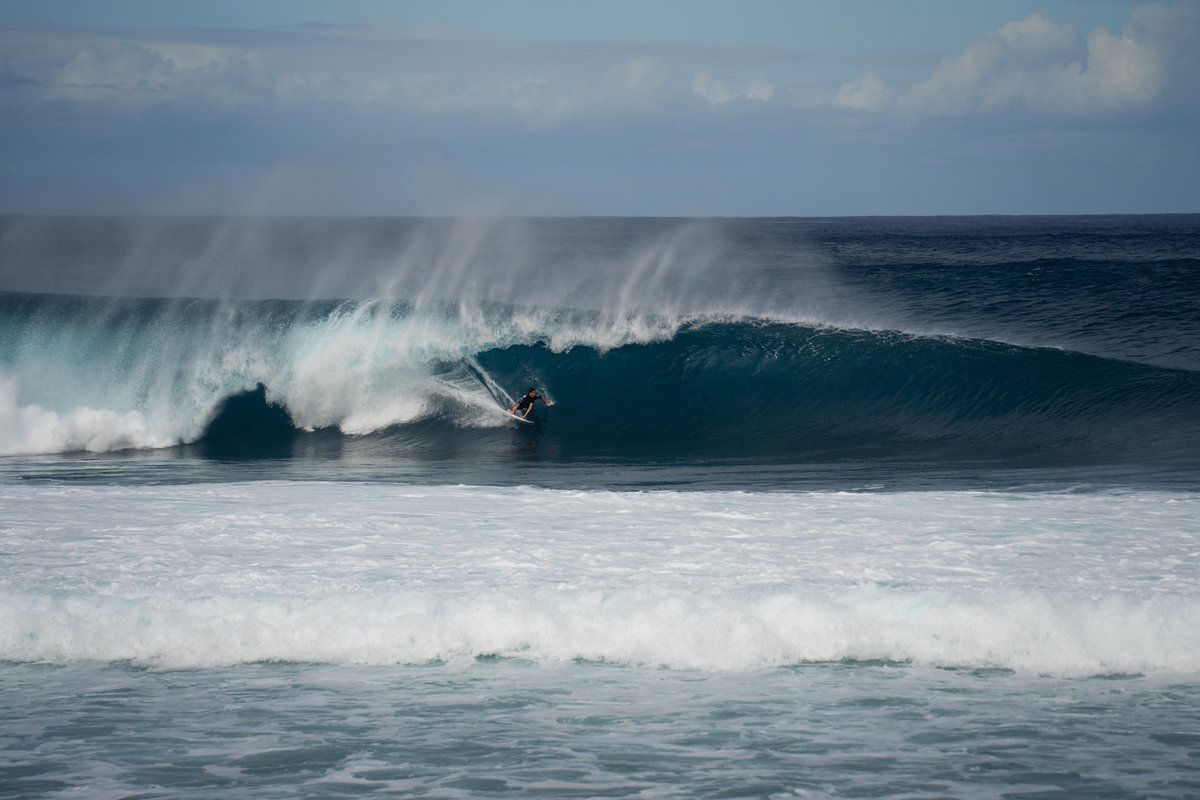
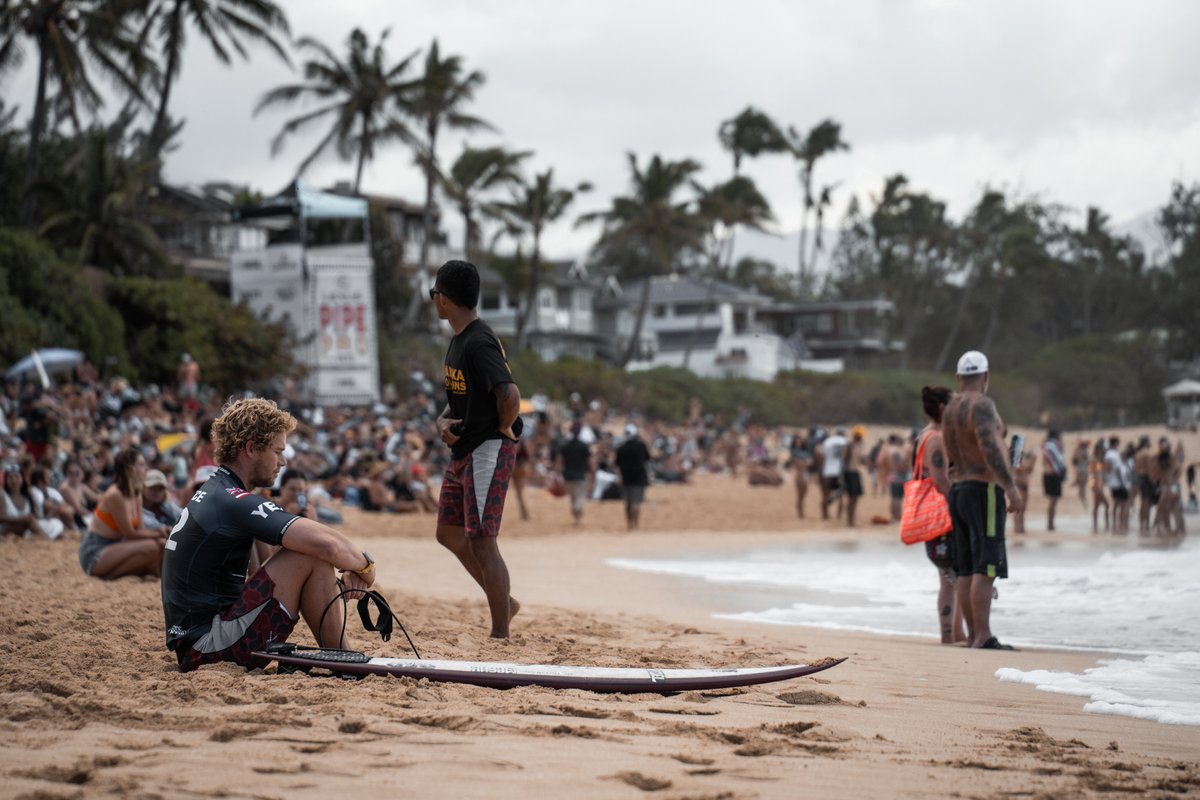

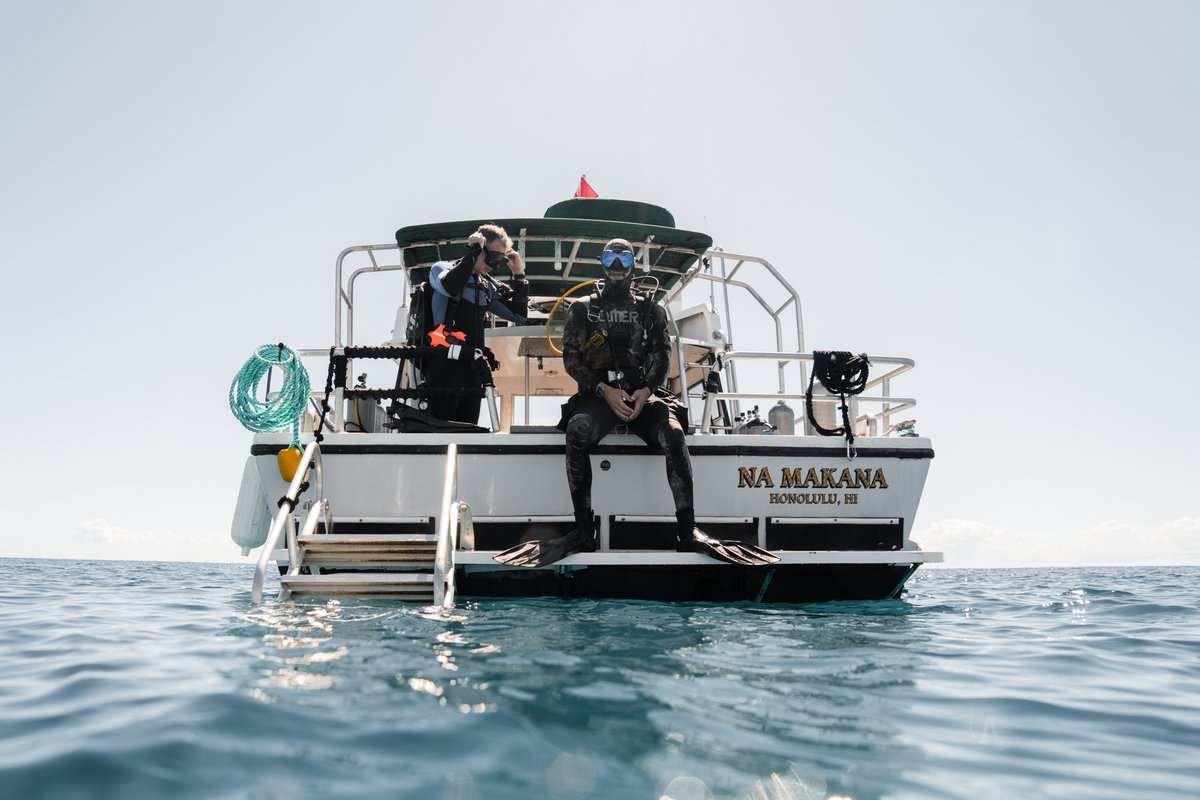

Oahu folds wild mountains and untamed beaches into the same island that holds Hawaii’s largest city. Waterfalls move down green cliffs, coral reefs fringe the shore, and from November to May, humpback whales gather just offshore. It’s an island that’s both buzzing with energy and anchored in the community’s love of the natural world.





.png)
.png)
.png)

.png)





.png)
.png)

.svg)



.png)