Alaska is as close to raw nature as most people will ever get — a place where glaciers grind toward the sea, forests stretch for hundreds of miles, and wildlife still moves to an ancient past. Brown bears fish for salmon in icy rivers, orcas patrol fjords, and the northern lights sweep across winter skies. From the tundra to the Inside Passage, this is wilderness on a scale that humbles even the most seasoned explorer.

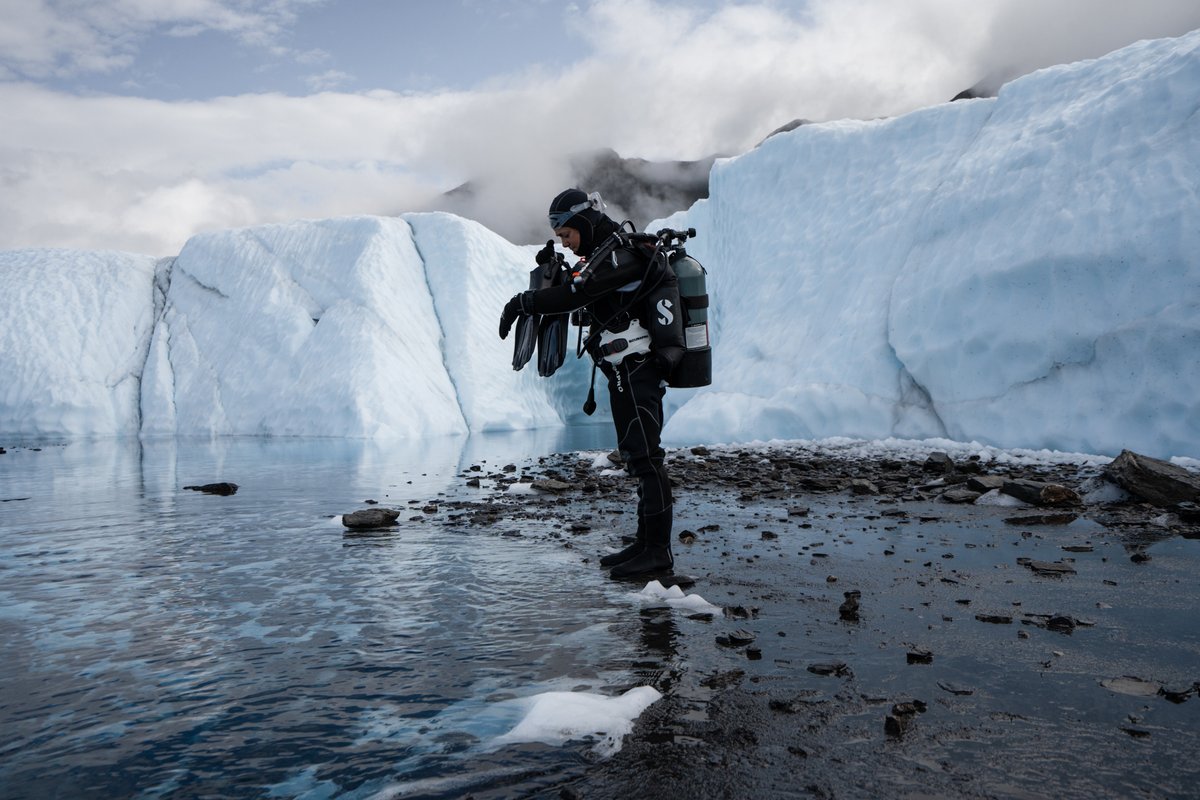
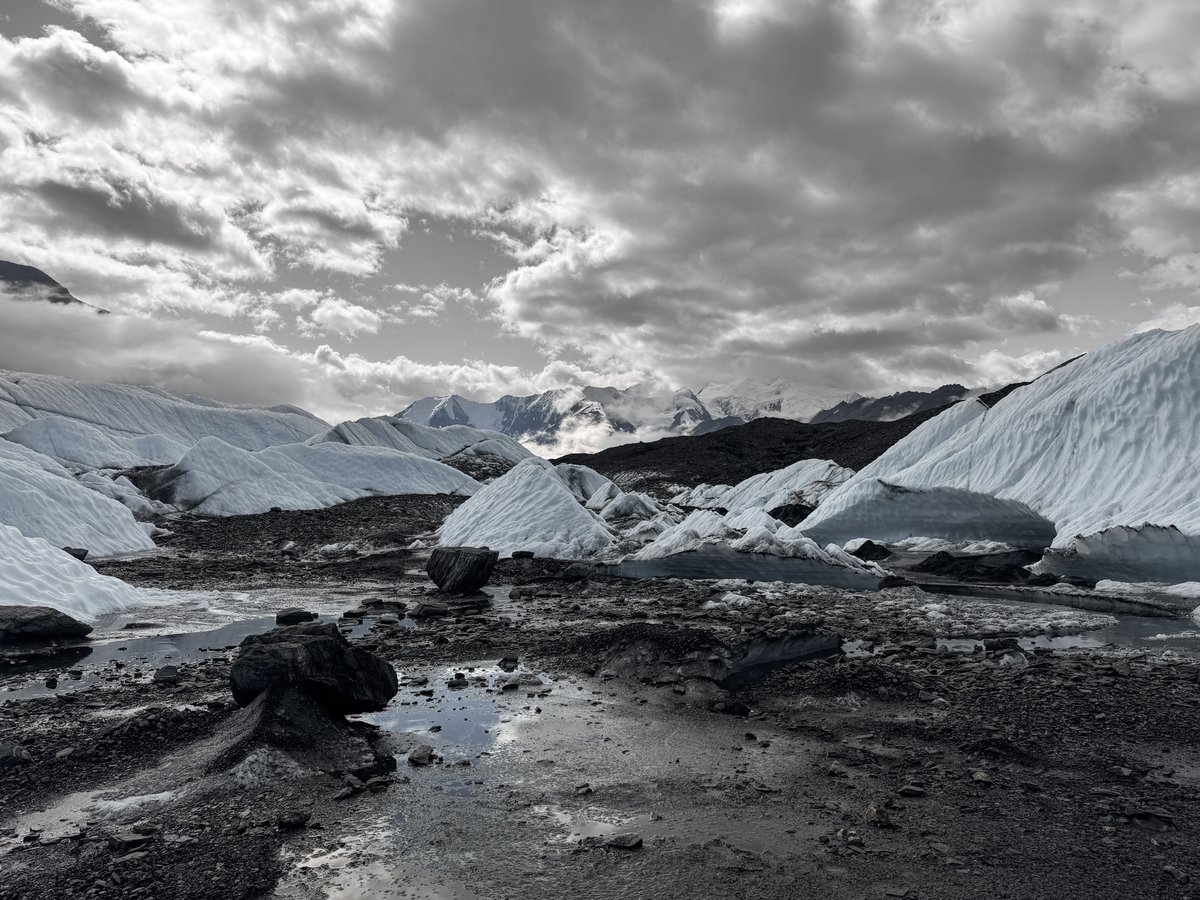
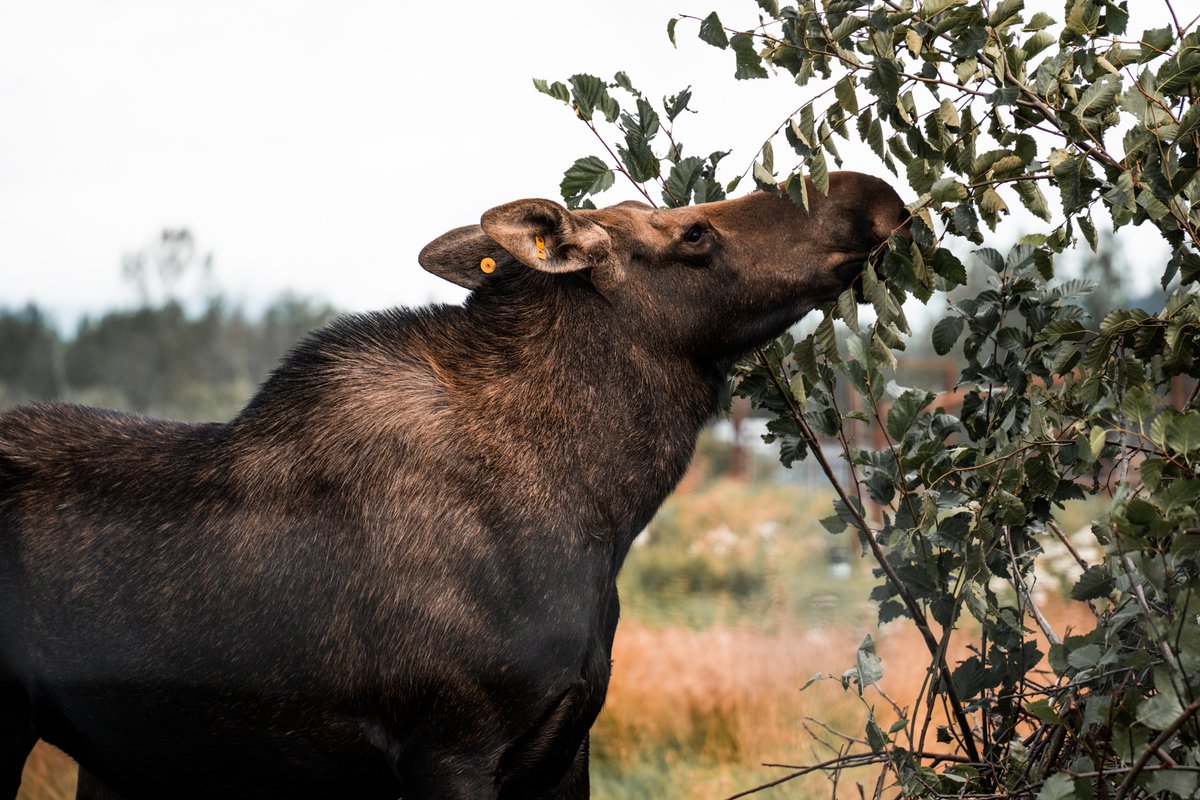
Anchorage sits between the Chugach Mountains and Cook Inlet, a city framed by wild country in every direction. Moose wander the greenbelts, bald eagles scan the coast, and salmon run through streams just minutes from downtown. The inlet is home to wild beluga whales, harbor seals, and sea otters, all traveling through nutrient-rich waters, making Anchorage both a cultural hub and a jumping-off point for Alaska’s wild heart.
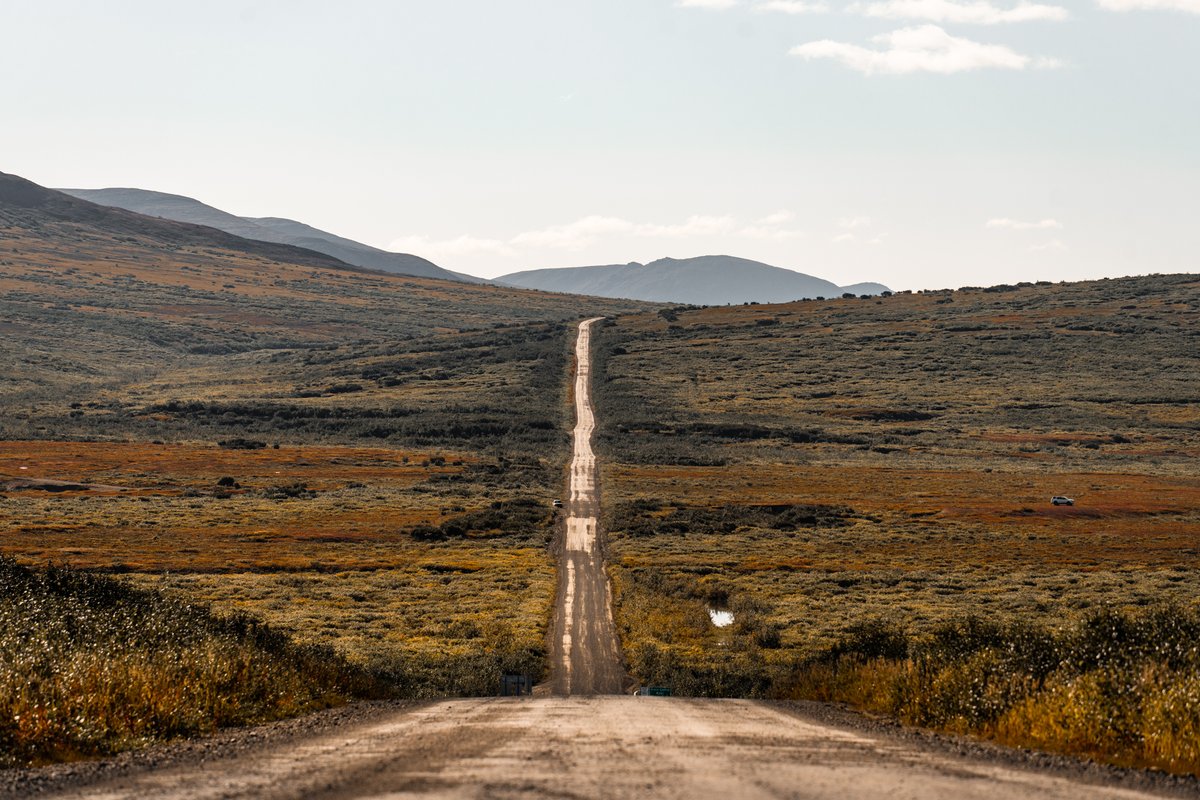
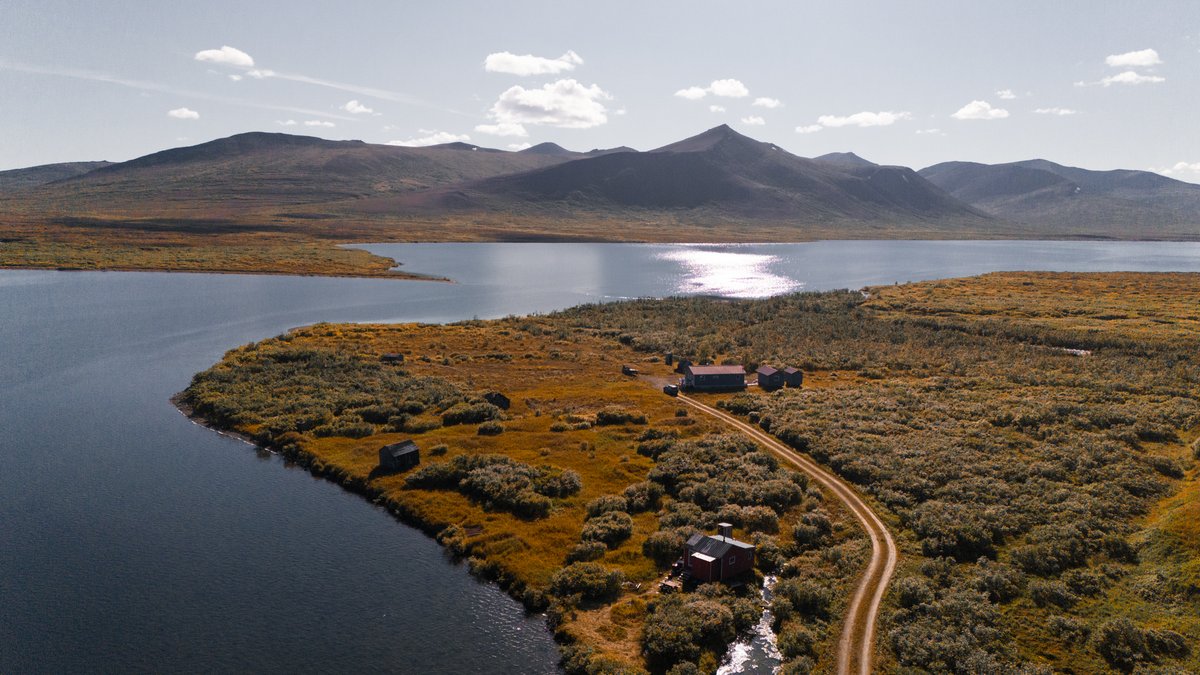


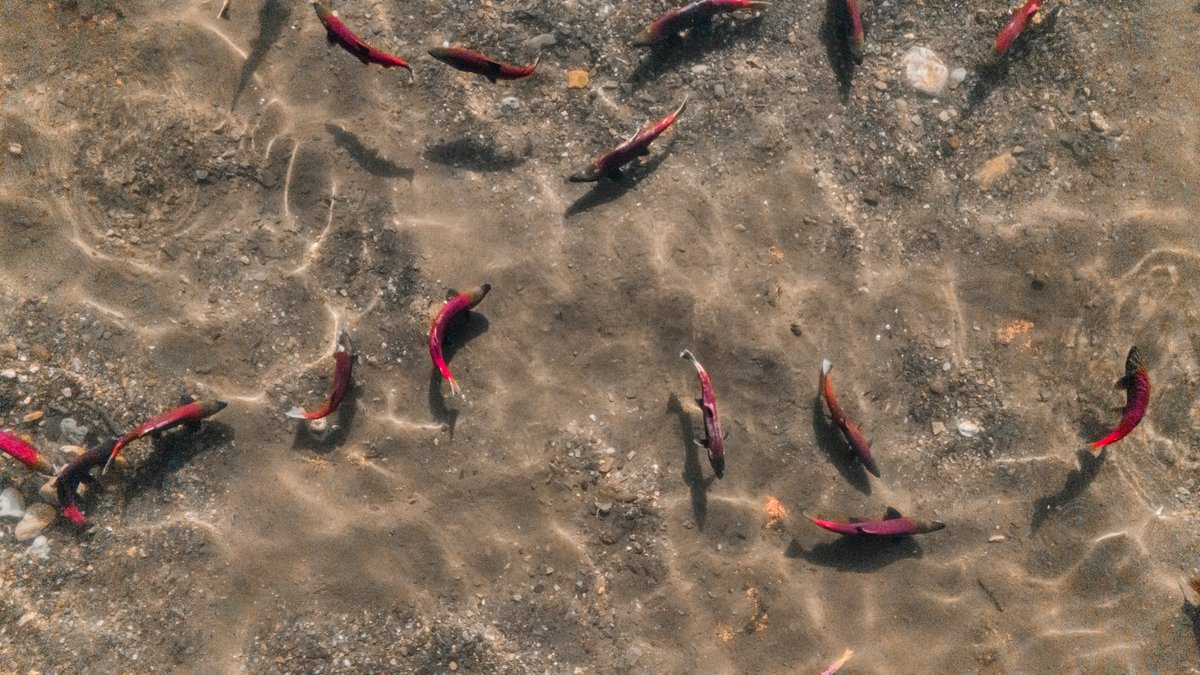
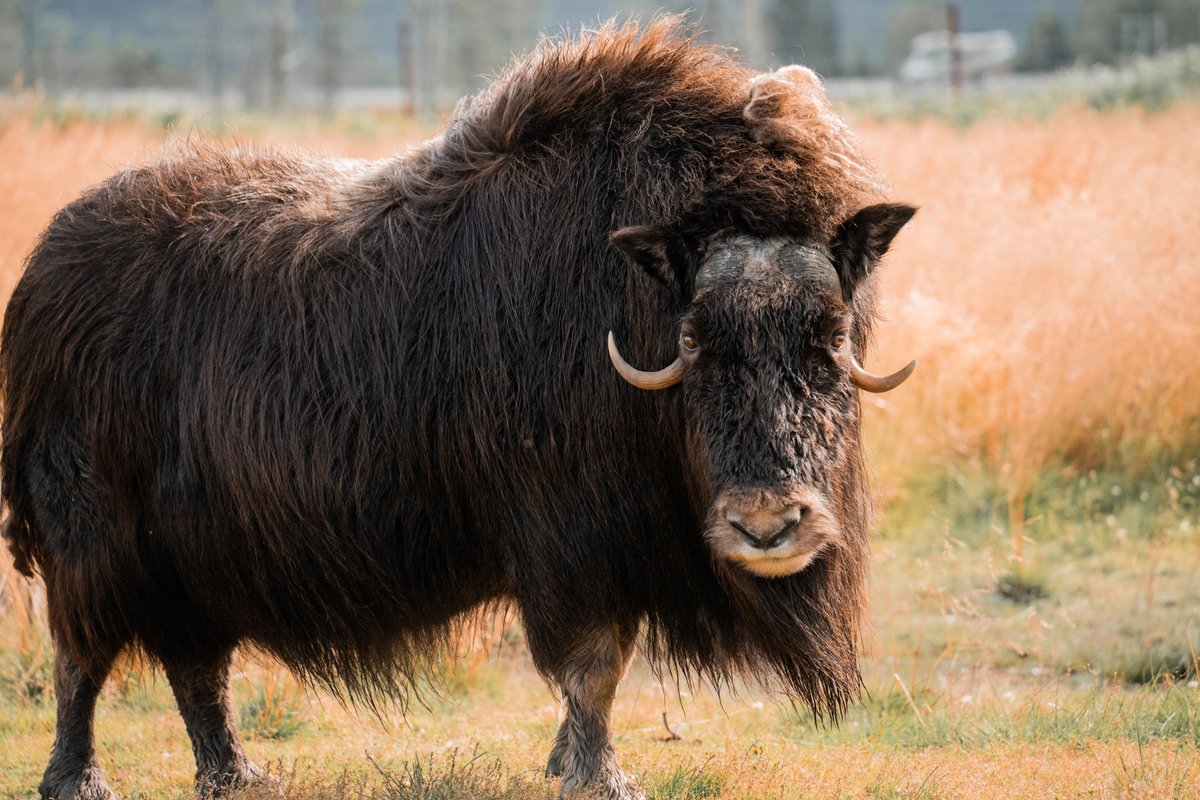
On Alaska’s remote western coast, Nome feels like the edge of the map. Beyond its gravel roads lies tundra dotted with musk oxen, reindeer, and seasonal wildflowers. In summer, tens of thousands of seabirds nest along the shoreline, while polar bears and walruses roam the ice edge offshore. It’s a place where Arctic and sub-Arctic worlds collide, shaped by extremes of light, weather, and migration.


Wedged between Resurrection Bay and the Kenai Mountains, Seward is a front-row seat to some of Alaska’s most dramatic wildlife. Orcas and humpback whales cut through cold water, puffins nest on sea cliffs, and glaciers calve thunderously into the sea. Beneath the surface, giant Pacific octopuses can be found, and seasonal blooms bring in jellies of every size and color.






.png)

.png)
.png)

.png)





.png)
.png)

.svg)

.png)