North America is a continent of extremes—arctic ice and desert heat, mountain spires and endless plains, two oceans brimming with life. From Canada’s fjords and old-growth forests to the Caribbean’s coral gardens, and from Mexico’s deserts meeting the sea to Alaska’s wild coasts, this is a place where ecosystems collide and edges are formed. Whales migrate along both coasts, bears roam river valleys, and caves present hidden worlds below the surface. Here, even in some of the most developed nations on Earth, vast wilderness still stretches just beyond these great cities. And yet, in those cities as well, some of the planets most productive ecosystems exists, not to be underestimated.
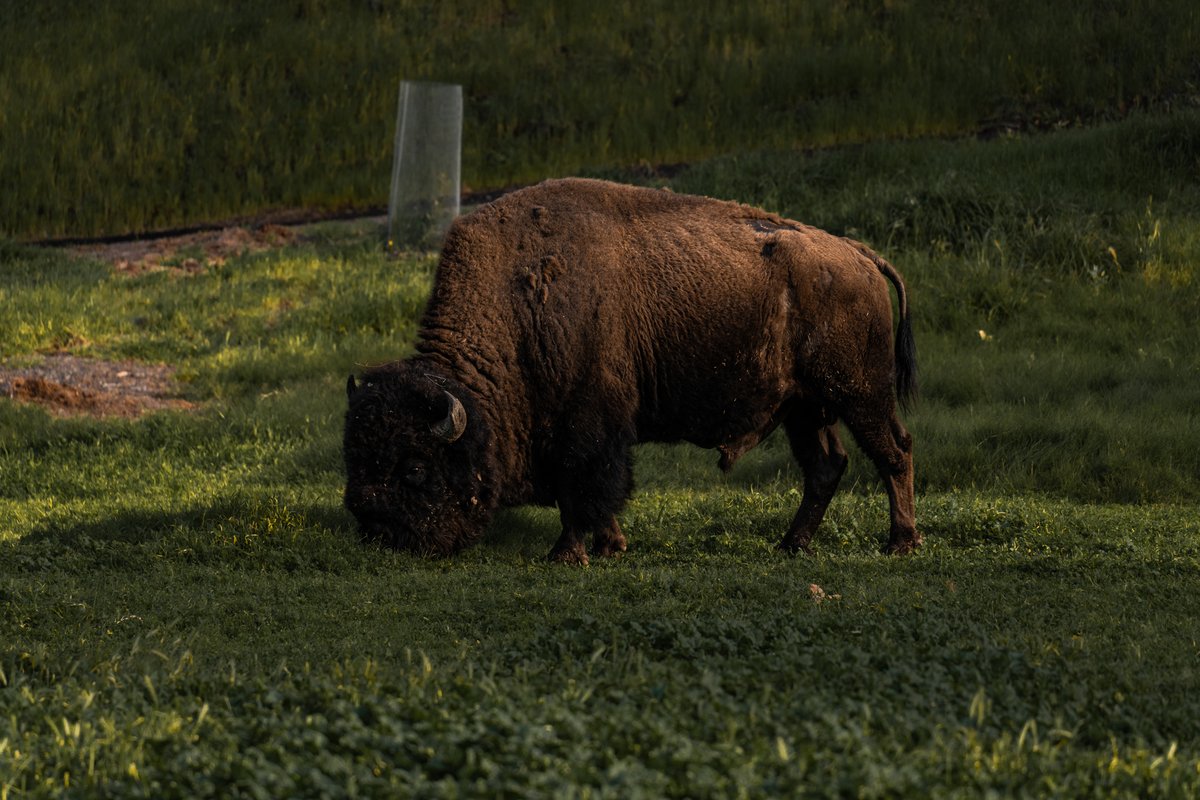
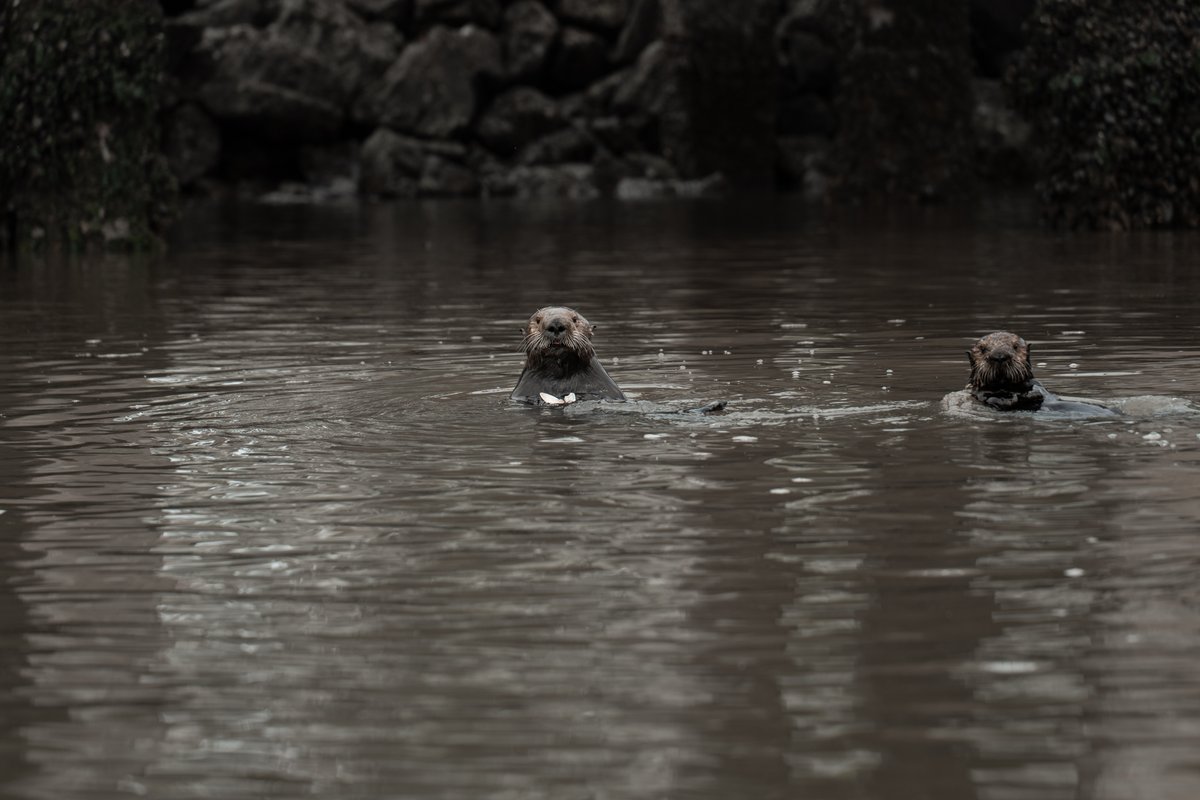
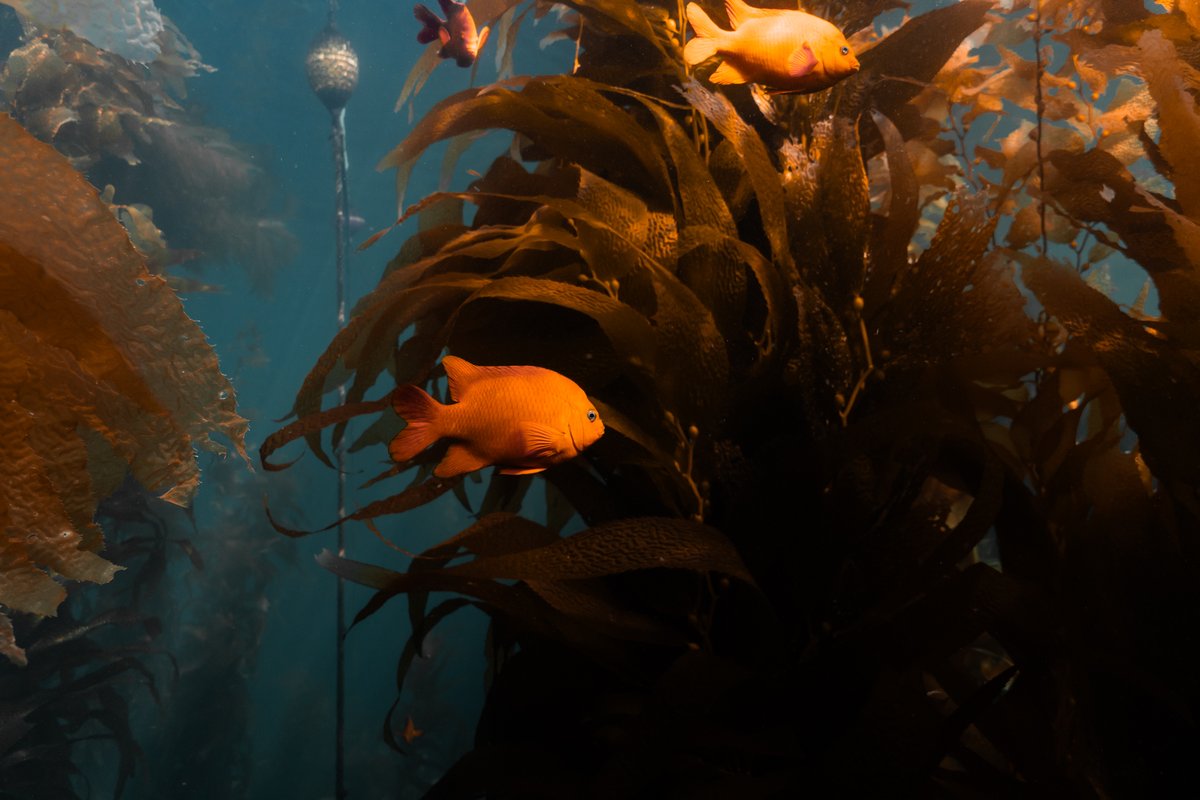
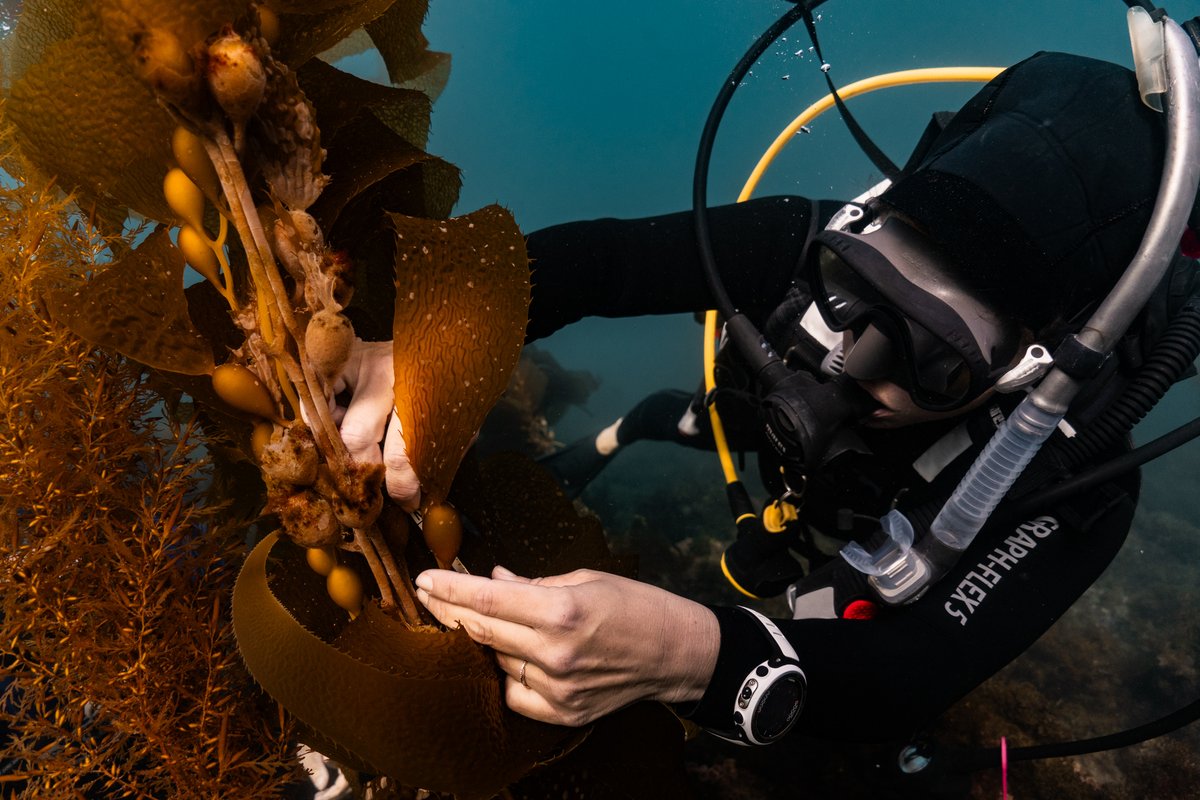
From the ice-fed fjords of Alaska to the mangrove-lined shores of Florida, the United States is a place where every horizon presents a new ecosystem. We’ve crossed deserts that hum with heat, wandered through forests older than history, and followed whales along two oceans’ worth of coastline. Here, nature is never far away. It shows up in the surf of California, takes you through the barrier islands of the Carolinas, and thunders down the glacial valleys of the north. In a land defined by scale and variety, the wild still has room to breathe, if you know where to look.
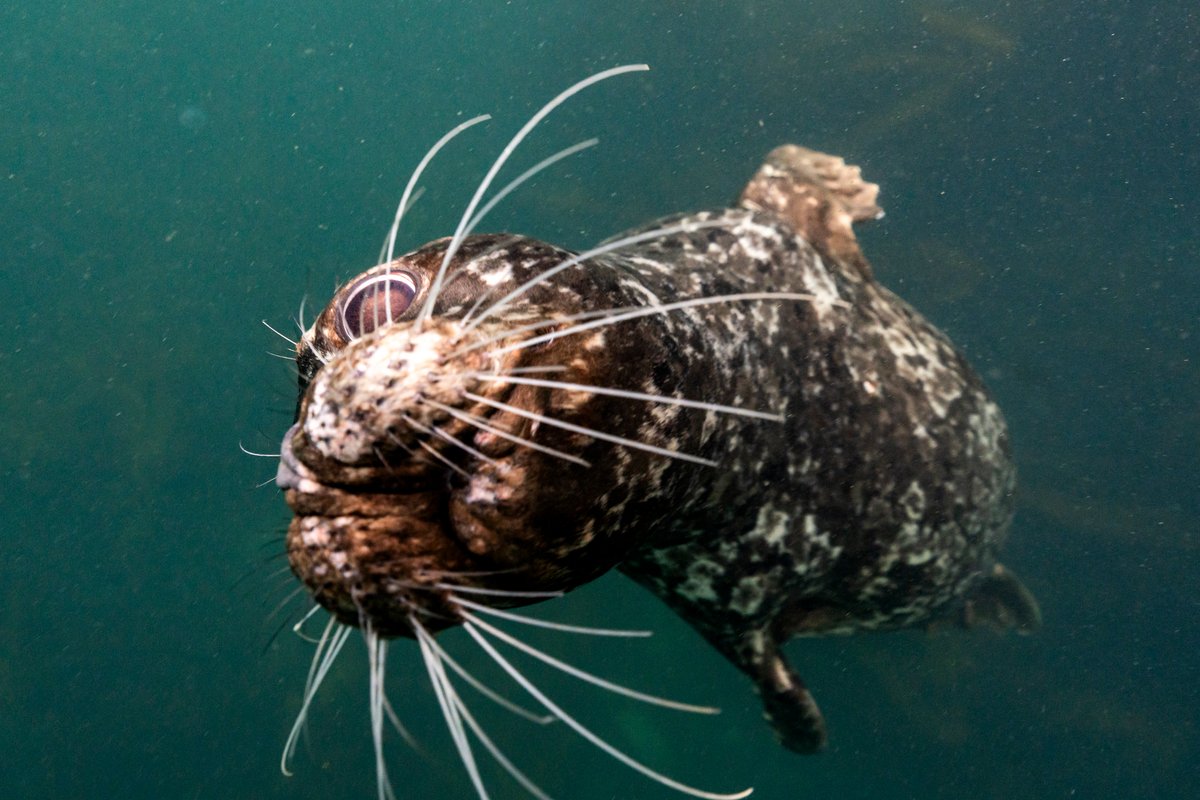

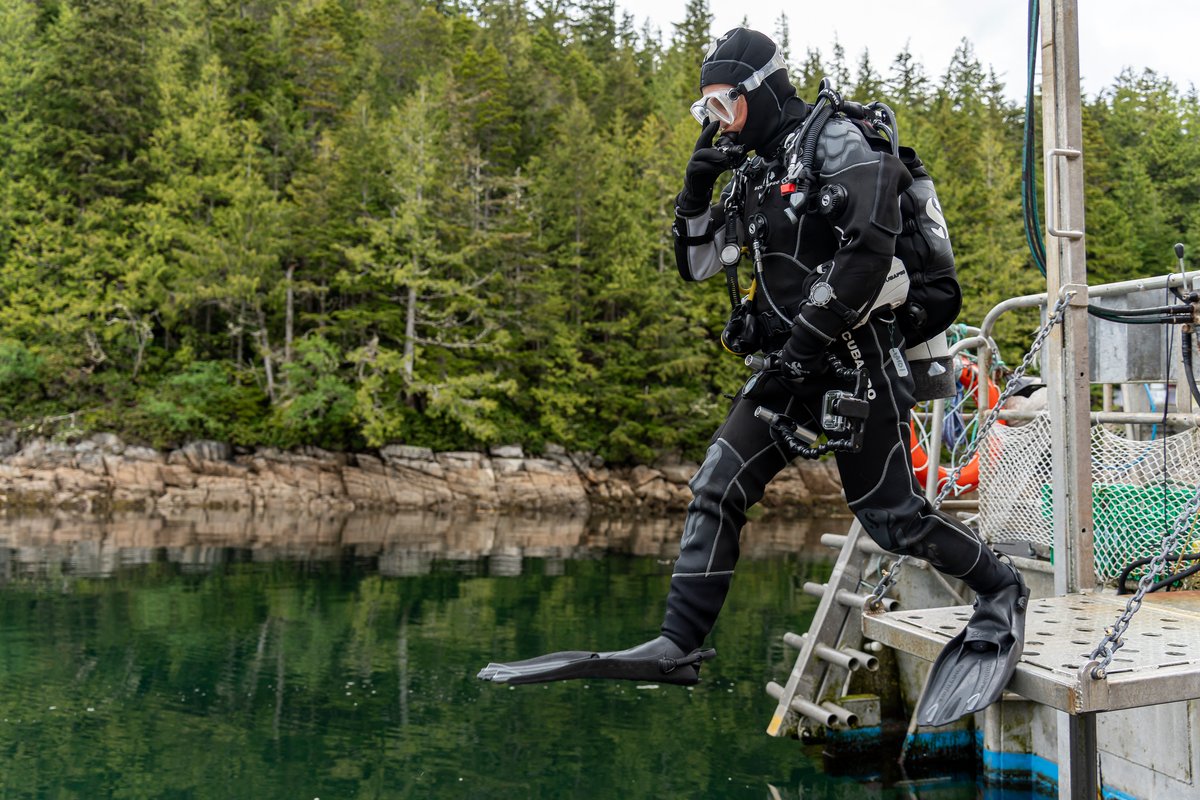
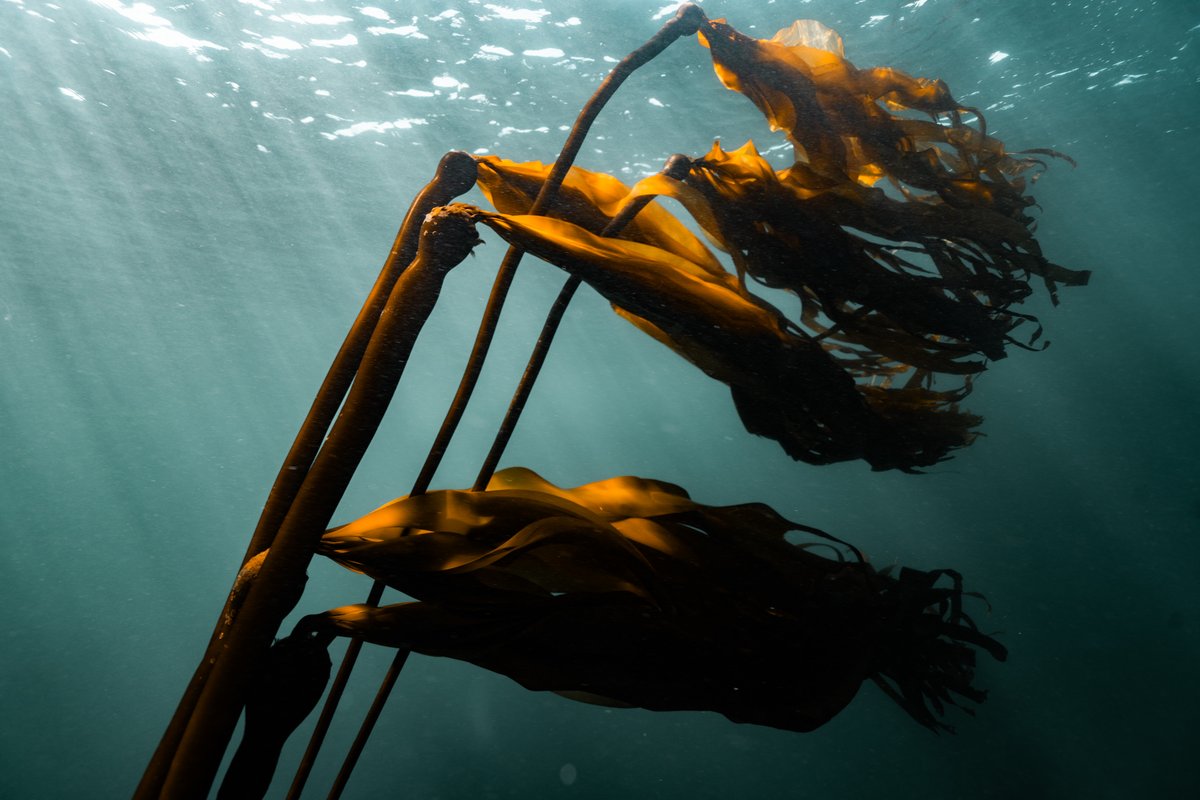
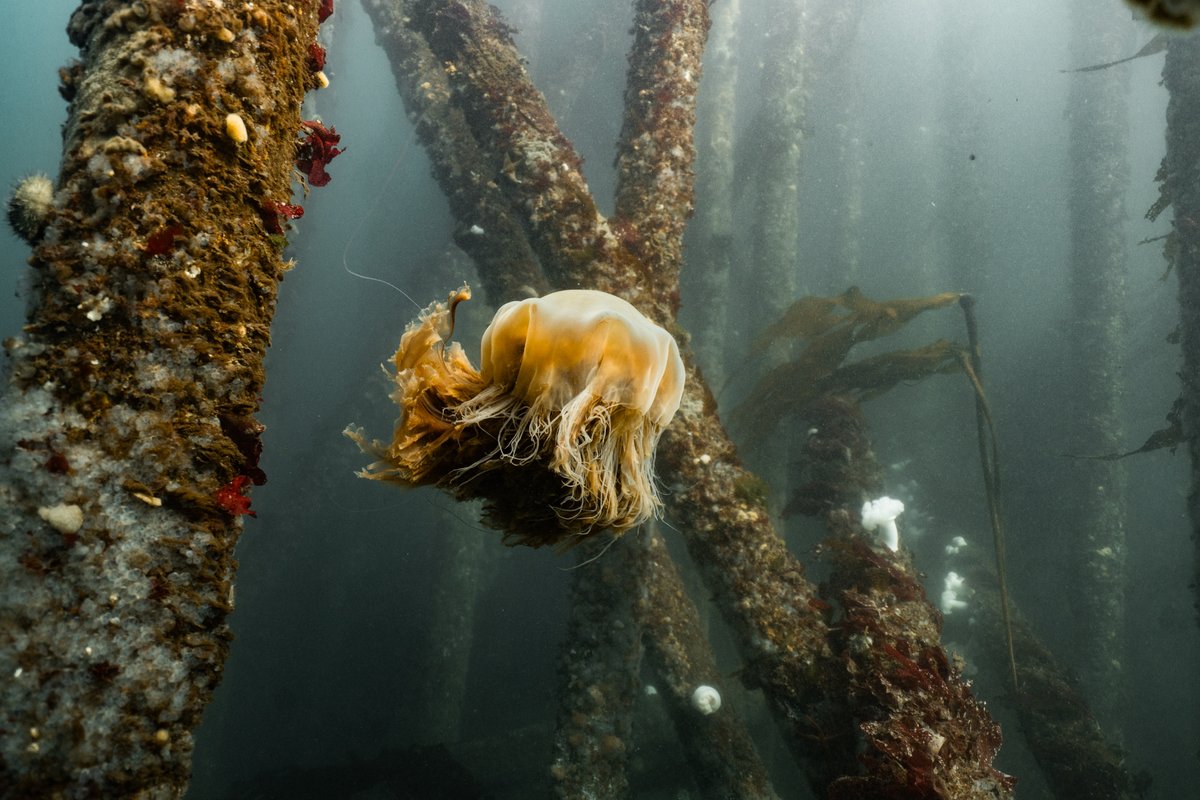
From icebound Arctic coasts to rainforests draped in moss, Canada is a country built on wild spaces. Whales move through fjords, bears roam river valleys, and millions of migratory birds fill northern skies each summer. Beneath the surface, vast cave systems cut through ancient rock, while above, snow-covered peaks rise over crystal-clear lakes that mirror the wild around them. With three oceans, the world’s largest intact boreal forest, and an abundance of flowing freshwater, Canada’s landscapes are critical strongholds for global biodiversity.
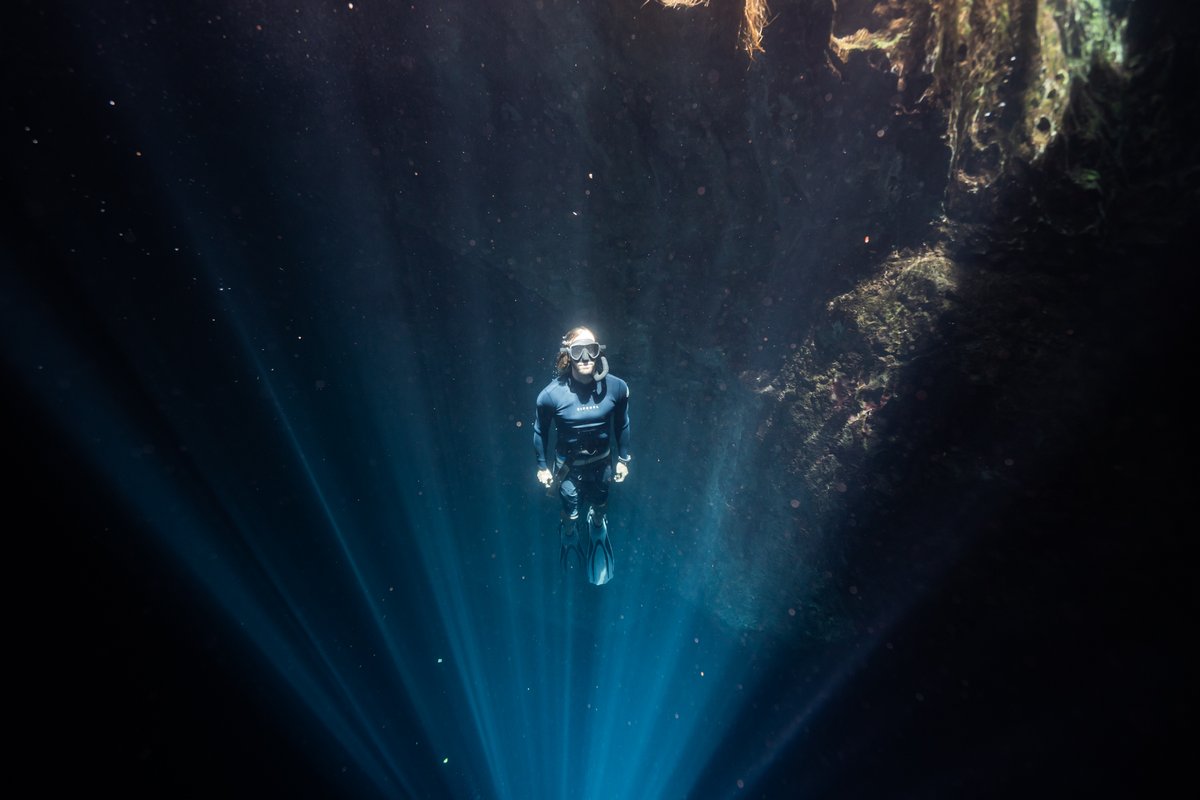
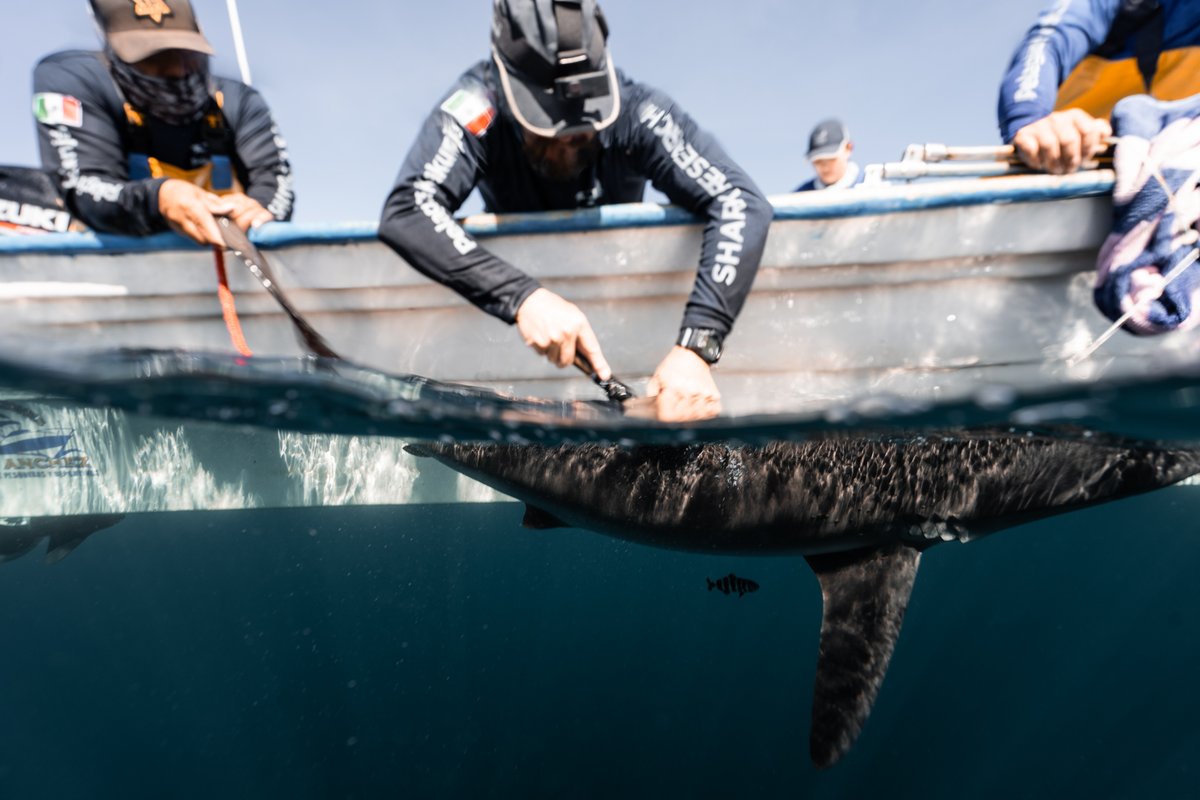
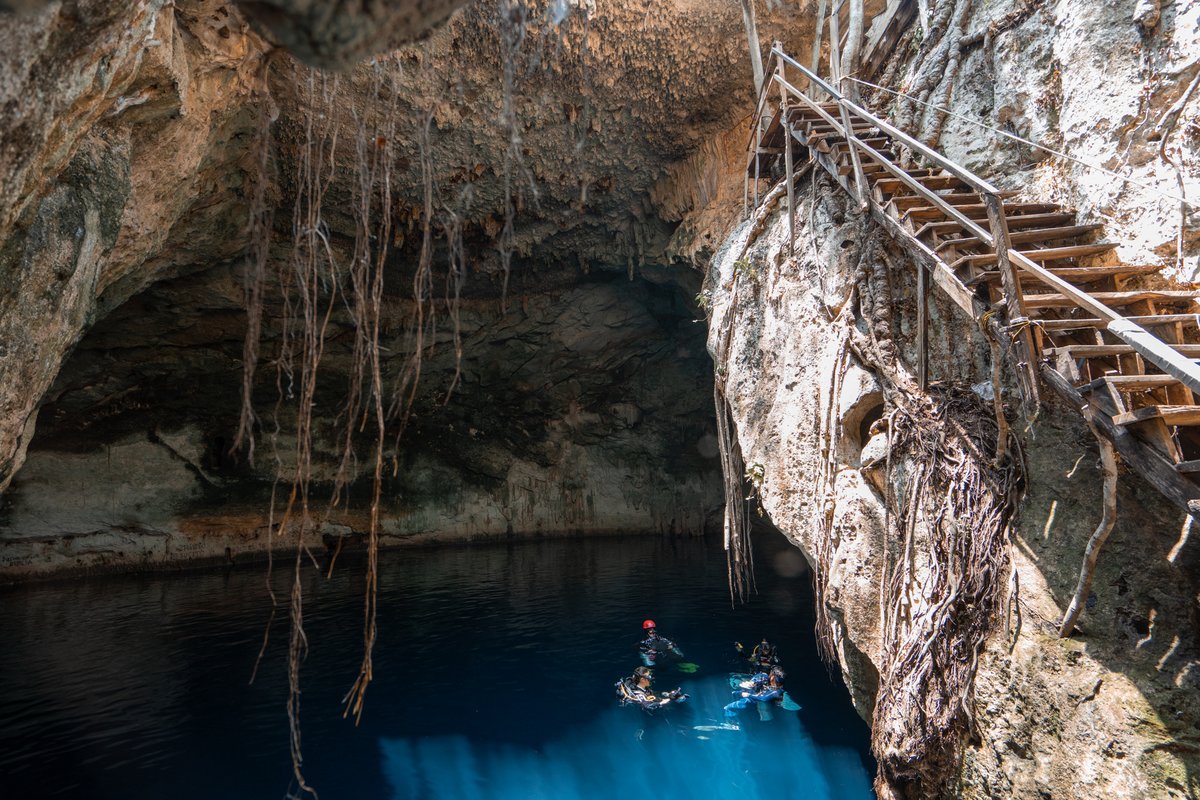
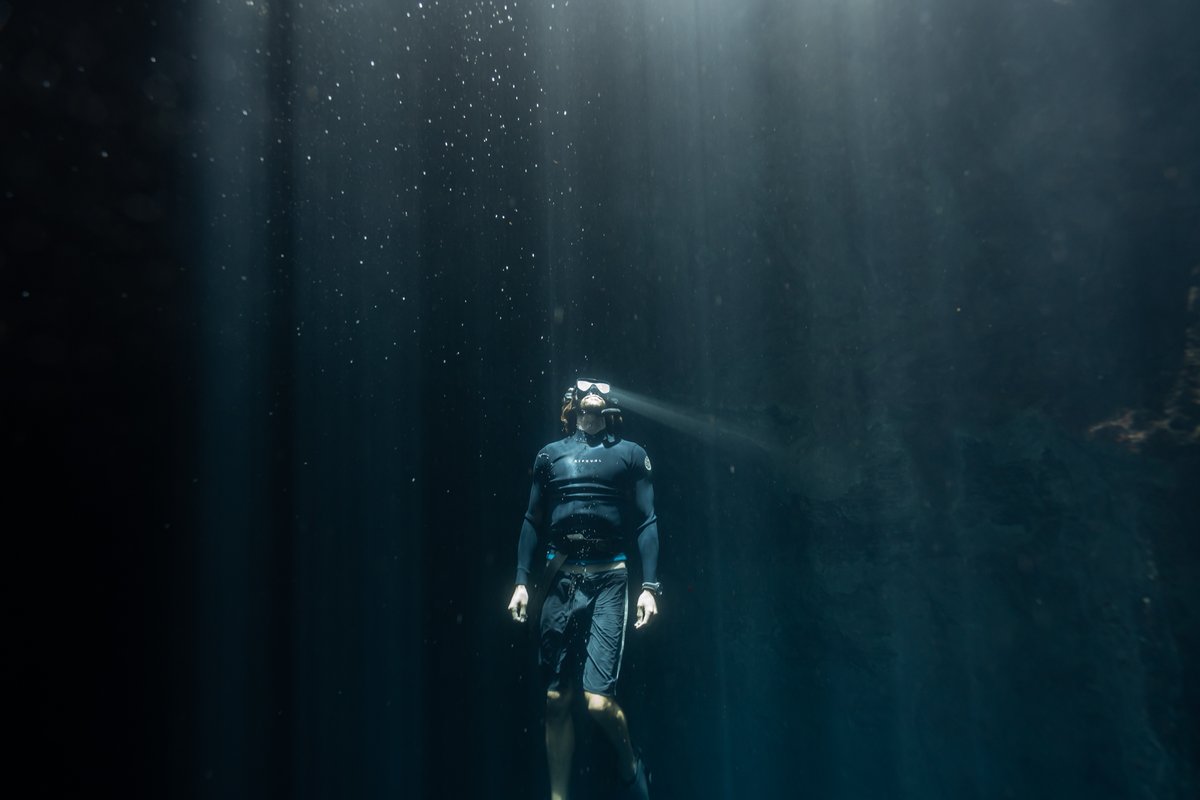
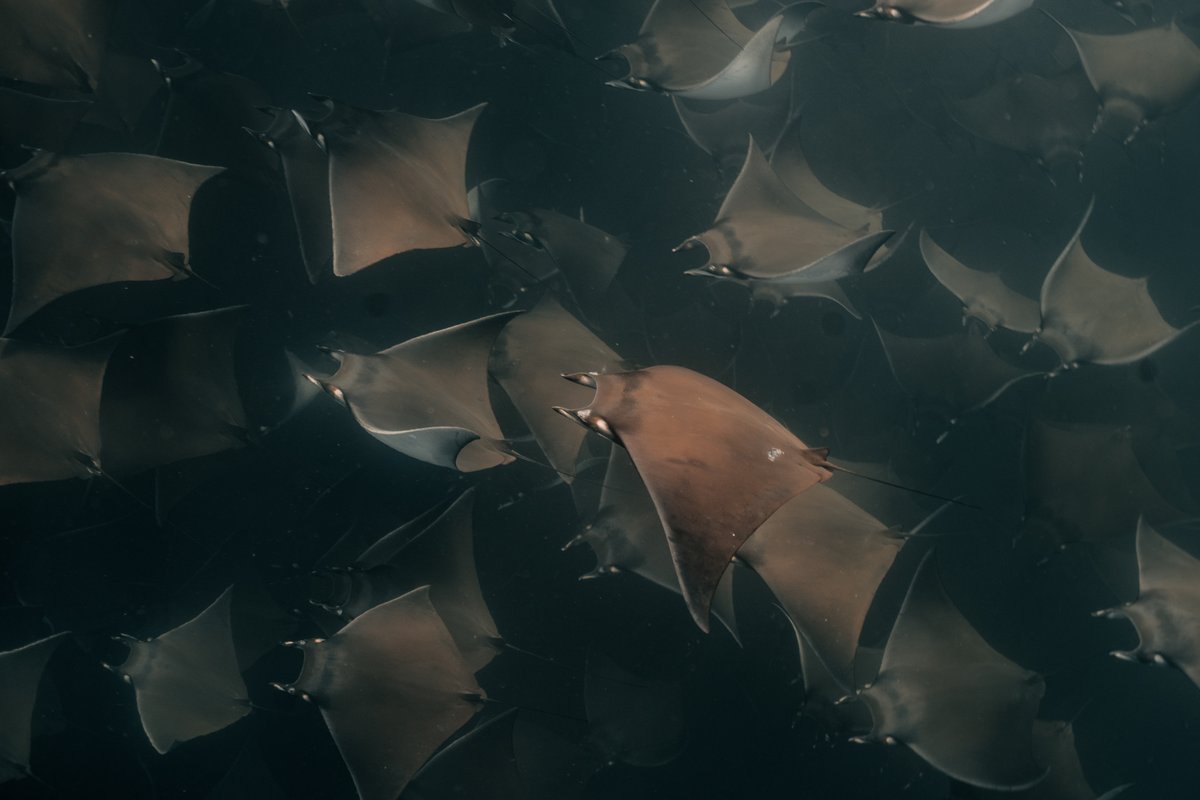
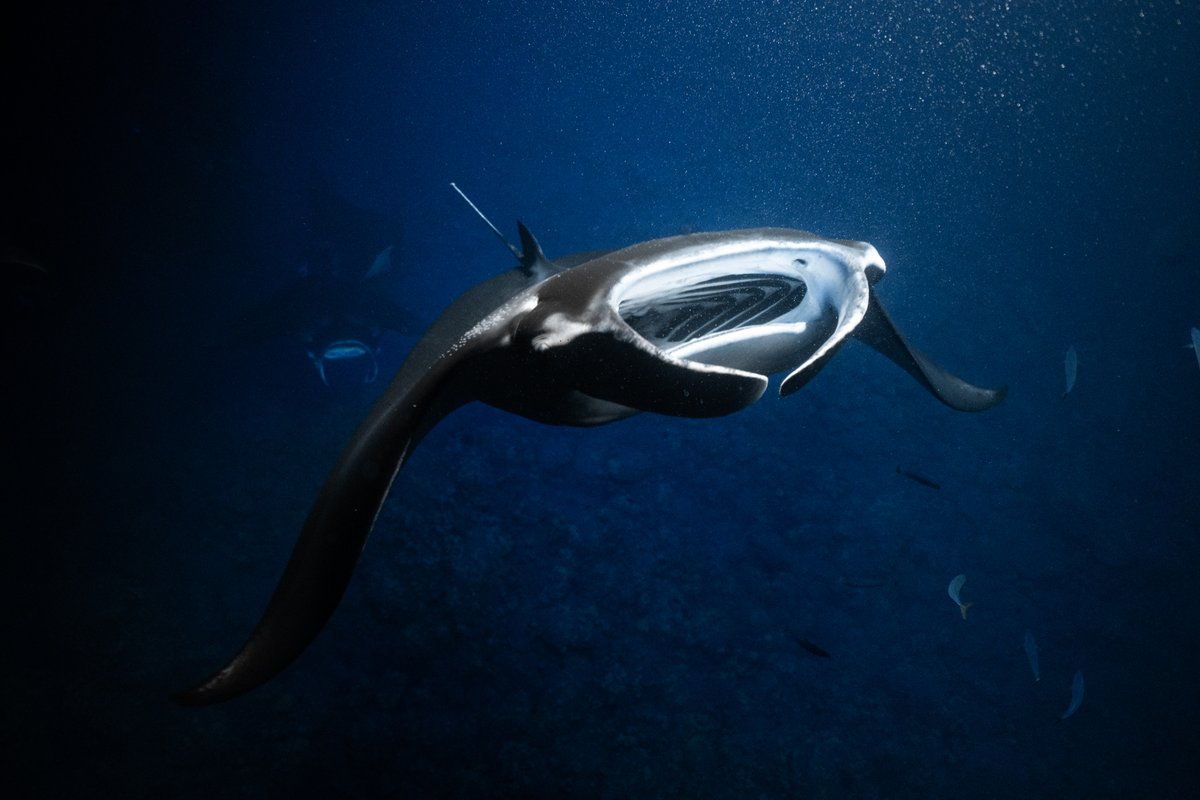
Mexico is where desert cliffs drop into turquoise seas, where jungle rivers flow into coral gardens, and where underwater caves stretch for miles in the dark. Along its coasts, whale sharks, manta rays, and sea turtles share the water with fishing villages that still work the tides. Offshore, UNESCO-listed marine parks and remote volcanic islands protect some of the most intact ecosystems left in the Americas. And inland, hidden cenotes and flooded caves reveal freshwater worlds few ever see.





.png)

.png)
.png)

.png)





.png)
.png)

.svg)