Above ground, the Yucatán is all limestone jungle and Caribbean beaches. Below it lies the longest underwater cave system on Earth, its entrances marked by blue cenotes that open into crystal corridors. Offshore, coral reefs shelter turtles, eagle rays, and bright tropical fish, while ancient Mayan ruins stand within a day's reach of the coast.
The Colegio de la Frontera Sur (ECOSUR) is a leading Mexican research institution focusing on environmental sustainability, biodiversity conservation, and sustainable resource use in southern Mexico. Their marine programs address coral reef health, fisheries management, and the ecological impacts of climate change.
A professional dive operation in the Yucatán Peninsula specializing in cenote and reef diving. They emphasize safety, environmental stewardship, and education, guiding divers through fragile freshwater cave systems and coastal coral habitats while promoting sustainable tourism practices.
A small, eco-conscious beachfront lodge in southern Quintana Roo that integrates sustainable hospitality with marine conservation advocacy. They work closely with local fishing communities and conservationists to protect nearby reefs, mangroves, and seagrass beds, while supporting community-based tourism as an alternative to extractive industries.
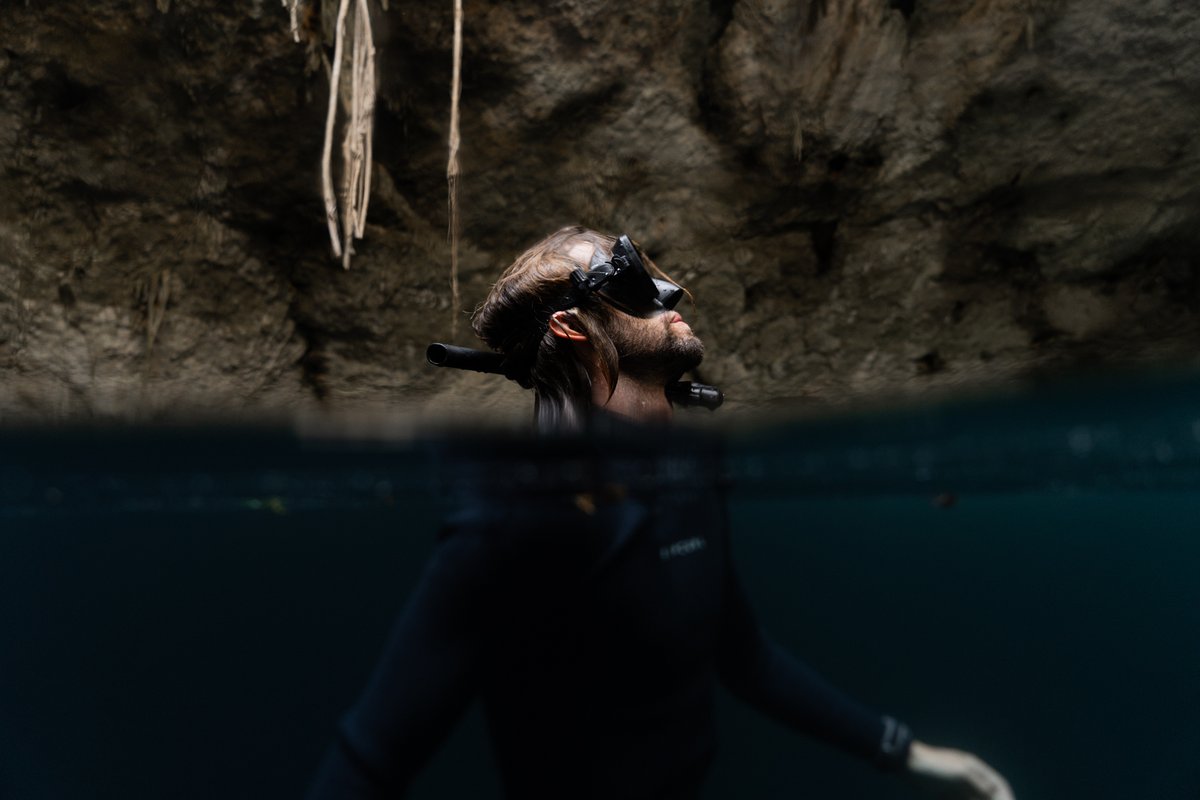
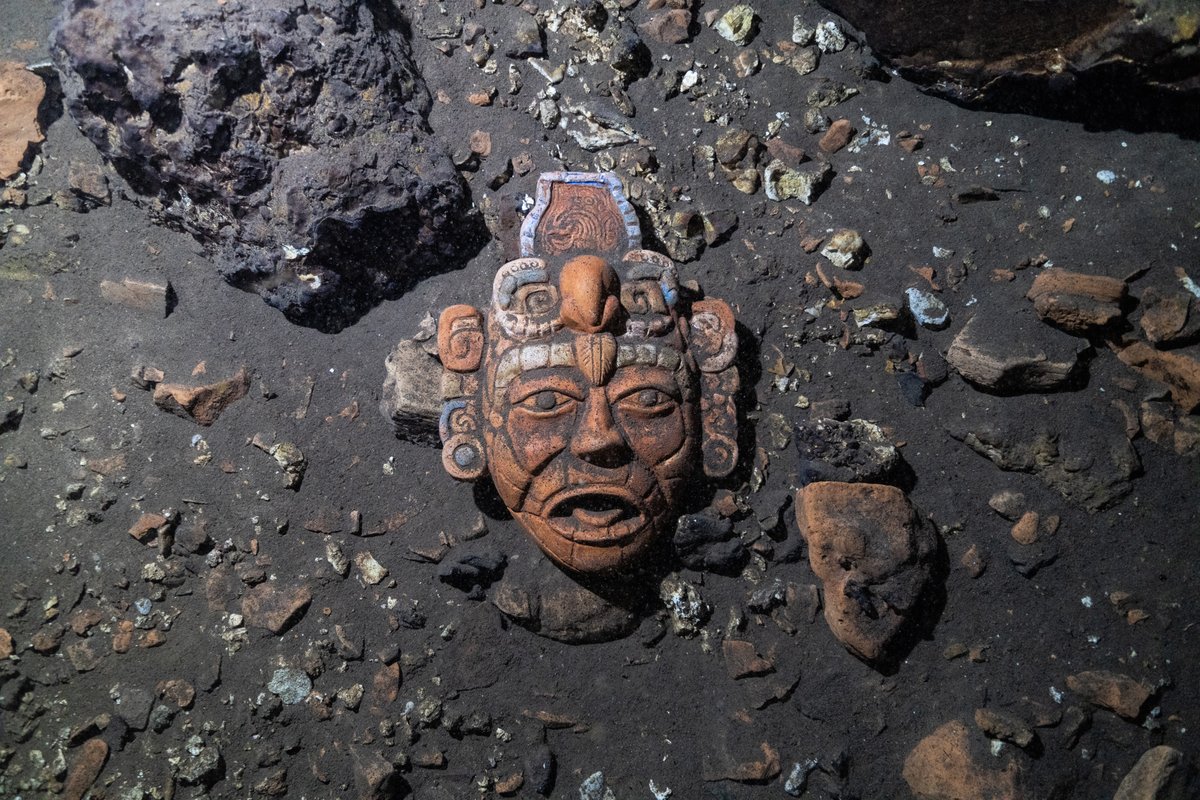
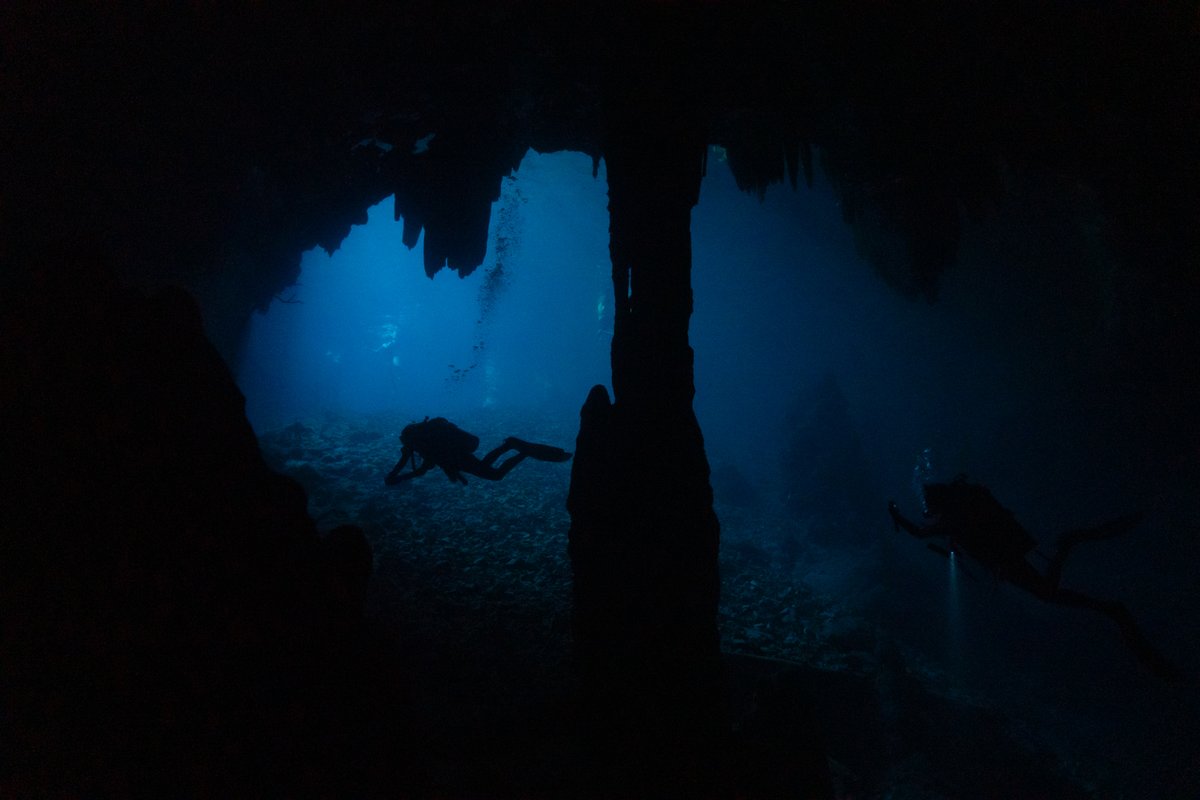
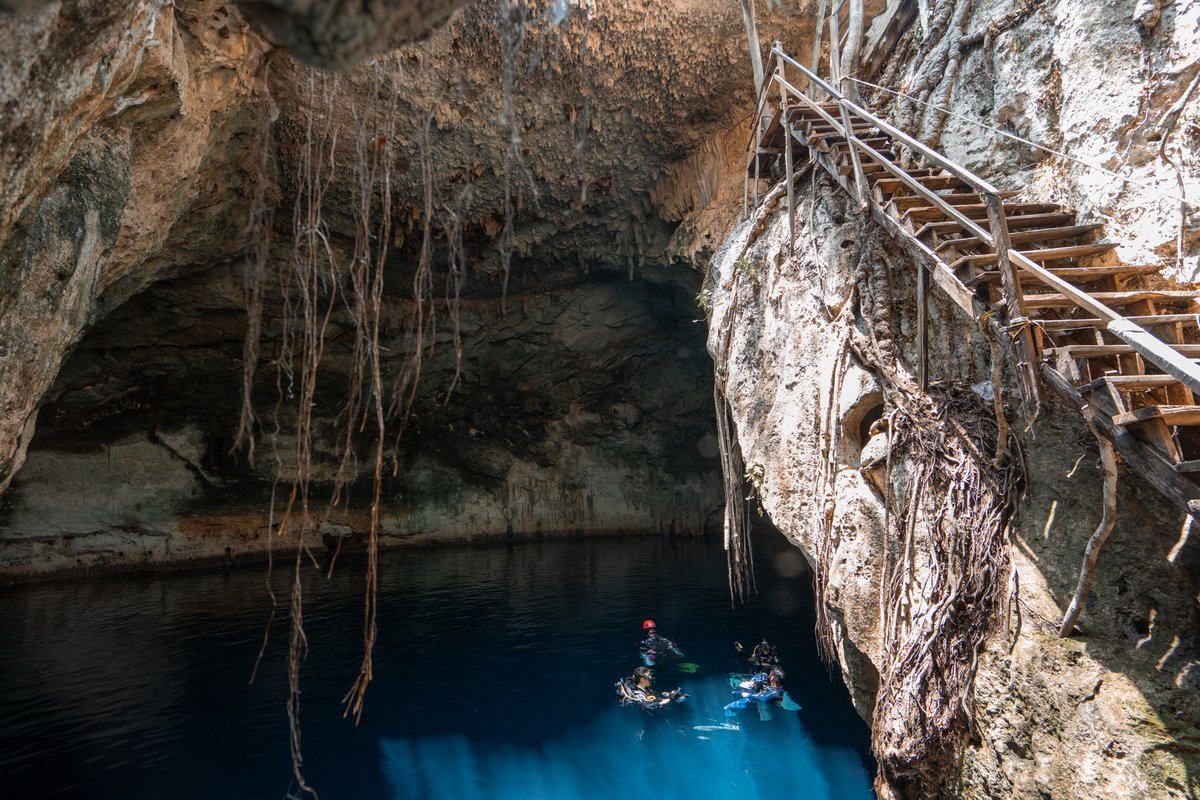
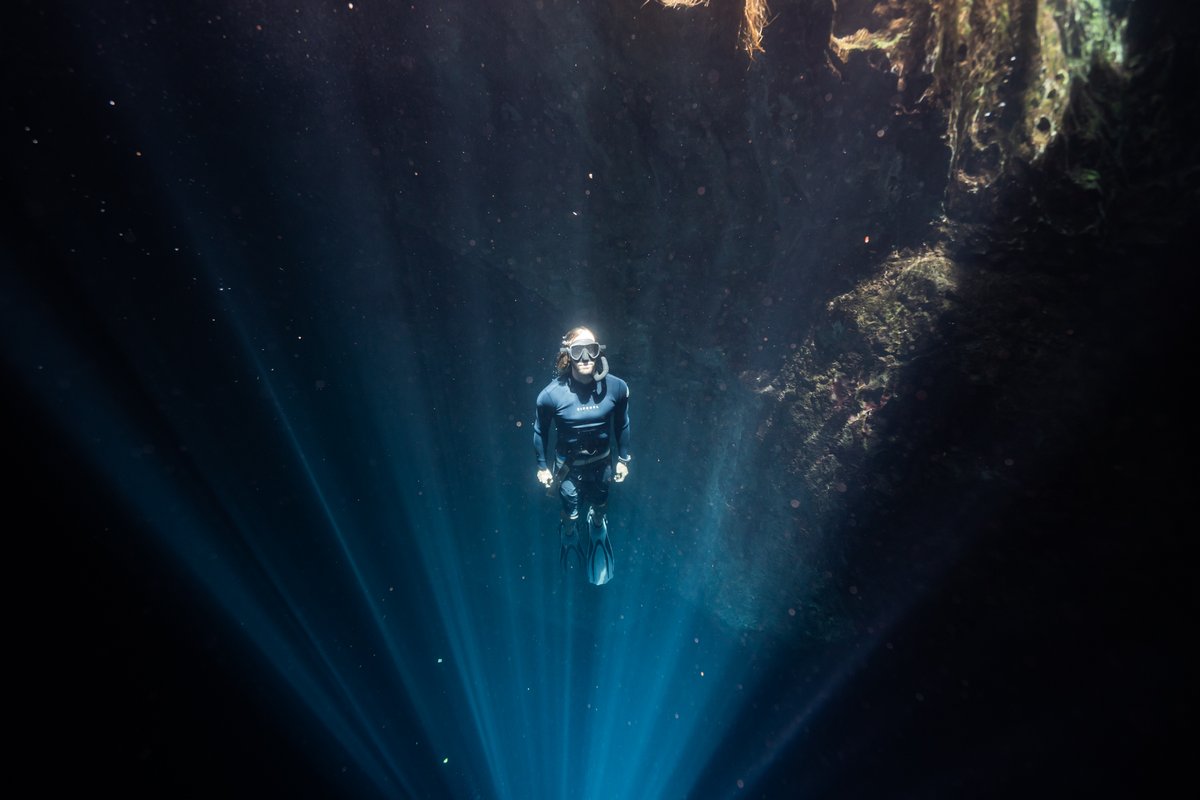
Known for its rich cultural heritage and colonial architecture, Mérida also serves as a gateway to some of the Yucatán Peninsula’s most secluded cenotes. These crystal-clear freshwater sinkholes are surrounded by lush vegetation and often connected to intricate underwater cave systems. Many remain untouched by mainstream tourism, and make up what’s called the Ring of Fire.
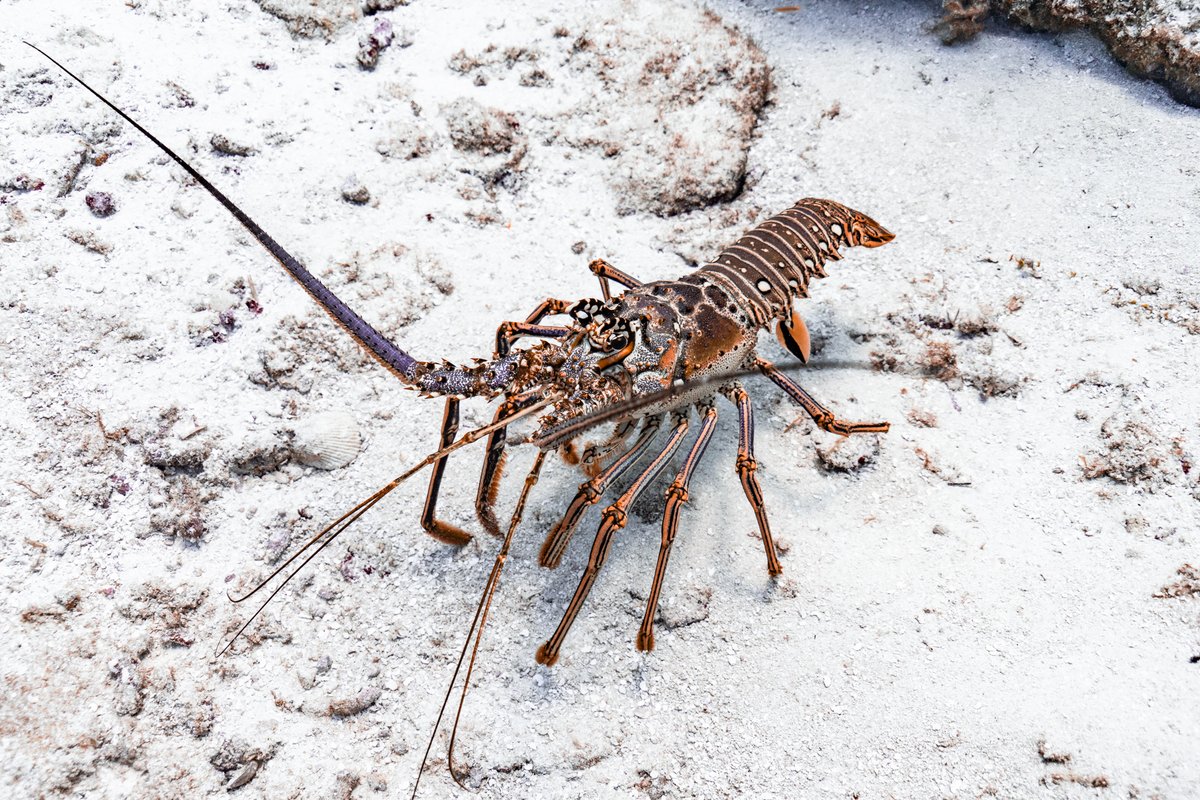
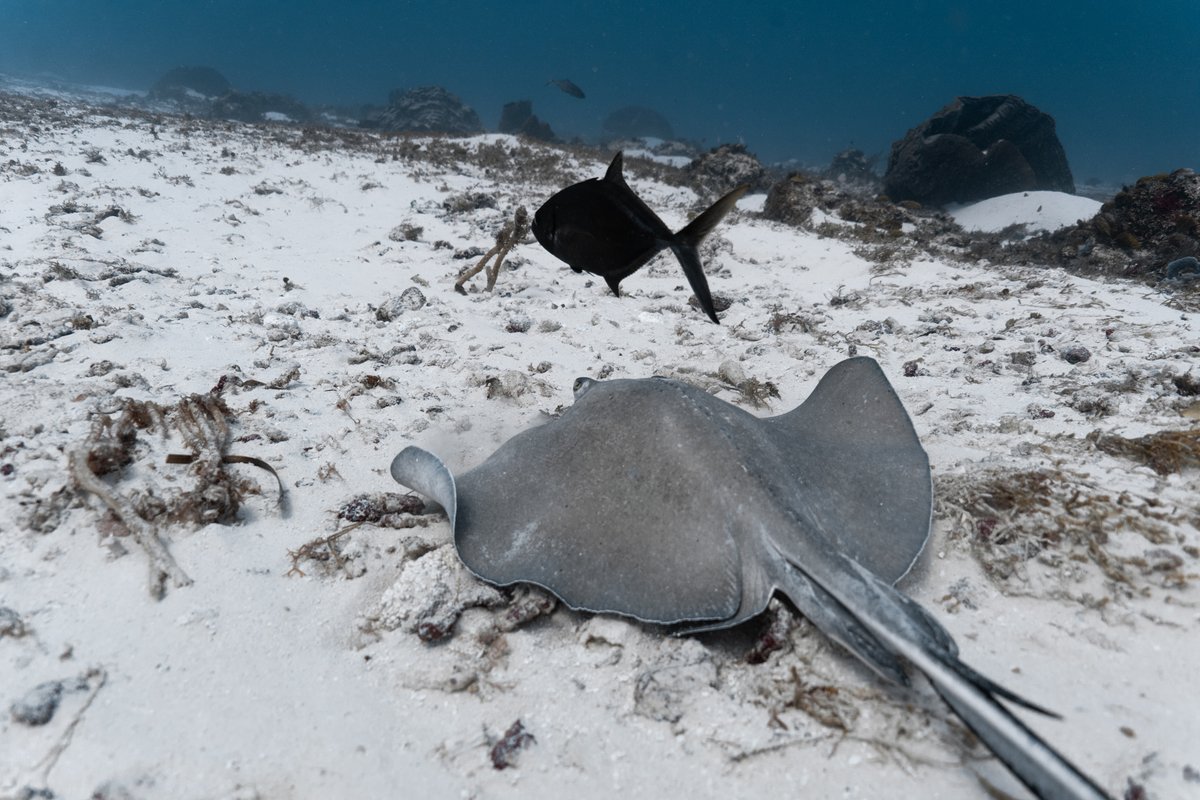
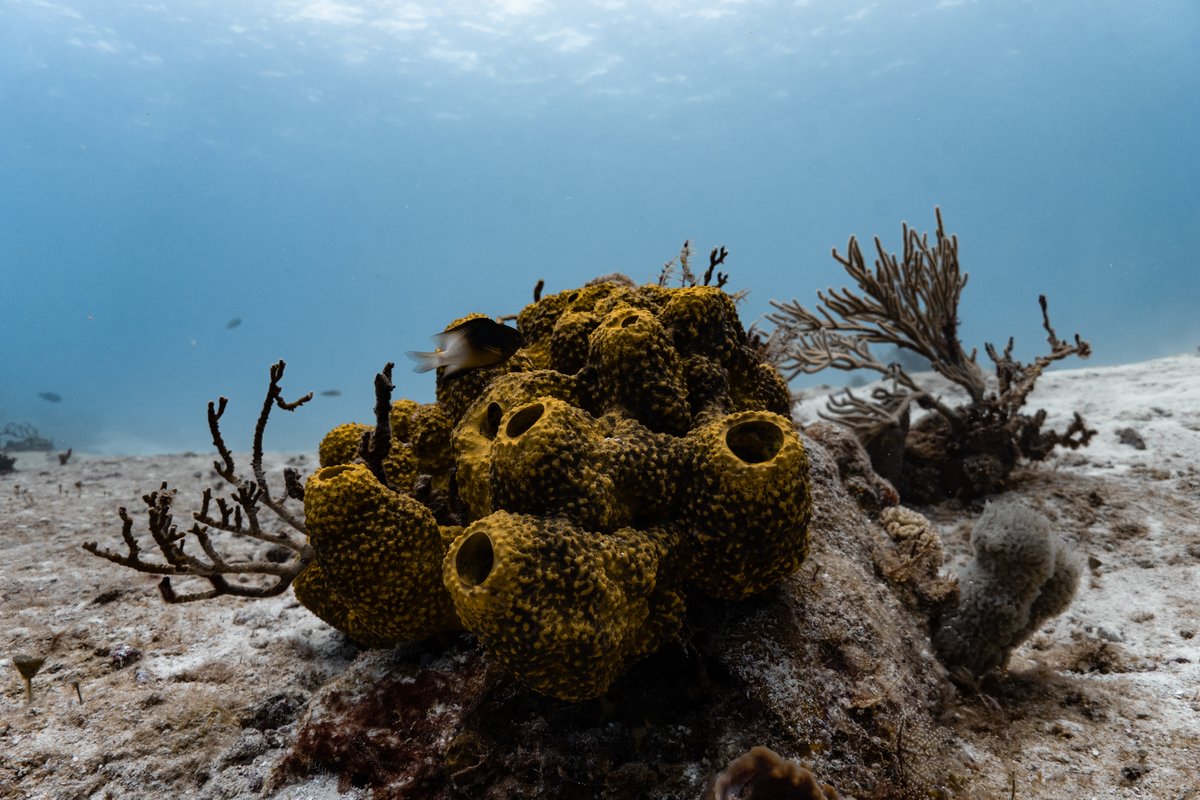
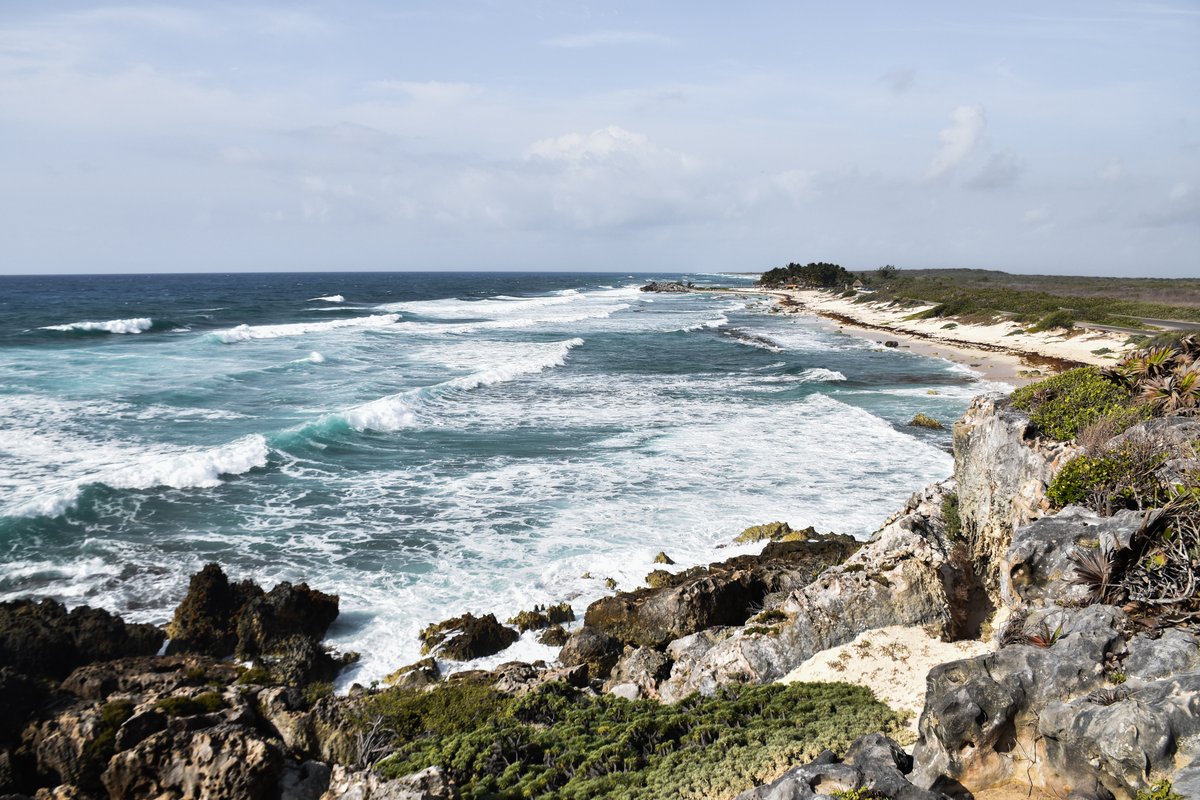
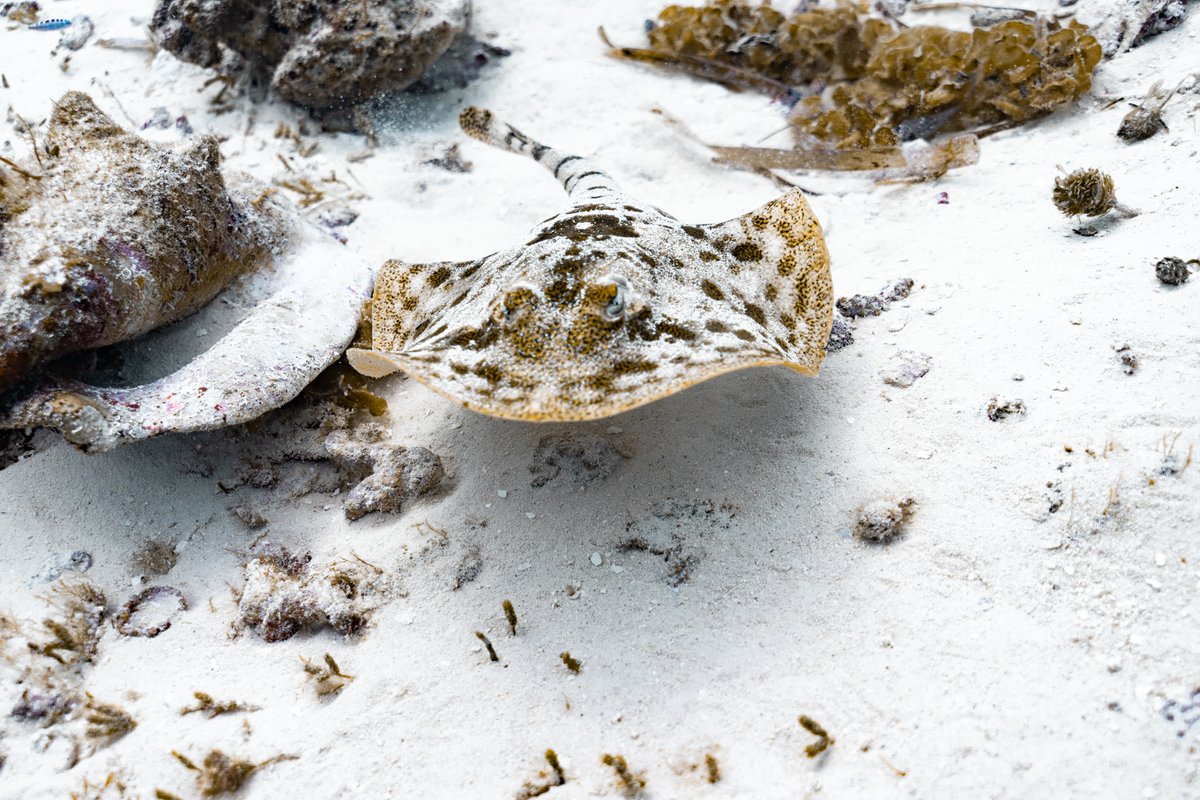
Cozumel has been a top diving destination since the 1960s, famed for its crystal-clear waters, vibrant coral reefs, and diverse marine life. The island’s marine park protects a range of habitats, from shallow reefs filled with colorful fish to deep walls covered in sponges. Above water, Cozumel’s Caribbean beaches are what keeps many coming back.
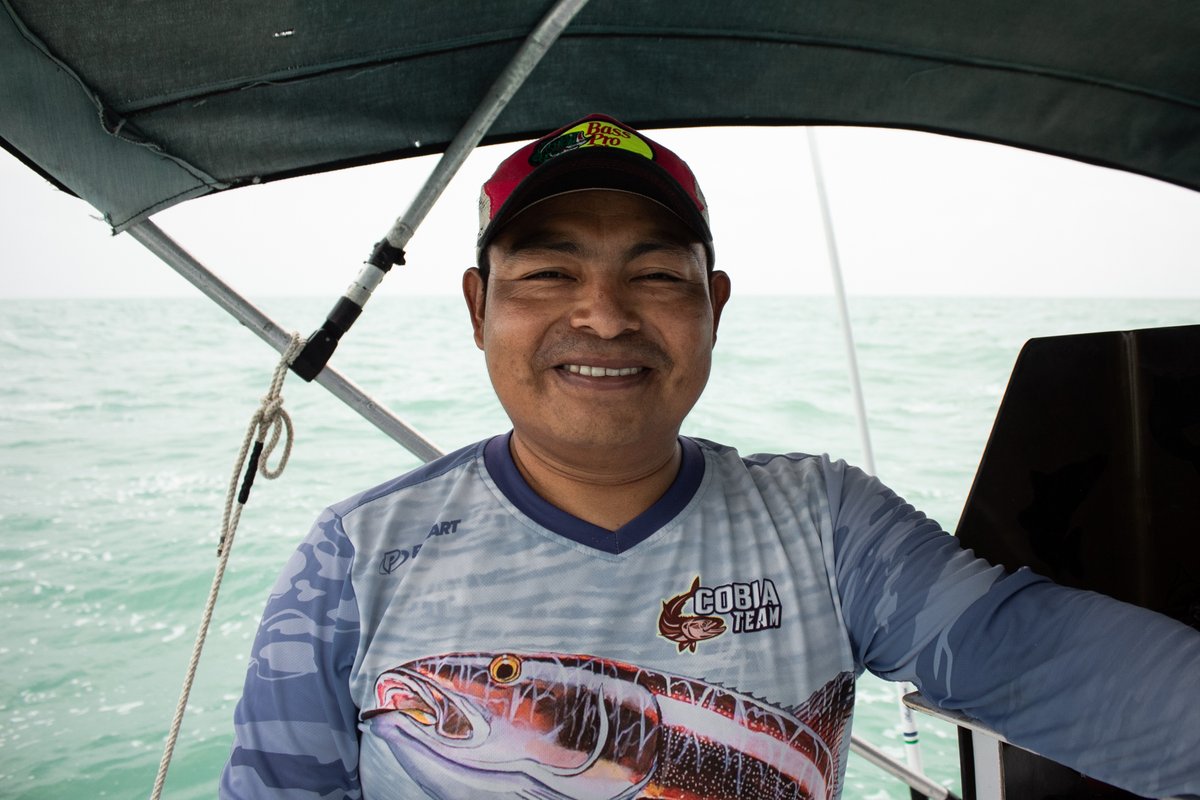
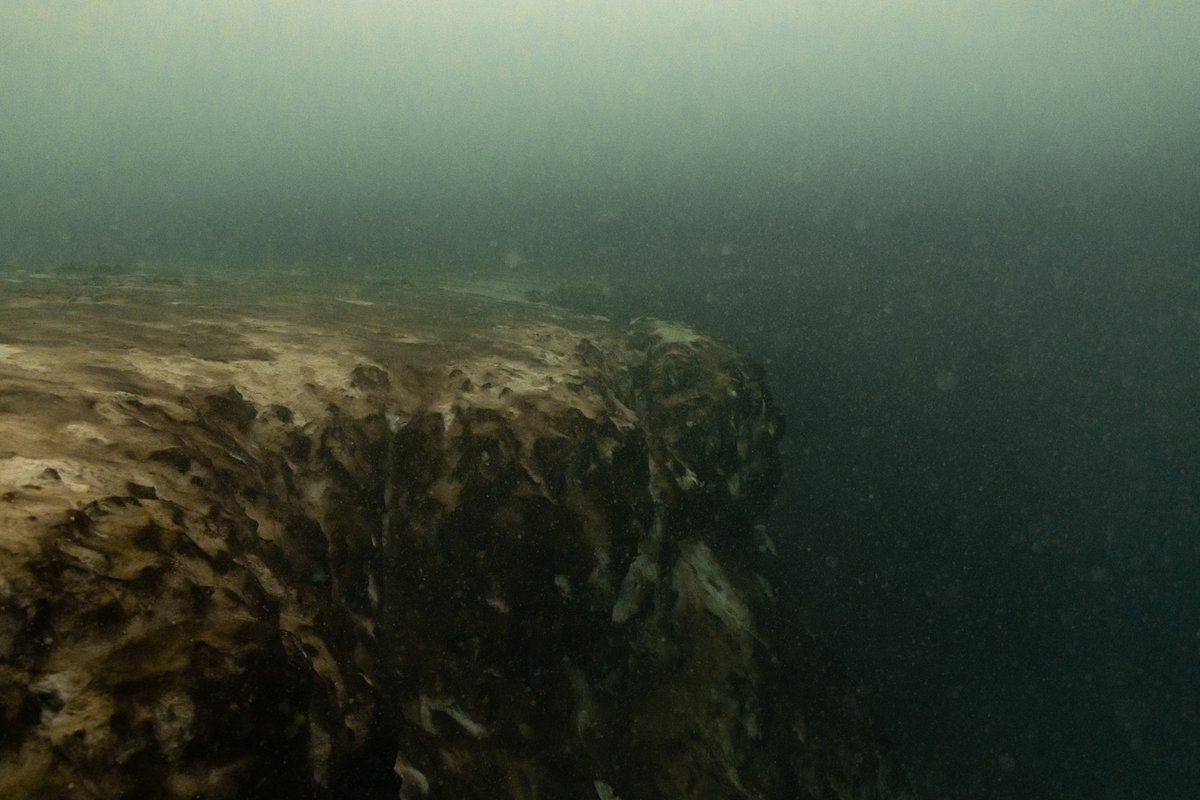
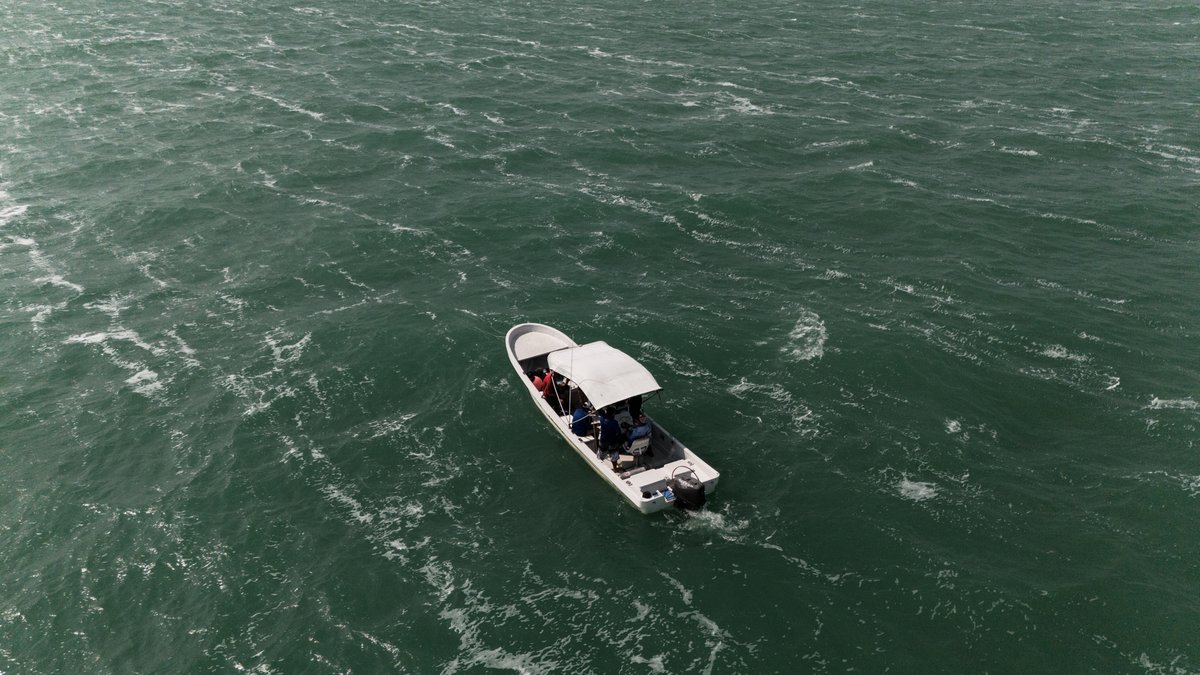
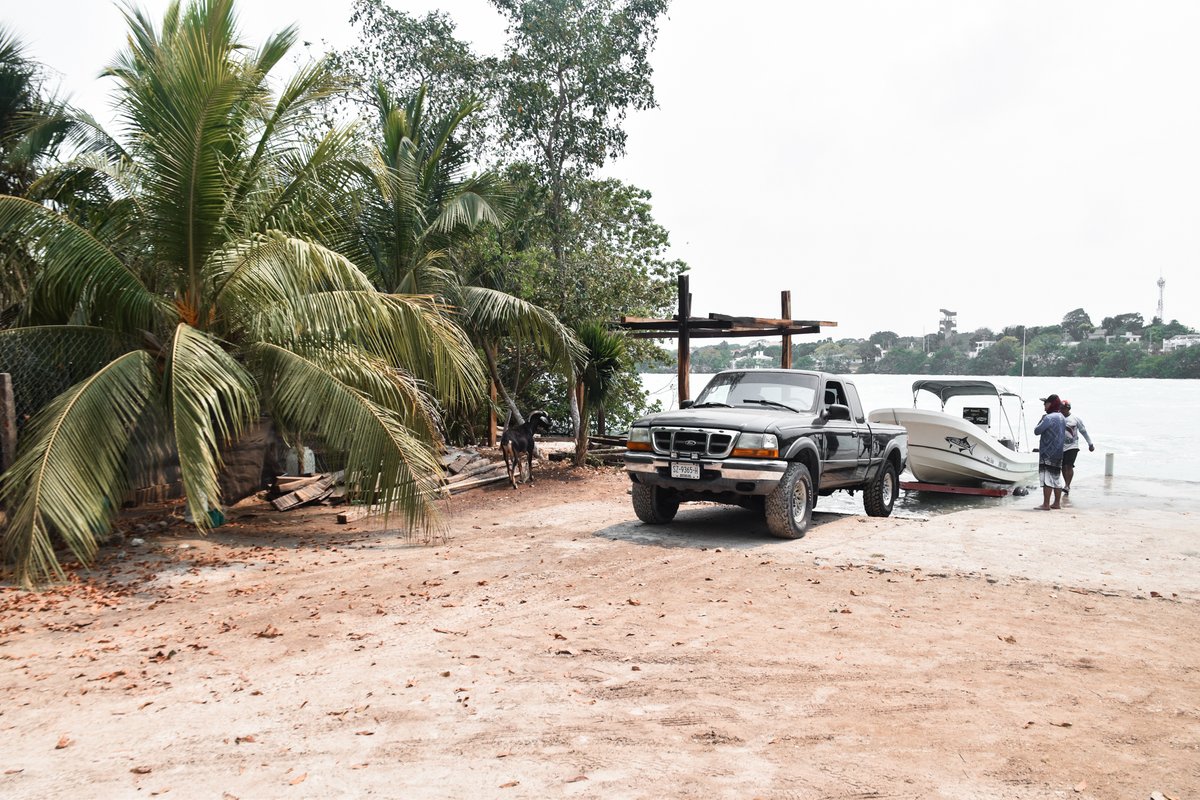
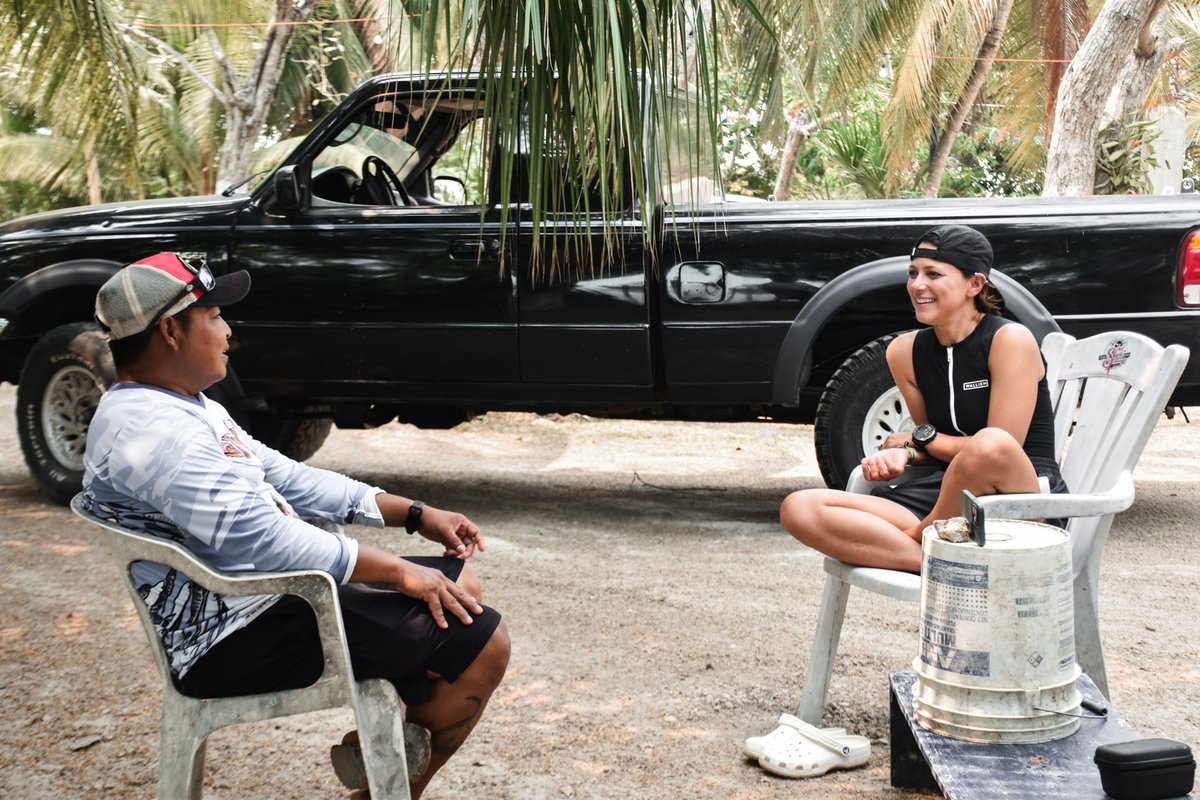
Located on the eastern coast of the Yucatán Peninsula, Chetumal is home to Taam Ja’, the world’s deepest known blue hole—though it remains inaccessible to the public. The surrounding area features mangroves, seagrass beds, and blue sinkholes that are hardly explored. Still largely off the mainstream trail, Chetumal offers a glimpse into a more untouched side of Mexico’s coast.





.png)
.png)
.png)

.png)





.png)
.png)

.svg)

.png)