

Europe’s wild places are often overlooked, but they are there, found in the cliffs of Scotland’s Hebrides, the fjords of Norway, the wolf-filled forests of Eastern Europe, and the kelp forests fringing the Atlantic coast. Centuries of history layer over landscapes that still pulse with biodiversity. In the UK, puffins, seals, and dolphins thrive offshore, while inland, rewilding projects are returning forests and rivers to their natural states. Across the continent, ancient cultures and modern conservation collide, reminding us that even in the most human-shaped landscapes, the wild endures. And while modernization pressures are off the charts here, there are teams working tirelessly to keep their homes wild and thriving.

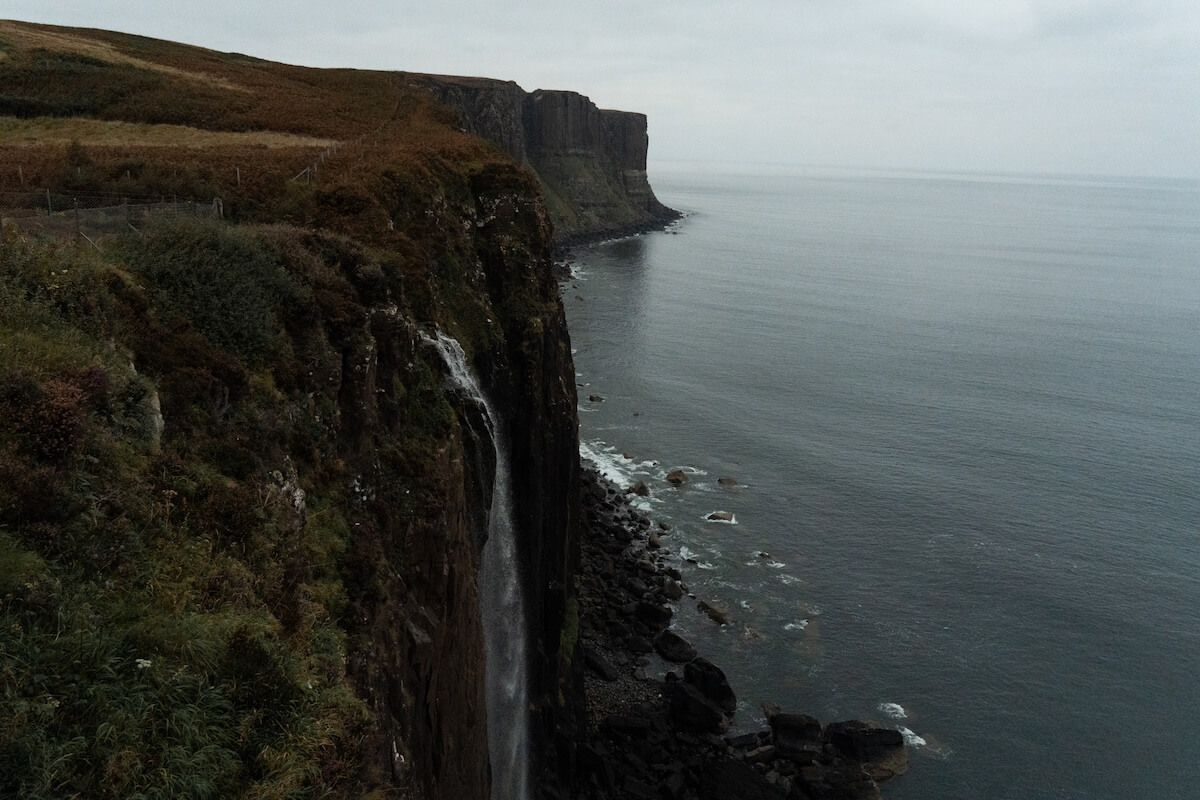
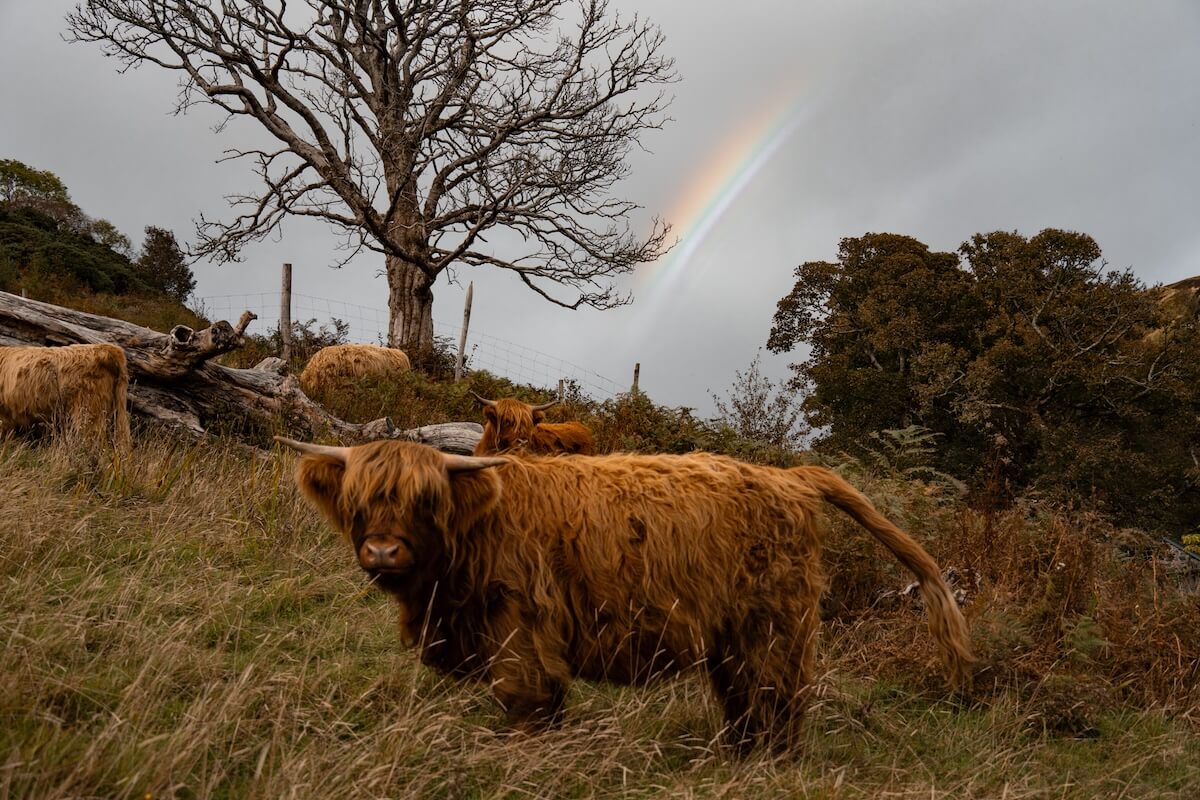
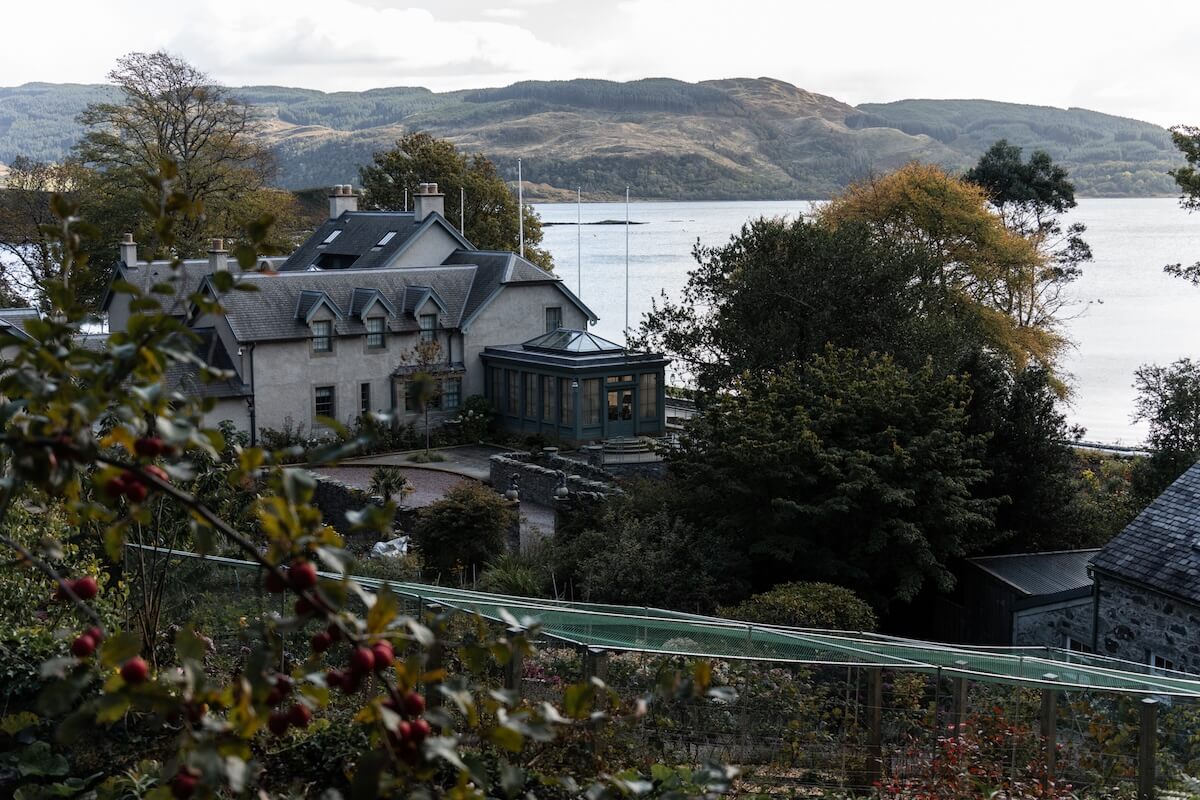

Scotland has unexpected amounts of wild spaces. Rugged mountains break into sea cliffs, while lochs cut deep into glens that feel ancient and mysterious. Offshore, the North Atlantic is alive with whales, dolphins, and grey seals, while seabirds swarm the cliffs in summer by the tens of thousands. Inland, red deer move across moors, ancient Caledonian pine forests hold elusive wildlife, and mist drifts over high ridges. From the Highlands to the remote isles, Scotland feels both raw and timeless, a landscape where the elements are always in charge.
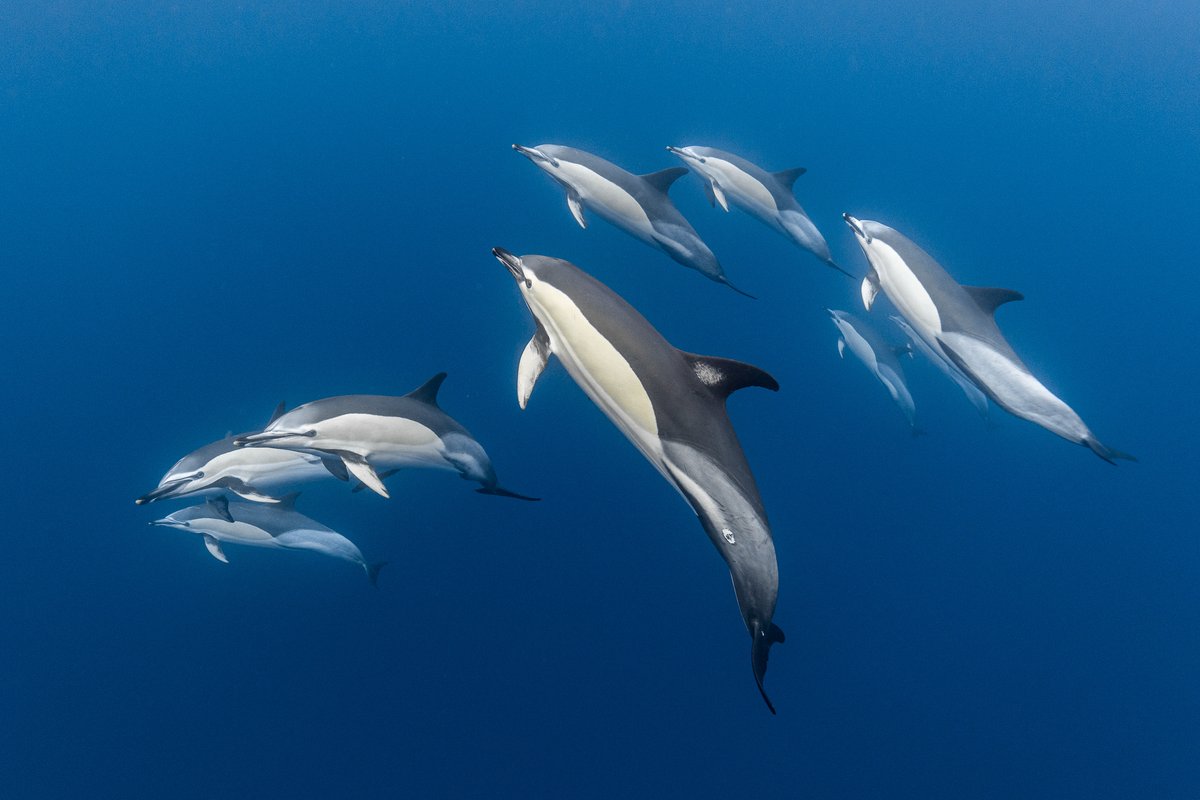

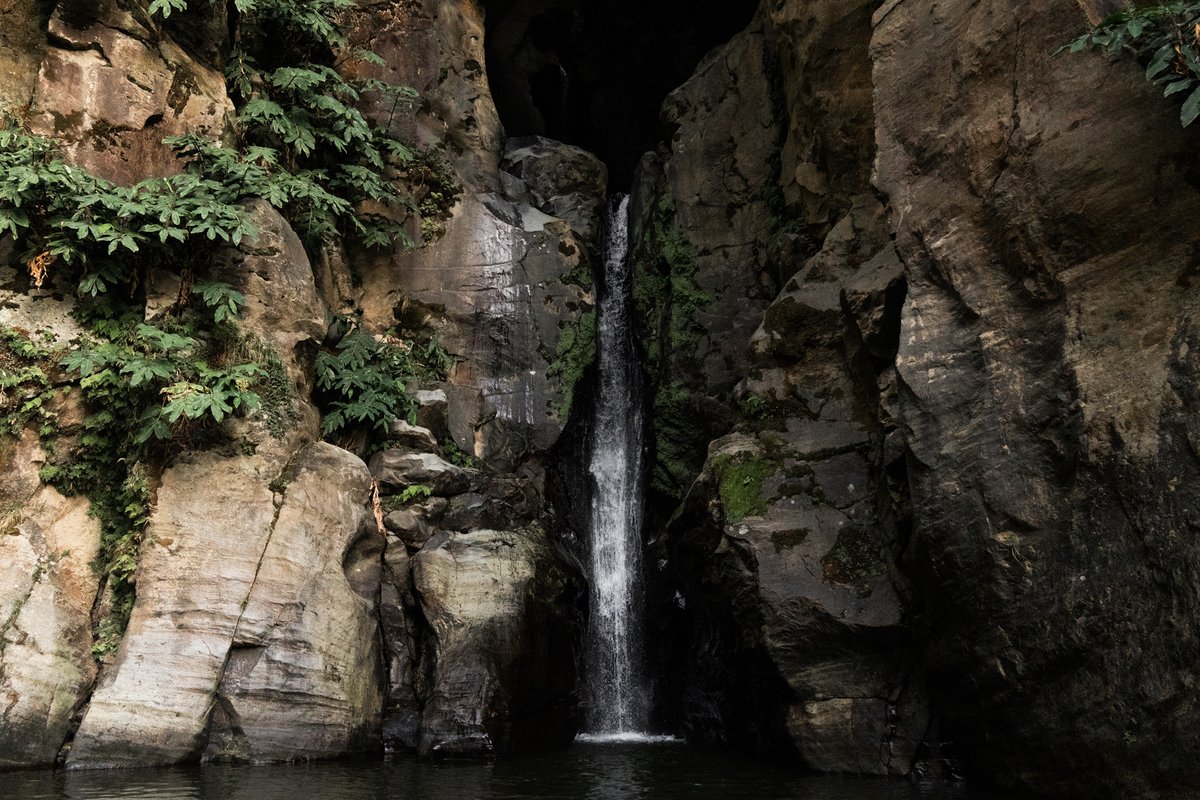
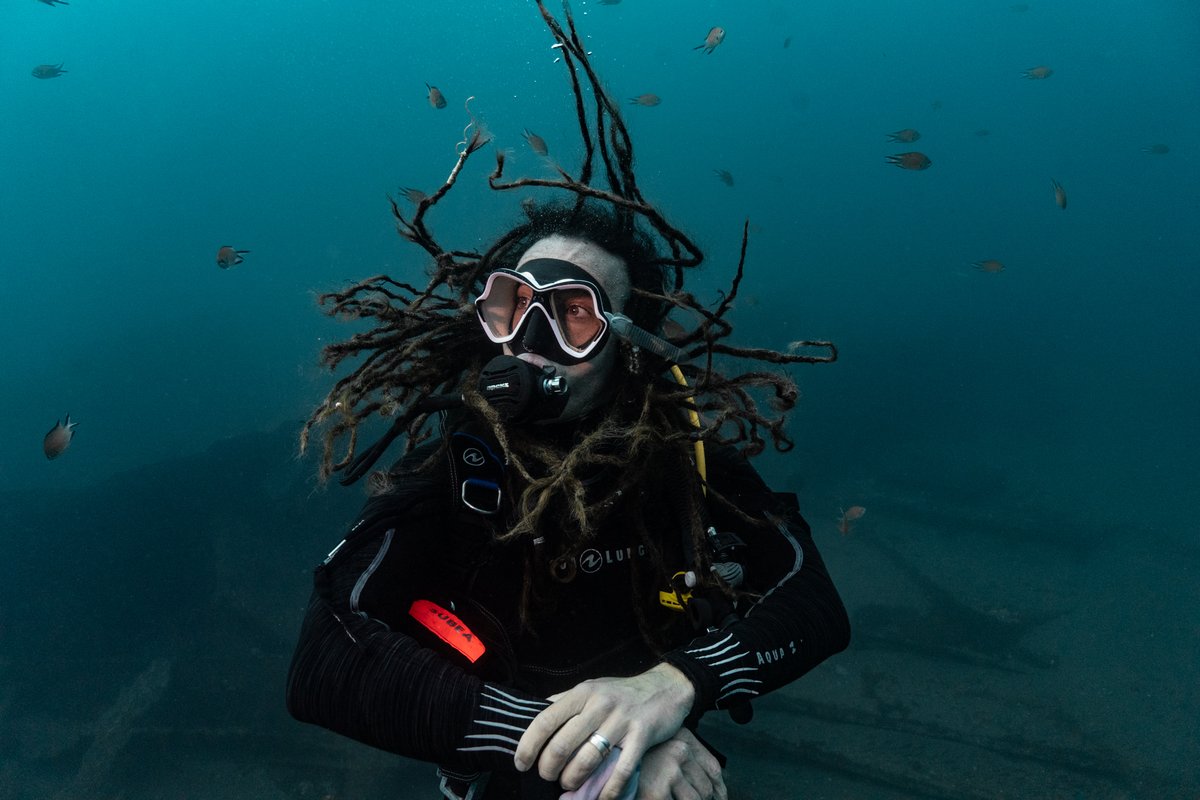
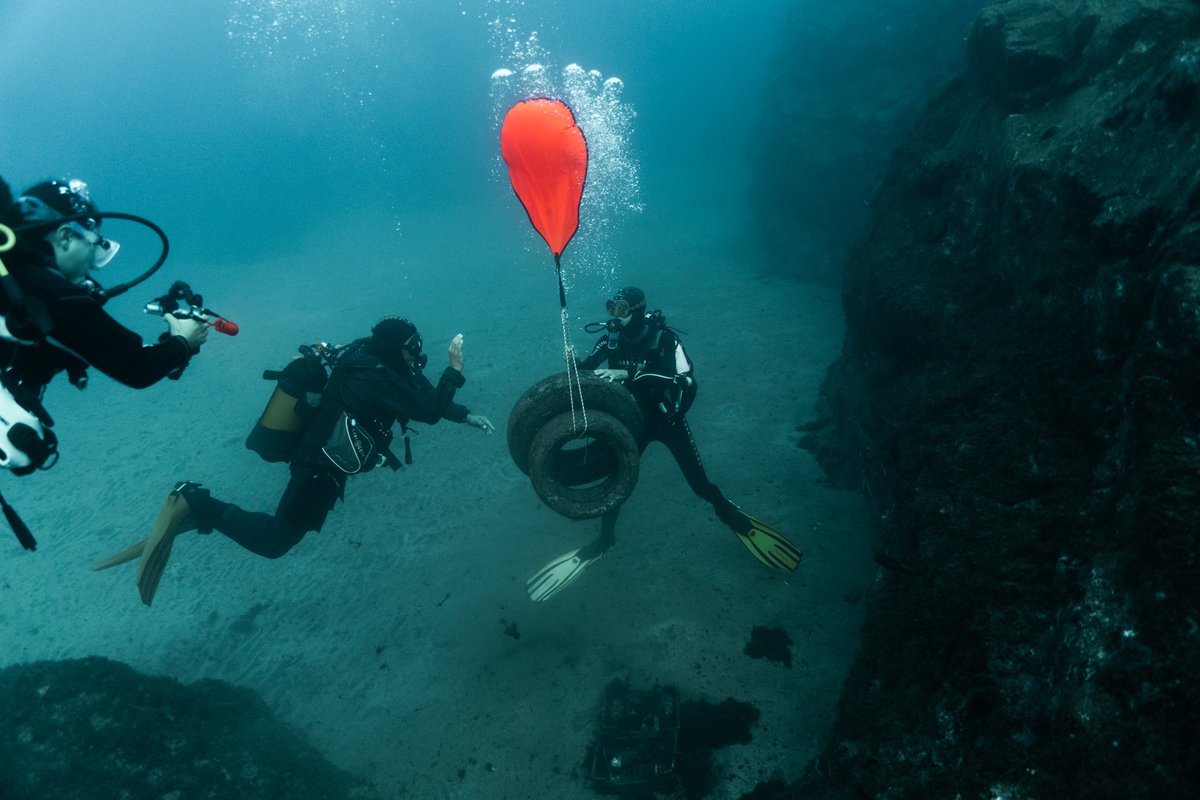
At the edge of Europe, Portugal is shaped by the Atlantic. From wind-battered cliffs and golden beaches to volcanic islands that rise straight from the sea, it’s a country defined by both land and water. Whales, dolphins, and seabirds thrive along its coasts, while inland, vineyards and valleys make timeless villages so special. With a seafaring history that carried Portuguese explorers across the globe, the country remains a meeting point of wild landscapes, natural richness, and deep maritime heritage.

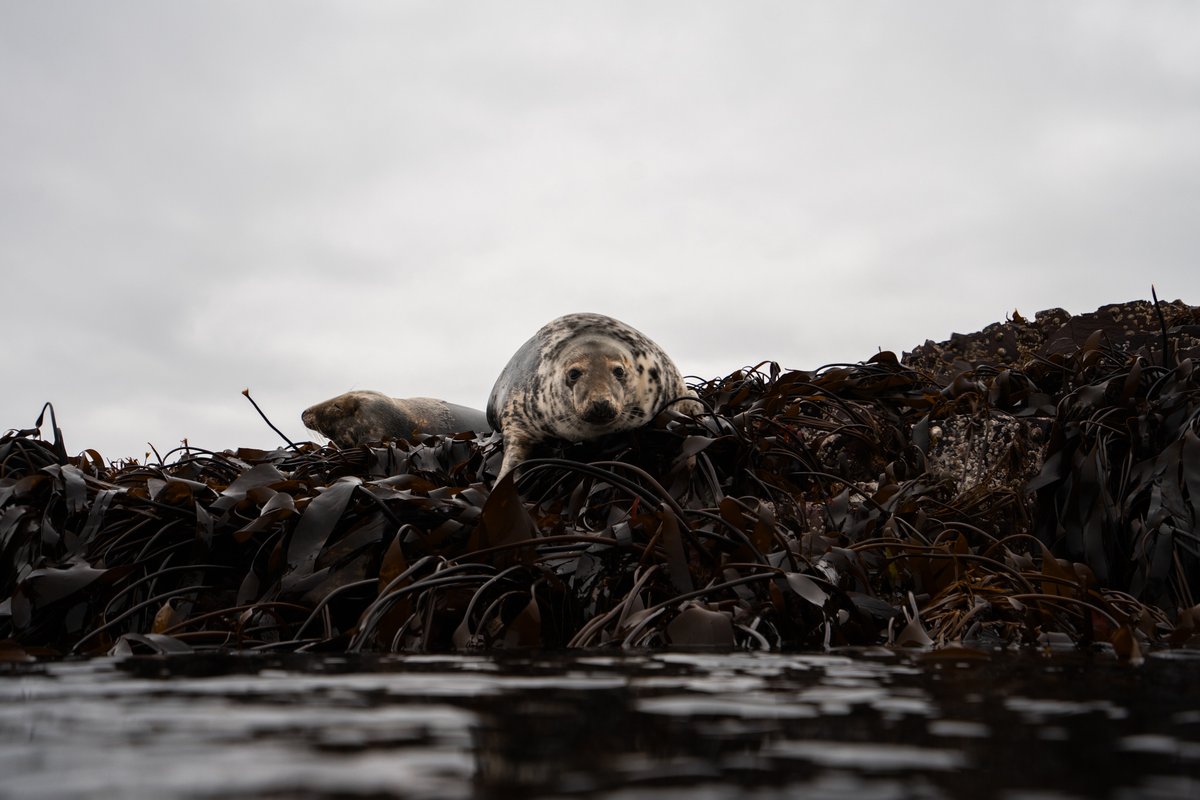


England may be compact, but its landscapes are as varied as its history of exploration. From chalk cliffs that launched ships across the globe to rolling hills, ancient oak forests, and tidal wetlands, this is a land where culture and wildness have always intertwined. Its coastal waters host seals, dolphins, and seabirds, while inland rivers and woodlands shelter deer, otters, and rare birds. National parks and heritage coastlines prove that wilderness survives here. These same shores were once shaping empires, but now are protecting vital habitats and species.
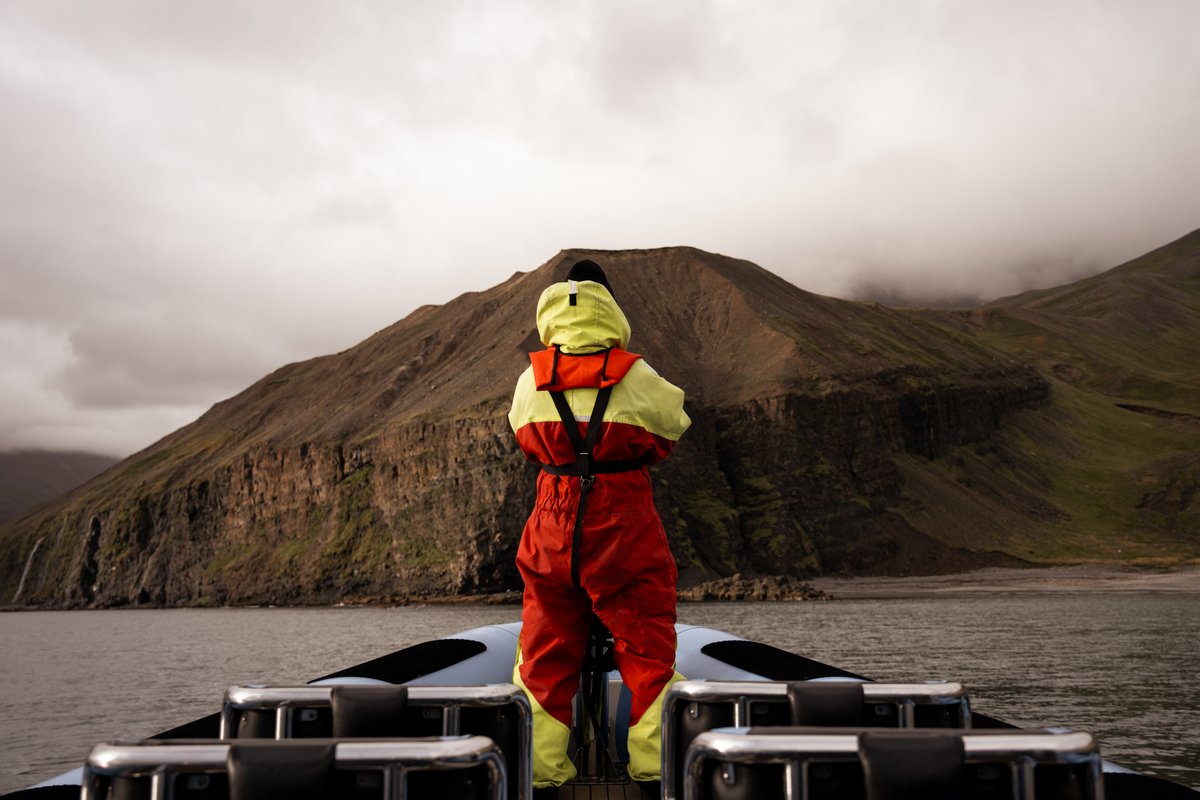
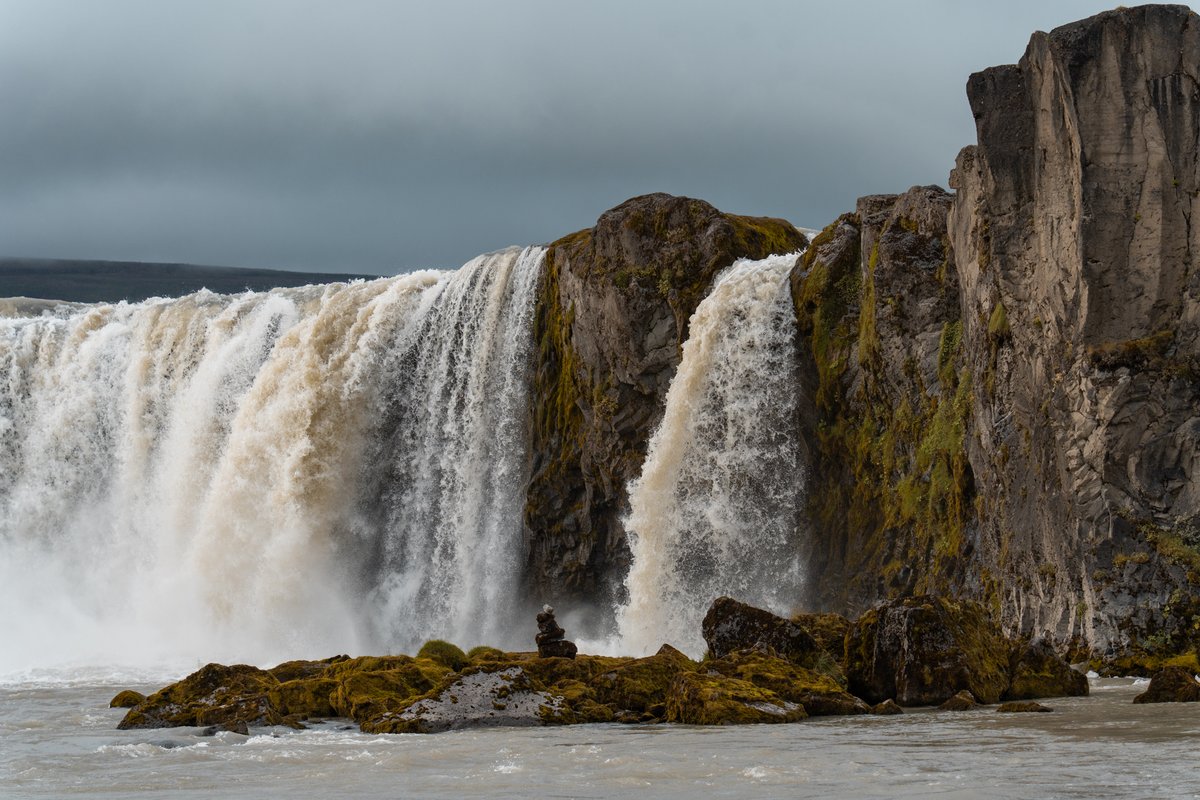
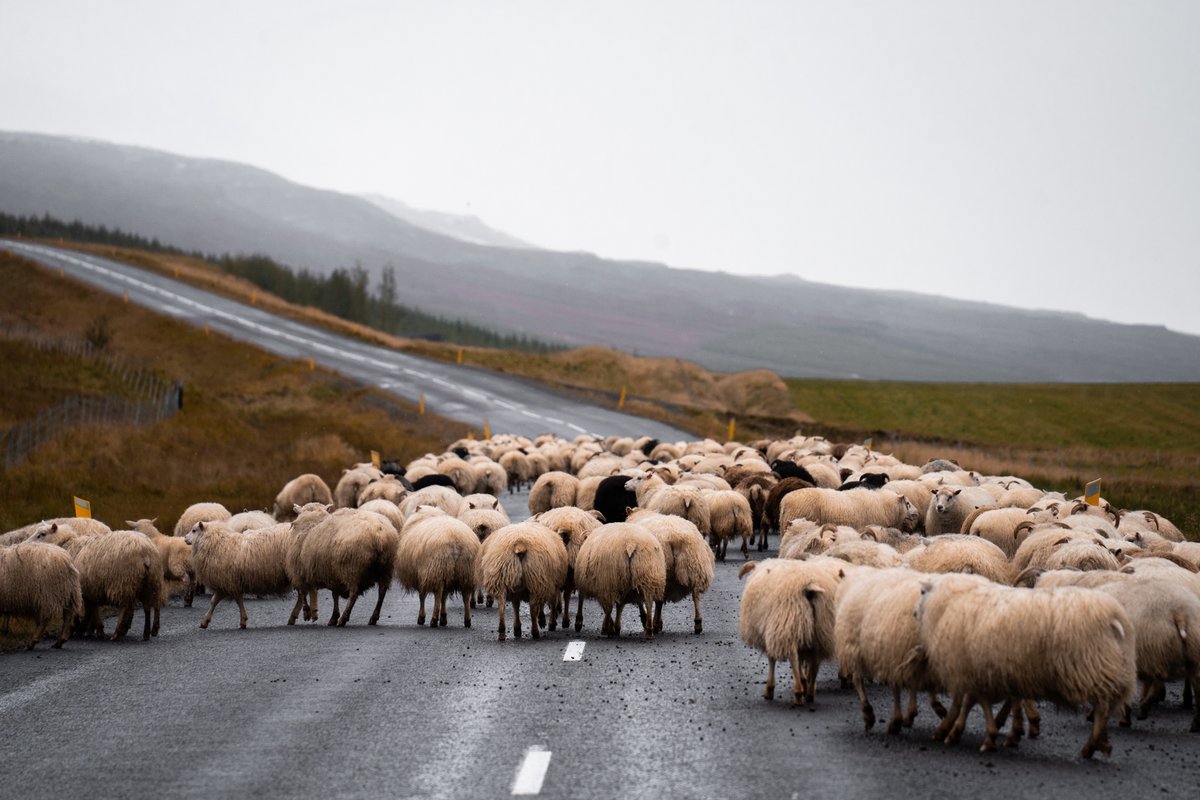


Iceland is a land of extremes—volcanoes still shaping the earth, glaciers grinding their way to the sea, and geothermal springs steaming through frozen ground. Puffins can be found in key regions around the island, while humpback and blue whales feed in icy bays. Whether slipping between tectonic plates at Silfra Fissure or hiking across lava fields, Iceland feels like a living laboratory of nature in motion.
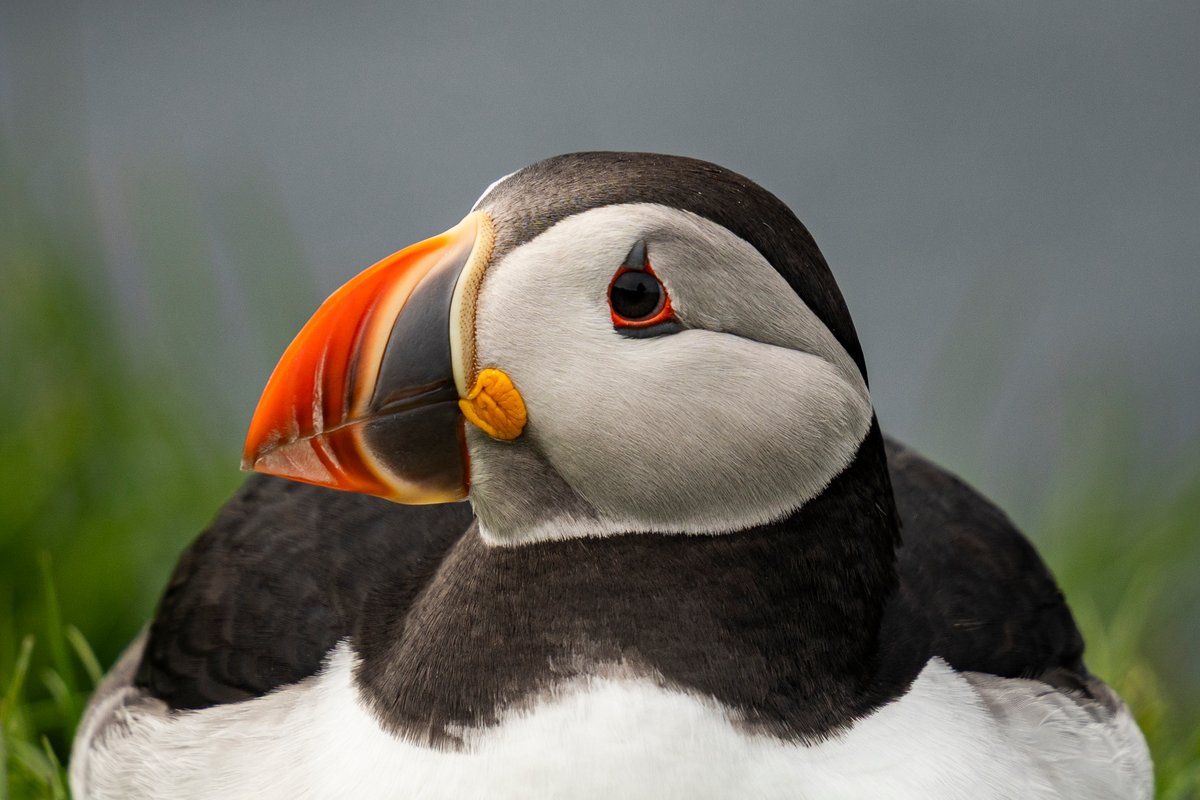


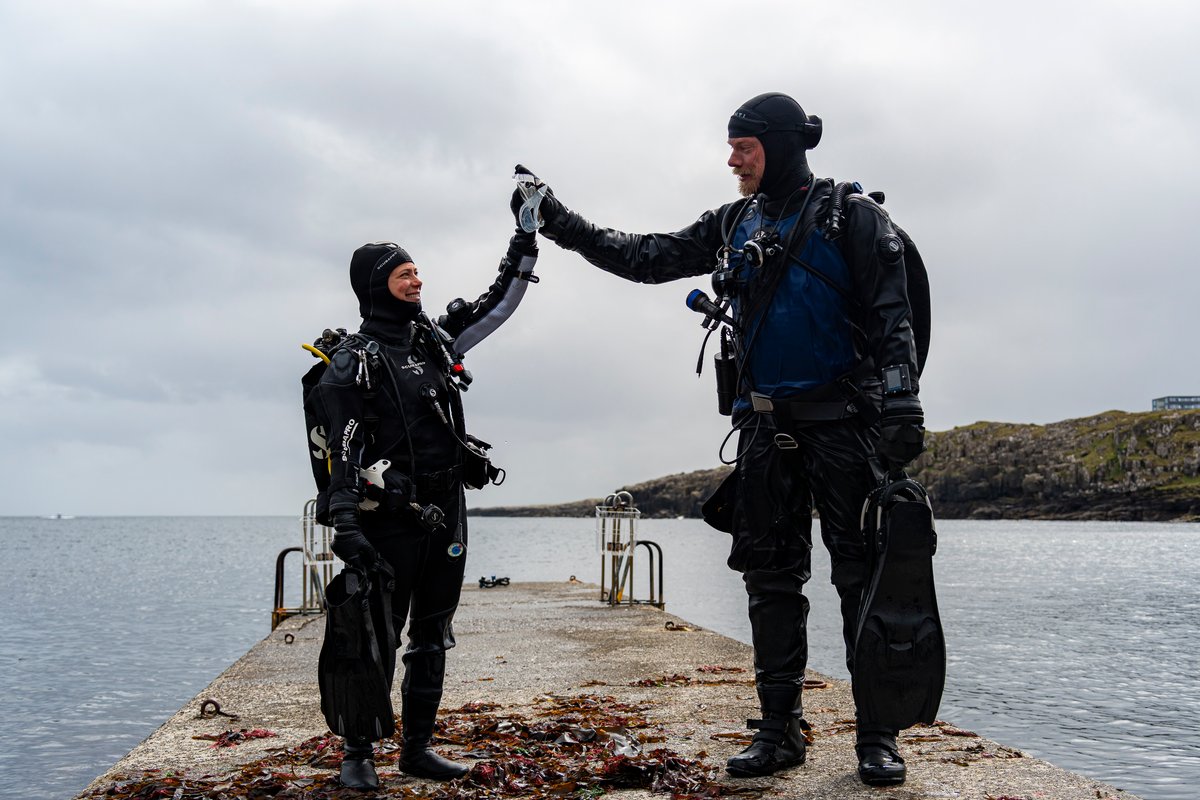
The Faroes are raw and rugged—green valleys broken by sheer cliffs, sea stacks rising from the Atlantic, and villages tucked deep into fjords. Seabirds dominate the skies, with puffins, guillemots, and fulmars in extraordinary numbers, while seals and whales can be found in the surrounding seas. The islands also carry a complicated legacy with pilot whales: centuries-old traditions of community hunts that remain deeply controversial today. Remote and weather-carved, the Faroes feel like one of Europe’s last true frontiers.





.png)
.png)
.png)

.png)





.png)
.png)

.svg)