

Iceland's south is a study in contrasts: black-sand beaches pounded by surf, glacier tongues spilling into lagoons, and ash-covered plains stretching toward the horizon. Arctic plants can be found on the edges of glacial rivers, while bird colonies thrive along the cliffs. This region holds some of Iceland's most iconic sites, yet still feels as raw as it gets.
One of Iceland's leading adventure tour operators, offering guided experiences from glacier hikes and ice cave tours to whale watching and diving between tectonic plates in Silfra. Based in Reykjavik, they emphasize sustainable travel practices and work to minimize the environmental impact of tourism while supporting local conservation initiatives.
A research center conducting studies on Iceland's marine and terrestrial ecosystems. They focus on environmental monitoring, species conservation, and climate change impacts while supporting sustainable resource management in Iceland's unique natural environments.
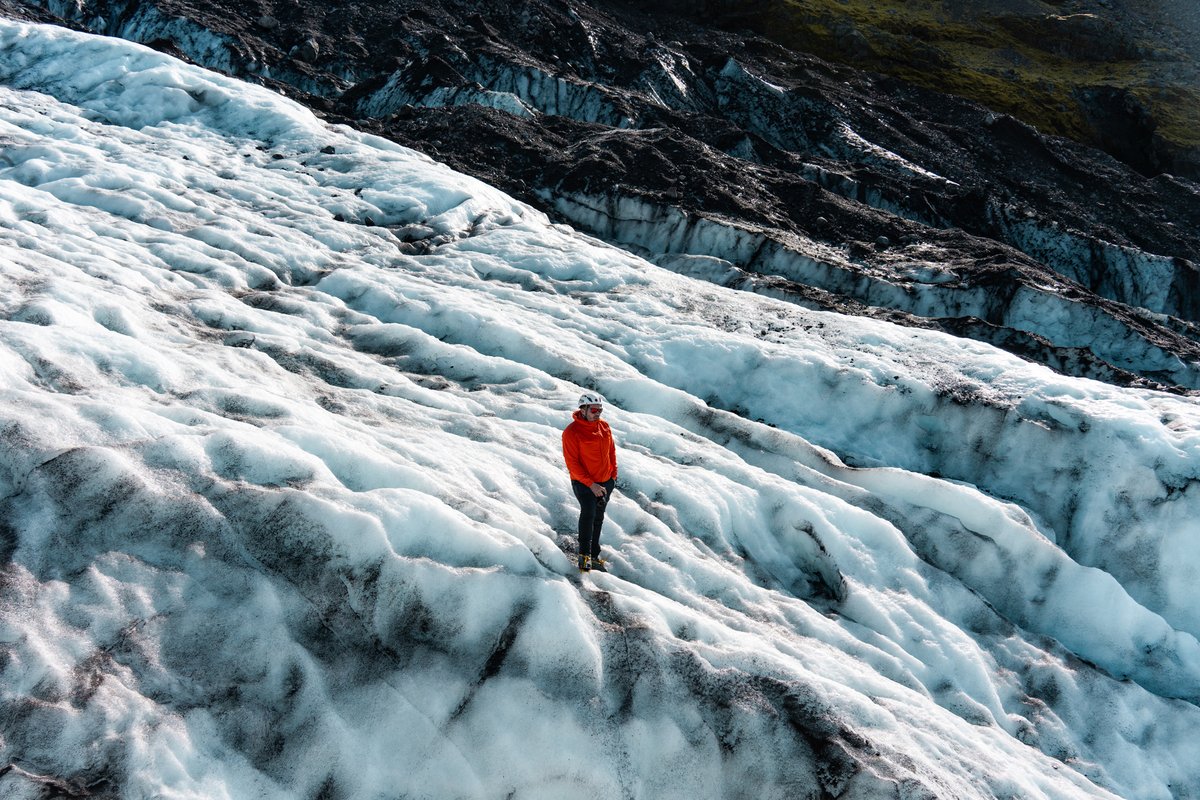
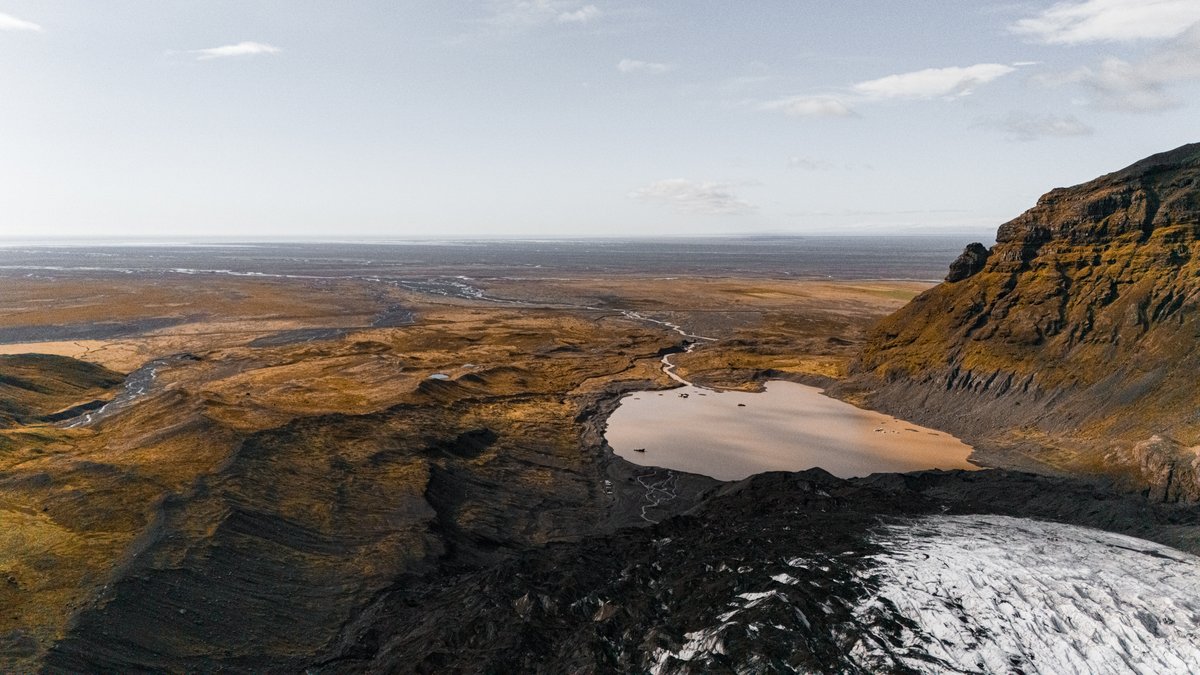
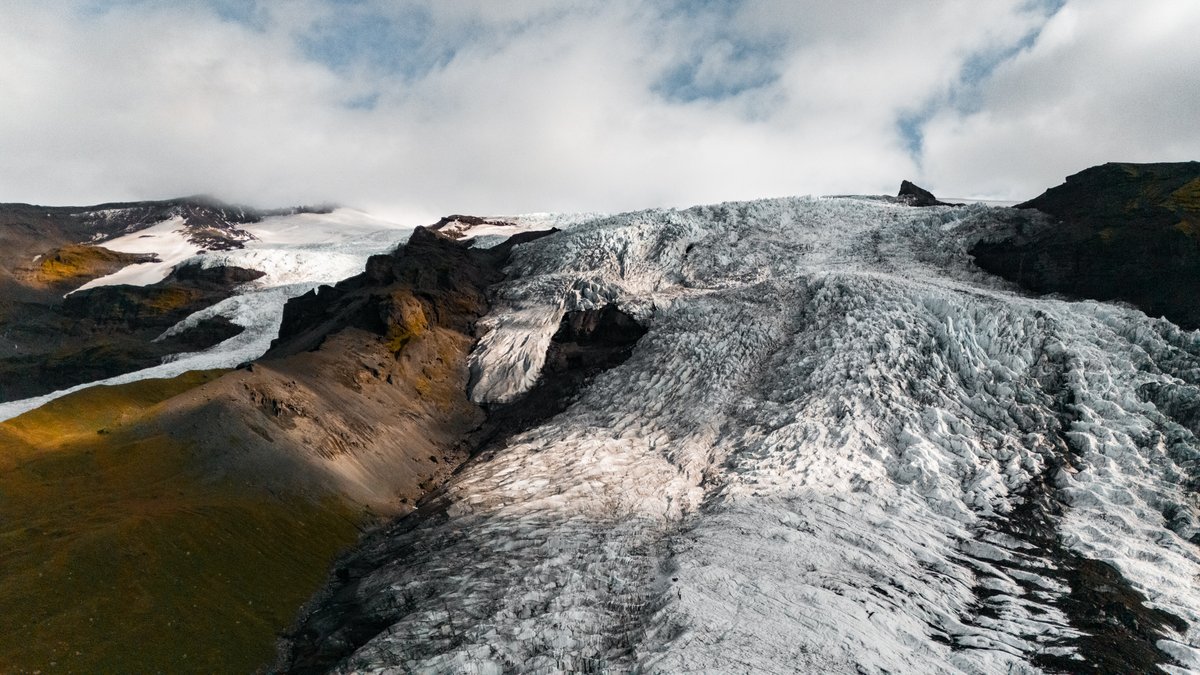
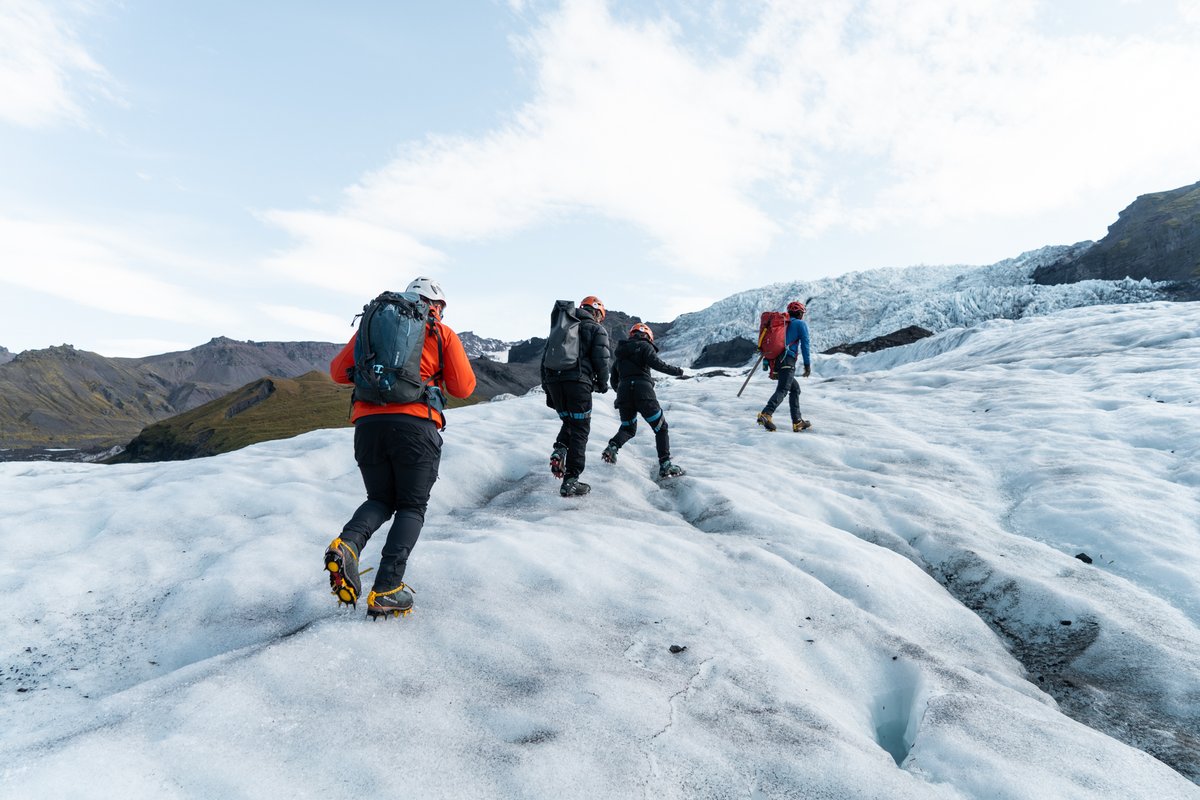
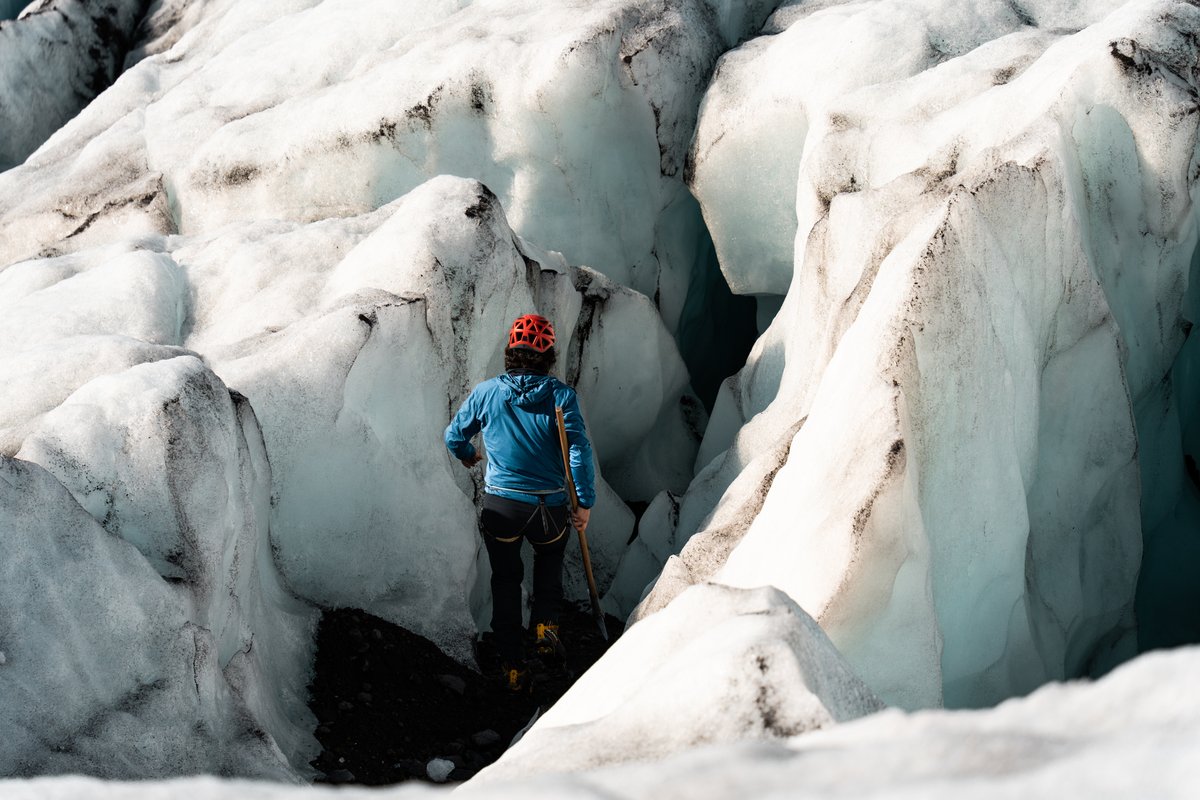
At the edge of Vatnajökull, Europe’s largest glacier, Fagurhólsmýri is surrounded by what is easily considered some of the most beautiful landscapes in the country. Black sands, meltwater rivers, and sweeping icefields are the iconic draws. Migratory birds gather on its wetlands, while nearby glacier lagoons are filled with drifting icebergs. It’s one of the best places to see how climate change is impacting our world, leaving a lasting impression to those who care to take a closer look.





.png)

.png)
.png)

.png)





.png)
.png)

.svg)
.jpeg)