

In the middle of the Atlantic, the Azores feel like an outpost between continents. These nine volcanic islands are crowned with crater lakes and covered in green, while offshore waters are known as a hotspot for sperm whales, dolphins, and seasonal migrations of the ocean's giants. Hiking ridges, soaking in hot springs, or diving beneath lava-formed coastlines makes the Azores a rare place—also known as Hawaii of Europe.

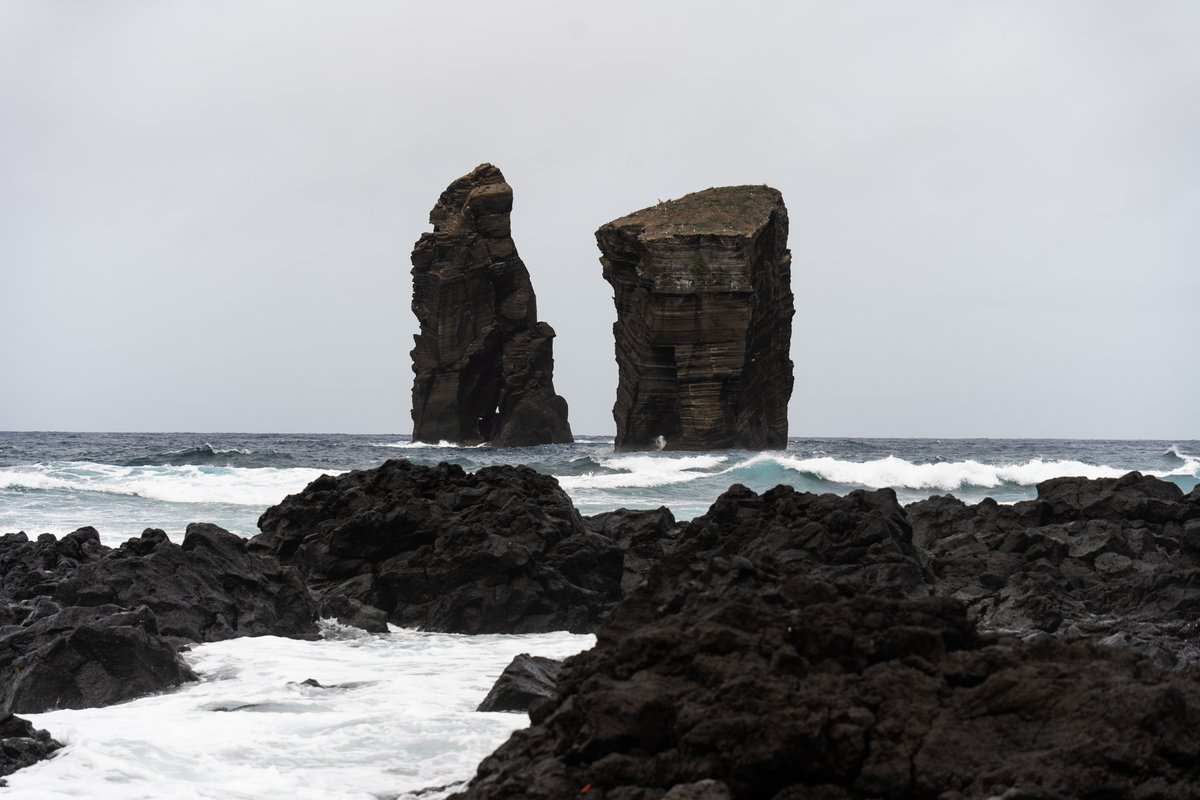

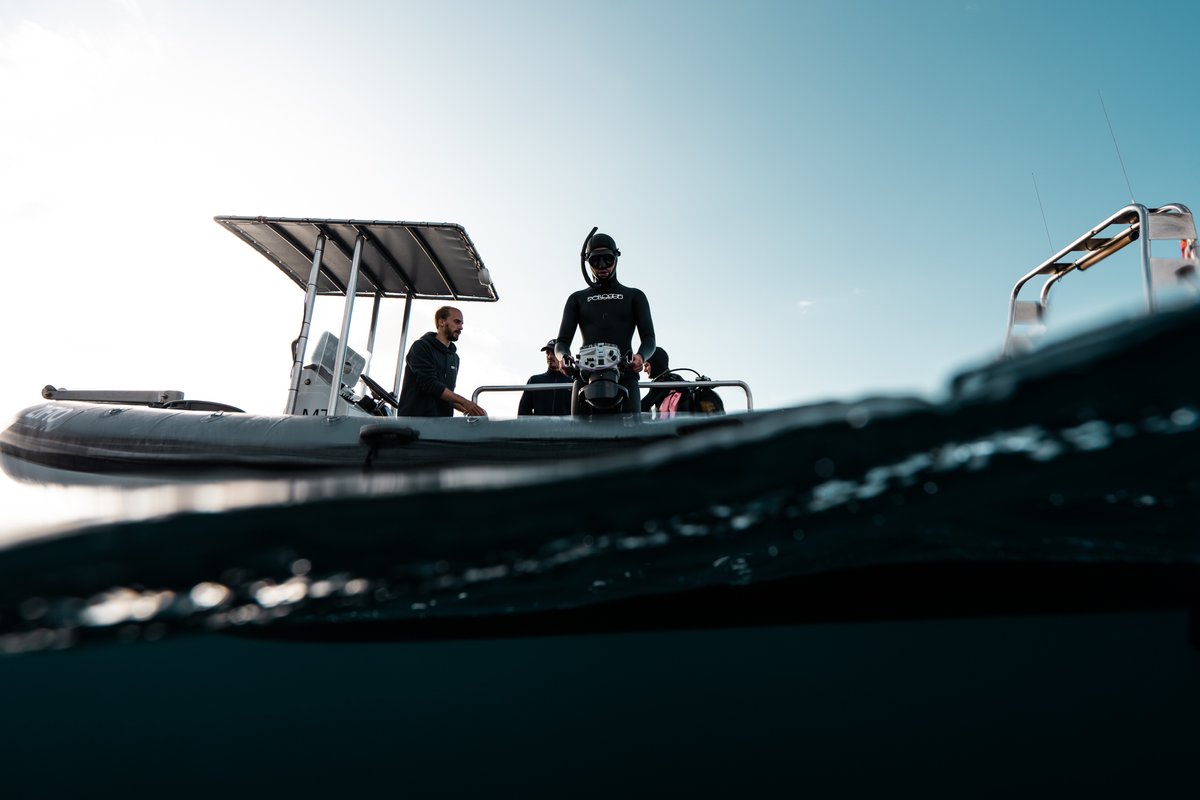

São Miguel, the “Green Island,” is where geothermal forces are impossible to ignore. Steam rises from hot springs, crater lakes glow blue and green, and cliffs are the main event. Offshore, whales, sharks and dolphins congregate, while inland trails cut through valleys alive with hydrangeas and endemic plants. It’s an island where volcanic power shapes everything.
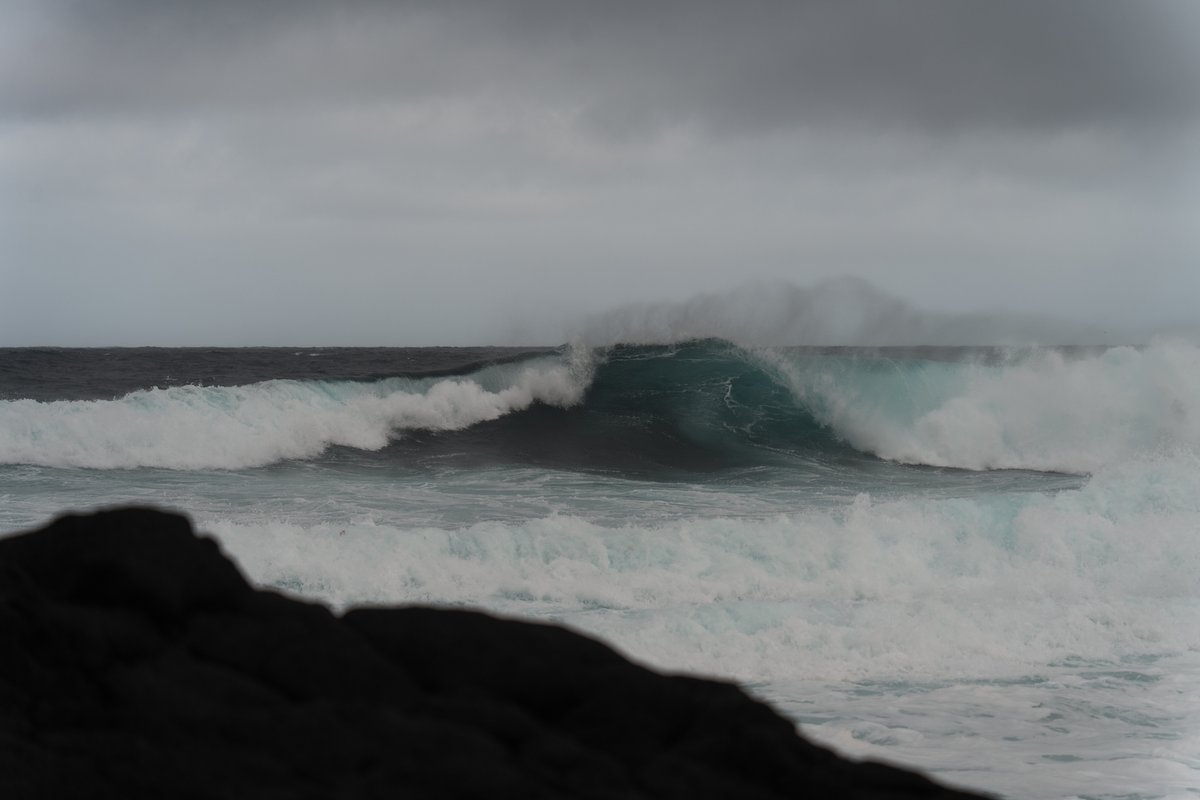
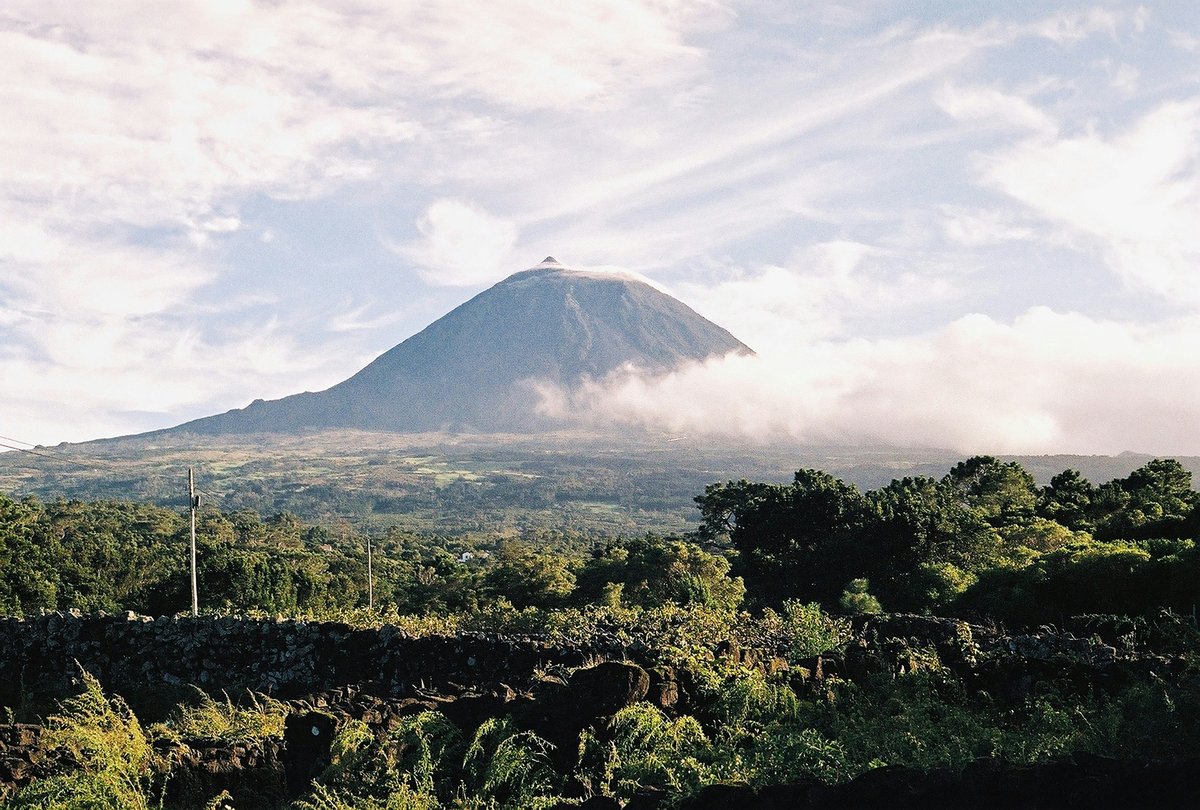
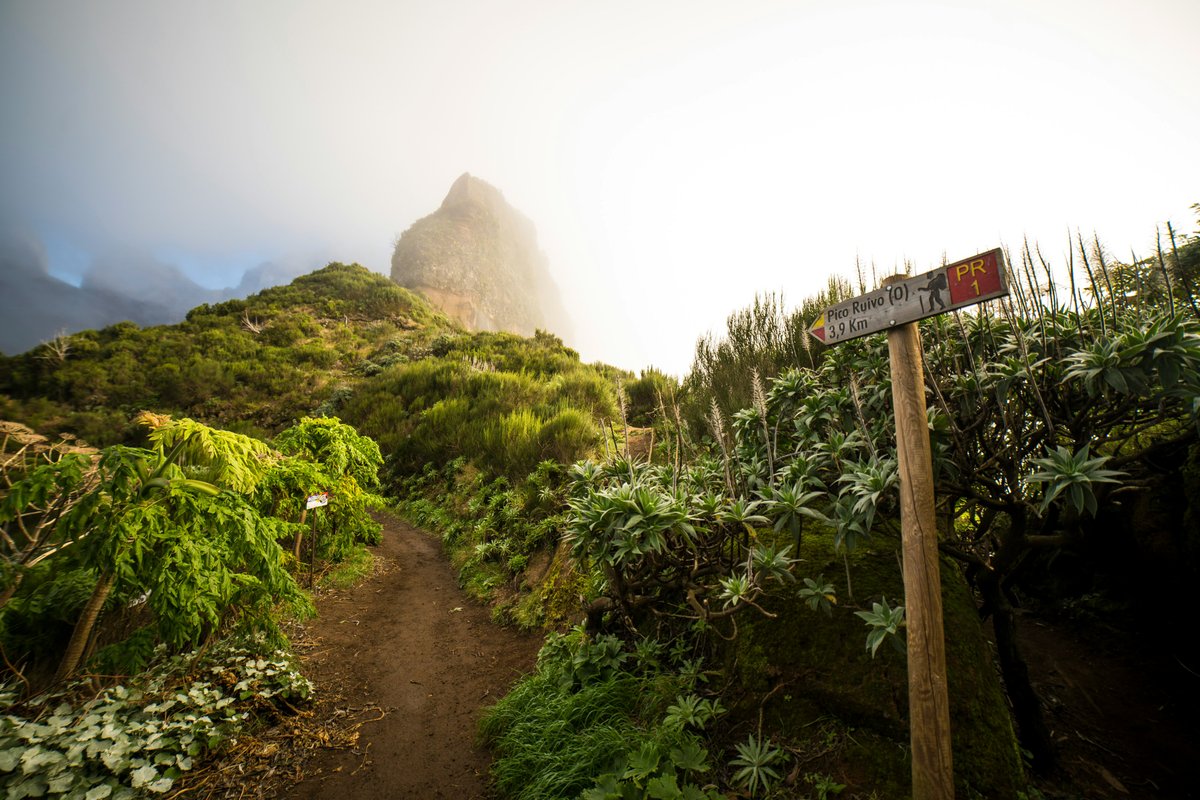
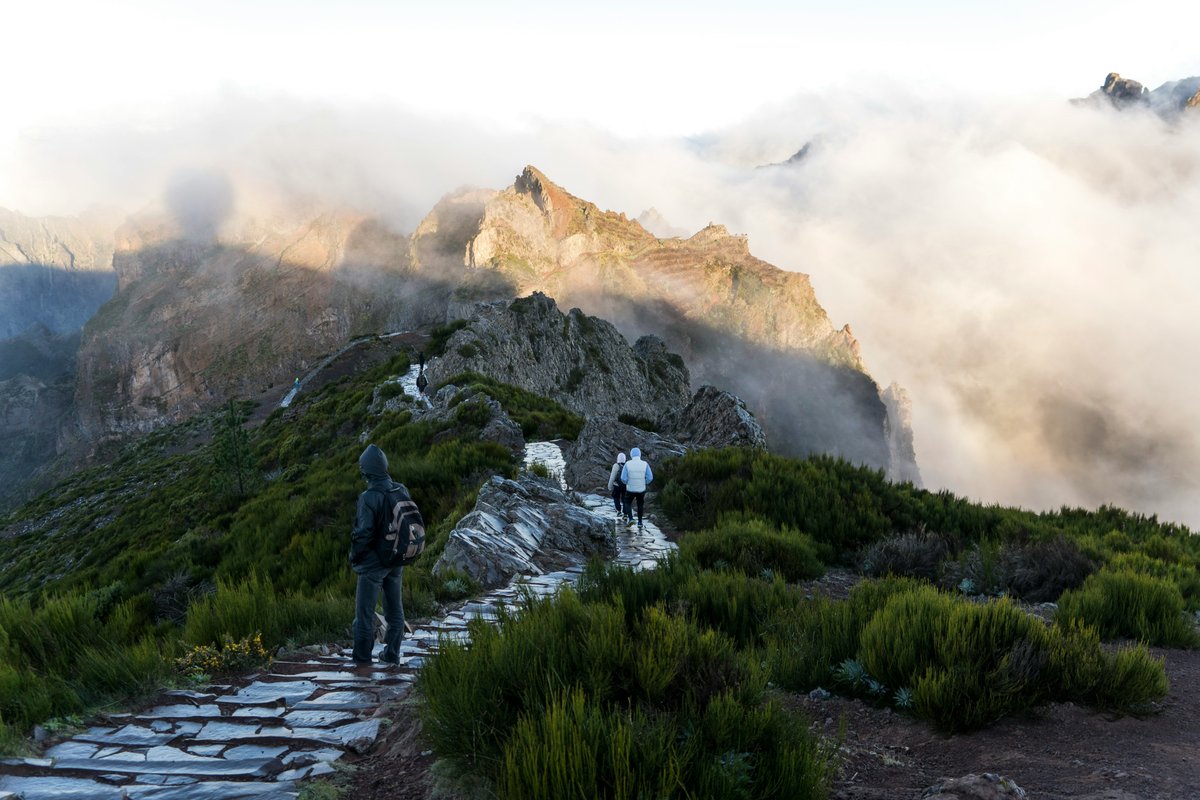
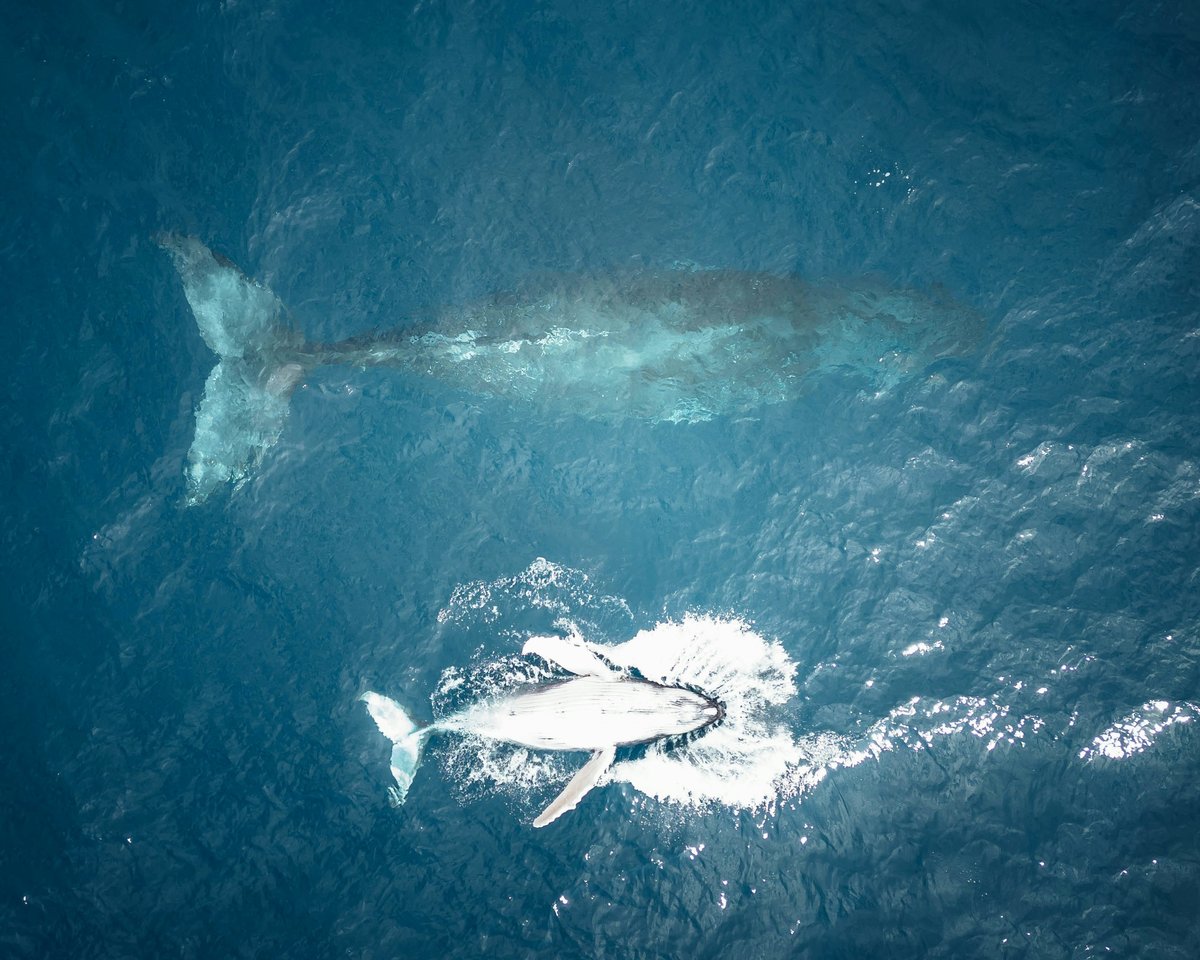
Pico is dominated by its namesake—Portugal’s highest peak, a volcanic giant that towers over black lava fields and vineyards clinging to stone-walled terraces. Offshore, the surrounding waters are some of the best whale-watching grounds in Europe, where sperm, fin, and even blue whales pass in summer. On land, climbing Mount Pico or wandering its rugged coastline is nothing short of epic.
Known as the “Blue Island” for its endless hydrangeas, Faial is also one of the Atlantic’s great crossroads. The harbor town of Horta has welcomed sailors for centuries, its marina walls covered in murals left by crews from around the world. Just offshore, this place is known for its whale encounters, while inland, the vast Caldeira crater offers one of the Azores’ most dramatic hikes.







.png)
.png)
.png)

.png)





.png)
.png)

.svg)
.jpeg)

.png)