The Western Cape has towering sandstone peaks, fynbos-covered slopes, and coastlines lashed by nutrient-rich currents that fuel South Africa's great kelp forests. Diving among these underwater canopies reveals shysharks, rays, and curious seals moving through a green-lit world. On land, vineyards flourish in valleys while scenic drives reveal some of the most photogenic landscapes.
A non-profit organization headquartered in Durban that connects underserved youth from coastal communities to the ocean through snorkeling and freediving. Their programs build swimming confidence, inspire ocean stewardship, and empower participants to become advocates for marine conservation.
A marine science and conservation organization based in Mossel Bay, conducting applied research on sharks, marine mammals, and other ocean predators. They also run training programs for aspiring marine biologists, providing hands-on experience in data collection, tagging, and community outreach.
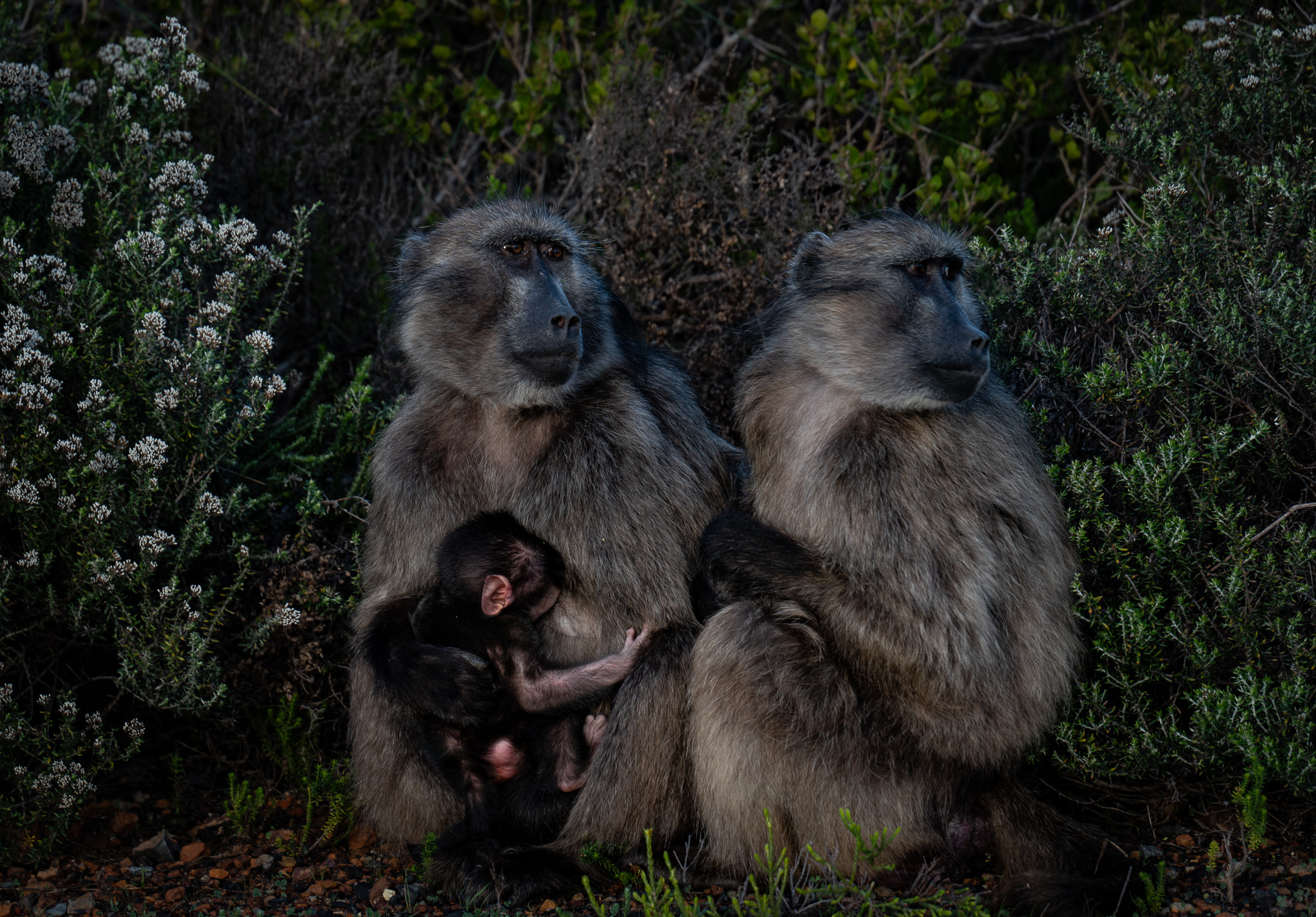

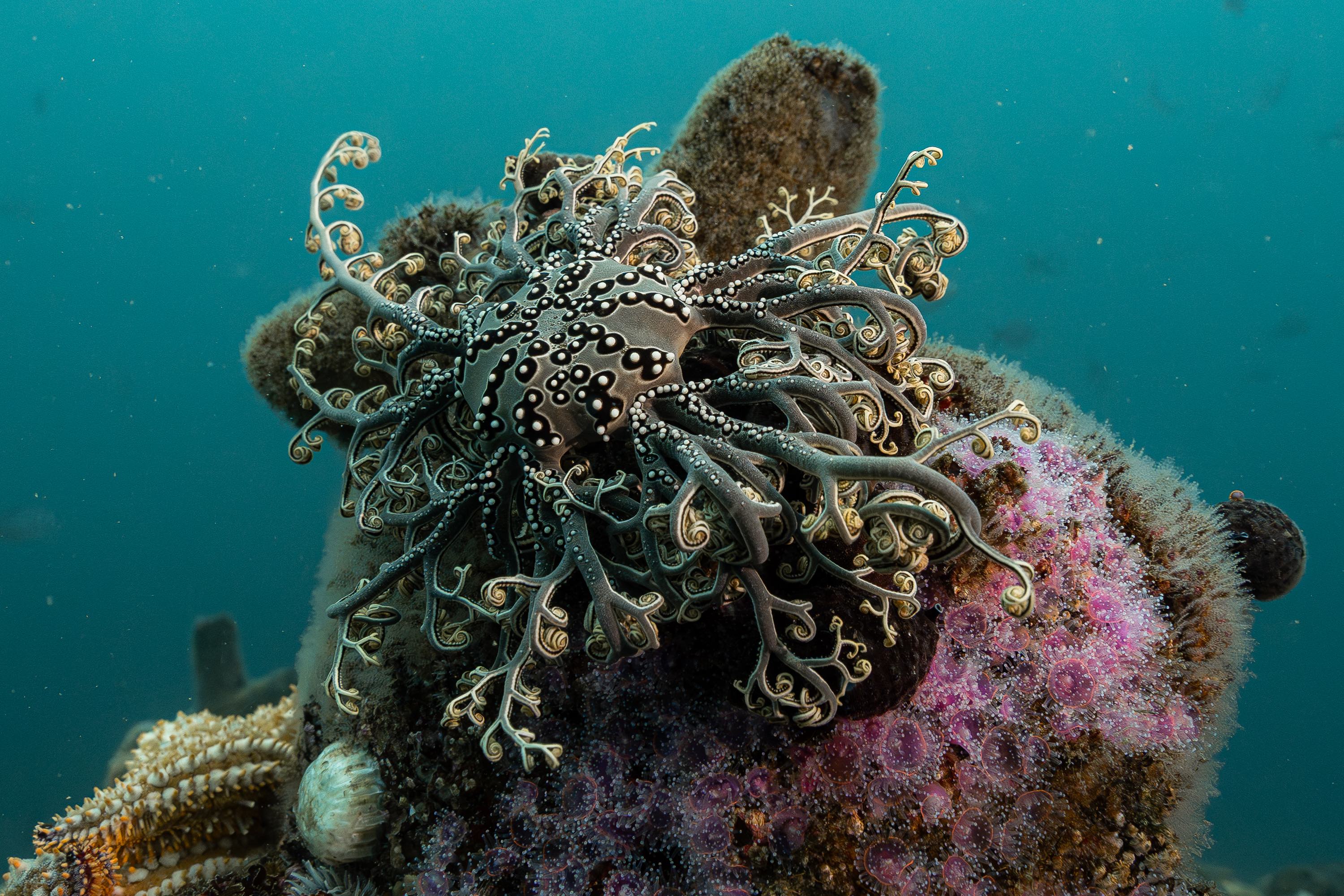

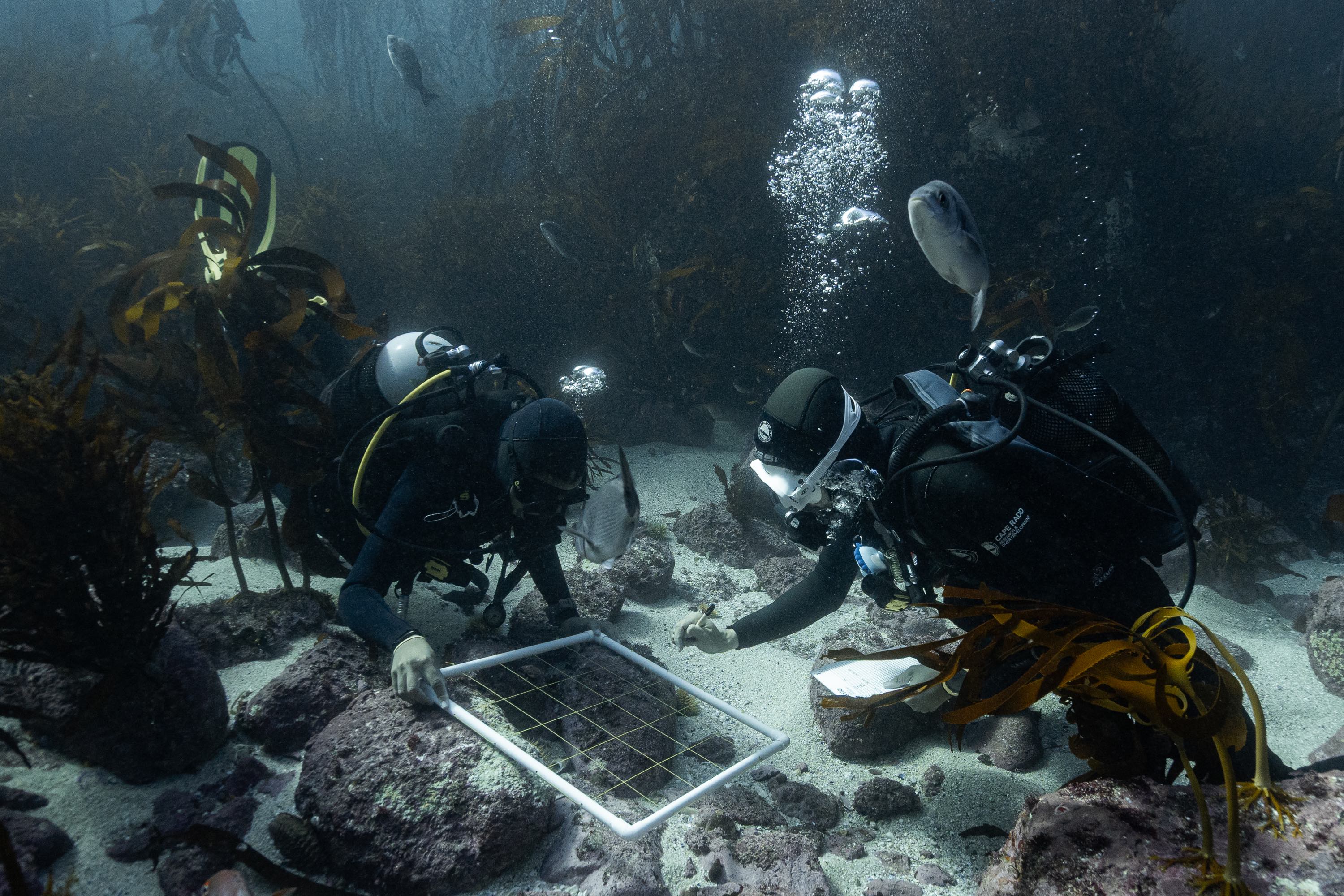
Few cities in the world deliver wildlife encounters like Cape Town. Beneath the shadow of Table Mountain, seals bask on city beaches, penguins waddle along Boulders Bay, and seasonal whales breach just offshore. In the nearby kelp forests there’s so much to encounter. On land, troops of baboons and ostriches thrive in nature reserves minutes from the city center.


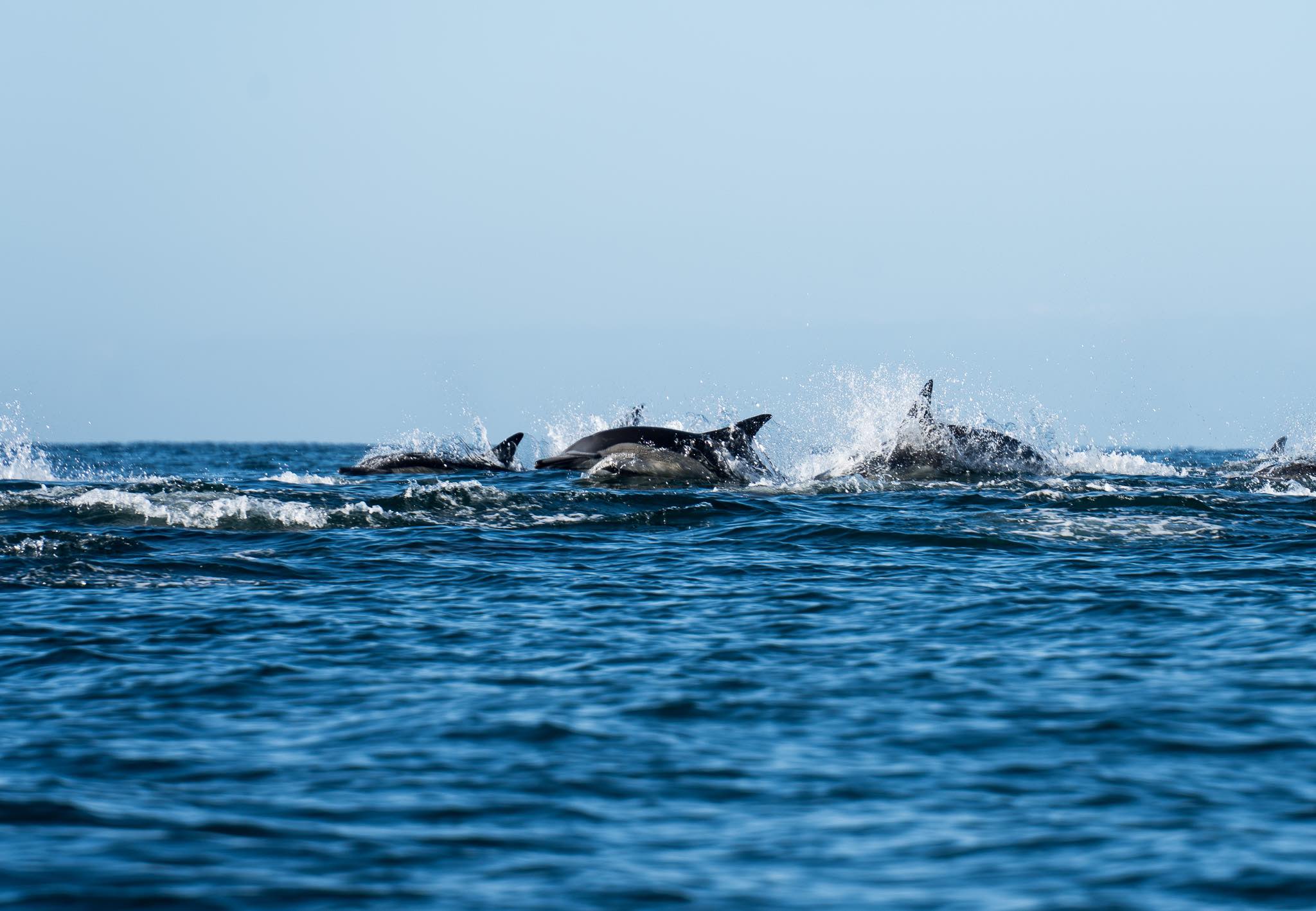

Once regarded as the great white shark capital of the world, Mossel Bay has witnessed a dramatic change. In recent years, sightings of great whites have plummeted. Yet the bay remains rich with marine life—common dolphins, seals, and migrating whales fill its waters. Known for shark cage diving and its sunny beaches along the Garden Route, Mossel Bay proves that changes are always happening out here.





.png)
.png)
.png)

.png)





.png)
.png)

.svg)