At the southern tip of Chile, the Magallanes region is shaped by glaciers, relentless winds, and seas rich with life. Penguins waddle on its beaches, whales and dolphins move through the cold waters, and seabirds ride the gusts off sheer cliffs. Just offshore, sprawling kelp forests sway in the currents, creating underwater strongholds for fish, sea lions, and countless invertebrates. Everything here feels oversized and elemental, sitting firmly at the end of the world.
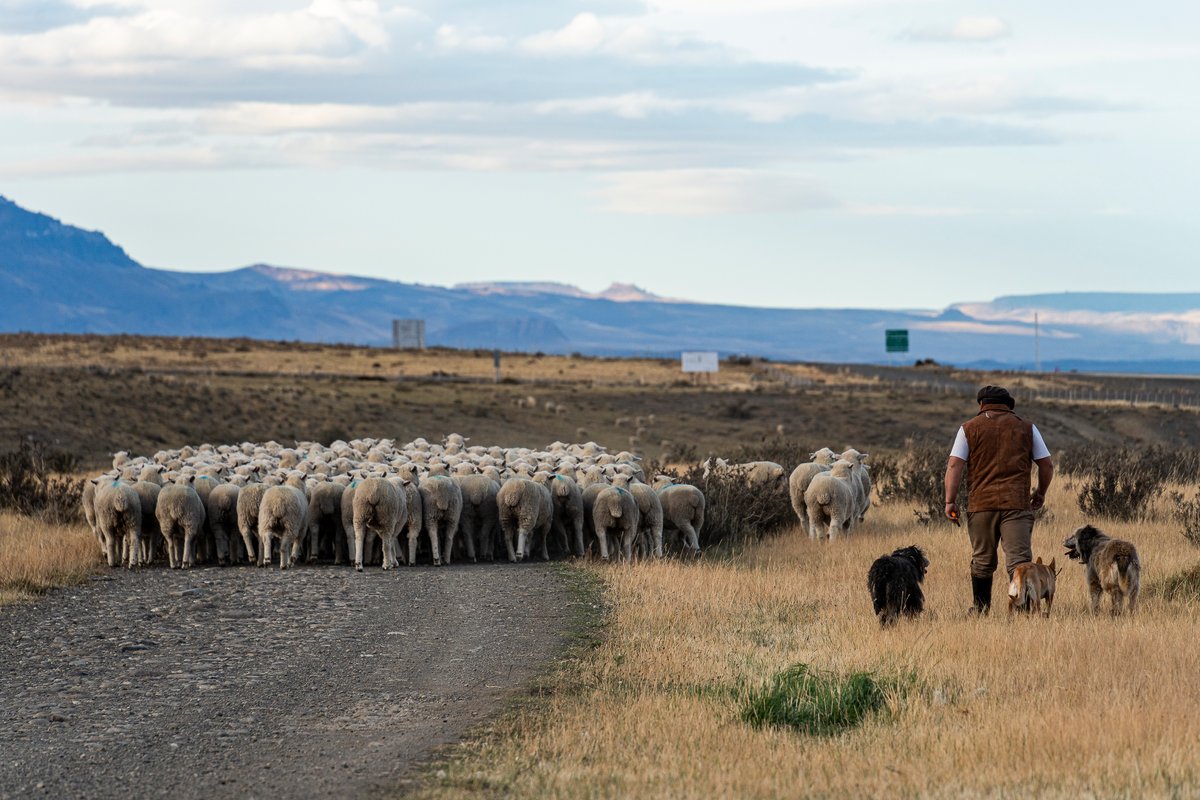
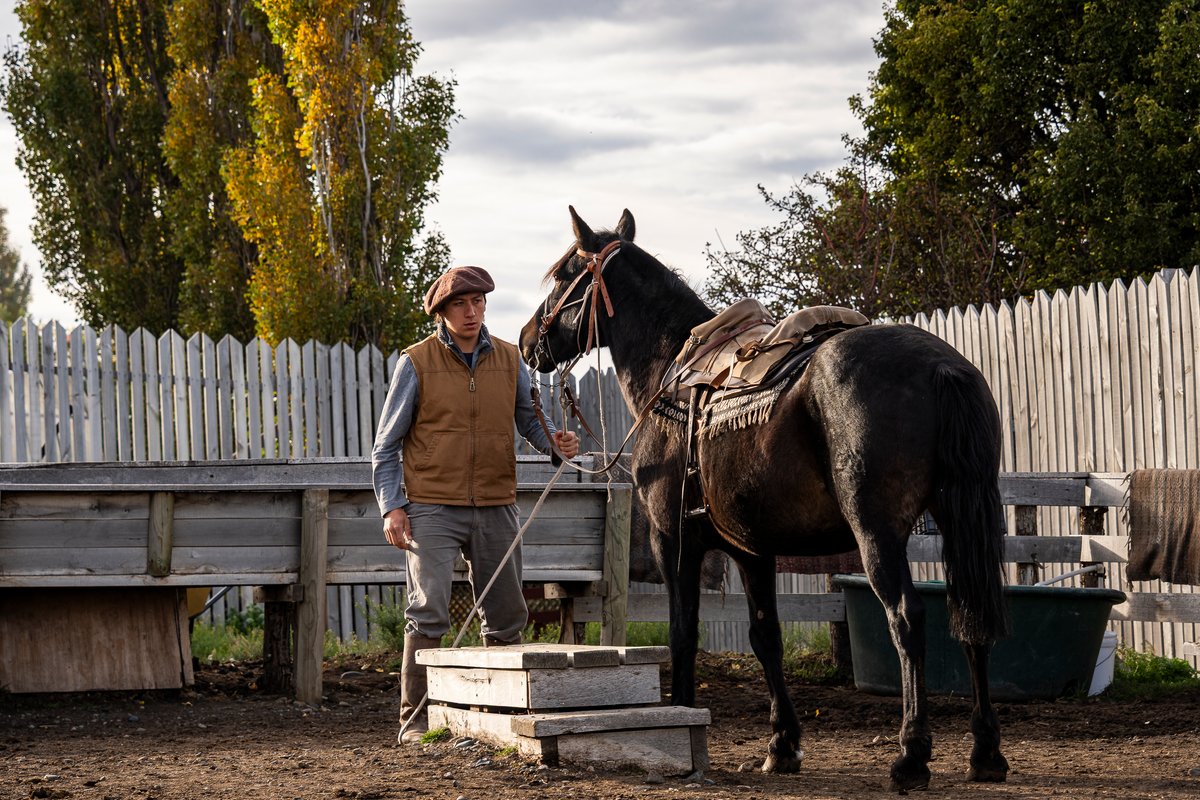
One of the largest working ranches in Chilean Patagonia, Estancia Cerro Guido integrates traditional sheep ranching with wildlife conservation in the Torres del Paine region. Their innovative coexistence programs reduce conflict between livestock and predators, particularly pumas, while supporting habitat preservation for guanacos, condors, and other native species. The ranch also offers eco-conscious tourism experiences that highlight the region's cultural and ecological heritage.
A national conservation initiative continuing the legacy of Tompkins Conservation, dedicated to restoring ecosystems, protecting biodiversity, and creating wildlife corridors throughout Chile. Their work spans the establishment and management of national parks, the reintroduction of keystone species like pumas and huemuls, and promoting sustainable livelihoods in local communities. By combining science-based restoration with ecotourism and education, they aim to safeguard Patagonia's landscapes for future generations.
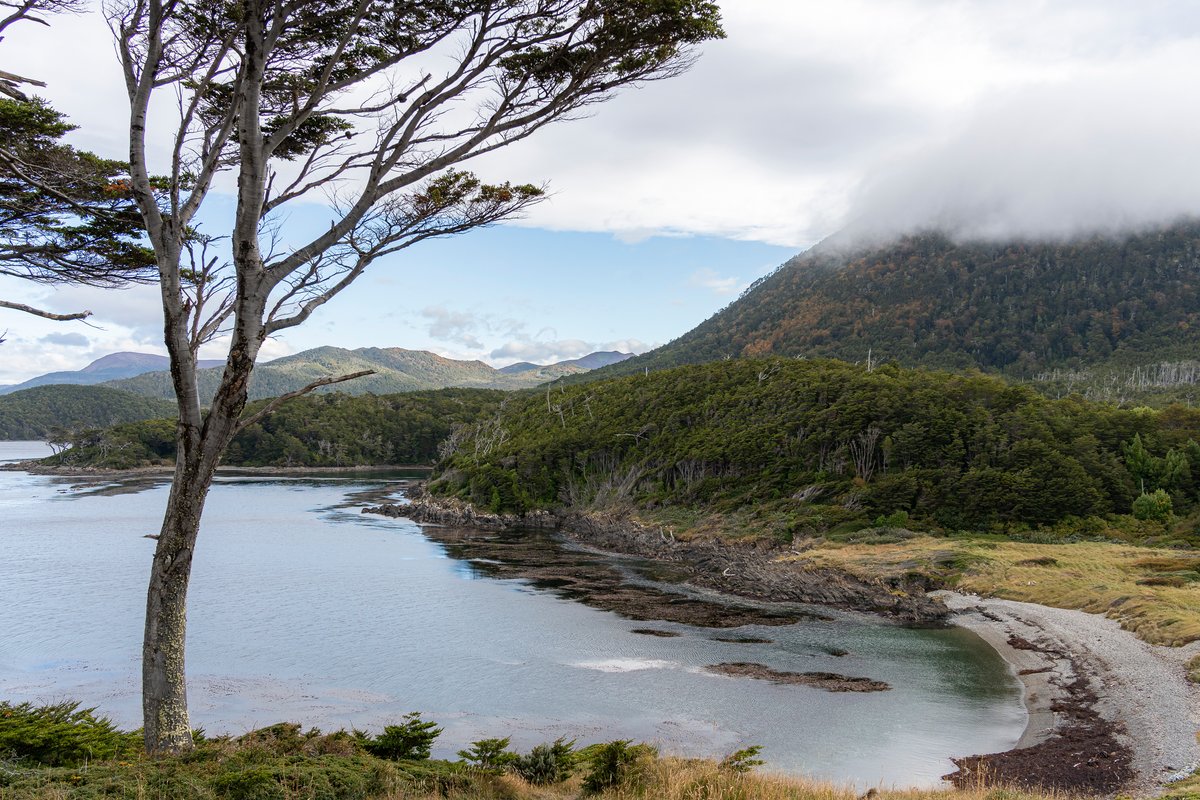
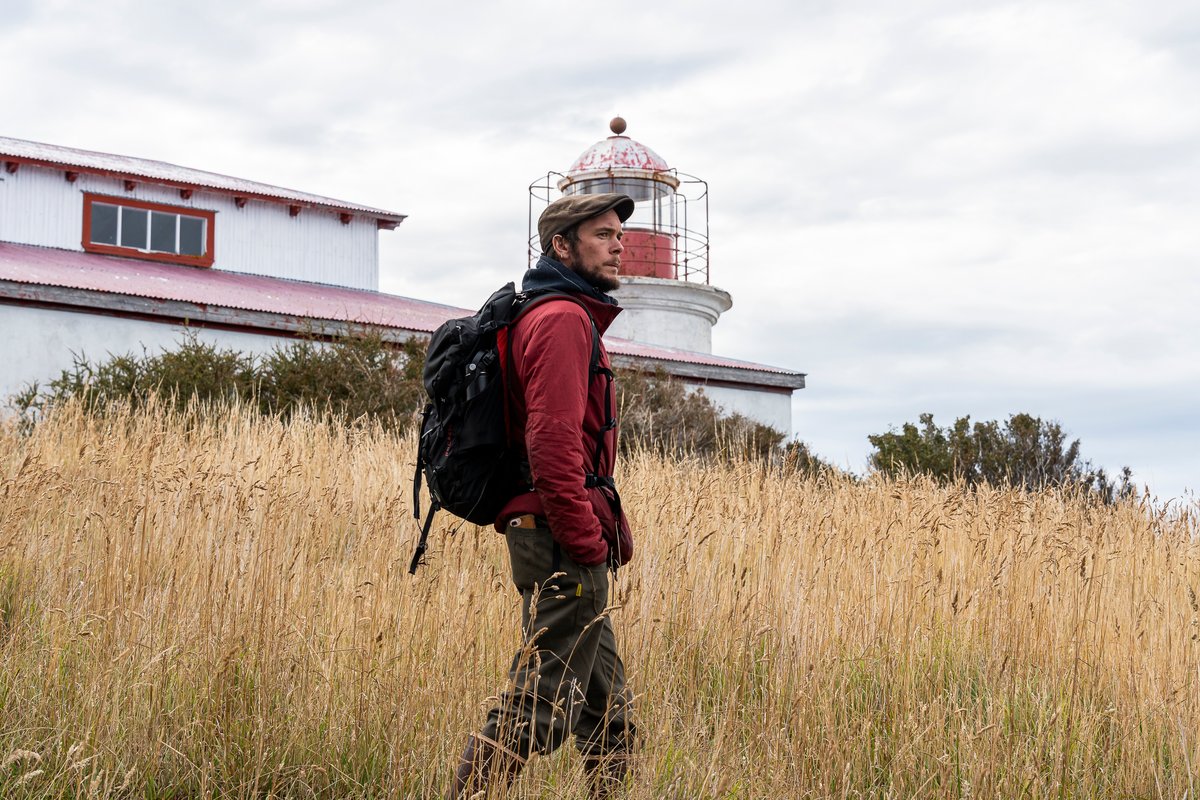
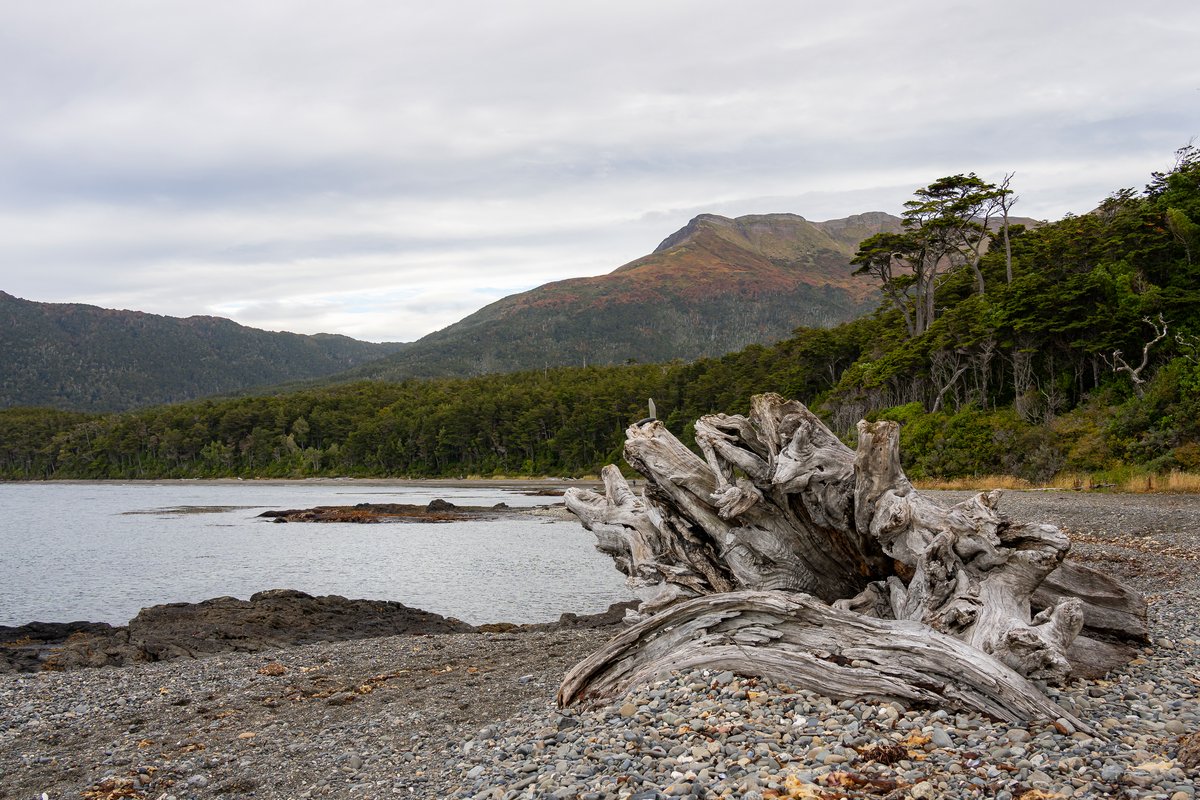
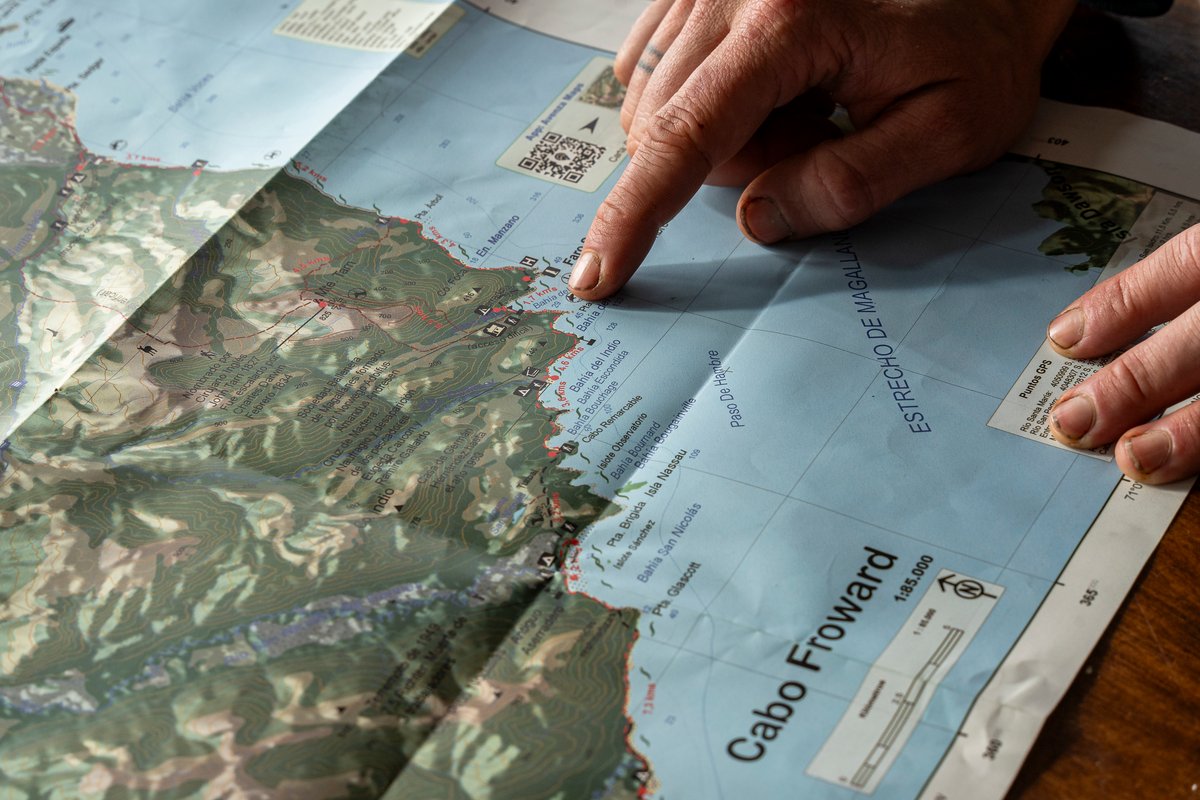
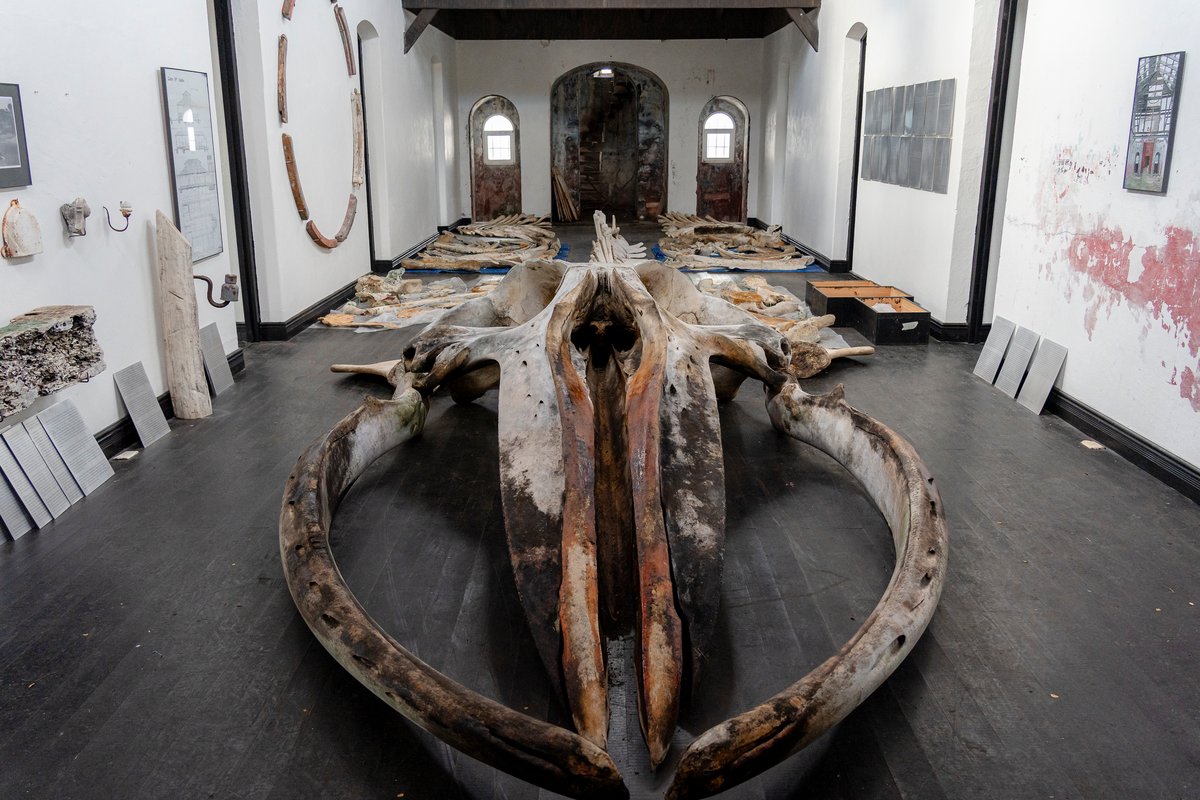
Cape Froward is the southernmost tip of mainland South America, where the Strait of Magellan collides with the open ocean. The weather here is brutal, the cliffs sheer, and the sense of remoteness absolute. Few places embody the “edge of the world” spirit quite like this one. This site is up next to be Chile’s next national park, with a trail cutting all the way down to the most southern point in the country.
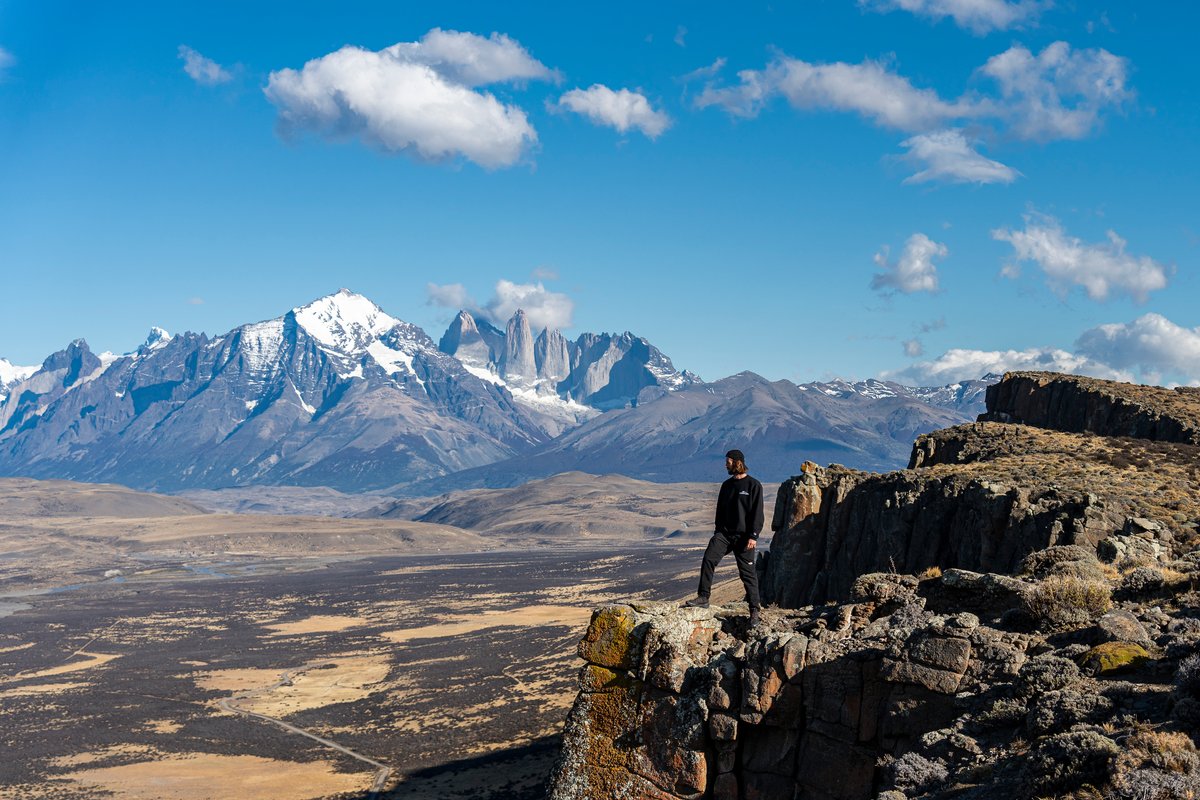

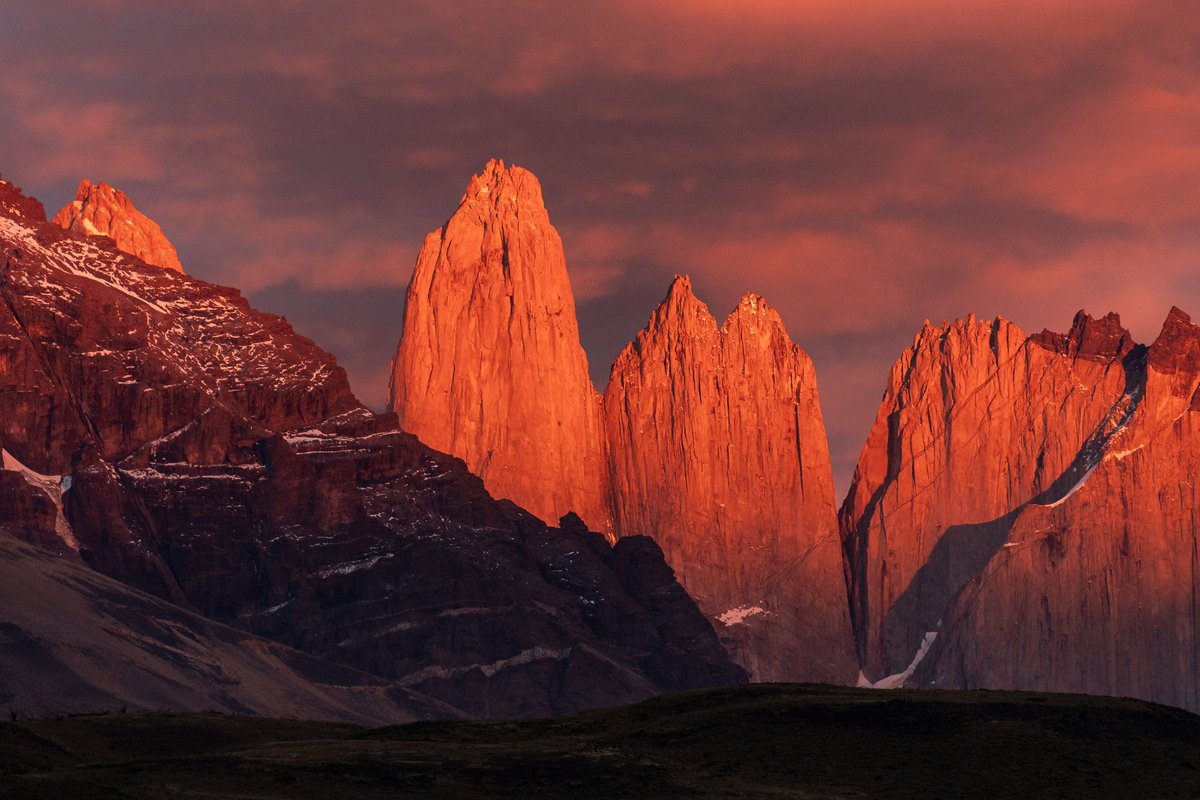
Torres del Paine is Patagonia’s icon—a landscape of jagged granite towers, turquoise lakes, and sprawling glaciers. In its valleys, guanacos graze against a backdrop of pointy peaks while condors wheel overhead. This park is also home to one of the densest puma populations in the world. Once elusive, these big cats are now closely monitored by scientists and guides, making Torres del Paine one of the best places to observe and study them in the wild.







.png)

.png)
.png)

.png)





.png)
.png)

.svg)