South America is a continent that spans the Amazon rainforest, the high Andes, and the windswept edges of Patagonia. Jaguars stalk riverbanks, condors soar over glaciers, and the coasts are home to whales, sea lions, and penguins, to name a few species. From Brazil’s Pantanal wetlands to Chile’s icy fjords, every landscape carries both abundance and fragility. This is also a continent where culture and ecology are inseparable, with Indigenous knowledge still guiding conservation of forests, rivers, and oceans. Here, nature shapes the land just as much as it defines the way people live alongside it. And, this place is home to some of the world’s most progressive conservation efforts that are both radical and critical at the same time.
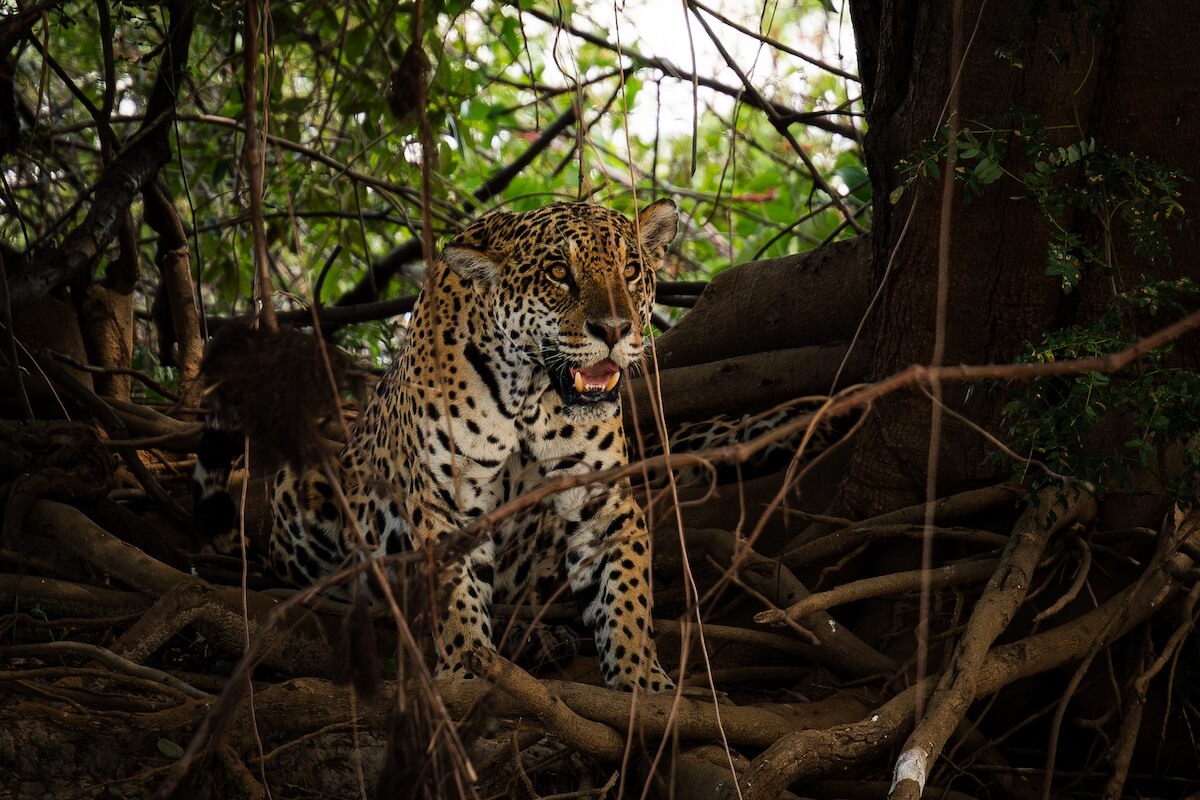
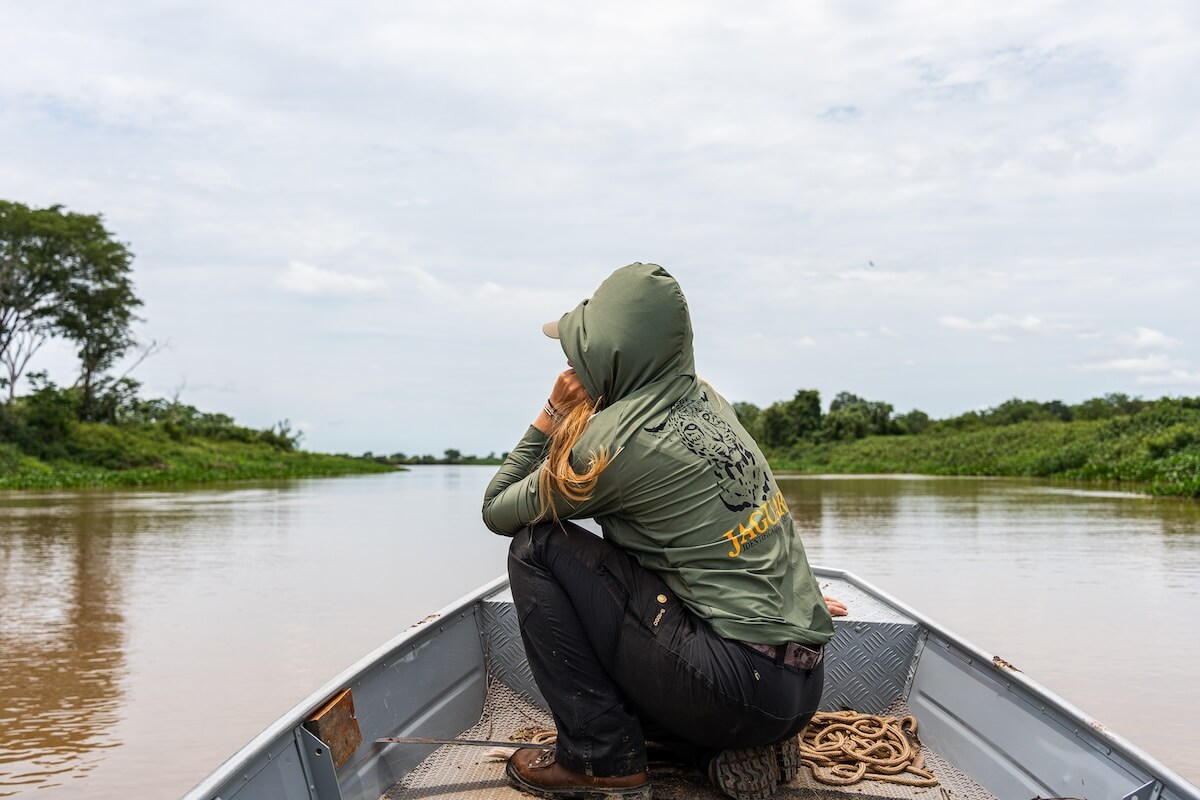
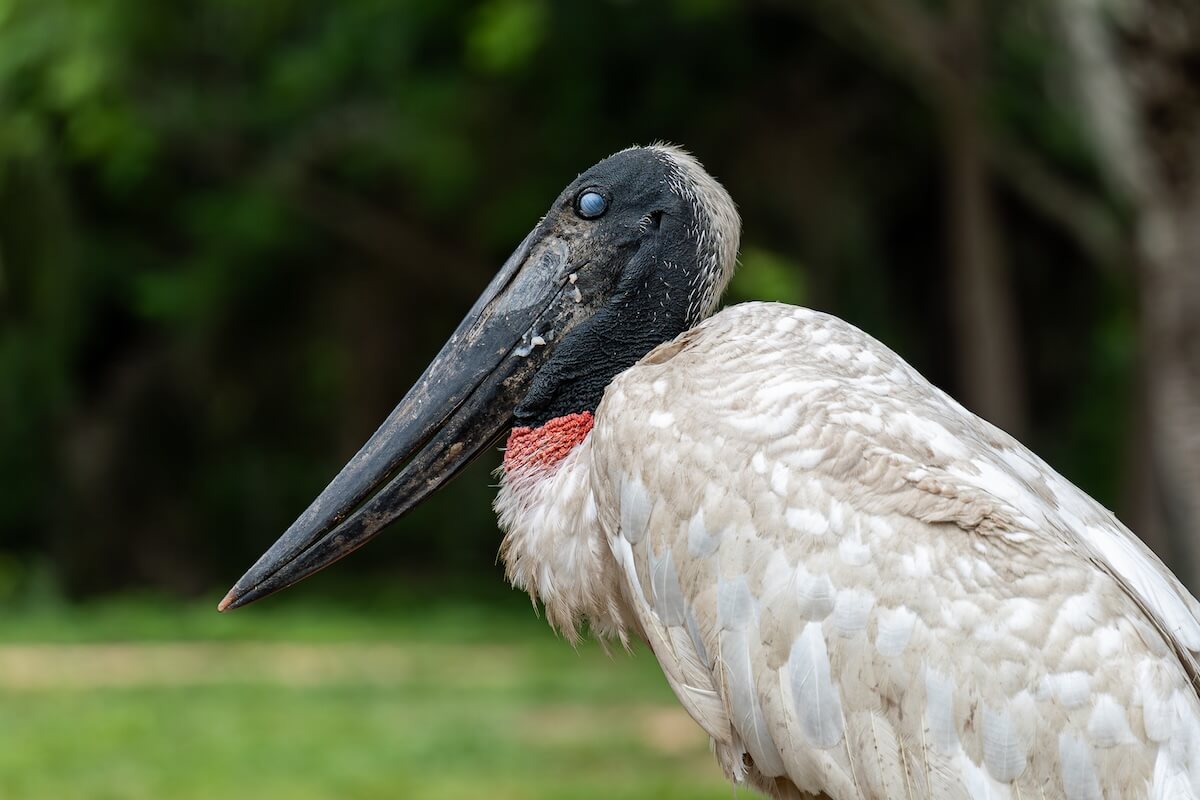
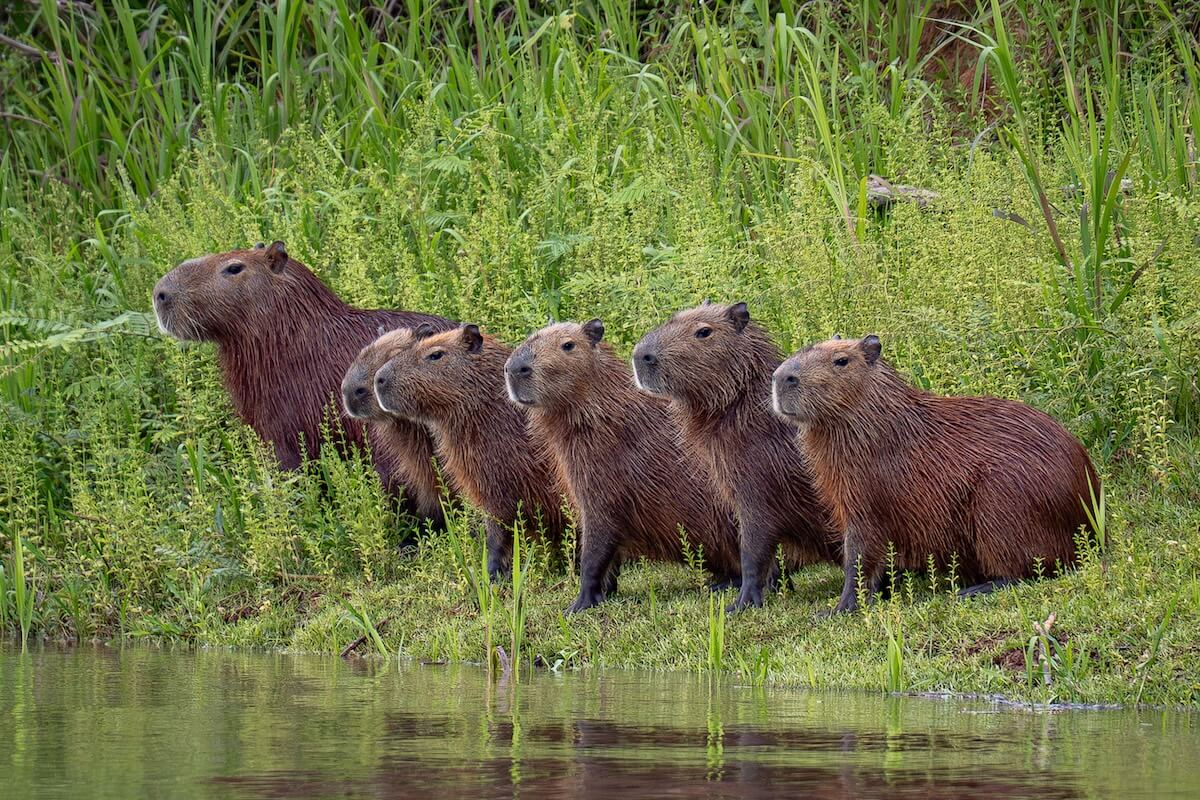
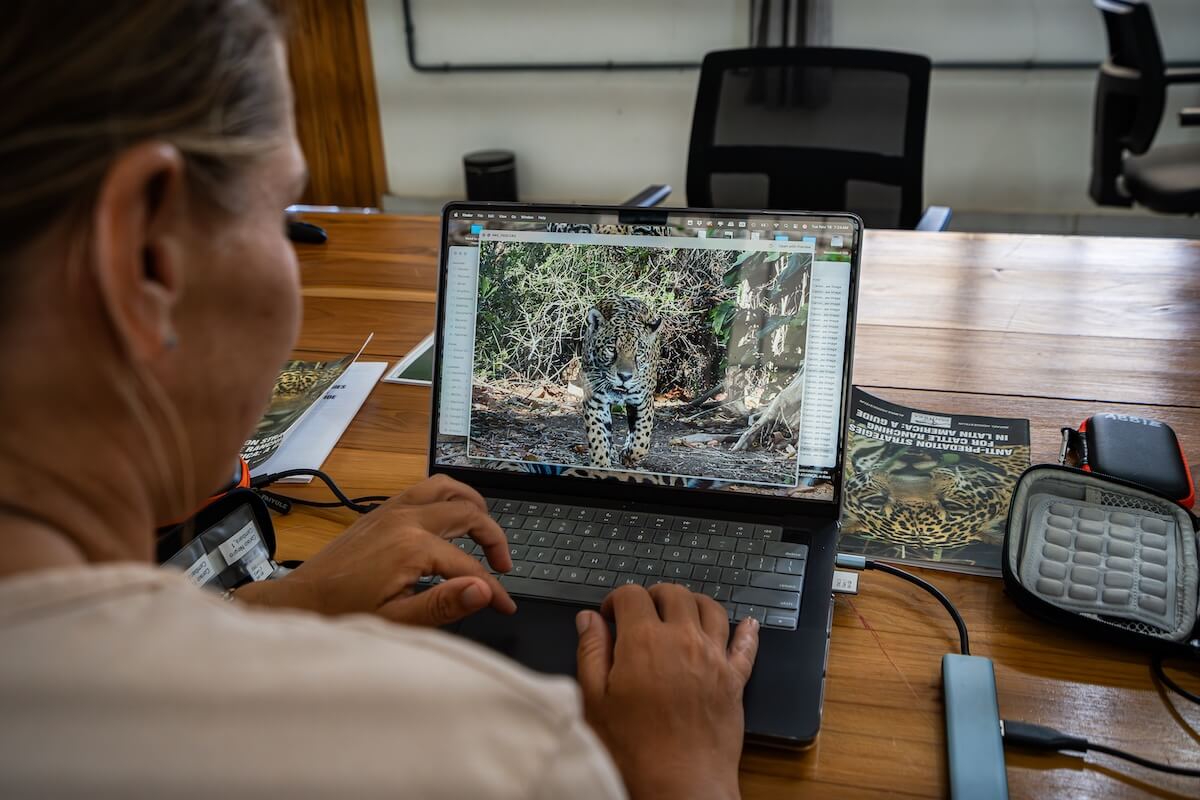
Brazil is home to some of the richest biodiversity on Earth, where rainforests, wetlands, and coastlines collide. In the Pantanal, jaguars stalk riverbanks while giant otters and caimans share the waterways. Offshore, coral reefs, dolphins, and sea turtles thrive along a coastline that stretches for thousands of miles and the surf has created some of the most elite athletes in the world. From the flooded forests of the Amazon to the Atlantic’s tropical shallows, Brazil’s wild spaces feel as untamed as they are essential.
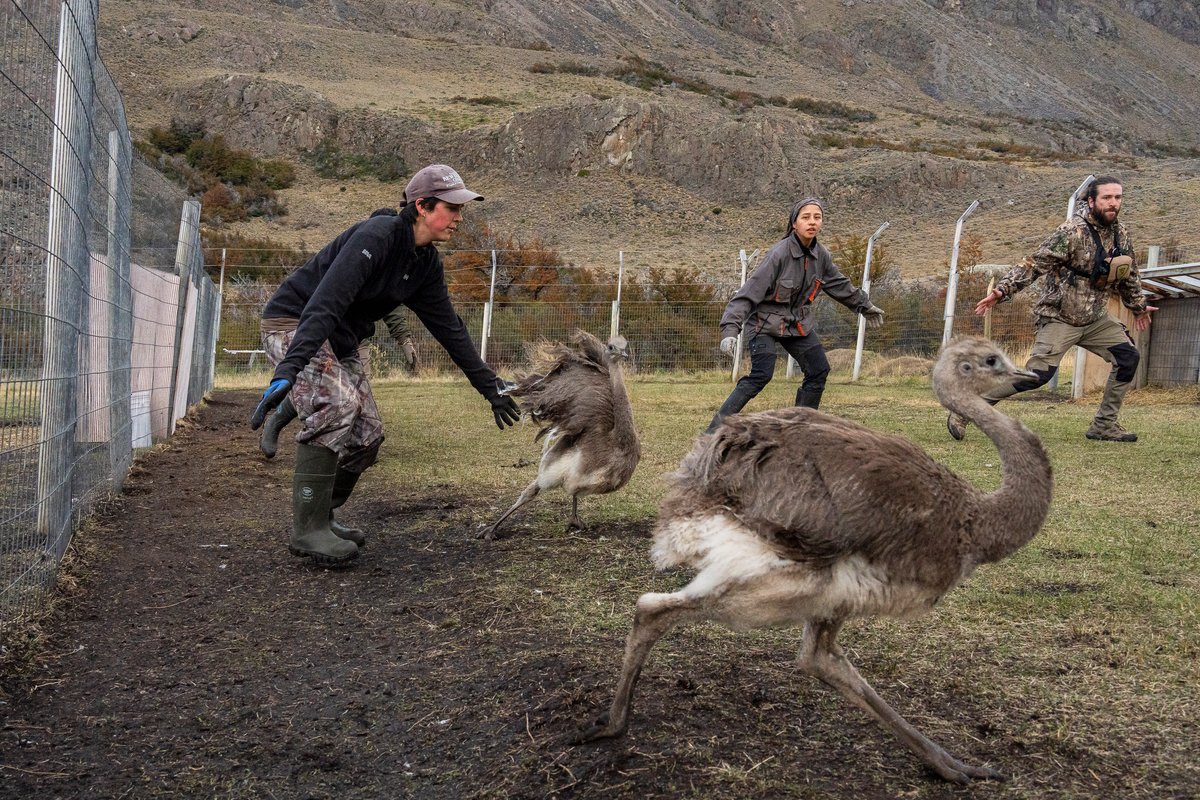
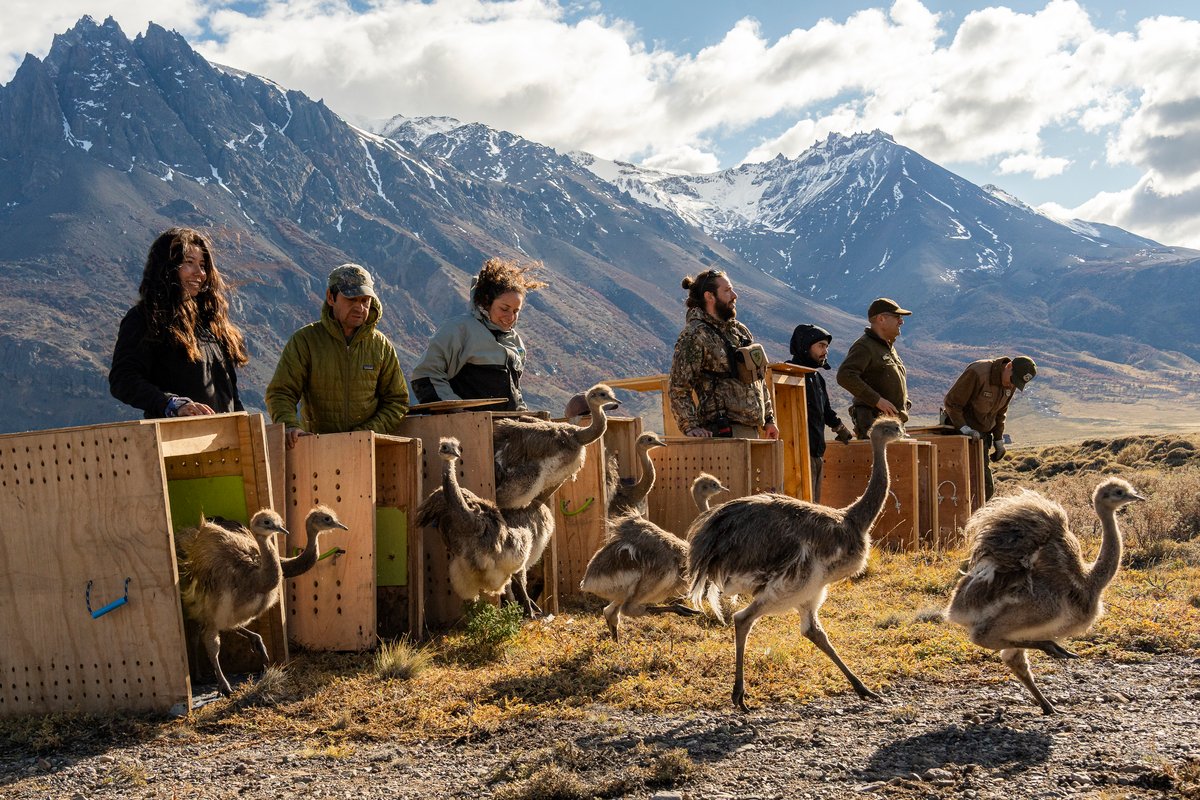
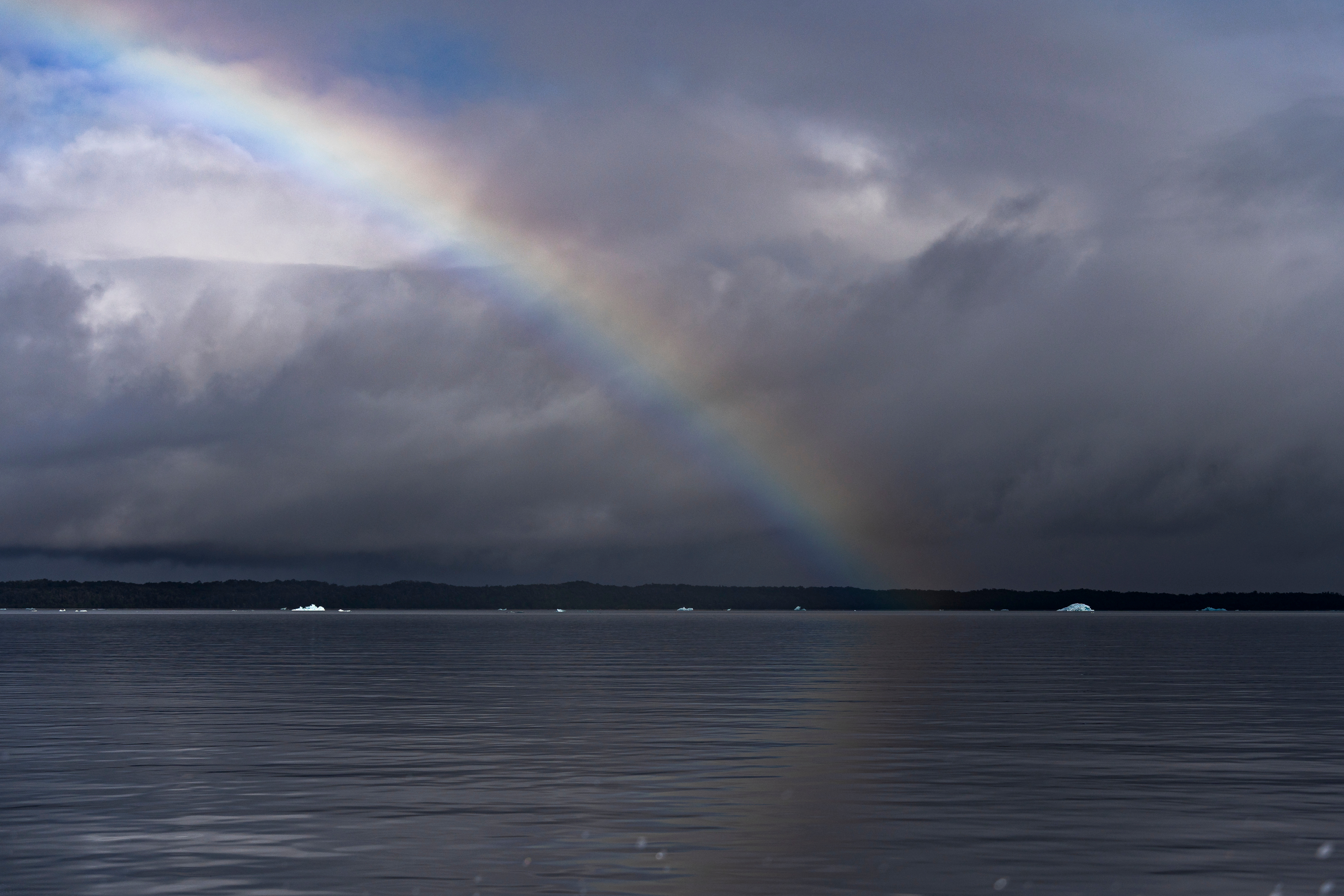
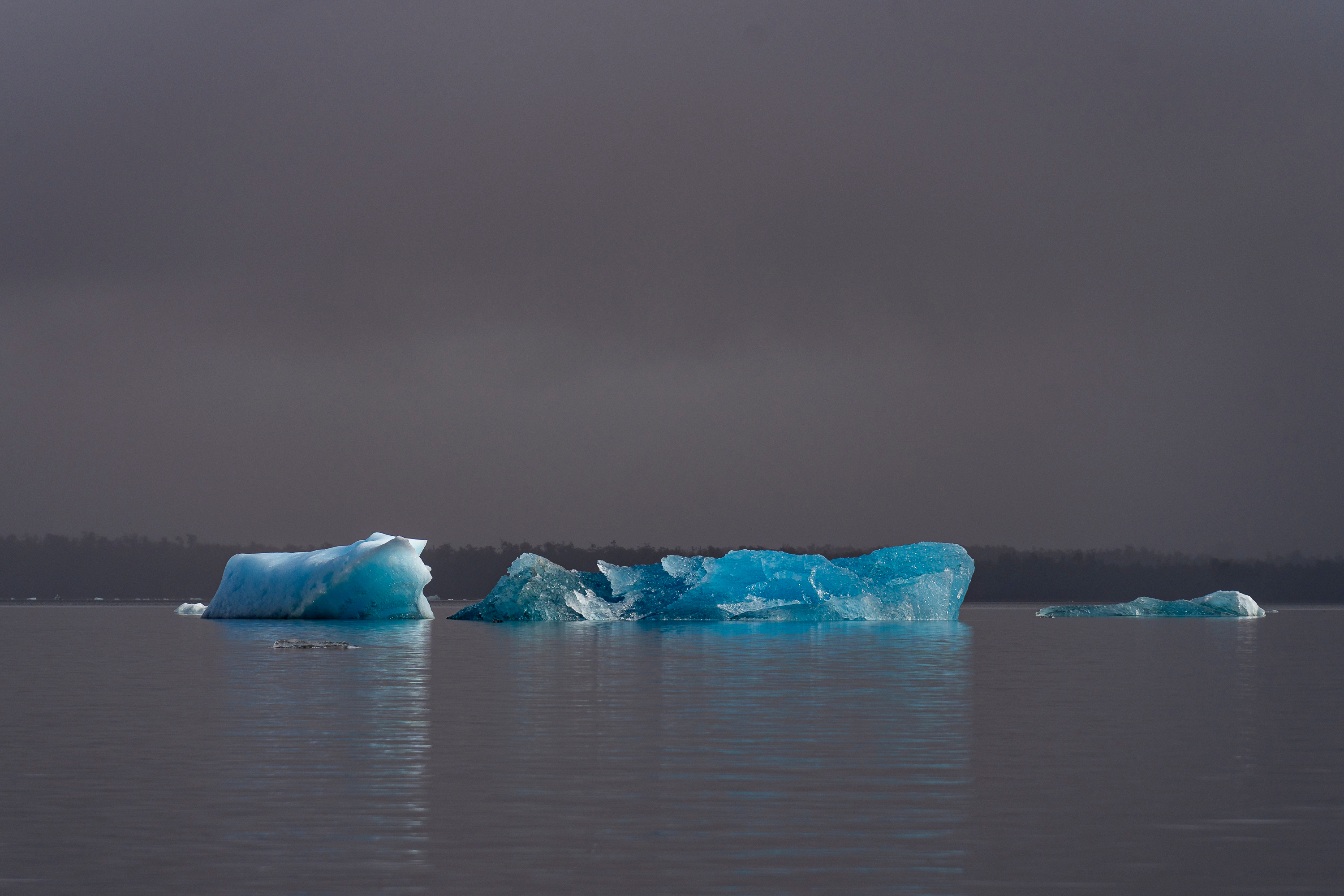
Chile stretches like a ribbon down the western edge of South America, a land where deserts, volcanoes, forests, and glaciers exist side by side. In the north, the Atacama is one of the driest places on Earth, while in the south, Patagonia’s fjords and icefields form a last frontier. Along the Pacific coast, sea lions, penguins, and whales thrive in rich marine ecosystems, while inland, the Andes carve out valleys, turquoise lakes, and peaks that scrape the sky.


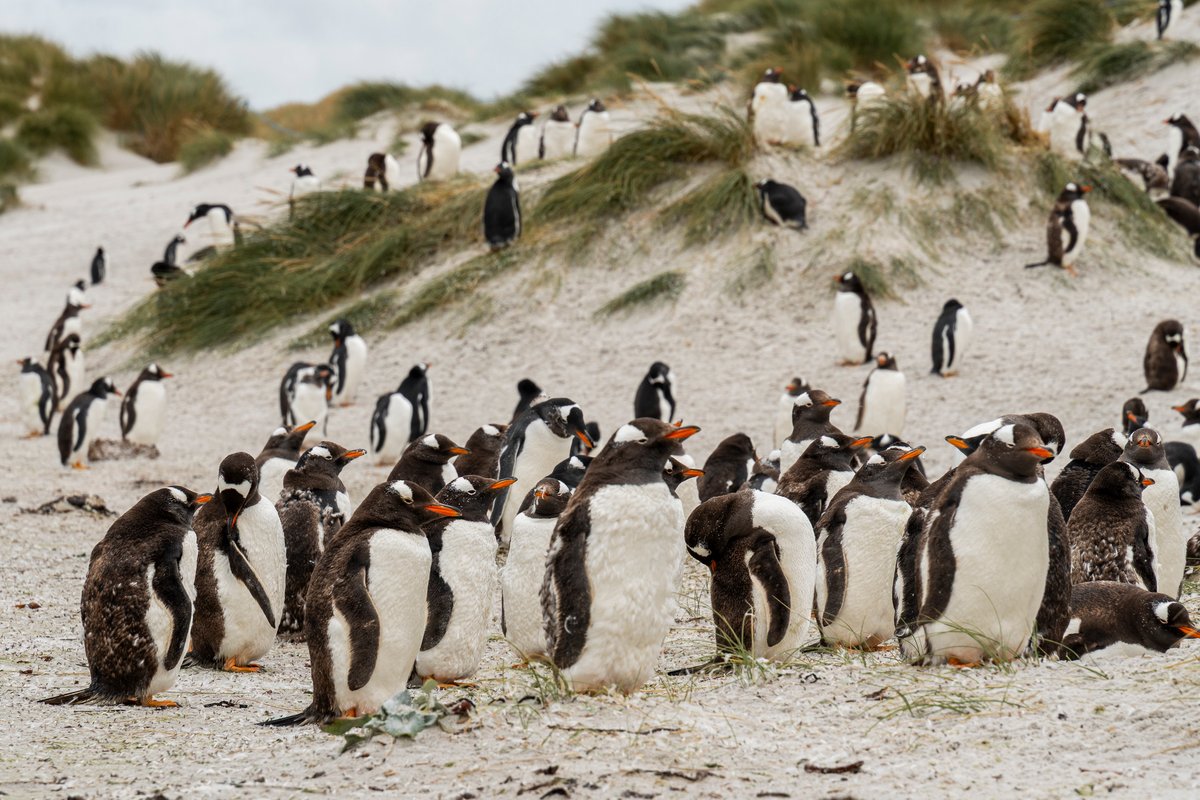
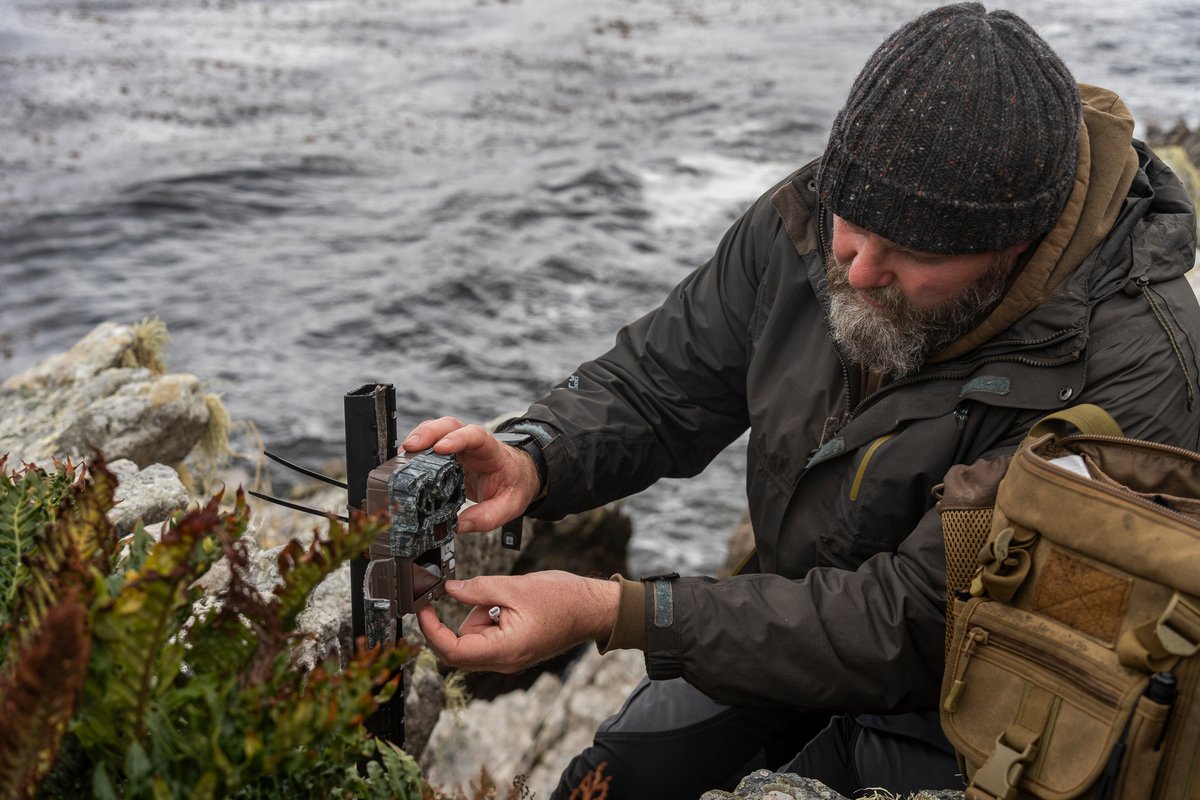
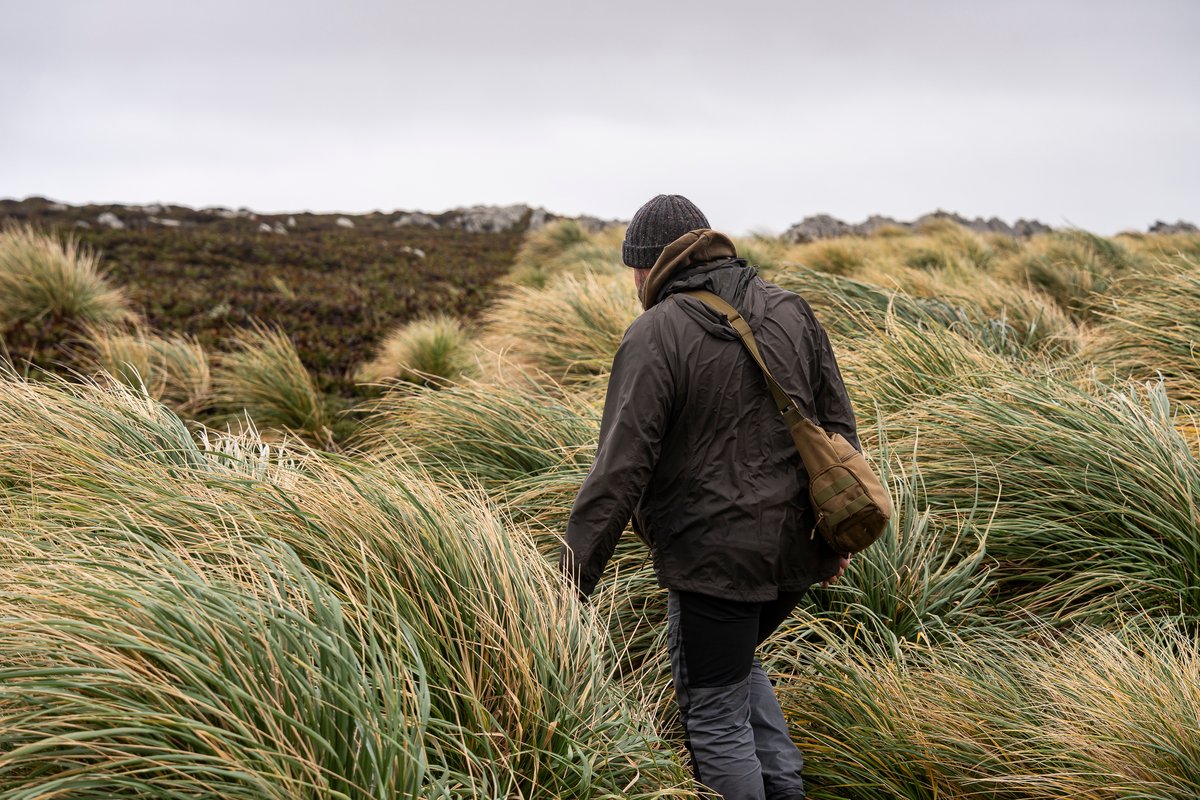
Remote and windswept, the Falkland Islands (Malvinas) feel like the edge of the world. Here, five species of penguins—including kings, gentoos, rockhoppers, Magellanics, and even the rare macaroni—gather in vast colonies along wild beaches. Albatrosses wheel overhead, and elephant seals sprawl across rocky shores. Inland, dense tussac grass creates shelter for nesting birds and seals, while beneath the surface, giant kelp forests sway in the cold South Atlantic.


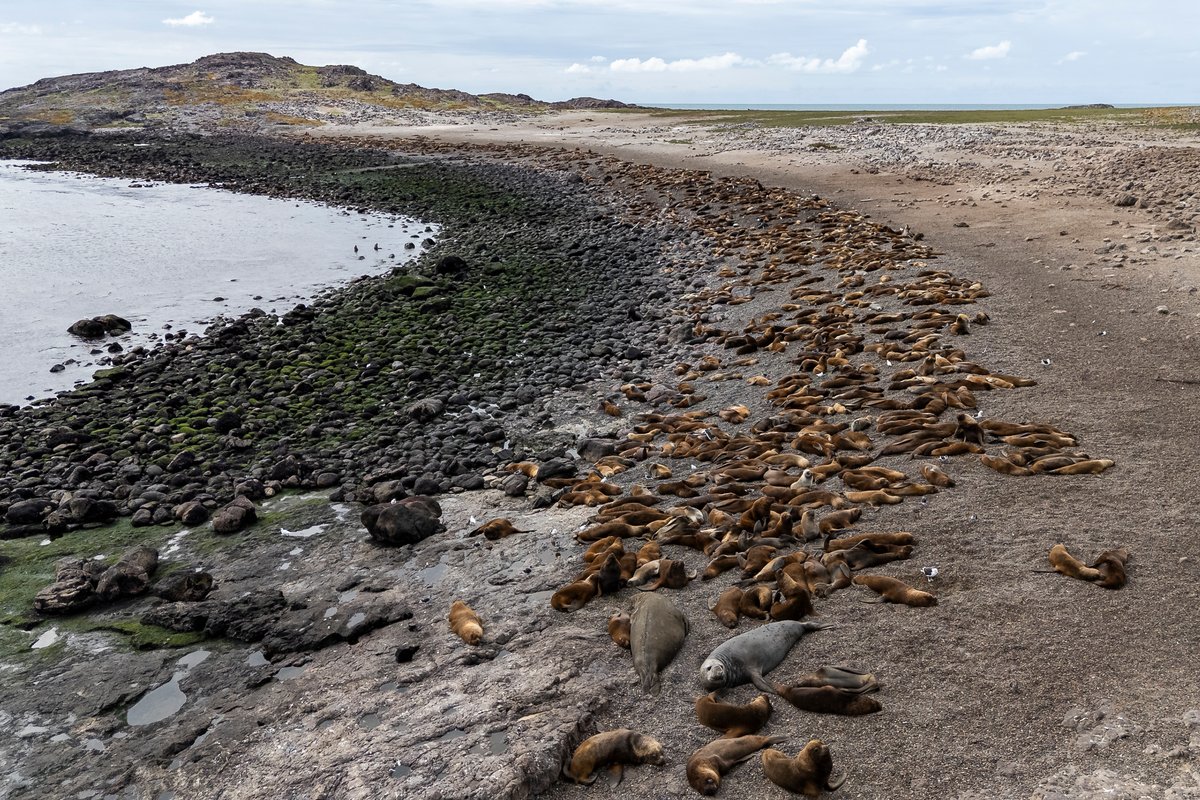
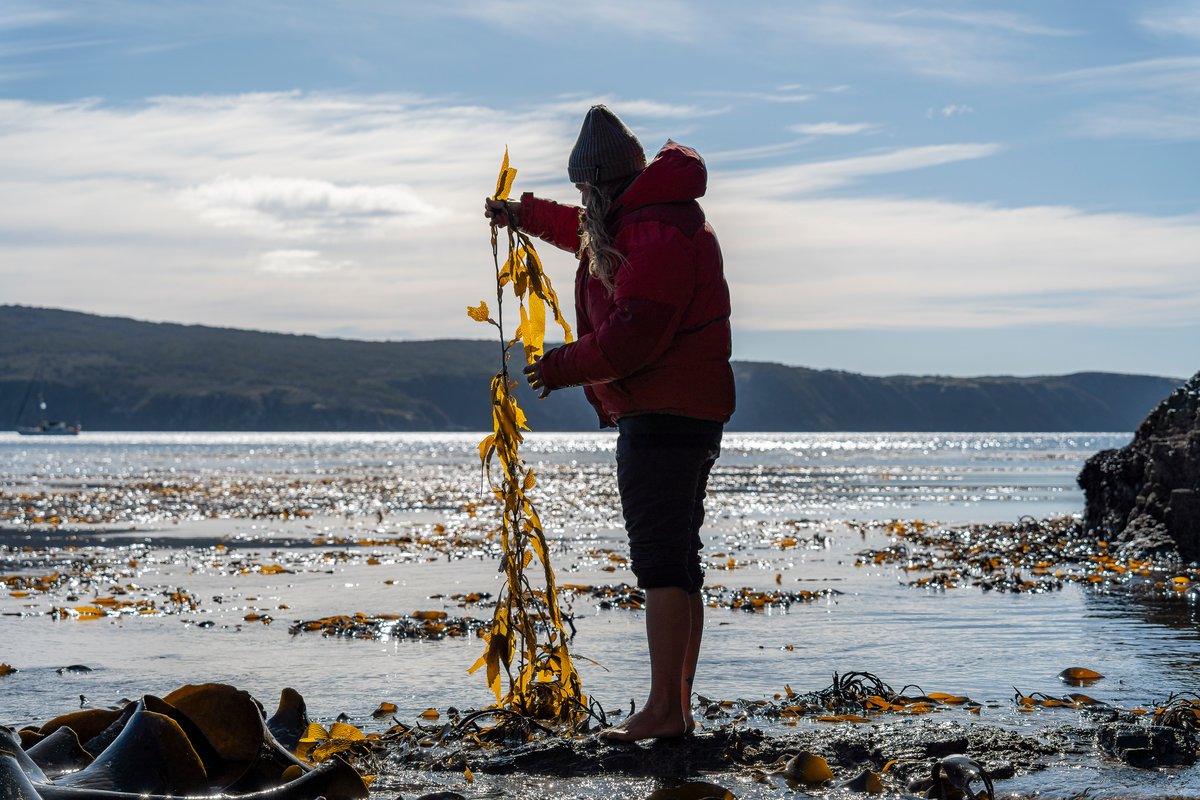
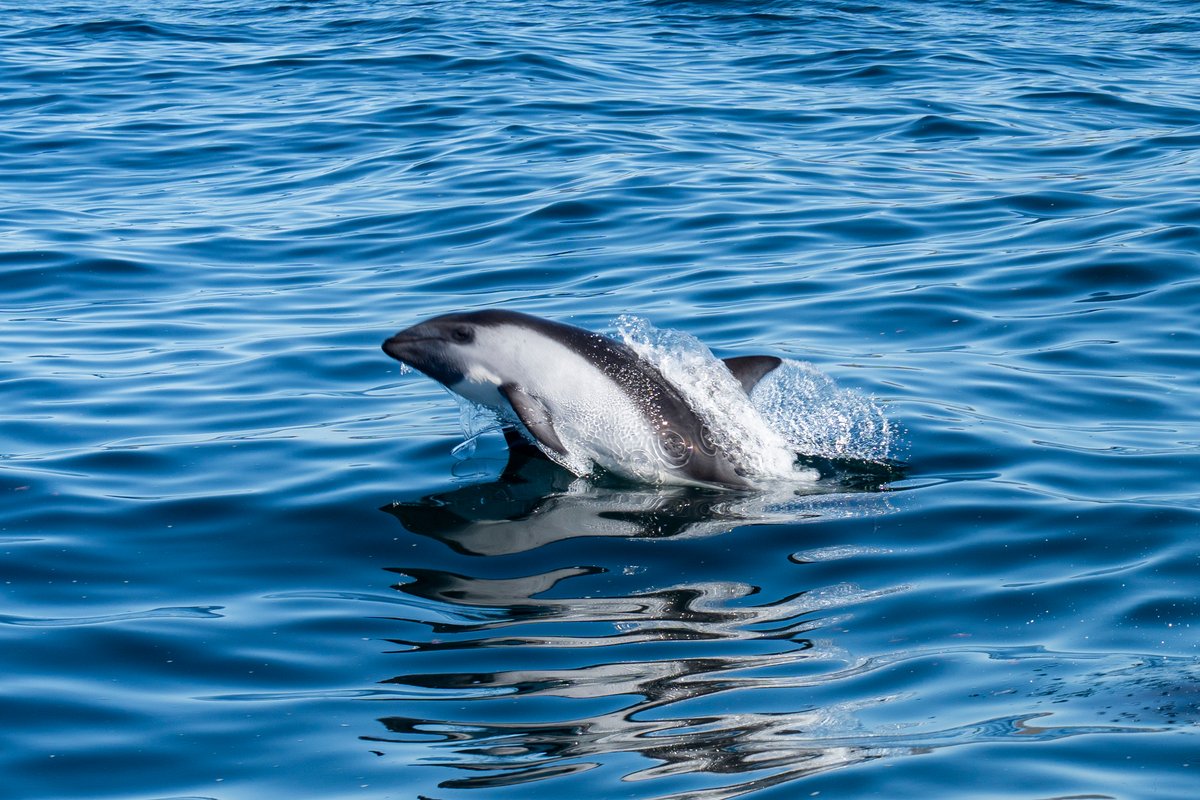
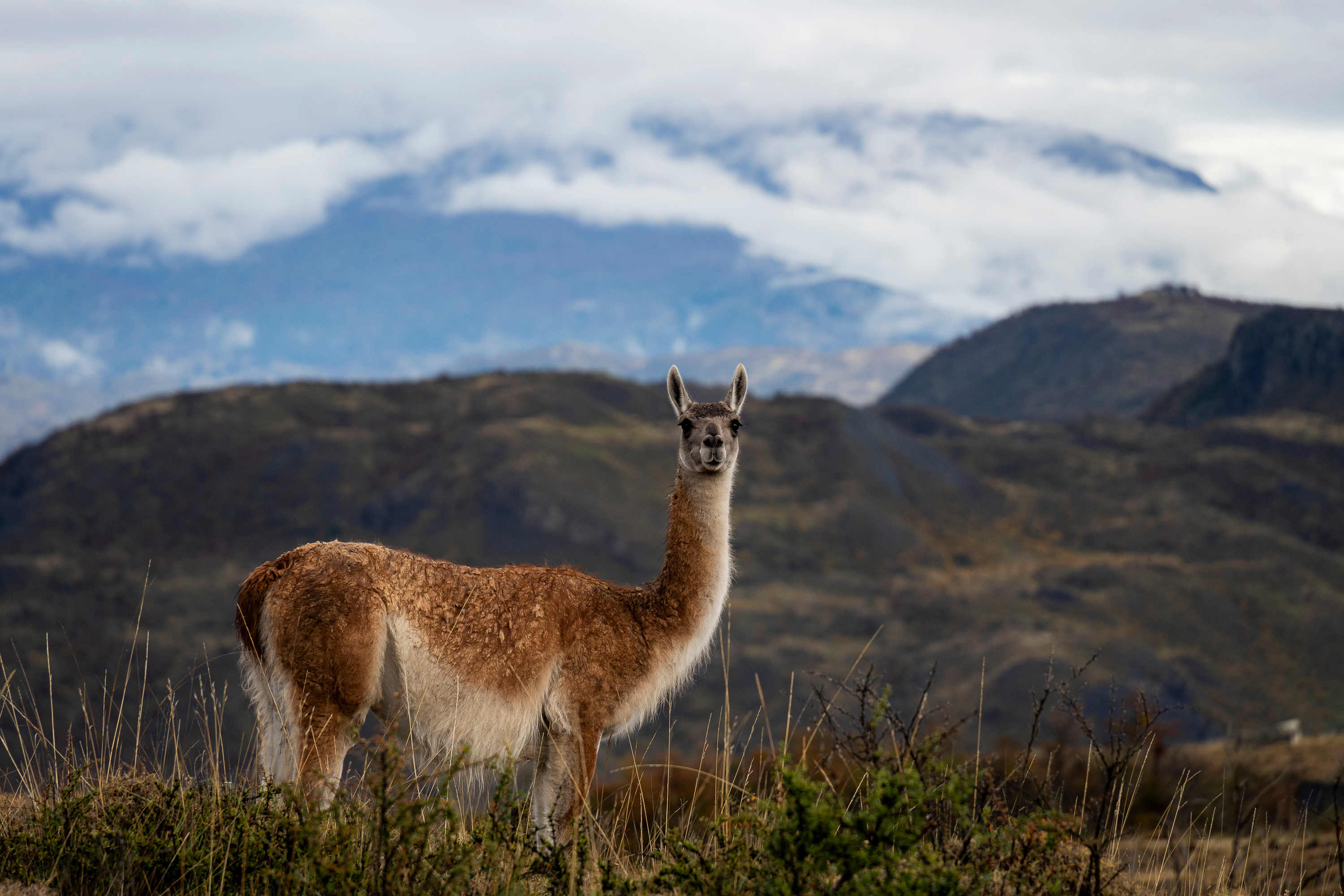
Argentina is a country of extremes: from humid jungles alive with howler monkeys and toucans, to glaciers hanging through the Andes, to the vast steppe of Patagonia where guanacos roam under endless skies. Along its 4,000-mile coastline, southern right whales calve, penguins nest, and sea lions gather on lonely beaches. Its national parks and wild frontiers hold some of the most dramatic and varied landscapes anywhere on the planet.

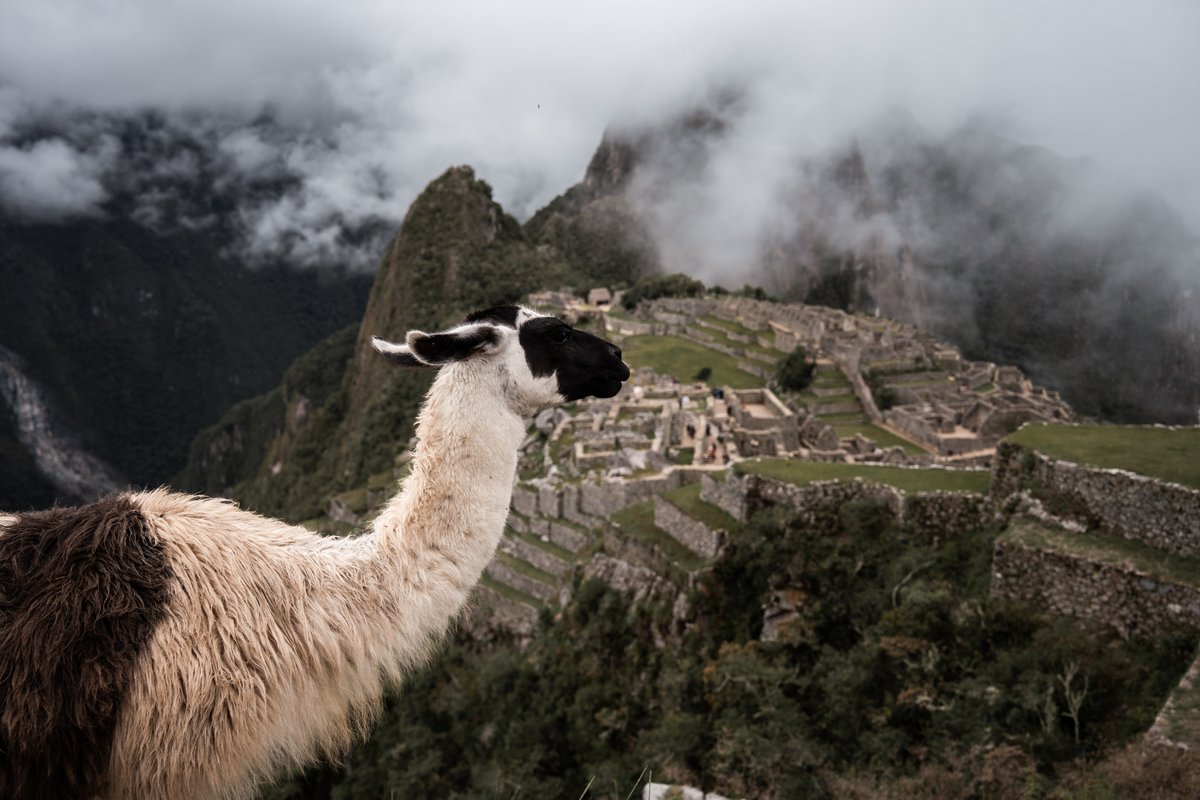
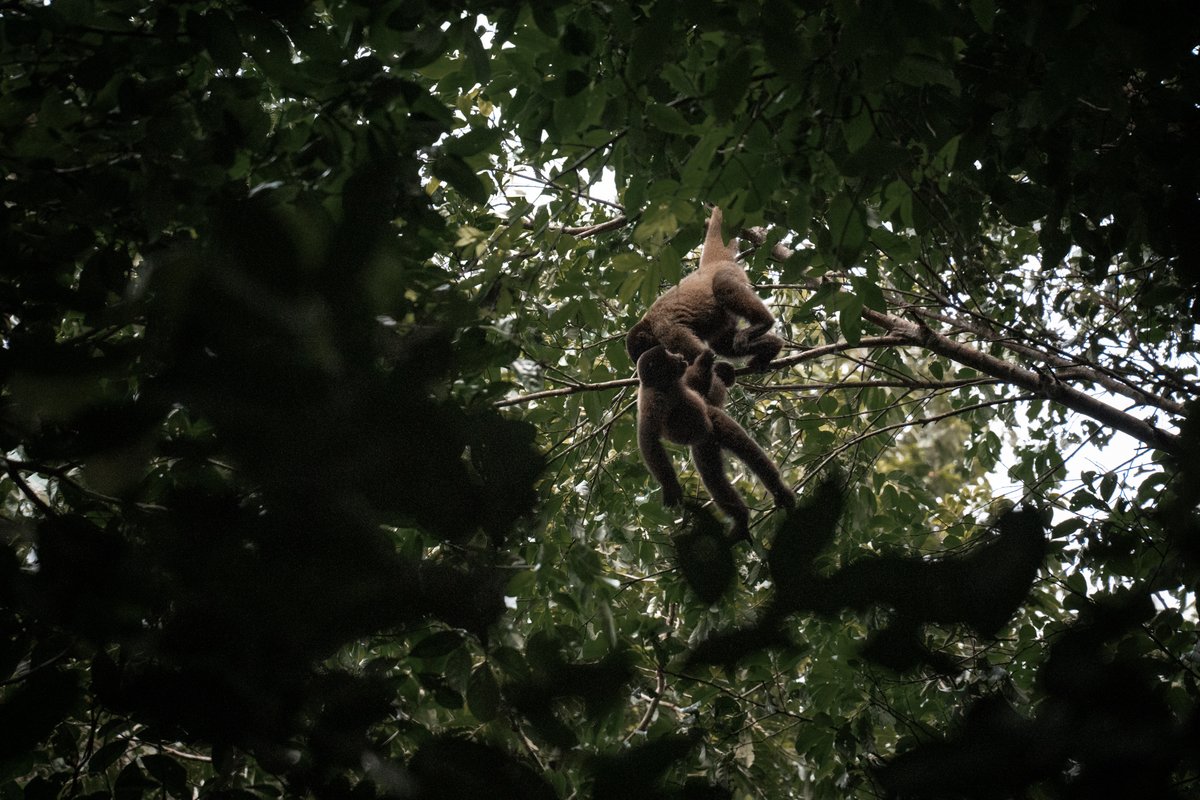
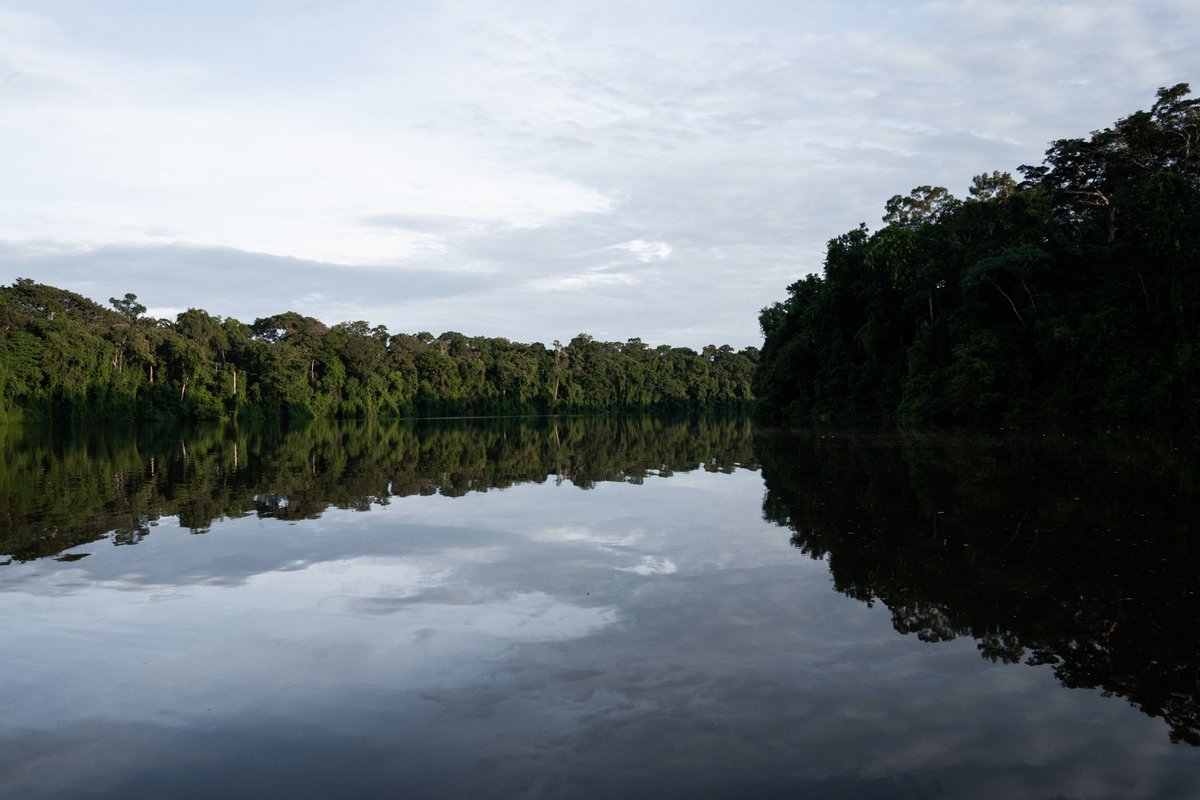
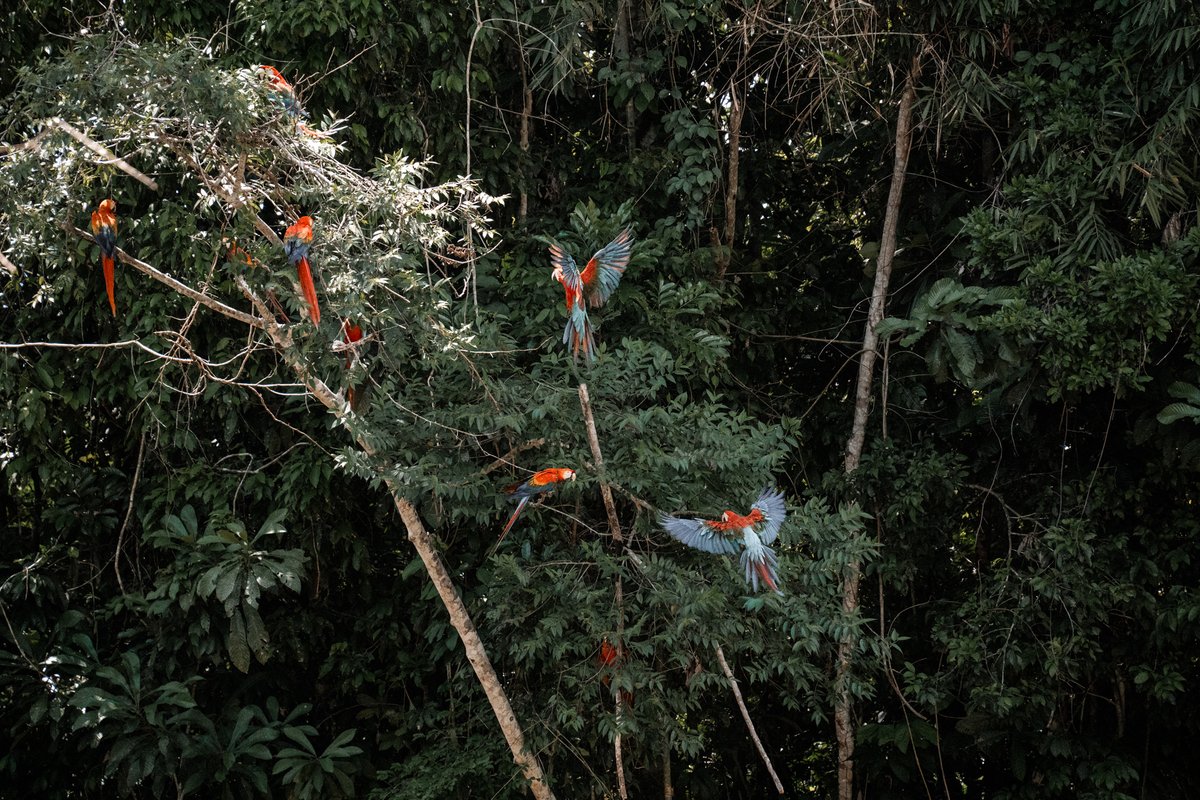
Peru is a country where extremes collide—Amazon rainforest, high-altitude Andes, and a Pacific coast shaped by cold, nutrient-rich currents. Jaguars stalk riverbanks, condors ride mountain thermals, and there’s so much lurking the riverways. Beneath it all runs a cultural thread that stretches from Inca ruins to rainforest communities, making Peru a place where history and wild nature are inseparable.





.png)

.png)
.png)

.png)





.png)
.png)

.svg)