Scattered across the Bay of Bengal, the Andamans feel like another world—emerald rainforests above, turquoise seas below, and reefs alive with turtles, manta rays, and huge schools of barracuda. Dugongs graze in seagrass meadows, while forests echo with hornbills and saltwater crocodiles move through mangroves. Many of the islands remain uninhabited, and some are home only to protected Indigenous tribes, leaving much of the archipelago untouched.
The Indian branch of Scuba Schools International, delivering world-class dive training while championing environmentally responsible practices. In the Andaman Islands, they work closely with local operators to promote reef-safe diving, marine education, and conservation leadership in the tourism sector.



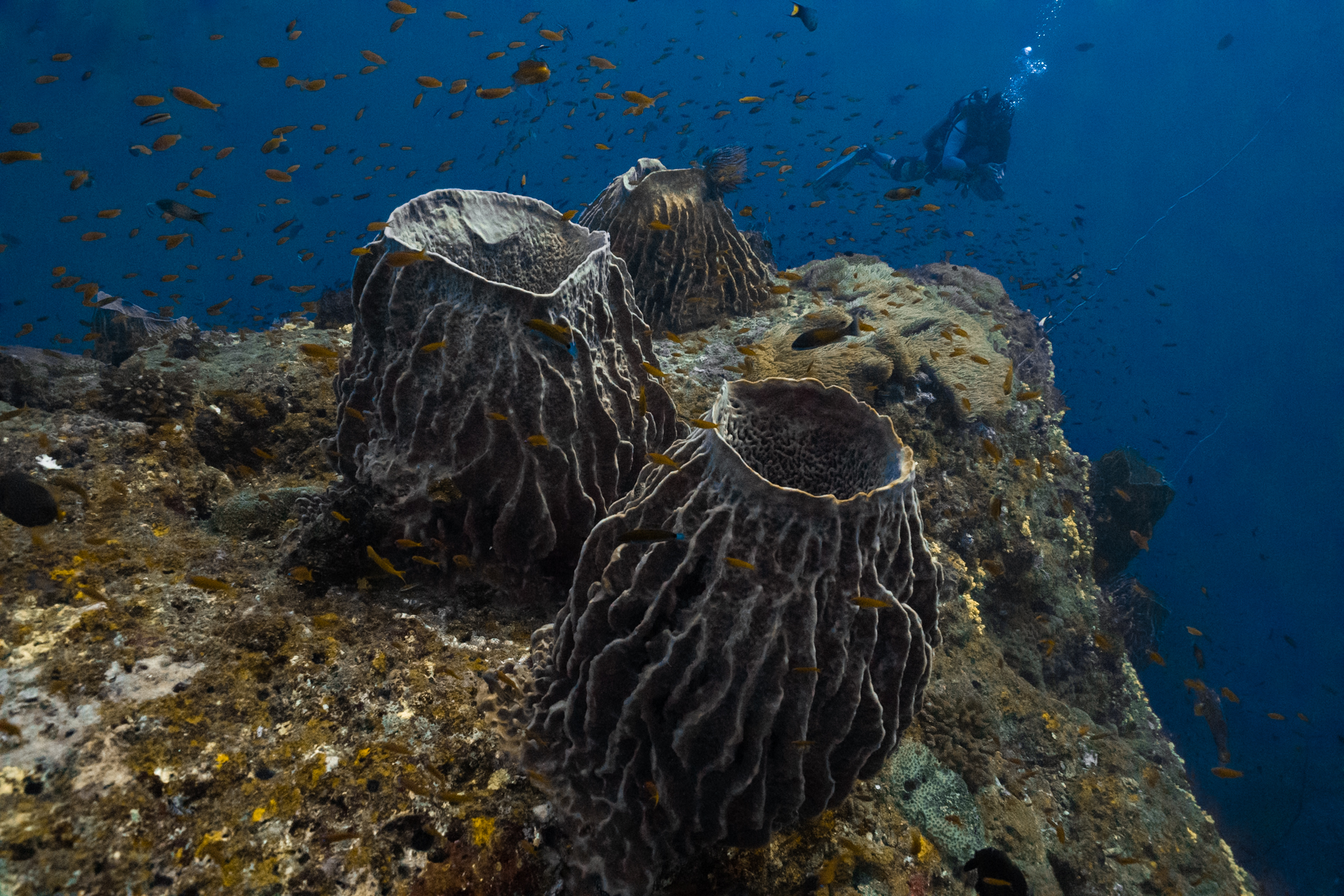

Havelock is the Andaman’s most recognized island, but beneath its famous reefs lies a story of people fighting to protect their home. The Karen community—descendants of families brought from Burma generations ago—are now at the forefront of conservation, using diving as a livelihood as well as a tool for stewardship.

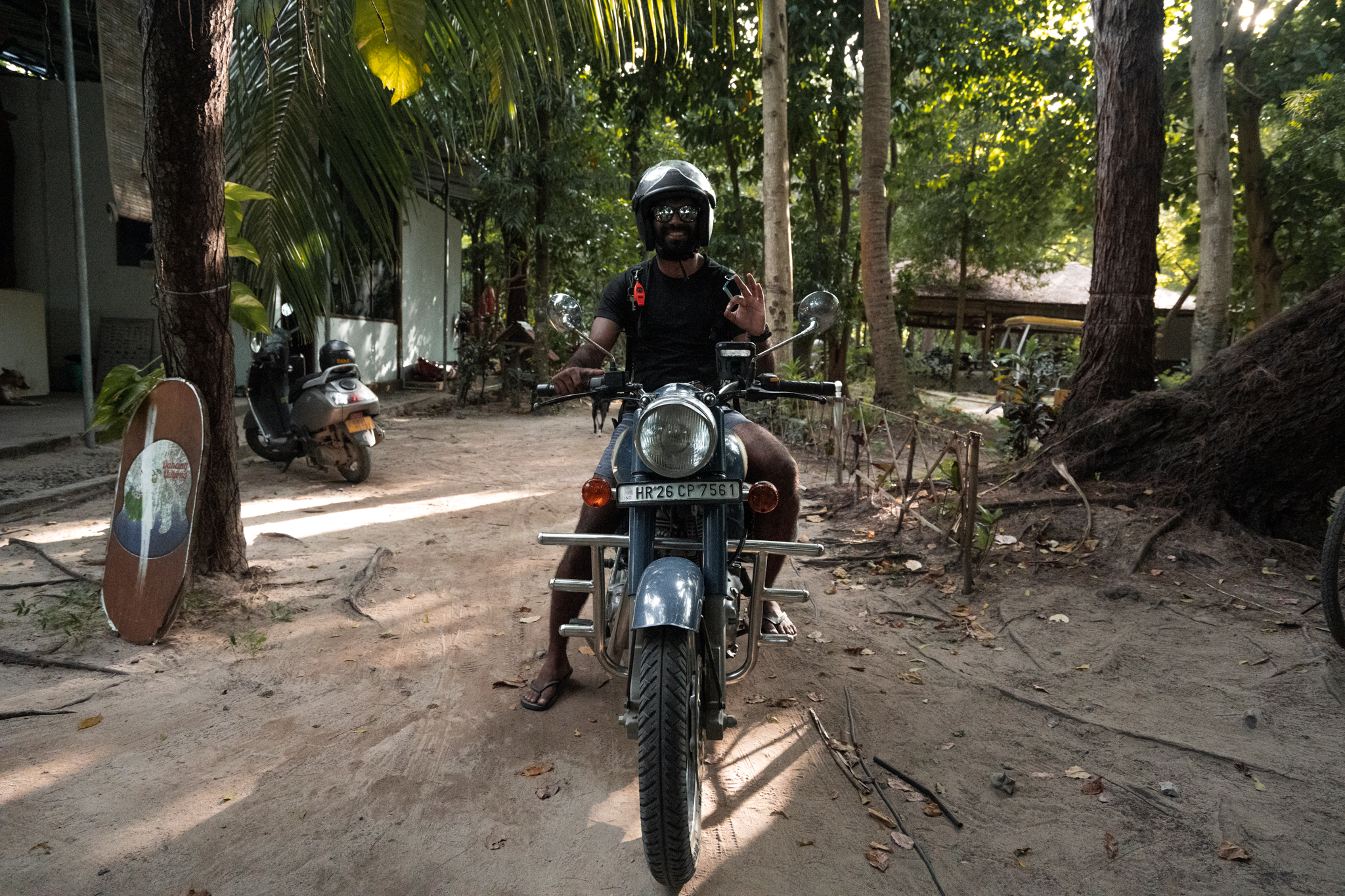


Neil Island may be smaller and calmer than its neighbor, but it carries a big role in the Andamans’ conservation story. Its lagoons and seagrass beds shelter turtles and dugongs, and the island’s Karen communities are working to keep it that way. By tying traditional knowledge of the sea to modern diving practices, they are mapping reefs, protecting fragile habitats, and teaching those who visit the value of what lies beneath.







.png)

.png)
.png)

.png)





.png)
.png)

.svg)
.png)