Asia is one of the most ecologically and culturally diverse regions on Earth, spanning coral reefs, mangrove forests, rainforests, mountains, deserts, and vast river deltas. From the cold waters of Russia’s Far East to the tropical seas of Indonesia and the Philippines, its landscapes and seascapes support extraordinary biodiversity and millions of people whose lives are deeply tied to land and ocean.
In Asia, conscious exploration focuses on coastal and forest ecosystems where communities are on the frontlines of climate change. Edges of Earth works across the region embedding alongside local scientists, community leaders, and cultural stewards to document what climate change looks like on the ground—and what’s working in response. Through frontline climate storytelling, the team surfaces place-based solutions and examples of positive deviance, where communities are protecting ecosystems and ways of life against the odds. Together, these stories point toward positive climate progress, offering insight into locally rooted solutions with global relevance.


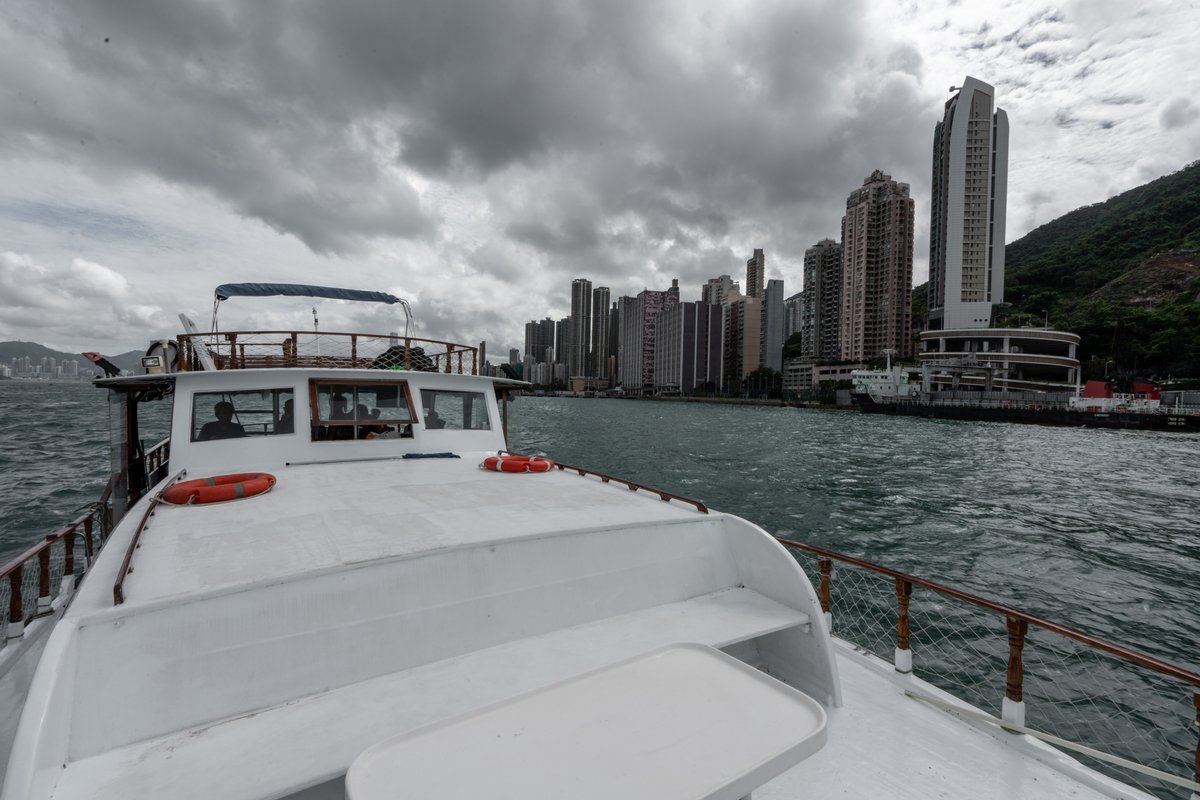


Beyond the high-rises and crowded harbors, Hong Kong is edged with unexpected wildness. The city was built on shellfish, specifically oysters. And today, there are major conservation efforts happening to rebuild a semblance of what once was. Rebuilding lost ecosystems and reconnecting the city to its maritime roots is no easy feat, but it shows that even one of the world’s densest urban centers still depends on its seas.
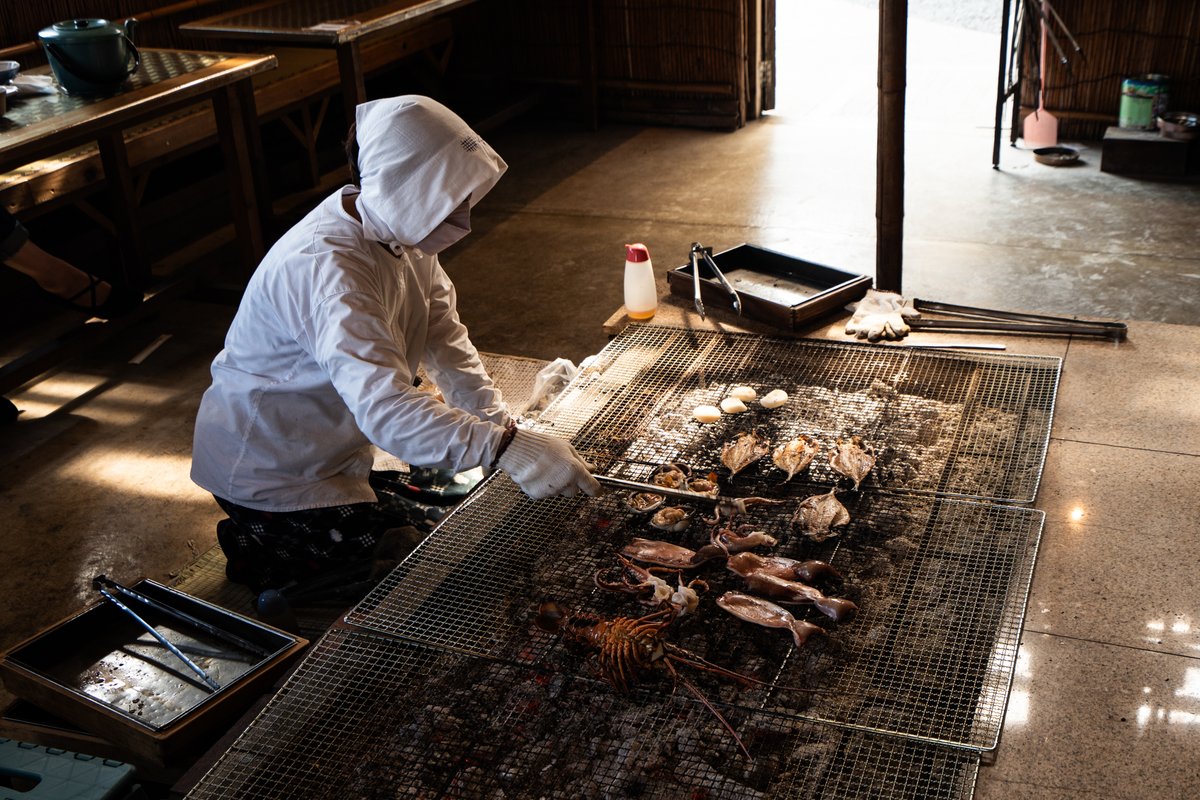
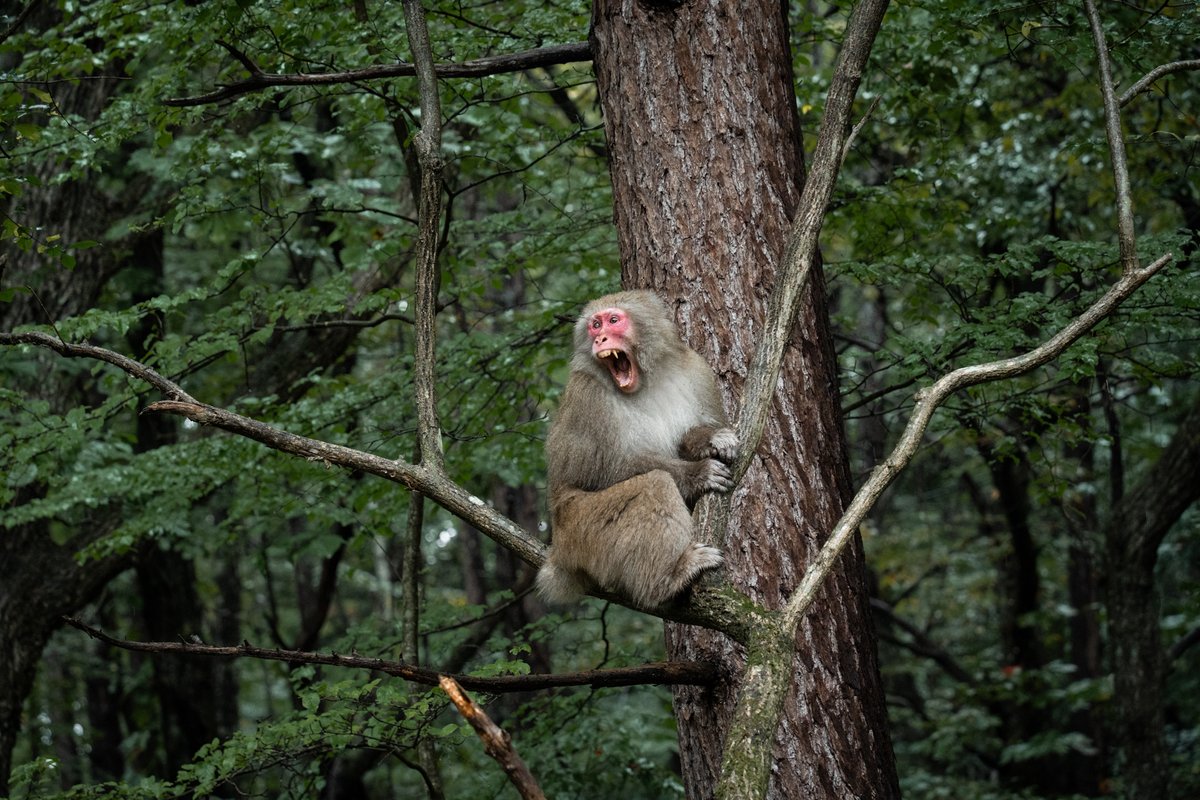



Japan is a country of extremes, where snowcapped mountains and frozen northern seas give way to subtropical islands. Snow monkeys soaking in hot springs, giant salamanders hiding through riverbeds, cranes dancing across wetlands, and manta rays hanging out past volcanic coastlines makes Japan’s range fascinating. Each island feels like its own world, layered with culture, myth, and wilderness. From the wild north of Hokkaido to the reef-fringed south of Okinawa, Japan’s diversity makes it one of the richest natural landscapes on the planet.
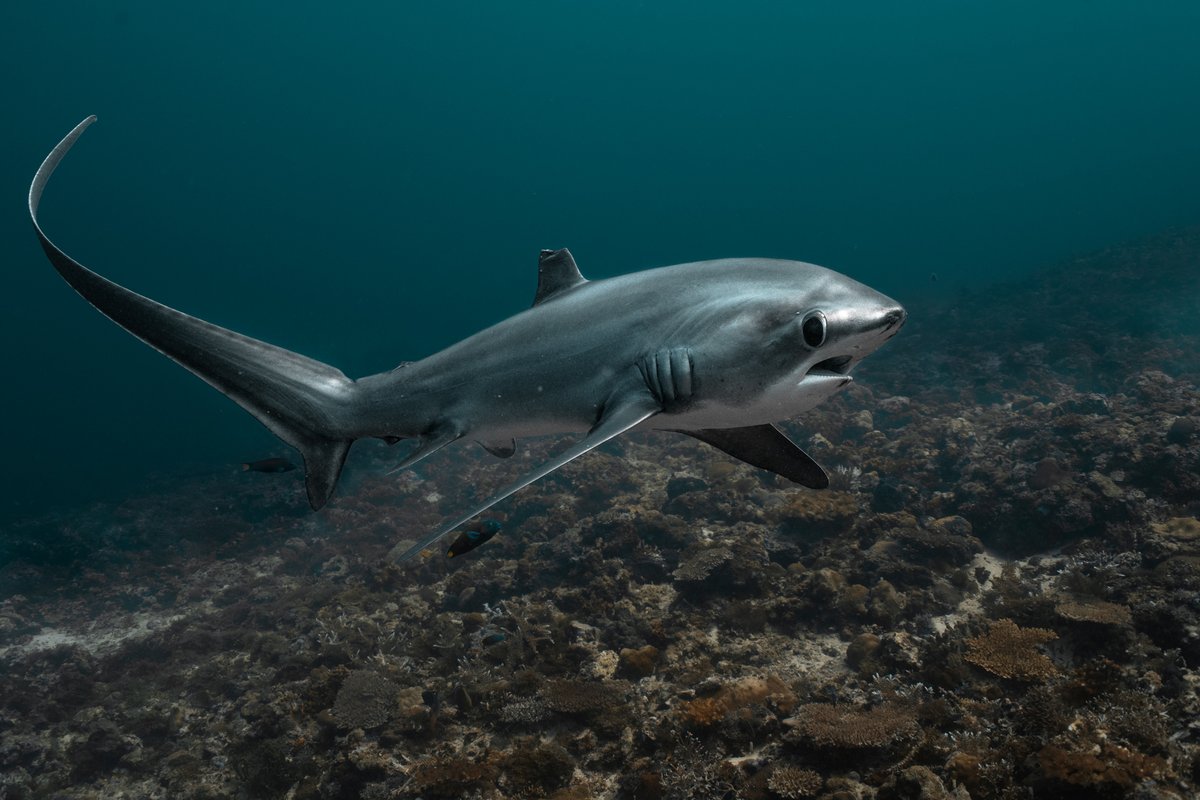
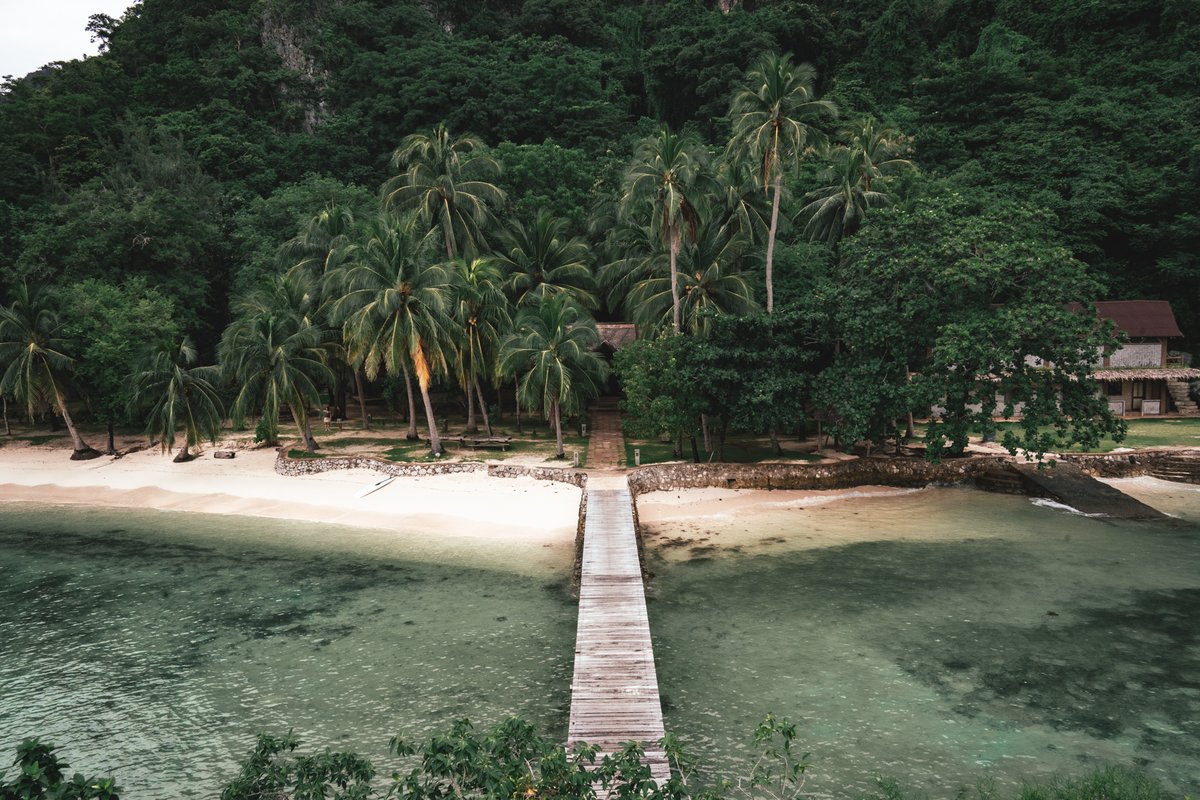

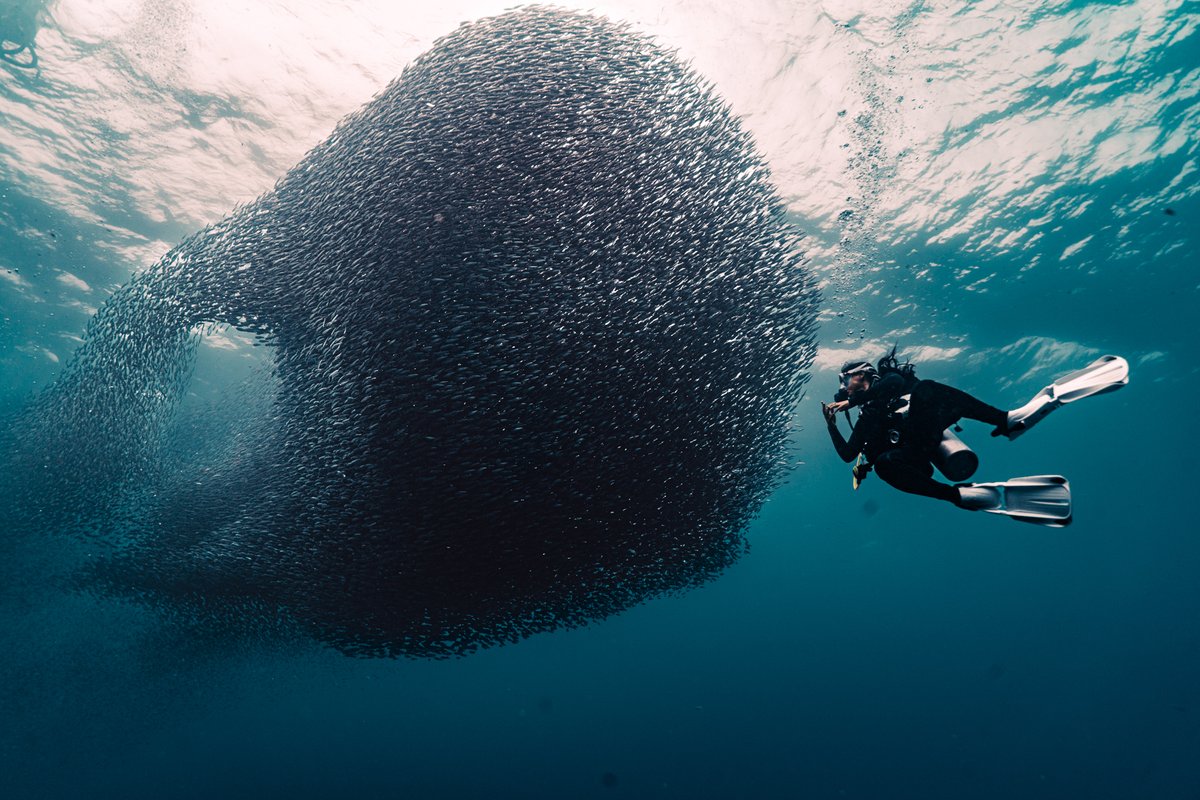

With more than 7,000 islands, the Philippines is at the heart of the Coral Triangle, making it one of the most biodiverse marine nations on Earth. Coral reefs, mangroves, and seagrass beds support everything from whale sharks and manta rays to rare reef critters, while volcanic peaks and jungles shelter hornbills, tarsiers, and cloud rats. But it’s not just about nature—the Philippines has pioneered community-led conservation, with marine sanctuaries and illegal fishing patrols protecting coastal waters.
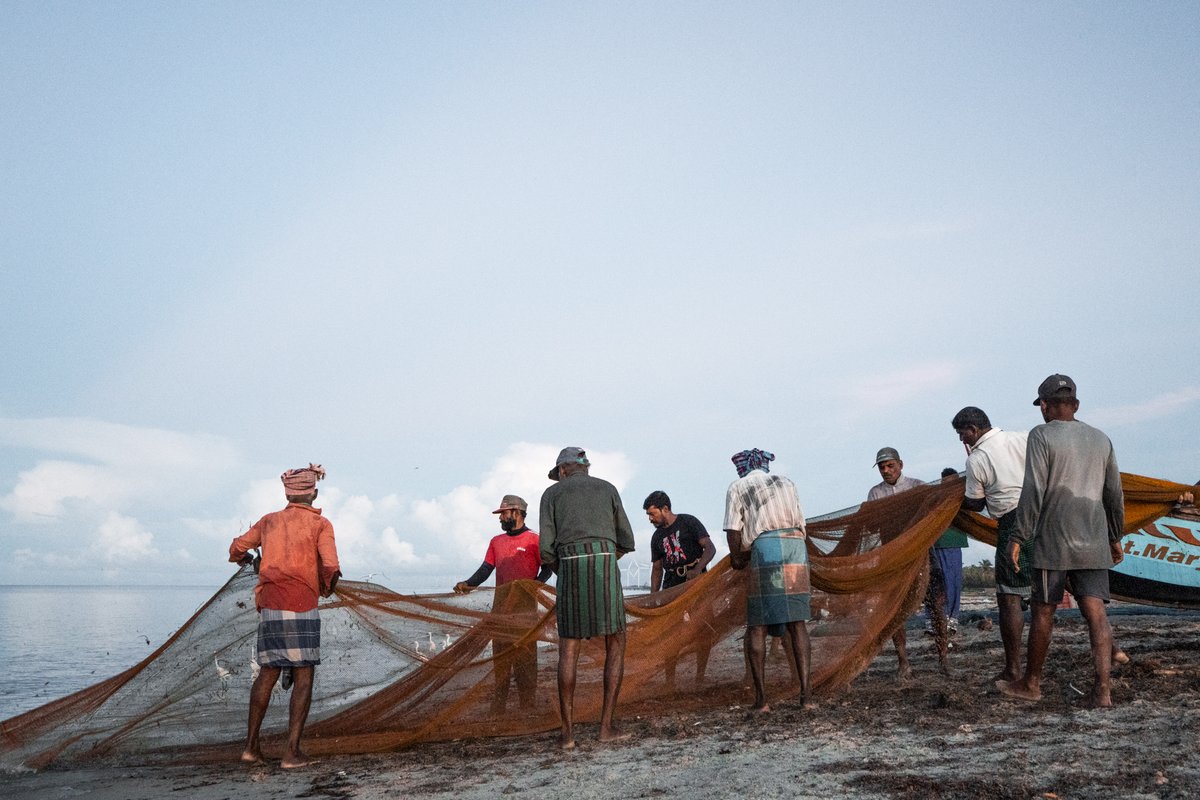
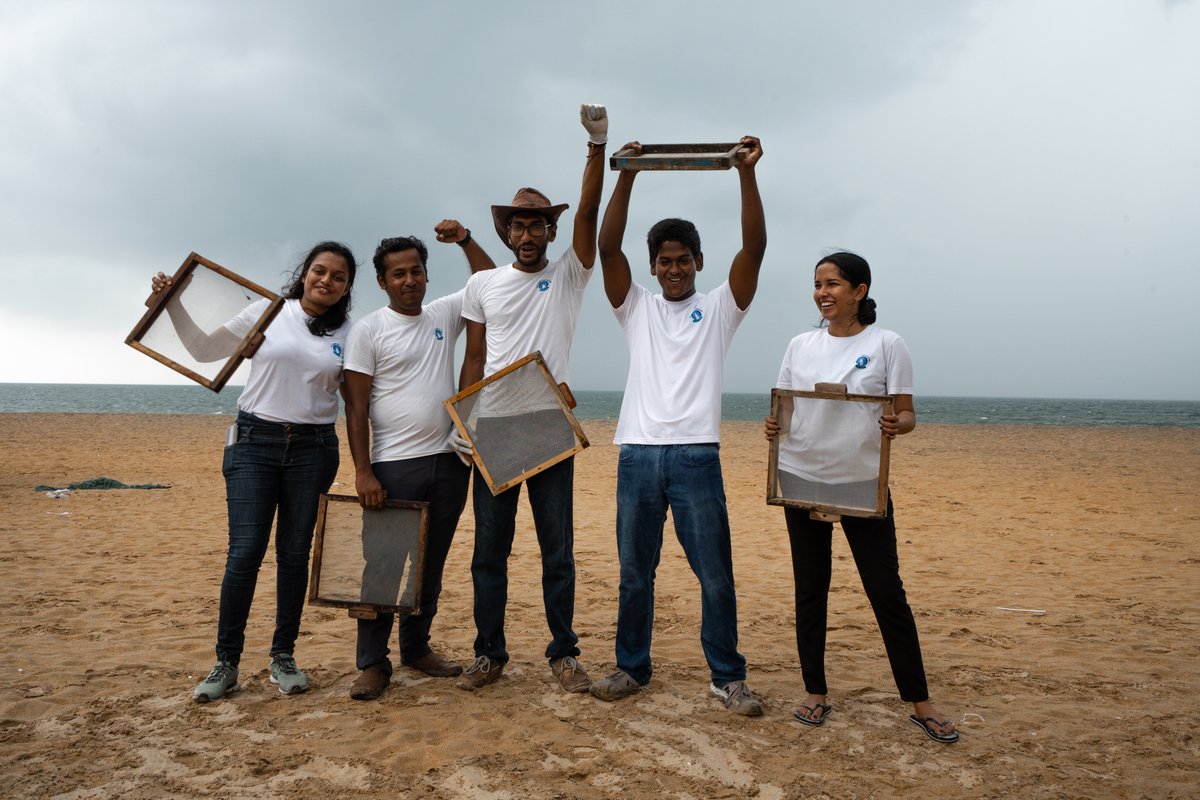


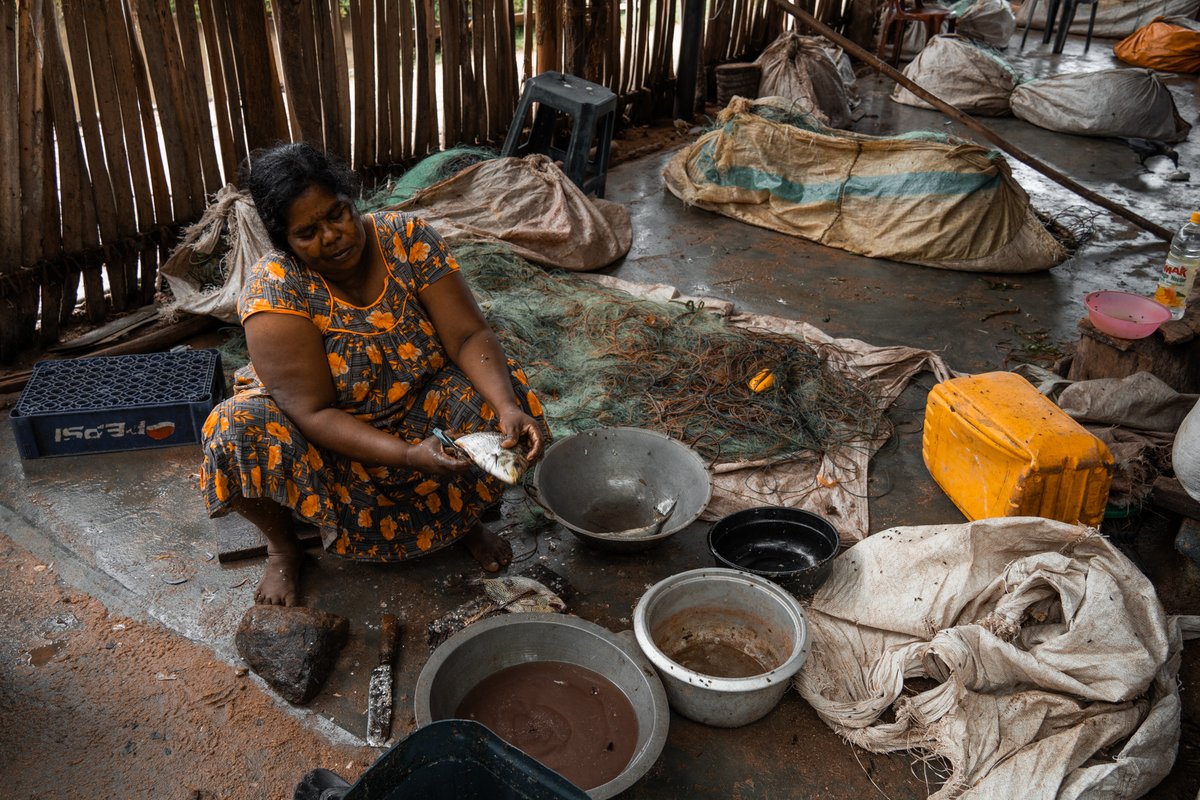
Sri Lanka has endured civil war, natural disasters, and economic struggles—yet it remains one of the most resilient nations on Earth. National parks are home to elephants following ancient migration paths and blue whales feed just offshore. The country is still rebuilding, but its landscapes, wildlife, and culture stand as proof of renewal, strength, and deep-rooted connection to the land and sea.
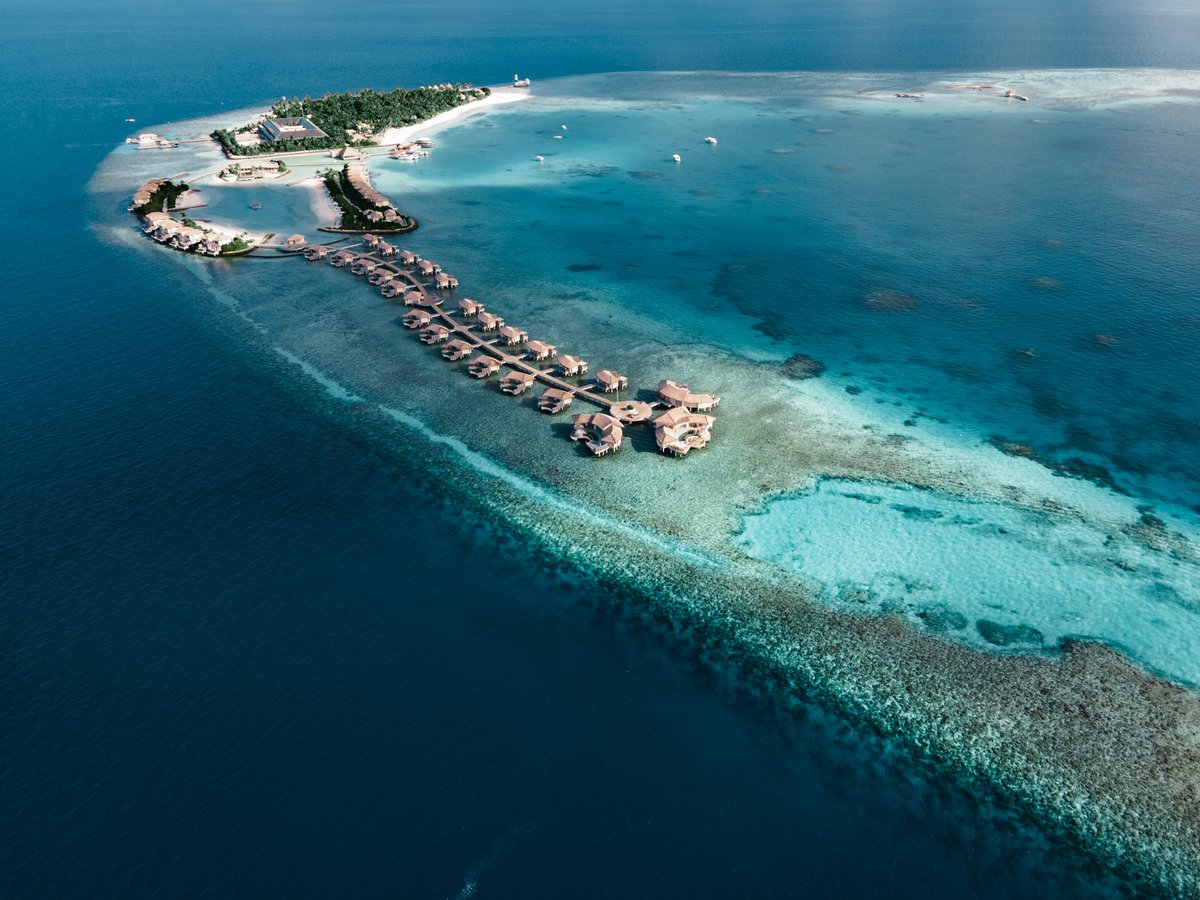
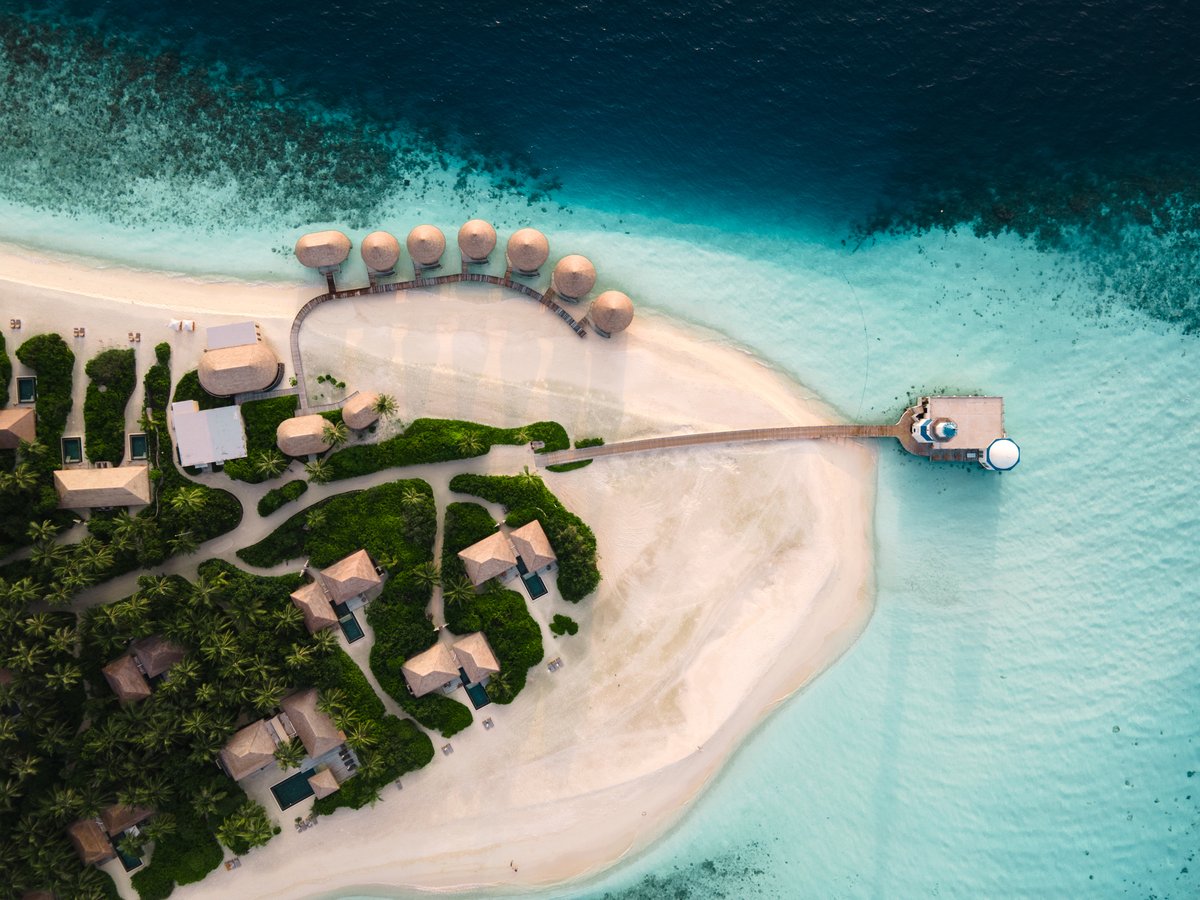
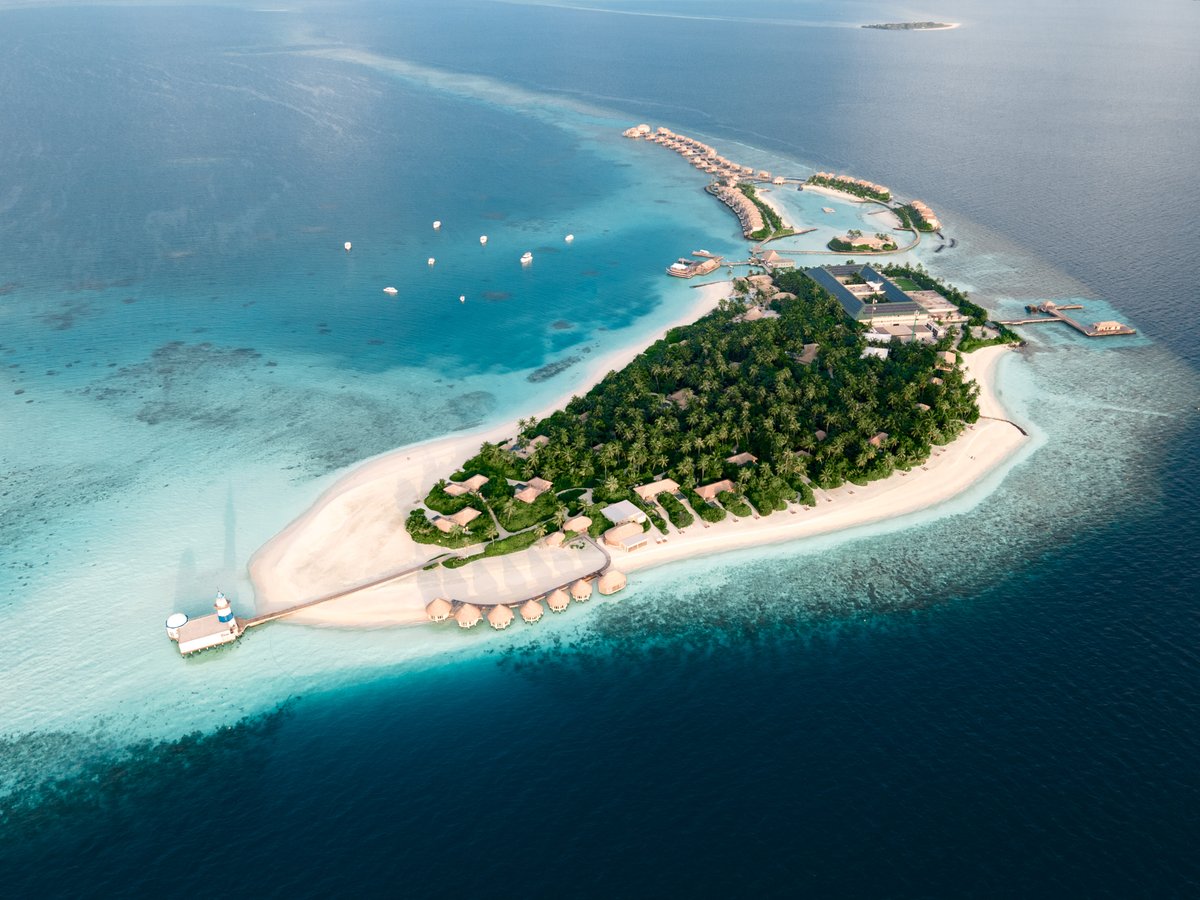

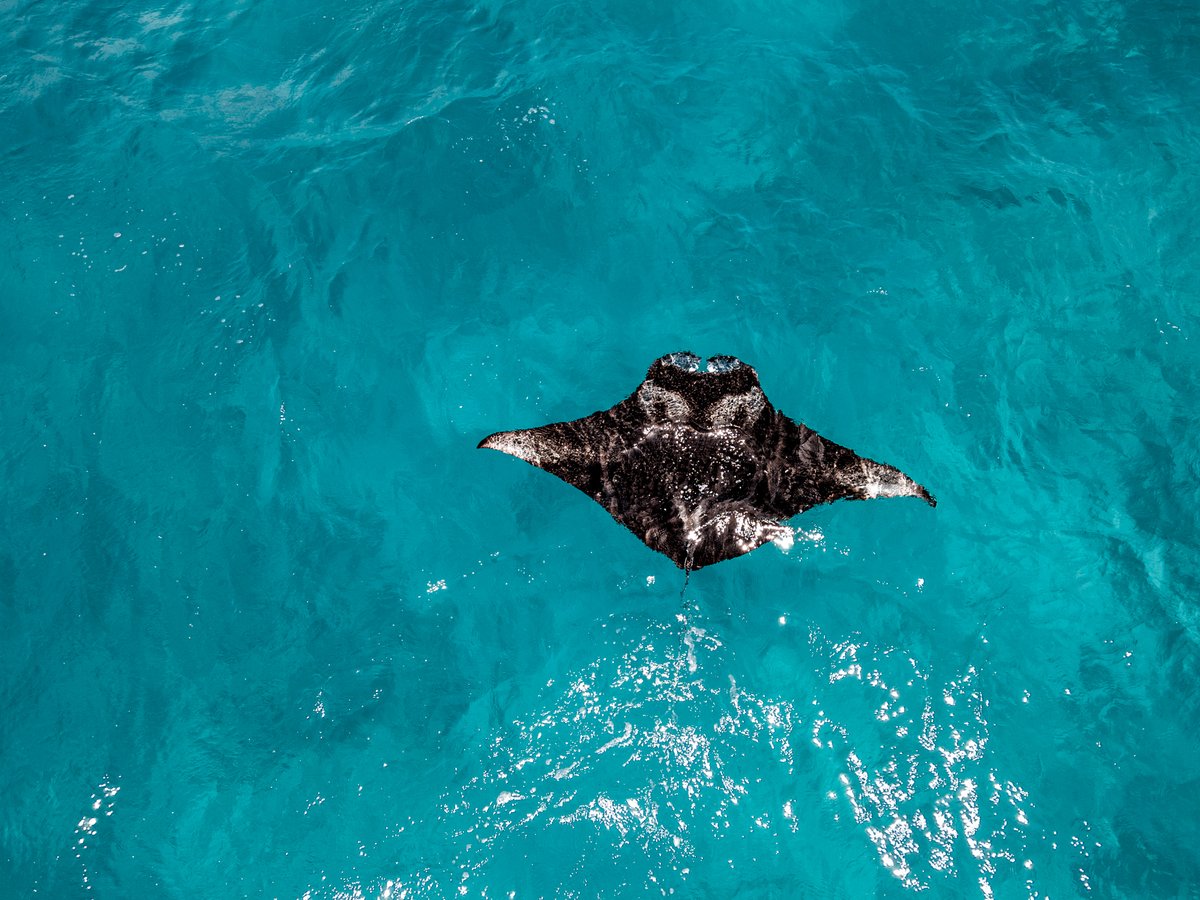
The Maldives is a nation scattered across the Indian Ocean, its 1,190 islands forming atolls that shelter some of the planet’s richest ecosystems. Whale sharks, manta rays, turtles, and sharks congregate in lagoons and channels, while islands balance between climate vulnerability and conservation innovation. Surf culture here is alive and well, with some of the most epic breaks in the world spanning the Northern, Central and Southern Atolls. Its beauty is undeniable, but its fragility makes it one of the world’s most urgent frontiers for protection.

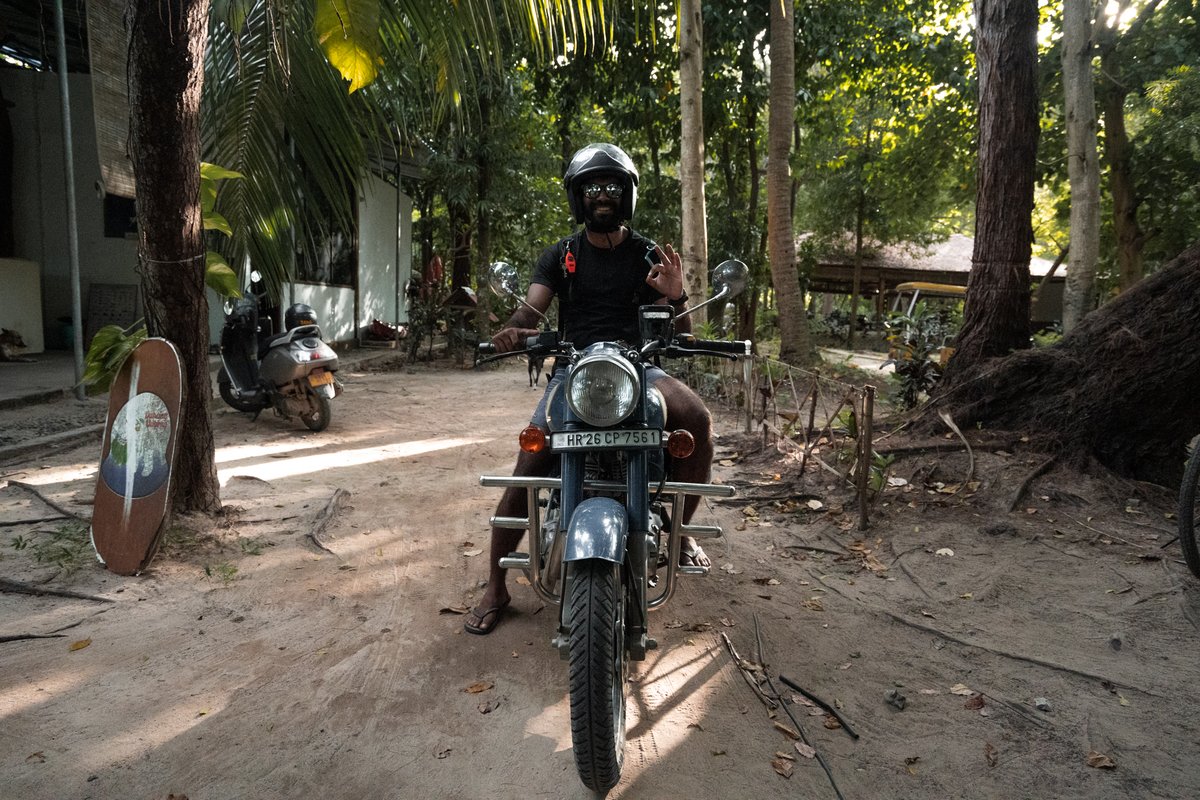

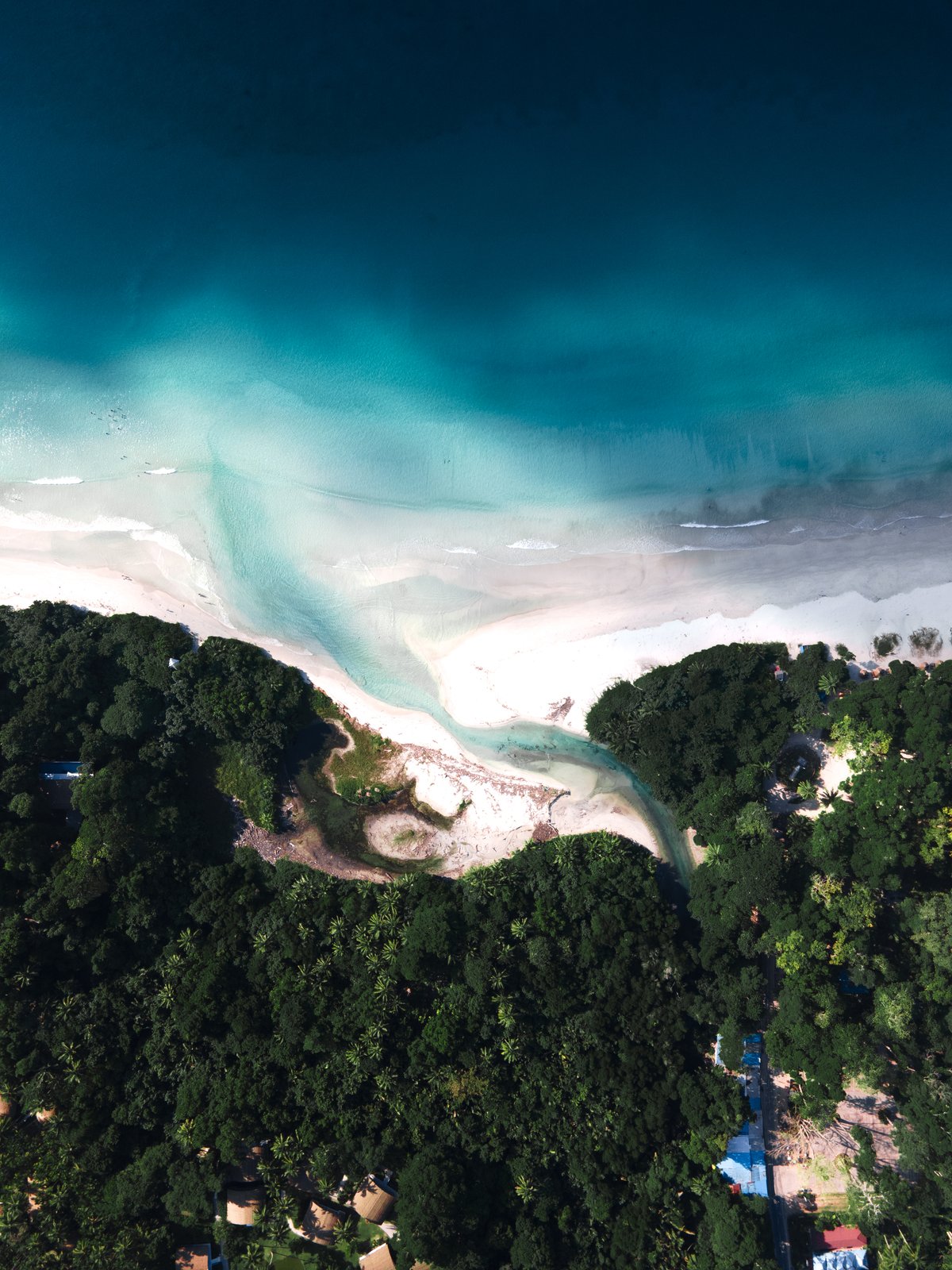
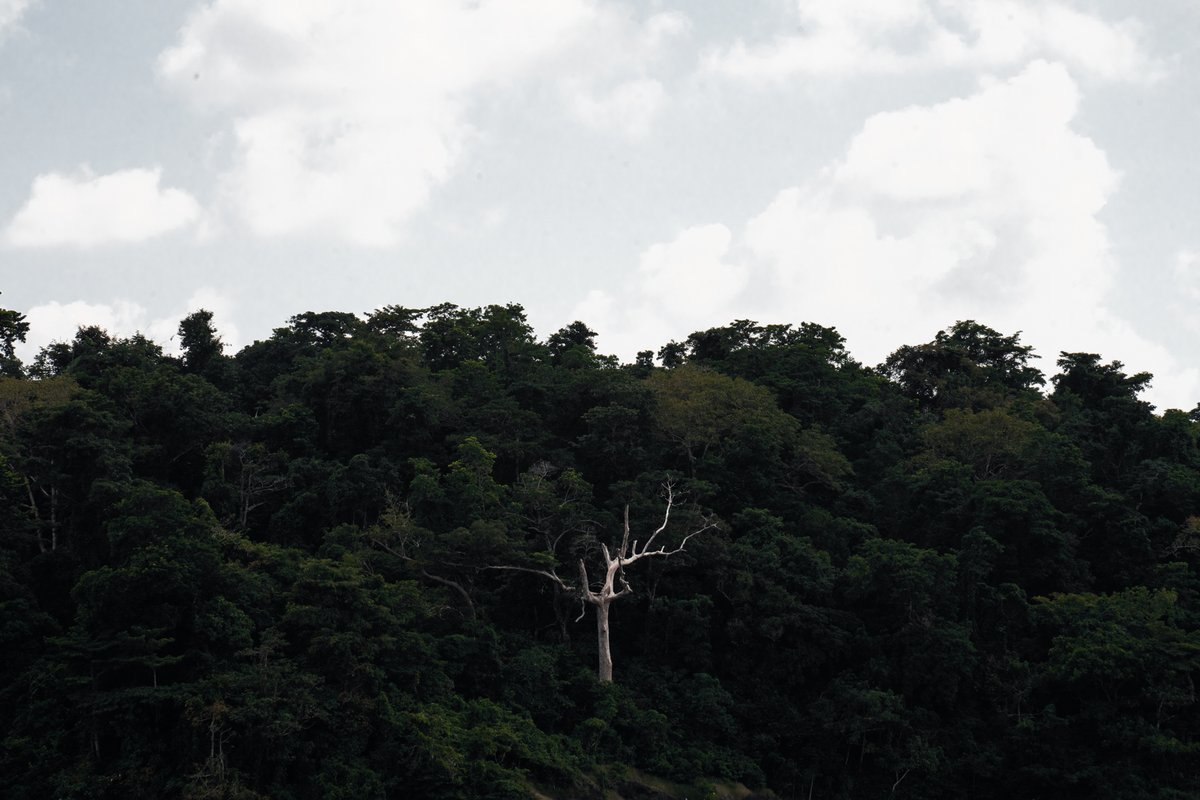
India is a land of vast differences, where snow-draped Himalayan peaks give way to jungles alive with tigers and elephants, deserts stretch into silence, and coral-fringed coasts are unexpected. Despite being one of the most populated countries on Earth, it remains one of the most biodiverse—its forests, rivers, and reefs sheltering species found nowhere else. India is just as much a cultural giant as it is a frontier for chasing wild encounters across both land and sea.
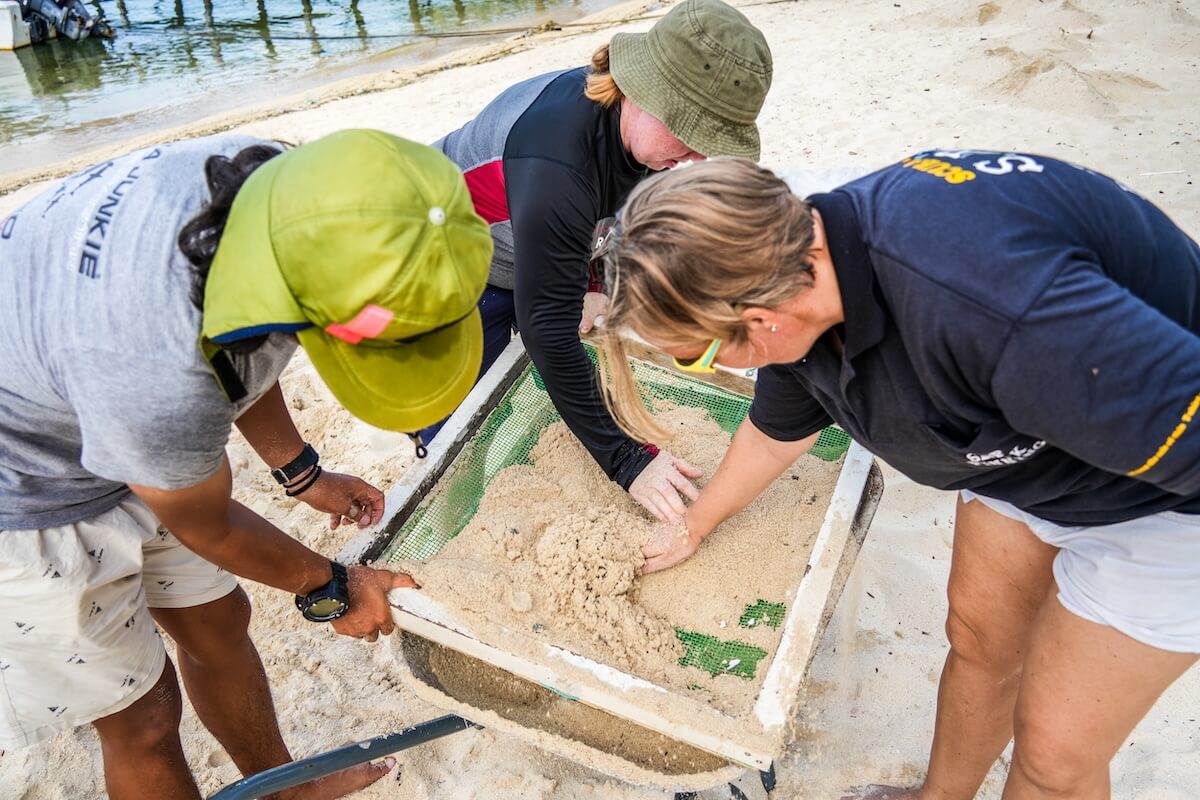
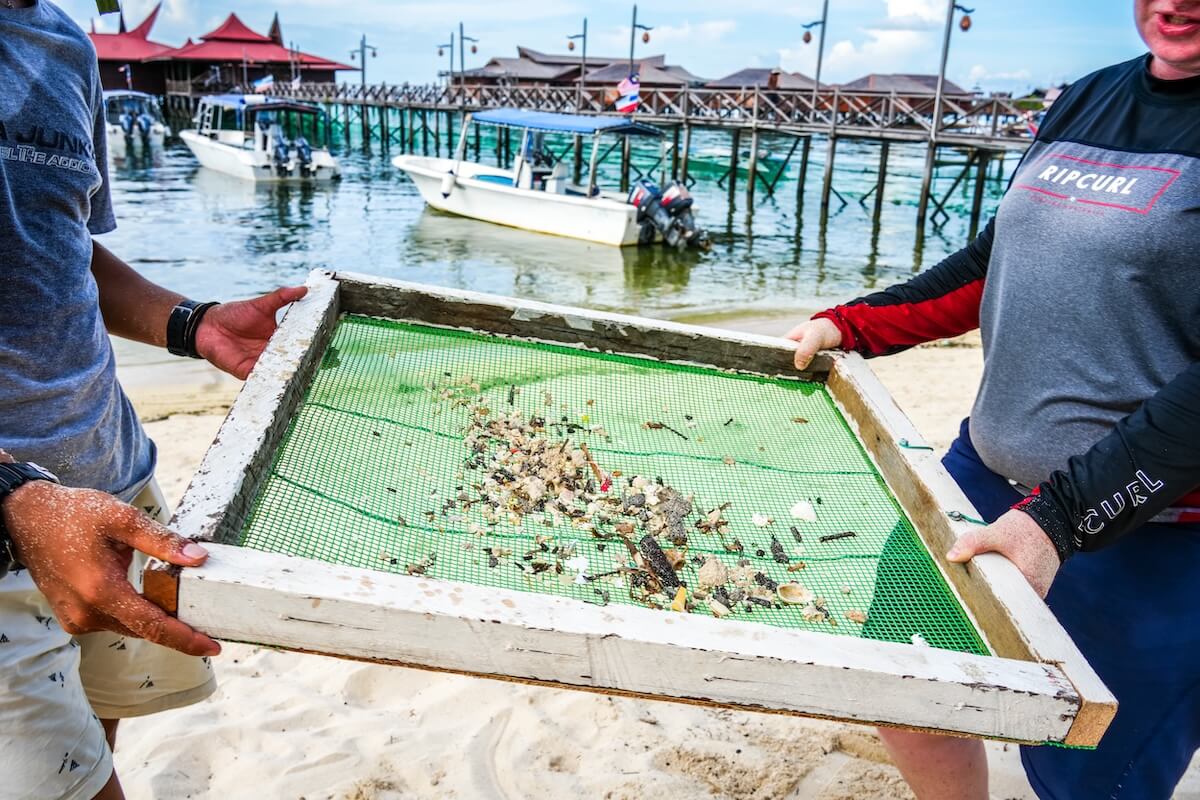
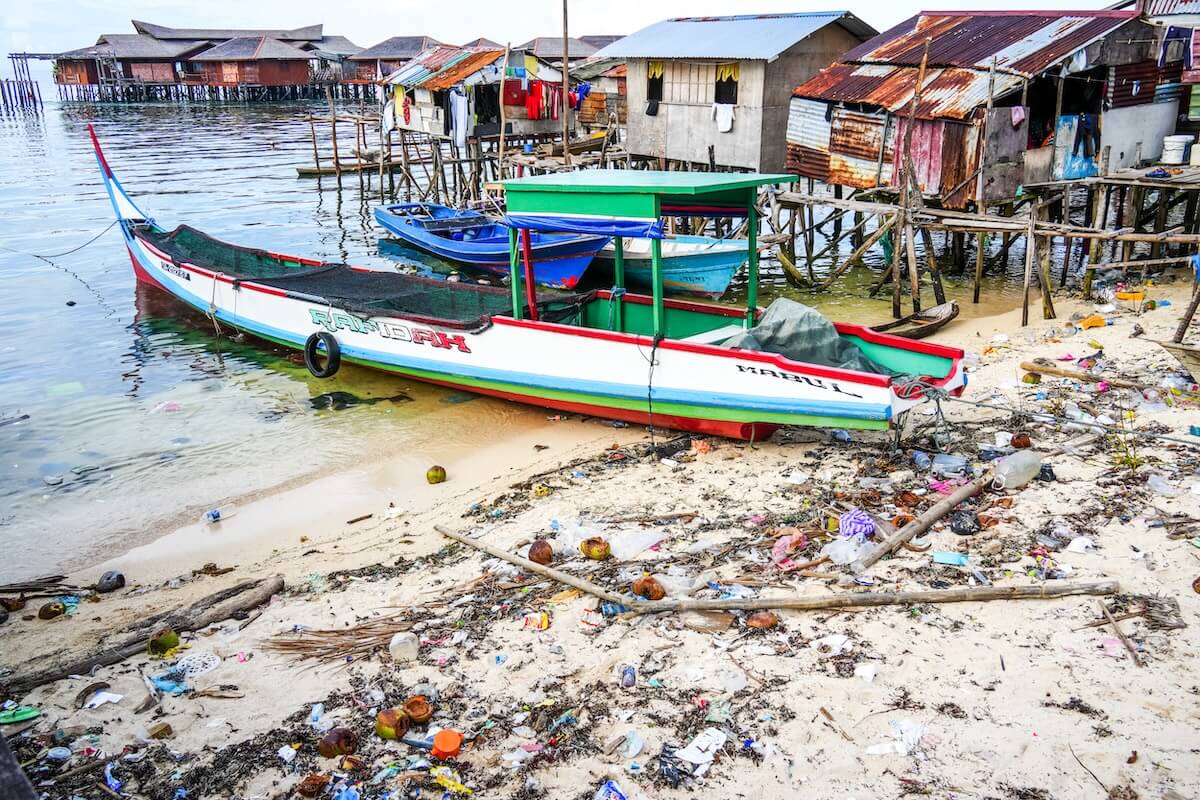
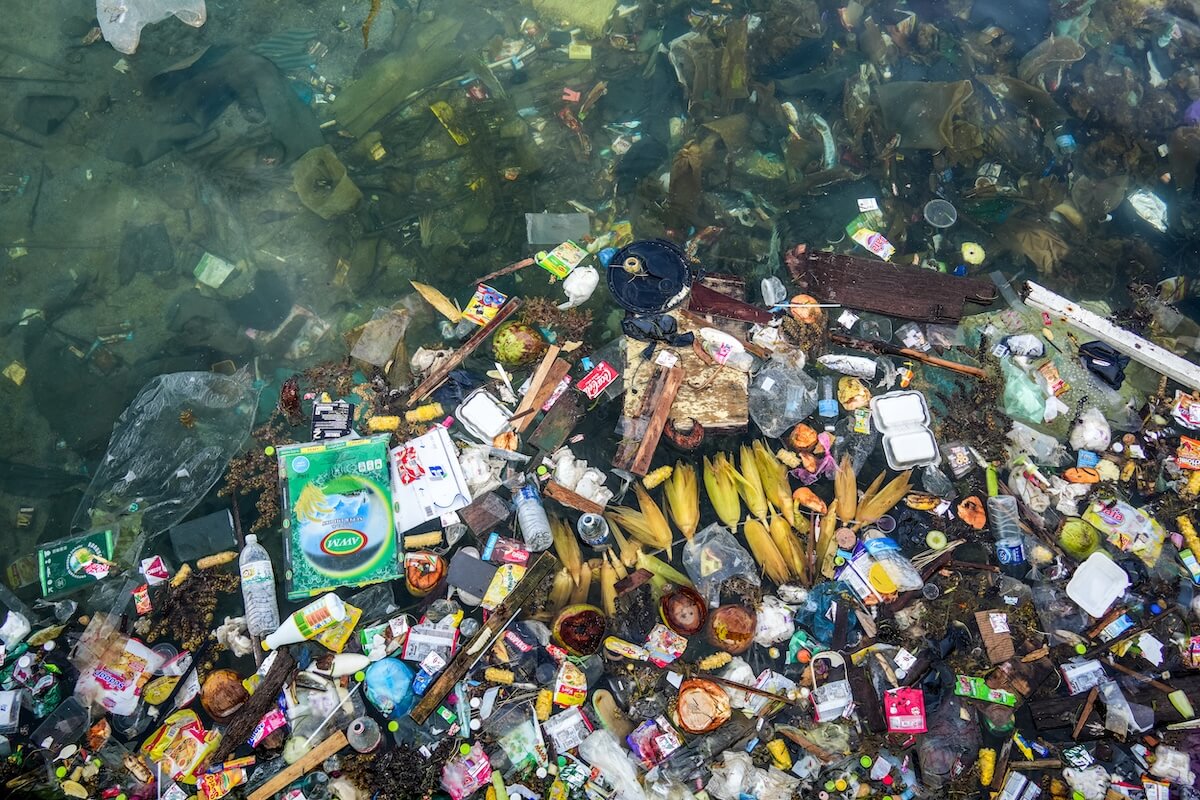
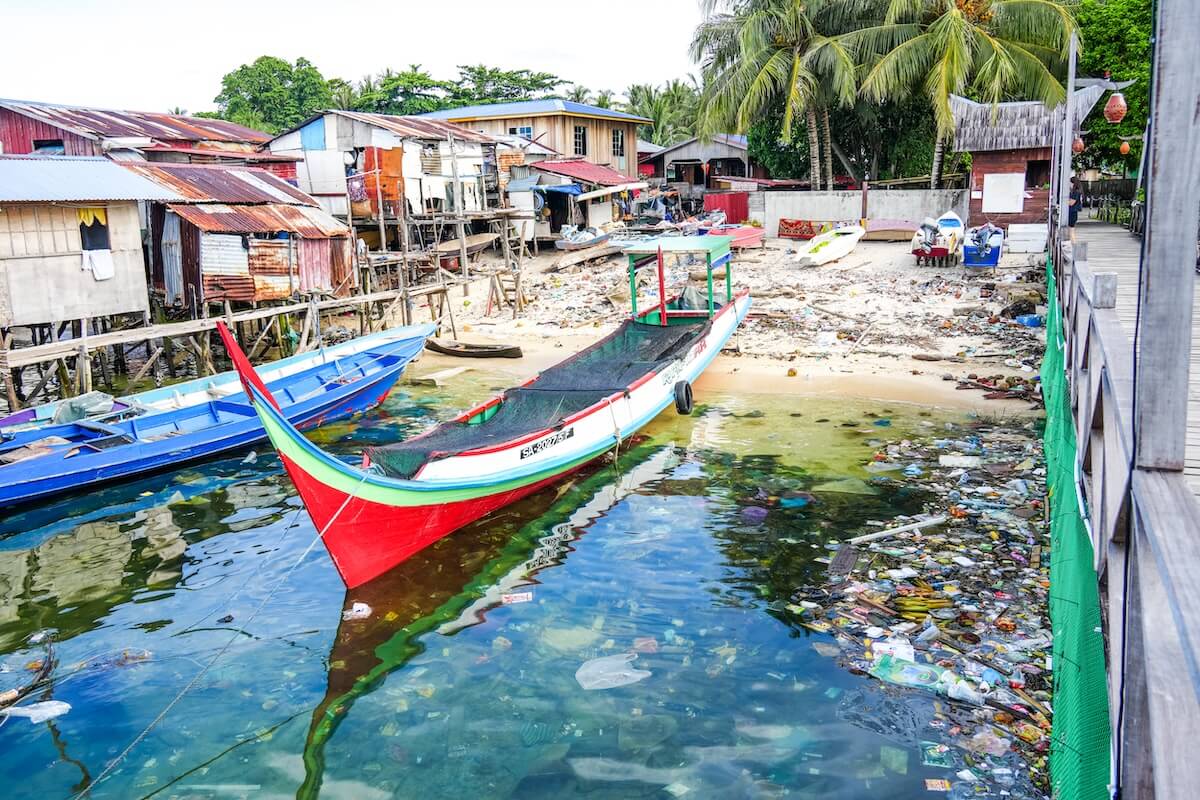
Malaysia is a country split by sea, with Peninsular Malaysia on one side and wild Borneo on the other—together holding some of Asia’s greatest biodiversity. Towering dipterocarp forests shelter orangutans, sun bears, and pygmy elephants, while offshore, the South China Sea and Celebes Sea brim with sharks and coral gardens. From bustling cultural hubs to remote wilderness, Malaysia is a nation where dense rainforests and thriving reefs meet in one extraordinary collision of life.
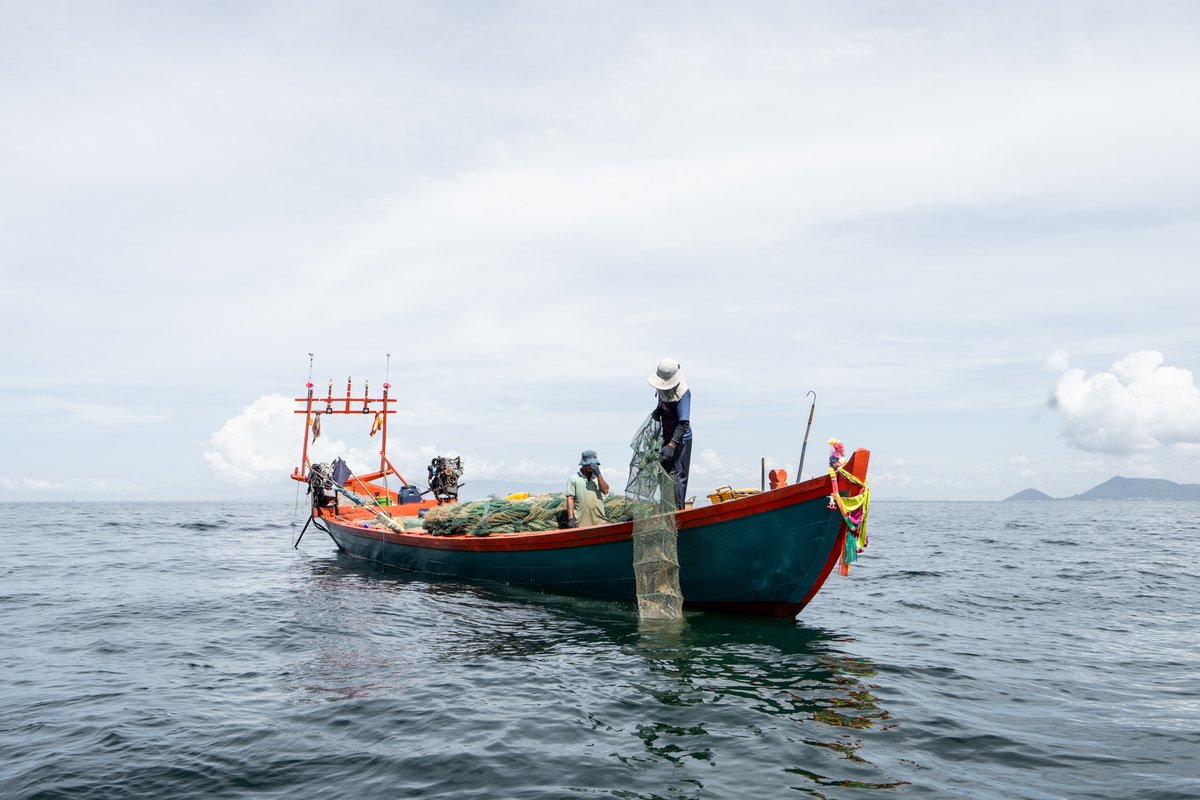
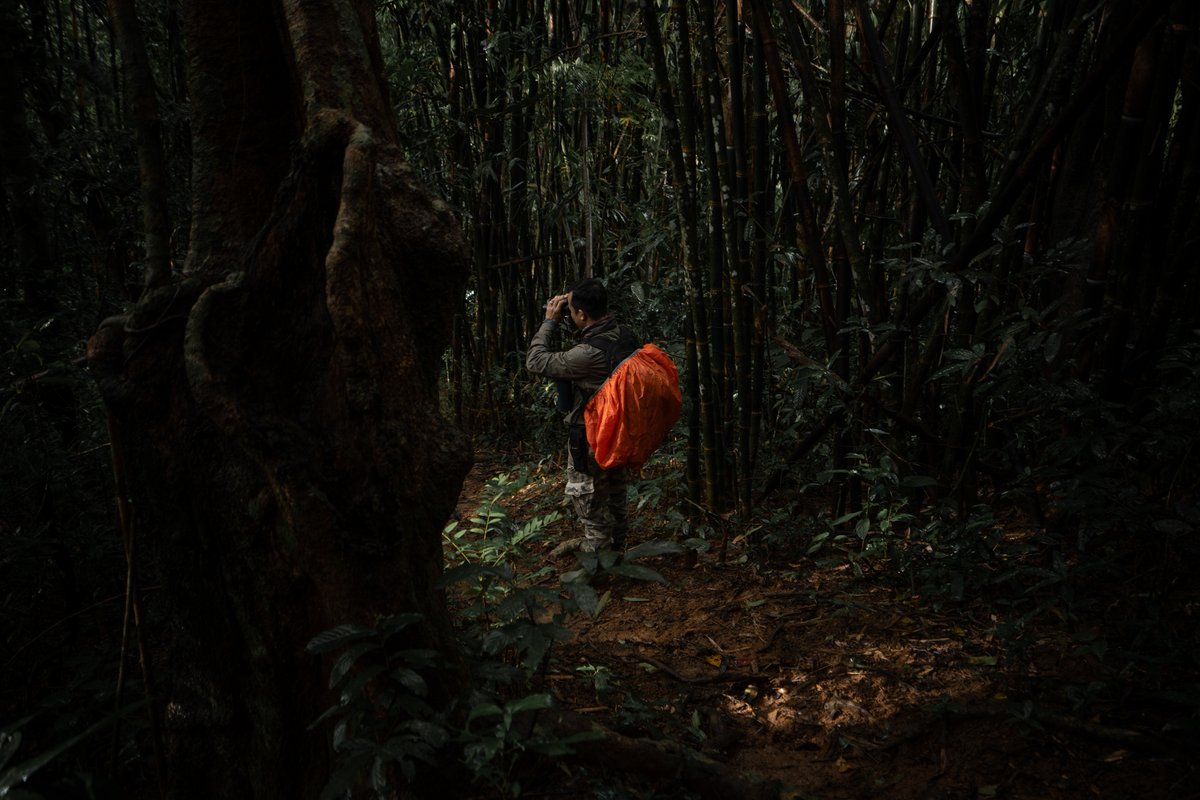
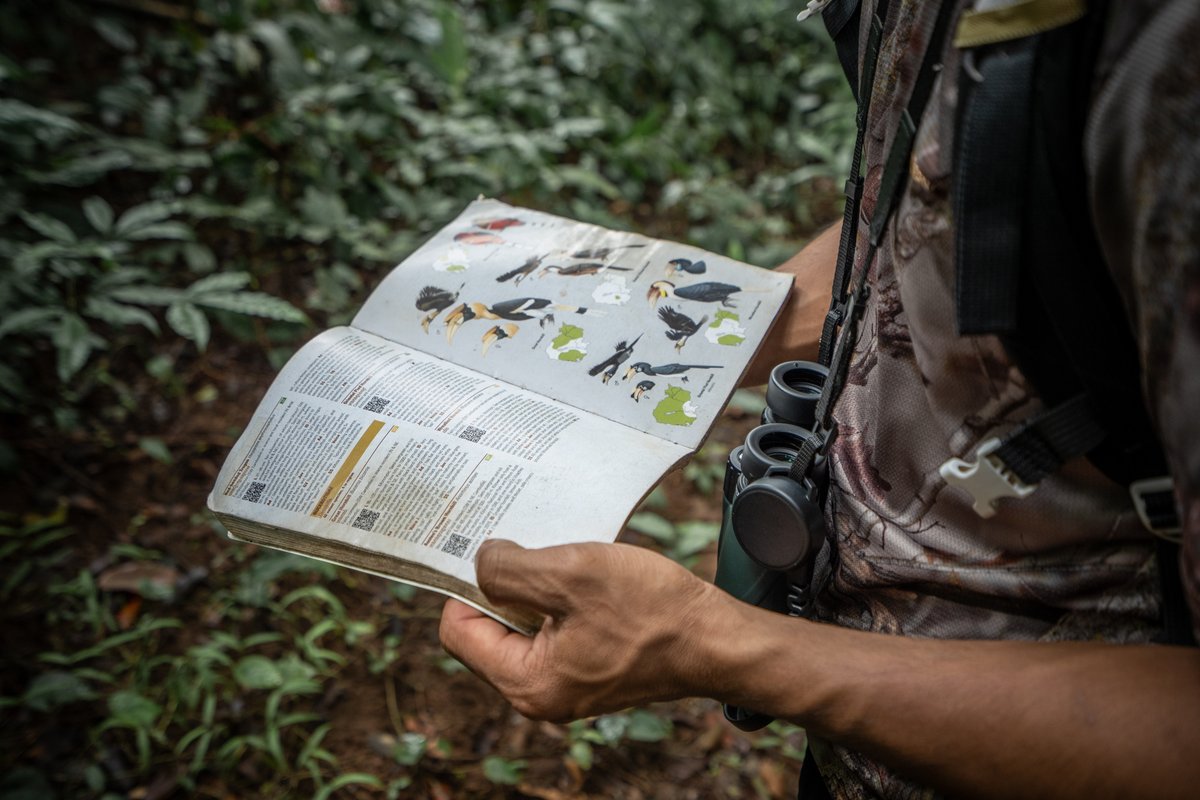
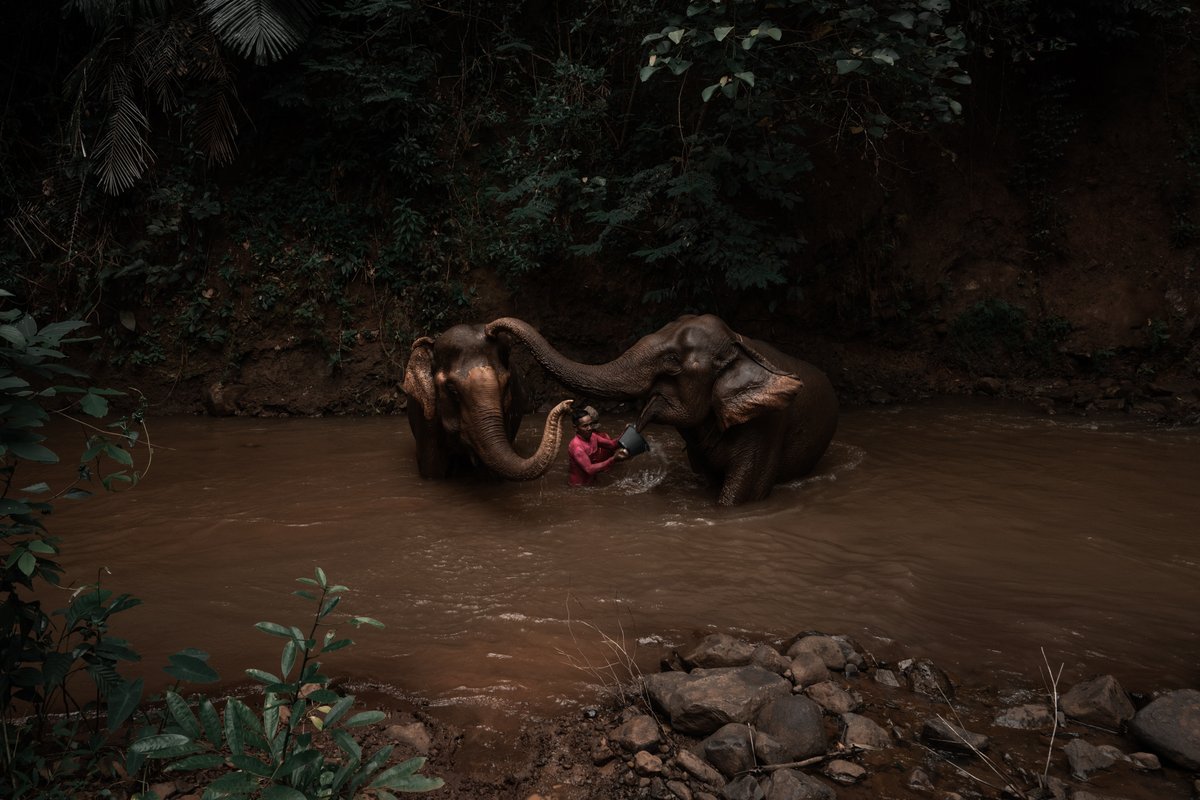
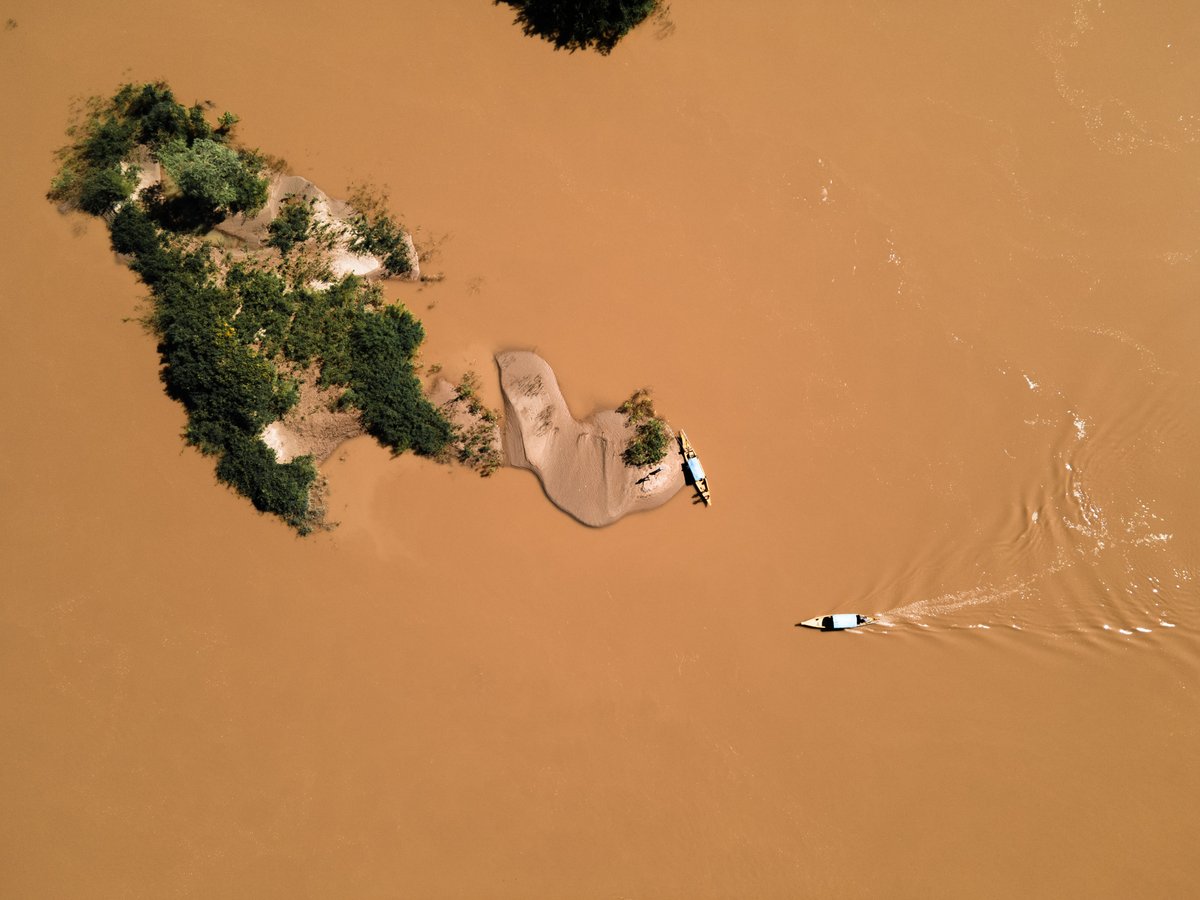
Cambodia is a country of contrasts, where dense jungles and rice plains meet coral-rich coastlines and mangrove thickets. Its wild heart is often overlooked, yet the biodiversity is staggering—elephants roam in protected sanctuaries, endangered birds stalk wetlands, and the rare Irrawaddy dolphin still surfaces in its rivers. At the same time, conservation here is complex, tangled in issues of development, poverty, and politics. Cambodia offers both staggering beauty and the sobering realities of what it takes to protect it.
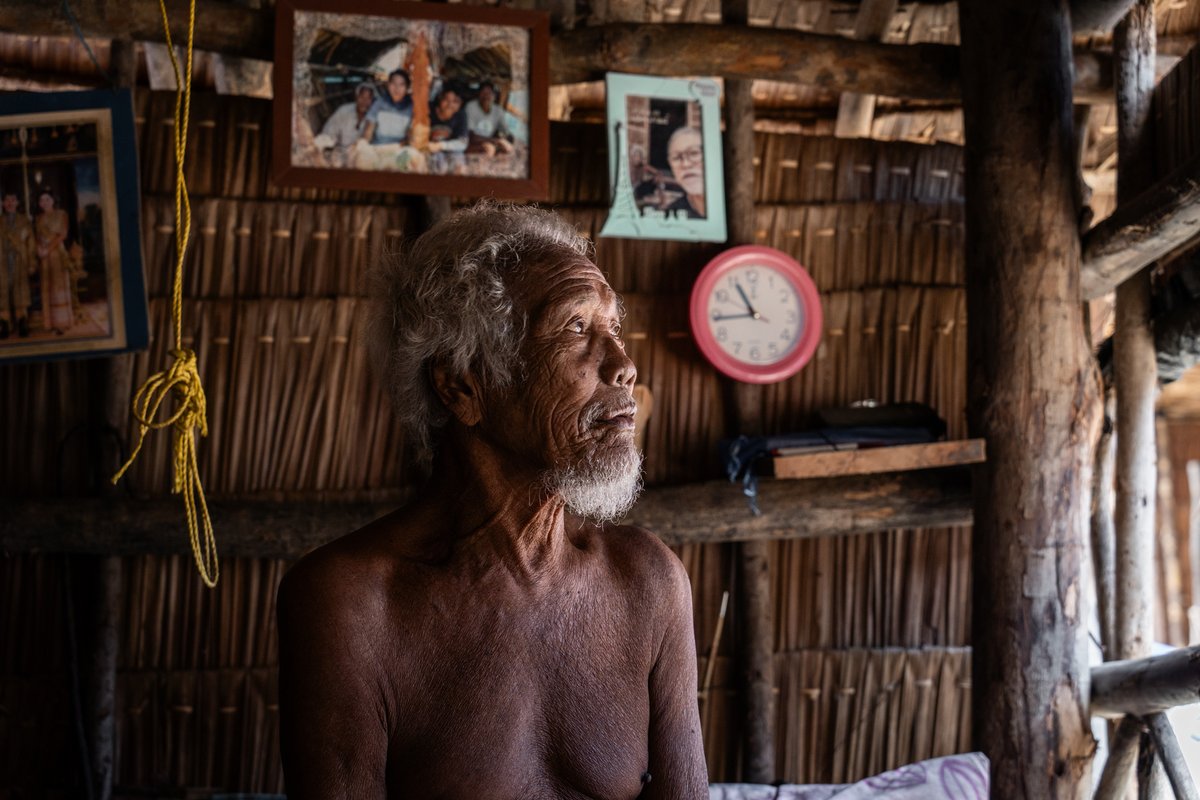
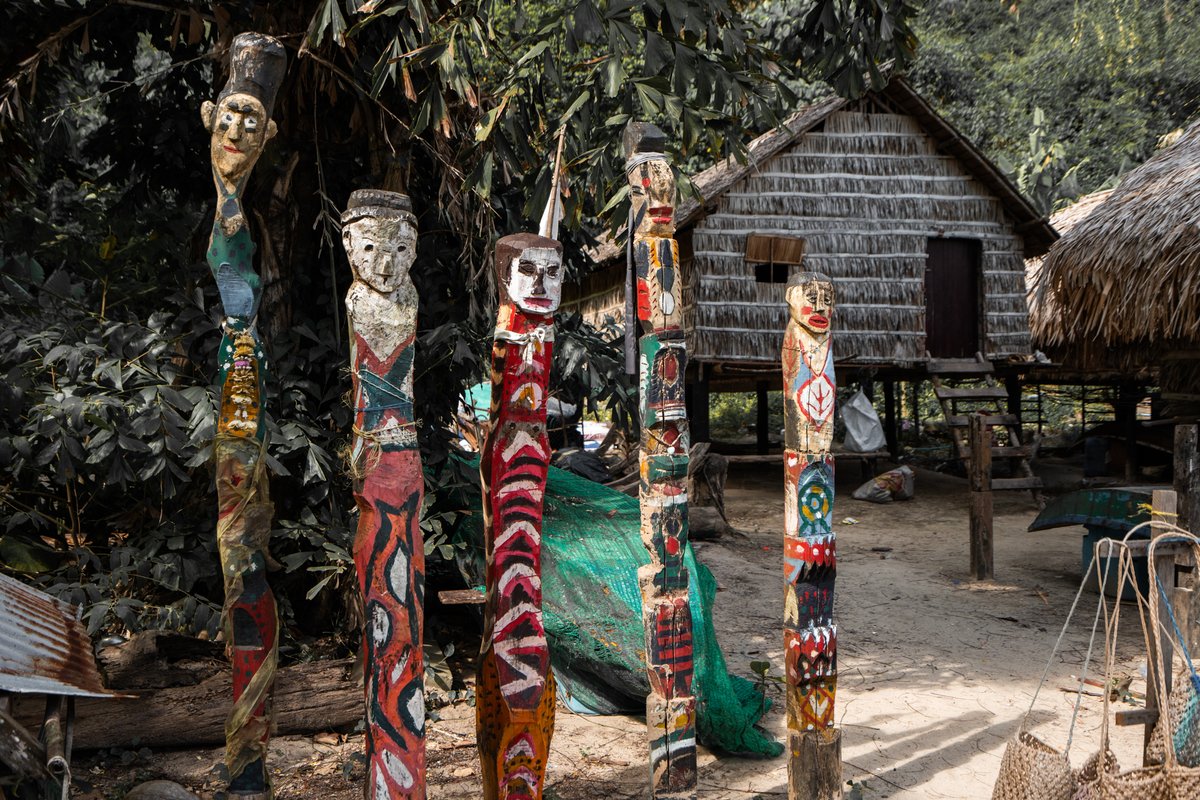
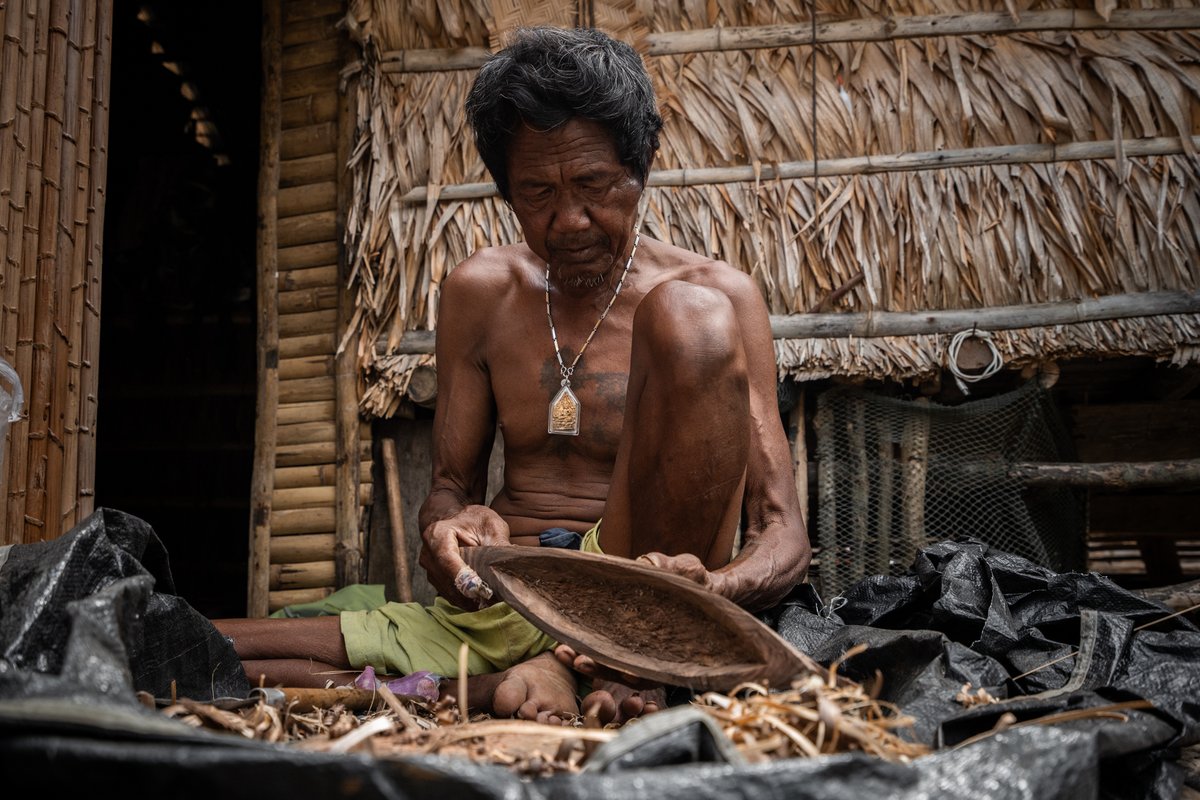
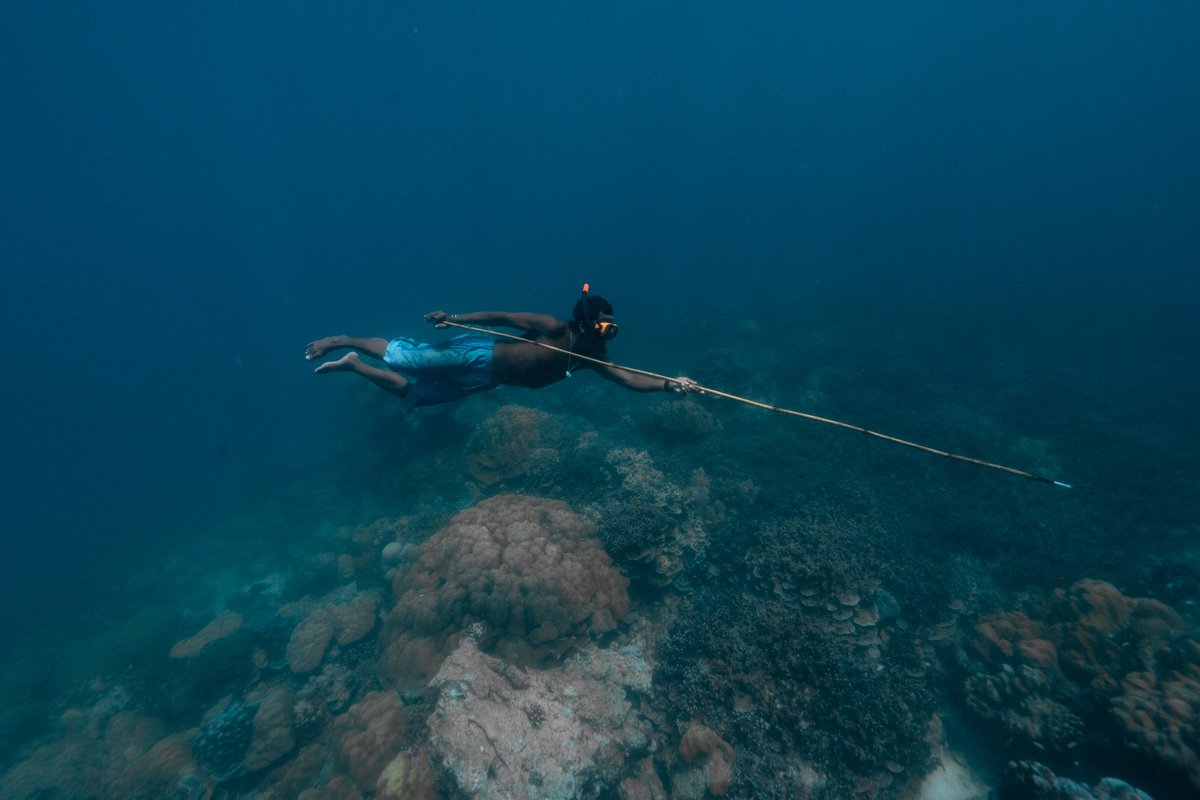

Thailand’s wild beauty stretches well beyond its crowded beaches and city skylines. Coral reefs still are filled with tropical fish, sea turtles, and reef sharks, where there are tourist bans for entering the water during certain seasons. Meanwhile rainforests echo with the calls of gibbons and hornbills. Elephants still can be found moving through jungle valleys, and limestone karsts rise like fortresses from the sea. Across its islands and forests, Thailand is a country where biodiversity, culture, and adventure can be found everywhere.





.png)

.png)
.png)

.png)





.png)
.png)

.svg)