Central America
Honduras
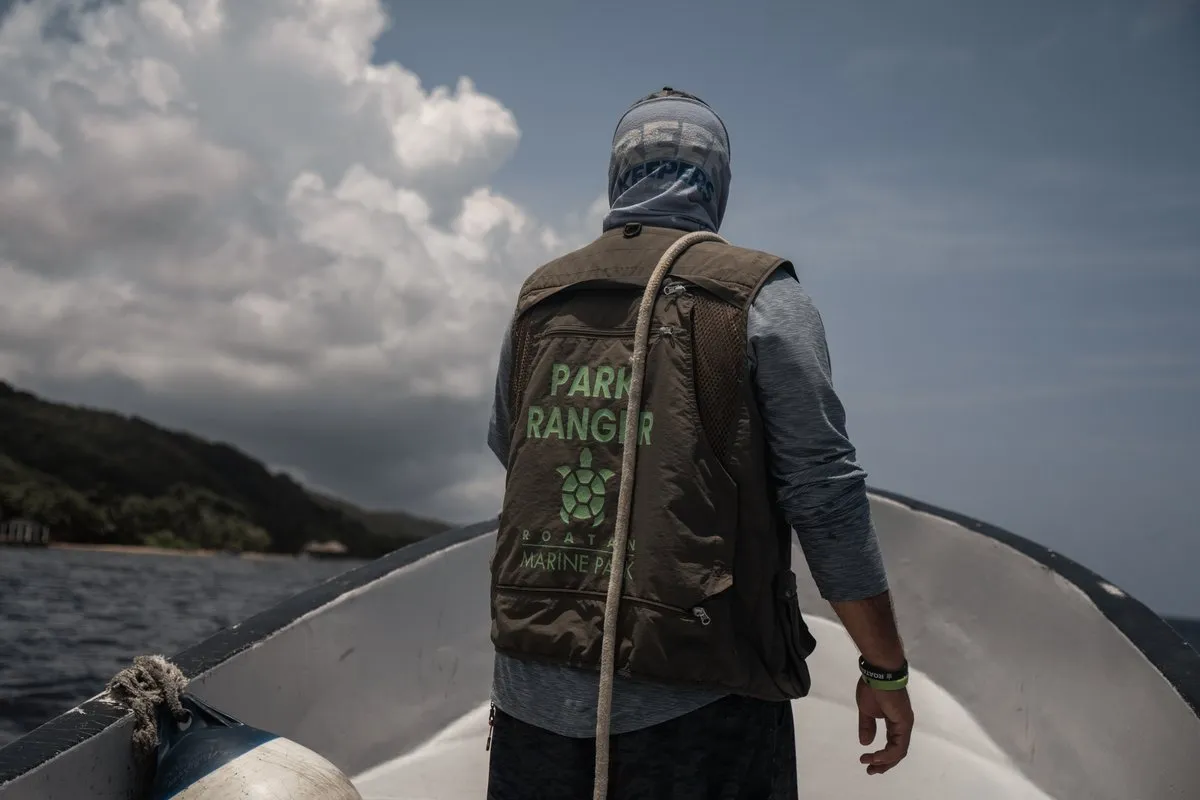
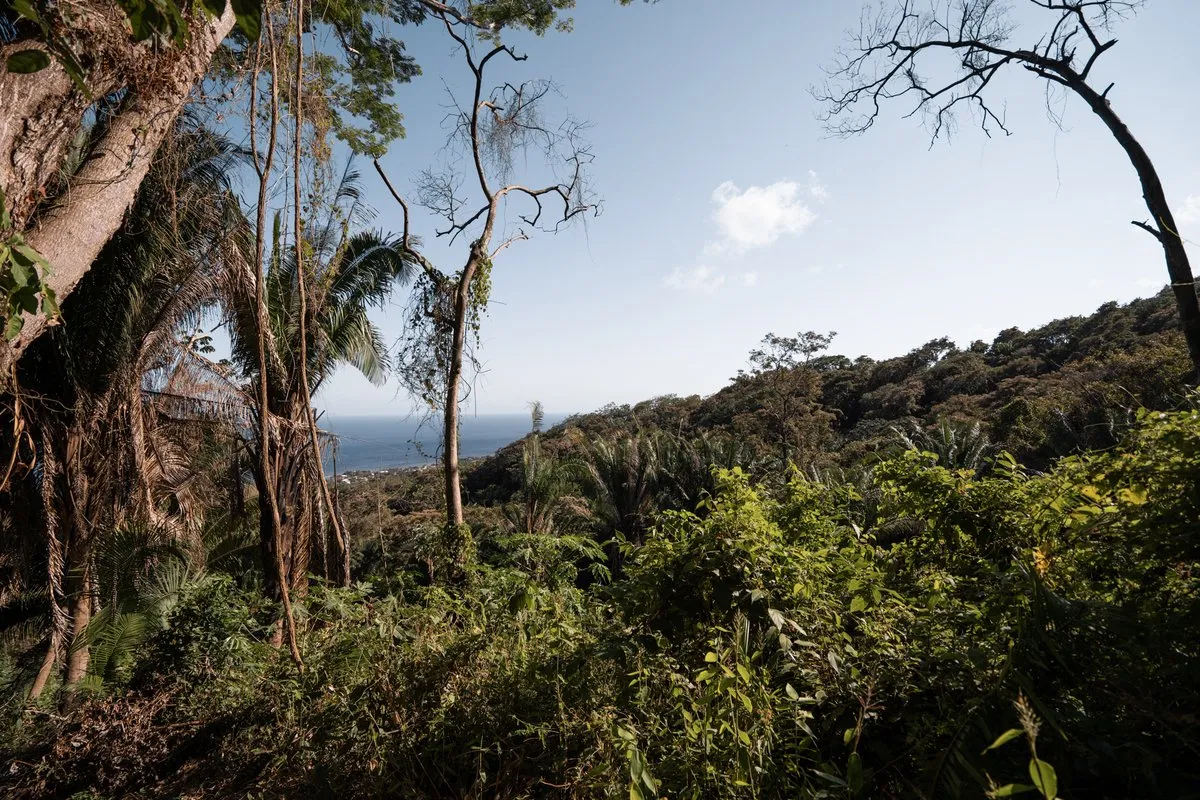
Honduras is defined by the Bay Islands—Roatan, Utila, and Guanaja—where the Mesoamerican Barrier Reef runs rich with life. Whale sharks pass along these waters, coral walls drop into the blue, and mangroves shelter nurseries for countless fish species. Inland, jungles and mountains hold a different kind of wild, from howler monkeys to scarlet macaws. Few places in the Caribbean match Honduras for biodiversity both above and below the surface, making it a dive capital in Central America.
seasons
Honduras runs a tropical dry season roughly December through April and a wetter season May through November, with the Caribbean north coast and Bay Islands seeing brief, heavy afternoon showers rather than all-day rain even in the wet months. Interior highlands (Copán, Lake Yojoa) stay cooler year-round due to elevation, while the Caribbean coast and islands are warm and humid throughout. Hurricane risk peaks August through October. Peak tourist crowding hits December-March and around Easter week.
best time to visit
Travel in the shoulder windows of May-June or September-October rather than the December-April peak: crowds thin out and prices drop at Bay Islands dive operators and Copán, rain still tends to arrive as short intense downpours that clear quickly, and the surrounding landscape is at its greenest. Whale sharks are also reliably sighted off Utila in these shoulder months (notably March-April and August-September overlap), so shoulder-season timing doesn't cost divers the marquee wildlife encounter.
why people go
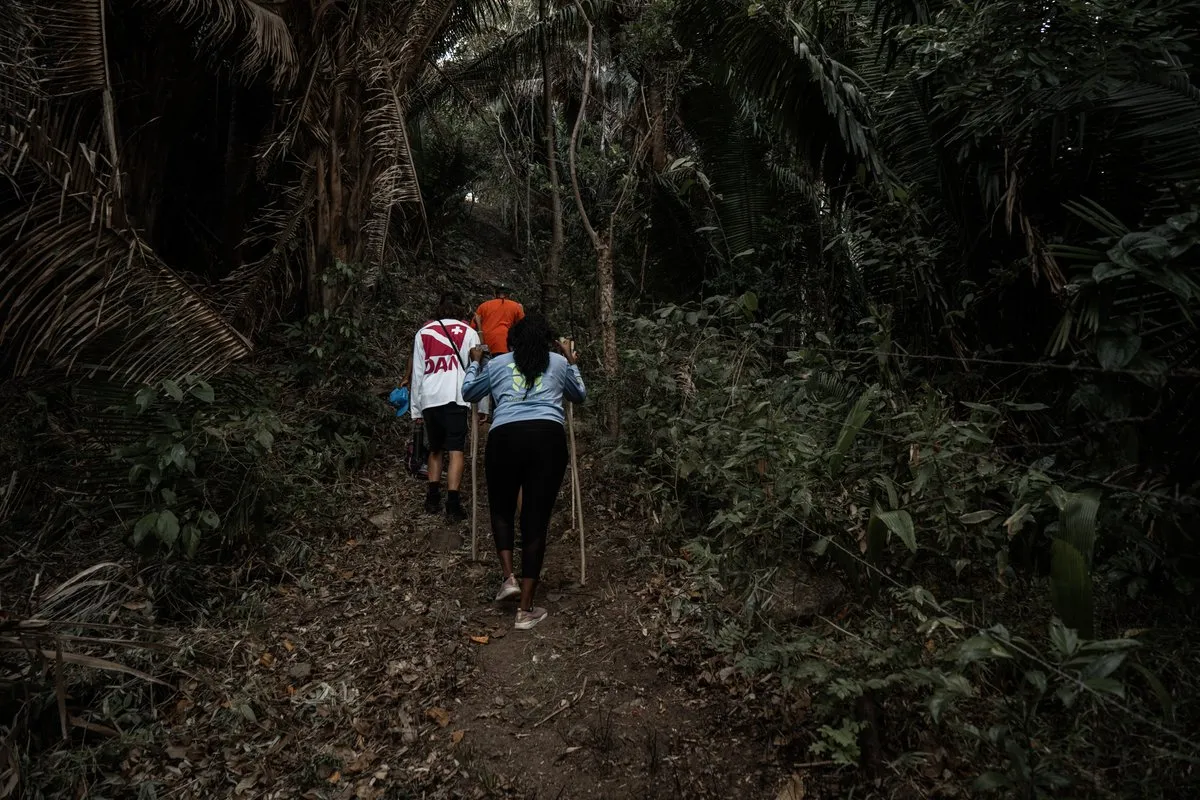
Copán's Maya ruins, sometimes called the 'Paris of the Mayan world' for their sculptural detail, are a genuine architectural standout distinct from more visited sites in Mexico and Guatemala. Inland, Lake Yojoa sits ringed by pine-covered mountains and coffee farms with strong birding and rainforest hikes. La Mosquitia, a vast roadless biosphere reserve of rainforest and river systems in the northeast, is one of the last true wilderness frontiers in Central America. Layered against the Bay Islands' reef diving, Honduras offers a rare combination of ancient ruins, cloud forest, and Caribbean reef.
marquee wildlife
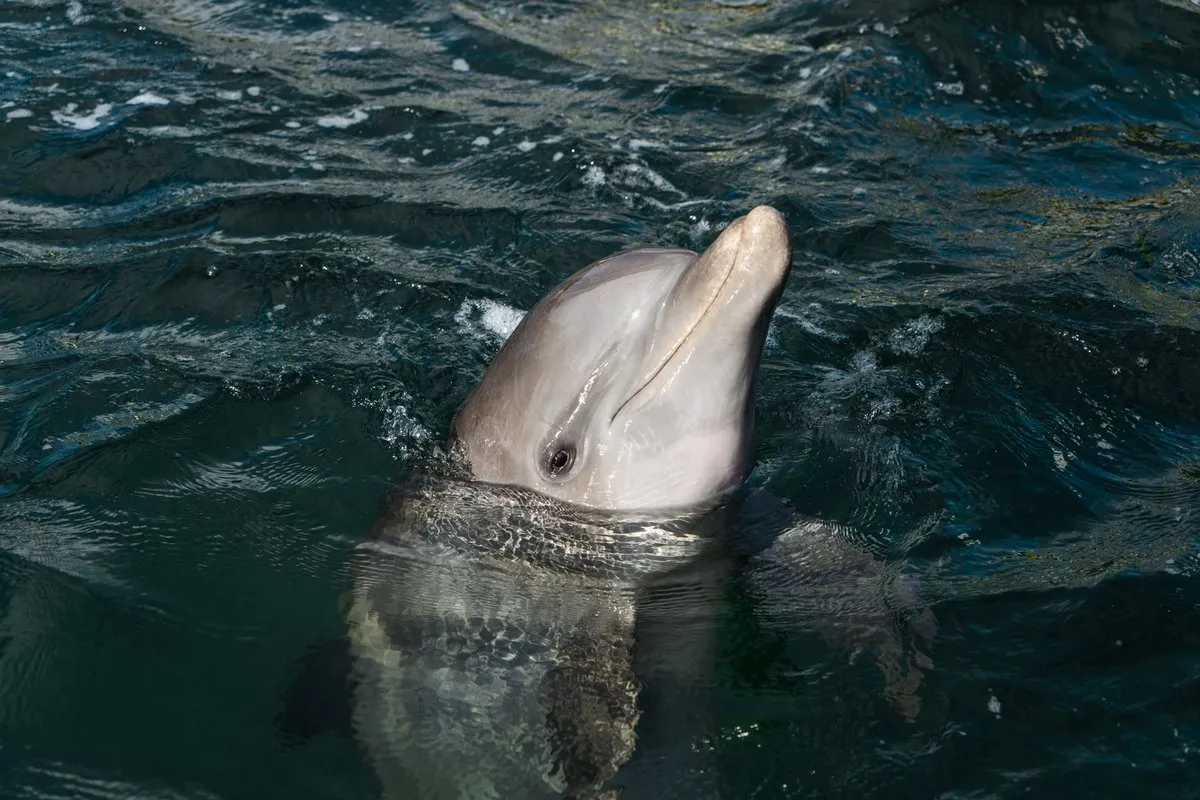
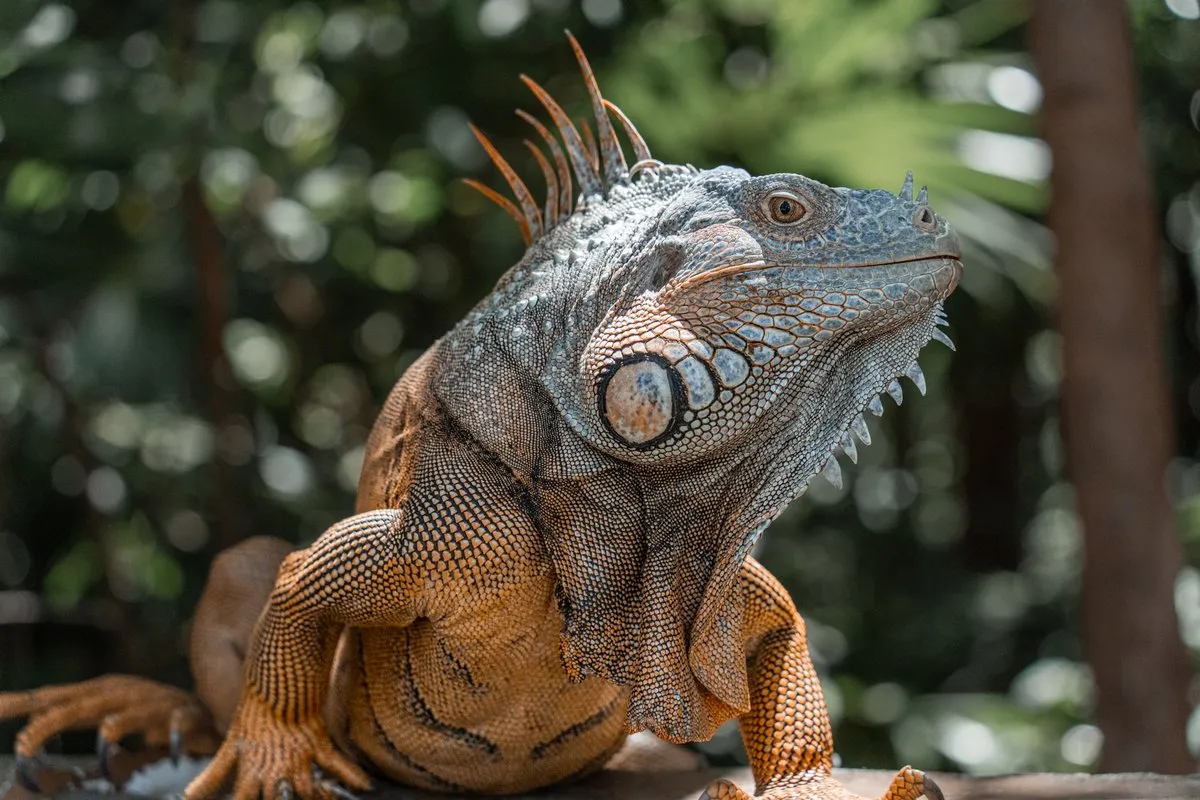
Whale sharks are the marquee species, with Utila one of the most reliable spots in the world to encounter them. Inland, Pico Bonito National Park's cloud forest and jungle hold jaguars (rarely seen but present), white-faced monkeys, river otters, and over 400 recorded bird species. Lake Yojoa is another major birding hub. Hunting pressure has thinned some large mammal populations over recent decades, so big-cat and deer sightings are the exception rather than the expectation.
food
The baleada, a thick flour tortilla filled with refried beans, cheese, and Honduran sour cream, is the everyday national dish and worth trying loaded up with eggs, chorizo, or avocado. Coastal north-shore versions swap in seafood like shrimp or crab. Meals lean toward shared, family-style eating, and street food from busy stalls serving hot, freshly cooked food is generally the safer and more authentic route.
culture & etiquette
Hondurans are typically warm and hospitable, and a handshake is standard for a first meeting, with hugs or cheek kisses reserved for friends and family. Using titles like señor/señora along with basic greetings is appreciated, especially with older people. It's polite to wait for a host to invite you to eat before starting, and complimenting the food is customary. Basic Spanish goes a long way outside tourist zones.
diving
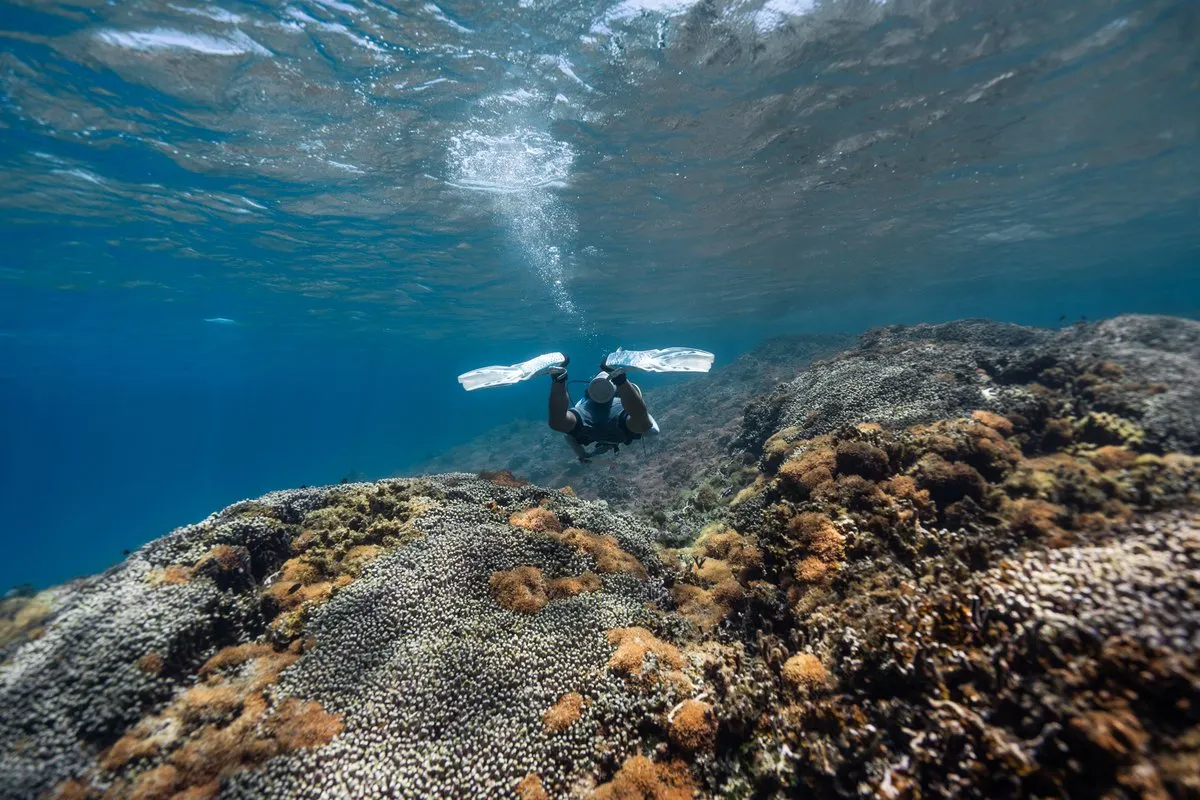
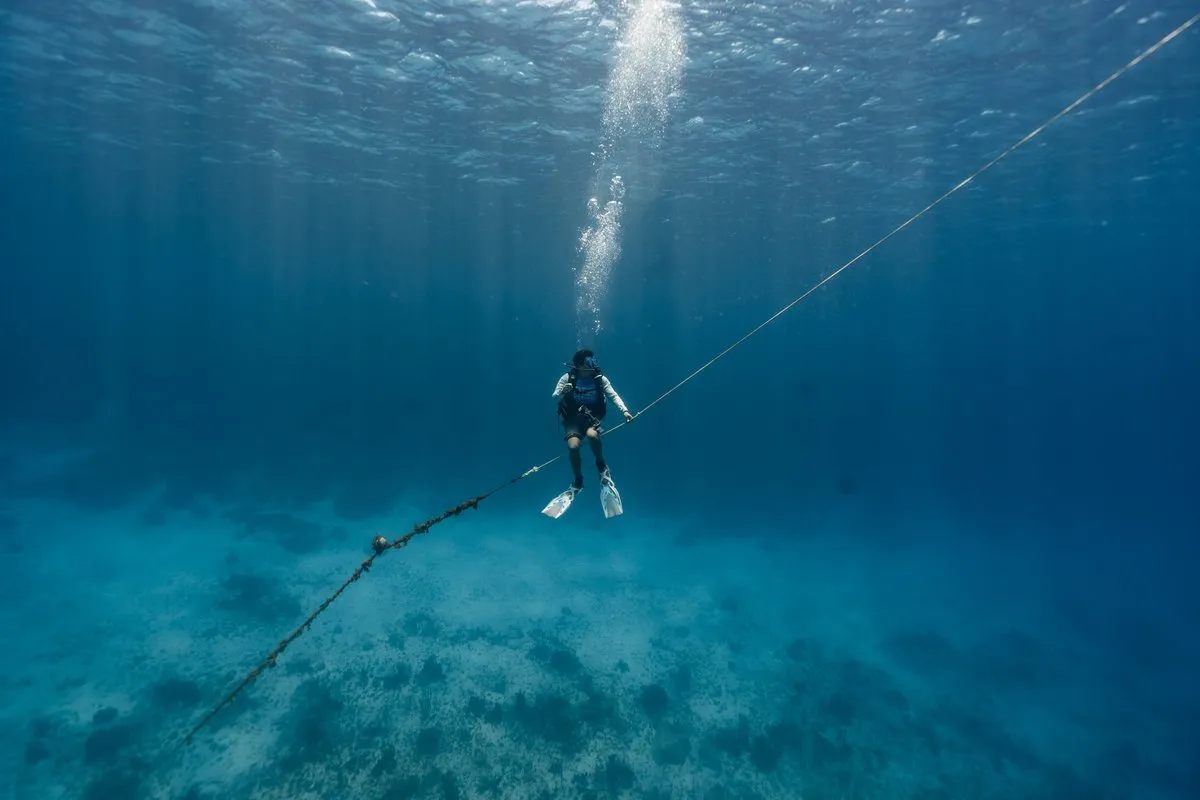
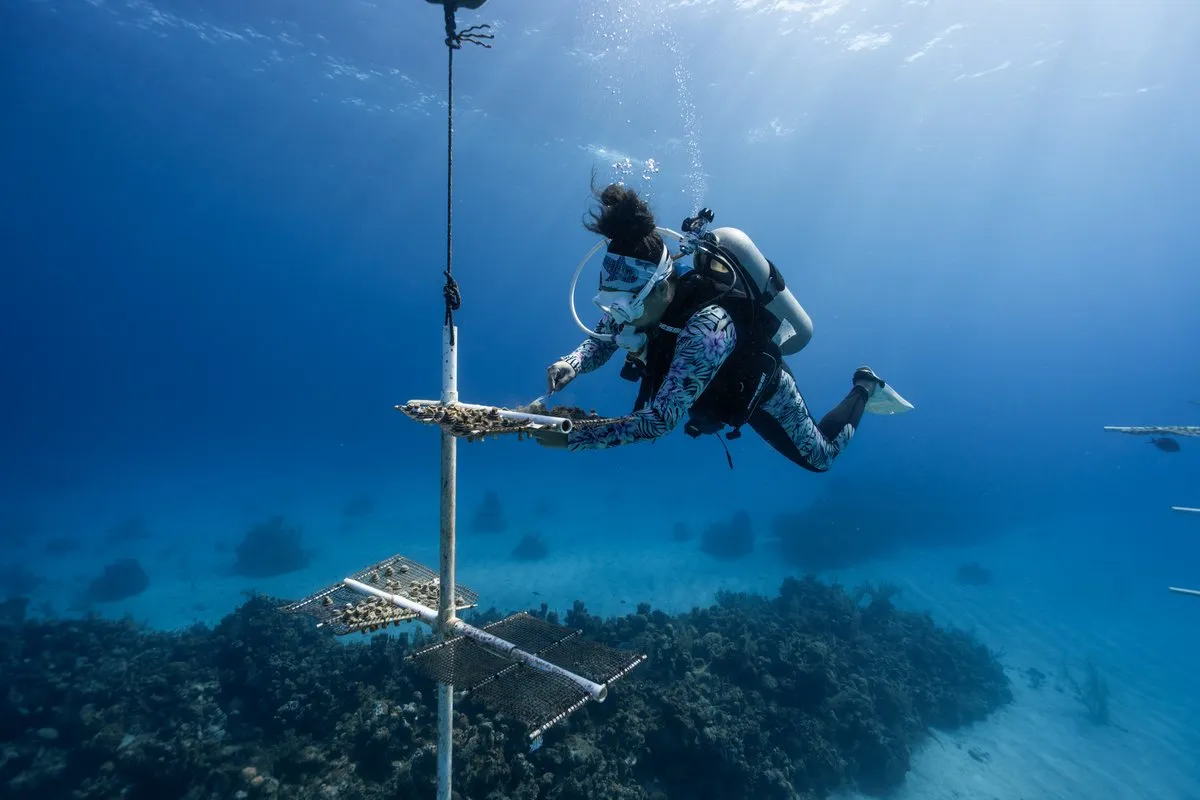
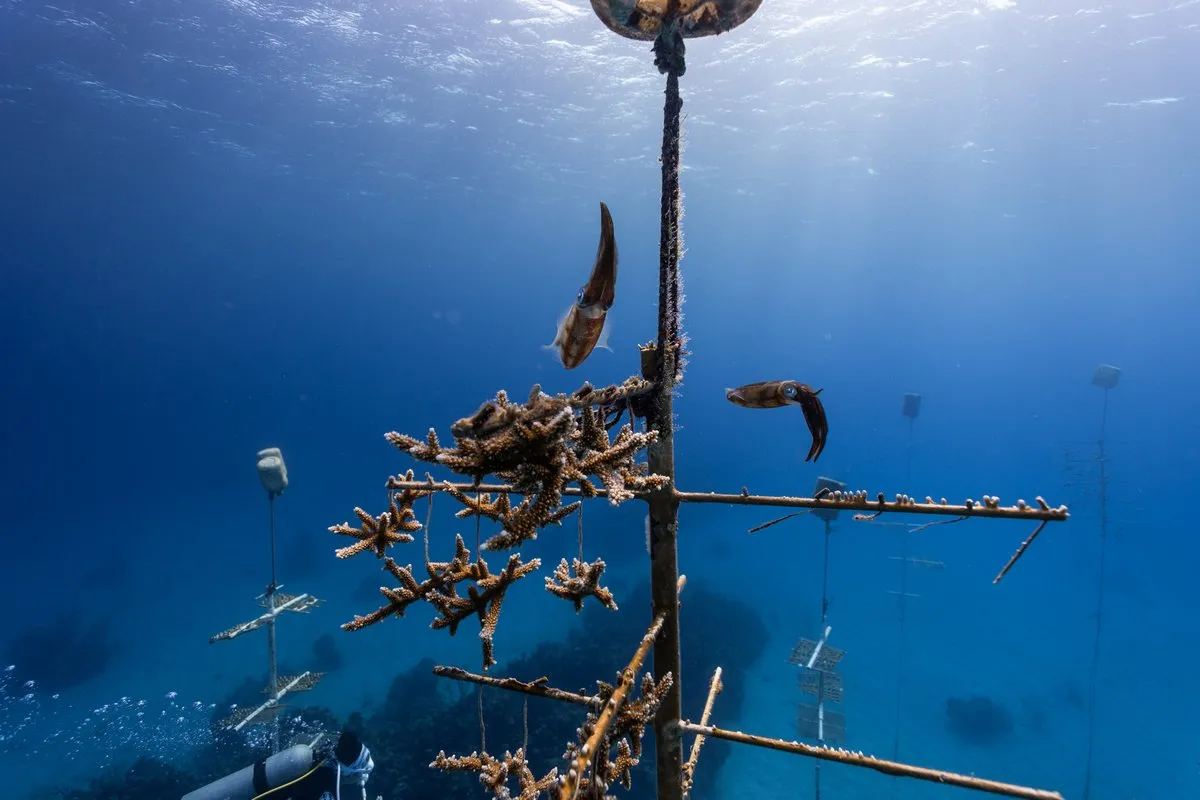
The Bay Islands — Roatán, Utila, Guanaja, and Cayos Cochinos — sit on the Mesoamerican Barrier Reef, the second-largest barrier reef system in the world, stretching nearly 700 miles down through Belize and Guatemala to Honduras. Roatán is the most developed and dived of the group, with well-known sites like Mary's Place and West End Wall offering swim-throughs and steep coral walls, and this site's existing coverage already centers there. Utila is the budget-diving counterpart with a strong shot at whale shark encounters, while Cayos Cochinos is a smaller, tightly protected 13-island marine reserve with restricted access and noticeably less pressure on the reef.
for the impact solutionist or team
let's make your work more discoverable
do you have something that is or will change the world for the better?
learn morefor the conscious traveler
let's show you where we've been
are you interested in being a mindful explorer?
see where to go