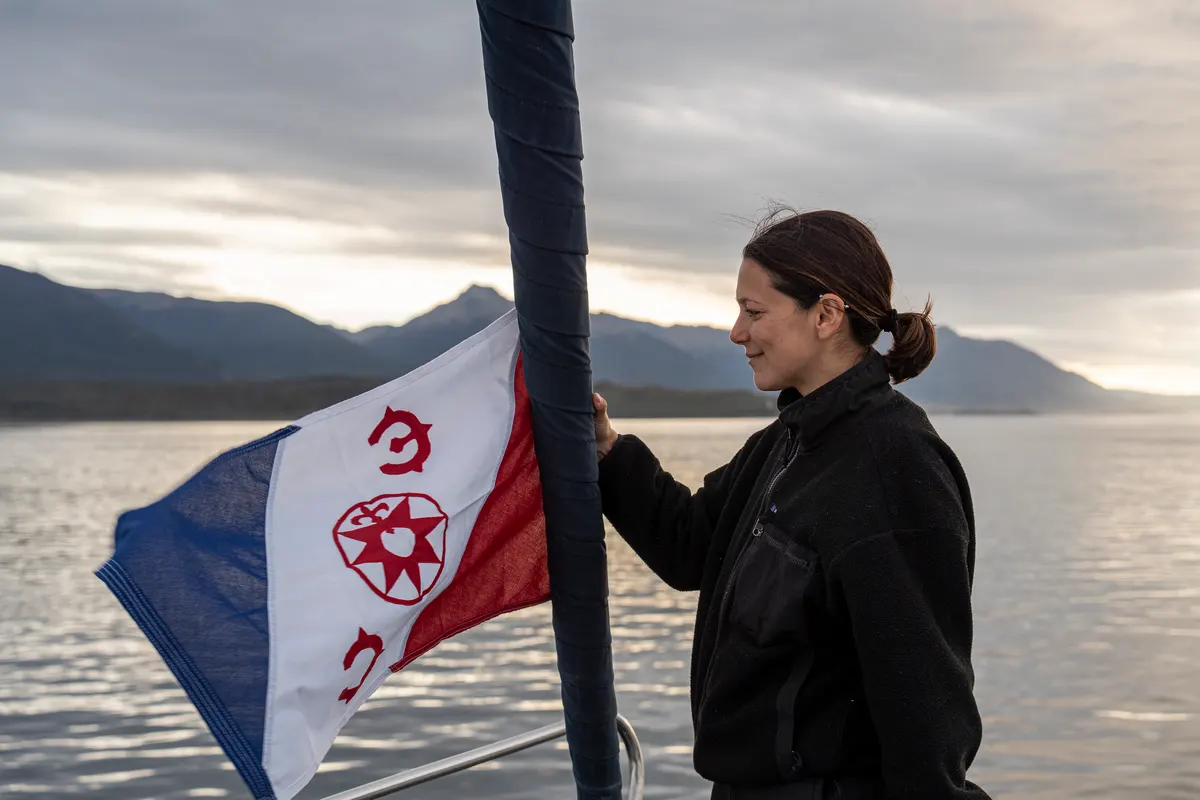
Edges of Earth began as a question. In 2023, we launched a long-format global research expedition to understand what was actually working in the face of climate and conservation breakdown. At the time, so much of the environmental conversation felt trapped in doom cycles, outrage, and endless headlines about collapse. We kept asking ourselves: are there really no good solutions out there, or are we simply not looking in the right places?
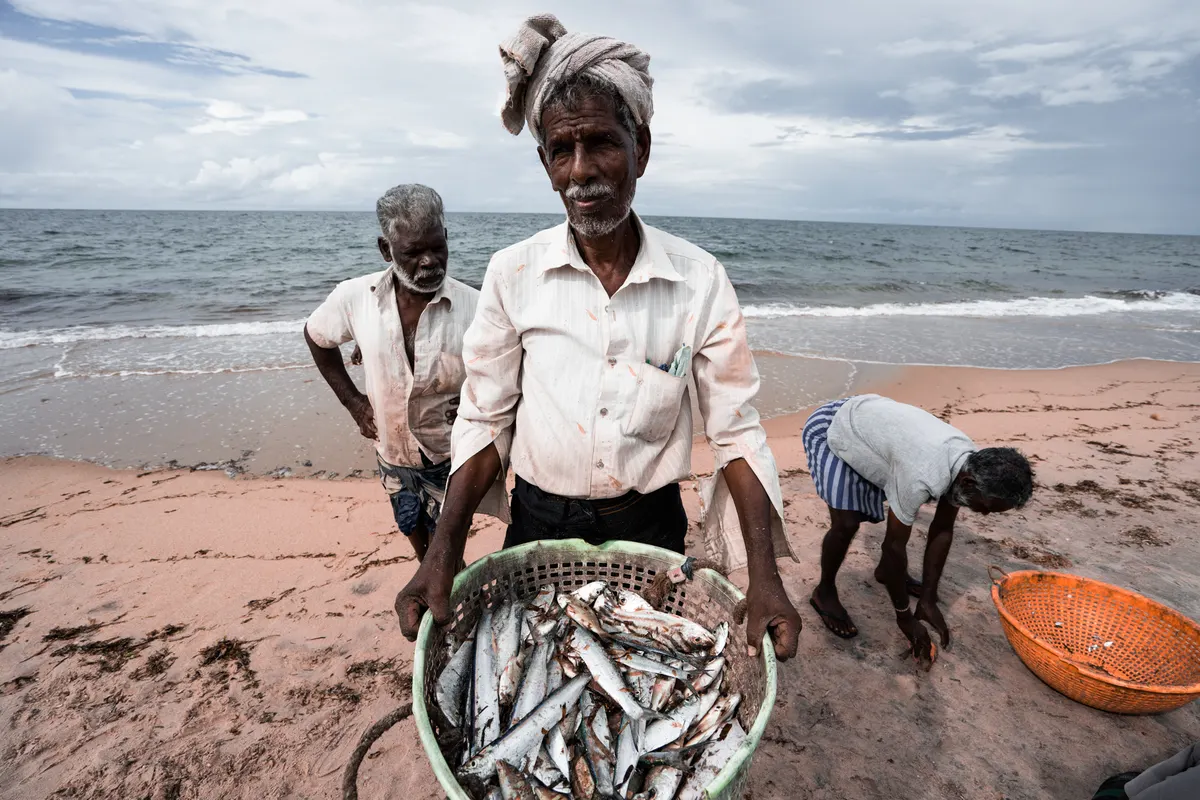
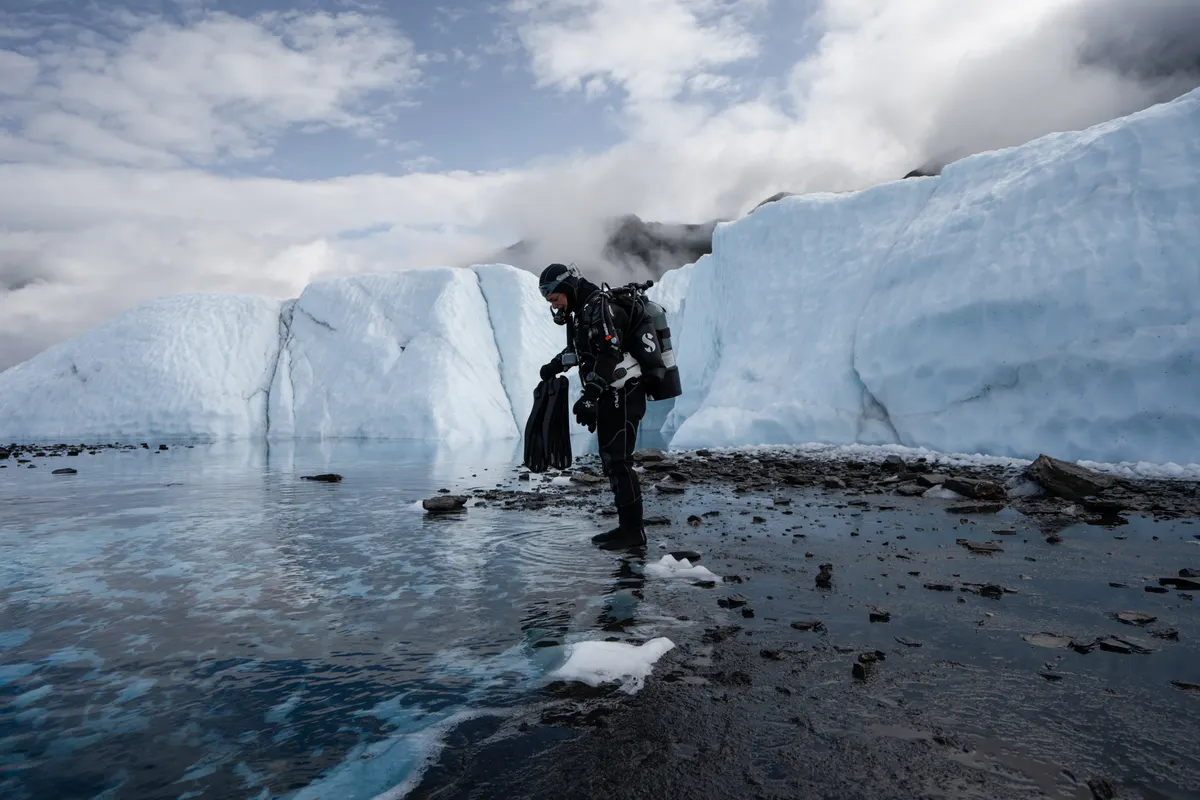
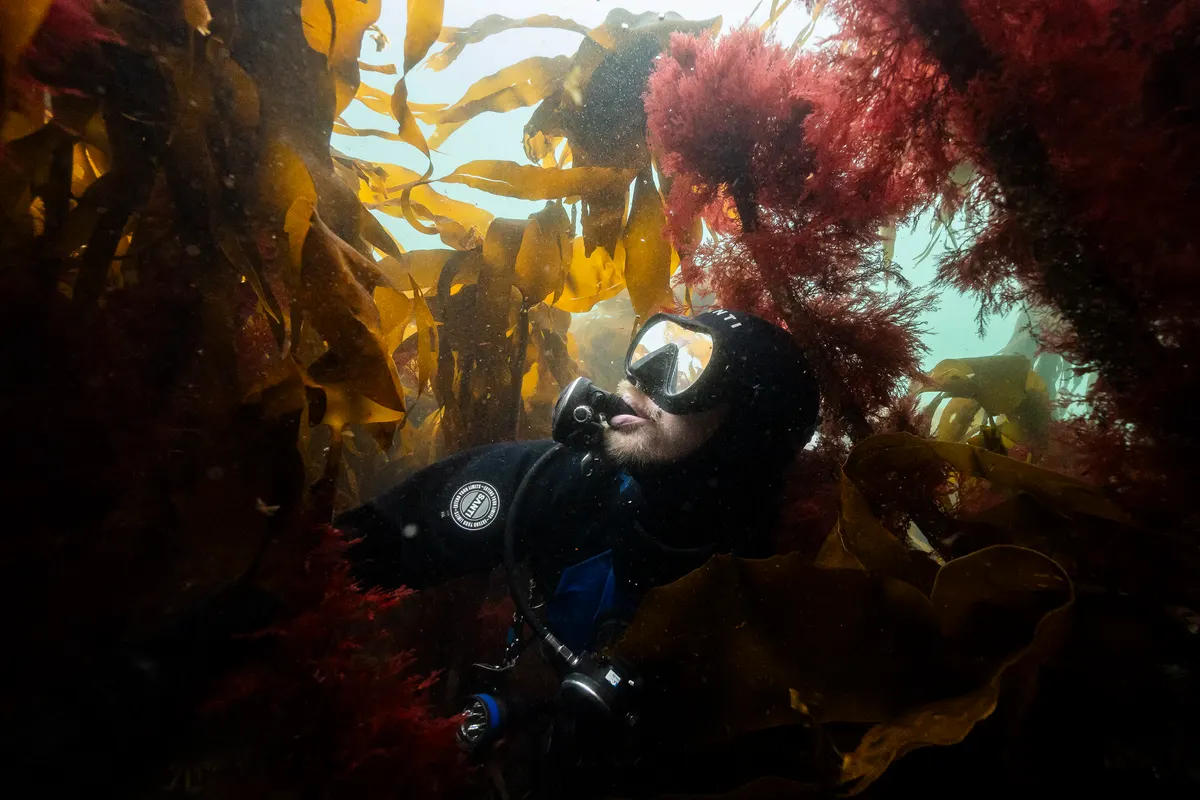
Since then, we have traveled across more than fifty countries, embedded with over 250 local partners, and conducted thousands of interviews with scientists, Indigenous leaders, conservationists, divers, researchers, grassroots organizers, founders, and communities living on the frontlines of environmental change. From disappearing kelp forests and coral reefs to remote islands, rainforests, wetlands, fisheries, and major urban centers, we have spent years documenting the challenges facing ecosystems, and the people responding to them in extraordinary ways.
What we discovered very quickly was that the most important environmental stories were rarely the loudest ones. The people creating meaningful change were often operating with limited resources, and almost entirely outside mainstream visibility. That realization led us to the concept of positive deviance, which ultimately became the philosophical backbone of our expedition work.
Positive deviance is the idea that within every broken or stressed system, there are individuals or communities succeeding against the odds — not because they have more resources, but because they think and adapt differently, and remain deeply connected to the places they care about. We started calling these people "the outliers." They were restoring ecosystems with little funding, protecting biodiversity where others saw collapse, rebuilding fisheries, creating new tourism models, applying Indigenous knowledge systems, or leveraging emerging technologies in ways that genuinely worked. We stopped viewing these stories as isolated feel-good moments and started seeing them as blueprints for the future.
Over time, however, another pattern emerged. Nearly all of these people shared the same challenge: despite carrying solutions the world desperately needs, they were incredibly difficult to find online. Many lacked the infrastructure, discoverability systems, authority signals, digital strategy, and technological support needed to scale their work, attract funding, influence policy, or build broader communities around what they were doing. Meanwhile, individuals far more skilled at capturing attention were dominating the conversation regardless of depth or expertise.
That gap is what ultimately led to Flywheel Motion, and to the Accelerant Strategist framework behind how we work: an accelerant doesn't start the fire, it makes an existing one burn faster. In many ways, Flywheel Motion is the next evolution of everything our expedition work has uncovered in the field. If Edges of Earth was the expedition and research engine identifying positive outliers around the world, Flywheel Motion became the infrastructure layer designed to help those outliers become discoverable, connected, scalable, and resilient in an increasingly AI-driven and algorithmically controlled world.
Today, many of the people and organizations inside the Flywheel ecosystem are the exact kinds of individuals we spent years searching for during the expedition. Scientists, forward-thinking nonprofits, conservationists, researchers, mission-driven founders, and local innovators doing meaningful work in the real world. We are building the first-of-its-kind system to help amplify these outliers, strengthen their authority, connect them to one another, and ensure their expertise is no longer buried, falling behind manufactured influence.
Our expedition work is still ongoing. It remains the heartbeat of everything we do. The expedition continues to shape our worldview, guide our partnerships, and inform the kinds of people we choose to work alongside. But now, our contribution to people and planet extends beyond showcasing case studies and positive blueprints alone. We are building the infrastructure needed to help the right ideas, and the right people, elevate their impact online.
how we find and back solutions →