South America
Falkland Islands / Malvinas
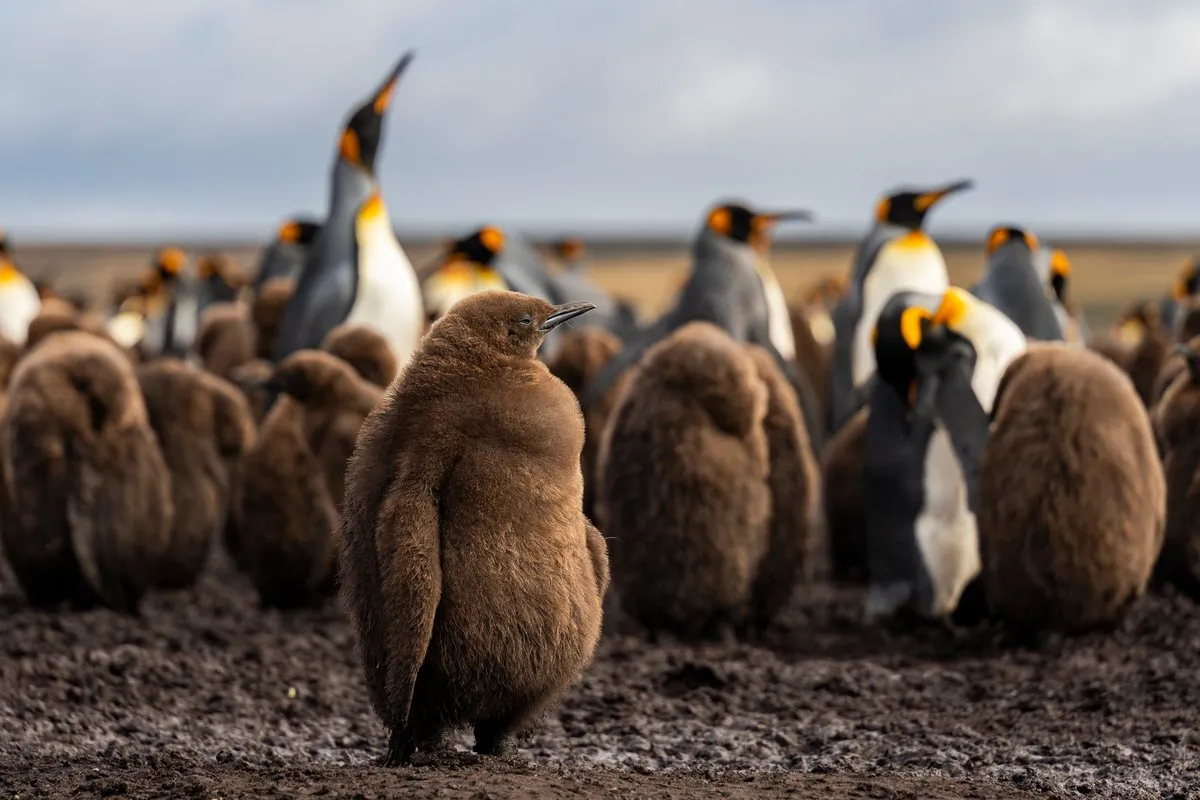
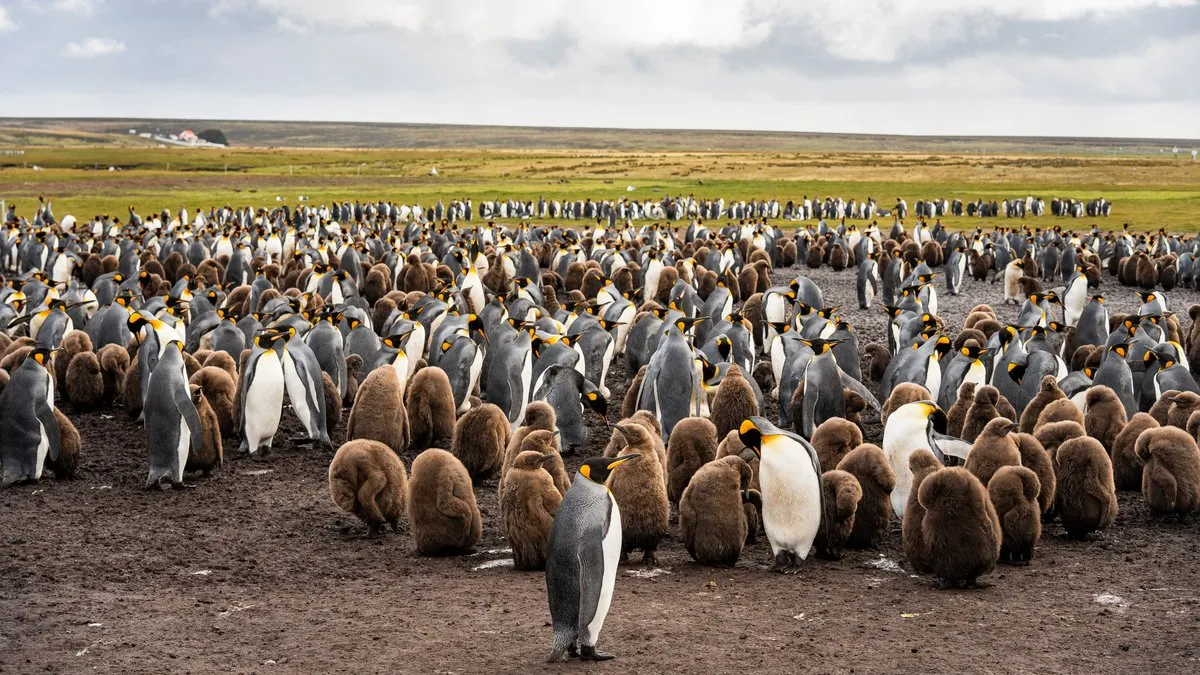
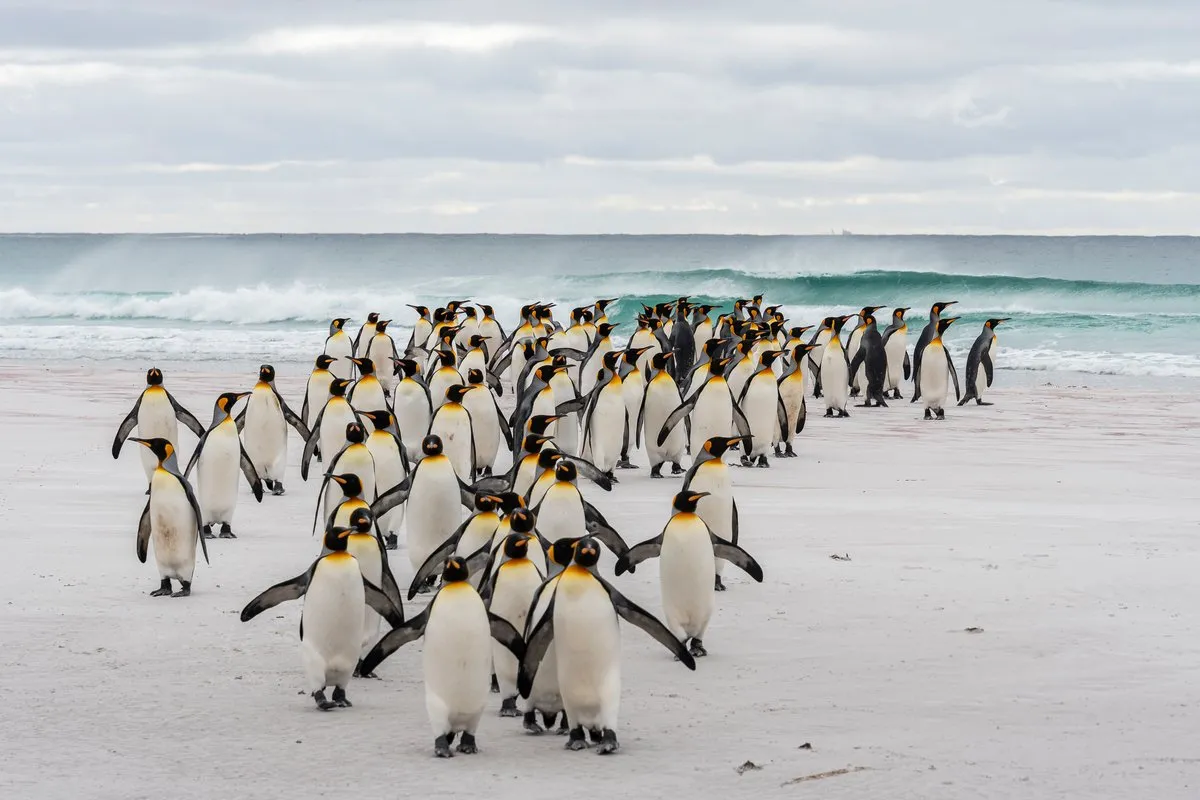
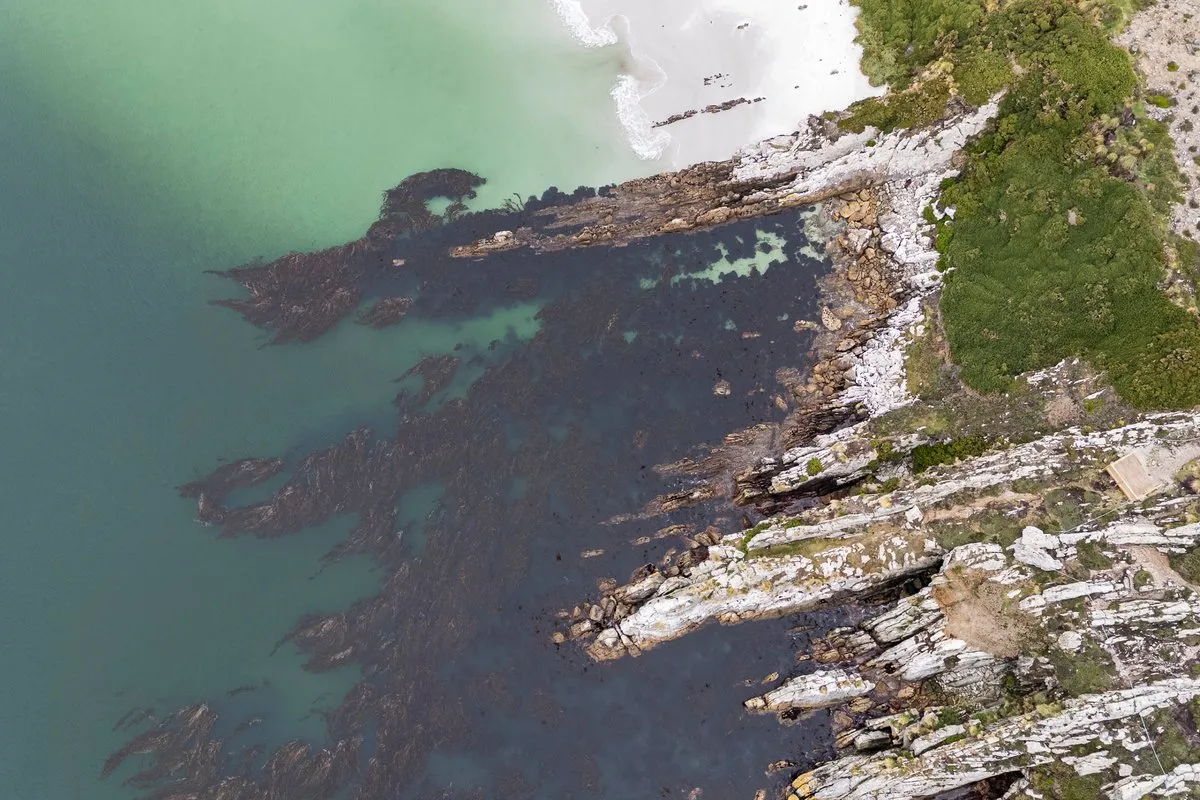
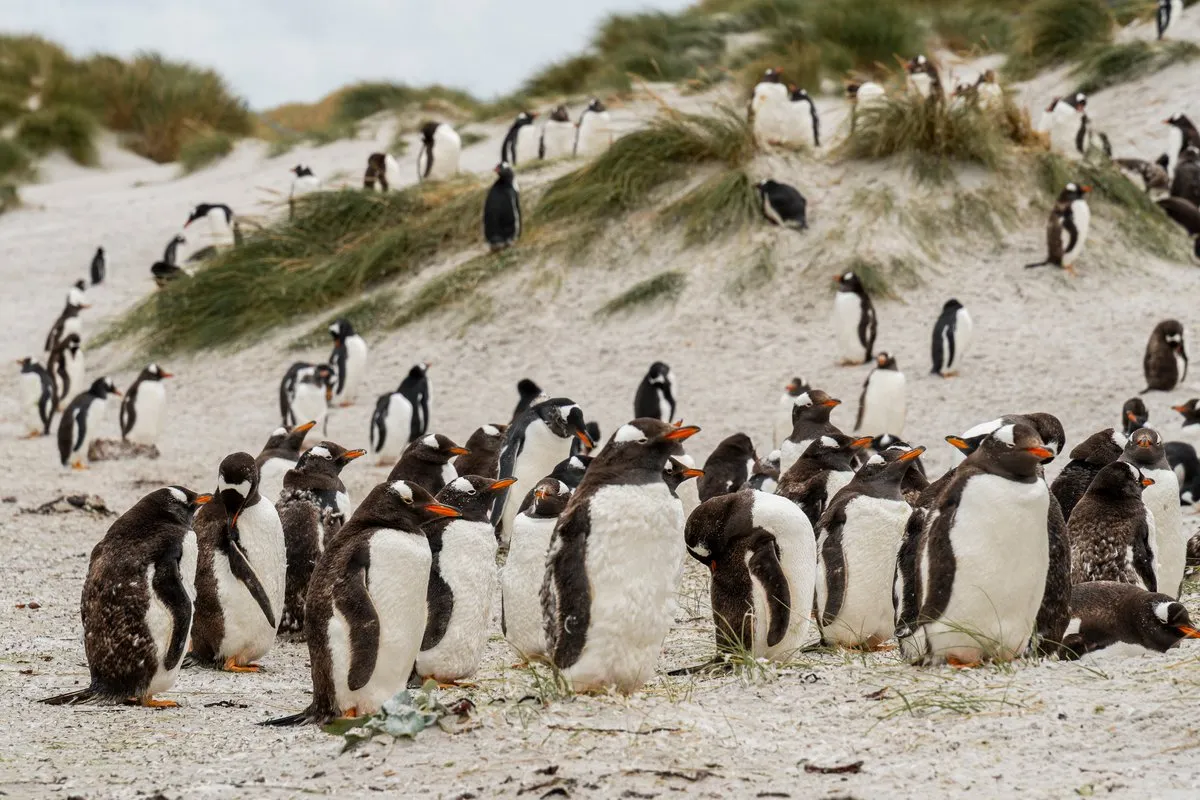
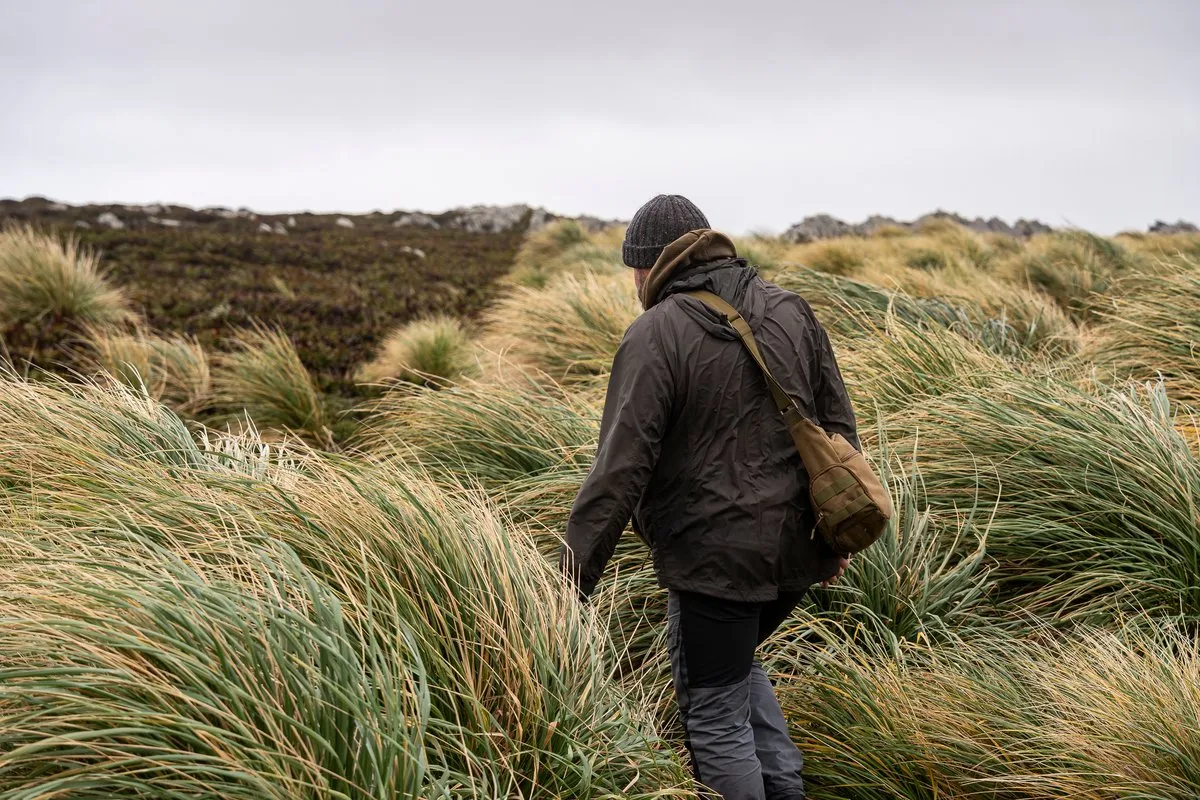
Remote and windswept, the Falkland Islands (Malvinas) feel like the edge of the world. Here, five species of penguins—including kings, gentoos, rockhoppers, Magellanics, and even the rare macaroni—gather in vast colonies along wild beaches. Albatrosses wheel overhead, and elephant seals sprawl across rocky shores. Inland, dense tussac grass creates shelter for nesting birds and seals, while beneath the surface, giant kelp forests sway in the cold South Atlantic.
seasons
The Falklands sit in the South Atlantic sub-antarctic zone with a cool, temperate, and famously windy climate year-round. Southern hemisphere summer (roughly October to March) brings mild days around 10-15C and the longest daylight, while winter (April to September) is cold, damp, and short on daylight, though rarely brutally freezing given the maritime influence. Wind is constant in all seasons and weather can shift within the same day.
best time to visit
Skip the peak cruise-ship window of December and January, when Stanley's harbor and the main wildlife sites see the heaviest ship traffic and crowds around colonies. Shoulder months like October (early spring, birds returning and courting) or March into April (chicks fledging, fewer ships, calmer visitor numbers at Sea Lion Island, Carcass Island, and Volunteer Point) give a much quieter, more personal wildlife experience with easier access to guesthouses and inter-island flights.
why people go
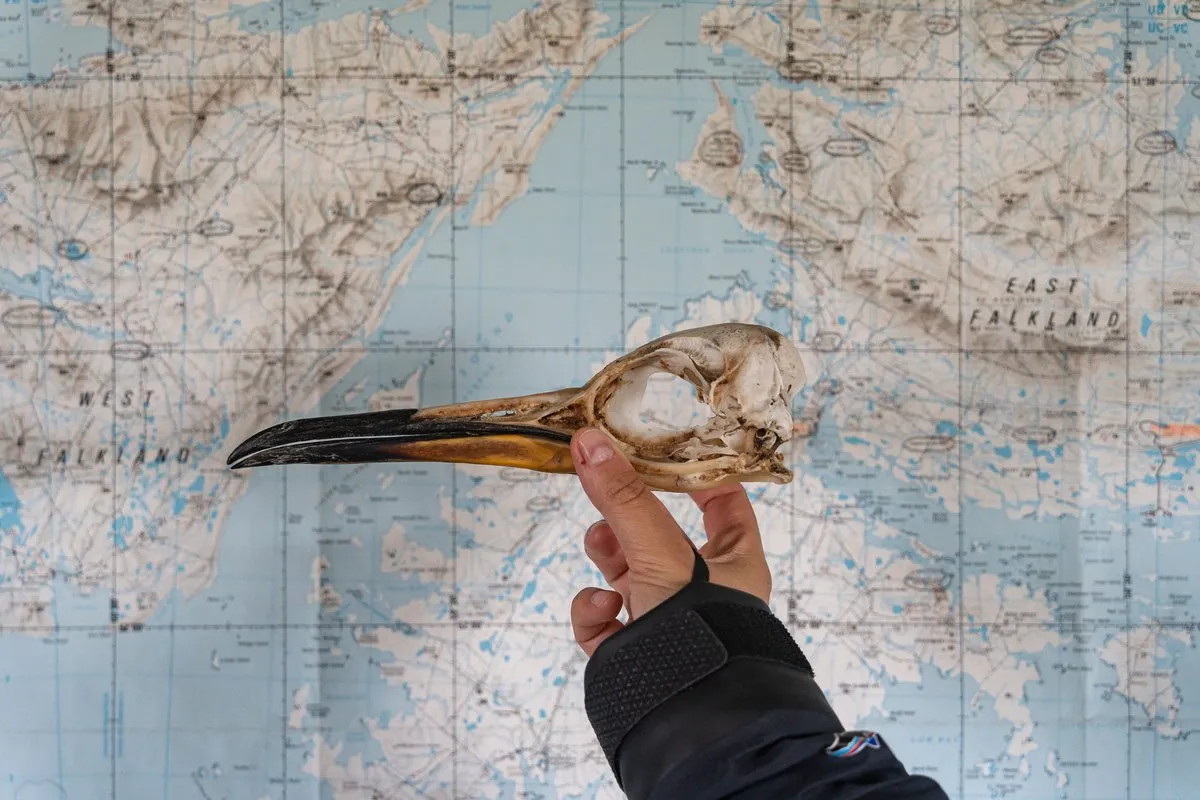
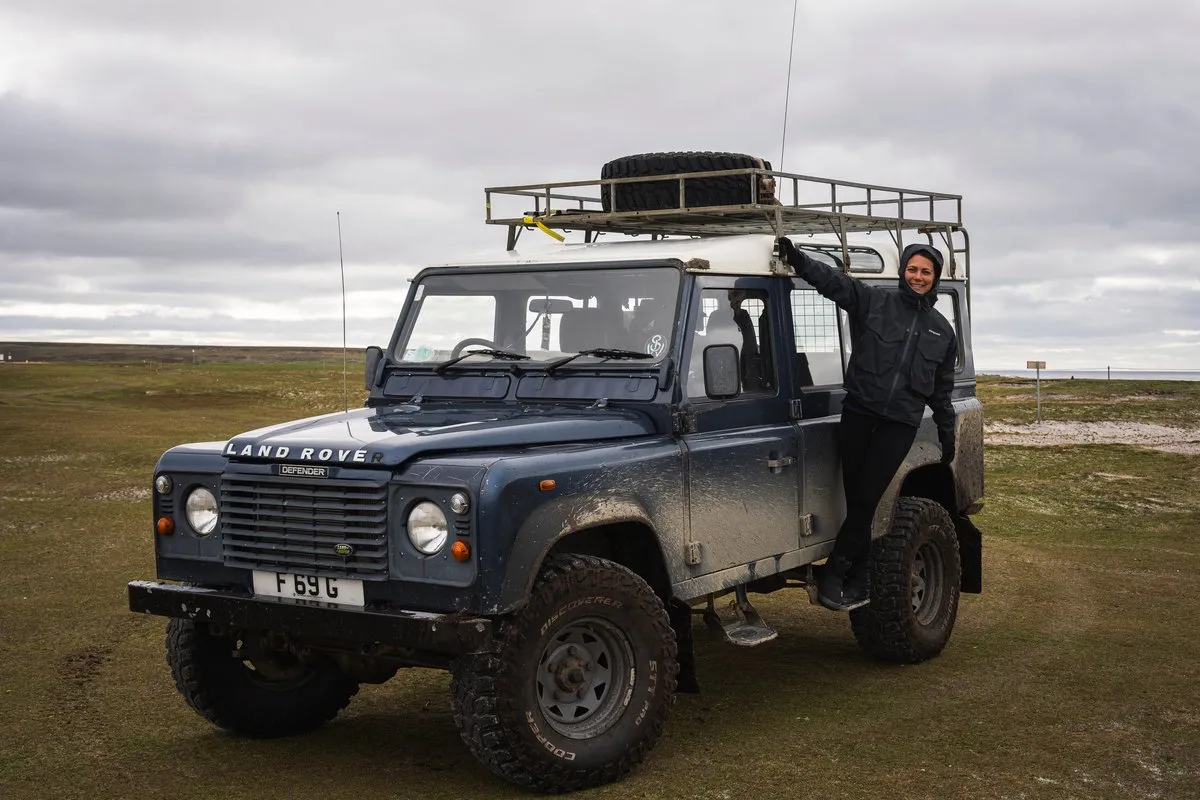
The draw is austere, windswept landscapes: rolling moorland, dramatic cliff coastlines, and a scatter of remote outer islands reachable only by small plane or boat. Stanley itself is a tiny, distinctly British outpost, and beyond it the terrain feels close to untouched, with 1982 conflict sites, shipwrecks, and isolated sheep farms ('camp') adding historical texture to the emptiness.
marquee wildlife
Five penguin species breed here — king, gentoo, rockhopper, Magellanic, and macaroni — making the Falklands one of the most accessible places on earth to see multiple penguin species at close range. Black-browed albatross form some of the world's largest colonies on islands like Steeple Jason, and elephant seals, sea lions, orcas, and the rare striated caracara (locally 'Johnny rook,' found almost nowhere else) round out a wildlife list that rivals sub-antarctic destinations much harder to reach.
food
Expect mutton and lamb from the free-range sheep that outnumber people many times over, plus Falklands beef and squid, the territory's biggest export and a genuine local specialty worth trying fresh rather than frozen. Produce is limited since most food is imported, so menus lean on hearty, simple camp-style cooking — fish and chips, home-baked goods, and diddle-dee berry jam made from the native ground-cover berry.
culture & etiquette
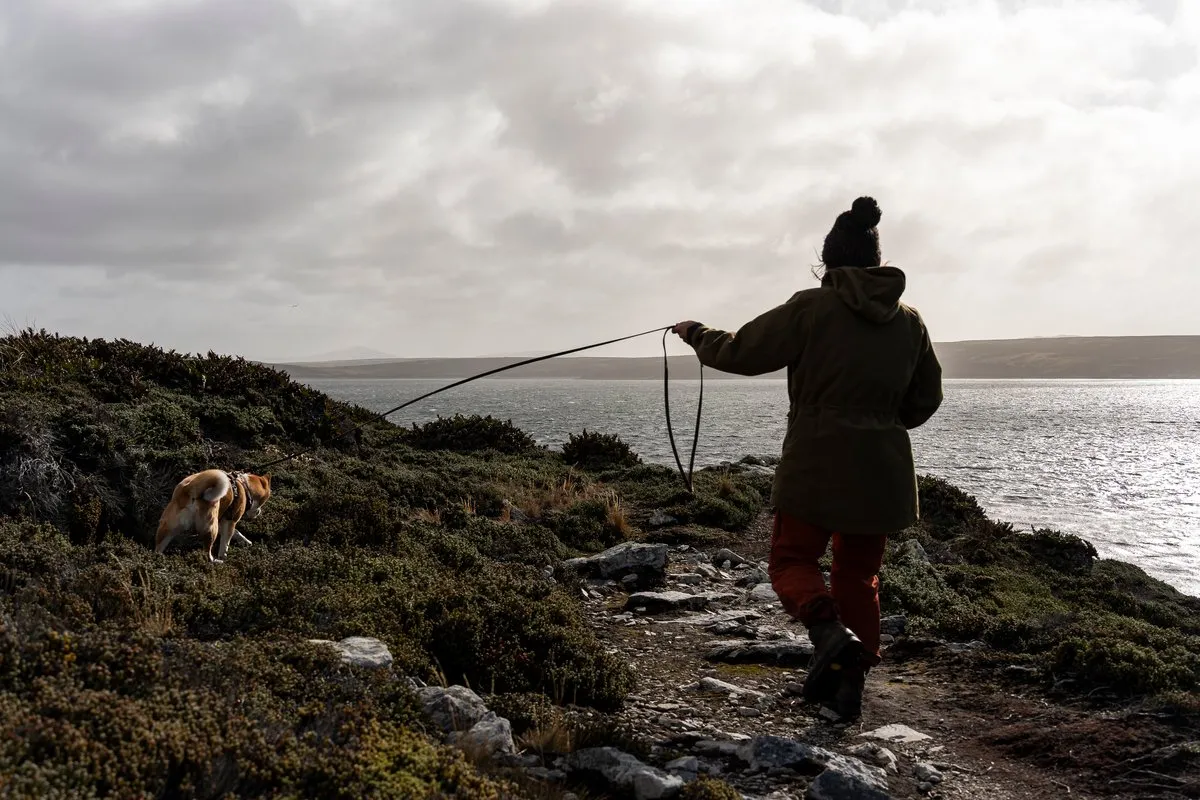
This is a small, close-knit British Overseas Territory of around 3,500 people with a strong sense of identity tied to self-determination after the 1982 conflict; sovereignty ('Falklands' versus 'Malvinas') is a genuinely sensitive topic and best left for locals to raise, not visitors. Practical etiquette matters more than most places: much of the land is working sheep farm ('camp'), so always close gates behind you and ask permission before crossing private land, and stay well clear of any fenced or marked areas, since unexploded minefields from the 1982 war are still being cleared in places.
diving
Water here is cold sub-antarctic, typically single digits to around 10C, and there is no established dive tourism industry or resident dive operators — a handful of experienced or technical divers occasionally explore kelp forests and wrecks around Stanley harbor, but it is not infrastructure any visiting diver can plan a trip around. Put plainly, the Falklands is a wildlife-and-landscape destination, not a diving destination; the marquee experience here is what happens on land and from a boat deck, not underwater.
for the impact solutionist or team
let's make your work more discoverable
do you have something that is or will change the world for the better?
learn morefor the conscious traveler
let's show you where we've been
are you interested in being a mindful explorer?
see where to go