Oceania
Vanuatu
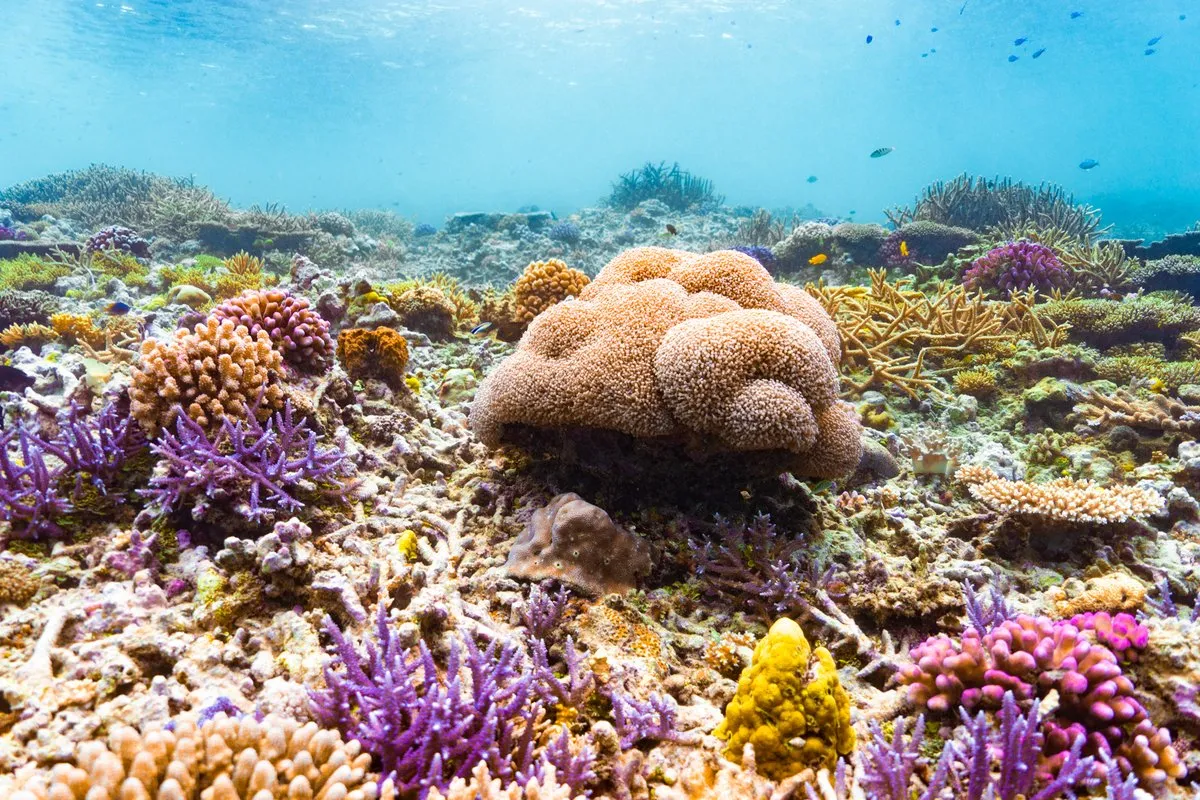
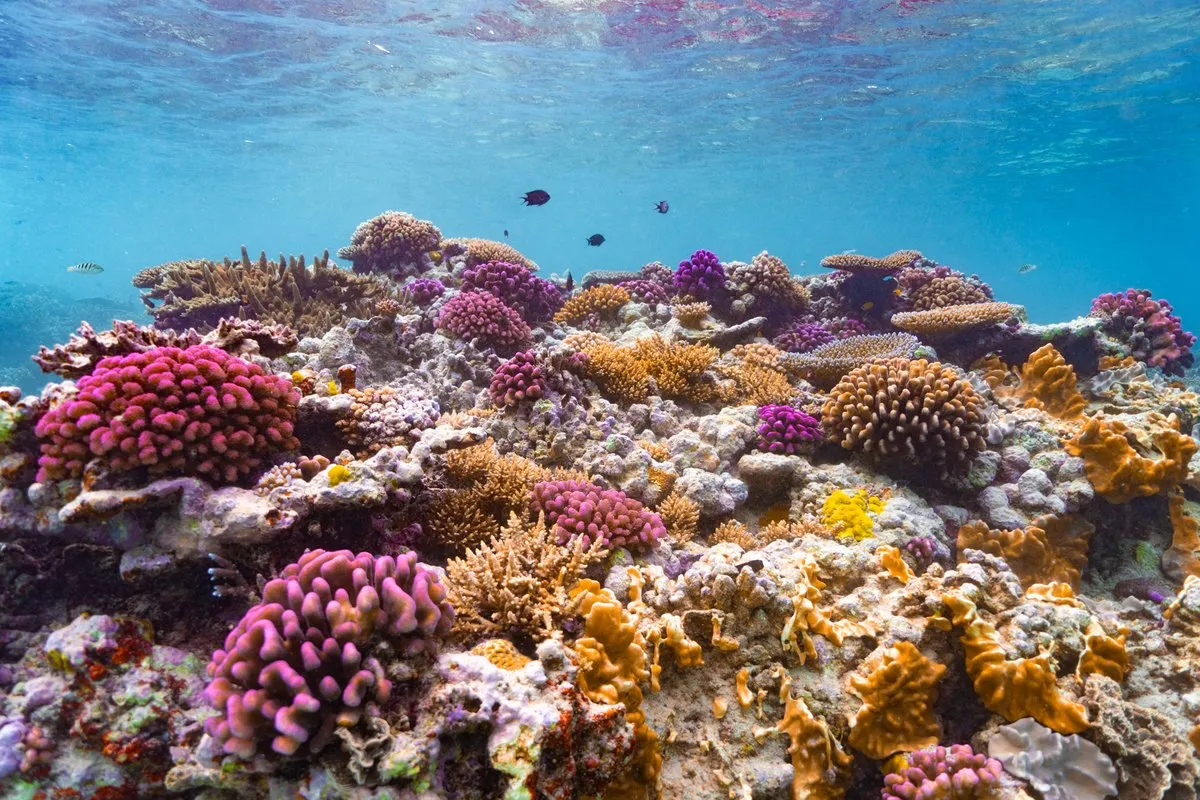
Vanuatu is a nation of 83 volcanic islands, scattered across the South Pacific with wild beauty that cannot be compared. Here, active volcanoes light up the night sky, while rainforest valleys, waterfalls, and reef-fringed coasts that have hardly been explored. Dugongs, turtles, and reef sharks can be found throughout bays and lagoons, while WWII wrecks and coral gardens make the waters irresistible. On land, kastom villages keep traditions alive, from ceremonies to sand drawings, grounding the islands’ natural wonders in a deep cultural heritage.
seasons
Vanuatu has a sub-tropical climate with two main seasons: a hot, wet summer from November to March averaging around 28C, which overlaps with cyclone season, and a cooler, drier winter from April to September averaging around 23C. Sea temperatures stay between 22 and 28C year-round, so swimming and diving conditions remain viable most months.
best time to visit
Go in the shoulder months of April-May or September-October rather than the July-August peak. These windows keep the dry-season visibility and lower humidity while avoiding the school-holiday crowd surge and higher dive-boat/resort rates that hit in July and August, and they sit safely outside the November-March cyclone season.
why people go
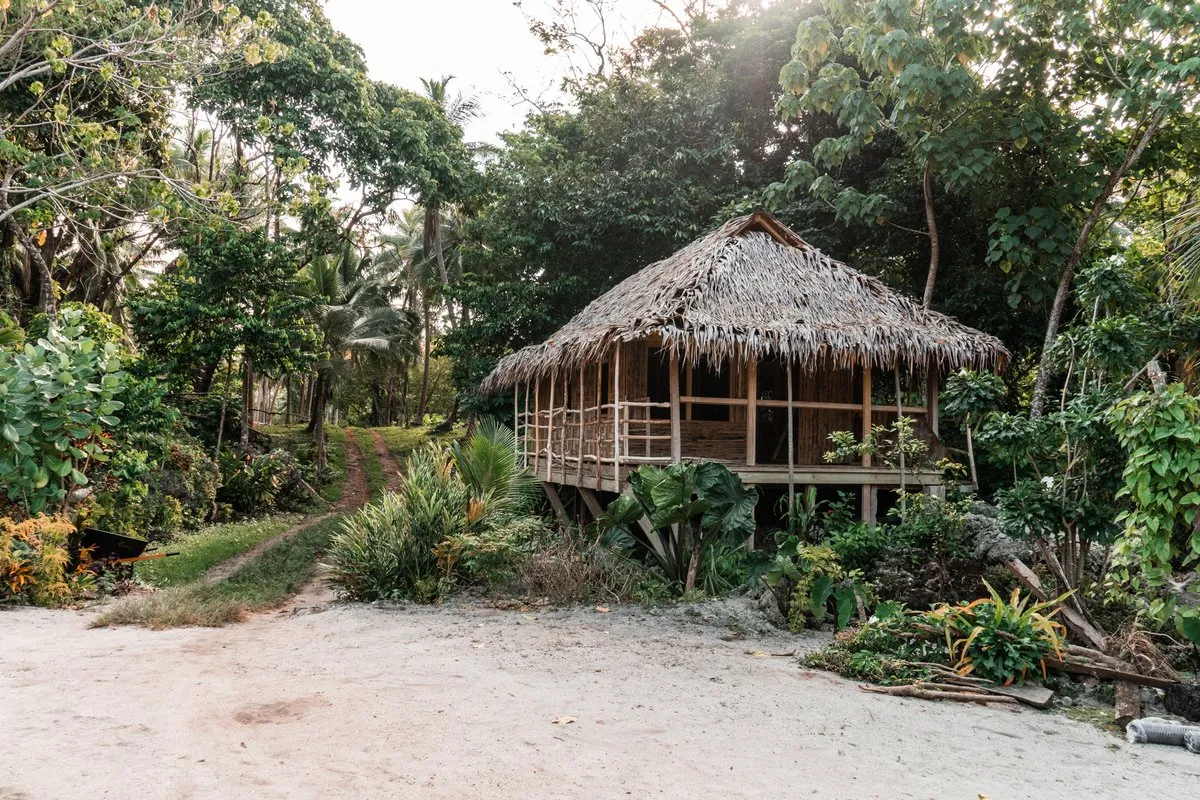
Vanuatu is an 83-island volcanic archipelago with landscapes ranging from Mount Yasur on Tanna, one of the most accessible active volcanoes on Earth where visitors can stand near the rim, to the freshwater blue holes and cave systems of Espiritu Santo. Pentecost Island is the origin site of Naghol (land diving), the traditional vine-jumping ritual that predates and inspired modern bungee jumping. The mix of rainforest, volcanic terrain, and reef make it a landscape-diverse stop that's still comparatively undertouristed relative to Fiji.
marquee wildlife
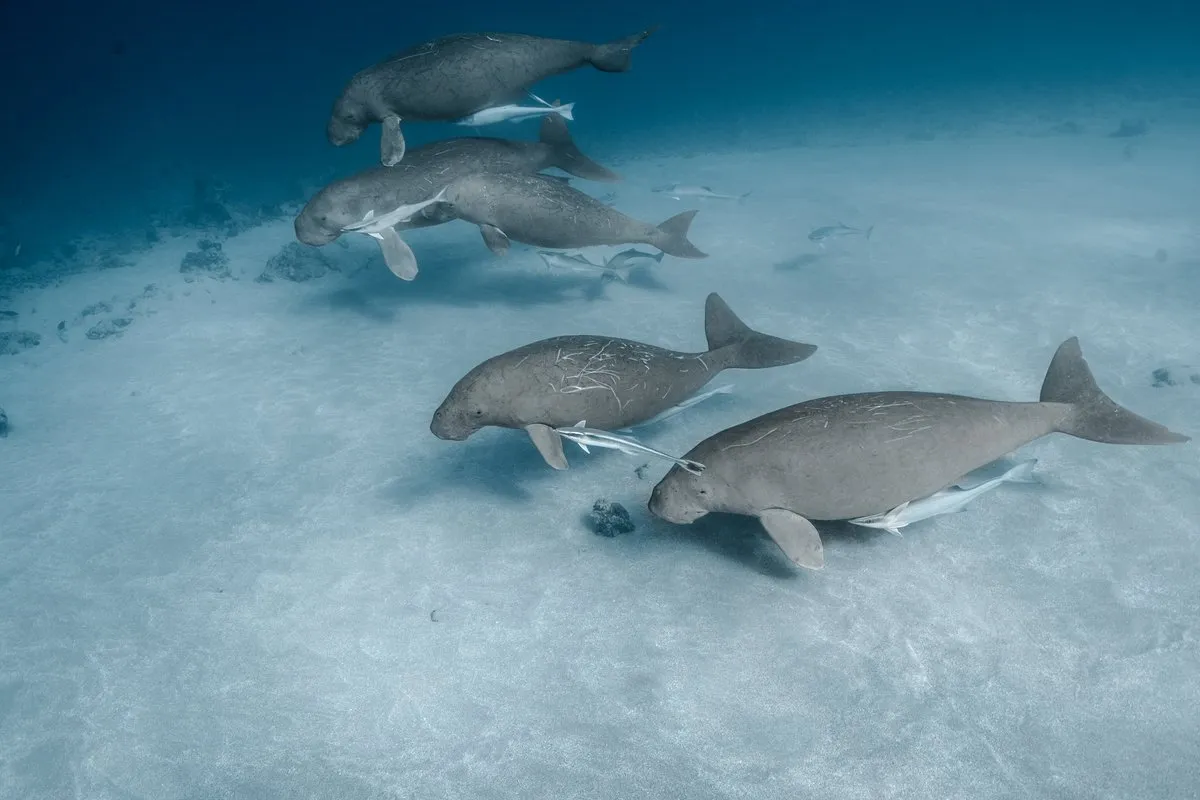
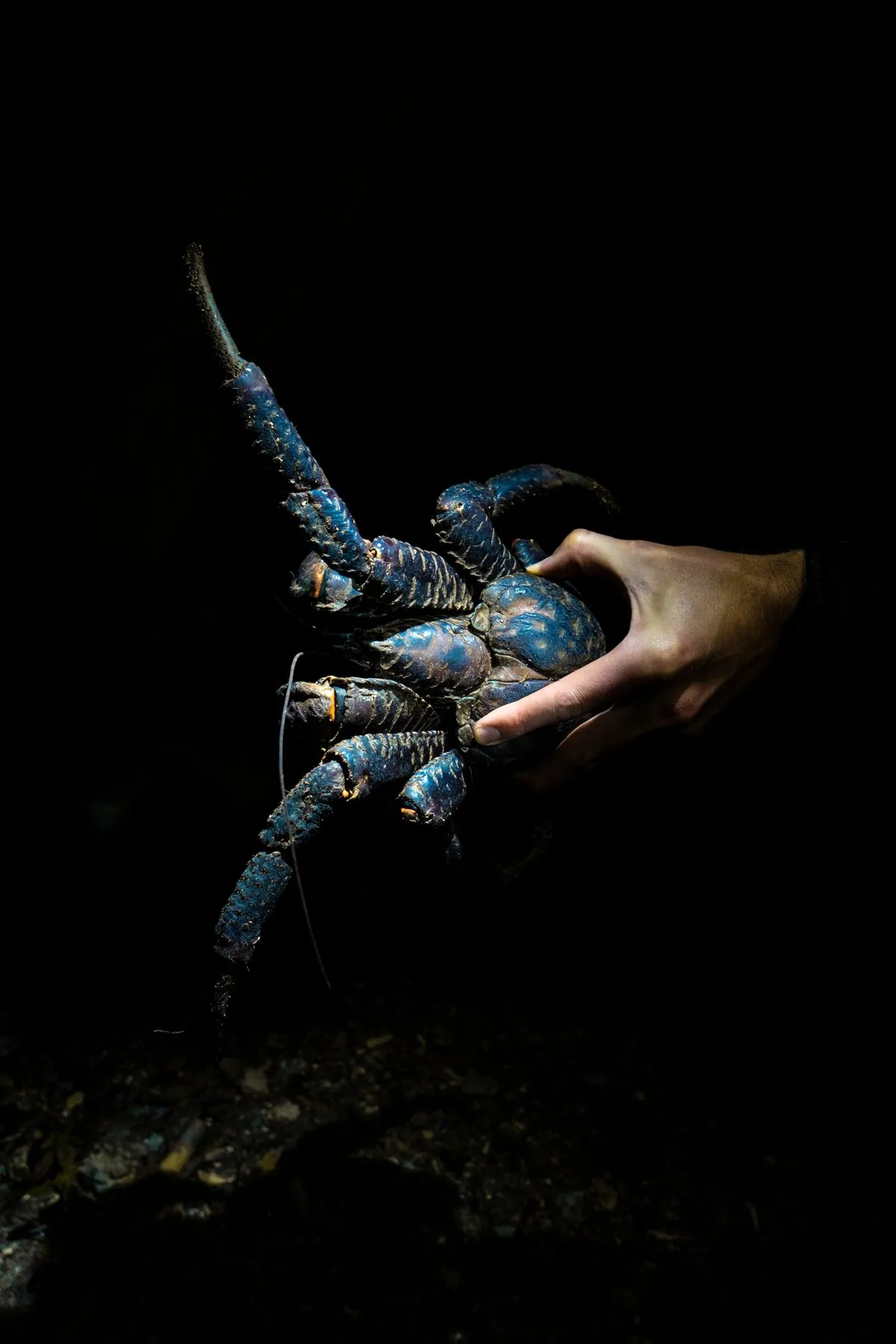
Dugongs are the marquee marine species, found at the eastern edge of their global range around Efate, Epi, Malakula and Santo, and listed as Vulnerable by the IUCN; local guidelines govern how tourism operators can interact with them. The archipelago's seagrass meadows that dugongs depend on are a conservation priority, and coconut crabs, the world's largest land-dwelling arthropod, are notable but increasingly protected, with many restaurants now declining to serve them.
food
Lap lap is the national dish, grated taro, yam or cassava mixed with coconut cream and sometimes fish or meat, wrapped in banana leaves and slow-cooked under hot stones, and it's central to kastom ceremonies. Other dishes worth trying include simboro (grated tubers rolled in leaves and steamed with coconut milk) and tuluk (minced meat wrapped in cassava dough and cooked in an underground oven). Kava, a mildly narcotic traditional drink, is central to social life and typically drunk at nakamals (kava bars).
culture & etiquette
Kastom, the indigenous customary law and tradition, governs land, social structure and ritual, and it varies significantly from island to island, so travelers should stay flexible rather than assuming uniform rules. Many natural sites, including waterfalls and blue holes, sit on kastom land and require permission and an entry fee before visiting, and some sacred areas are entirely off-limits to outsiders or photography. In villages, cover shoulders and knees, remove hats and sunglasses around elders, and use both hands when giving or receiving items.
diving
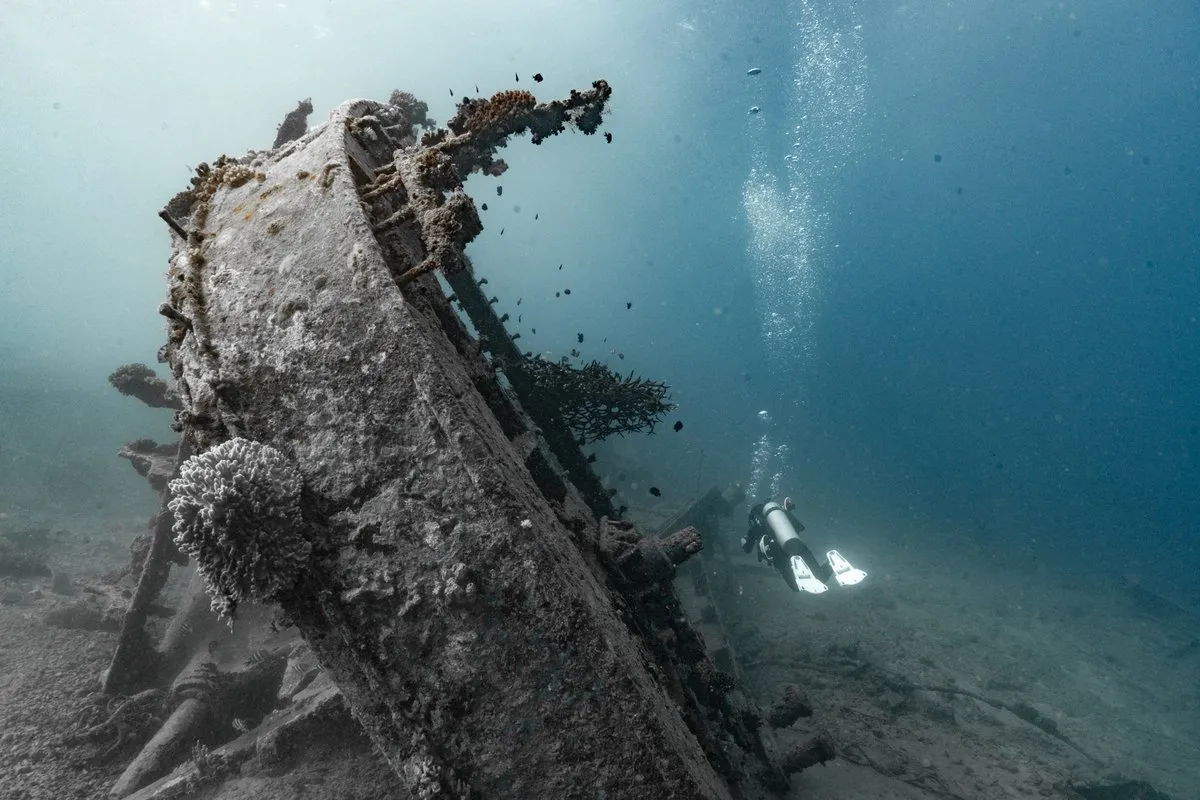
The headline dive here is the SS President Coolidge, a 200-plus-meter former luxury liner turned WWII troop transport that struck friendly mines and sank in the Segond Channel off Espiritu Santo in October 1942, often cited by divers as the best wreck dive in the world. Resting between roughly 20 and 70 meters, it's largely intact and swimmable through multiple holds and decks, with jeeps, guns, helmets and personal effects still in place alongside a preserved porcelain relief known as 'The Lady,' plus resident turtles, barracuda and reef fish. Santo's coastline also holds freshwater blue holes and limestone cave systems, giving the region range beyond the wreck itself, though the Coolidge remains the singular draw that puts Vanuatu on serious wreck-divers' lists globally.
for the impact solutionist or team
let's make your work more discoverable
do you have something that is or will change the world for the better?
learn morefor the conscious traveler
let's show you where we've been
are you interested in being a mindful explorer?
see where to go