North America
United States
From the ice-fed fjords of Alaska to the mangrove-lined shores of Florida, the United States is a place where every horizon presents a new ecosystem. We’ve crossed deserts that hum with heat, wandered through forests older than history, and followed whales along two oceans’ worth of coastline. Here, nature is never far away. It shows up in the surf of California, takes you through the barrier islands of the Carolinas, and thunders down the glacial valleys of the north. In a land defined by scale and variety, the wild still has room to breathe, if you know where to look.
seasons
Climate varies enormously by region: four distinct seasons across the Northeast/Midwest, a wet-dry split in the Southeast and Gulf Coast, near-year-round warmth in Florida/Hawaii/Southern California, and short summers with harsh winters in the Rockies and Alaska. Hurricane season runs June–November along the Atlantic and Gulf coasts. Snow can close mountain routes and northern parks from late fall through spring.
best time to visit
May–June and September–October beat the crowded summer peak almost everywhere on the mainland. This isn't just a comfort call: national parks like Yellowstone, Zion, and Yosemite are dealing with real overcrowding and traffic-jam-level congestion in July/August, which stresses wildlife and infrastructure alike. Shoulder-season visits mean thinner crowds, October fall color, active-but-less-harassed wildlife, and meaningfully lower lodging rates.
why people go
Yellowstone, Yosemite, Grand Canyon, and the Everglades anchor a huge public-lands system built around geysers, canyons, redwoods, and wetlands. Wildlife draws include bison, elk, grizzly and black bears, bald eagles, and coastal marine life along both the Pacific and Atlantic. Long-distance coastlines (Pacific Coast Highway, Outer Banks) and backcountry trail networks (Appalachian Trail, Pacific Crest Trail) support multi-day expedition-style travel.
marquee wildlife
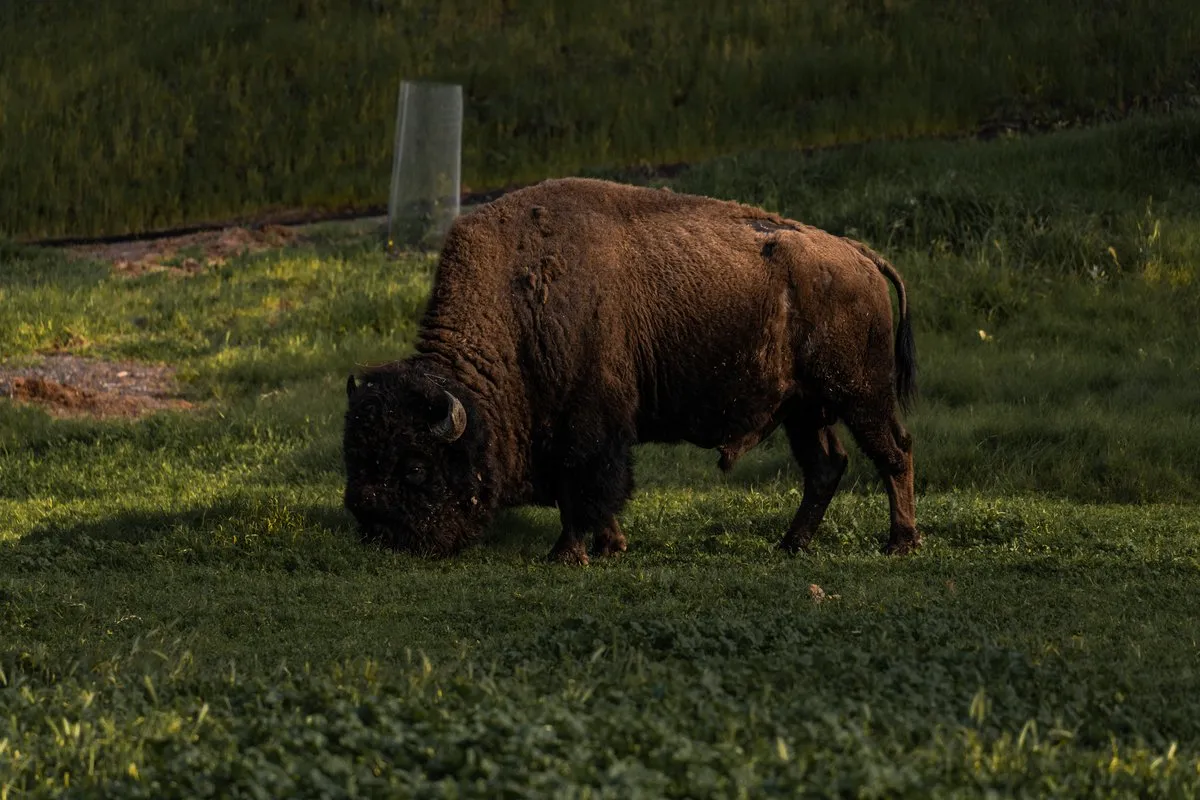
The American bison, the national mammal, once roamed the plains in the tens of millions and now thrives in protected herds at Yellowstone and the Great Plains. Grizzly bears anchor the wild backcountry of the Rockies and Alaska, apex predators that draw wildlife-watchers to Yellowstone and Denali. The bald eagle, the national bird and a conservation comeback story after near-extinction from DDT, nests along rivers and coastlines nationwide. Together they symbolize America's wilderness recovery and its scale, from prairie to peak to shoreline.
food
Regional specialties dominate over any single national cuisine: Gulf and Southern comfort food (gumbo, fried chicken, biscuits), New England seafood and clam chowder, Texas/Memphis/Kansas City barbecue traditions, Chicago deep-dish pizza, and Tex-Mex in the Southwest. Portions run large and dining is casual by international standards.
culture & etiquette
Tipping (15–20% at sit-down restaurants) is expected, not optional, and service workers often depend on it as income. Small talk with strangers and direct 'please/thank you' courtesy are read as basic respect, especially in the South and Midwest. Punctuality, personal space, and queuing norms are taken seriously; customs otherwise shift noticeably by region and city versus rural area.
diving
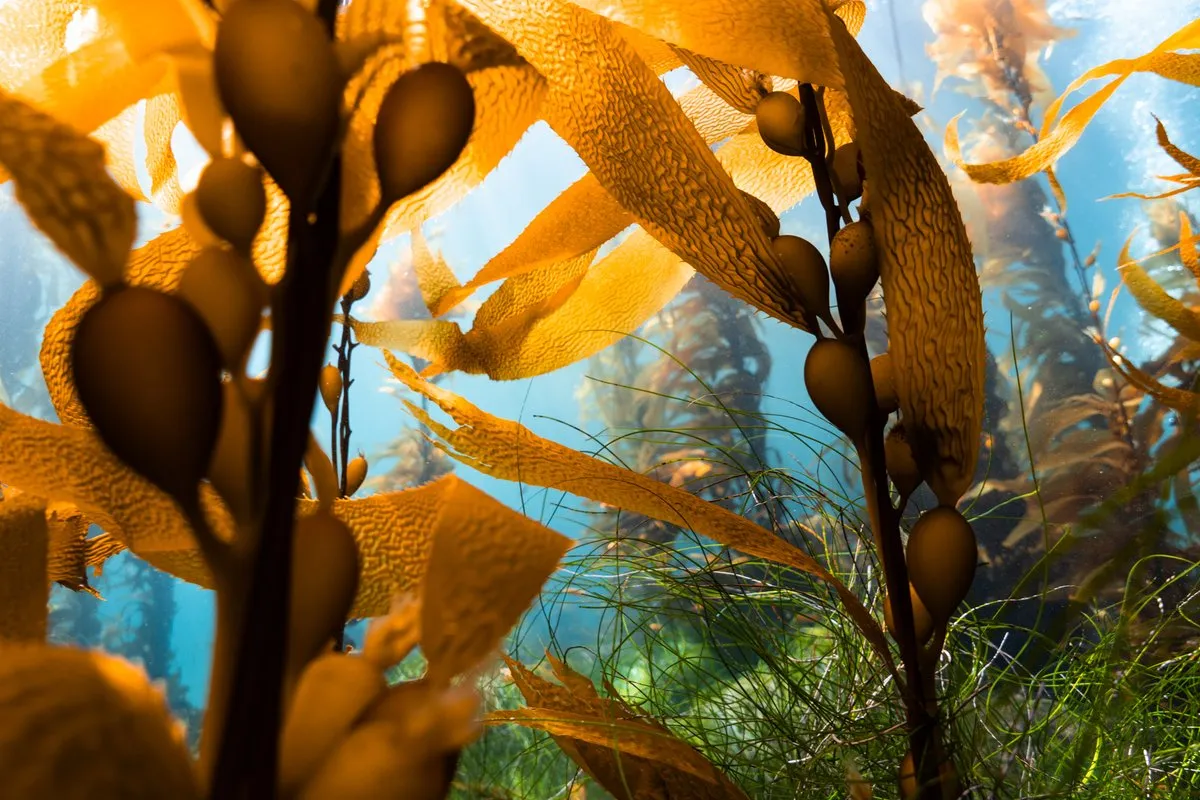
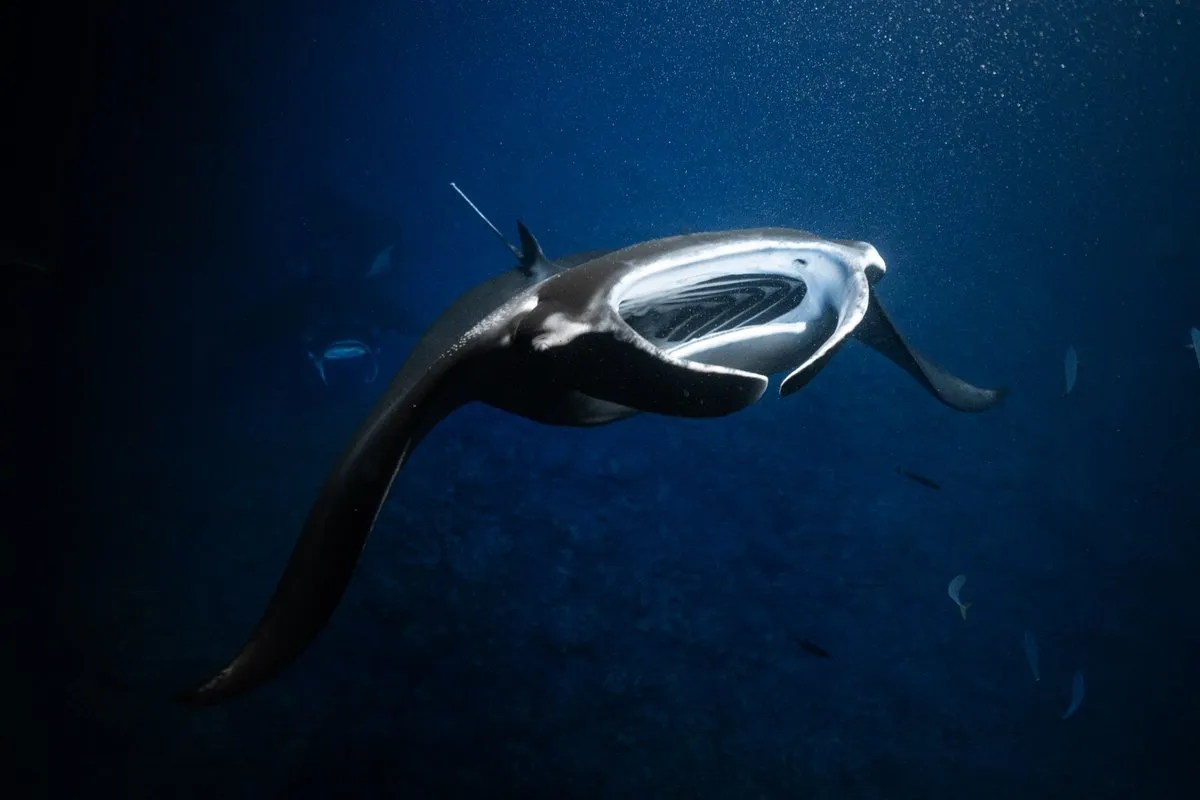
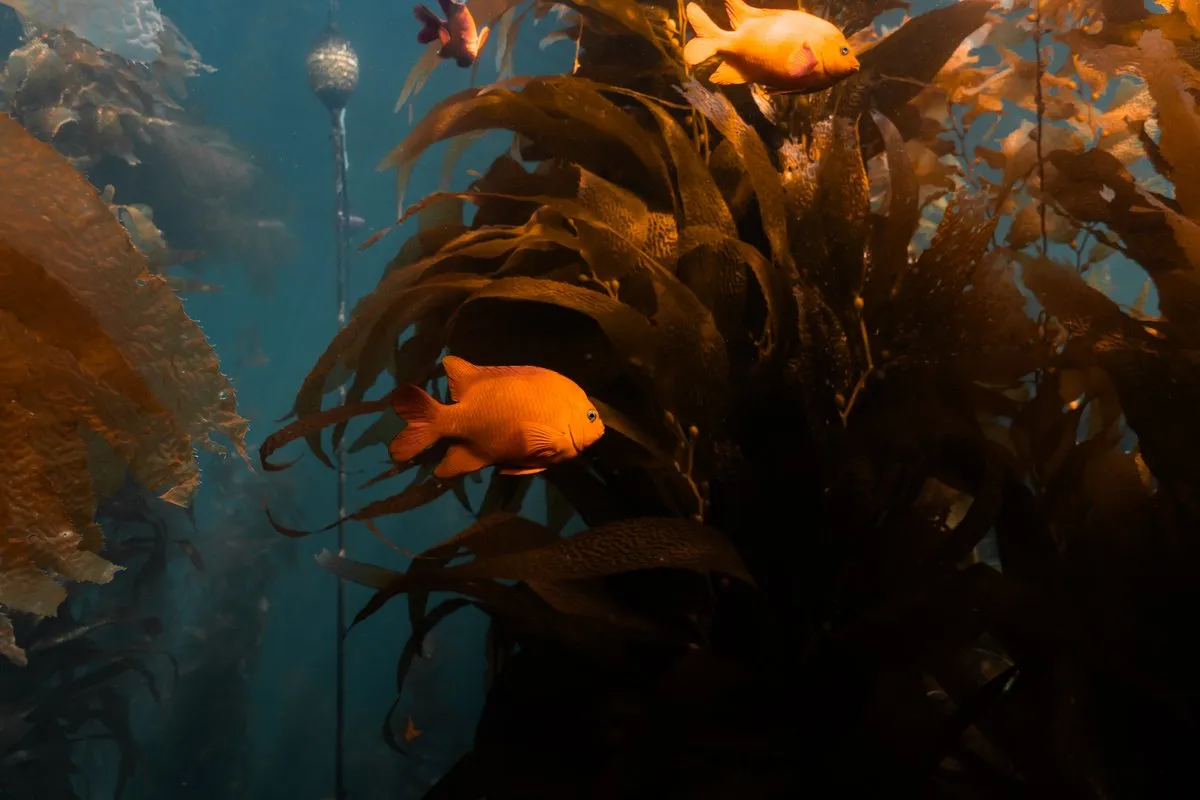
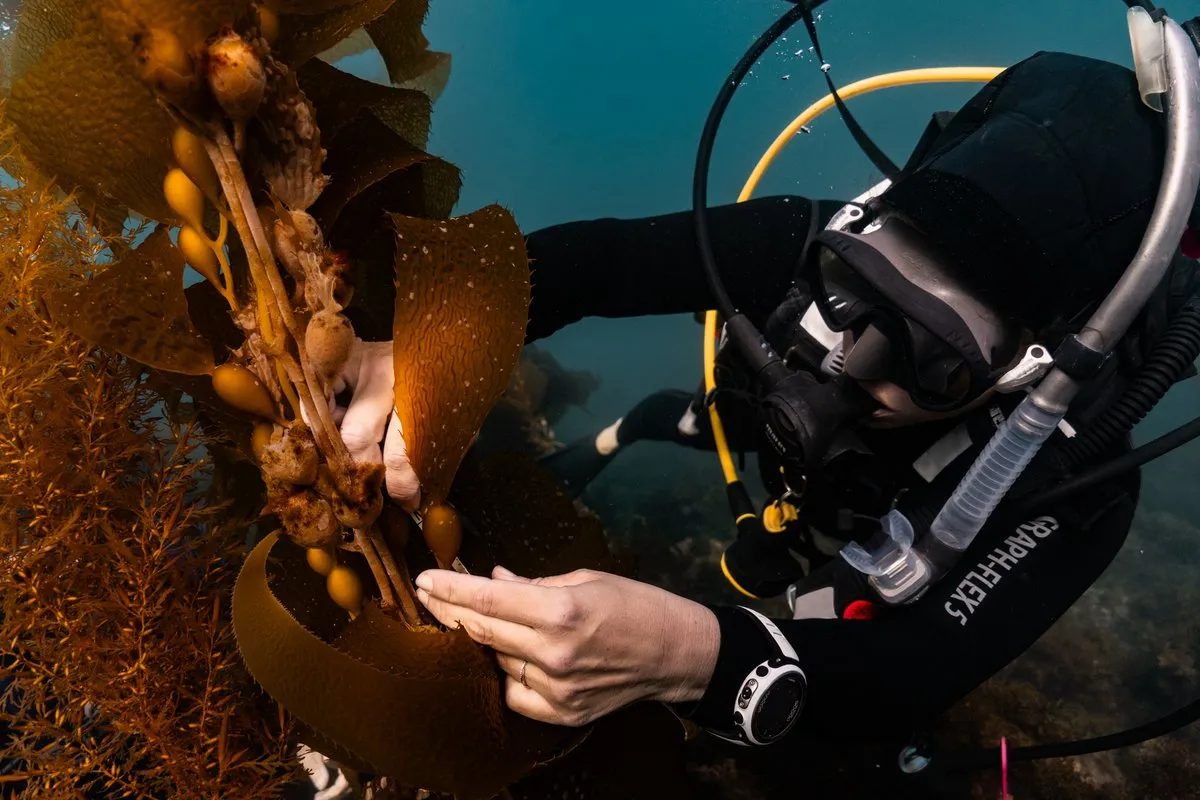
Diving here spans coral reefs, kelp forests, and cold-water wrecks, not one signature ecosystem. The Florida Keys hold the country's largest living coral reef system, with wreck dives like the USS Spiegel Grove; California's Monterey Bay and Catalina Island offer temperate kelp-forest diving dense with marine life; Hawaii's Kona coast is known for night dives with feeding manta rays; and Washington's Puget Sound draws cold-water wreck and artificial-reef divers. Overall quality trails the Caribbean or Indo-Pacific for reef diversity, but the ecological range across regions is unmatched for a single country.
for the impact solutionist or team
let's make your work more discoverable
do you have something that is or will change the world for the better?
learn morefor the conscious traveler
let's show you where we've been
are you interested in being a mindful explorer?
see where to go