Asia
Thailand
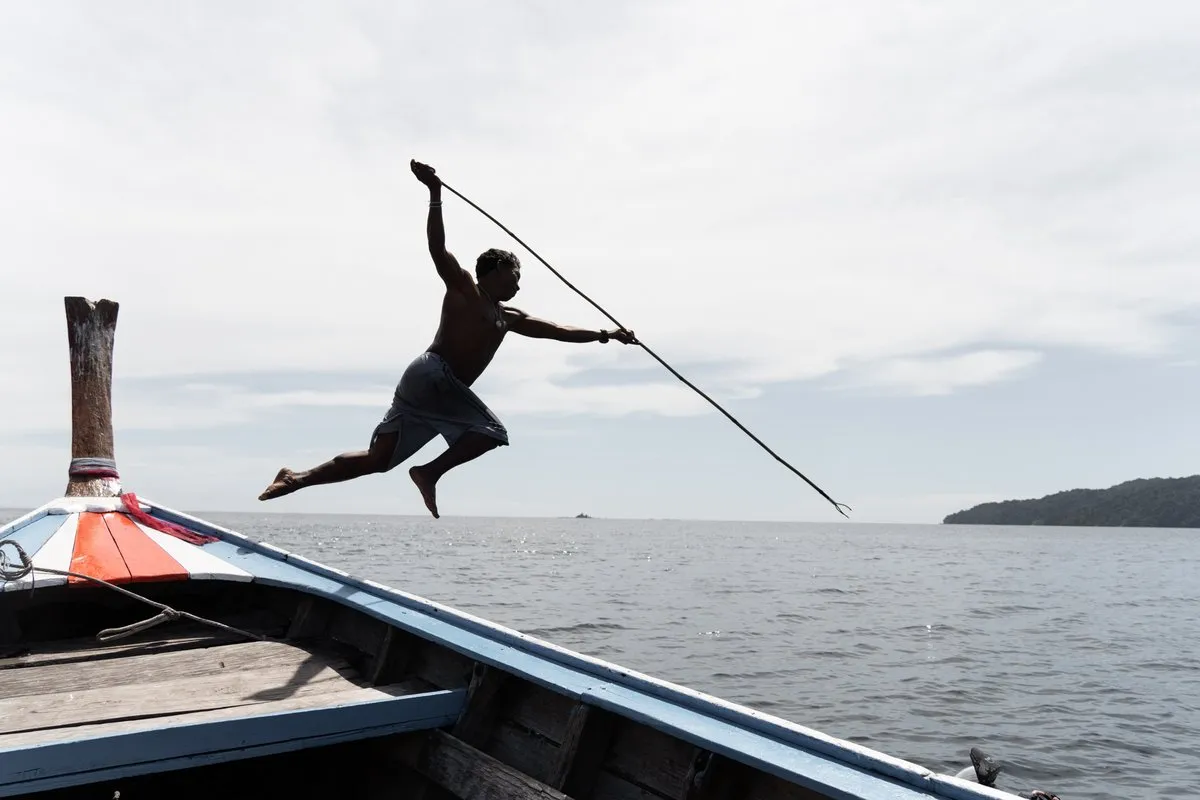
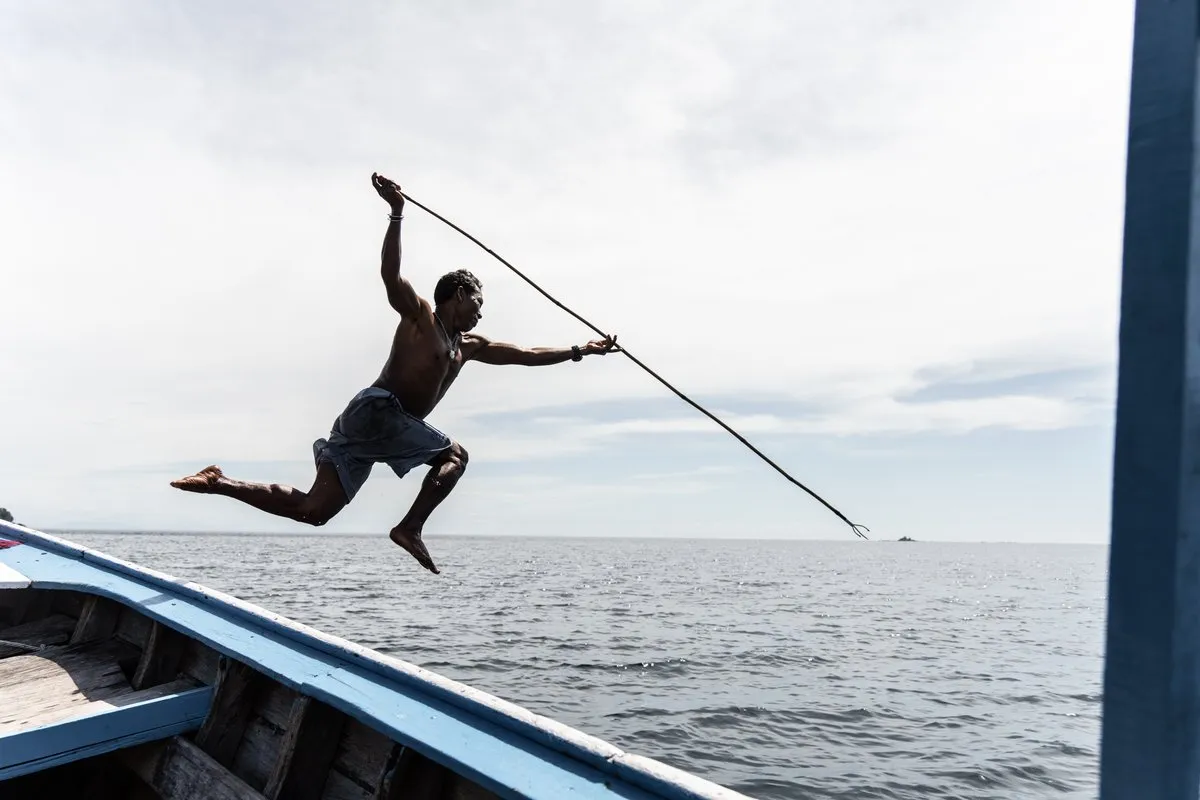
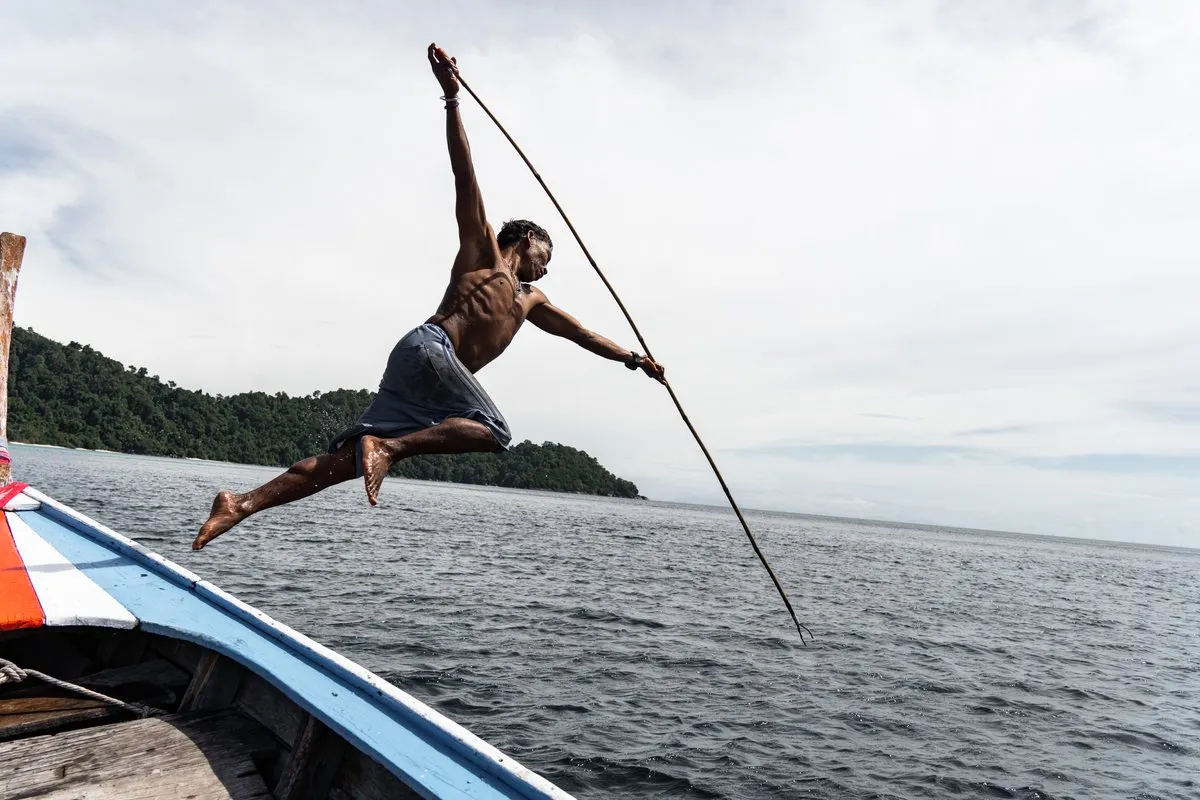
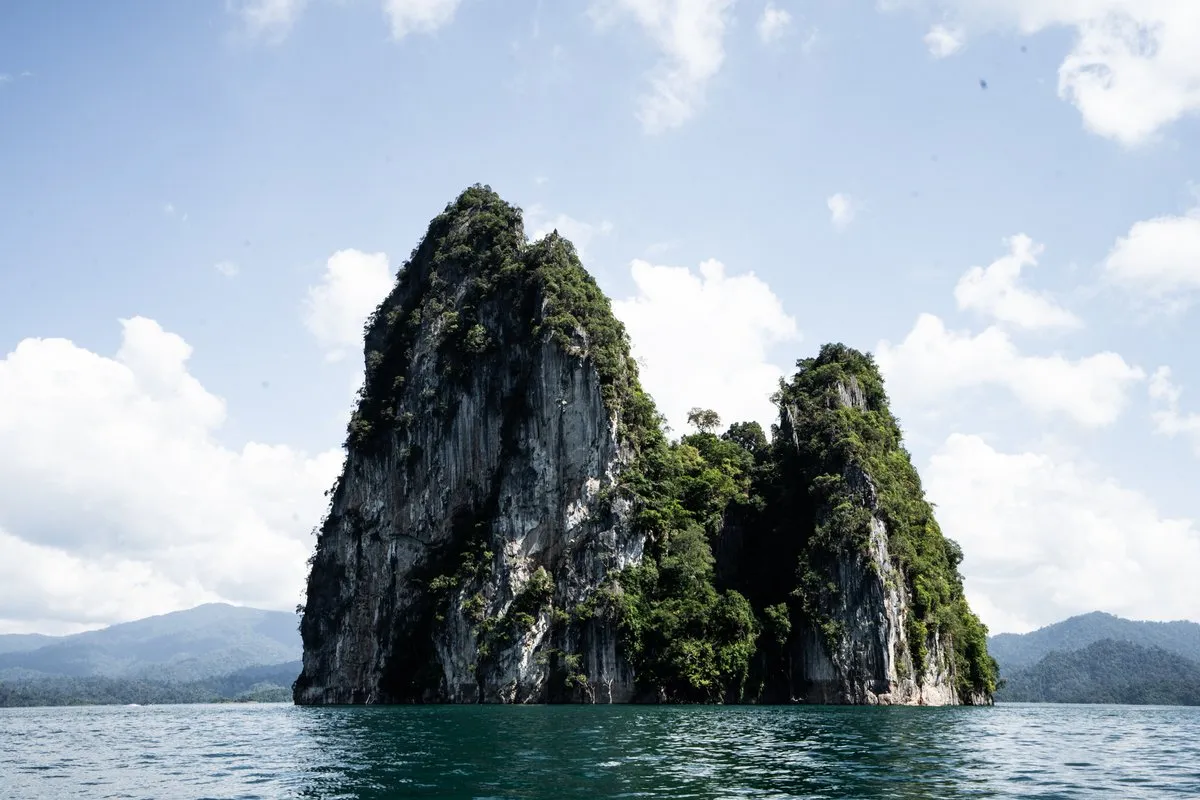
Thailand’s wild beauty stretches well beyond its crowded beaches and city skylines. Coral reefs still are filled with tropical fish, sea turtles, and reef sharks, where there are tourist bans for entering the water during certain seasons. Meanwhile rainforests echo with the calls of gibbons and hornbills. Elephants still can be found moving through jungle valleys, and limestone karsts rise like fortresses from the sea. Across its islands and forests, Thailand is a country where biodiversity, culture, and adventure can be found everywhere.
seasons
Thailand runs on three monsoon-driven seasons rather than four: a cool, dry season from November to February, a hot season from March to May with daytime temperatures regularly above 35C, and a rainy season from roughly June through October driven by the southwest monsoon. The north and Gulf coast (Koh Tao, Koh Samui) run on a slightly offset rain pattern from the Andaman coast. November through February is peak tourist season because it is coolest and driest nationwide.
best time to visit
Go in the shoulder months of May or October rather than the November-to-February peak. Crowds and prices both drop hard, and the ecological case is concrete: Maya Bay now closes every year from August 1 to September 30 so the reef and beach can recover from over-tourism, and even in open months visitor numbers are capped at 375 people per hour after a four-year closure triggered by coral and shoreline damage. Traveling shoulder season means seeing the same sites with less pressure on the parks, reefs, and wildlife peak-season crowding visibly damages, plus cheaper flights and dive trips.
why people go
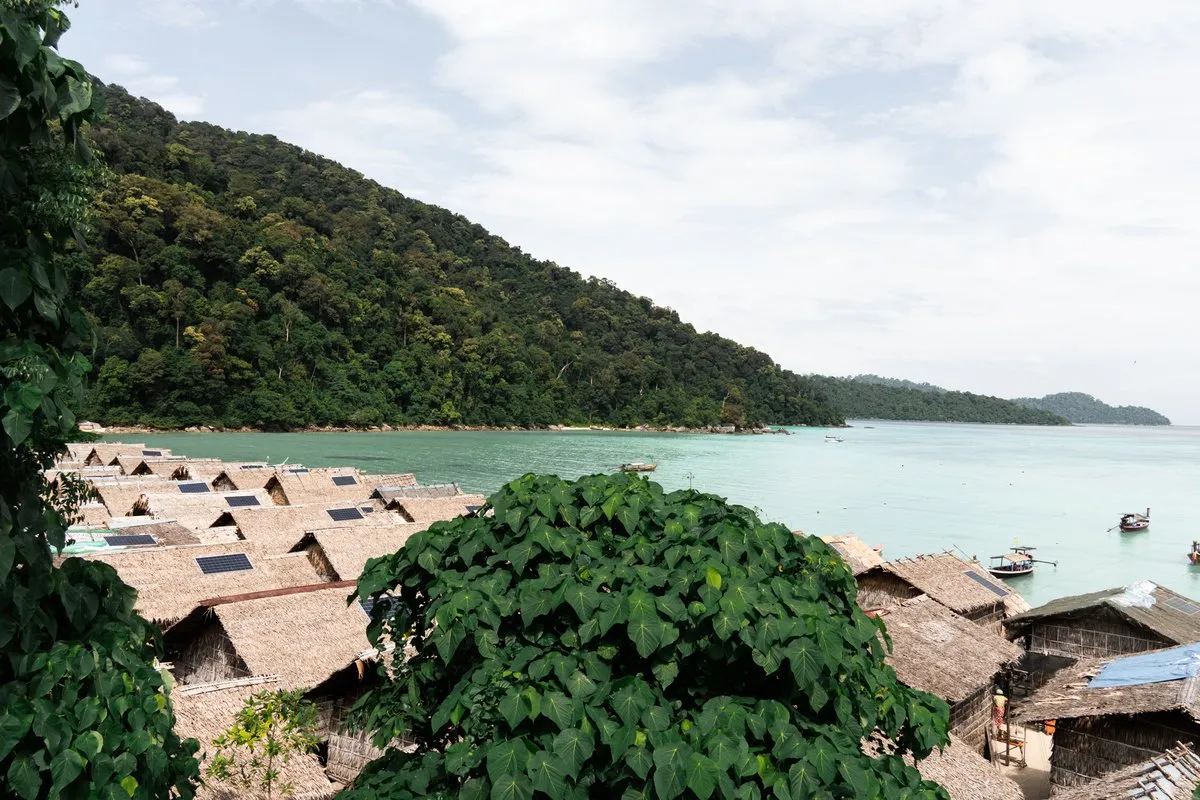
Thailand's draw is its range within a few hours' flight: limestone karst islands and turquoise bays along the Andaman coast, dense old-growth rainforest at Khao Sok with towering cliffs and a jungle lake, and a Gulf coast studded with dive islands. Add temple culture in Bangkok and Chiang Mai, night markets, and a food scene considered one of the best in Asia, and it covers coastal, jungle, and urban travel without changing countries.
marquee wildlife
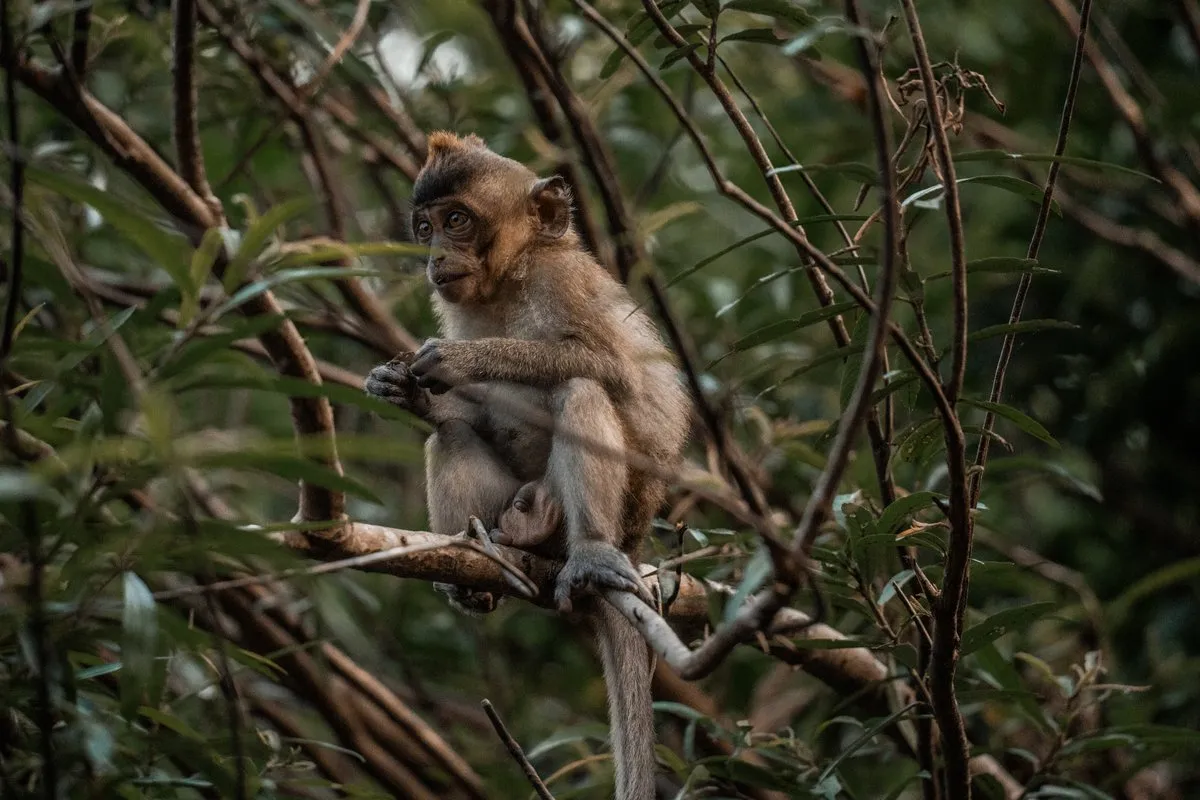
Wild Asian elephants still roam protected forest at Khao Yai and Khao Sok, where white-handed gibbons swing through the canopy at dawn, alongside gaur, tapirs, macaques, and civets. Offshore, whale sharks pass through Thai waters on a seasonal migration, feeding near Richelieu Rock and the Similan Islands roughly January to May and around Koh Tao May to September. Whale sharks are legally protected in Thailand, and the shift away from elephant-riding camps toward observation-based sanctuaries reflects a real change in how wildlife tourism operates here.
food
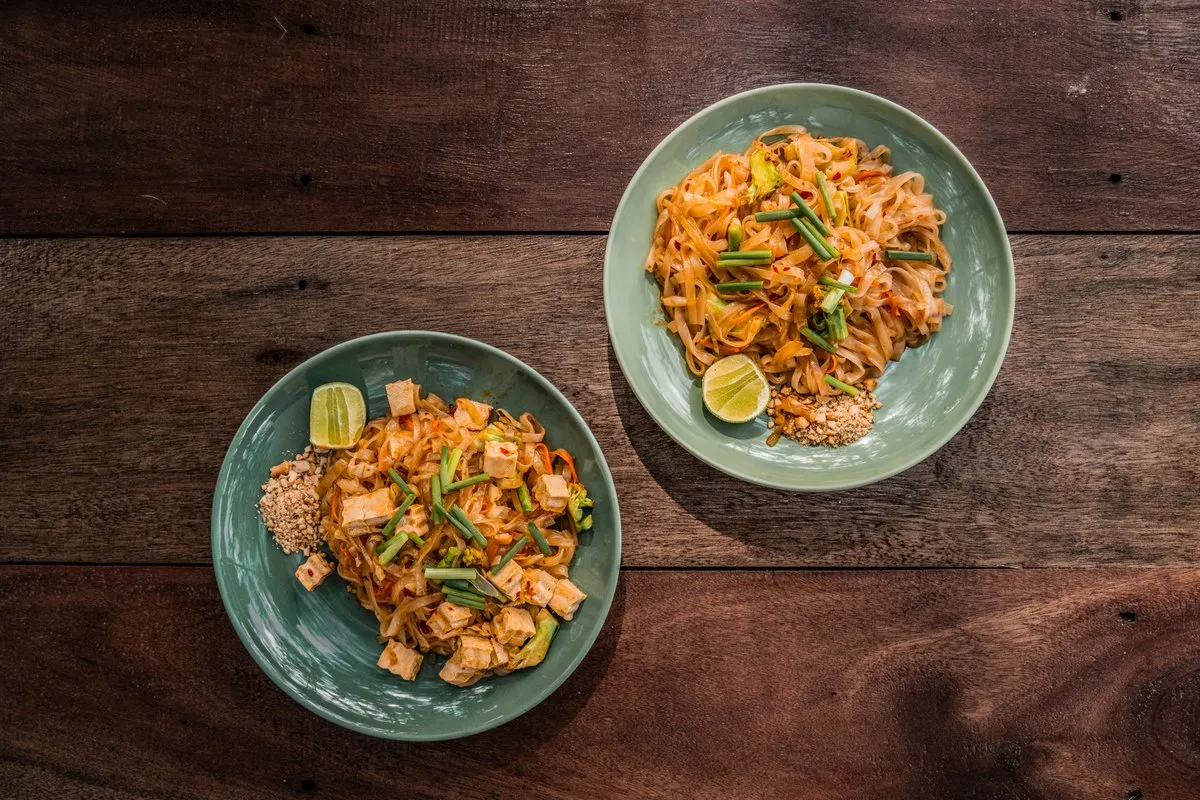
Thai food worth seeking out goes well past pad thai: som tam (green papaya salad), khao soi (a Northern Thai curry-noodle dish specific to Chiang Mai), moo ping (grilled pork skewers), tom yum and tom kha soups, and regional curries that vary sharply by region, from the coconut-forward south to the drier, herbal north. Street food and local markets are generally where the best versions are found.
culture & etiquette
The wai (palms pressed together, slight bow) is the standard greeting; visitors should return one if offered. Temples require covered shoulders and knees and shoes off before entering; women may not touch a monk or hand him anything directly. Touching anyone's head is disrespectful, while pointing with feet or aiming soles at a person or Buddha image is rude. The monarchy is held in very high regard and public criticism is taken seriously and is legally risky for visitors.
diving
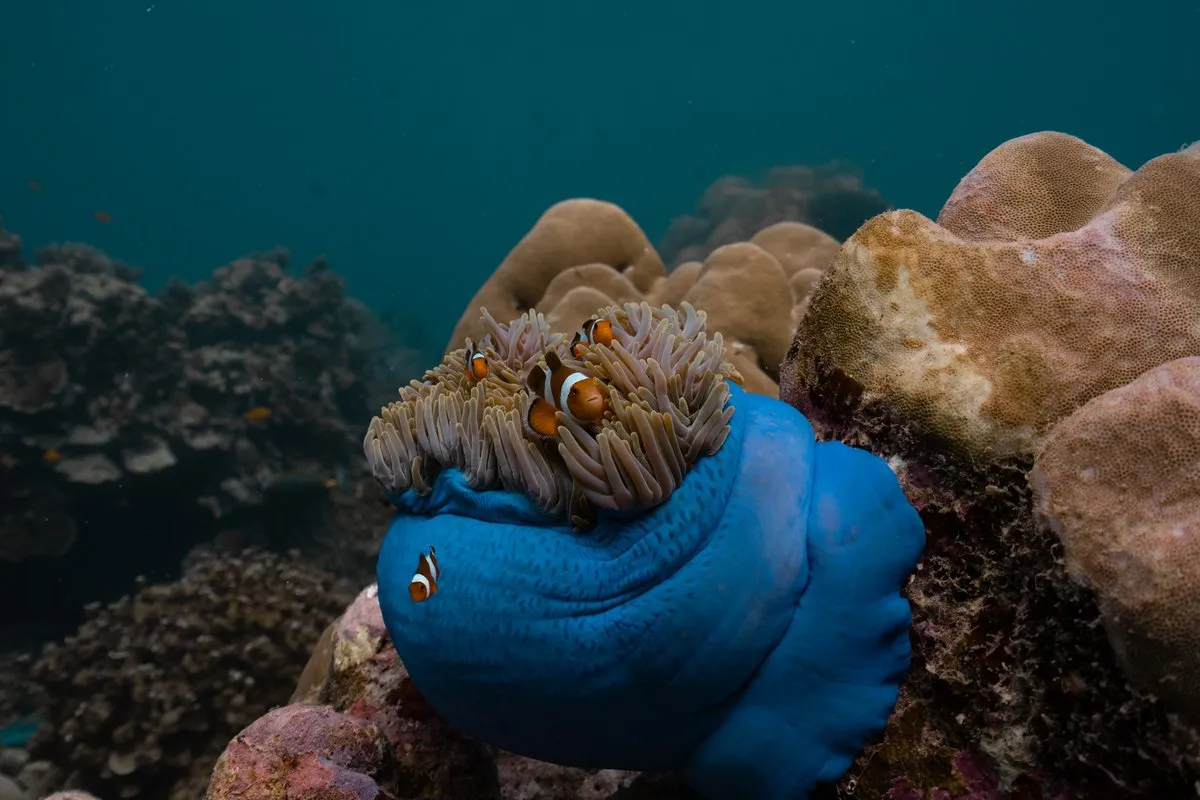
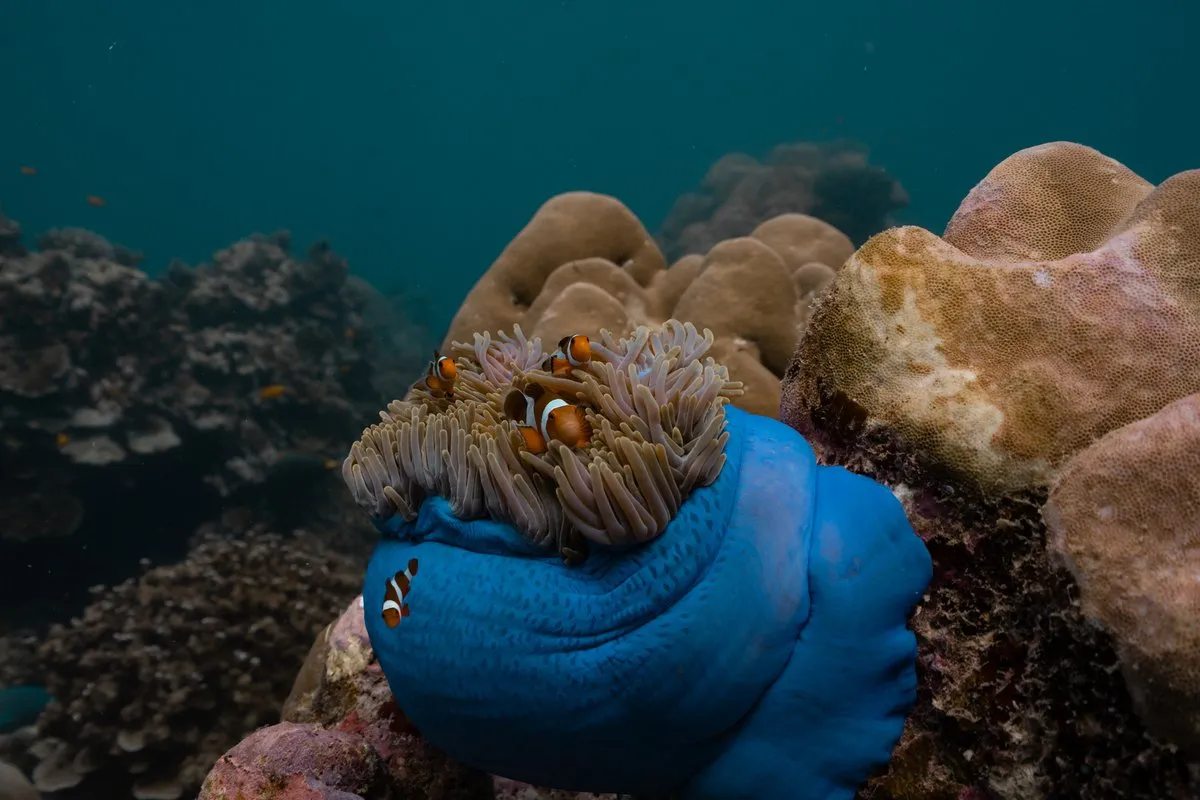
The Andaman coast, especially the Similan Islands and Richelieu Rock, offers Thailand's best diving from November to April, with clear water, healthy coral, and reliable whale shark and manta encounters. Koh Tao in the Gulf of Thailand is the country's dive-training hub, popular for affordable certification courses and its own whale shark season roughly May through September. Diving is a central pillar of Thailand's tourism identity, not a side activity, though popular reef sites face real crowding and damage pressure during peak season.
for the impact solutionist or team
let's make your work more discoverable
do you have something that is or will change the world for the better?
learn morefor the conscious traveler
let's show you where we've been
are you interested in being a mindful explorer?
see where to go