Africa
Tanzania
Tanzania sits at the very heart of safari life. The word safari itself comes from Swahili, and nowhere else embodies its spirit more. From the Serengeti’s golden plains to Mount Kilimanjaro’s icy summit, this is where the archetype of African wilderness was born. Elephants, lions, and giraffes still move in great numbers across vast savannas, while coastal reefs in Zanzibar add a marine dimension to the story.
seasons
Tanzania runs on two rainy seasons and a long dry season: short rains from October to December, a long dry season from June to October, and long rains from March to May that can make some roads impassable. Coastal Zanzibar and Pemba stay warm and humid year-round (roughly 25-30°C) with the same rain pattern, while inland highland areas like Ngorongoro and the Serengeti plains are cooler and drier. The dry season concentrates wildlife around rivers and waterholes, which is why it dominates safari planning.
best time to visit
Go in the shoulder months of March to May (the "green season") or November, rather than the June-to-October dry-season peak. The Serengeti's northern gateway near Kogatende already sees hundreds of vehicles and thousands of tourists a day during peak migration season — congestion severe enough that Tanzania National Parks has had to add patrols after vehicles crowded a river crossing in 2025. Shoulder-season travel means far fewer vehicles competing for the same sighting, lower lodge and permit prices, lusher landscapes, and calving season (January-February) still delivers dense predator action on the southern plains without the June-October crowd math.
why people go
The Serengeti's endless grass plains and the Ngorongoro Crater, an intact volcanic caldera holding one of Africa's densest concentrations of wildlife, are the headline landscapes. Mount Kilimanjaro, the continent's highest peak and a non-technical but demanding trek, anchors the northern circuit, while the Great Migration — over a million wildebeest and zebra moving through the Serengeti-Mara ecosystem — is the singular wildlife spectacle most visitors come for.
marquee wildlife
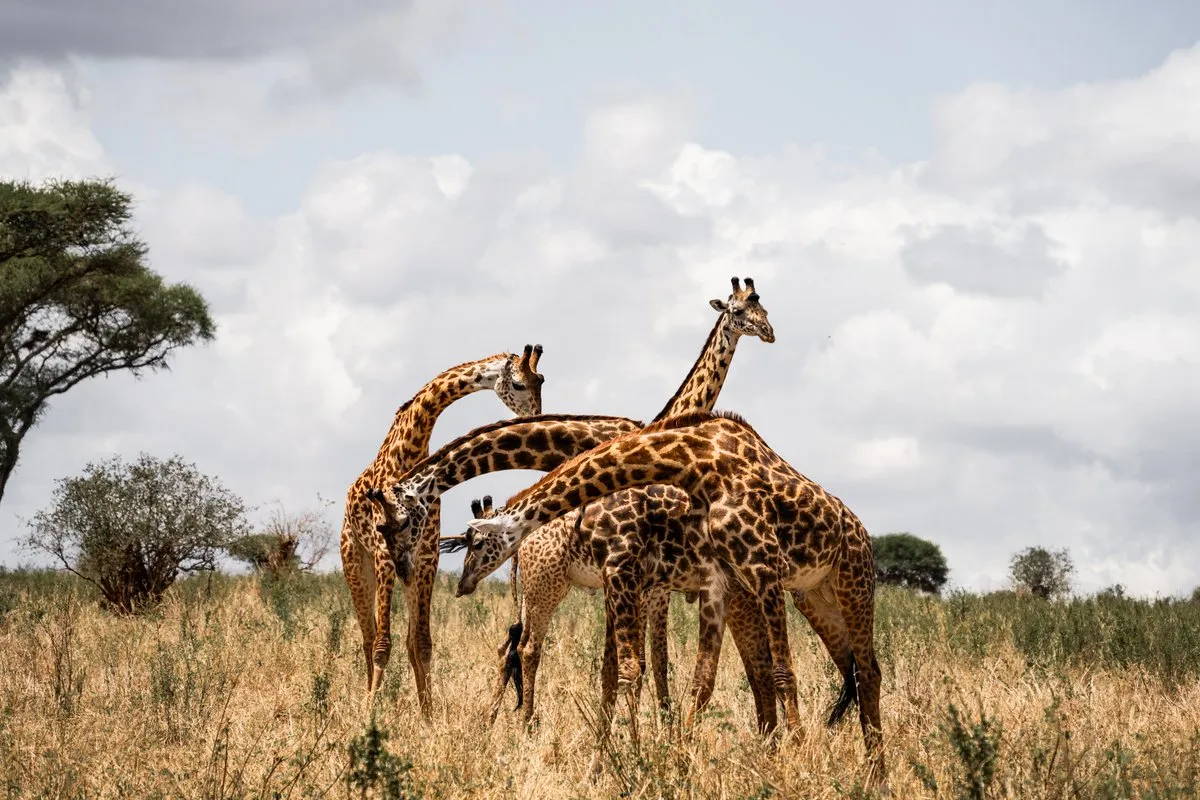
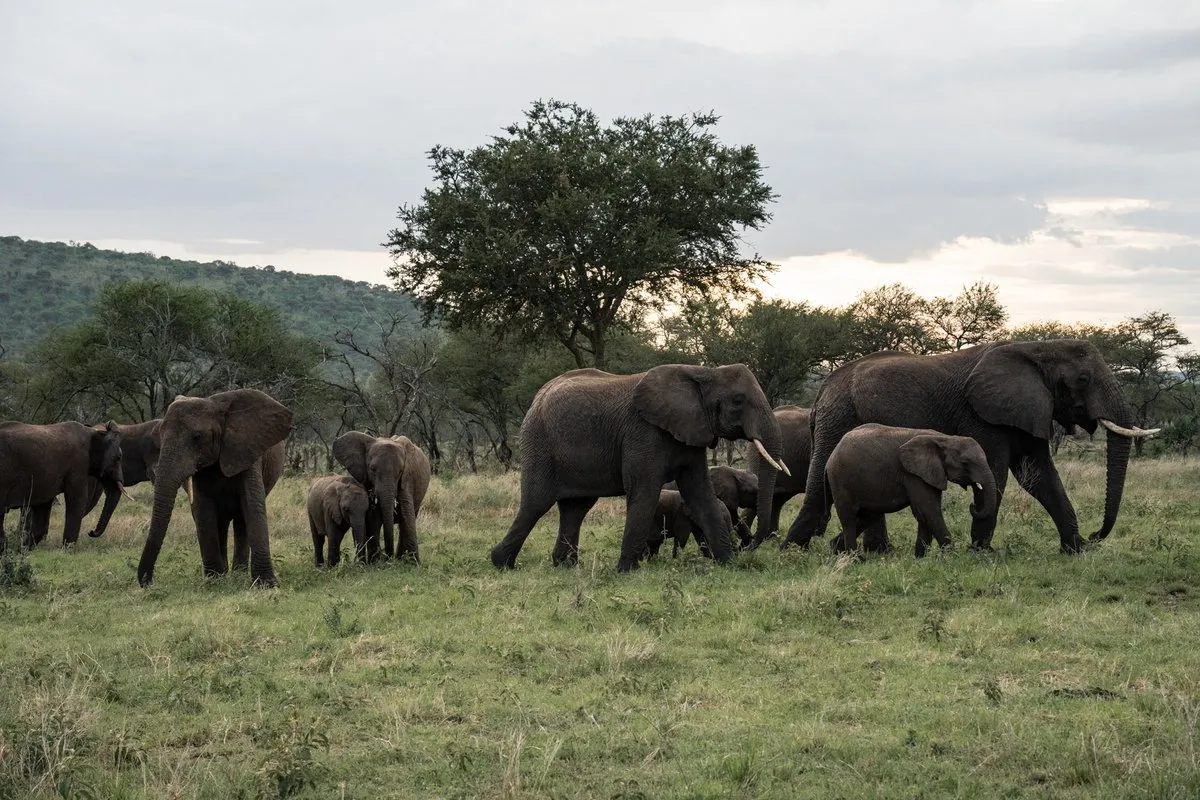
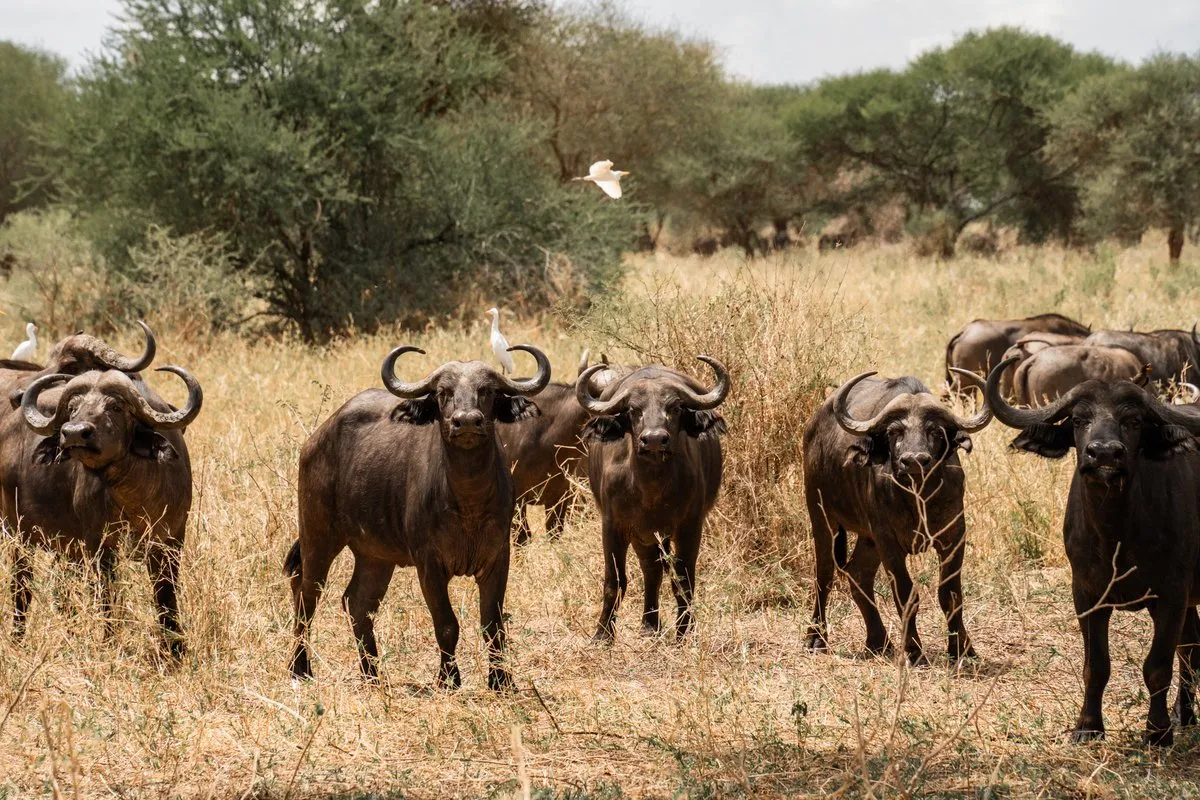
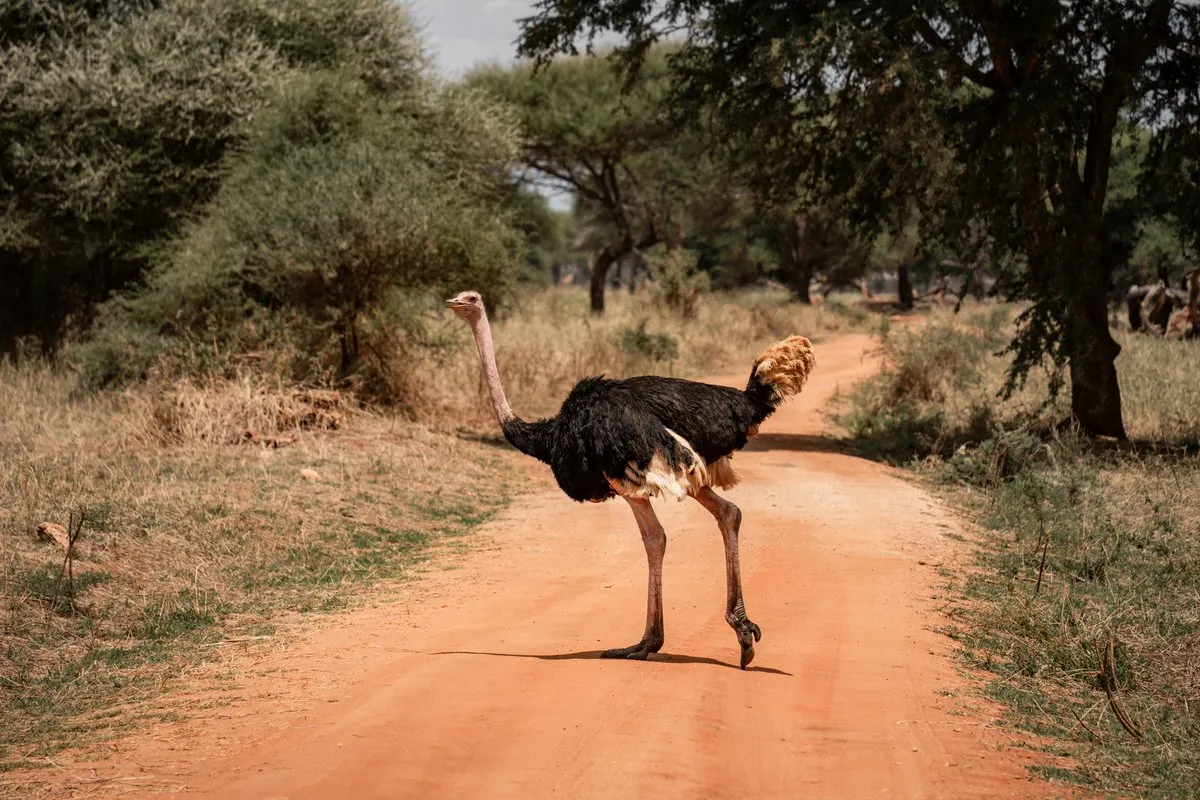
Tanzania holds the core of the Great Migration's wildebeest and zebra herds along with strong Big Five populations (lion, leopard, elephant, buffalo, rhino) concentrated in the Serengeti and Ngorongoro Crater. The southern and western circuits — Ruaha, Selous/Nyerere, and Katavi — hold large elephant and predator populations with far fewer visitors, and Mahale and Gombe on Lake Tanganyika are among the few places to trek wild chimpanzees.
food
Ugali (a stiff maize porridge) and nyama choma (grilled meat, often goat or beef) are the everyday staples, typically eaten communally with the right hand from shared dishes, alongside pilau and other spiced rice preparations. On the Swahili Coast and in Zanzibar, food shifts toward fish and seafood in coconut sauce, biryani, and spice-market flavors reflecting centuries of Arab and Indian trade influence.
culture & etiquette
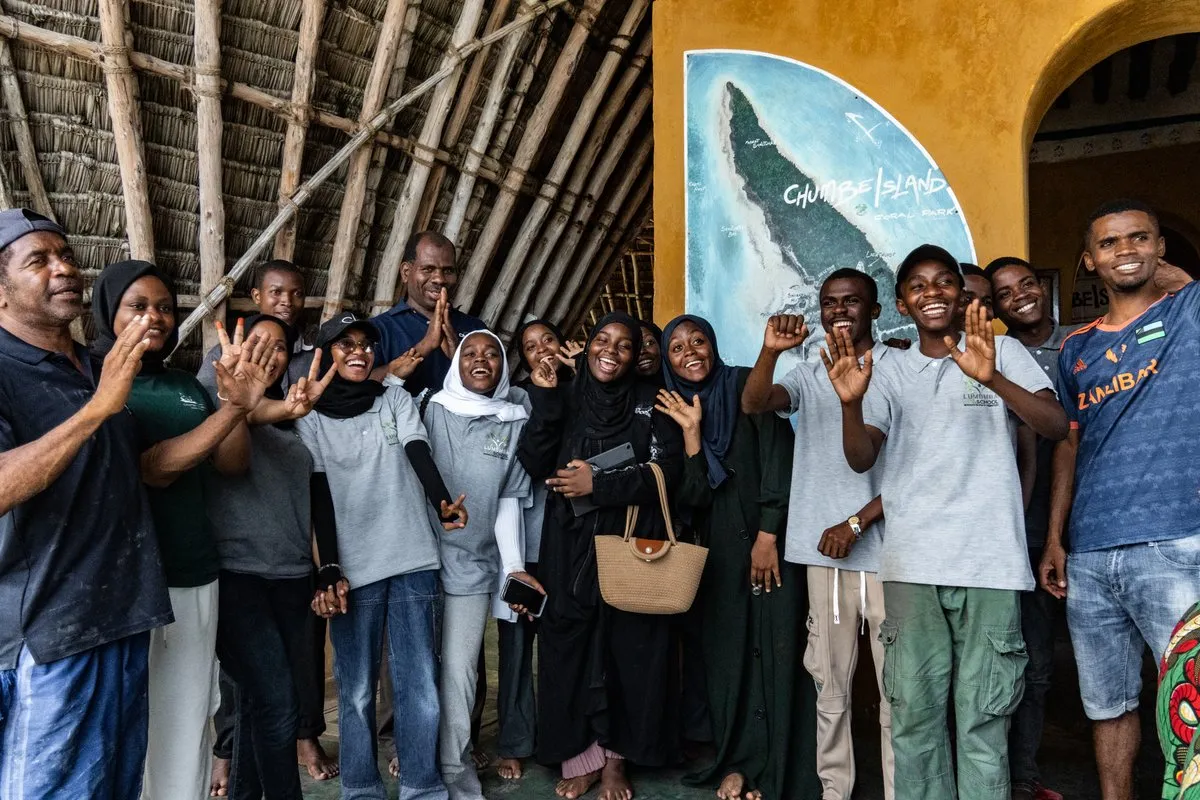
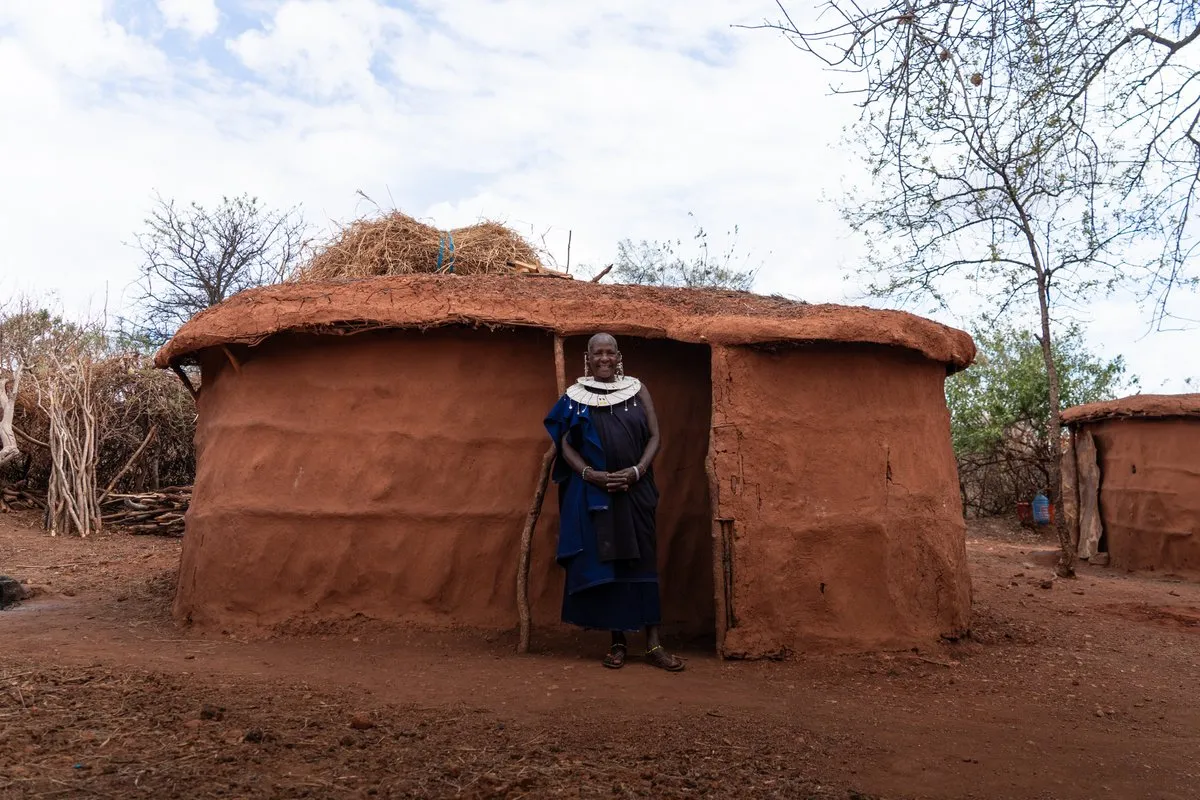
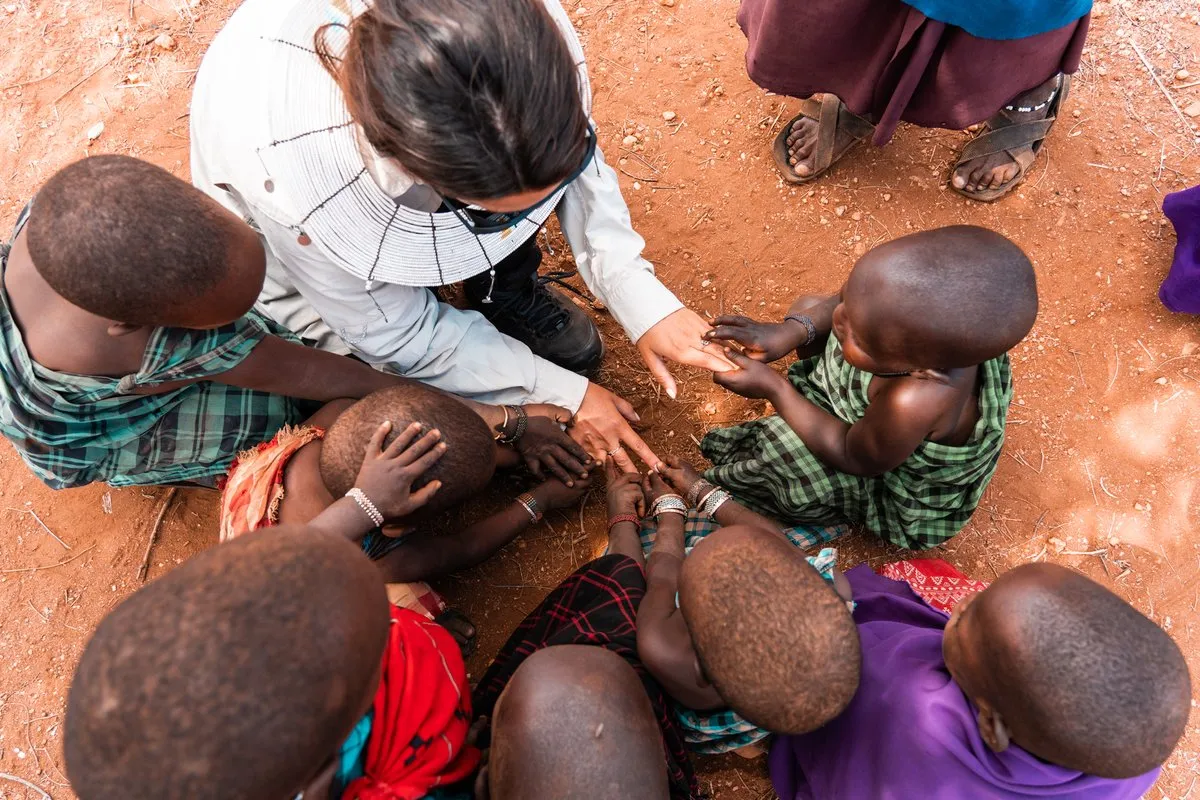
Greet with "Jambo" and a handshake using the right hand; the left hand is considered unclean and shouldn't be used for eating, greeting, or handing things to someone. Tanzanian culture places strong weight on hospitality and deference to elders, and raising your voice in a disagreement is considered rude, so staying calm and patient goes a long way. On Zanzibar and the largely Muslim coast, modest dress (covering shoulders and knees) is expected outside resort grounds.
diving
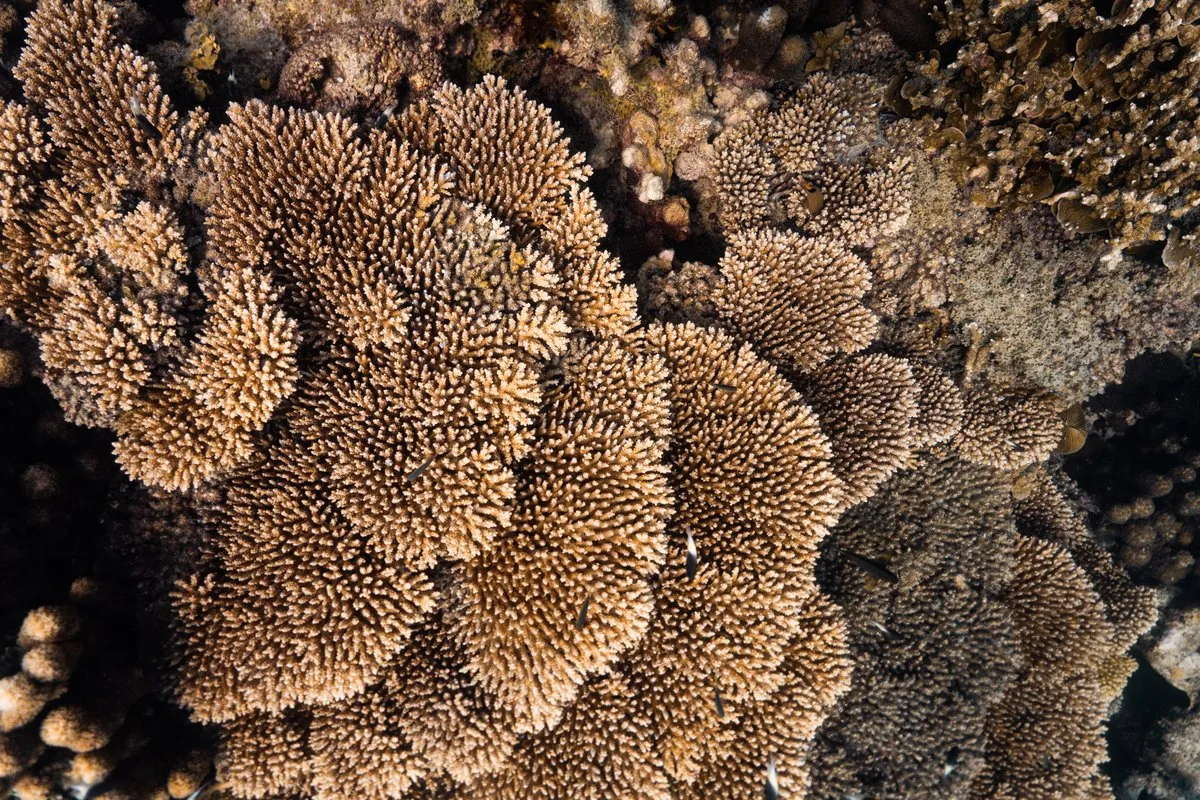
Diving centers on Zanzibar and Pemba, with Pemba known for healthy hard and soft coral walls, strong currents, and comparatively light dive traffic versus Zanzibar's more developed sites like Mnemba Atoll. The calmest seas and best visibility generally fall in the shoulder windows of March-May and November. Diving here is a secondary draw next to Tanzania's dominant identity as a safari and mountain destination, but Pemba stands out as a lesser-known, high-quality add-on for divers already in the region for wildlife.
for the impact solutionist or team
let's make your work more discoverable
do you have something that is or will change the world for the better?
learn morefor the conscious traveler
let's show you where we've been
are you interested in being a mindful explorer?
see where to go