Asia
Sri Lanka
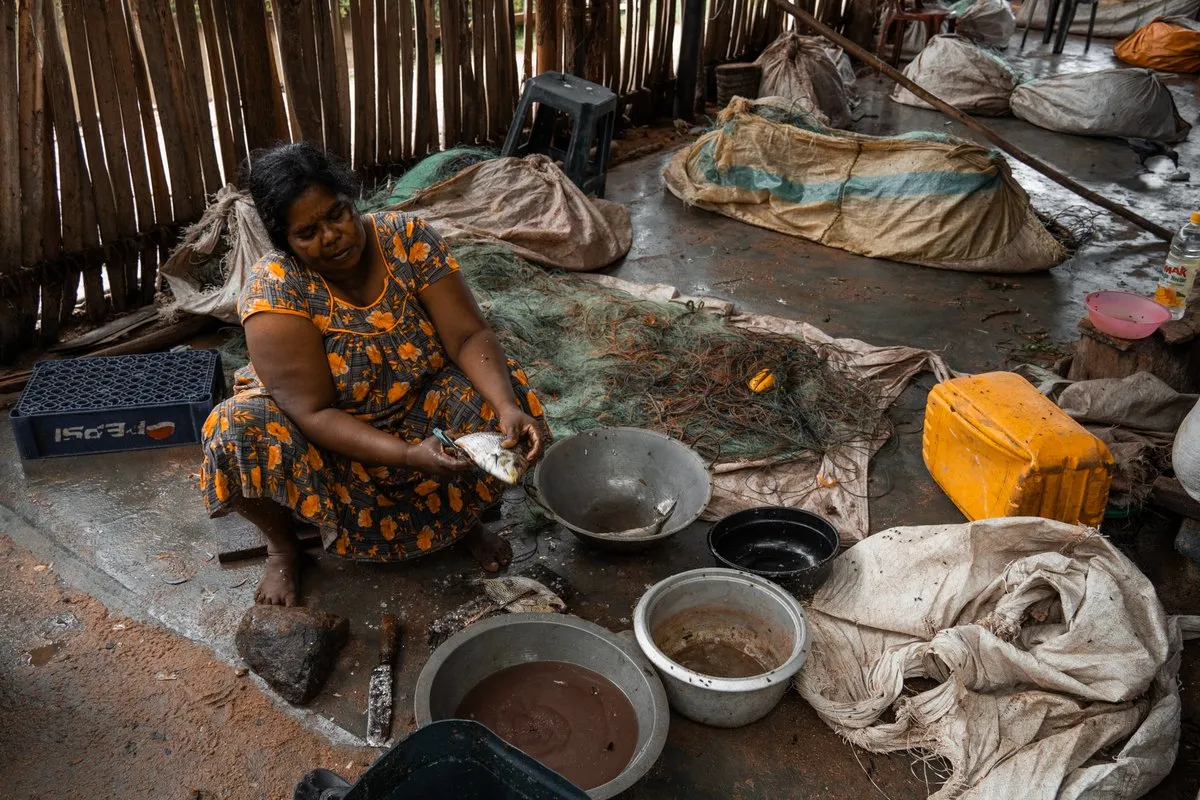
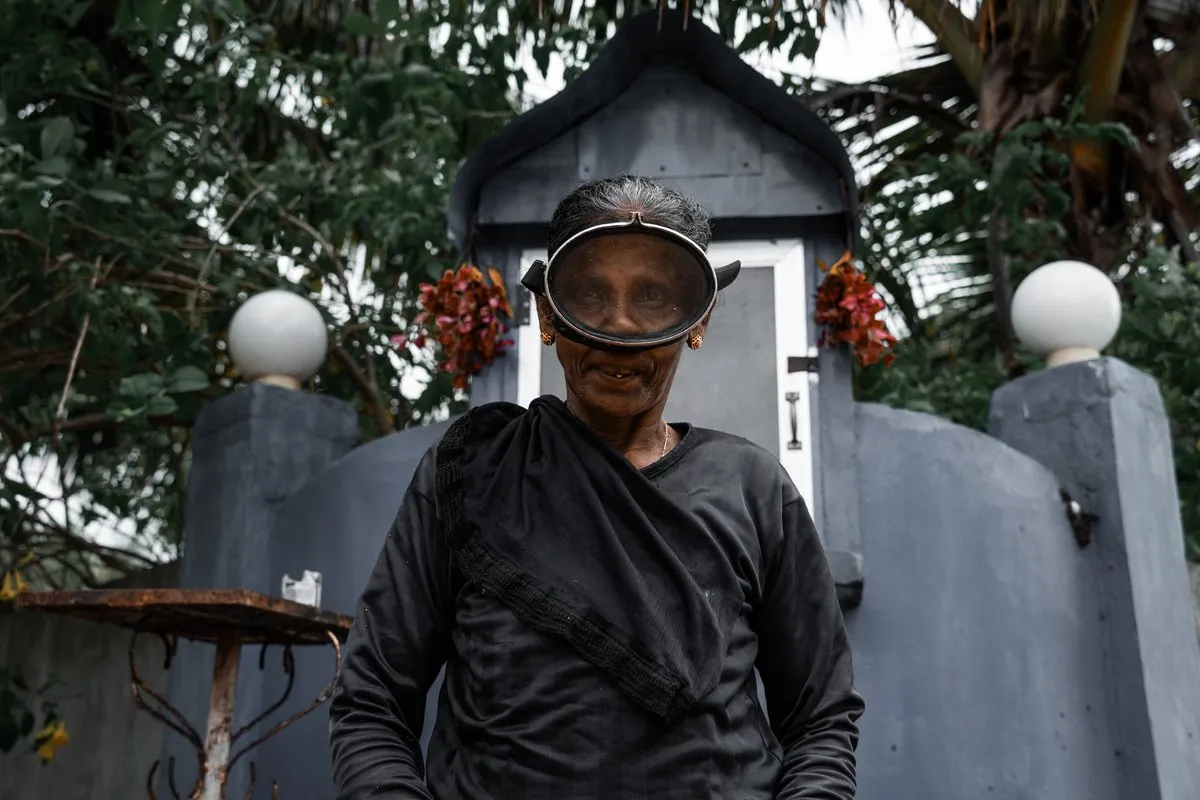
Sri Lanka has endured civil war, natural disasters, and economic struggles—yet it remains one of the most resilient nations on Earth. National parks are home to elephants following ancient migration paths and blue whales feed just offshore. The country is still rebuilding, but its landscapes, wildlife, and culture stand as proof of renewal, strength, and deep-rooted connection to the land and sea.
seasons
Sri Lanka runs on two monsoons: the southwest monsoon (Yala) brings rain to the south and west roughly May–September, while the northeast monsoon (Maha) hits the north and east roughly October–January. Because the two coasts alternate, there's almost always a dry region somewhere on the island.
best time to visit
May and September, the monsoon changeover months, beat the December–April peak: thinner crowds at Sigiriya and the cultural triangle, workable dry weather on one coast or the other, and noticeably lower prices. Off-peak travel also eases the strain on national parks like Yala, where peak-season jeep traffic around leopard sightings has become its own documented problem — visiting light means a better wildlife experience, not a worse one.
why people go
Yala and Wilpattu National Parks hold some of the highest leopard densities on Earth; Udawalawe is reliable for elephants; Minneriya's 'Gathering' draws hundreds of elephants each August–September. Mirissa offers blue whale watching (roughly November–March) alongside dolphins and turtles. Add ancient sites like Sigiriya rock fortress, Kandy's Temple of the Tooth, and misty tea estates around Ella and Nuwara Eliya.
marquee wildlife
Sri Lanka packs an outsized wildlife punch for its size. Yala National Park has one of the highest leopard densities on Earth, making sightings almost routine. Herds of wild Asian elephants roam Udawalawe and gather by the hundreds at Minneriya's 'Elephant Gathering.' Off Mirissa and Trincomalee, blue whales — the largest animals ever to have lived — surface close to shore, alongside sperm whales and spinner dolphins, drawing some of the world's most reliable whale-watching trips.
food
Rice and curry is the daily staple — rice with multiple vegetable, meat, or fish curries, plus sambols. Hoppers (bowl-shaped rice-flour crepes, often with an egg cracked in) and string hoppers (steamed rice noodles) are breakfast/dinner mainstays, usually eaten with pol sambol (coconut relish) and lunu miris (chili-onion paste). Coconut, curry leaves, cinnamon, and chili underpin most dishes.
culture & etiquette
Dress modestly at temples: shoulders and knees covered, shoes and hats off; beachwear is offensive there. Never pose with your back to a Buddha statue or point your feet at one. Greet with palms together ('ayubowan'); handshakes aren't automatic, especially across genders. Use the right hand for eating and greeting, and keep public affection low-key.
diving
Diving is a secondary draw, split seasonally between coasts: Hikkaduwa and Kalpitiya on the west/south (October–May) versus Trincomalee on the northeast (May–October). Kalpitiya's Bar Reef is the country's largest coral system, with roughly 150+ coral species and 280+ fish species; Hikkaduwa offers shallow reef snorkeling plus the SS Conch wreck; Trincomalee pairs reef dives around Pigeon Island with wartime wrecks. Visibility and reef health trail regional benchmarks like the Maldives — Sri Lanka's stronger pull is wildlife safaris and tea country, not diving.
for the impact solutionist or team
let's make your work more discoverable
do you have something that is or will change the world for the better?
learn morefor the conscious traveler
let's show you where we've been
are you interested in being a mindful explorer?
see where to go