Africa
South Africa
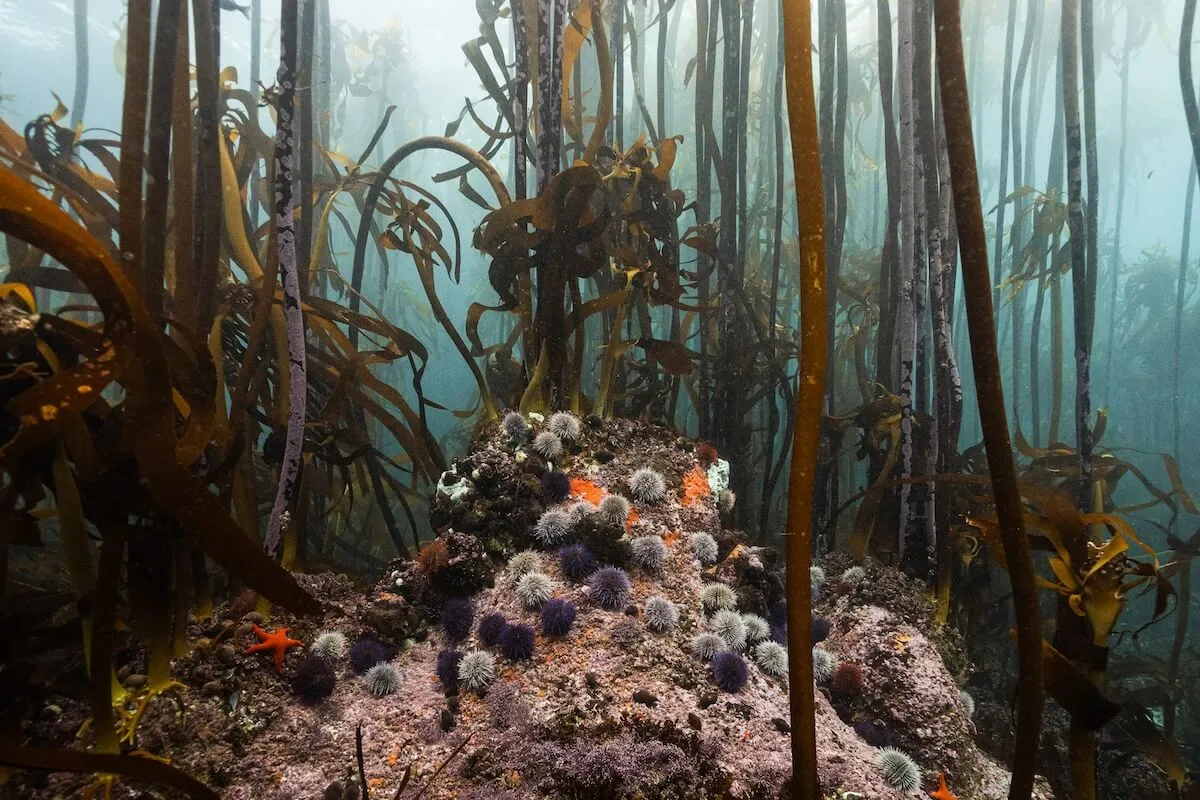
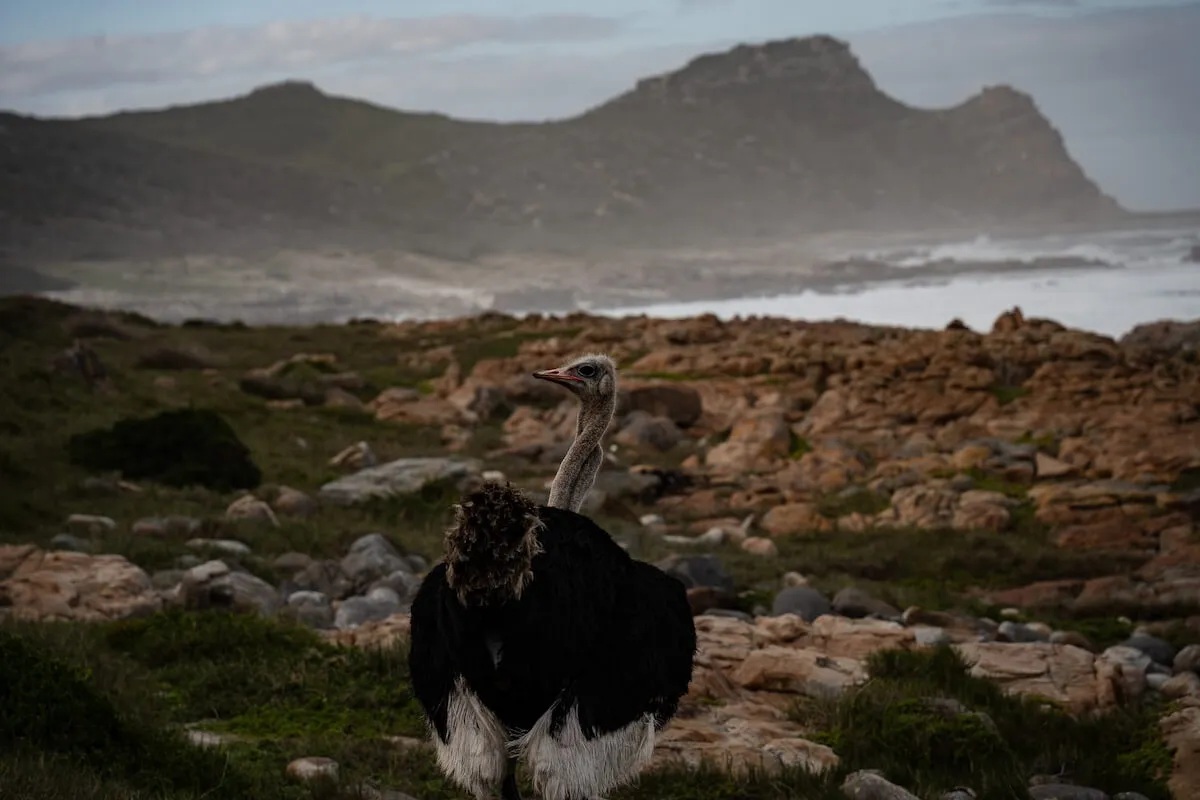
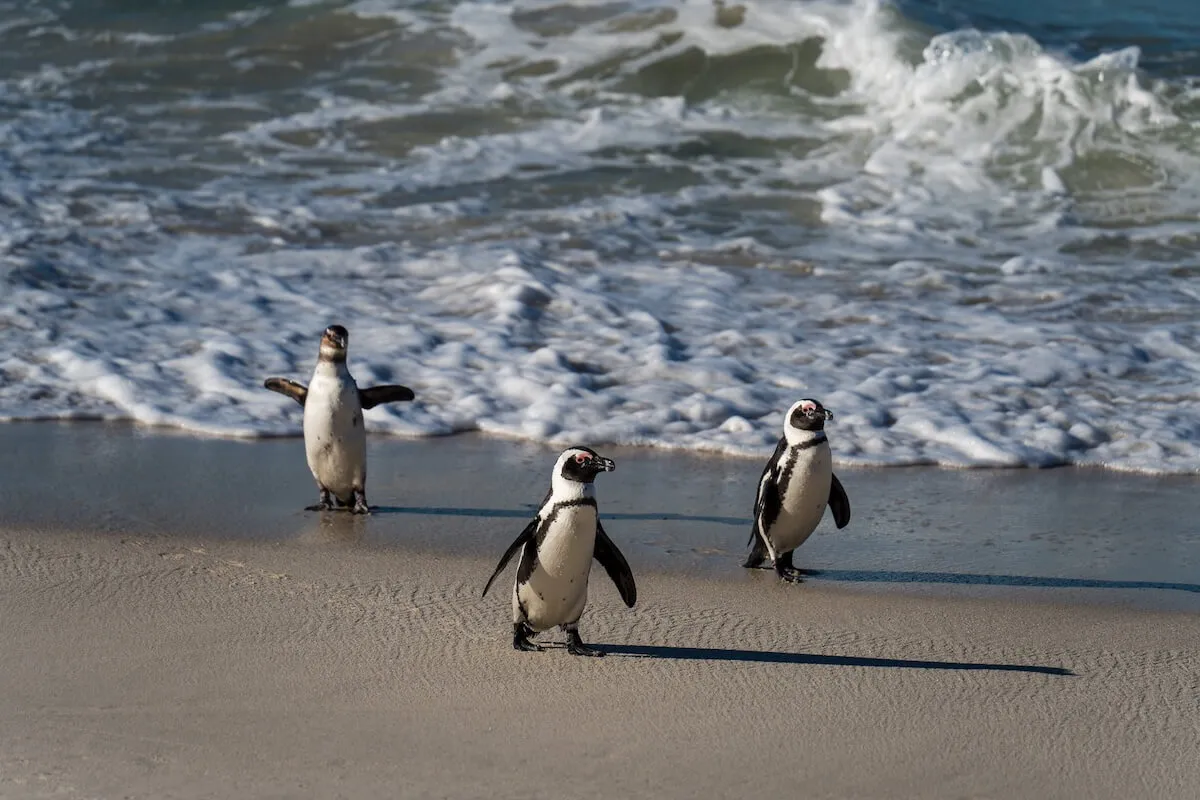
South Africa is one of the most biodiverse countries on the planet, where two oceans meet and ecosystems collide. Along the coasts, warm Indian Ocean currents feed coral reefs and sea turtle nesting beaches, while colder Atlantic waters bring sardine runs, penguins, and great white sharks. Inland, savannas and forests host elephants, rhinos, and lions in world-famous parks like Kruger, while mountains and fynbos-covered slopes add still more variety.
seasons
South Africa runs opposite the northern hemisphere: summer is November to March, winter June to August. Rainfall splits regionally — the Western Cape (Cape Town, Winelands, Garden Route) gets winter rain from Atlantic cold fronts (May-August), while the rest of the country, including Kruger and the eastern regions, gets summer rain (October-March). Kruger's dry winter months bring animals to concentrated water sources, making game viewing easier even though the bush itself is browner.
best time to visit
Go in the shoulder months of April-May or September-October rather than the December-January peak. Kruger's rains taper off by April, giving clear sightlines and thinning water sources without the summer-holiday crush at camps and gates; September-October adds Namaqualand wildflowers and the start of Hermanus whale season. Both windows carry lower lodge and flight prices, and skip the domestic school-holiday overcrowding that hits southern Kruger and the coast hardest.
why people go
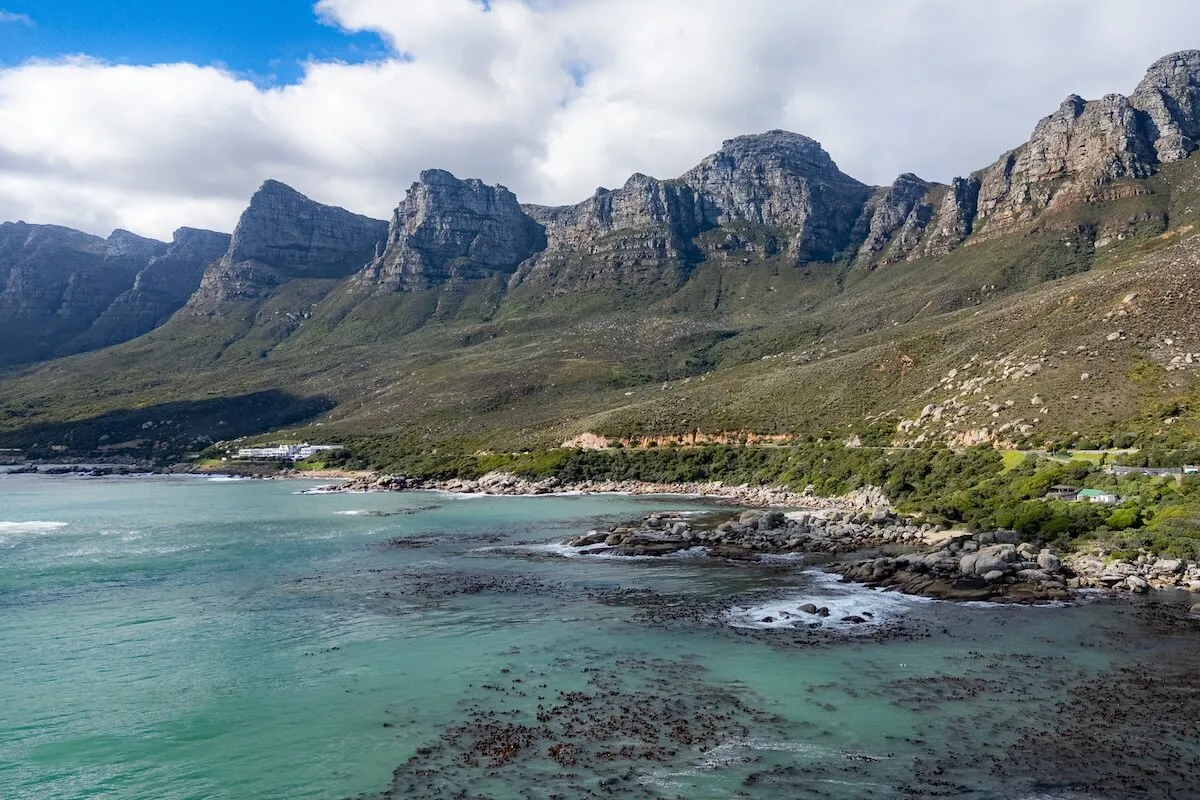
The country covers savanna, fynbos shrubland, semi-arid Karoo, and subtropical coast within a few hours' drive of each other, plus Table Mountain, the Cape Peninsula, the Winelands, the Garden Route, and the Drakensberg escarpment. Kruger and its private reserves hold the largest rhino population left on the continent, run by SANParks alongside long-standing anti-poaching and habitat programs. It's one of the few places to pair a serious Big Five safari with a coastal or wine-region leg on the same trip.
marquee wildlife
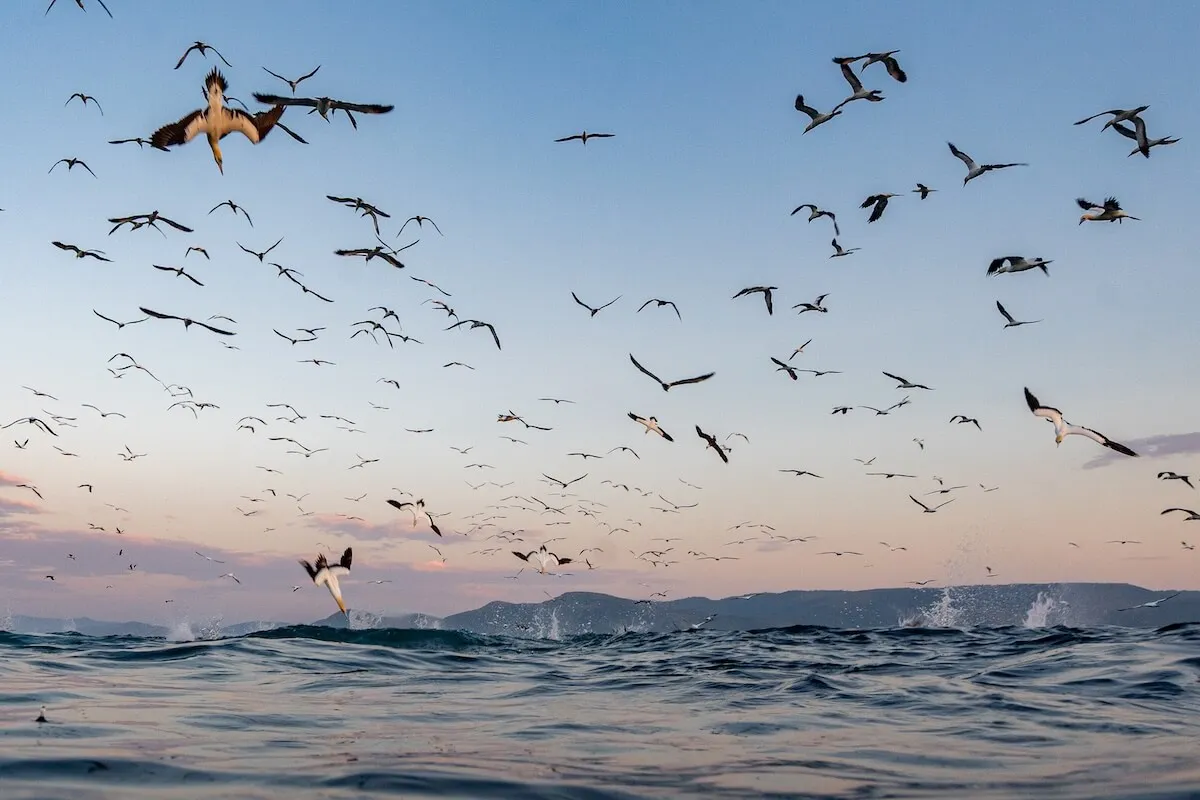
The Big Five — lion, leopard, elephant, Cape buffalo, and rhino — anchor Kruger and reserves like Hluhluwe-iMfolozi, which is credited with pulling the white rhino back from near-extinction. South Africa holds roughly two-thirds of Africa's remaining rhinos, split between white and the more endangered black rhino. Along the coast, Gansbaai is known for great white shark cage diving (June-September) and Hermanus for land-based whale watching.
food
Braai (barbecue) is the default social occasion, not just a meal — bring your own meat and something for the shared table, since showing up empty-handed reads as poor form. Durban's bunny chow (a hollowed bread loaf filled with curry) traces back to workers excluded from restaurants under apartheid and is still eaten by hand. Pap and chakalaka, boerewors, and biltong show up everywhere, and the Winelands add a serious wine-and-produce scene on top of it.
culture & etiquette
South Africa is genuinely multilingual and multicultural — eleven official languages — so customs shift by region and community rather than following one national script. Respecting personal space, privacy, and dignity matters, especially around townships and any conversation touching apartheid history, which is recent and still shapes daily life. In more traditional or rural settings, eating with hands and washing before/after a meal is normal; formal restaurants follow standard European-style utensil etiquette.
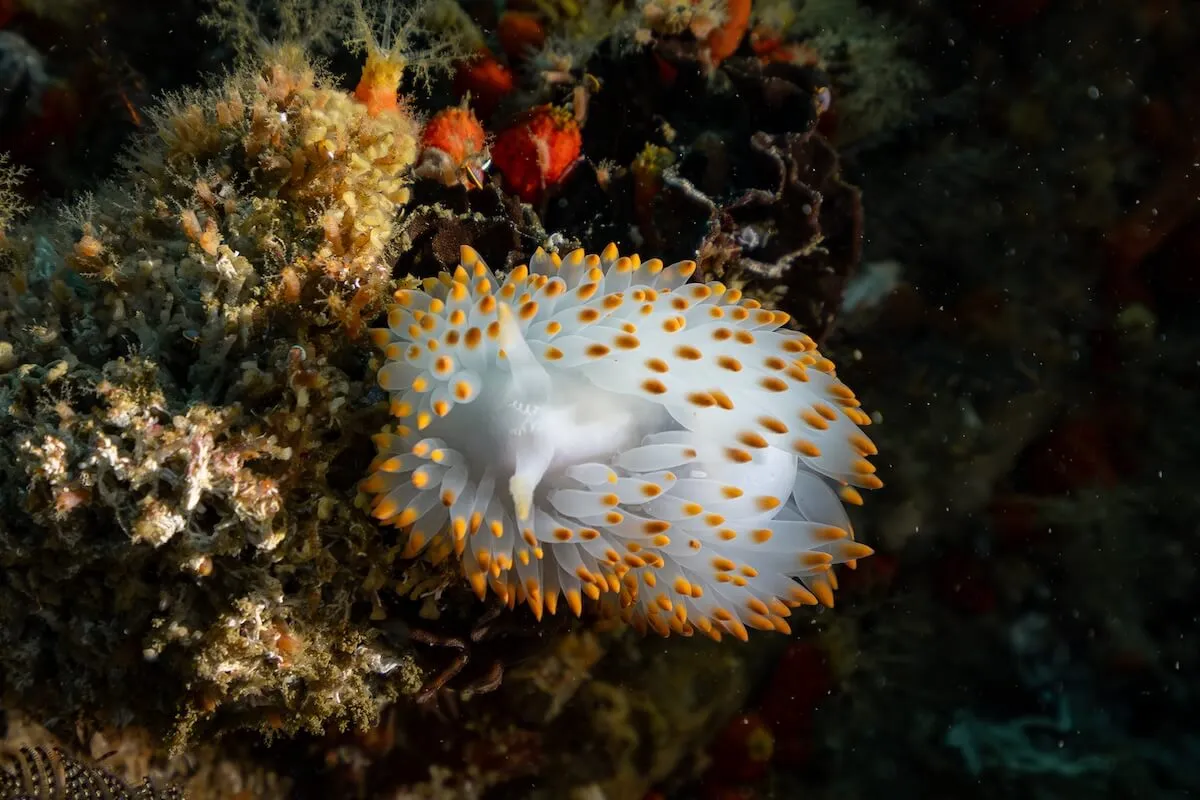
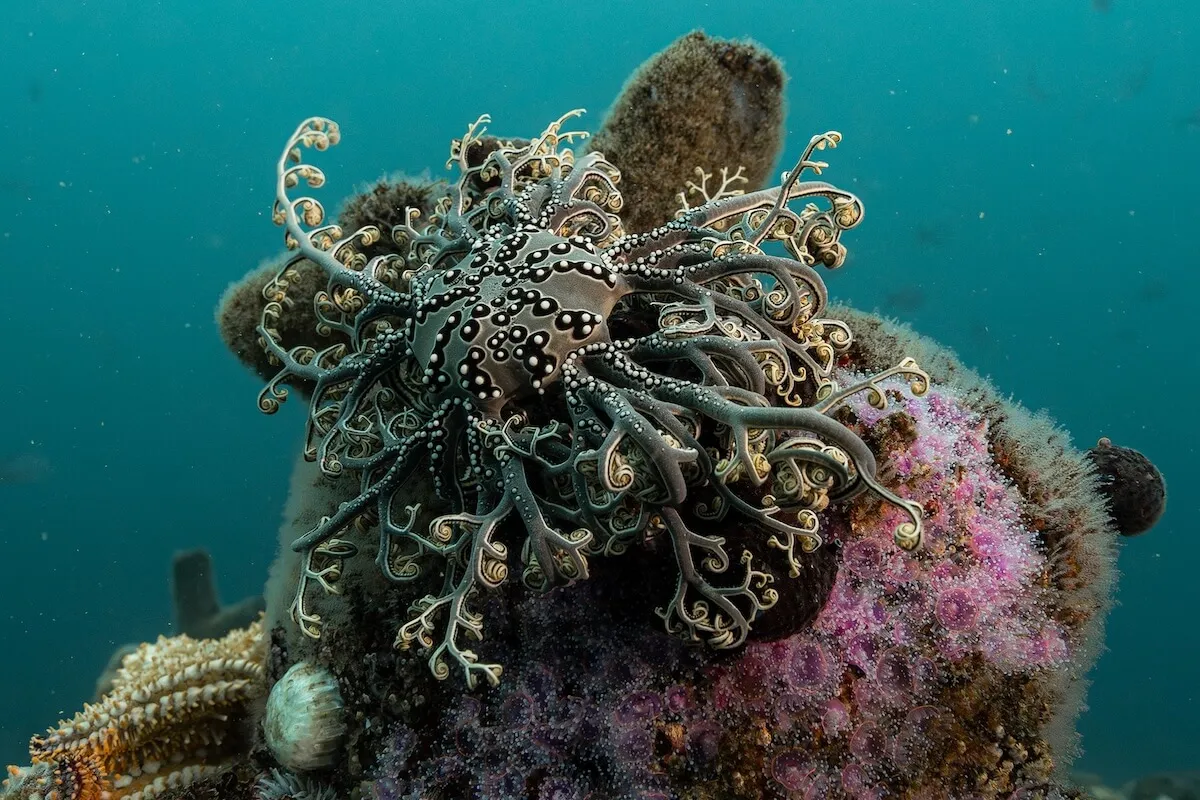
diving
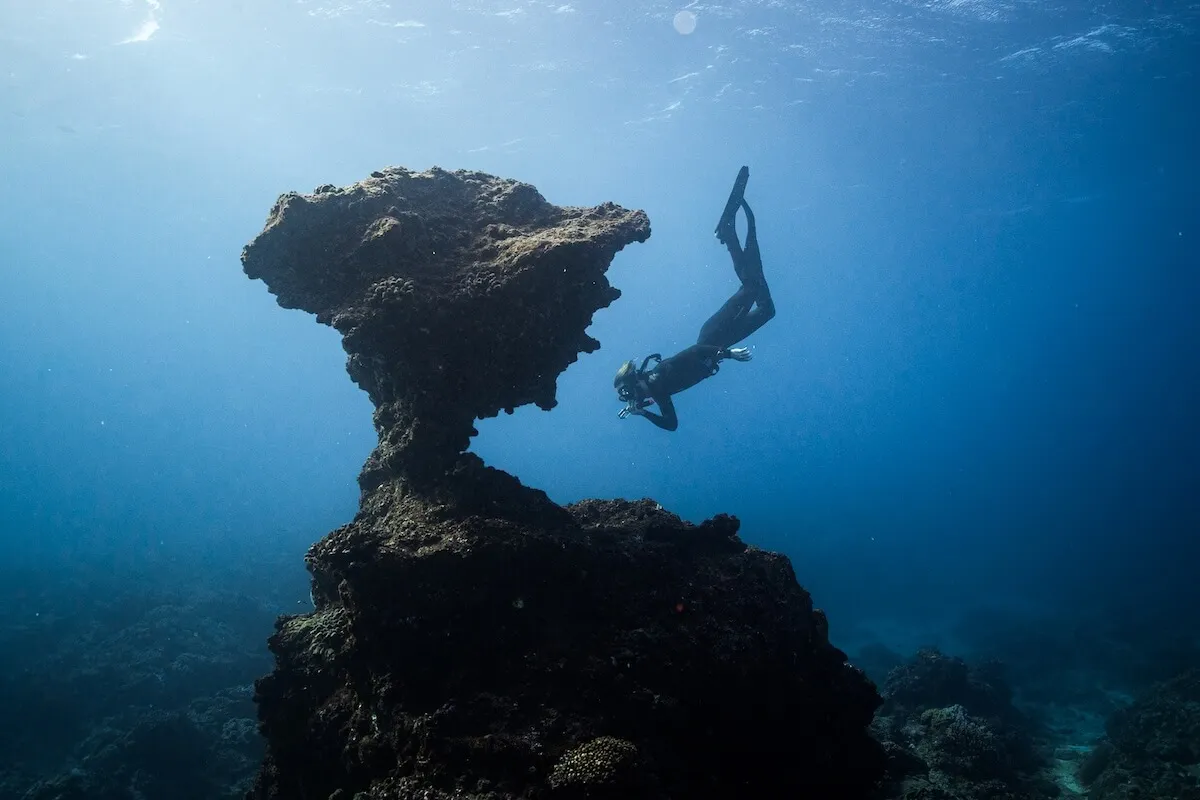
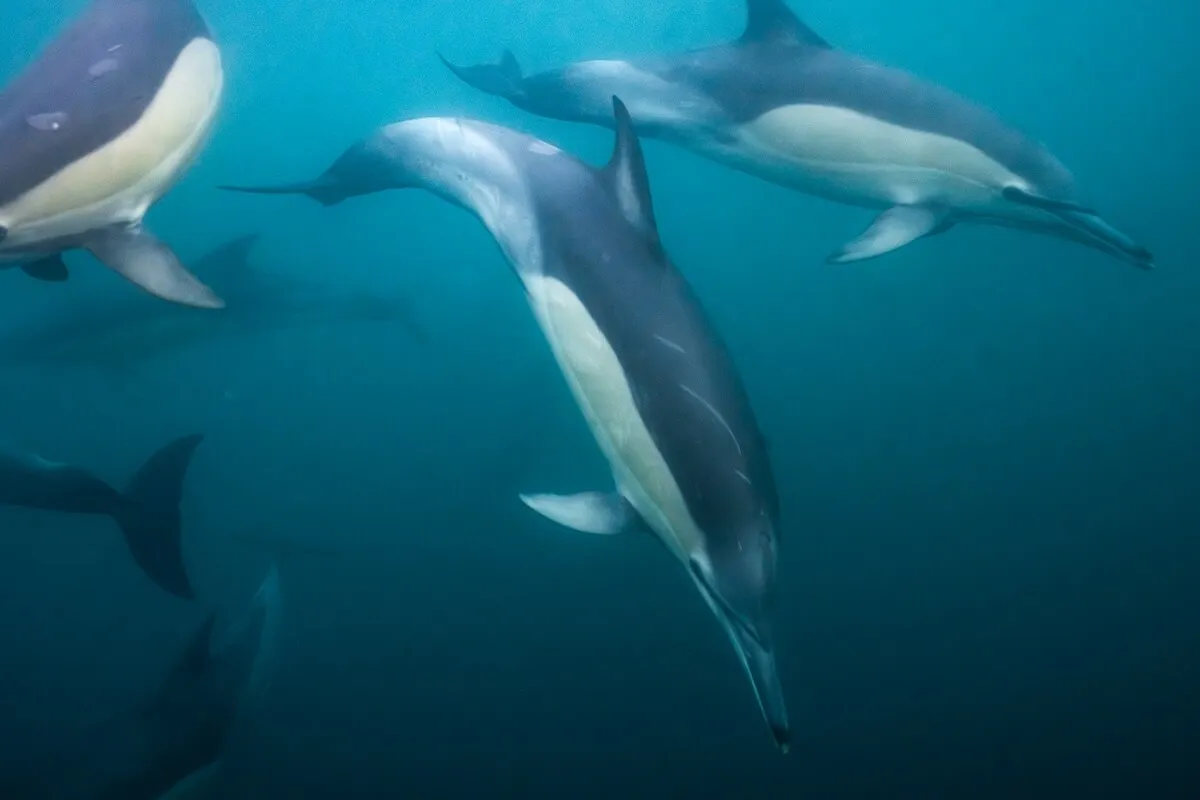
Diving is real but regional, not the country's headline draw the way the safari circuit is. Aliwal Shoal off KwaZulu-Natal ranks among world-class shark dive sites (raggies, tiger sharks, hammerheads), Sodwana Bay is the only tropical reef diving in the country, and the Sardine Run (roughly May-July) is a genuine bucket-list pelagic event along the east coast. Great white cage diving near Gansbaai draws its own crowd, but for most visitors diving is an add-on to a Cape Town/Kruger itinerary rather than the reason to book the trip.
for the impact solutionist or team
let's make your work more discoverable
do you have something that is or will change the world for the better?
learn morefor the conscious traveler
let's show you where we've been
are you interested in being a mindful explorer?
see where to go