Oceania
Solomon Islands
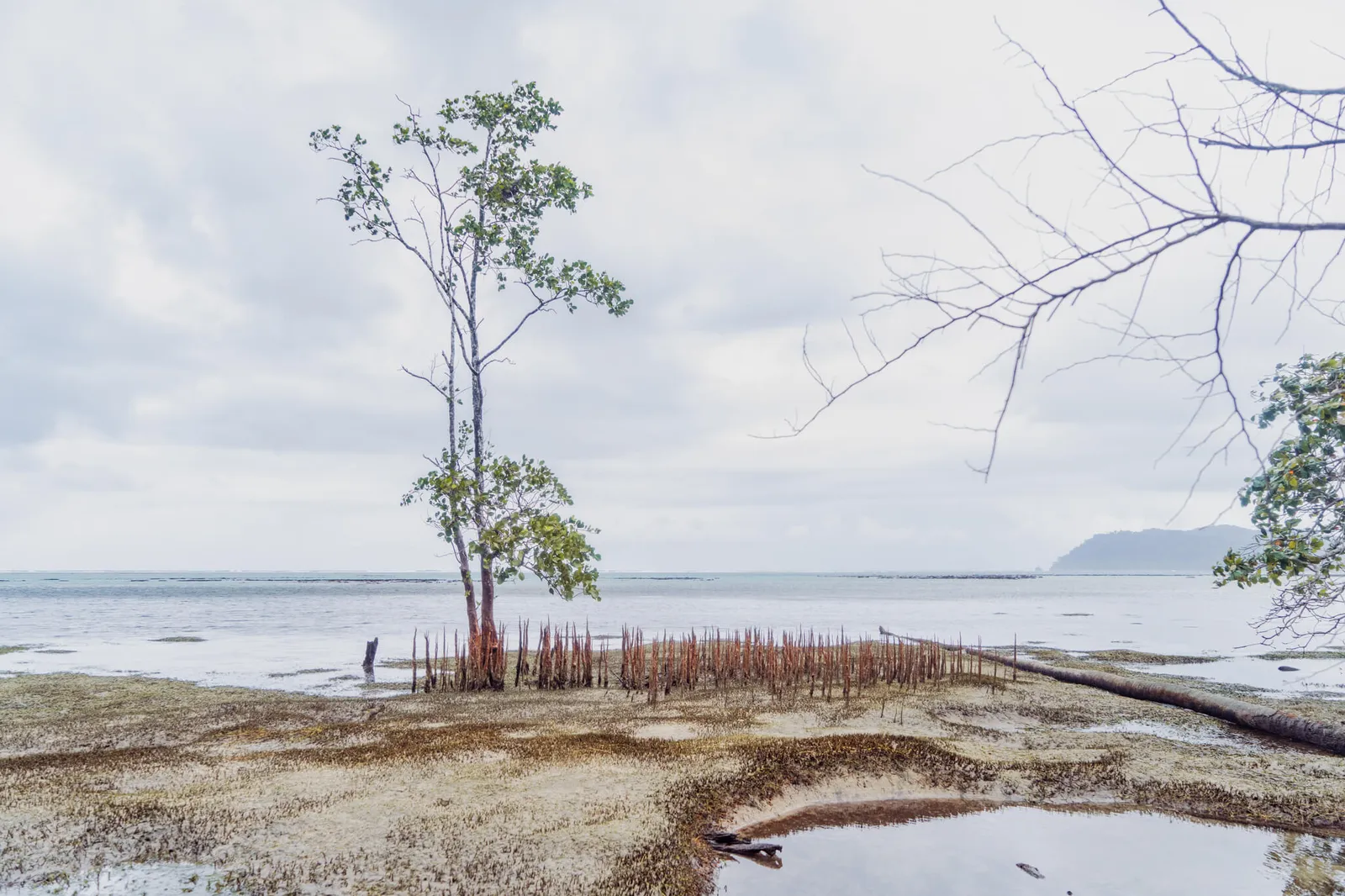
Spread across nearly a thousand islands, the Solomons are filled with differing cultures and ecosystems. Here, there’s everything from volcanic peaks, rainforest interiors, mangrove-fringed coastlines, and coral reefs hardly ever seen, with tourism numbers in the low 200,000s per year. When divers do come, it’s for the WWII wrecks and extraordinary marine biodiversity. But what makes the Solomons unforgettable is how tradition and nature remain interwoven across such a vast island nation.
seasons
The Solomon Islands sit in the tropics with a dry season from roughly April/May to October and a wetter season from November to April. Temperatures stay fairly constant year-round, around 27-28°C, but humidity and rainfall spike in the wet months, especially January to March. Cyclone risk is low compared to other Pacific nations but ticks up December through February.
best time to visit
Go in May or October rather than the June-September peak. Both are shoulder months on the edge of the dry season, so you still get calm seas, good diving visibility, and low rainfall, but with fewer visitors and lower accommodation rates than the July-August high season. May in particular catches the tail end of the wet season's lush green landscape while the weather is already turning dry and settled.
why people go
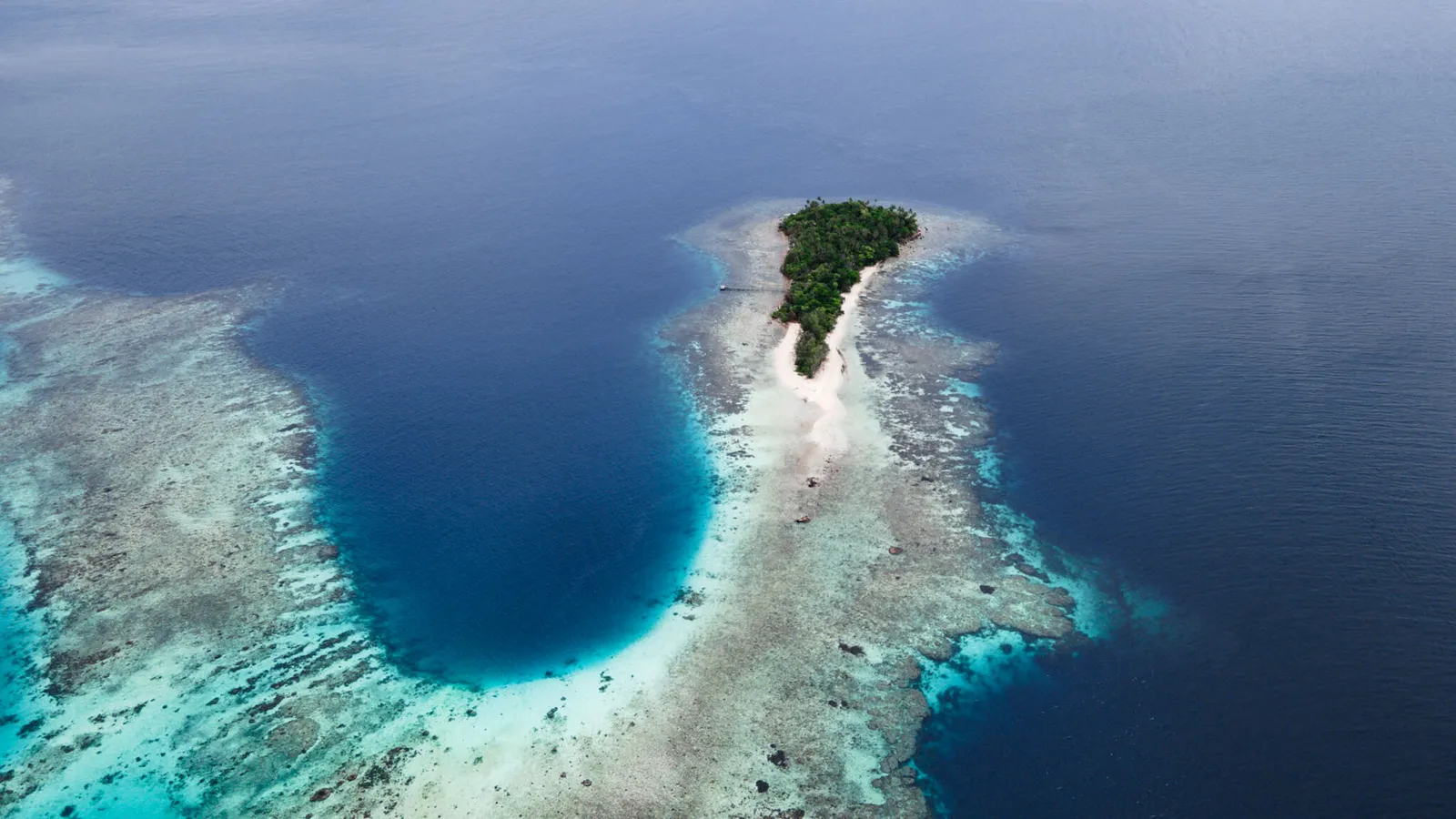
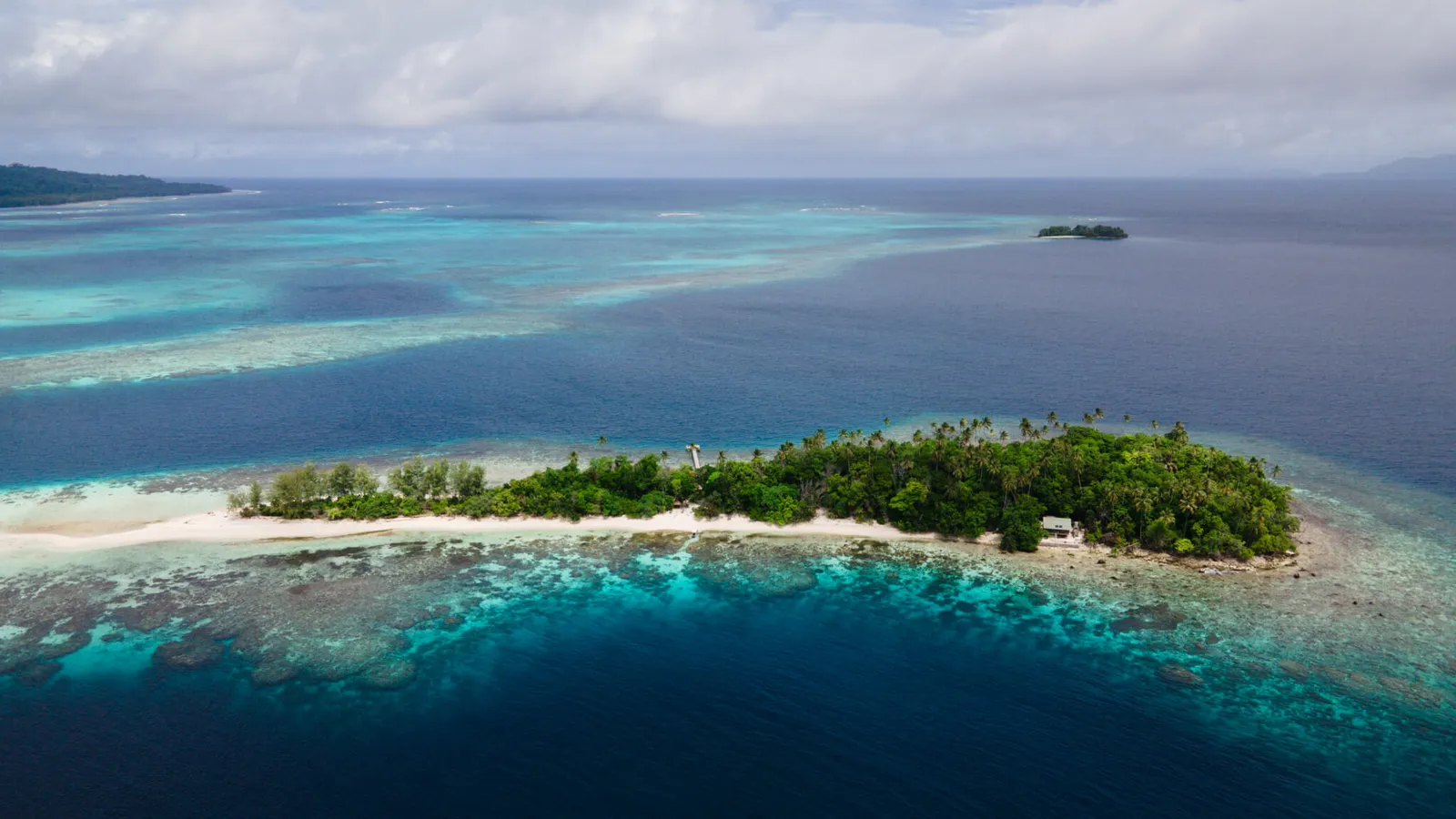
The Solomons are hundreds of islands and atolls spread across the South Pacific, largely undeveloped for mass tourism, with dense rainforest running down to lagoons and barrier reefs. Marovo Lagoon is one of the largest saltwater lagoon systems in the world, ringed by raised coral reefs and volcanic islands. Guadalcanal and the surrounding waters carry the physical history of the WWII Pacific campaign above and below the surface, and remote village life across the outer islands remains largely untouched by outside development.
marquee wildlife
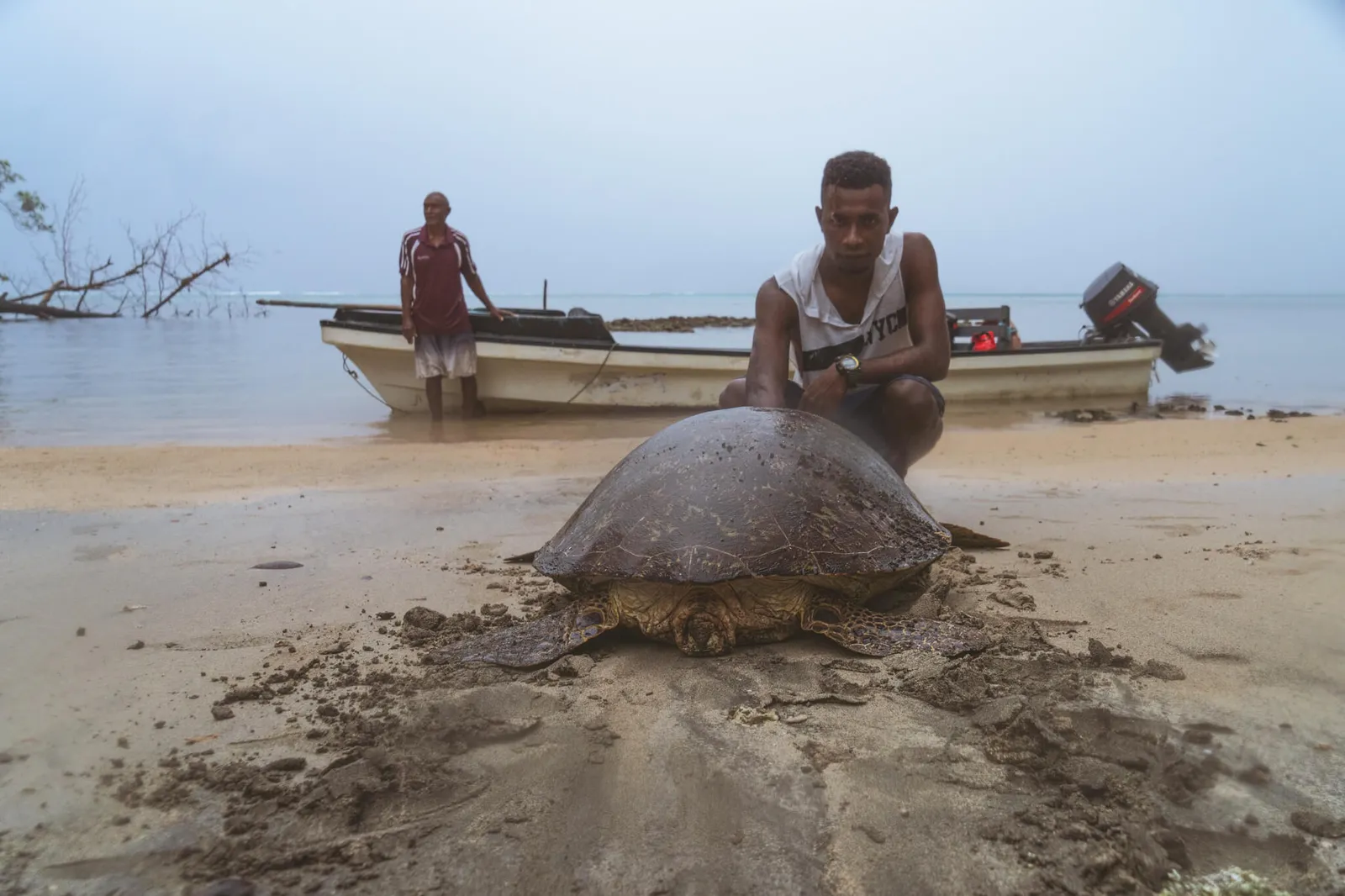
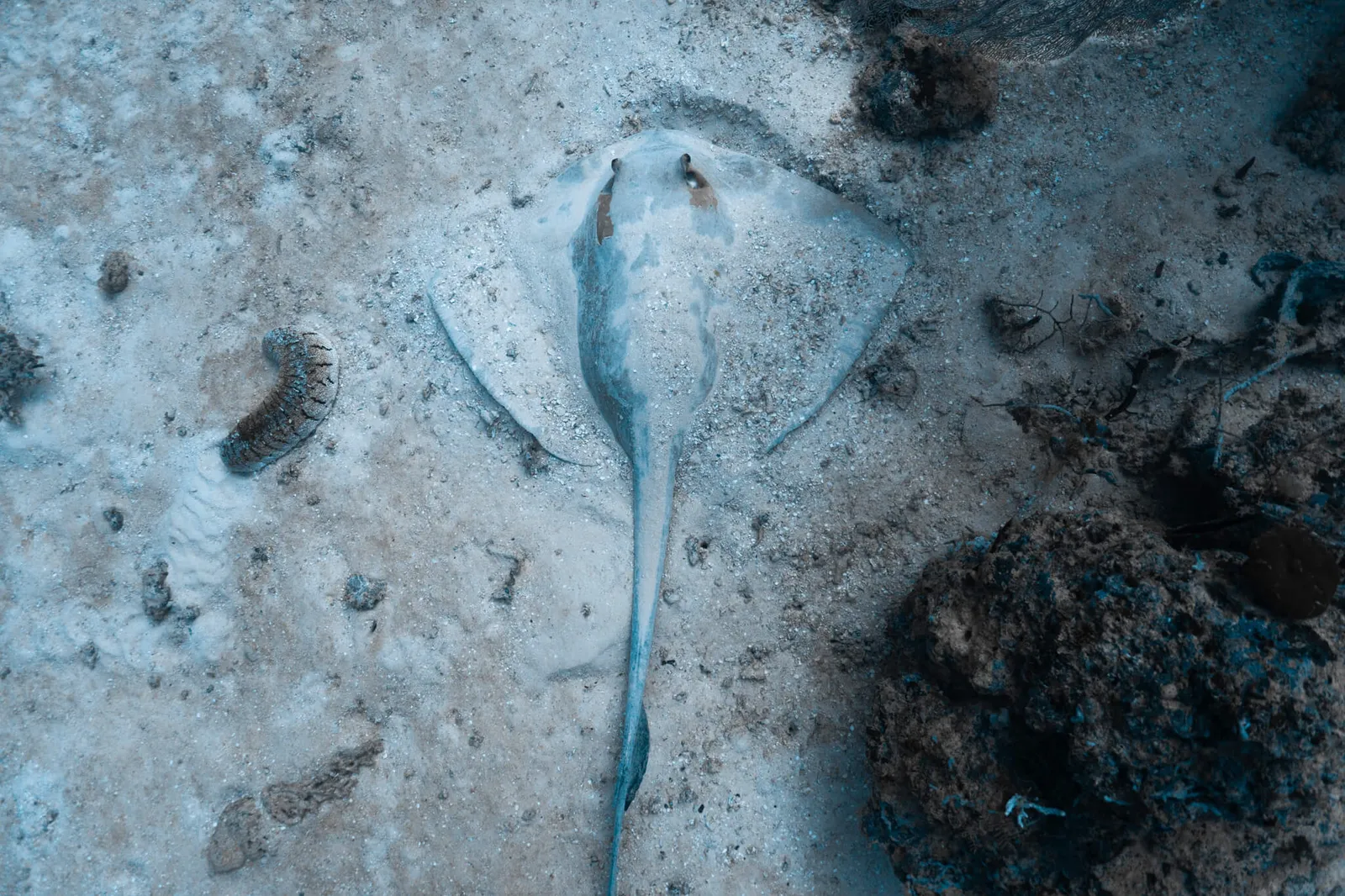
Iron Bottom Sound and the surrounding reefs support dense, healthy coral cover and high fish biomass, sitting within the Coral Triangle, the global center of marine biodiversity. The islands are also known for saltwater crocodiles in mangrove and river systems, dugongs in lagoon waters, and some of the largest recorded coconut crabs, the world's largest land-dwelling arthropod. Bird life is notably endemic-heavy given the islands' isolation.
food
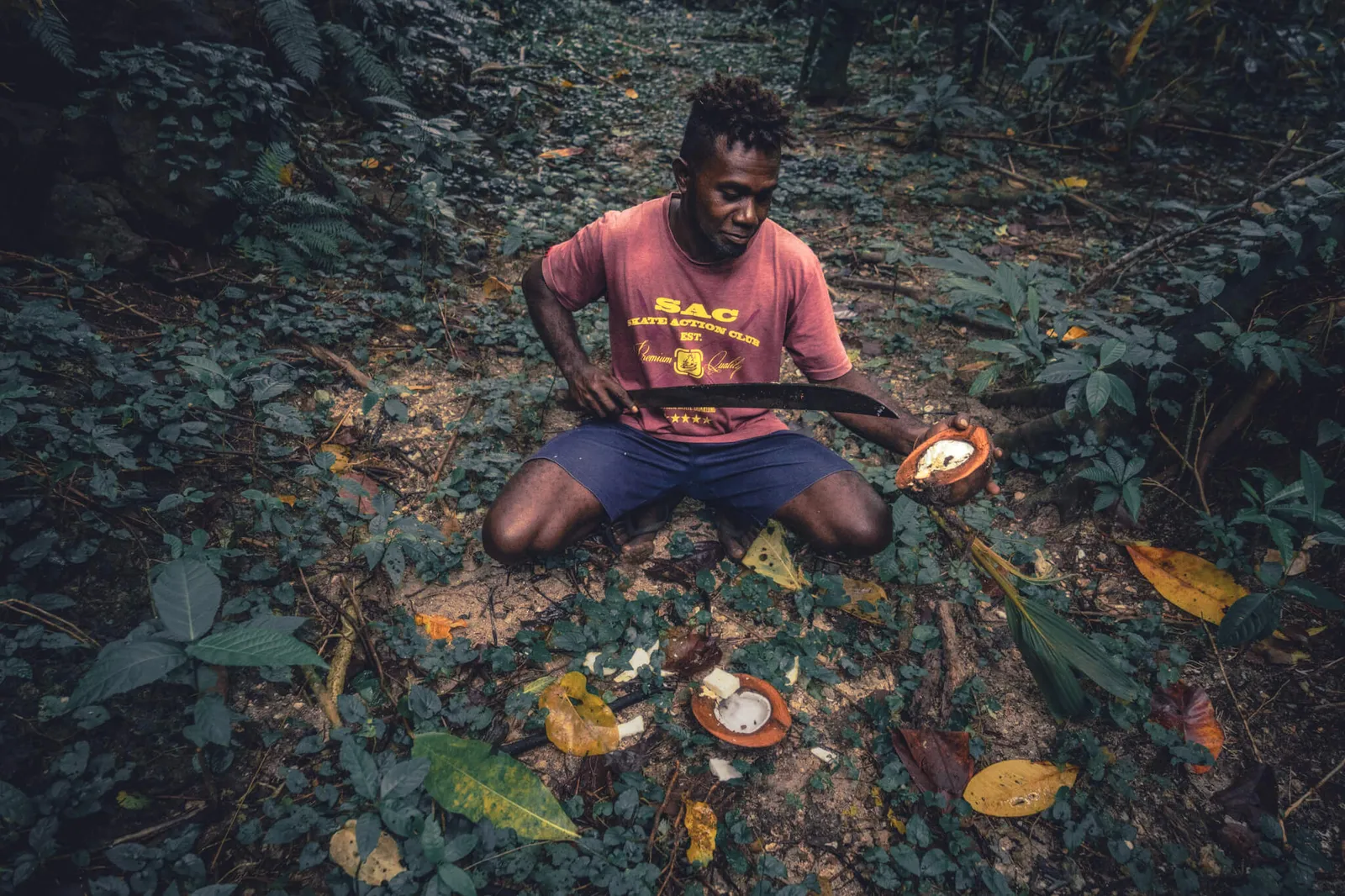
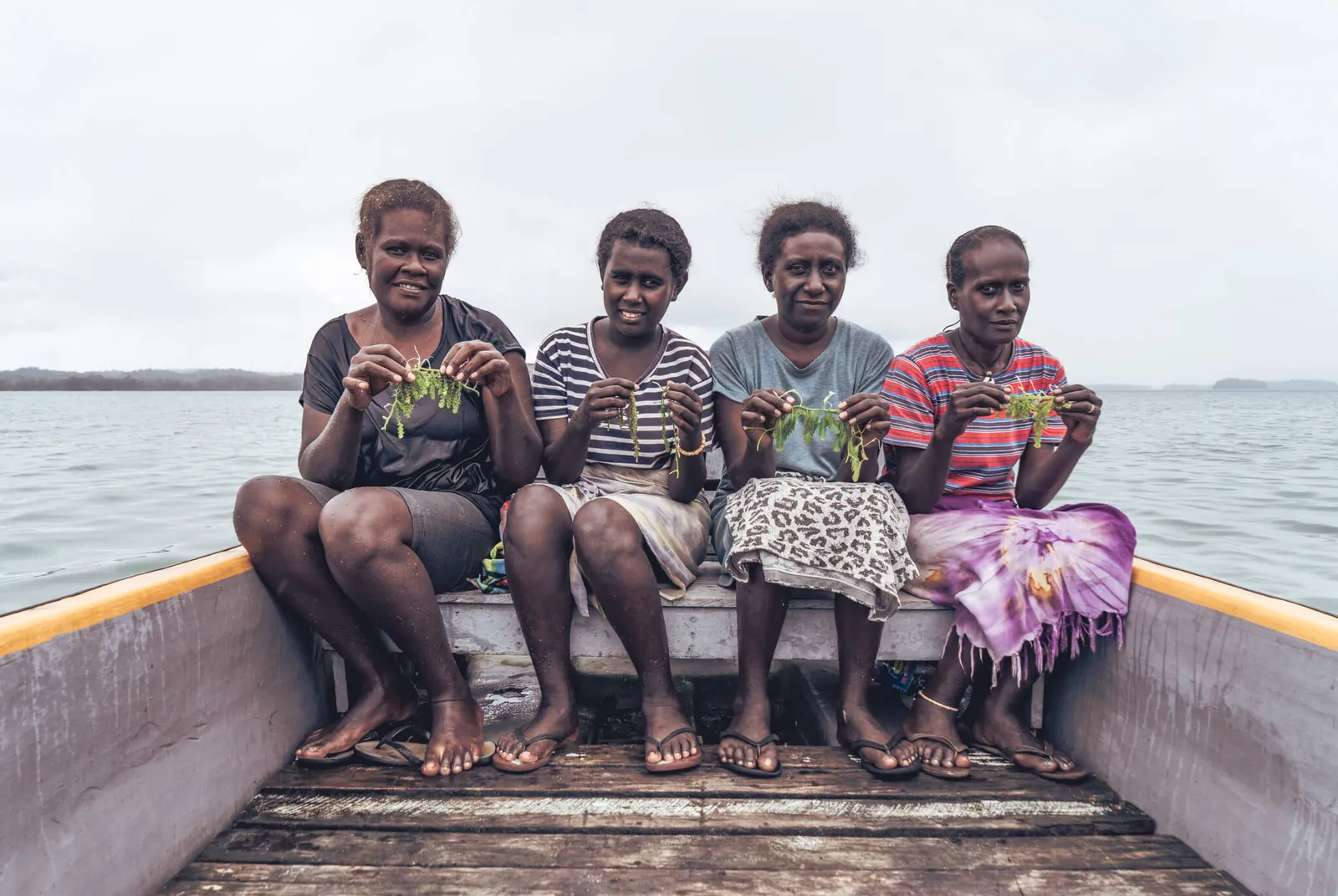
Root vegetables form the base of most meals: cassava, taro, sweet potato, and yams, often cooked in a motu, an underground earth oven similar to other Pacific hangi-style cooking. Fresh reef fish and seafood are staples given the coastal geography, frequently grilled or simmered in coconut cream. Ngali nuts, a local Pacific almond relative, are used in traditional dishes, and coconut in all forms shows up throughout the cuisine.
culture & etiquette
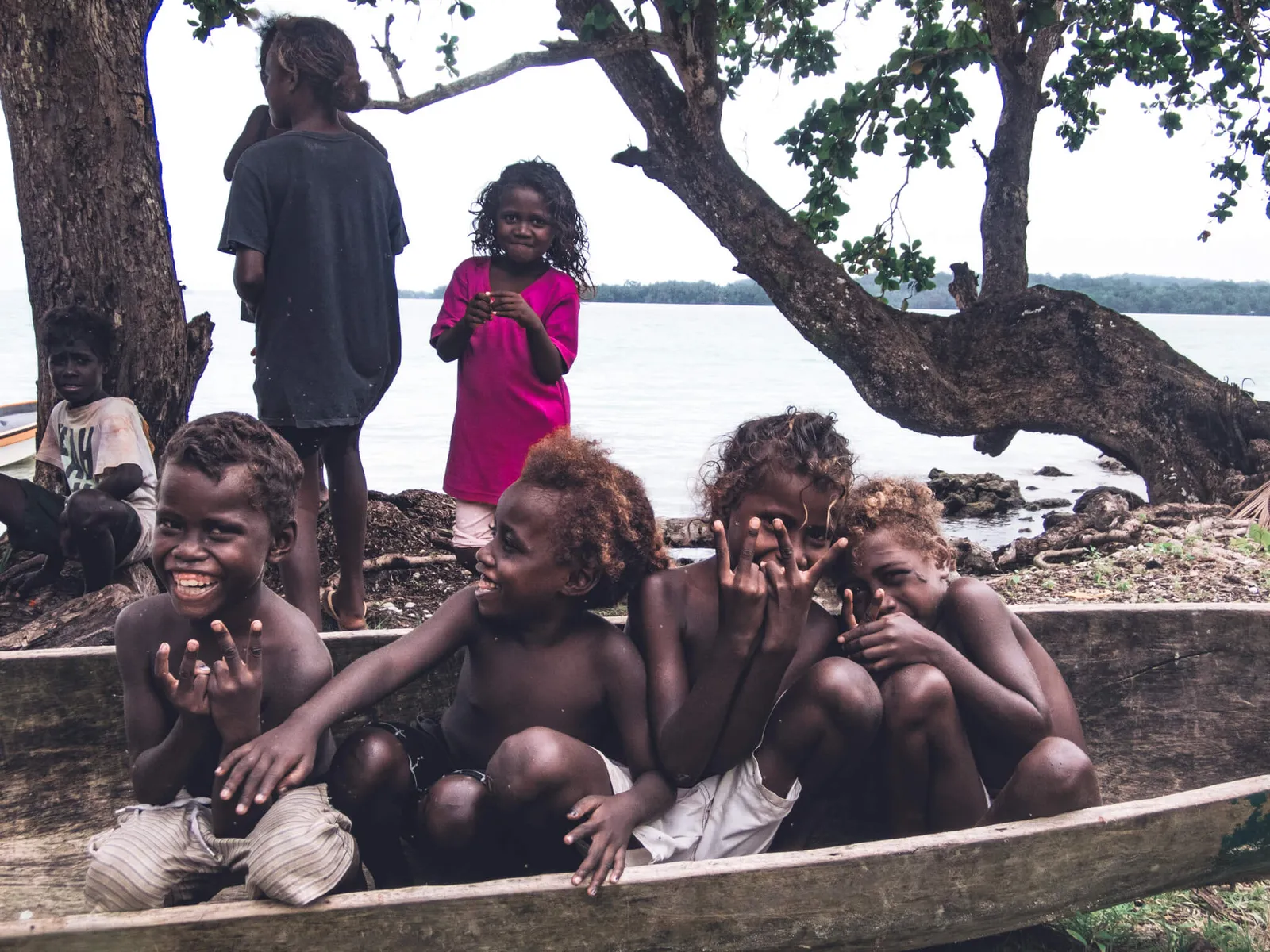
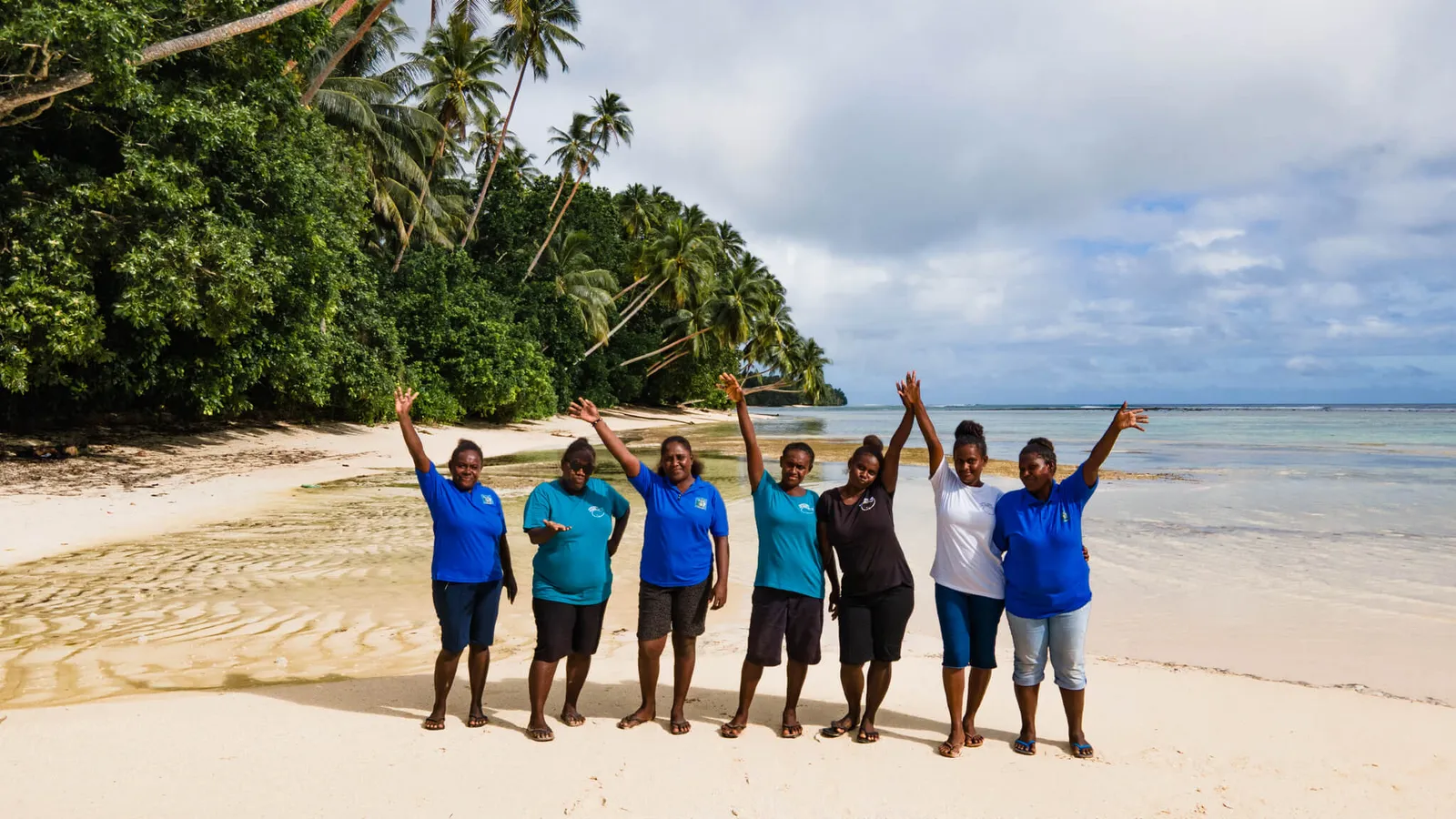
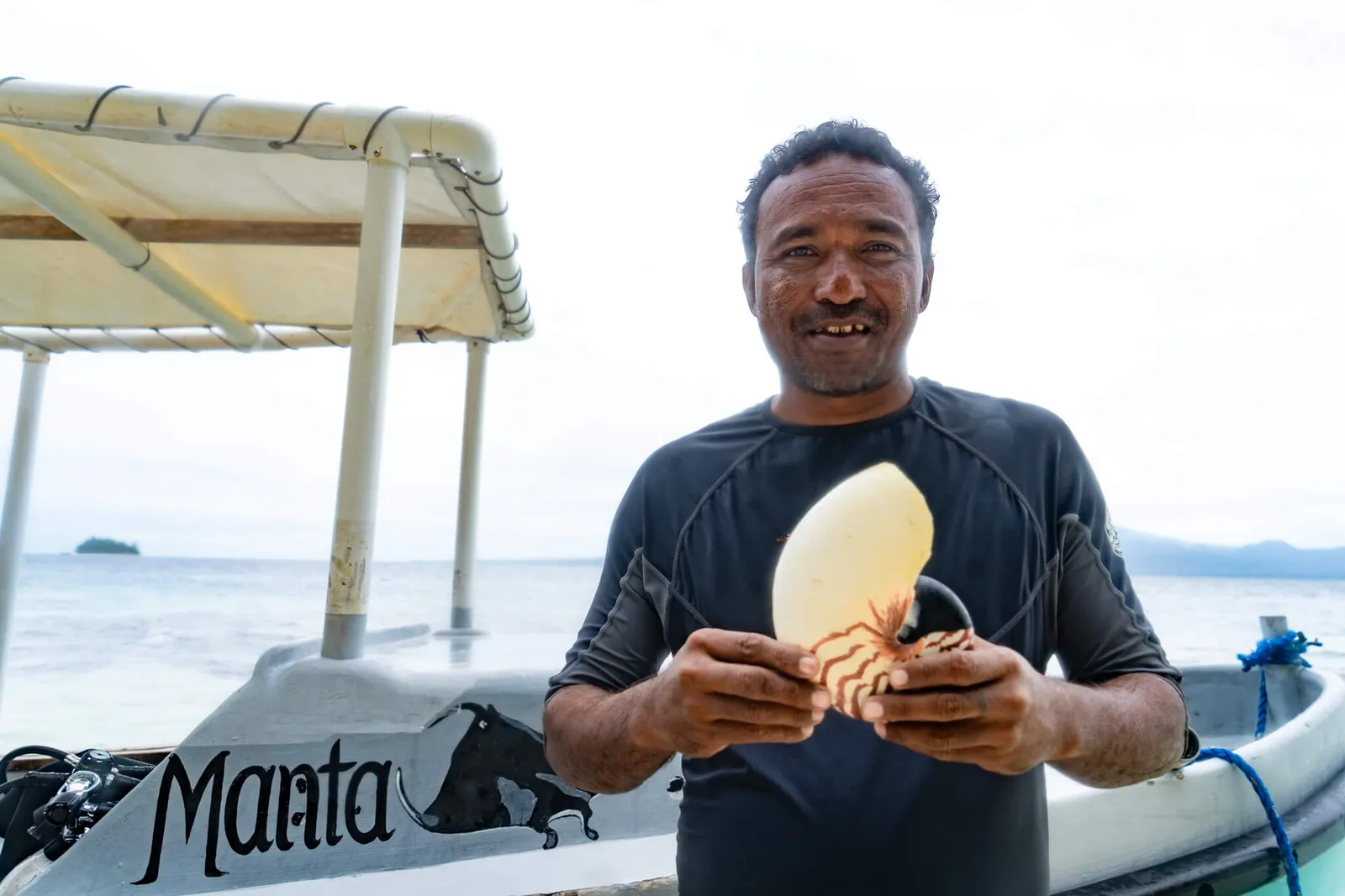
Land and reefs across the Solomons are almost entirely under customary (kastom) ownership by clans and villages, so access to dive sites, beaches, or walking routes typically requires local permission and often a small fee paid to the village or landowner, not a park authority. Modesty in dress is expected outside resort areas, especially in villages. Sunday is widely observed as a day of rest and church attendance in this strongly Christian country, and photographing people or ceremonies without asking first is considered disrespectful.
diving
The signature dive site is Iron Bottom Sound, the strait between Guadalcanal, Savo, and Florida Island where dozens of Allied and Japanese warships and hundreds of aircraft sank during the 1942-43 Guadalcanal naval battles. At least 50 diveable wrecks lie there, from an intact Catalina seaplane near Tulagi to the deeper, more technical Atlanta. Water stays 28-30°C year-round with 20-30 meters of visibility, and beyond the wrecks the Solomons offer coral wall and lagoon diving through the Russell Islands and Marovo Lagoon, making it one of the few places to combine world-class WWII wreck diving with pristine Coral Triangle reef diving in a single trip.
for the impact solutionist or team
let's make your work more discoverable
do you have something that is or will change the world for the better?
learn morefor the conscious traveler
let's show you where we've been
are you interested in being a mindful explorer?
see where to go