Europe & UK
Scotland
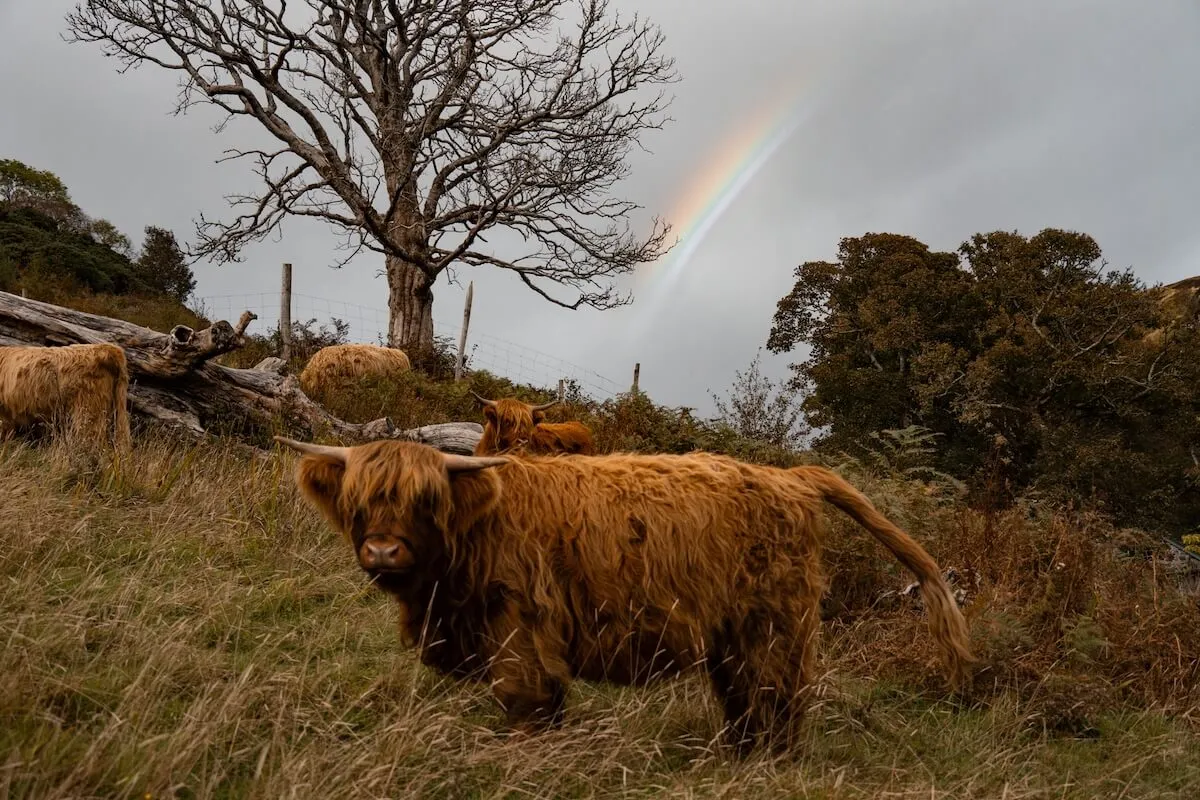
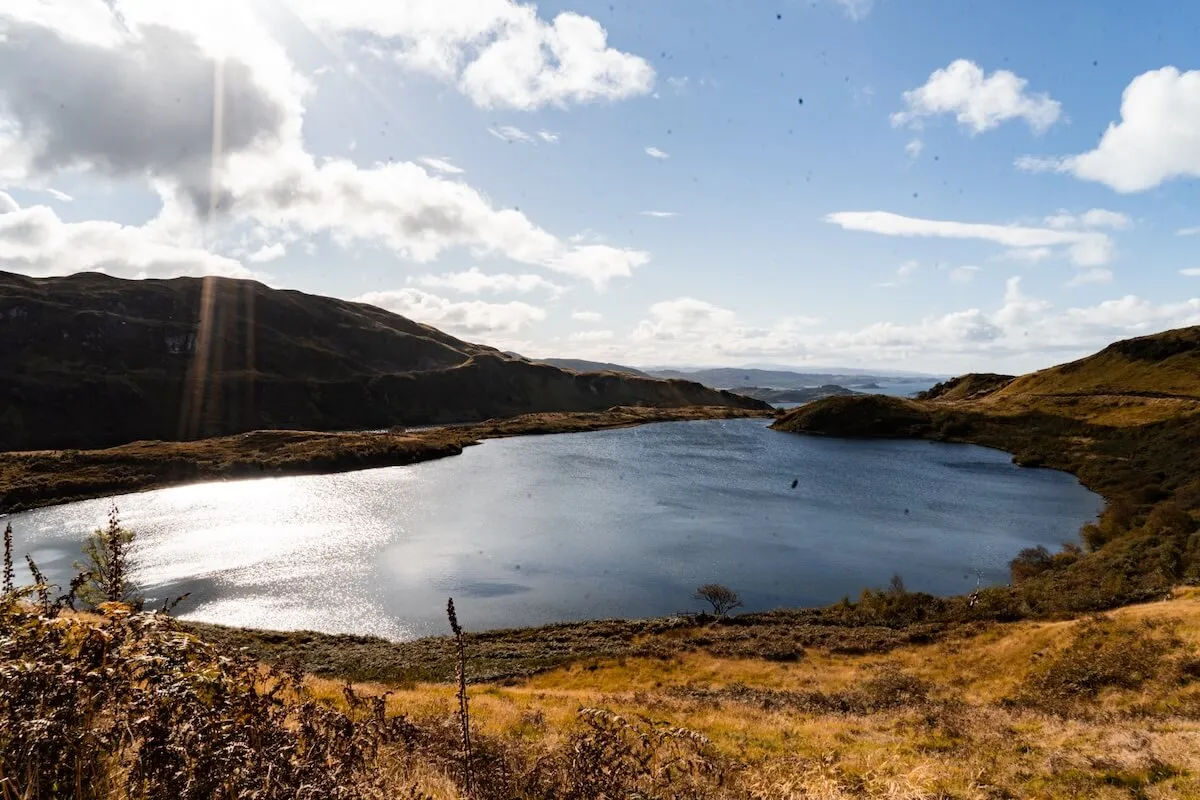
Scotland has unexpected amounts of wild spaces. Rugged mountains break into sea cliffs, while lochs cut deep into glens that feel ancient and mysterious. Offshore, the North Atlantic is alive with whales, dolphins, and grey seals, while seabirds swarm the cliffs in summer by the tens of thousands. Inland, red deer move across moors, ancient Caledonian pine forests hold elusive wildlife, and mist drifts over high ridges. From the Highlands to the remote isles, Scotland feels both raw and timeless, a landscape where the elements are always in charge.
seasons
Scotland has a cool, wet, temperate oceanic climate with no real dry season and famously unpredictable weather, often described as four seasons in one day. Winters (Dec-Feb) are mild but wet with snow in the Highlands, while summers (Jun-Aug) bring long daylight (18+ hours in midsummer) but frequent rain. The west coast and Highlands see far more rainfall than the drier east coast.
best time to visit
Travel May or September rather than peak July-August: the North Coast 500 route has documented overcrowding problems in summer, with roads jammed and campsites booked out around Applecross, Ullapool, Durness and John o'Groats during school holidays. May offers long daylight, more settled weather, better accommodation availability, and comes before peak midge season; September gives similar shoulder-season calm with the added draw of early aurora viewing as nights lengthen.
why people go
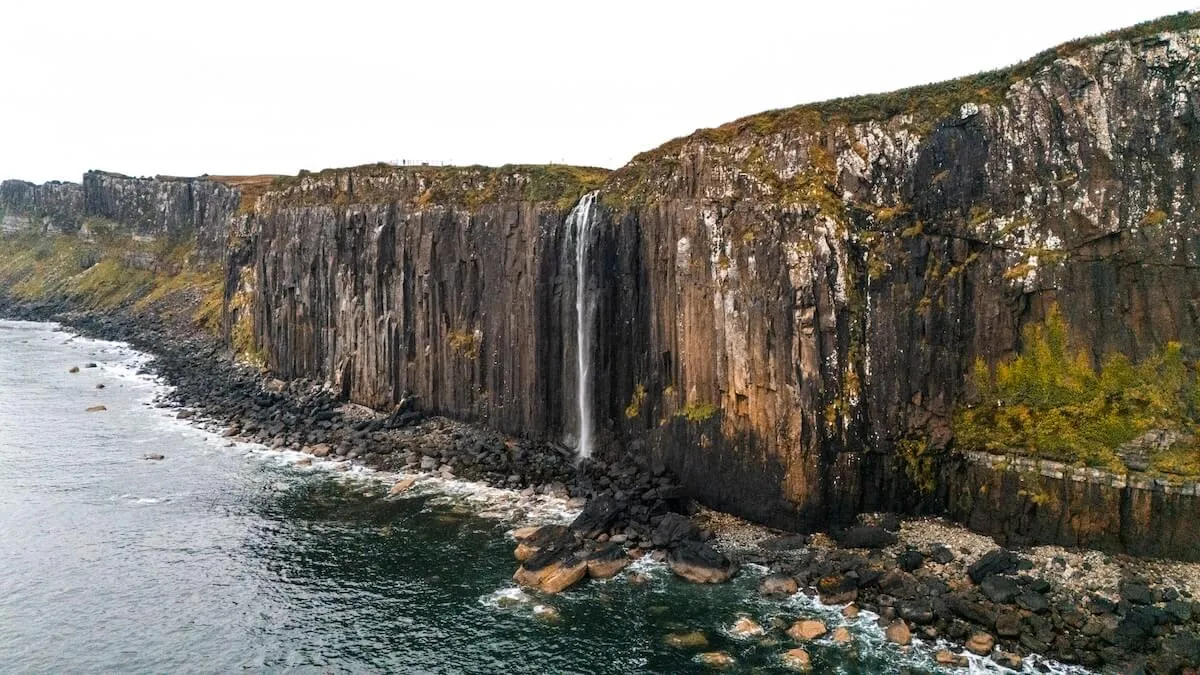
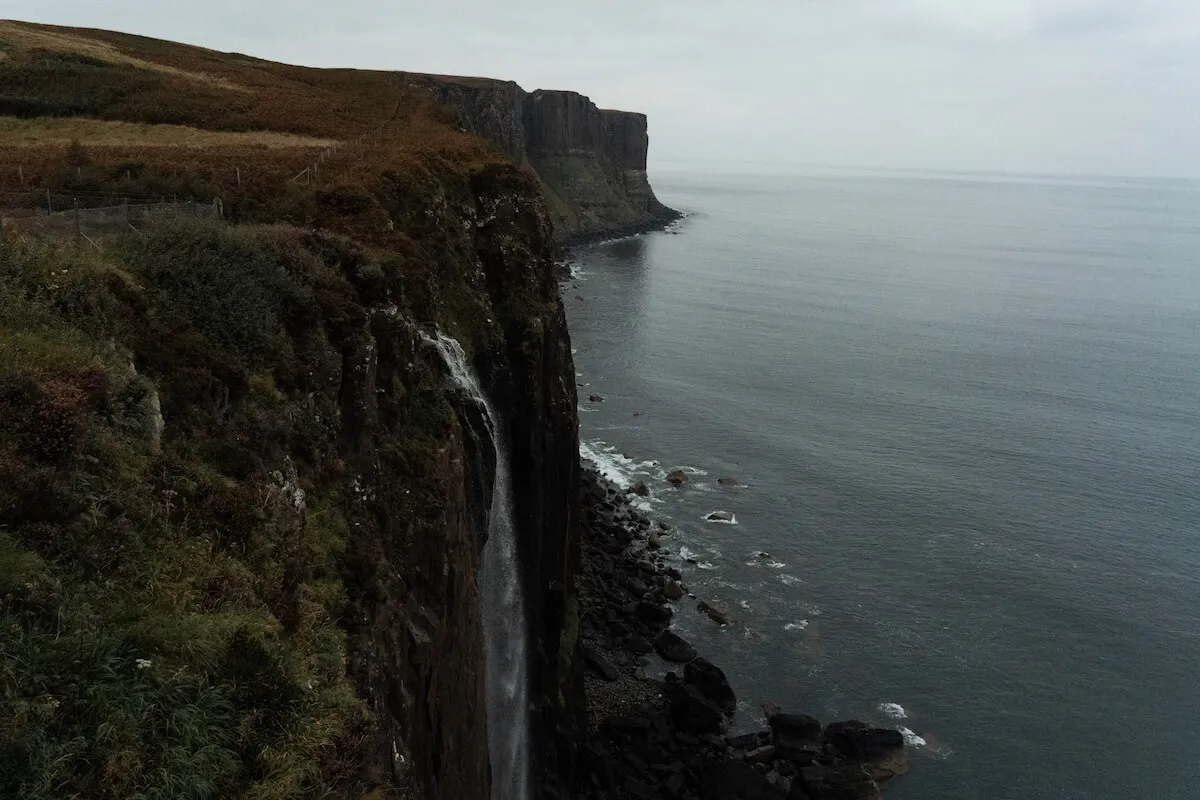
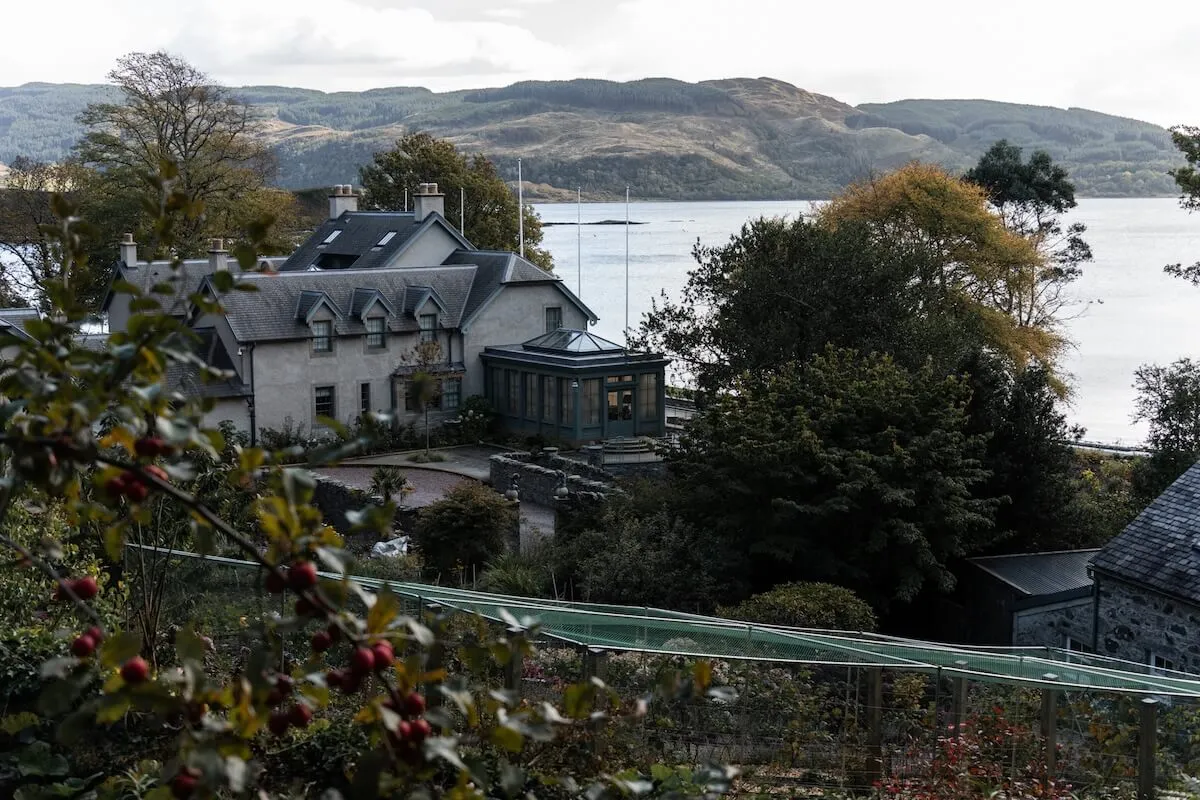
Scotland's draw is dramatic, sparsely populated landscape: the Cuillin ridge and sea cliffs of the Isle of Skye, the lochs and glens of the Highlands, and remote island chains like the Outer Hebrides. Minimal light pollution in Skye, the Hebrides, and the Cairngorms makes for some of the UK's best Northern Lights viewing on clear nights. A legal 'right to roam' gives visitors access to most land and water for recreation, provided it's done responsibly.
marquee wildlife
The Isle of Mull and the wider Hebrides are Scotland's marquee wildlife destination, billed as the UK's top whale-watching region, with regular minke whale, common and bottlenose dolphin, harbour porpoise, and basking shark sightings alongside golden eagles and otters. Puffins arrive each spring and stay through summer (roughly April-August), with the Isle of Lunga in the Treshnish Isles and St Kilda hosting some of the largest breeding colonies. Grey seals are a near-constant sighting along the coast and in the marine reserves on both coasts.
food
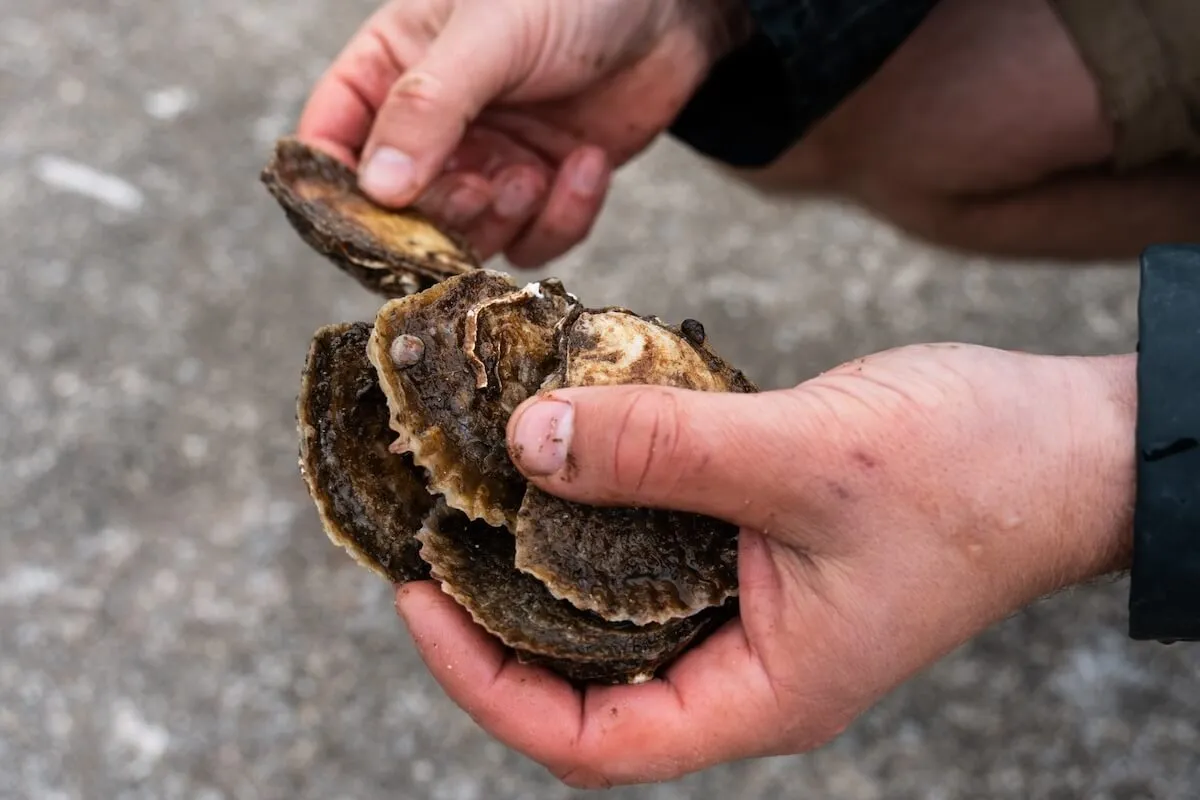
Seafood is the standout: Scotland supplies roughly two-thirds of the world's langoustines, plus prized wild salmon, oysters, lobster, and wild trout, with smoked salmon and Cullen skink (smoked haddock soup) as regional signatures. Haggis, served with neeps and tatties and a whisky sauce, remains the dish most tied to national identity, alongside Scotch pies, stovies, and cranachan for dessert. Whisky itself is worth building time around, with over a hundred distilleries spread across five distinct regions, each with a different character.
culture & etiquette
Scots are generally reserved on first approach but warm up quickly to genuine interest and a straightforward manner; small talk and a smile go a long way. Tartan, kilts, bagpipes, and clan identity are treated with real reverence, tied to specific family lines and geography, so they're worth treating as living heritage rather than costume. The right-to-roam access to land and water comes with real obligations: leave no trace, respect fences and livestock, keep dogs under control, and don't treat open access as a free pass to camp or party anywhere.
diving
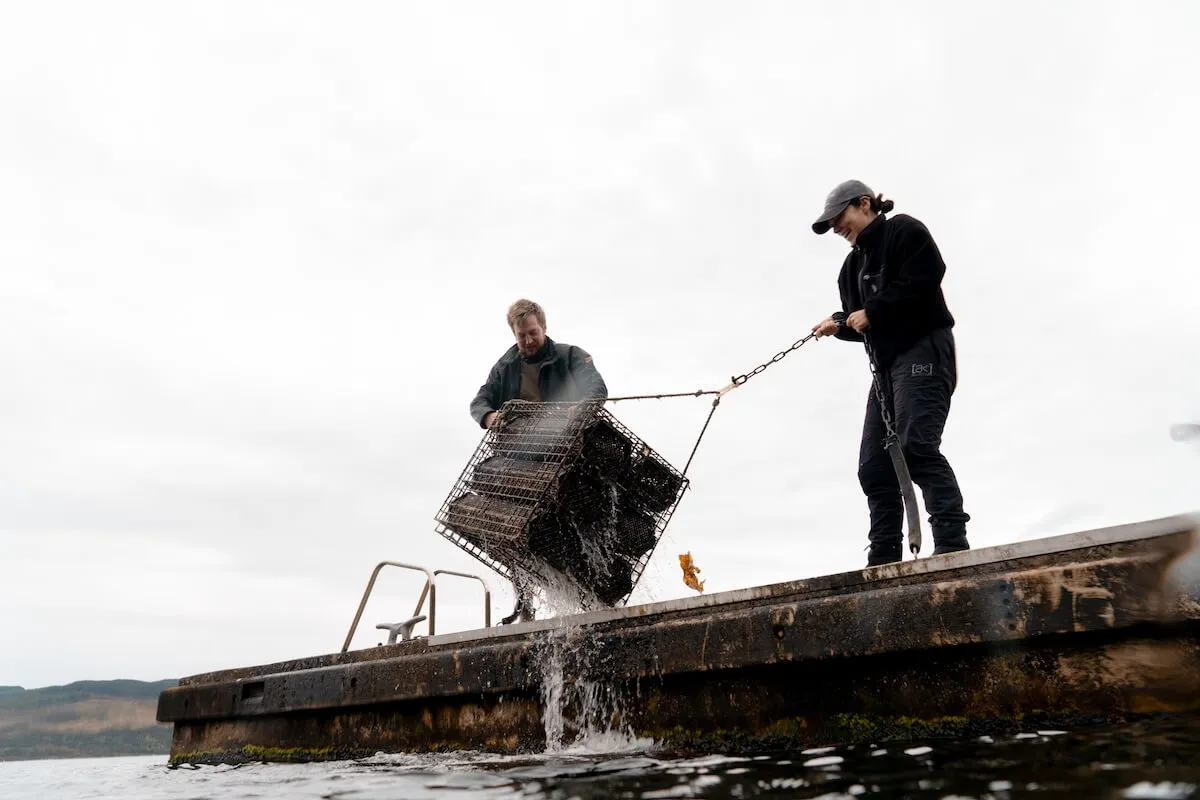
Scapa Flow in Orkney is the country's dive centerpiece: seven surviving wrecks of the scuttled 1919 German High Seas Fleet, including battleships and cruisers, in one of the highest concentrations of diveable wrecks anywhere in the world. St Abbs and Eyemouth on the southeast coast, the UK's first voluntary marine reserve, offers unusually clear water, kelp-forested sandstone reefs, and regular grey seal encounters. Diving is a genuine, globally significant draw in its own right — for wreck divers specifically, Scapa Flow is a bucket-list-tier site on par with anything else the country offers.
for the impact solutionist or team
let's make your work more discoverable
do you have something that is or will change the world for the better?
learn morefor the conscious traveler
let's show you where we've been
are you interested in being a mindful explorer?
see where to go