Middle East
Saudi Arabia
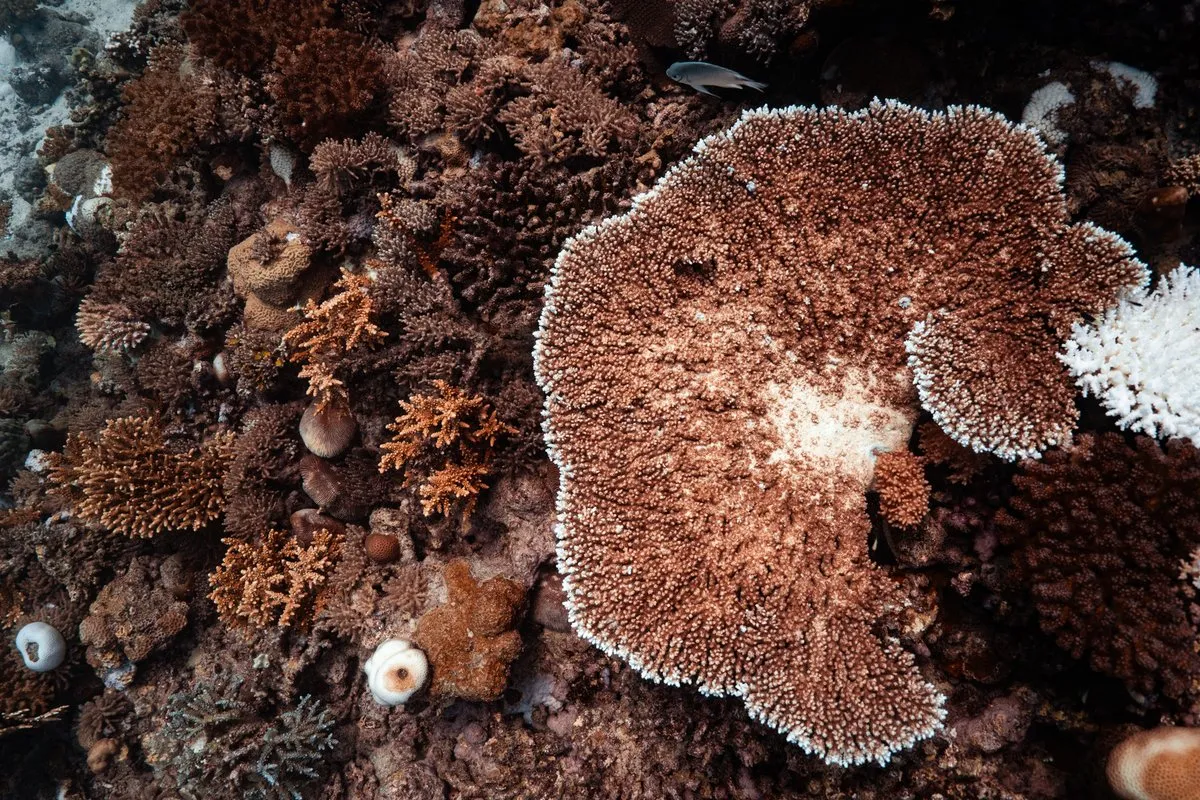
Long known for its deserts, Saudi Arabia is now positioning itself as a frontier not only for marine exploration but also for sustainability and science. Along the Red Sea, coral reefs and deep-water ecosystems are being studied in partnership with local universities and international researchers, with findings that could shape the future of reef survival in a warming world. At the same time, new projects like NEOM and The Red Sea Global initiative are testing cutting-edge technologies in renewable energy, water use, and sustainable city design.
seasons
The climate splits into four zones: a humid Red Sea coast, an arid central desert, a cooler northern plateau, and the relatively temperate Asir highlands in the southwest, which can drop below 12°C in winter. Summers (May–September) are extremely hot and humid across most of the country, while winters (November–March) are mild and dry.
best time to visit
April and October sit between the mild November–March peak and the brutal summer: warm but manageable, noticeably cheaper flights and hotels, and thinner crowds at sites like AlUla that are still building out visitor infrastructure. Because Saudi tourism is so new, shoulder-season travel now also means visiting before over-tourism patterns set in at all — a real chance to see these places before they're crowded rather than after.
why people go
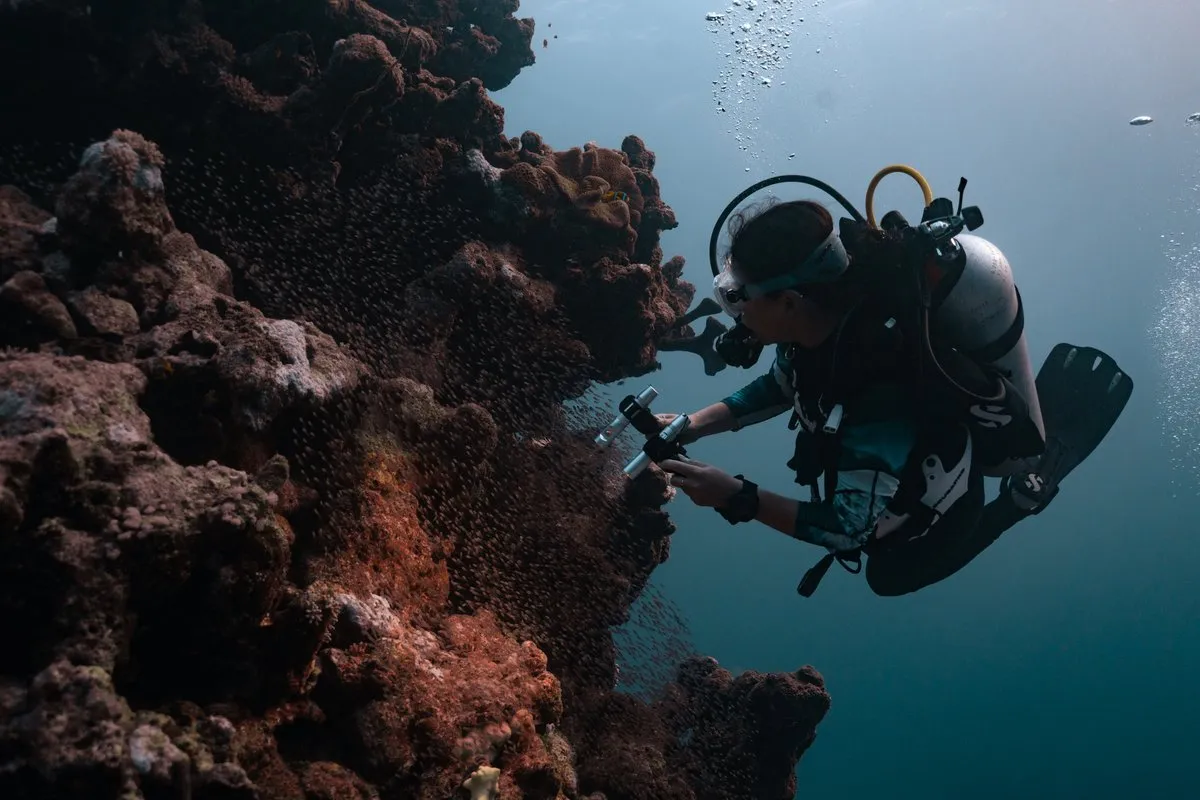
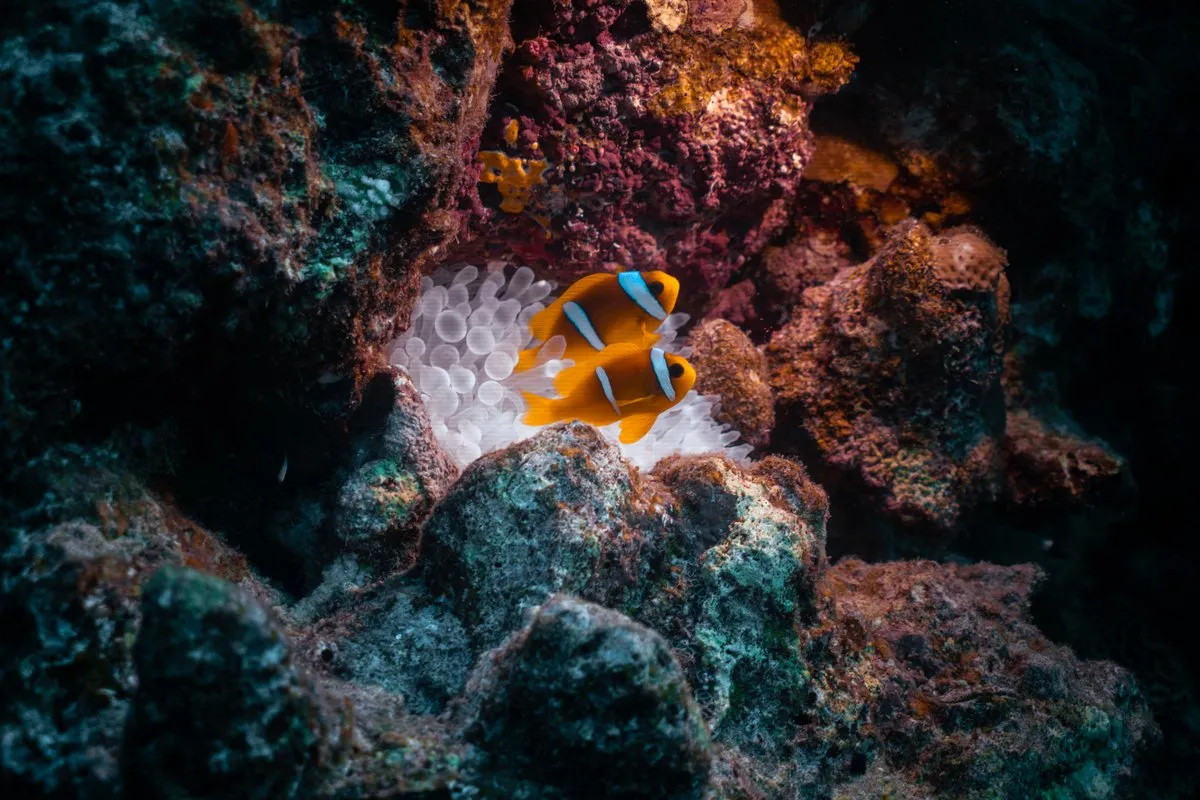
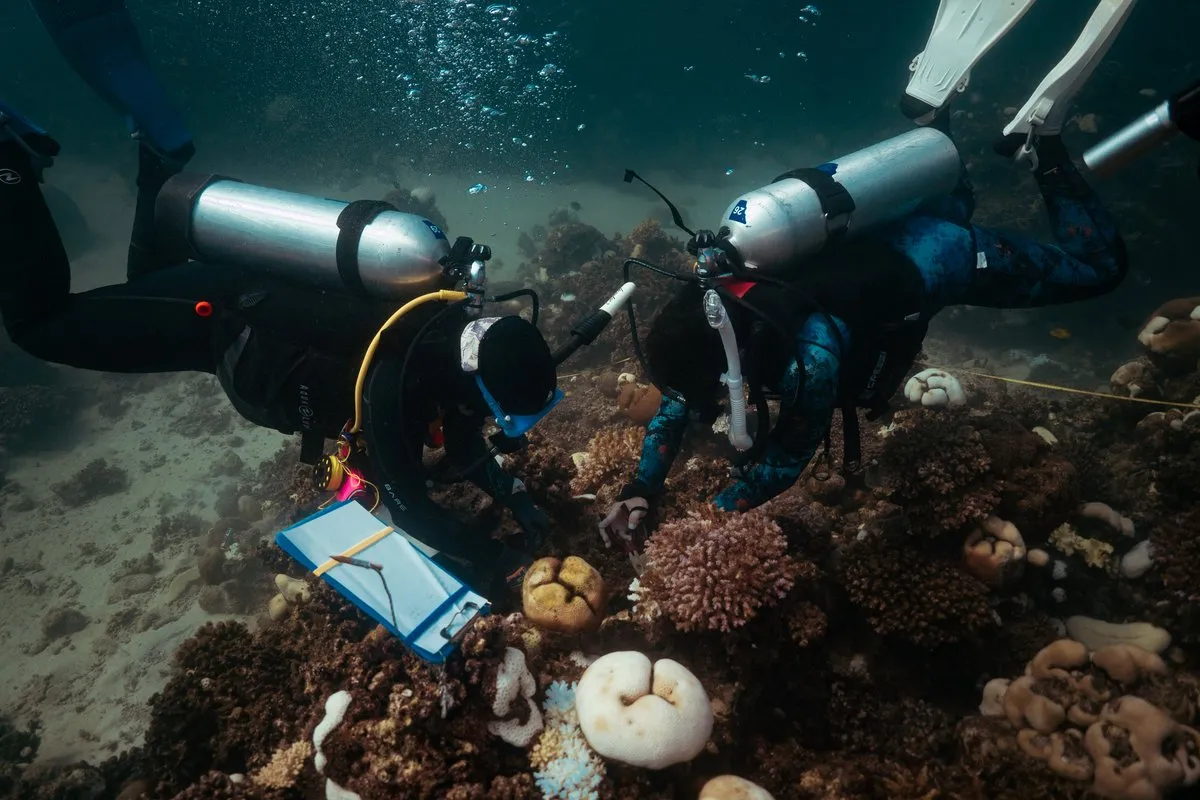
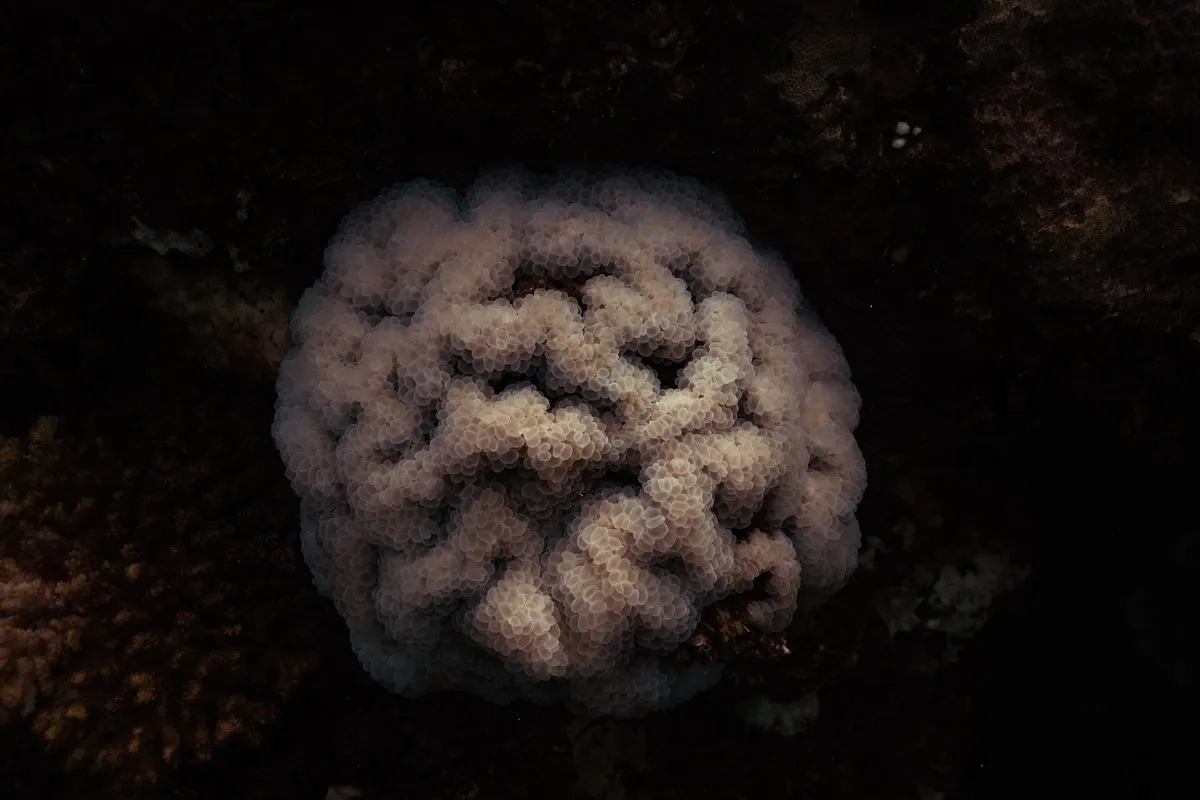
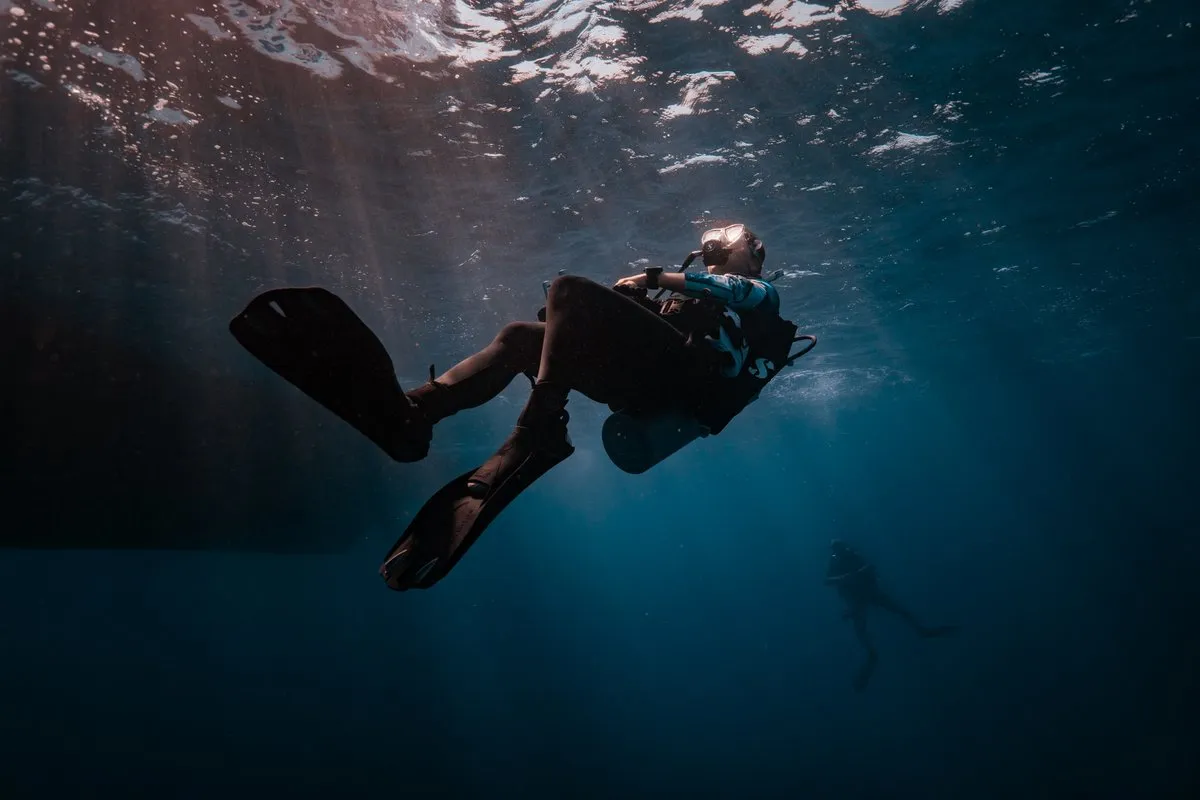
The Red Sea coast near Jeddah draws divers for its coral reefs, sea turtles, Napoleon wrasse, and dolphins, reachable within 30 minutes by boat. NEOM and Red Sea Global are developing a less-visited, conservation-focused stretch of coast, including a 100-hectare coral restoration project on Shushah Island. Inland, AlUla's rock-cut Nabataean tombs and desert landscapes complement the coastal draw.
marquee wildlife
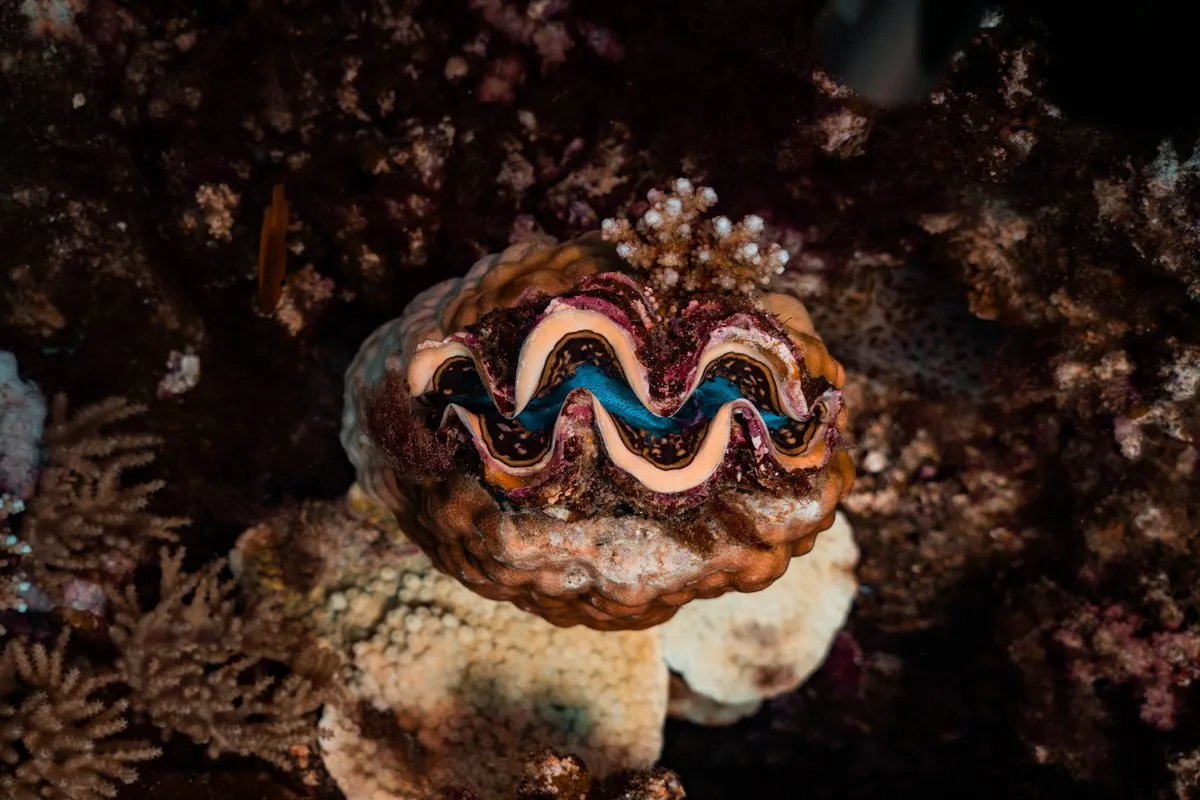
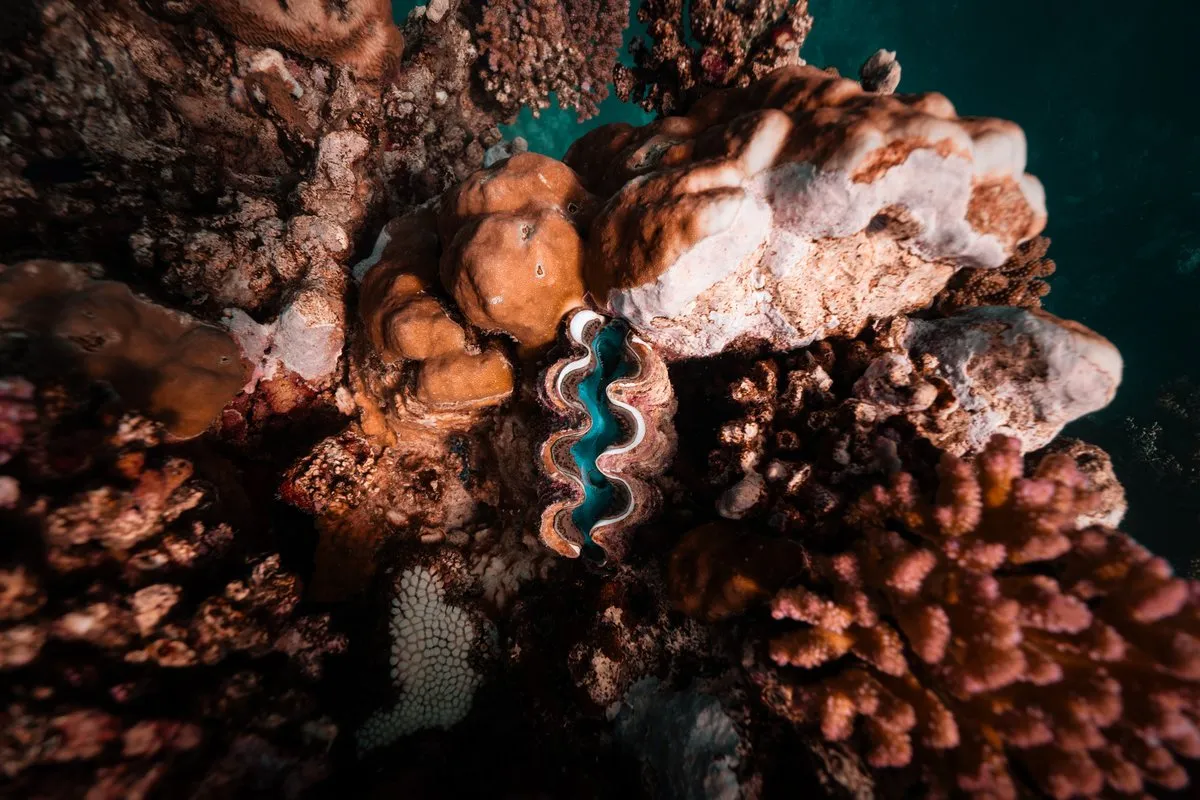
Saudi Arabia's Red Sea coast near Jeddah harbors pristine coral reefs with over 1,200 fish species, whale sharks, manta rays, dugongs, and hawksbill turtles, largely untouched by mass tourism. Inland, the Arabian oryx, once extinct in the wild by 1972, was reintroduced via captive-breeding programs and now roams protected reserves like Uruq Bani Ma'arid alongside sand gazelles and Nubian ibex. Arabian leopards, critically endangered, are the focus of a high-profile Saudi conservation push centered in the Asir highlands.
food
Kabsa — spiced basmati rice with roasted meat, fried raisins, almonds, and caramelized onions — is the de facto national dish. Jareesh, a slow-cooked cracked-wheat porridge with lamb and yogurt, was officially declared the national dish in 2023. On the Hejaz coast around Jeddah, look for saleeg, creamy rice simmered in milk and chicken broth.
culture & etiquette
Dress modestly: shoulders and knees covered for everyone, loose-fitting clothing preferred; headscarves aren't legally required for non-Muslim women but are respectful in conservative settings and religious sites. Greet with 'Salam Alaykum,' eat and pass items with the right hand, and avoid pointing directly with a finger. Keep noise down near mosques and prayer areas, especially during prayer times.
diving
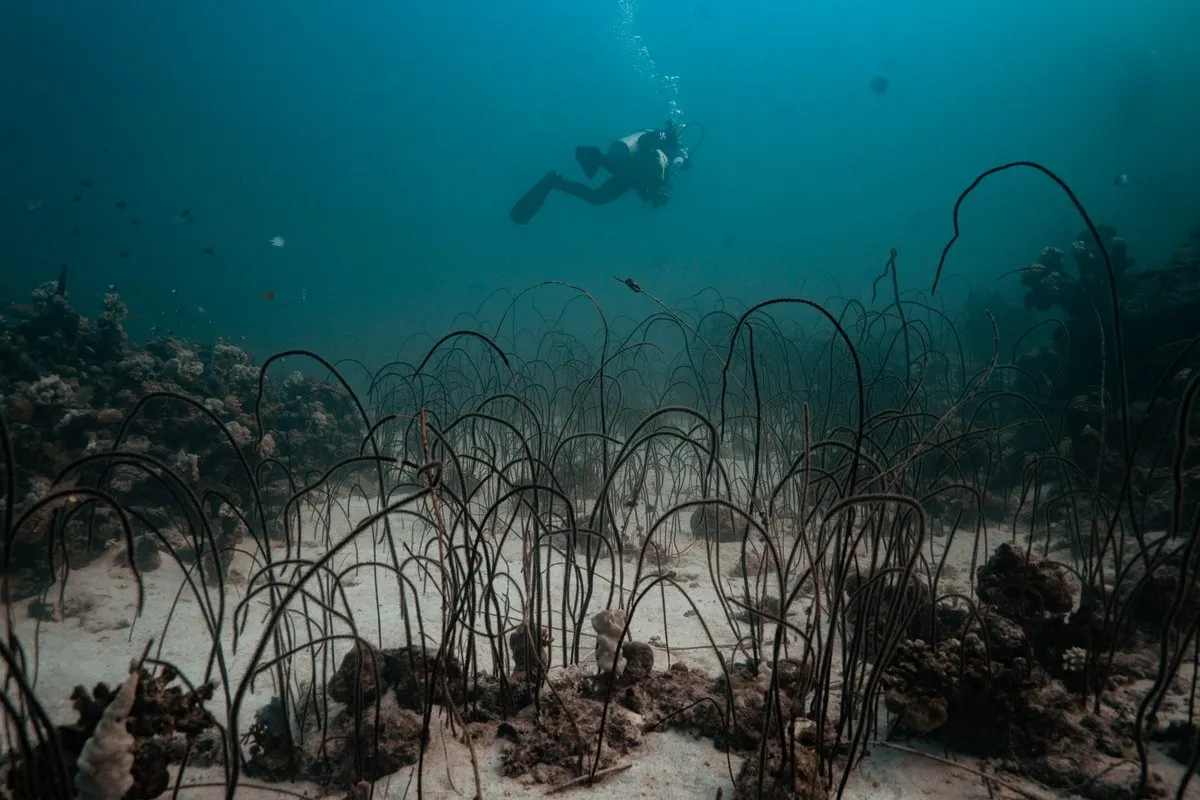
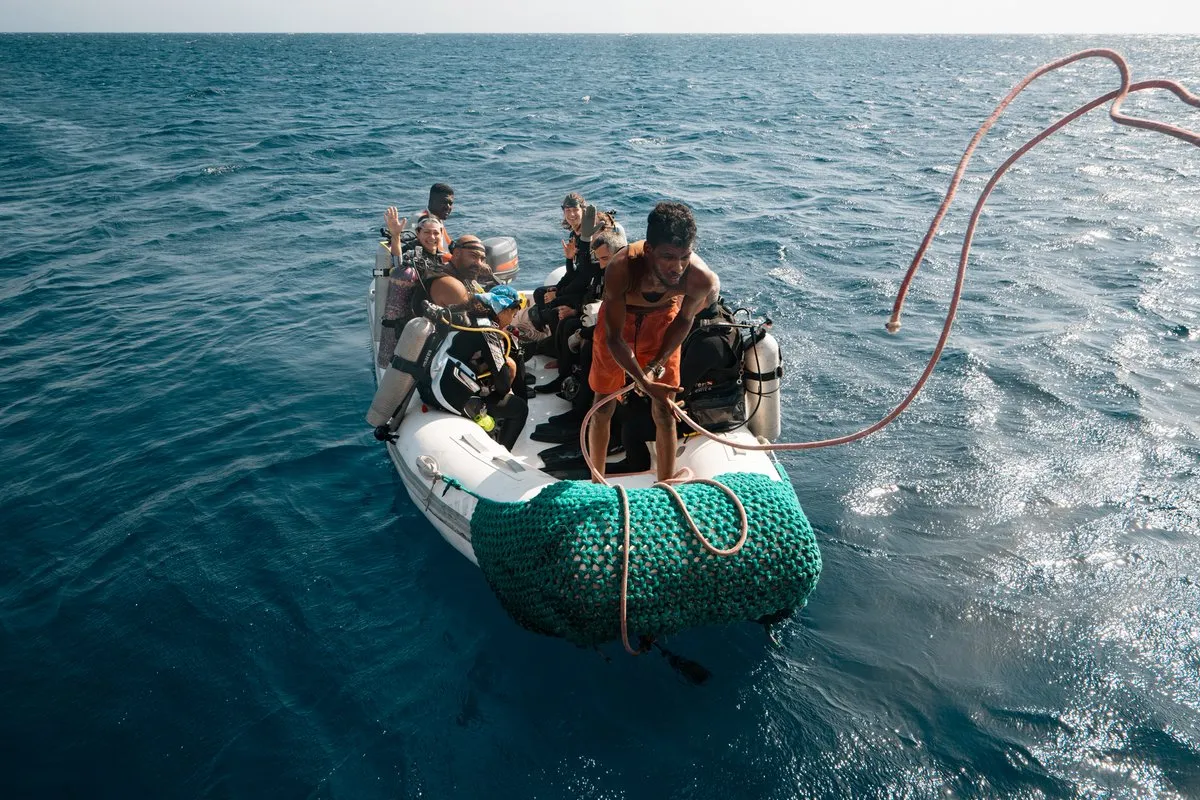
Diving and snorkeling center on the Red Sea coast: reef systems 20-30 minutes by boat from Jeddah's marinas (Sheraton Reef, Abu Madafi, the Boiler Wreck), plus the Farasan Islands off Jizan, an 80-island archipelago and UNESCO Biosphere Reserve with the highest live coral cover recorded in the Saudi Red Sea (~30%). Expect fringing and barrier reef, sea turtles, Napoleon wrasse, reef sharks, and seasonal whale sharks and manta rays. Compared to Saudi's inland heritage draws, this is the country's least-known, least-developed marine wilderness — largely unphotographed by mainstream dive media.
for the impact solutionist or team
let's make your work more discoverable
do you have something that is or will change the world for the better?
learn morefor the conscious traveler
let's show you where we've been
are you interested in being a mindful explorer?
see where to go