Asia
Philippines
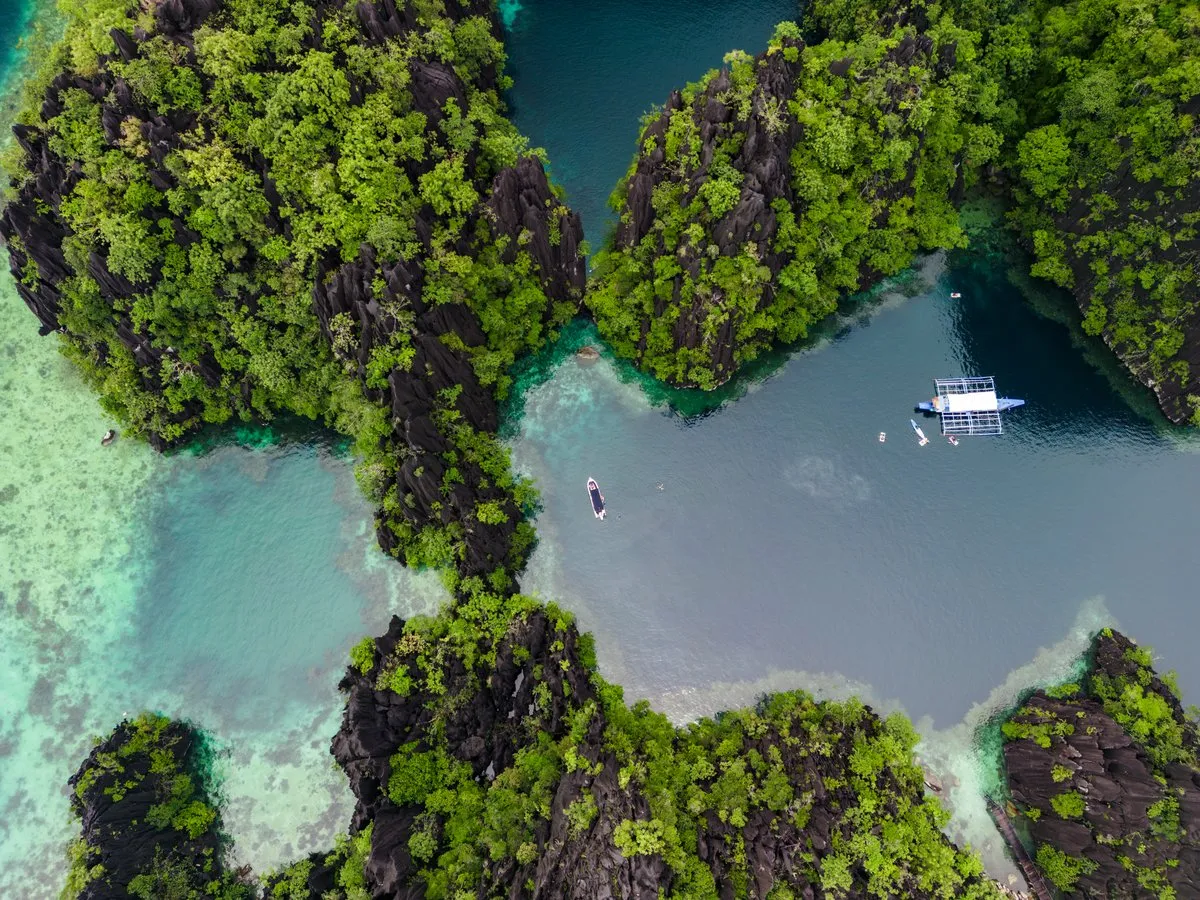
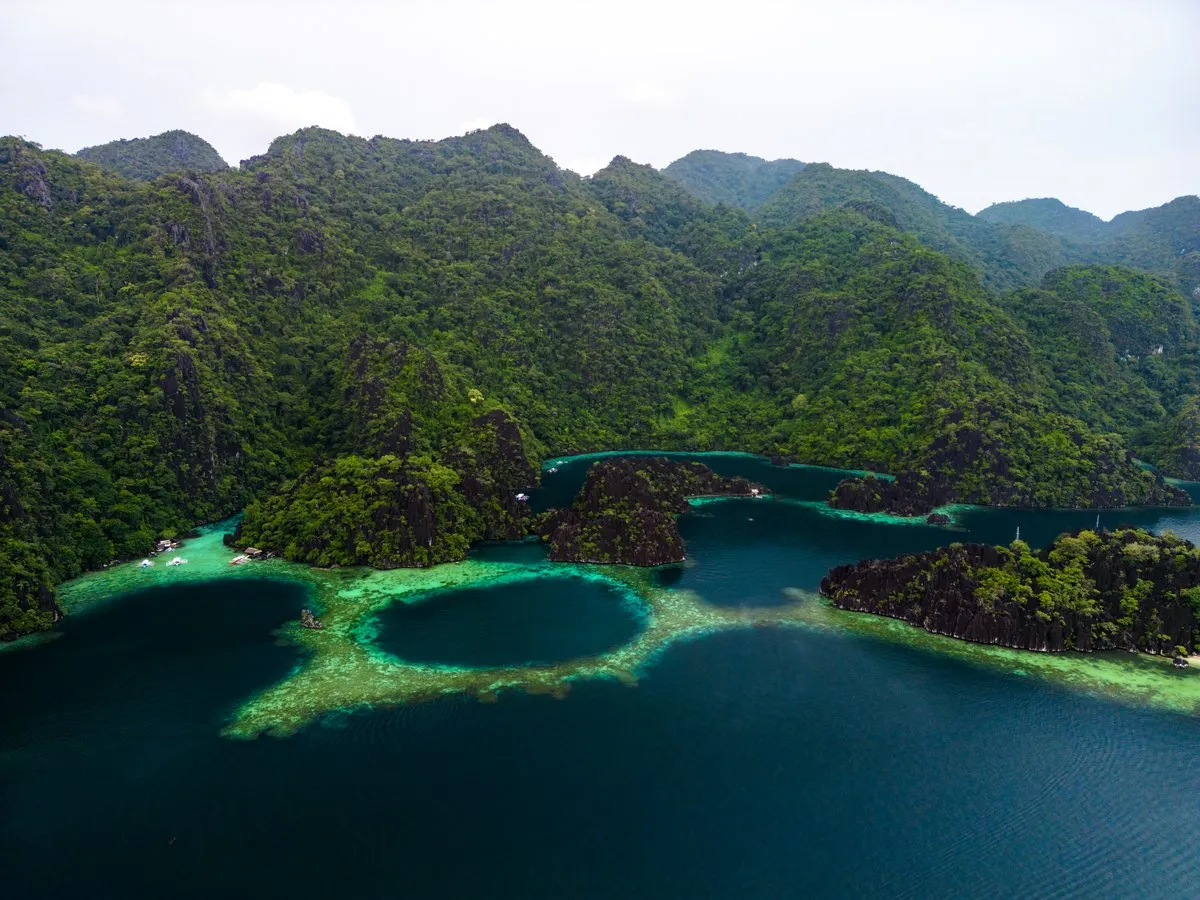
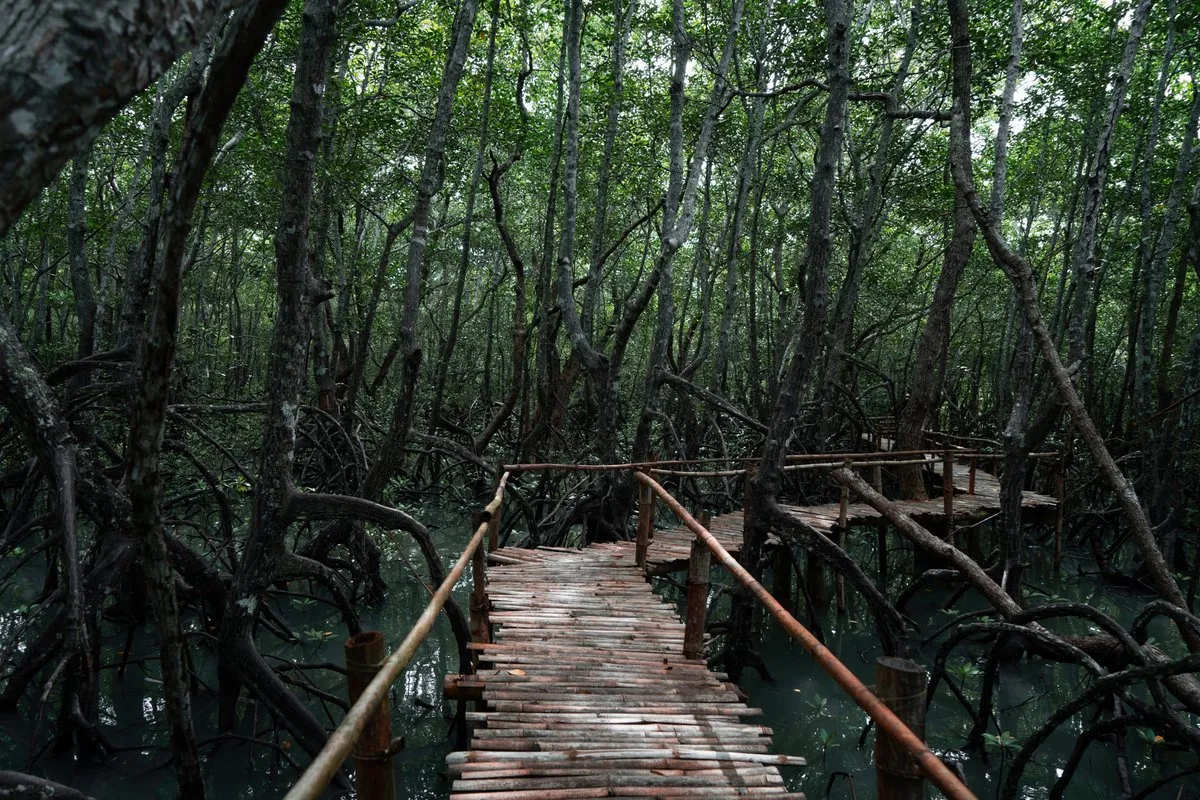
With more than 7,000 islands, the Philippines is at the heart of the Coral Triangle, making it one of the most biodiverse marine nations on Earth. Coral reefs, mangroves, and seagrass beds support everything from whale sharks and manta rays to rare reef critters, while volcanic peaks and jungles shelter hornbills, tarsiers, and cloud rats. But it’s not just about nature—the Philippines has pioneered community-led conservation, with marine sanctuaries and illegal fishing patrols protecting coastal waters.
seasons
The Philippines has a tropical climate split into a dry season (roughly December to May) and a wet season (June to November) driven by the southwest and northeast monsoons. December to February is cool and dry with the least rain; March to May turns hot and humid. Typhoons are most likely July through October, concentrated in the northern and eastern islands, while the south (Palawan, Mindanao) sees fewer direct hits.
best time to visit
Go in the shoulder months of November or May rather than the December–February peak. Tubbataha's diving window is already hard-capped to mid-March through mid-June by liveaboard permits, and popular sites like El Nido and Boracay see materially thinner crowds and reduced boat traffic in the shoulder weeks. Resort rates commonly drop 30-50% from June through October, with the deepest discounts in September, and November/May still deliver mostly dry, sunny weather without the December-January price spike or crowding.
why people go
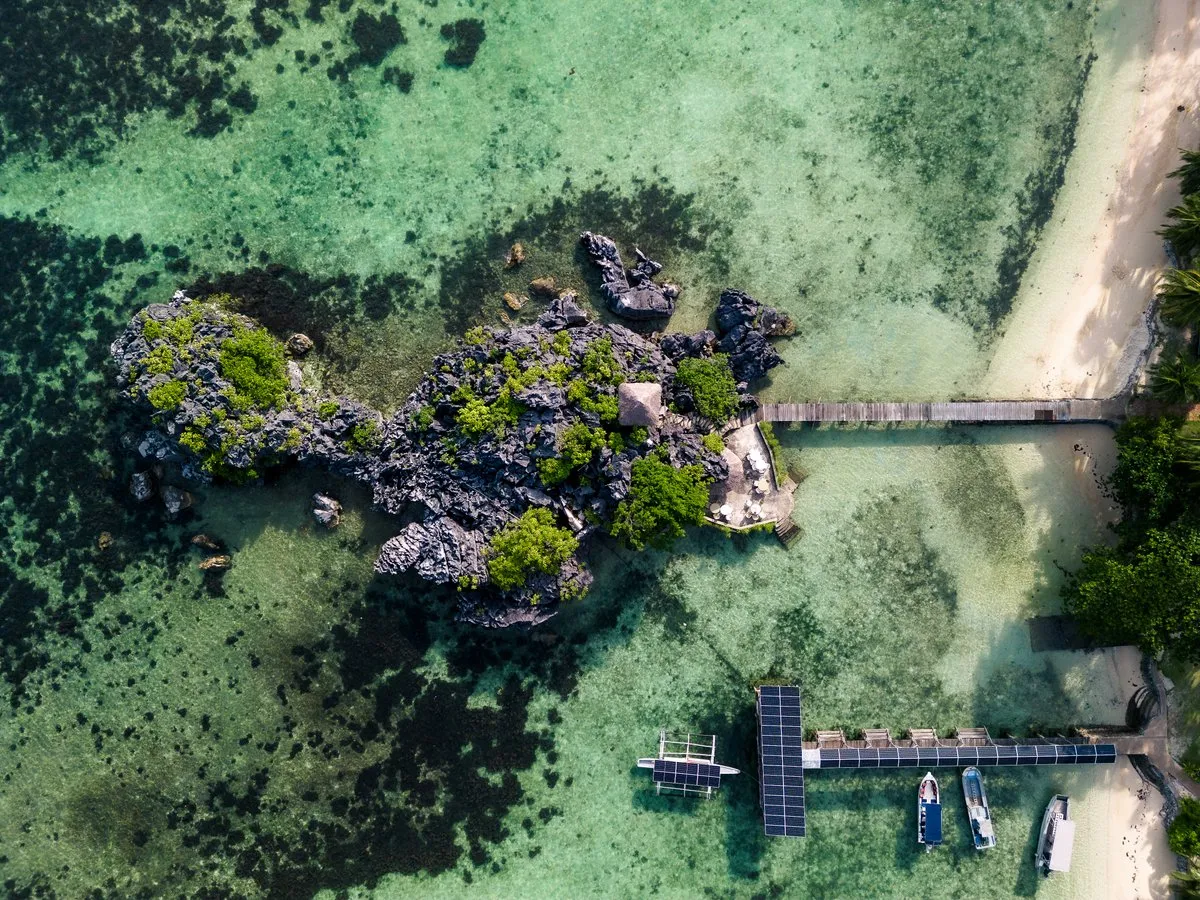
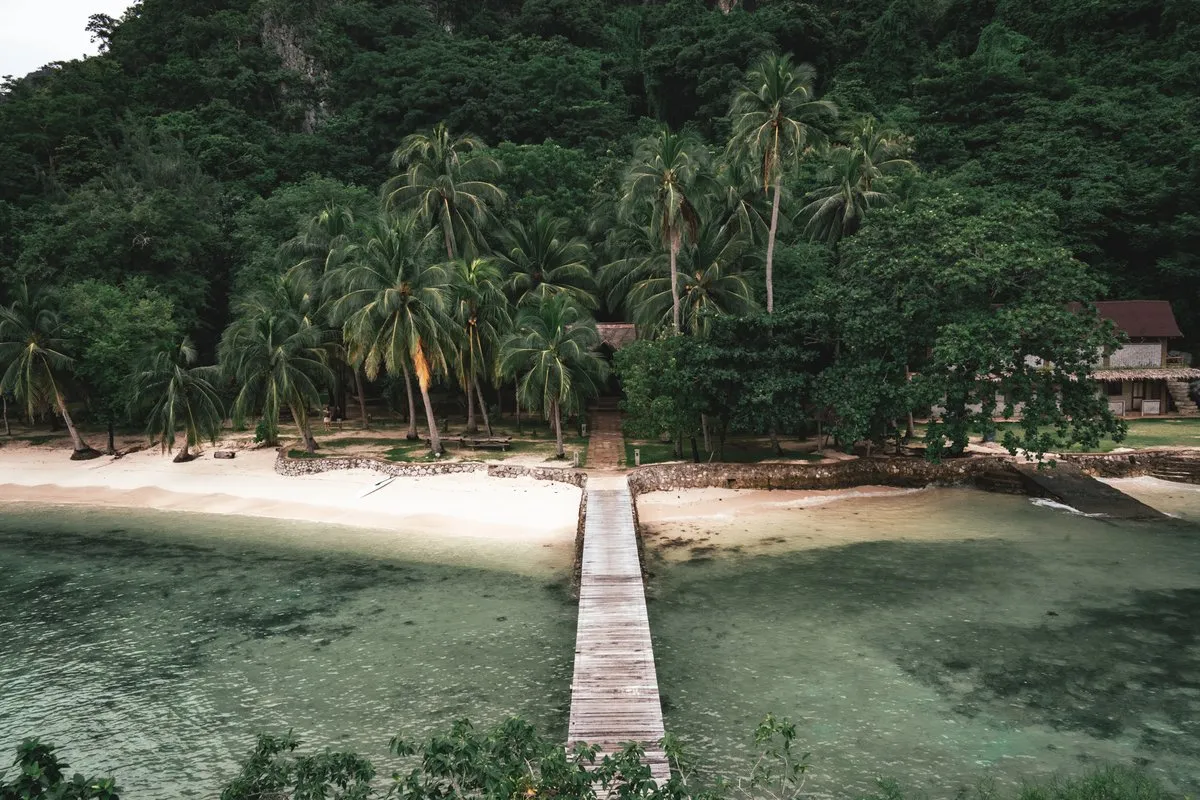
The archipelago's more than 7,000 islands produce landscapes with few equivalents: the limestone karst lagoons of El Nido and Coron in Palawan, the 1,268 cone-shaped Chocolate Hills of Bohol, and the 2,000-year-old Banaue rice terraces carved into the Ifugao mountains, a UNESCO World Heritage site often called the eighth wonder of the world. Palawan alone is frequently ranked among the world's best islands.
marquee wildlife
Palawan is the last stronghold of the Philippine pangolin, critically endangered, one of six species flagged for urgent conservation action alongside the tamaraw, dugong, Philippine eagle, Philippine cockatoo, and marine turtles. Bohol is the country's best-known site for the Philippine tarsier, one of the smallest primates on earth, though wild sightings are increasingly displaced by captive tourist facilities. Donsol in Bicol has some of the most reliable whale shark aggregations anywhere, November to May.
food
Adobo, meat simmered in vinegar, soy sauce, garlic, and peppercorns, is the closest thing to a national dish, with the recipe shifting by region. Sisig, chopped pig face and liver seared on a sizzling plate, originated in Pampanga, the country's recognized culinary capital, while Cebu is known for lechon, whole roasted pig traditionally served at fiestas. Bicol's coconut-milk-based, chili-heavy laing and Bicol Express, Ilocos's crispy bagnet, and Mindanao's kinilaw are worth seeking out.
culture & etiquette
Filipino hospitality runs deep, and respect for elders is built into the language through the honorifics po and opo. Communication tends to be indirect: Filipinos generally avoid open confrontation and loud public disagreement, so visitors should read raised voices or bluntness as poor form. If invited into a home, remove your shoes, bring a small gift, and expect gentle insistence if you decline food. Scheduling runs looser than Western norms ('Filipino time').
diving
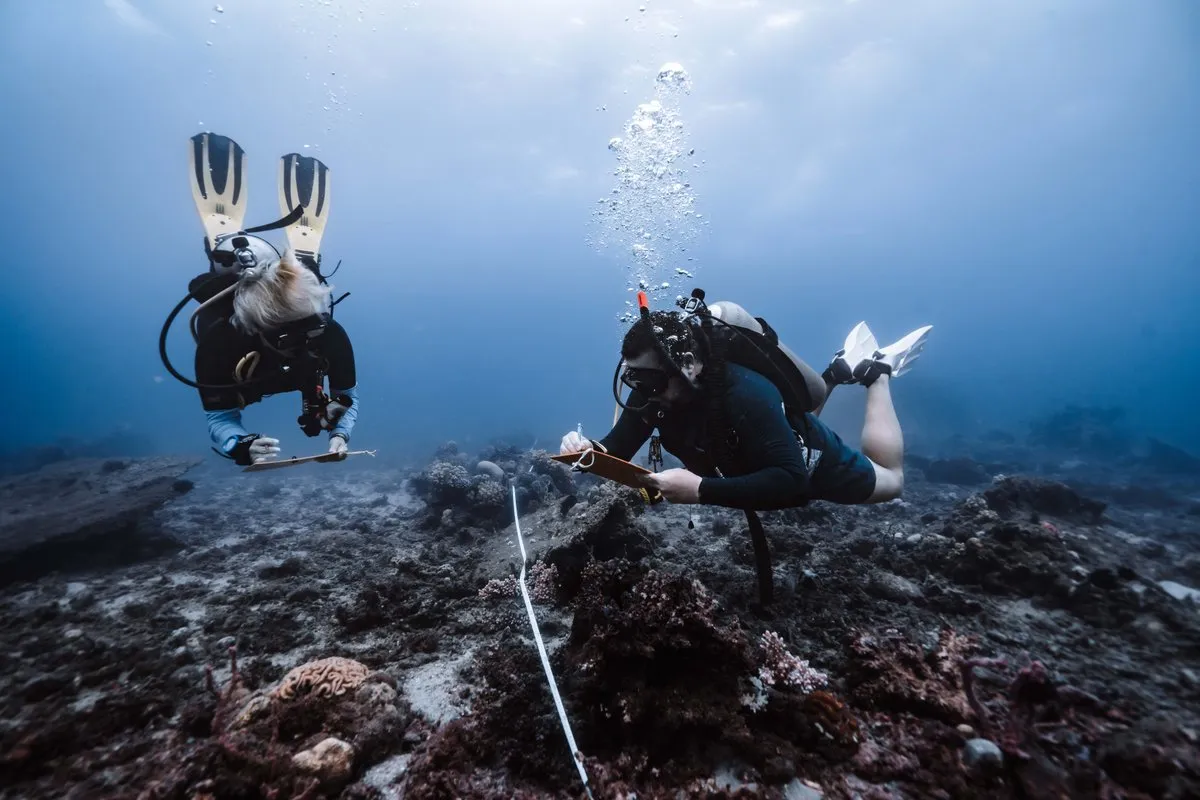
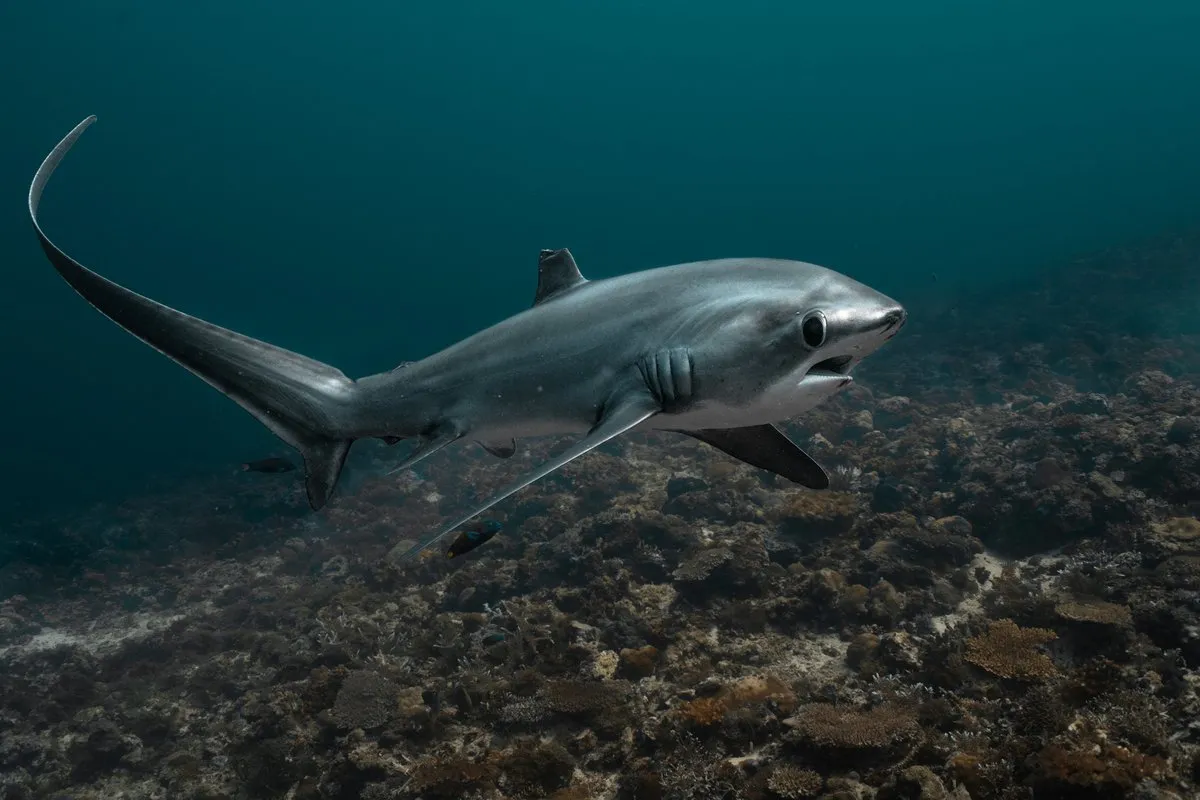
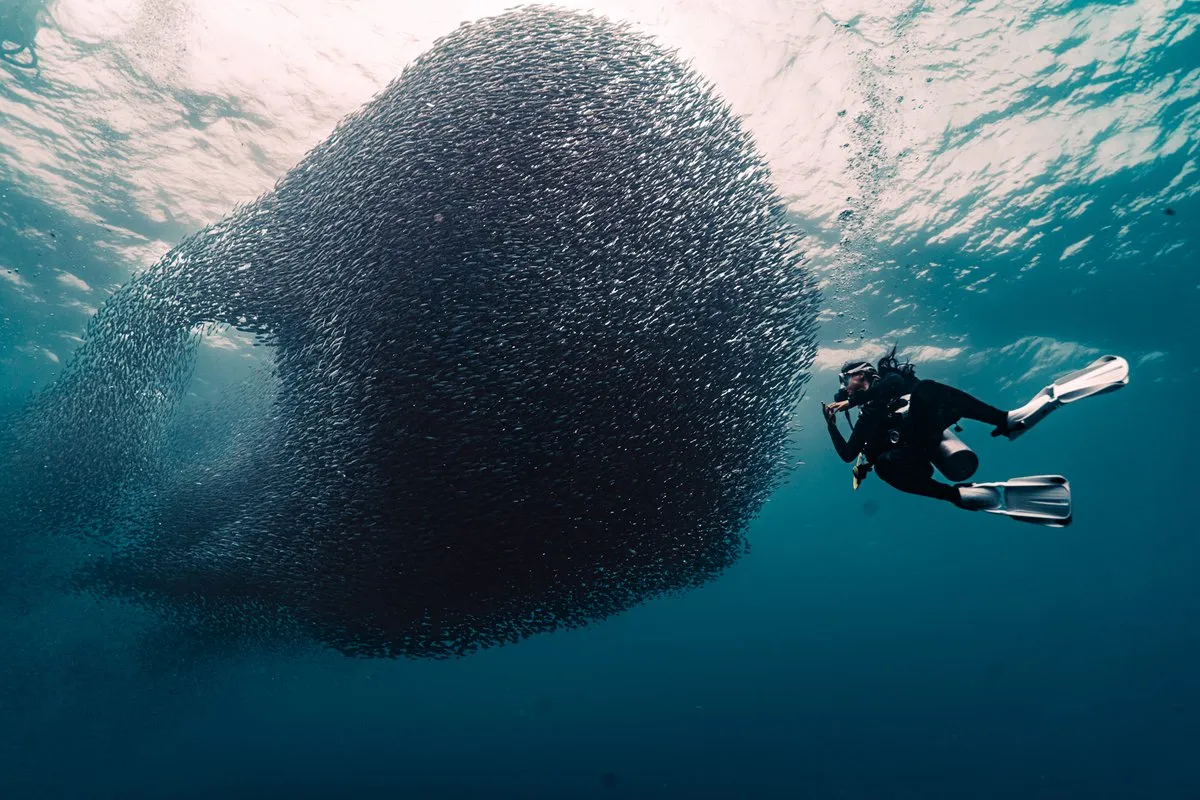
The Philippines sits at the northern tip of the Coral Triangle, the global epicenter of marine biodiversity: Tubbataha Reefs in the Sulu Sea, a UNESCO site accessible only by liveaboard during its March-to-mid-June window, holds over 600 fish species and roughly half of all known coral species. Apo Reef off Mindoro is the world's second-largest contiguous reef system, and Malapascua is one of the few places divers can reliably see thresher sharks at dawn year-round. Puerto Galera and Dumaguete/Apo Island round out the mainstream circuit, and Donsol adds seasonal whale shark encounters, making the country a genuine multi-week dive itinerary.
for the impact solutionist or team
let's make your work more discoverable
do you have something that is or will change the world for the better?
learn morefor the conscious traveler
let's show you where we've been
are you interested in being a mindful explorer?
see where to go