South America
Peru
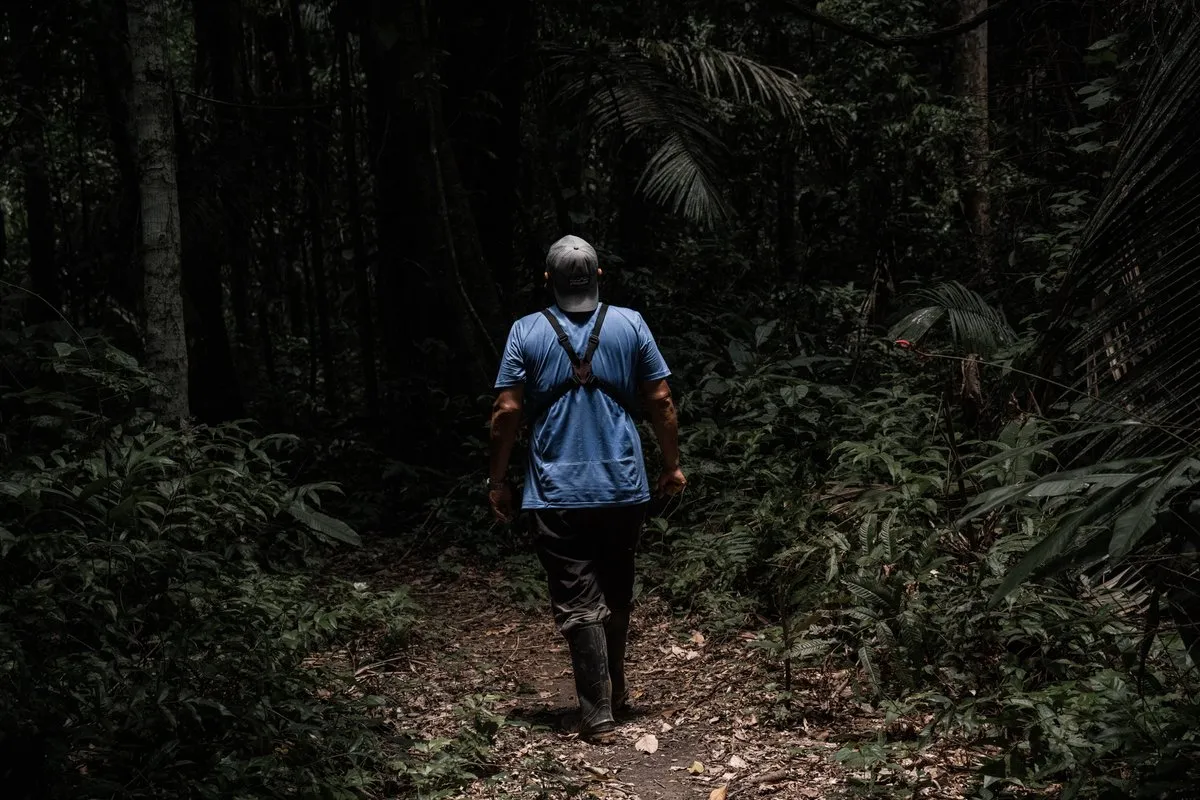
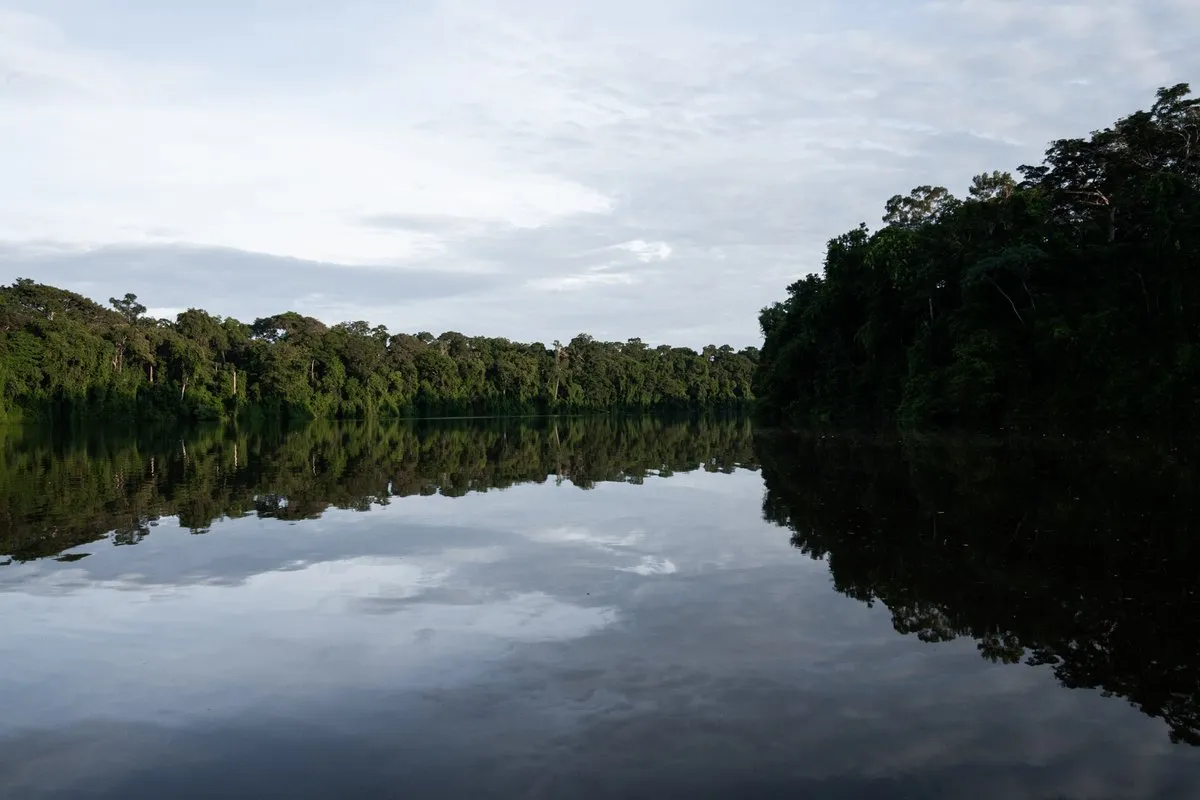
Peru is a country where extremes collide—Amazon rainforest, high-altitude Andes, and a Pacific coast shaped by cold, nutrient-rich currents. Jaguars stalk riverbanks, condors ride mountain thermals, and there’s so much lurking the riverways. Beneath it all runs a cultural thread that stretches from Inca ruins to rainforest communities, making Peru a place where history and wild nature are inseparable.
seasons
Peru has three distinct climate zones that don't share a calendar. The coast (Lima, Paracas) is desert, mild and often overcast May through November, warmer and sunnier December through April. The Andean highlands (Cusco, Machu Picchu, Lake Titicaca) have a dry season May-October with cold nights and clear skies, and a wet season November-April with afternoon rain and landslide risk on mountain roads. The Amazon basin runs hot and humid year-round, with a wetter period December-May and a drier period June-November when river levels drop and wildlife concentrates near remaining water sources.
best time to visit
Peak season is June-August (Northern Hemisphere summer) when Andean skies are driest and Machu Picchu, the Inca Trail, and Cusco are at their most crowded — the Inca Trail is capped at 500 permits per day (including guides and porters, so roughly 200 trekkers) by Peru's Ministry of Culture, and July-August dates sell out months in advance. Shoulder months April-May and September-October give the same dry, clear Andean weather with thinner crowds, more permit availability, and lower lodge/tour prices. May in particular is often cited as the sweet spot: the wet season has just ended, hillsides are green, and visitor numbers haven't yet peaked.
why people go
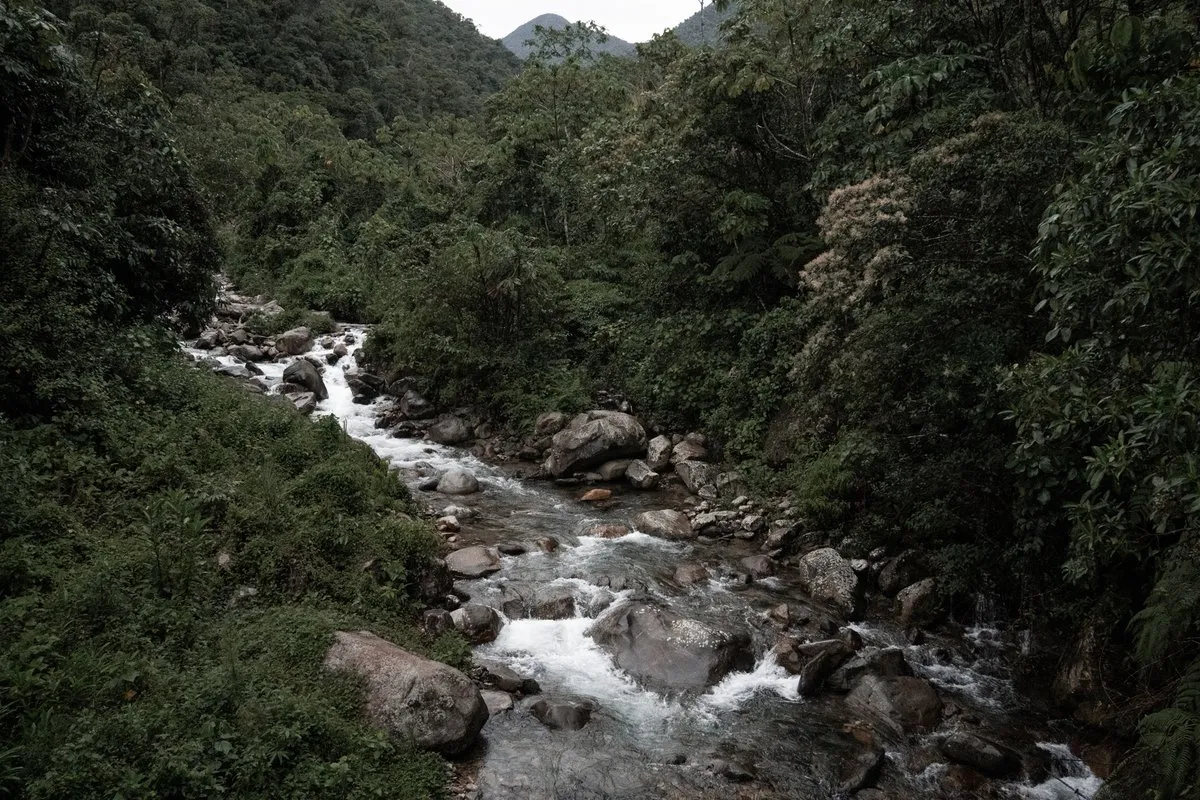
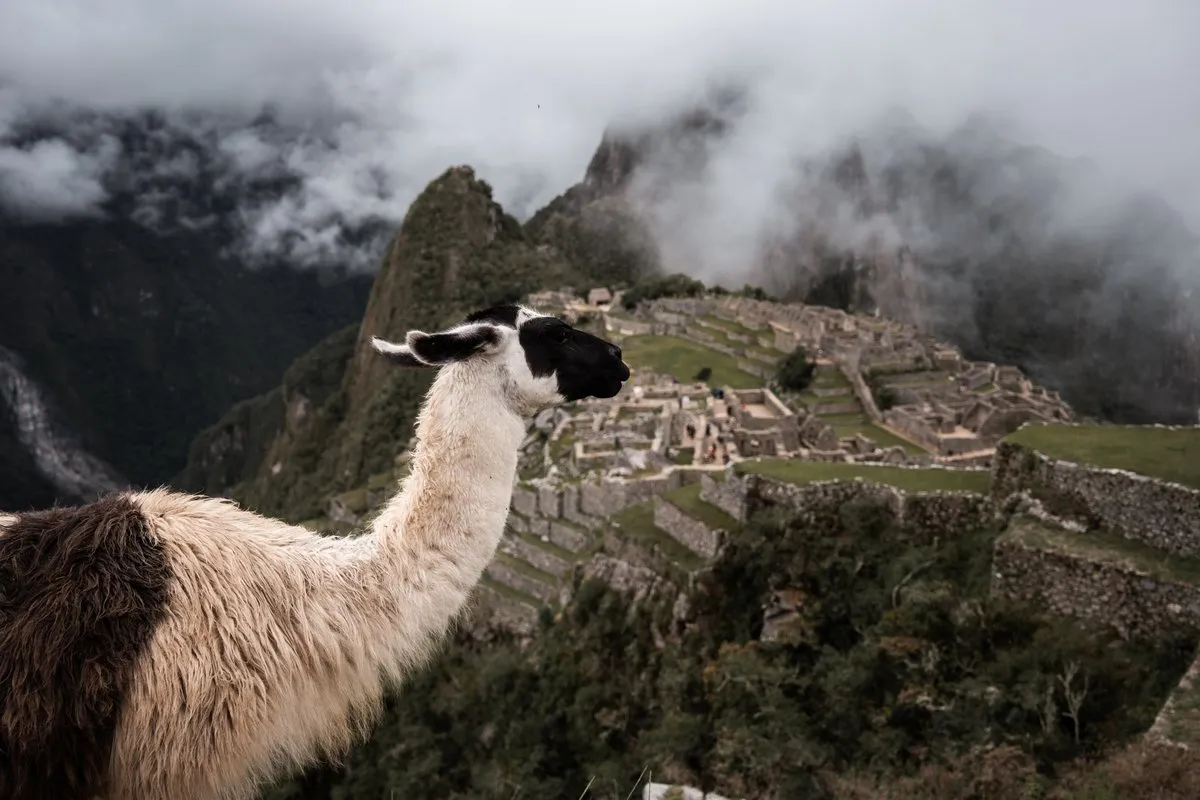
Peru packs desert coastline, the high Andes, and unbroken Amazon rainforest into one country, with Cusco and the Sacred Valley as the historical core of the Inca Empire beyond Machu Picchu itself — Choquequirao, Ollantaytambo, and the Moray terraces are lesser-visited Inca sites in the same region. Lake Titicaca, the world's highest navigable lake, straddles the Peru-Bolivia border with floating Uros reed islands. The Colca Canyon (one of the world's deepest) and the Nazca Lines add landscape and mystery outside the Cusco circuit, and the Amazon gateway cities of Iquitos and Puerto Maldonado open onto some of the most biodiverse rainforest on the planet.
marquee wildlife
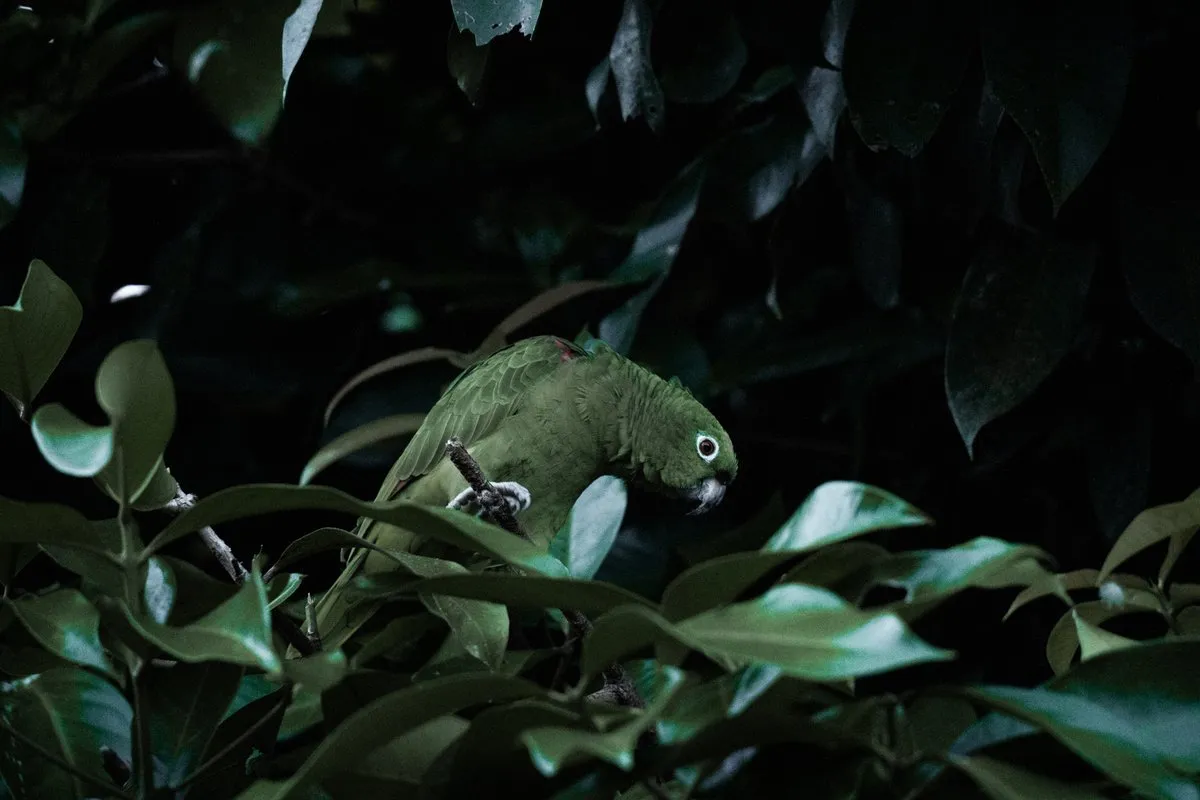
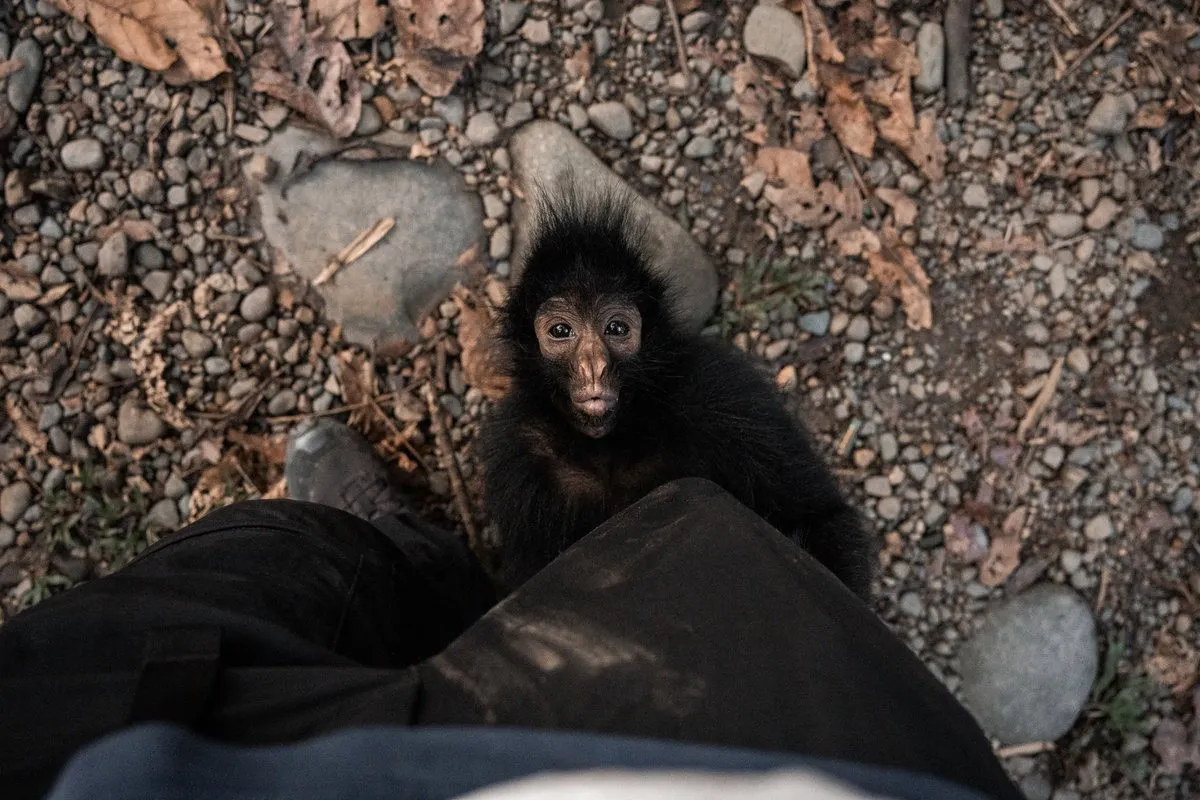
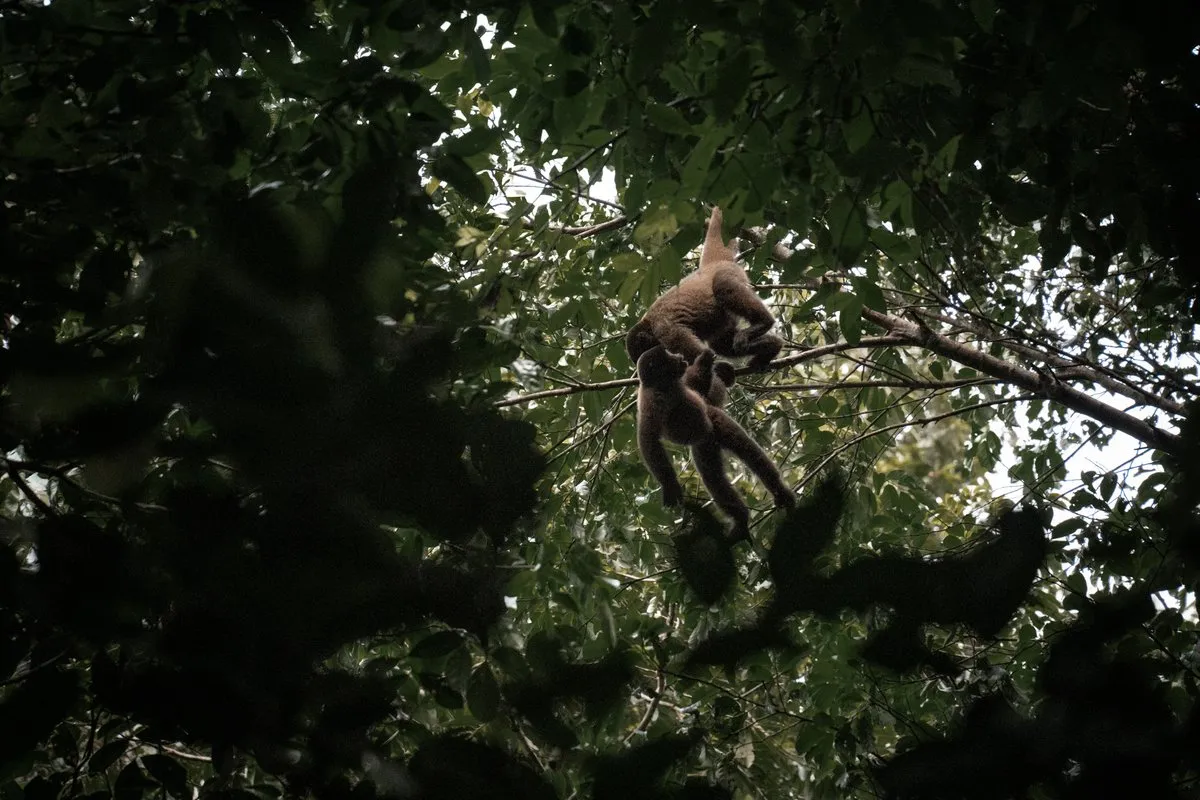
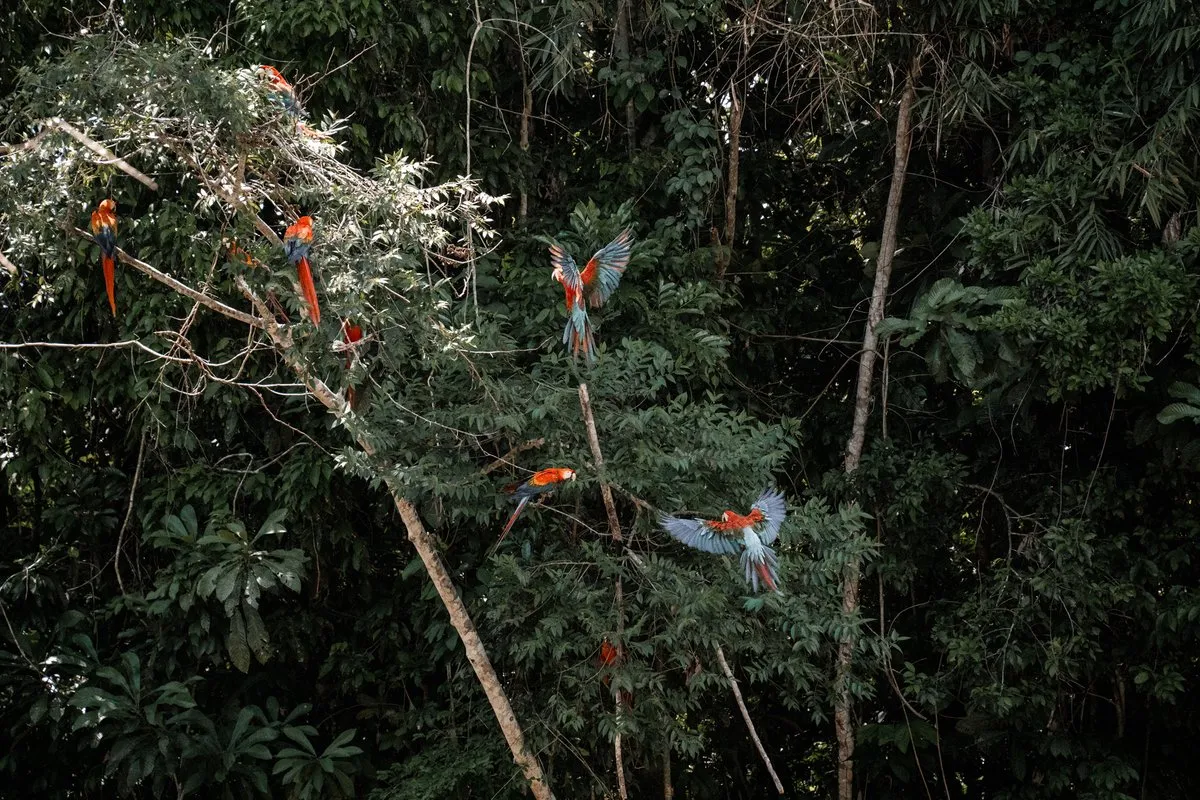
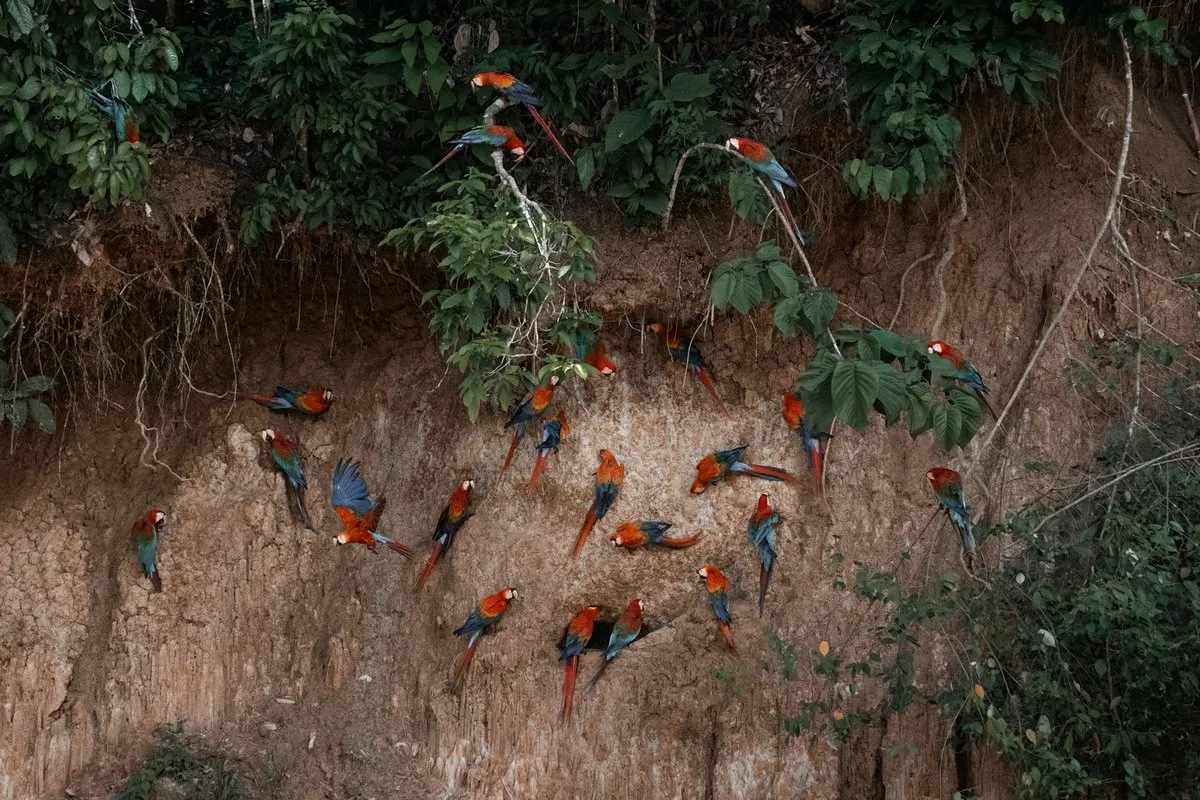
Manu National Park and Tambopata National Reserve, both accessed from the southern Amazon, are among the most biodiverse protected areas on Earth — Manu alone has recorded over 1,000 bird species. Tambopata's macaw clay licks draw dozens of scarlet, blue-and-yellow, and red-and-green macaws to feed on mineral-rich riverbank clay. Giant river otters, jaguars, pink river dolphins, capybaras, and multiple monkey species are present but not guaranteed sightings. Outside the Amazon, the high Andes hold Andean condors (best seen at Colca Canyon) and vicuñas, while the cold Humboldt Current off the coast supports sea lion colonies and Humboldt penguins at the Islas Ballestas near Paracas.
food
Peruvian cuisine is genuinely one of the country's headline draws, not an afterthought: ceviche (raw fish cured in citrus with onion and chili) is the national dish and best eaten on the coast near Lima. Lomo saltado (stir-fried beef, tomato, onion, and fries, a Chinese-Peruvian fusion dish) and aji de gallina (creamy shredded chicken in a yellow chili sauce) are staples worth seeking out. In the highlands, cuy (roasted guinea pig) and alpaca meat are regional specialties tied to Andean tradition. Pisco, the grape brandy distilled mainly around Ica and Paracas, is the base of the pisco sour.
culture & etiquette
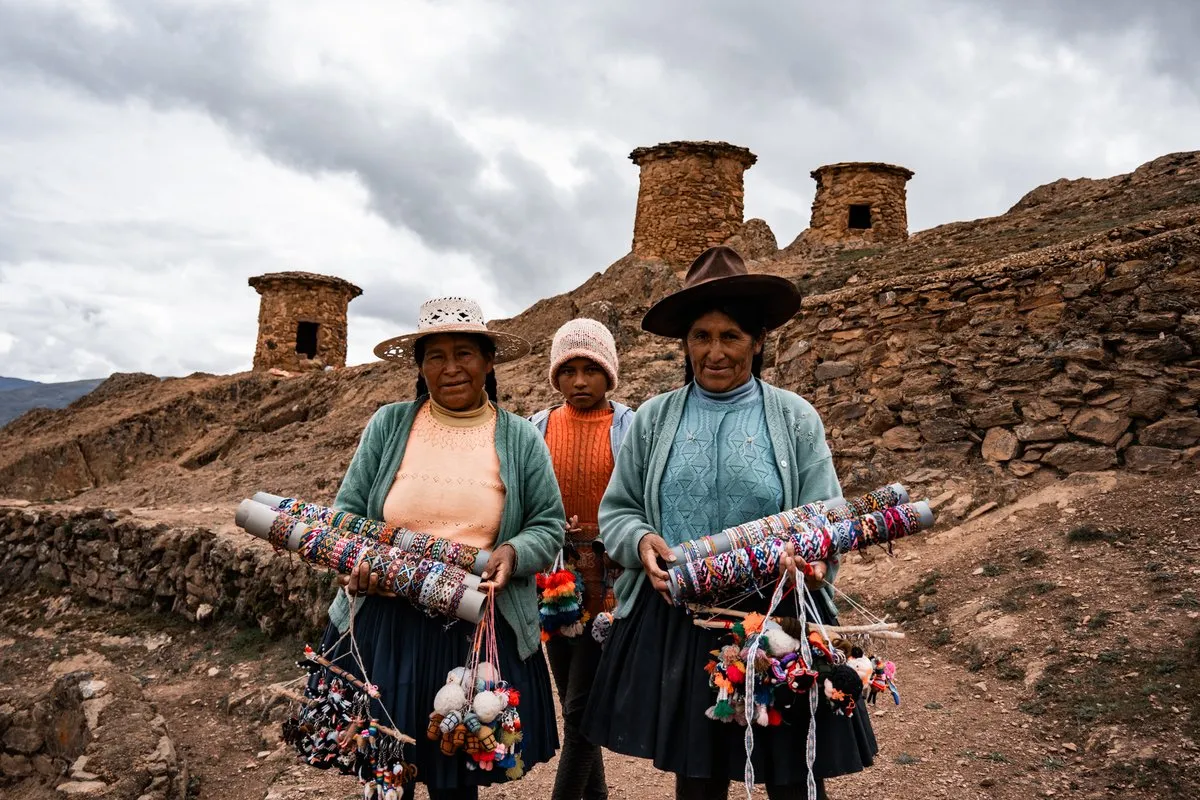
Andean communities, especially around Cusco and the Sacred Valley, retain strong Quechua identity and customs — ask before photographing people in traditional dress, and expect (and pay) a small tip if they agree. Coca leaf tea (mate de coca) is offered widely at altitude to help with soroche (altitude sickness) and is a normal, non-narcotic part of highland hospitality. Bargaining is expected and low-key in markets but not in shops or restaurants. Tipping guides and porters on treks like the Inca Trail is customary and often the bulk of porters' income, so budget for it separately from the tour price.
diving
Peru is not a diving destination in any meaningful sense — the cold, nutrient-rich Humboldt Current that makes the coast so good for marine mammal and seabird life also makes it poor for recreational scuba: cold water, low visibility, and strong currents. What exists is small-scale: a handful of dive operators around Lima and Paracas/Islas Ballestas offer cold-water dives and snorkeling with sea lions, plus occasional wreck dives near Lima, but none of it is a draw comparable to the Andes, Amazon, or coastal wildlife-watching by boat. This is a country to visit for mountains, ruins, and rainforest, with diving as a minor add-on at best.
for the impact solutionist or team
let's make your work more discoverable
do you have something that is or will change the world for the better?
learn morefor the conscious traveler
let's show you where we've been
are you interested in being a mindful explorer?
see where to go