Central America
Panama
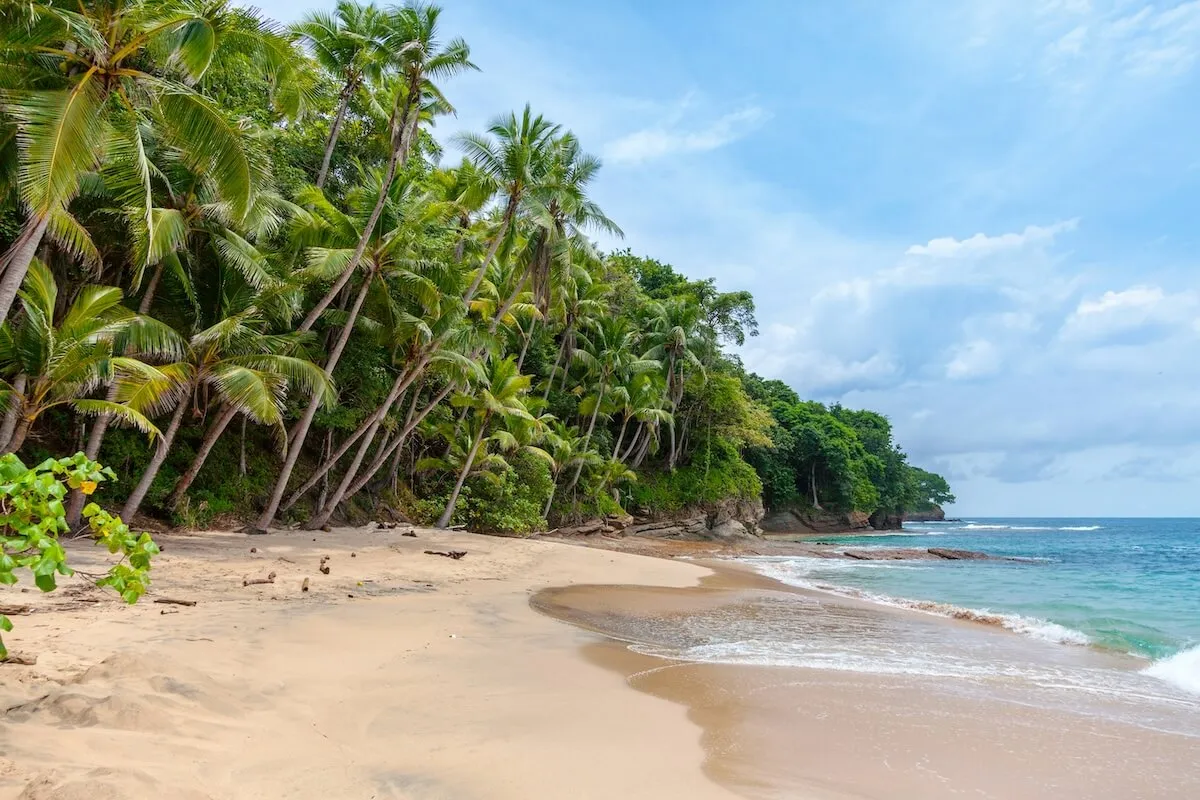
Straddling the Pacific and the Caribbean, Panama offers two oceans easily accessible in one country. The Pacific coast is wild—currents sweep through national parks and offshore islands, drawing in whale sharks, mantas, and migrating humpbacks. On the Caribbean side, calm waters hold coral reefs, shipwrecks, and schools of reef fish. Cutting between them, the Panama Canal links ecosystems and shows how geography and biodiversity can collide.
seasons
Panama runs on two seasons rather than four: a dry season from roughly mid-December through April, when trade winds keep the Pacific side clear and sunny, and a wet season from May through November, when afternoon downpours are common but mornings are typically clear. The Caribbean side (Bocas del Toro, Guna Yala) doesn't follow the same pattern as closely. Humidity stays high year-round given the country's equatorial location.
best time to visit
Travel in May or November, the shoulder months when the dry and wet seasons hand off to each other, rather than the crowded December-to-April peak. Rain is still limited to short afternoon bursts, rainforest trails and wildlife are at their most active because the ecosystem is transitioning, and both prices and visitor numbers drop noticeably compared to peak dry season. Whale-watching season also opens in this window on the Pacific side, so wildlife timing lines up with the cost and crowd advantage.
why people go
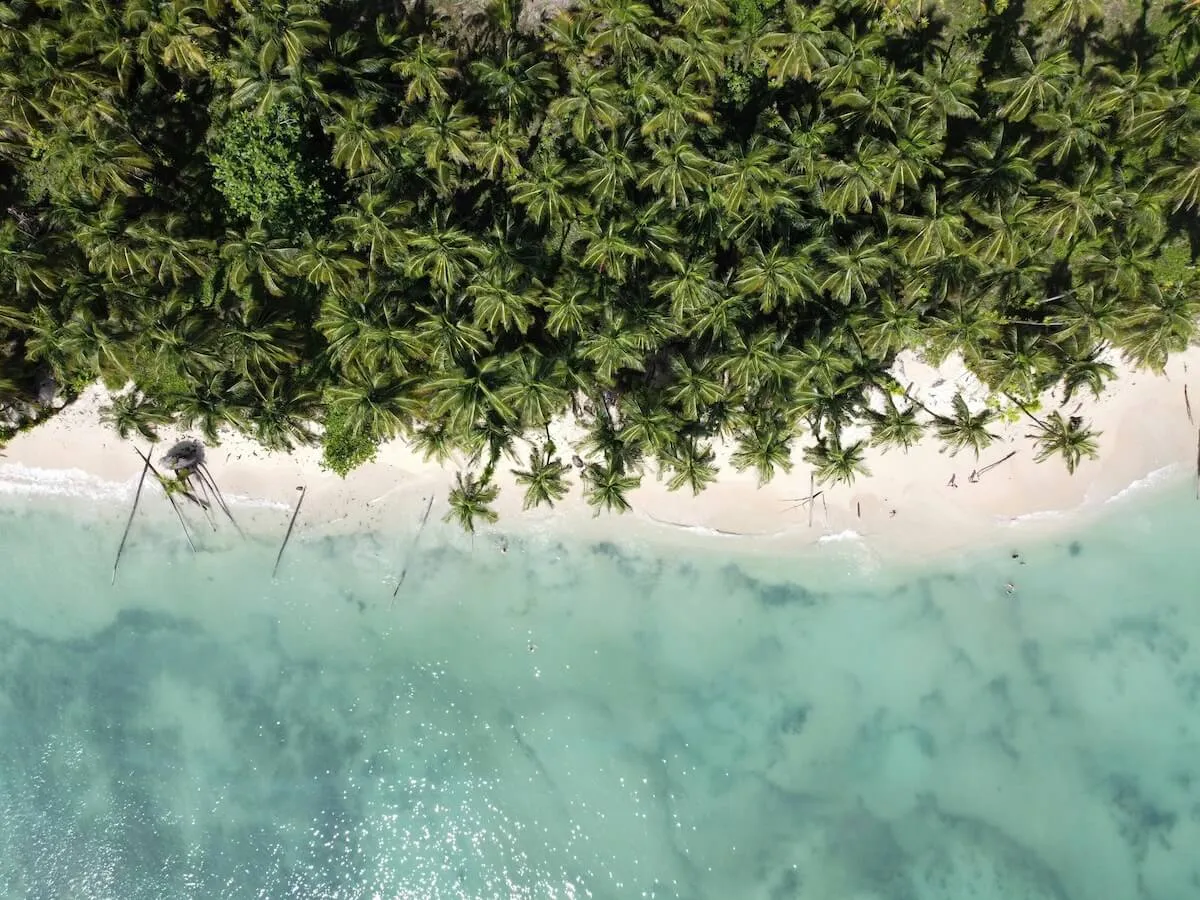
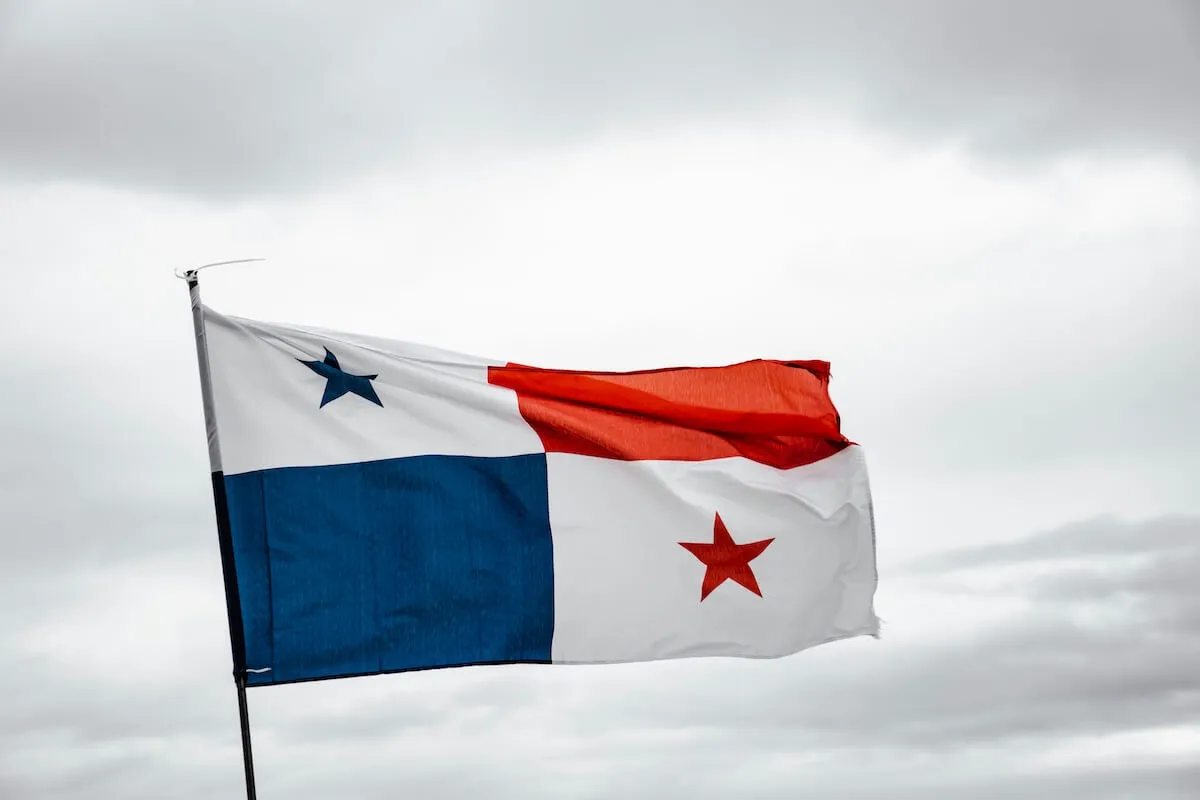
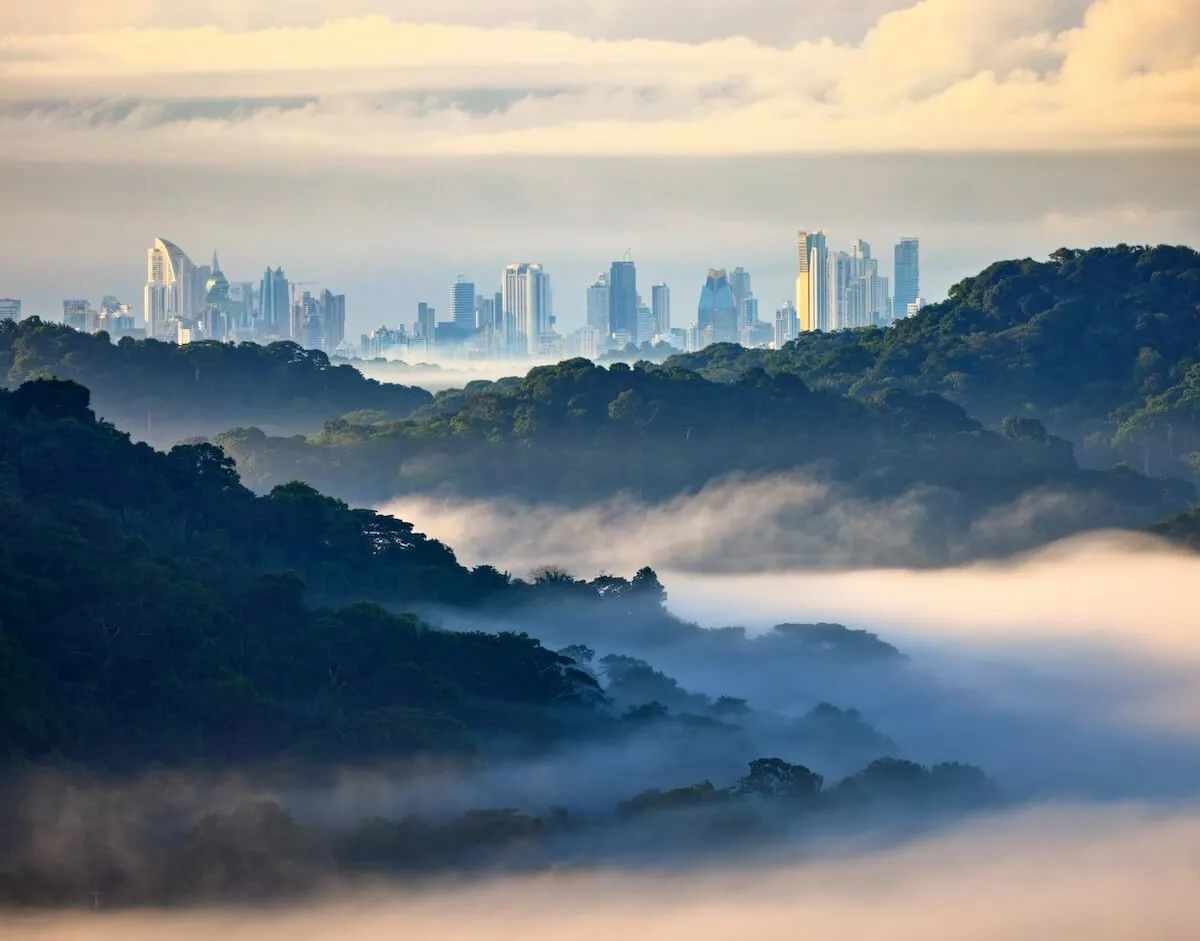
Panama is one of the few places on earth where you can stand between two oceans within an hour's drive, and its geography compresses rainforest, cloud forest, coral reef, and volcanic highlands into a country about the size of South Carolina. The Panama Canal remains a genuine engineering spectacle to watch in operation. Darién Province holds some of the least-disturbed tropical rainforest left in Central America, and the San Blas archipelago (Guna Yala) offers hundreds of low-lying coral islands still governed by the Guna people rather than run as a resort zone.
marquee wildlife
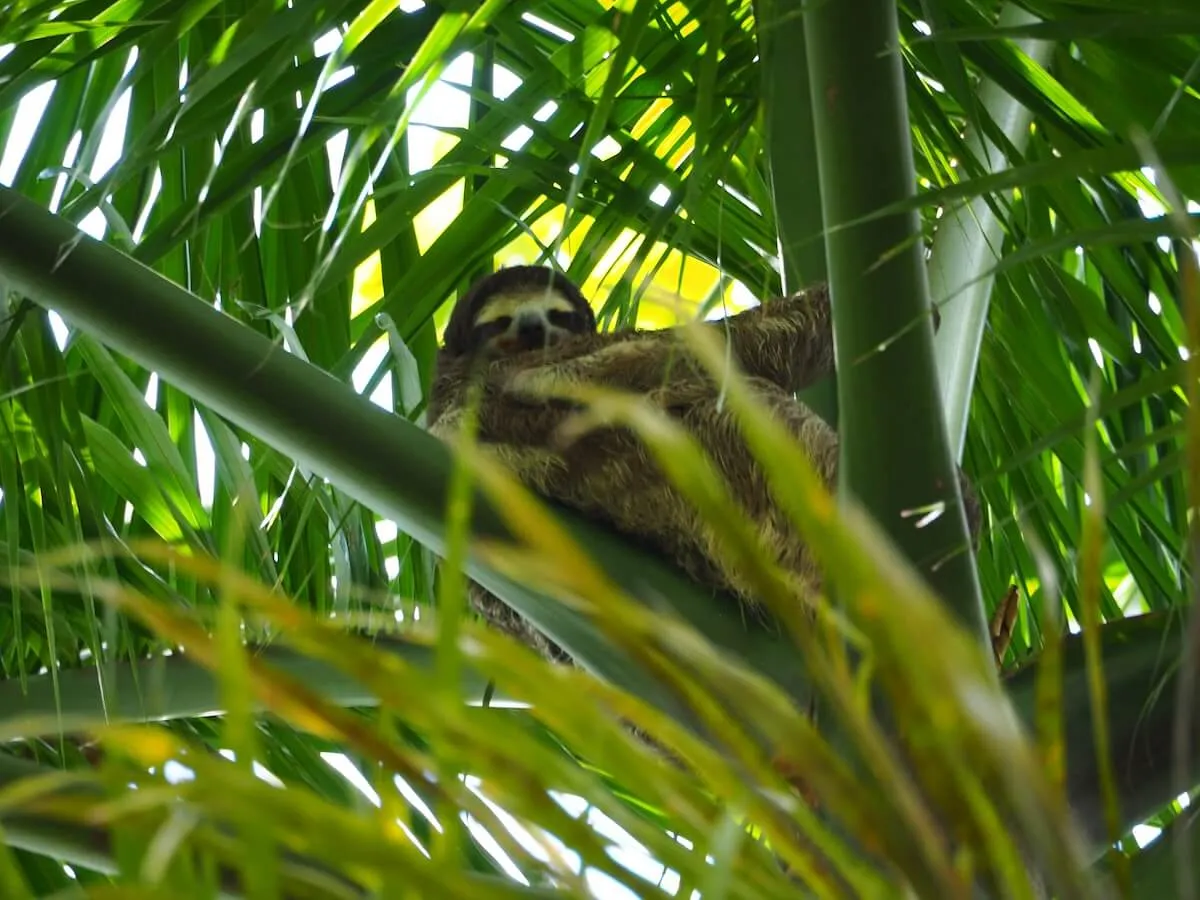
Humpback whales migrate from both northern and southern hemispheres to breed and calve in Panama's Pacific waters, concentrated around the Gulf of Chiriquí, Coiba National Park, and the Pearl Islands, giving Panama one of the longest whale-watching seasons in the world. Coiba's surrounding waters also draw hammerhead sharks, whale sharks, and manta rays. Sea turtles nest on both coasts, most notably at Bastimentos and Chiriquí Beach in Bocas del Toro, and the country's rainforests hold harpy eagles, resplendent quetzals, and around 1,500 recorded bird species.
food
Sancocho, a chicken soup built on yucca, corn, and plantain, functions as the de facto national dish. Ceviche here often gets a coconut milk addition that sets it apart from other Latin American versions. Patacones (twice-fried plantain) show up as a standard side, alongside ropa vieja (shredded beef stew), arroz con pollo, and empanadas as street food.
culture & etiquette
Guna Yala (San Blas) is an autonomous Indigenous territory, not a resort archipelago, and the Guna people have self-governed there since 1938; visits run through community-approved access rather than open tourism infrastructure. Ask before photographing people, homes, or ceremonies, and expect a small tip may be customary if permission is granted. Cover shoulders and knees in rural and Indigenous communities. Buying crafts (Guna mola textiles), food, and guide services directly from community members is the more direct way to put money into the local economy.
diving
Coiba National Park on the Pacific side is Panama's headline dive destination, with strong currents feeding baitballs, reef sharks, hammerheads, and seasonal whale sharks and mantas around remote seamounts near Santa Catalina; conditions favor divers with Advanced Open Water or Deep certification. Bocas del Toro on the Caribbean side is calmer and shallower, with extensive coral coverage, best visited September–October for flattest water and clearest visibility. Diving is a genuine draw here but sits alongside, not above, Panama's broader identity as a canal, rainforest, and Indigenous-territory destination.
for the impact solutionist or team
let's make your work more discoverable
do you have something that is or will change the world for the better?
learn morefor the conscious traveler
let's show you where we've been
are you interested in being a mindful explorer?
see where to go