Oceania
New Zealand
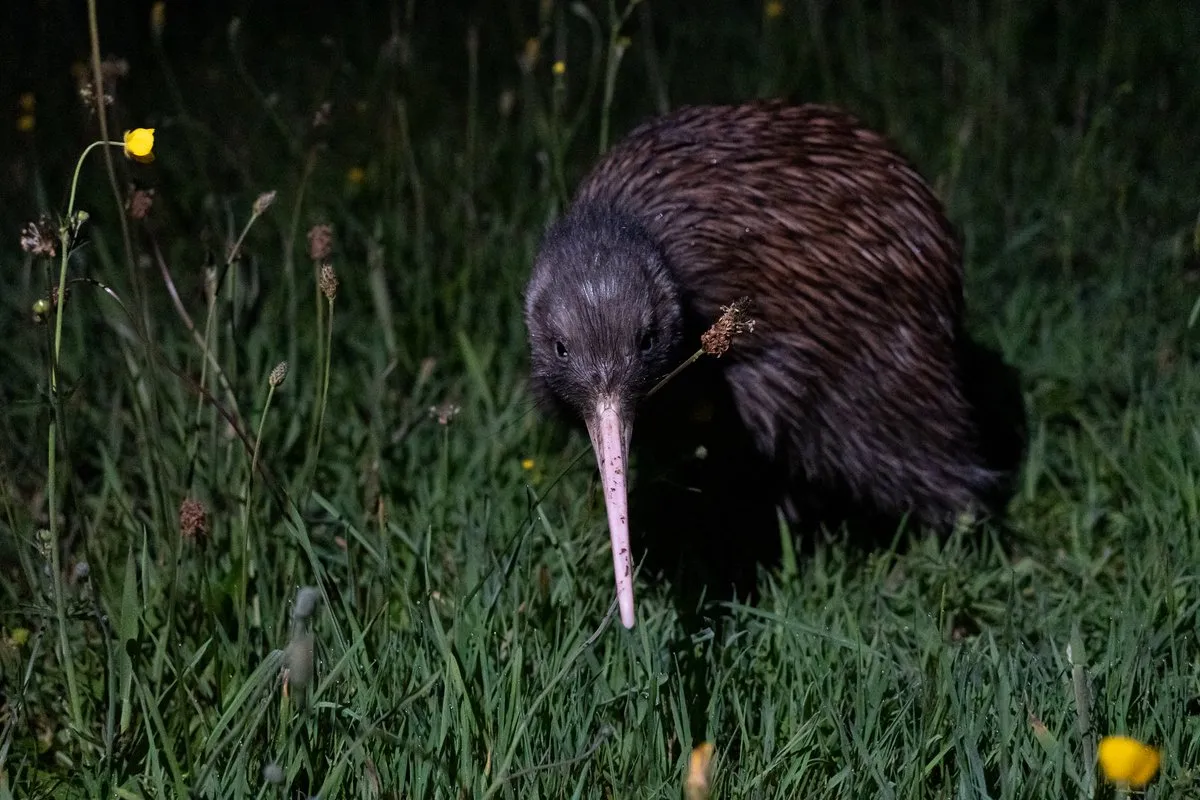
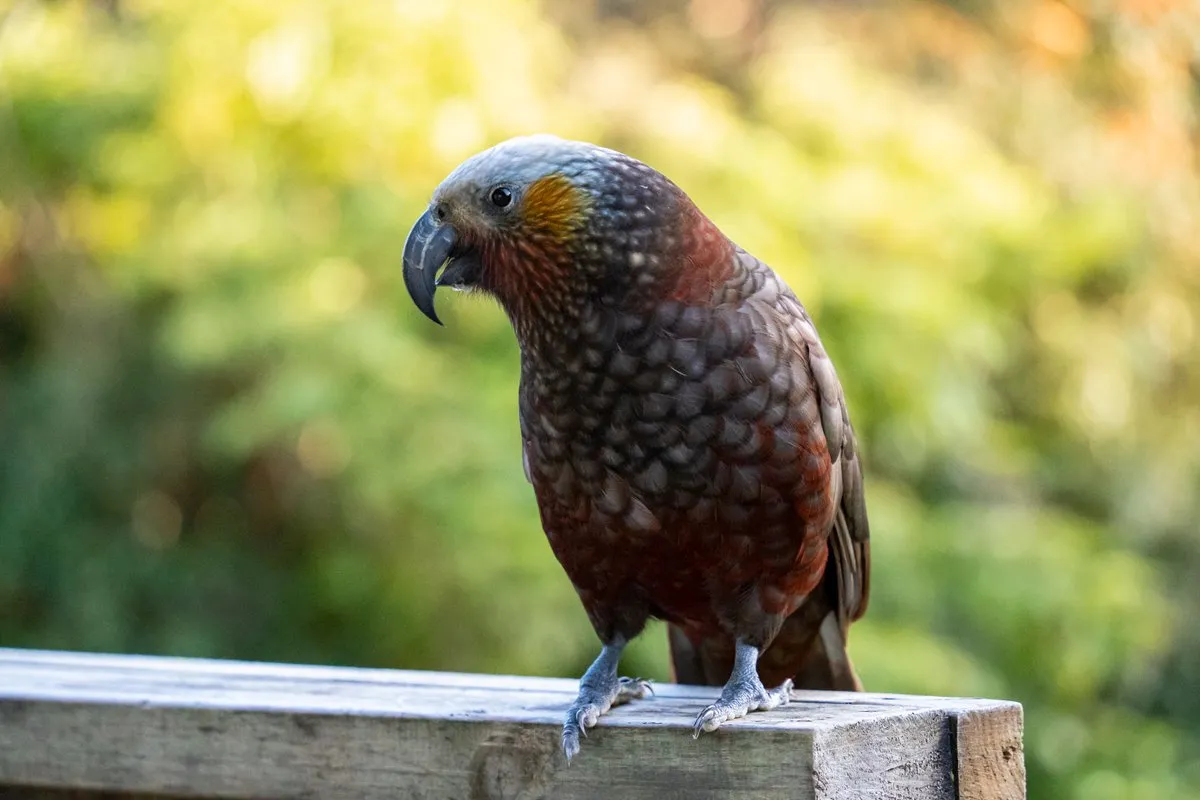
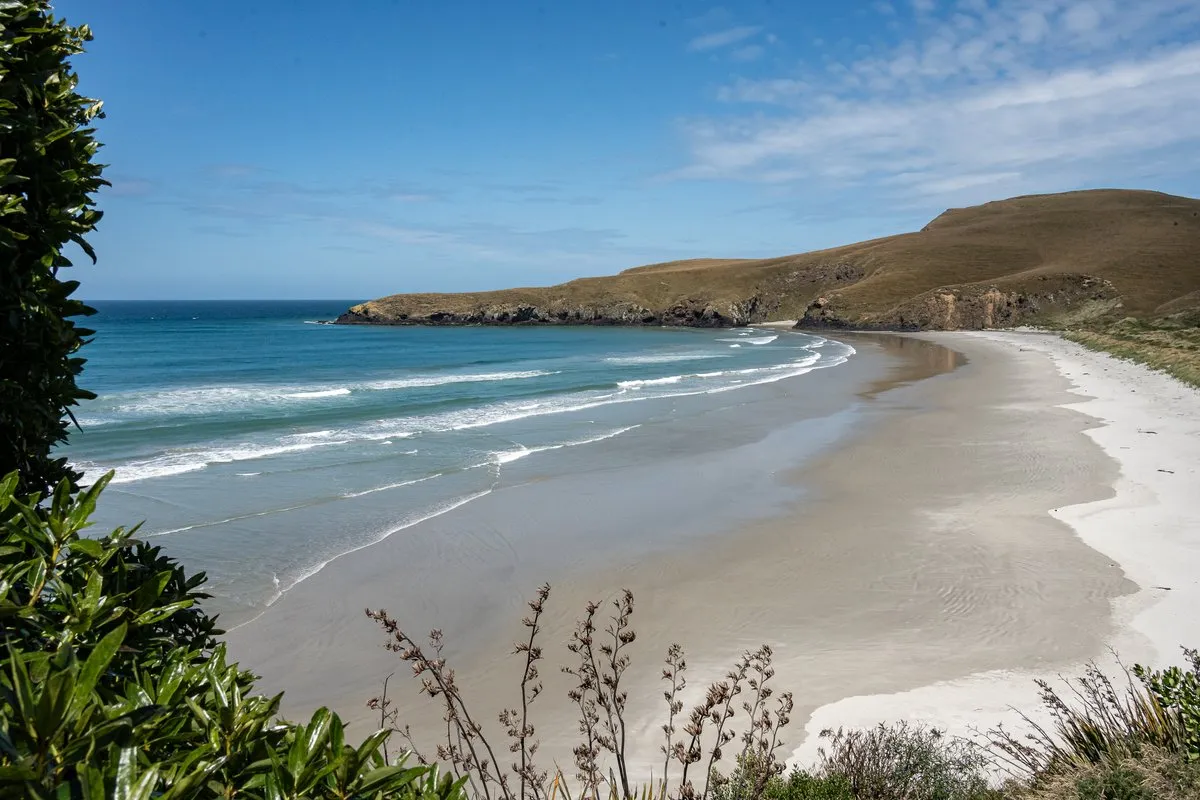
Split between the subtropical North Island and the wild, mountainous South Island, New Zealand is a country where culture and wilderness are inseparable. Māori heritage shapes the land through stories, place names, and guardianship traditions that honor rivers, mountains, forests, and seas as living ancestors. Rare birds like the kiwi, fur seals basking on rocky coasts, and dolphins weaving through rich marine currents all highlight a nation deeply tied to nature. From fjords and glaciers to golden beaches and volcanic plateaus, New Zealand feels like a microcosm of the planet’s most extraordinary landscapes.
seasons
New Zealand sits in the southern hemisphere, so summer runs December to February and winter runs June to August, the reverse of the northern-hemisphere calendar. Peak tourist season is December through February (into March). Autumn (March to May) and spring (September to November) are shoulder seasons, and June to August is the quiet, cold low season, especially outside the ski towns. Weather varies sharply by region: the North Island is subtropical up north, Fiordland gets heavy rain and Central Otago runs to extremes of hot summers and frosty winters.
best time to visit
Go in autumn, specifically March to May, rather than the December to February peak. Temperatures cool but stay mild, the Great Walks and huts are far easier to book without summer's crush, sandflies ease off noticeably, and the country puts on genuine autumn color it doesn't get credit for. Spring (September to November) is the other shoulder option, trading autumn's colors for wildflowers and lower rates before the summer rush hits, though huts can still be booking up by November.
why people go
The pull is scale and variety packed into a small country: Fiordland's Milford Sound, with Mitre Peak rising near-vertically out of black water and waterfalls dropping straight off the cliffs after rain, sits at the center of it. Three of New Zealand's Great Walks — Milford, Kepler, and Routeburn — run through that same region, and the geography swings from glacier-carved fiords to volcanic plateaus to braided rivers within a few hours' drive.
marquee wildlife
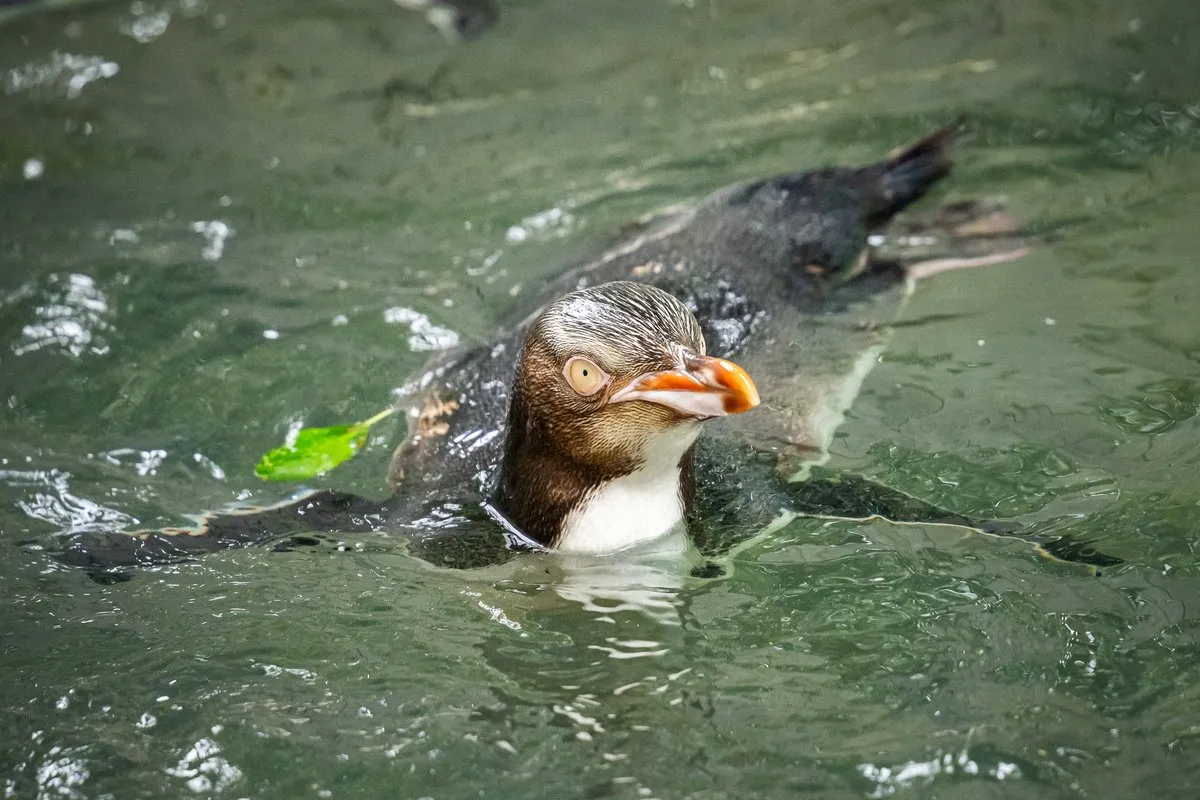
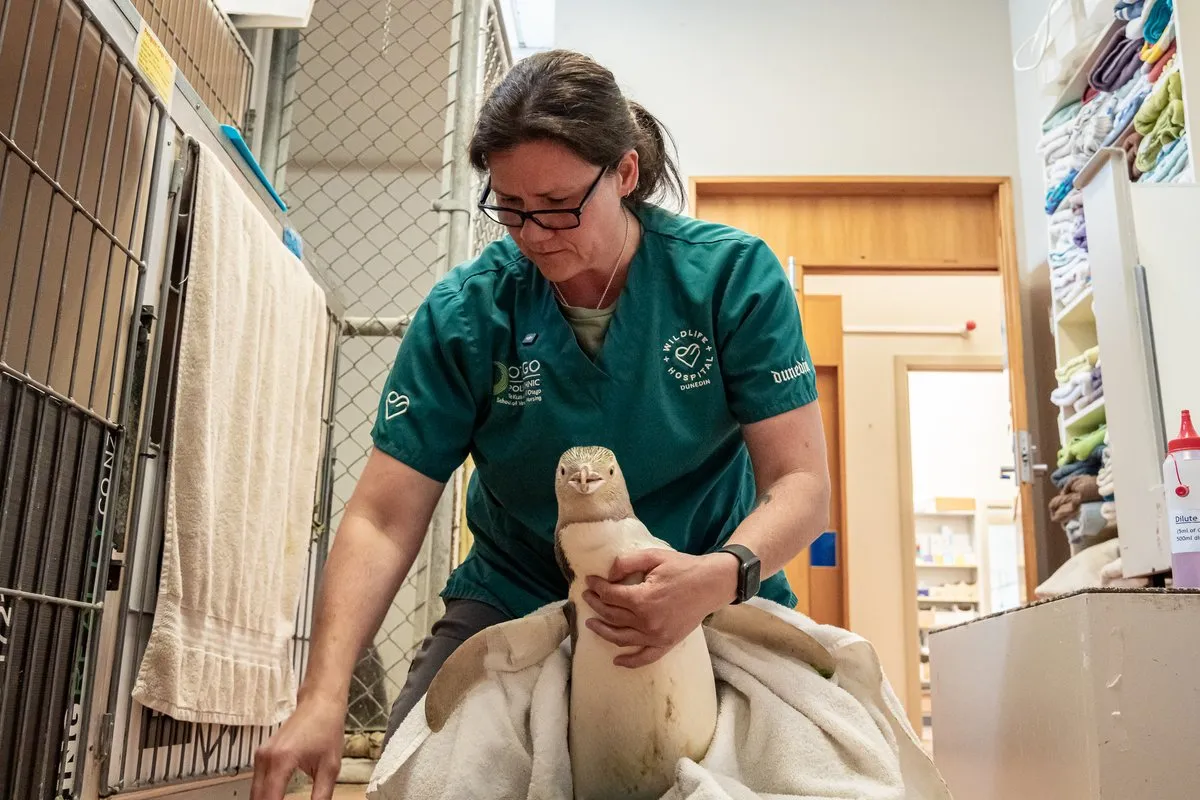
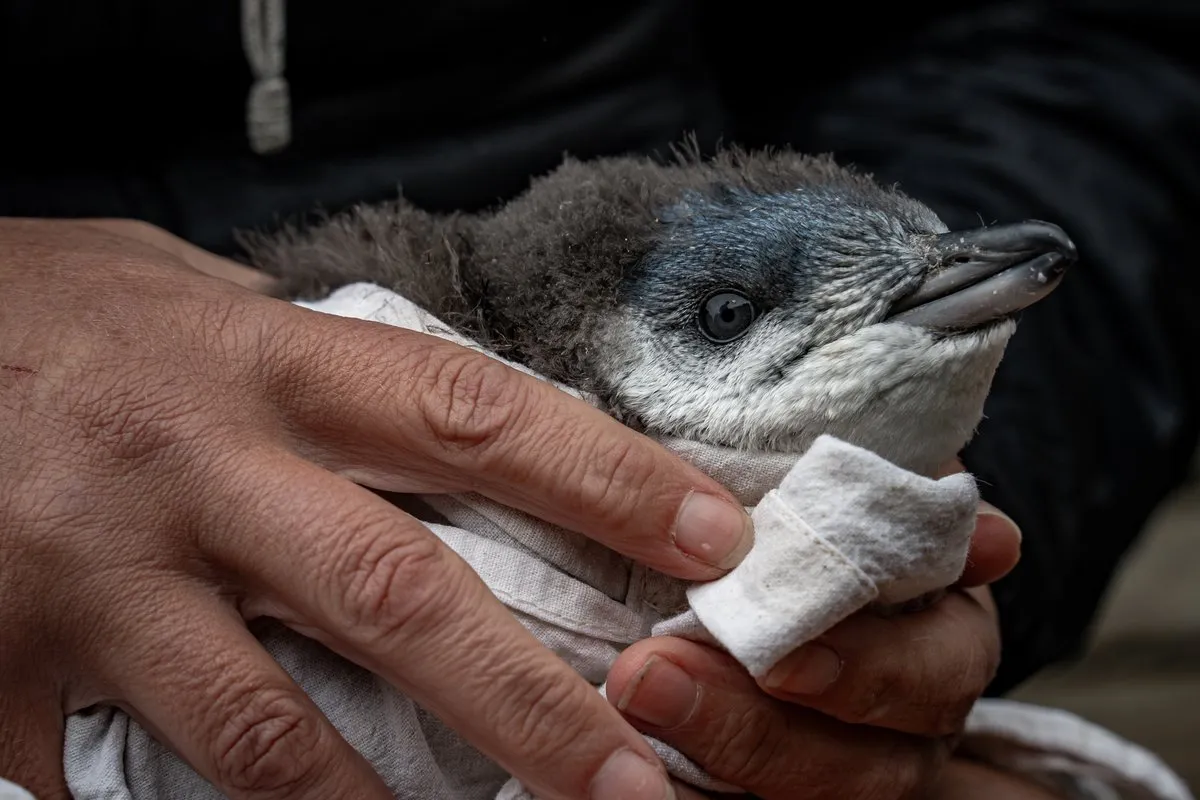
The kiwi is the country's flagship species and unofficial national symbol, a flightless, nocturnal bird found nowhere else, and it's also a bellwether for how conservation is going generally — populations are still declining around 2% a year mostly from stoat, cat, and ferret predation on chicks. The Department of Conservation runs kiwi sanctuaries with trapping and aerial pest control to hold that line. Beyond the kiwi, Fiordland and Milford Sound bring dolphins, fur seals, and penguins into the same water as the scenery.
food
Hāngi — meat and root vegetables like kumara, potato, and pumpkin cooked underground over hot stones — is the traditional Māori dish and shows up at real gatherings, not just for tourists. Pavlova, the meringue-cream-fruit dessert, is a fixture at any Kiwi gathering. Lamb is genuinely high quality here, Bluff oysters and green-lipped mussels cover the seafood side, whitebait fritters are a South Island west-coast specialty, and the meat pie is the everyday staple.
culture & etiquette
A marae is not a tourist attraction — it's a living, sacred meeting ground belonging to a specific iwi or hapū, and visitors need permission before entering, then wait to be welcomed through a pōwhiri rather than walking in. During that welcome ceremony, talking, eating, or drinking is disrespectful. Inside a wharenui (meeting house), shoes come off and food isn't brought in. Ask before photographing people, carved buildings, or taonga (treasured objects). The most respectful way to experience any of this as a visitor is through an organized marae visit, common in Rotorua and the Bay of Islands.
diving
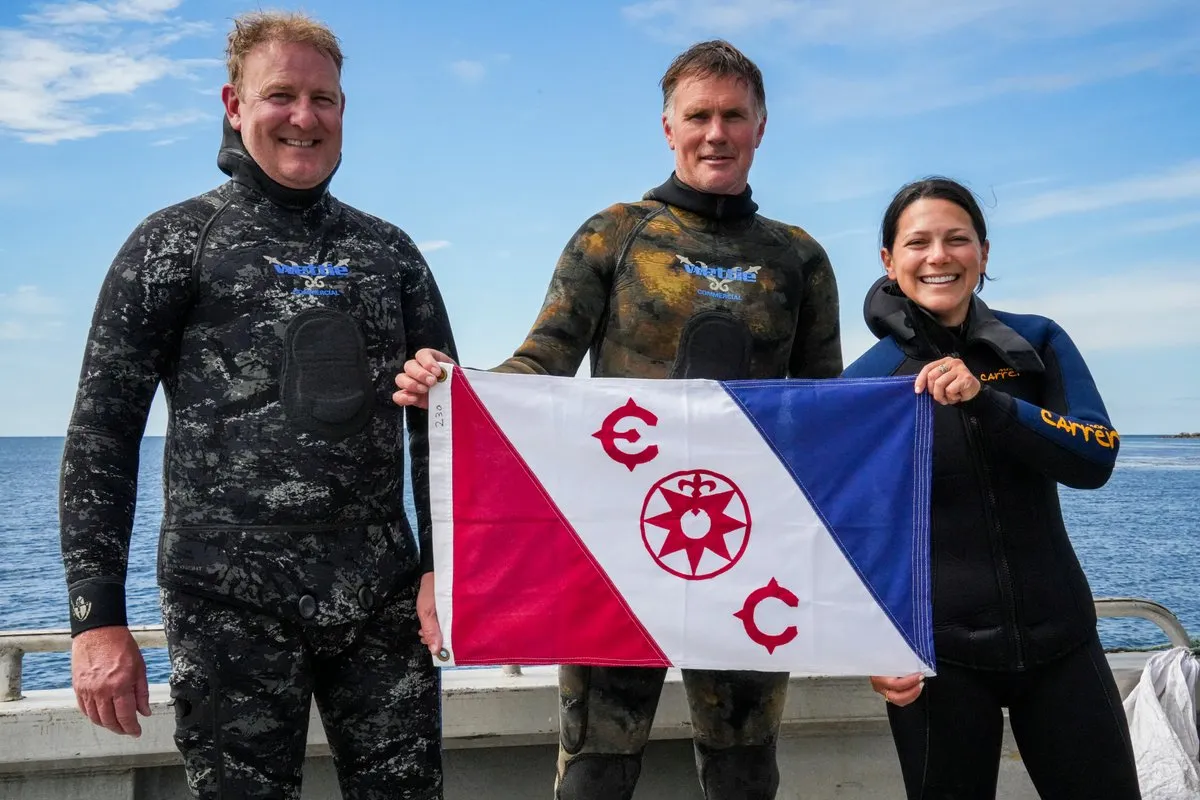
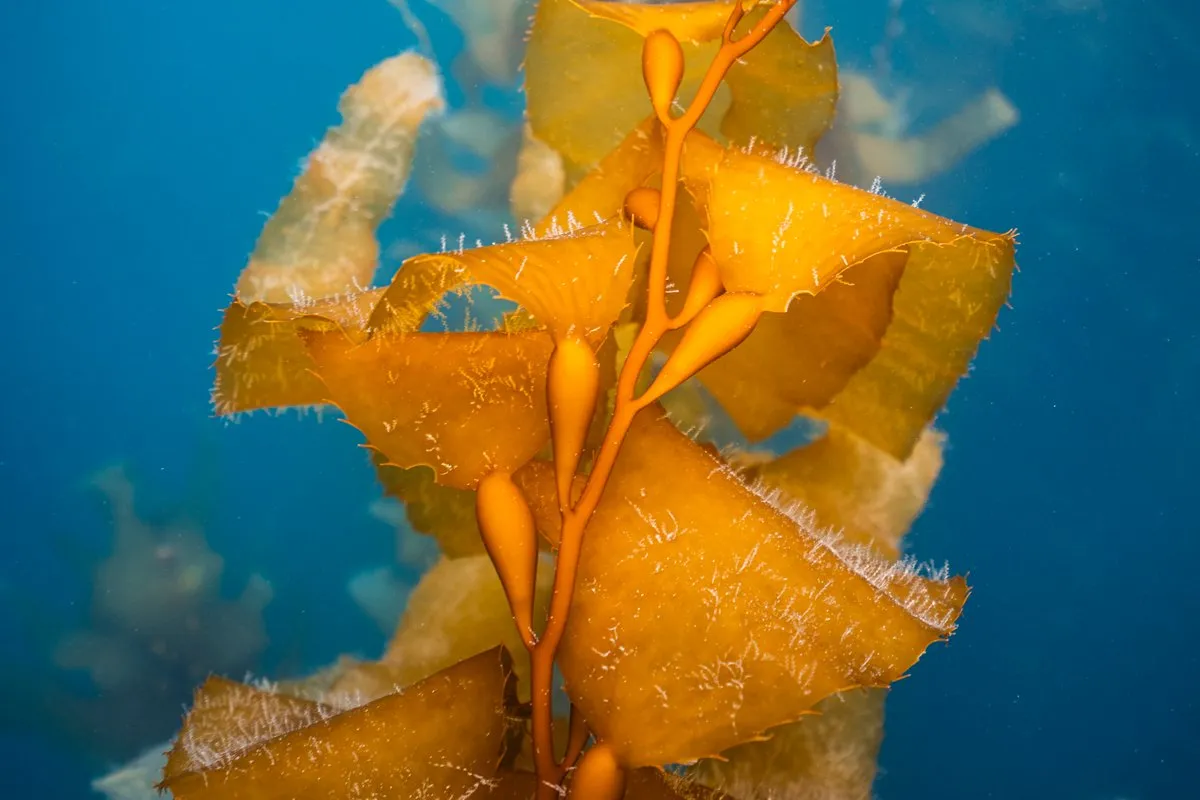
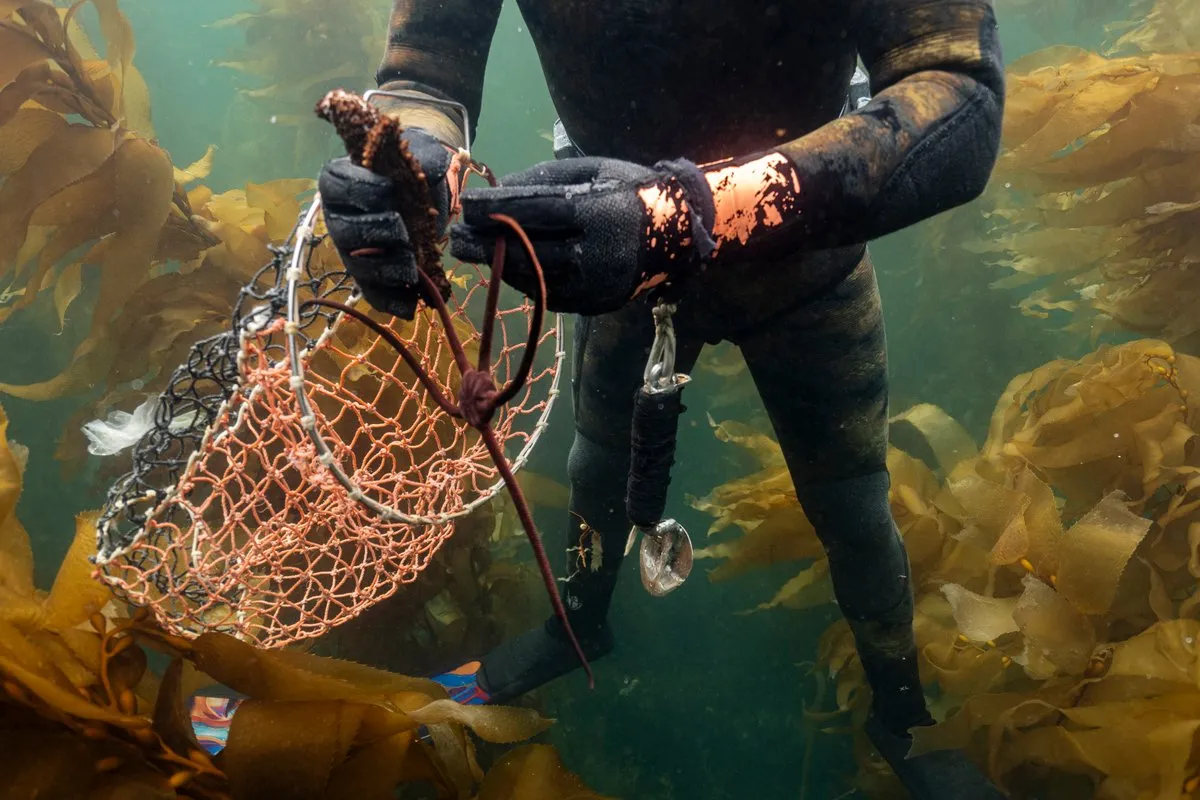
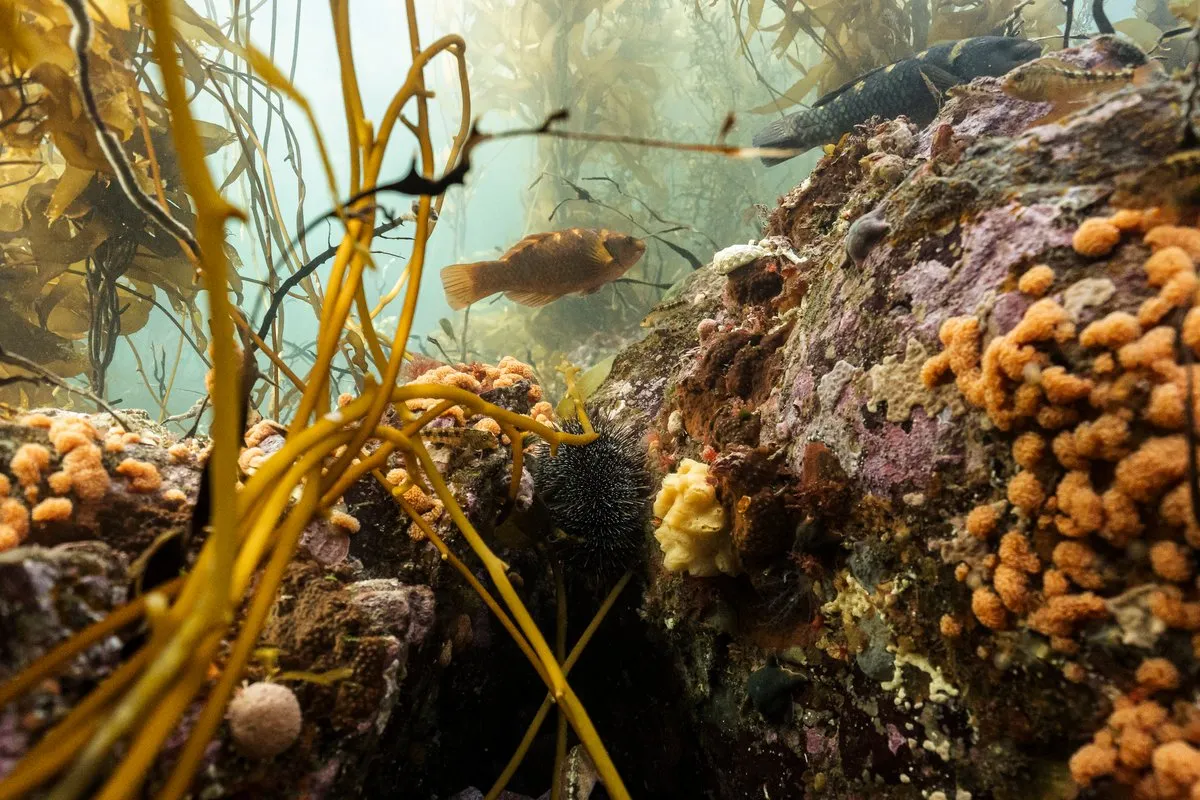
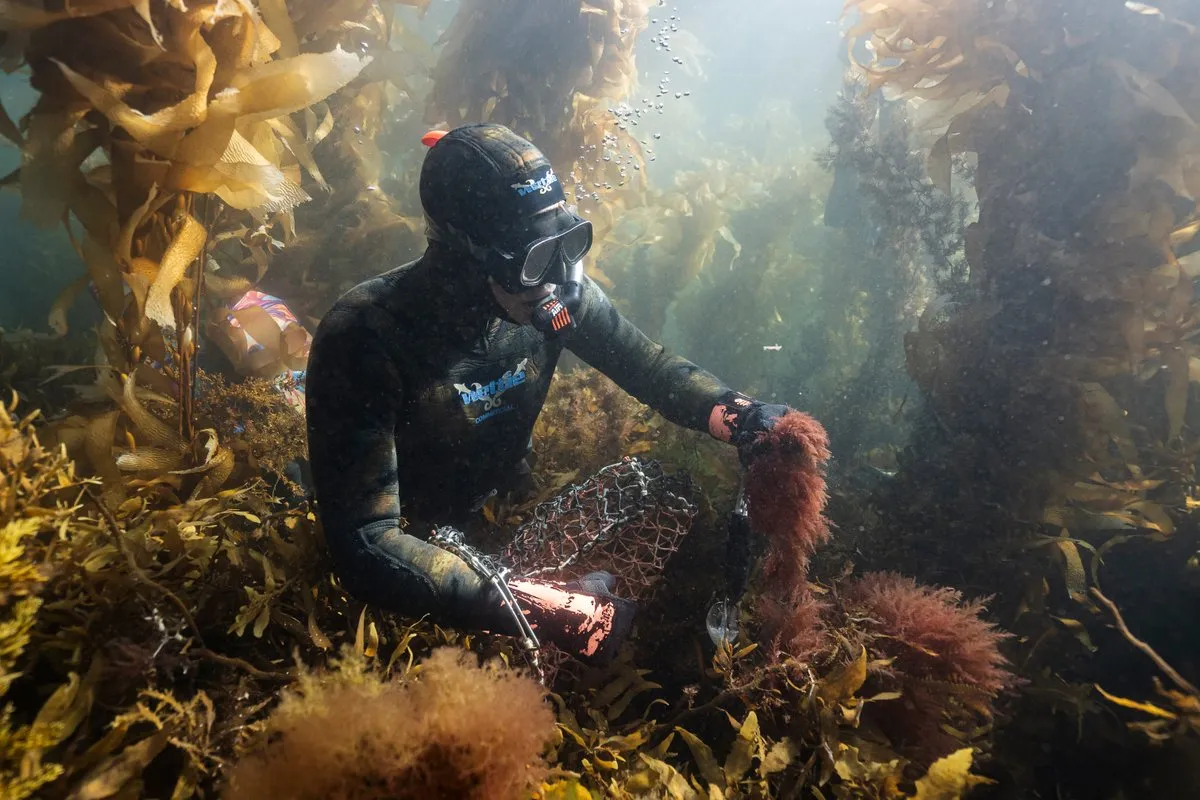
The Poor Knights Islands, about 22km off Northland's east coast and reached mainly from Tutukaka, is the country's dive standout — Jacques Cousteau rated it a top-ten dive site worldwide, and it's since been voted best subtropical diving globally by Diver magazine. Around 60 dive sites there hold over 125 fish species, including subtropical fish found nowhere else in New Zealand, set among volcanic caves, tunnels, and cliffs, and the whole area has been a marine reserve since 1981 with full protection since 1998. Diving is real here but sits alongside, not above, the country's land-based draws — Milford Sound, the Great Walks — so it's a strong addition to a New Zealand trip rather than the primary reason most people come.
for the impact solutionist or team
let's make your work more discoverable
do you have something that is or will change the world for the better?
learn morefor the conscious traveler
let's show you where we've been
are you interested in being a mindful explorer?
see where to go