North America
Mexico
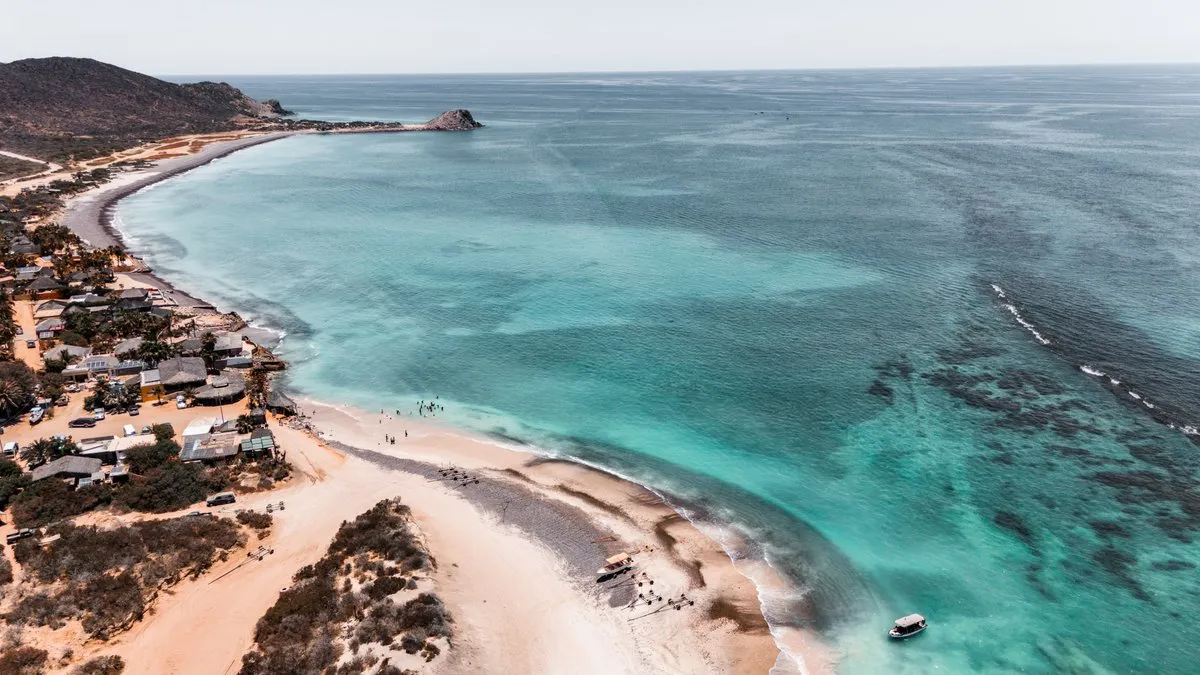
Mexico is where desert cliffs drop into turquoise seas, where jungle rivers flow into coral gardens, and where underwater caves stretch for miles in the dark. Along its coasts, whale sharks, manta rays, and sea turtles share the water with fishing villages that still work the tides. Offshore, UNESCO-listed marine parks and remote volcanic islands protect some of the most intact ecosystems left in the Americas. And inland, hidden cenotes and flooded caves reveal freshwater worlds few ever see.
seasons
Mexico runs a dry season roughly November through April and a wet season May through October, with the Caribbean coast (Yucatan, Riviera Maya) also facing Atlantic hurricane season from June through November. Peak dry heat and crowds hit December through March, especially over holidays and spring break. Interior highland cities like Oaxaca and Mexico City stay temperate year-round due to elevation, while the Pacific and Gulf coasts are hot and humid most of the year. Sargassum seaweed buildup on Caribbean beaches, worst roughly April through August, is a separate seasonal variable.
best time to visit
Skip the November-to-April peak on the Riviera Maya, when Tulum and Cancun run at their most crowded and priced-up, especially around holidays and spring break. Late April through May and again in late November offer the better trade: warm water, thinning crowds, and lower prices, with November adding the benefit of low sargassum before winter high season kicks in. June opens hurricane season but storm risk that early is still low, so late spring and late fall are the two realistic shoulder windows.
why people go
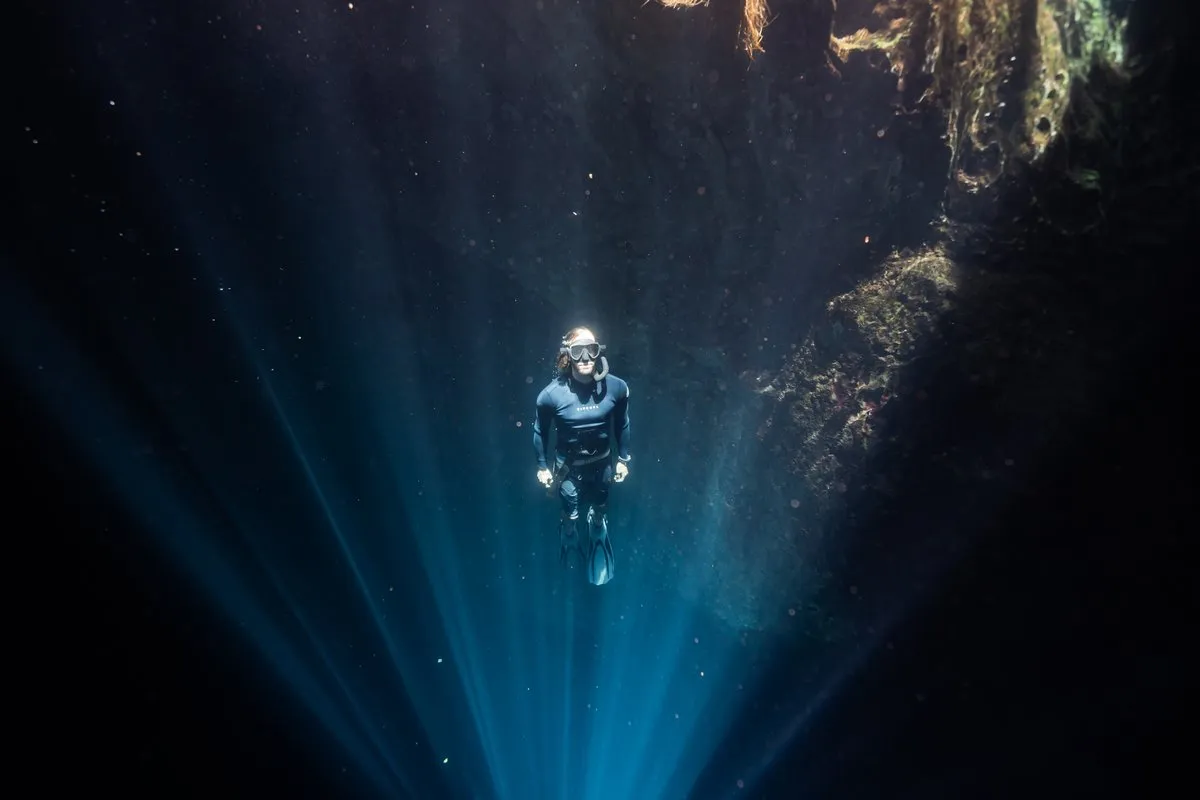
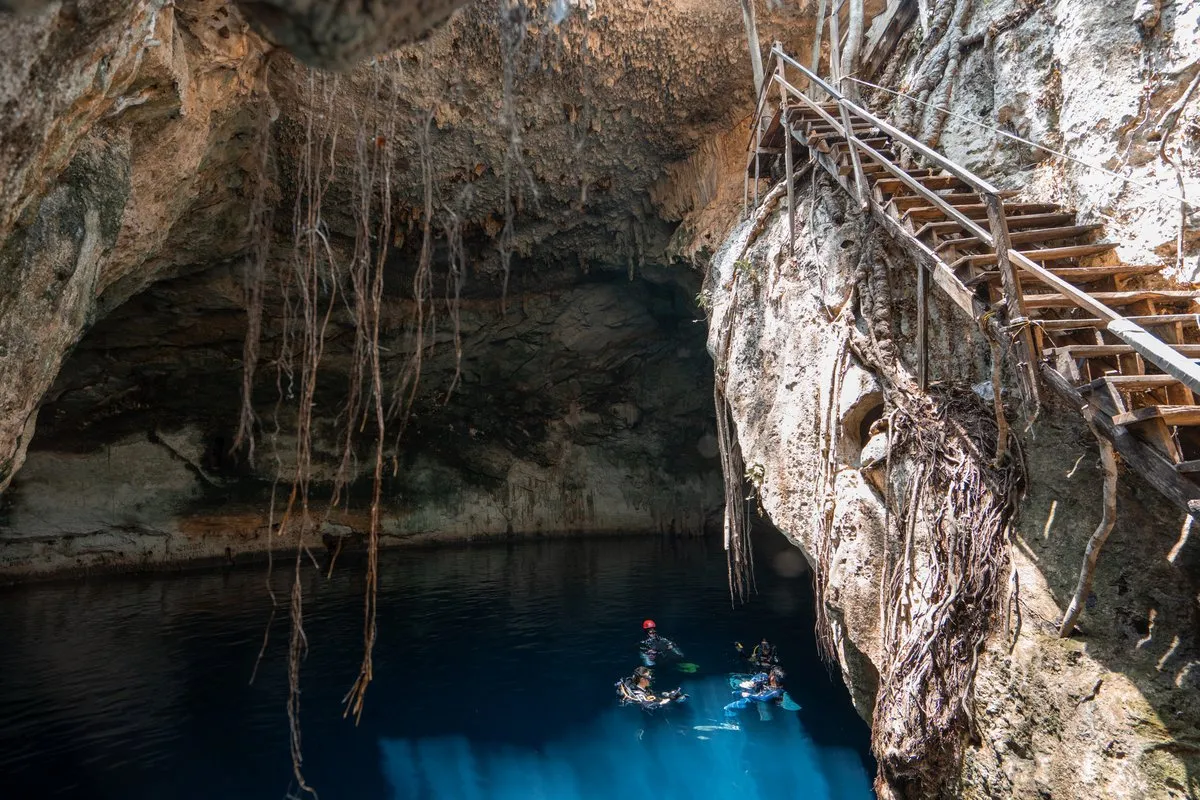
Mexico stacks Mesoamerican ruins (Chichen Itza, Palenque, Teotihuacan), colonial hill towns (Oaxaca, San Miguel de Allende), the freshwater cenote network of the Yucatan, volcanic highlands, and two long coastlines into one country. The Copper Canyon in Chihuahua is deeper than the Grand Canyon, and Baja California's peninsula gives access to both desert and open Pacific in the same trip. Few countries pack this much geological and cultural range into contiguous, drivable territory.
marquee wildlife
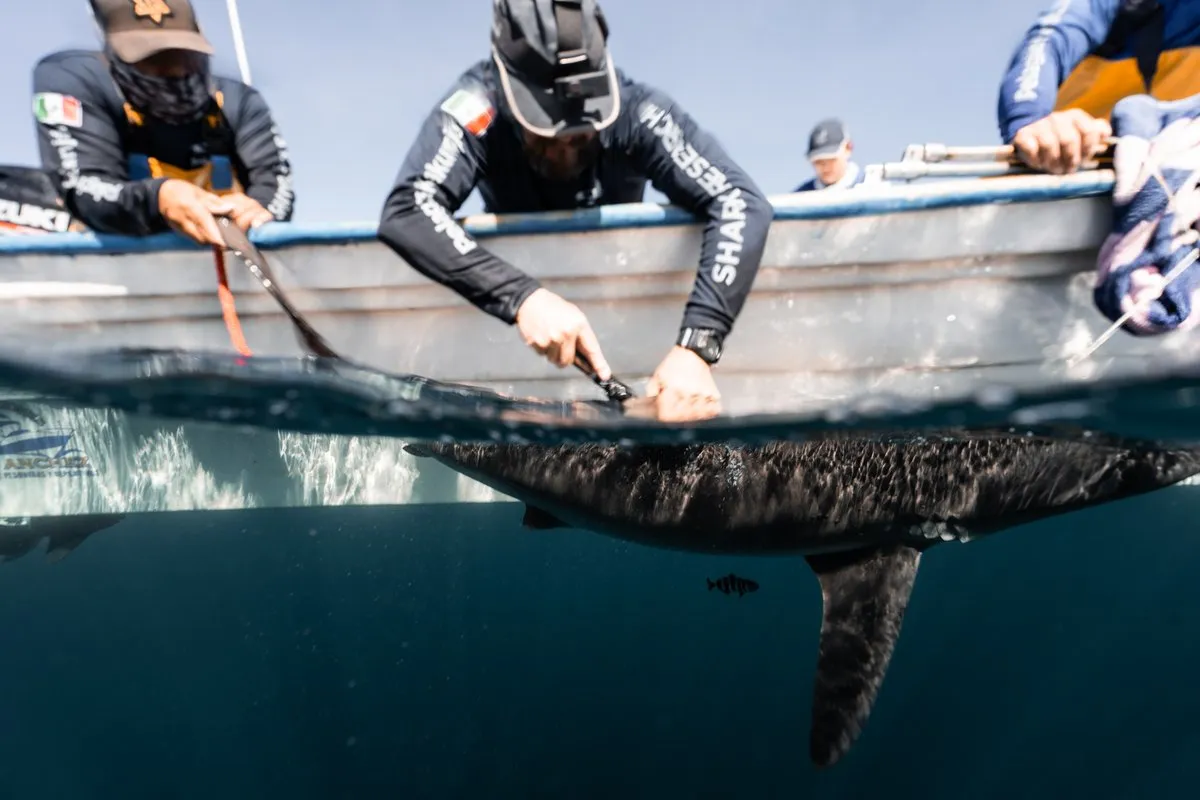
Gray whales migrate from Arctic feeding grounds to breed and calve in Baja California's San Ignacio Lagoon and Magdalena Bay from roughly mid-January to mid-March, one of only two undeveloped gray whale breeding grounds on Earth. Monarch butterflies complete a multi-generation, 4,000-kilometer migration to overwinter by the tens of millions in the oyamel fir forests of the Monarch Butterfly Biosphere Reserve, a UNESCO site, roughly October through March. Whale sharks gather off Isla Mujeres and in the Sea of Cortez between June and September, one of the most reliable whale shark encounters anywhere.
food
Yucatan cuisine centers on cochinita pibil, achiote-and-sour-orange-marinated pork traditionally cooked in an underground pib oven and wrapped in banana leaves, plus sopa de lima. Oaxaca is known for its seven moles (mole negro built on charred chiles and chocolate is the most famous), tlayudas loaded with quesillo and grilled meat, and chapulines, lime-and-chile-seasoned toasted grasshoppers sold by the cup. Street food, tacos, tamales, and regional market stalls generally outperform hotel-restaurant versions of the same dishes.
culture & etiquette
Greetings matter: shake hands, hug, or exchange a cheek kiss individually with everyone in a room rather than a group wave, and expect small talk before business. Tipping 10-15% in cash is standard for meals, bars, hotel staff, taxis, and tour guides. In indigenous communities, ask permission before photographing people or ceremonies, dress modestly at religious sites, and treat Catholic observances like Semana Santa with reverence rather than as photo opportunities.
diving
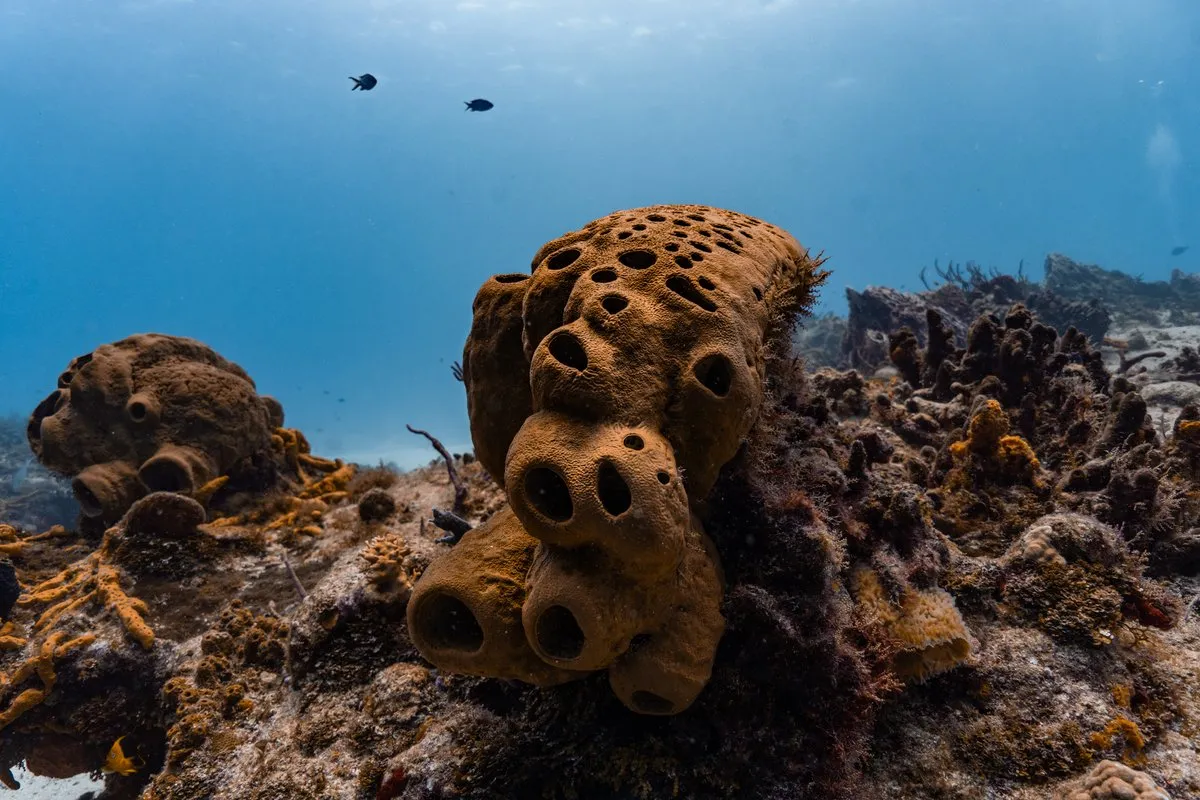
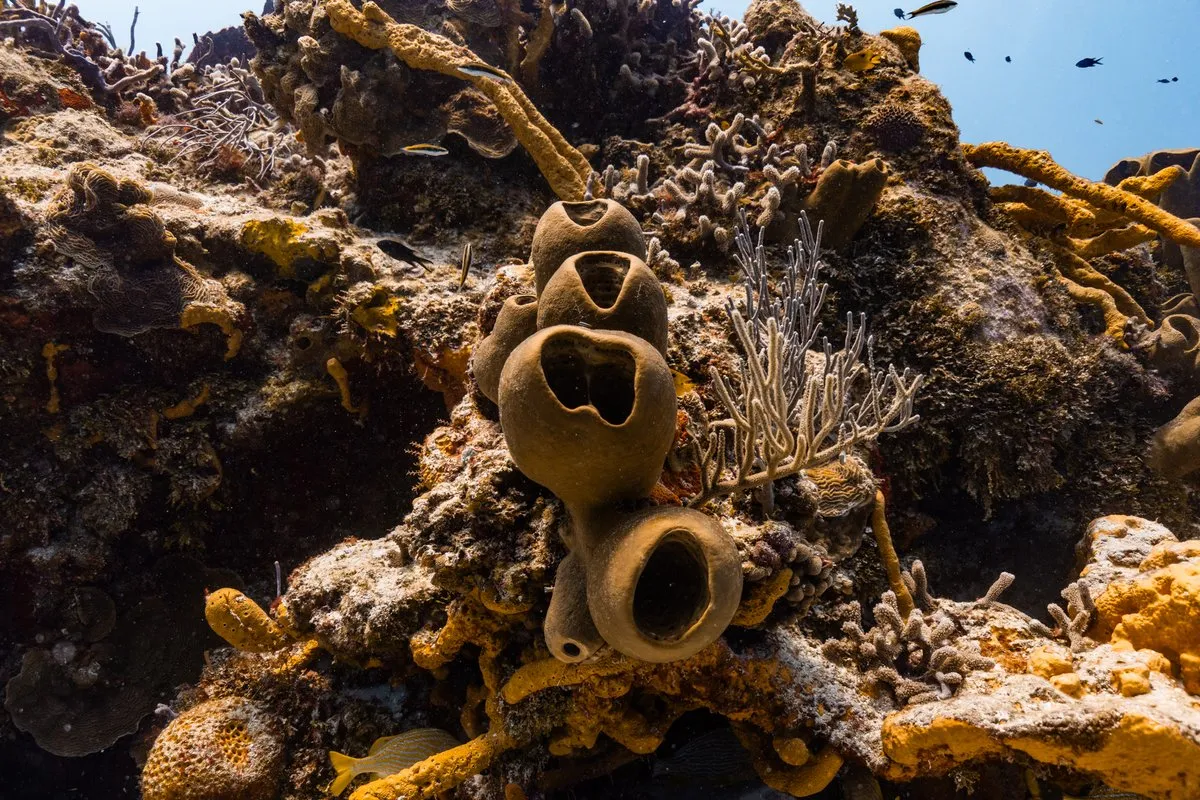
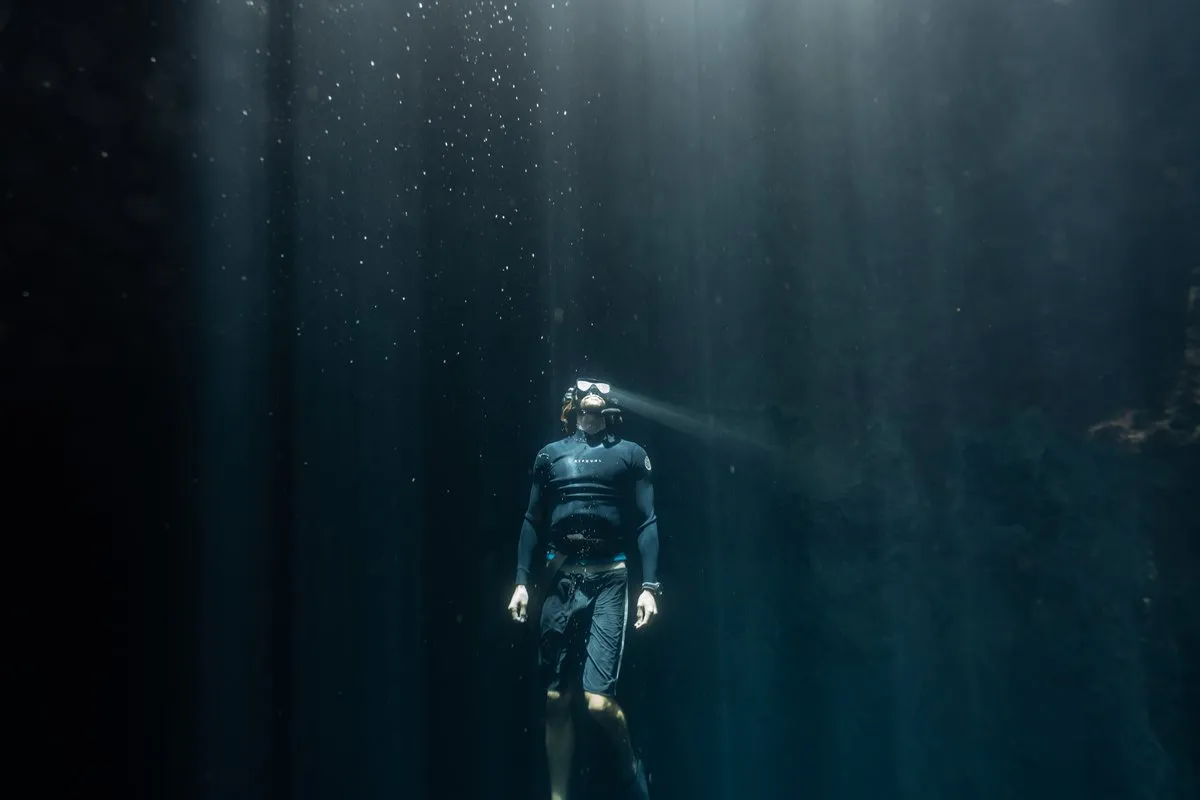
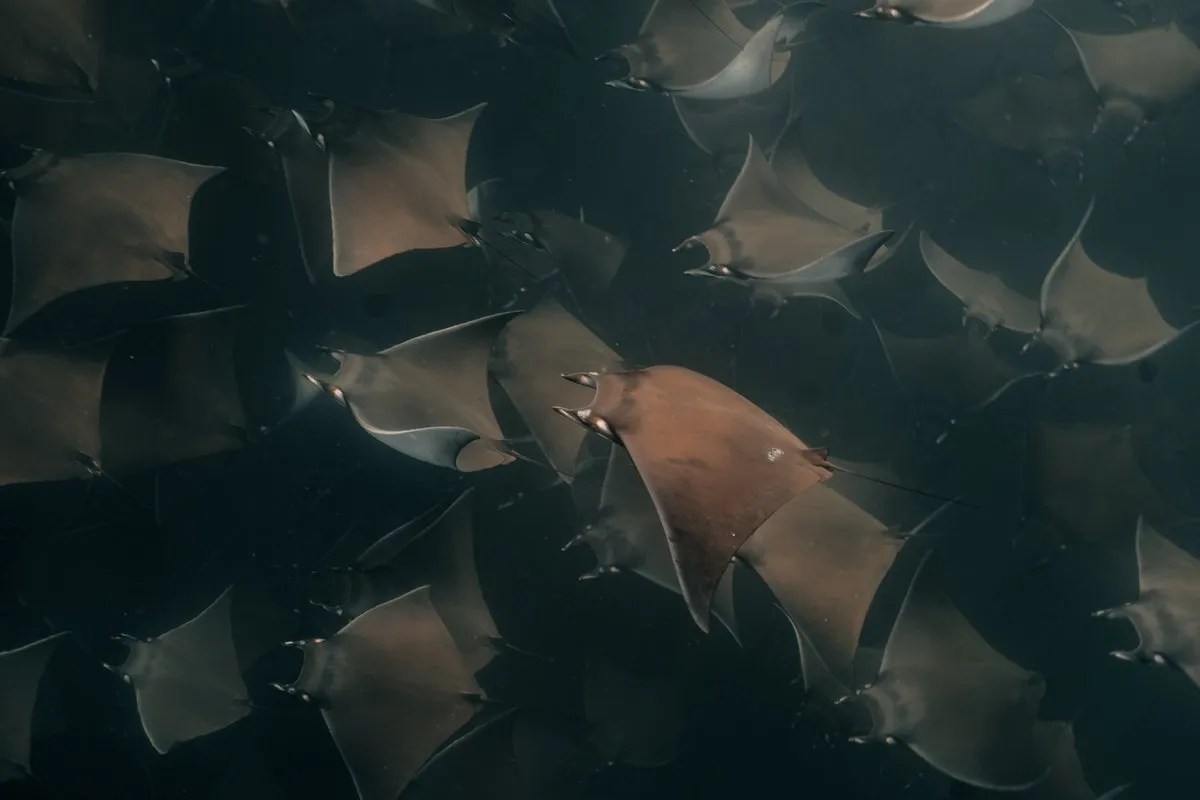
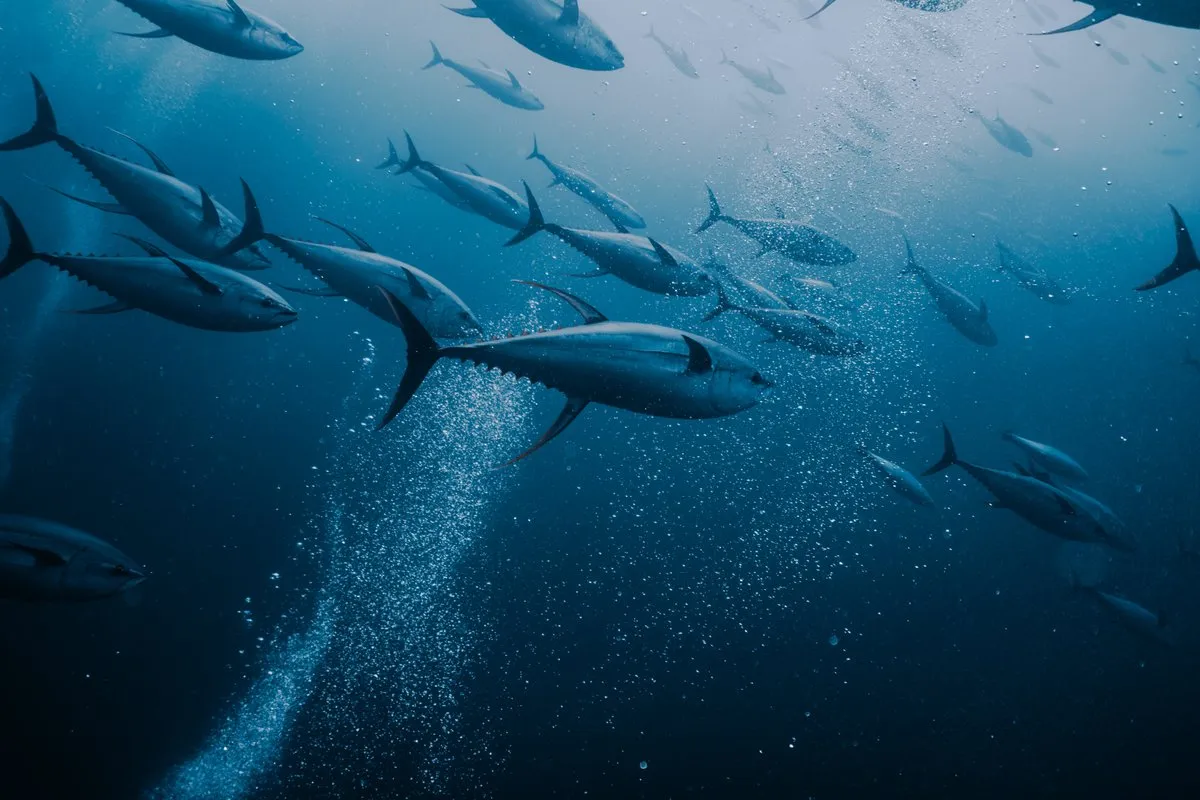
Cozumel's drift reefs along the Mesoamerican Barrier Reef offer some of the Caribbean's clearest water and healthiest coral, while the Yucatan's cenote network delivers a freshwater cave and cavern experience with visibility and light effects found nowhere else. The Revillagigedo Archipelago (Socorro), reached by liveaboard off the Pacific coast, is ranked alongside the Galapagos and Cocos Island for giant manta rays, sharks, and big pelagic encounters, though it's suited to experienced divers on multi-day trips. Whale shark snorkeling off Isla Mujeres and in the Sea of Cortez from June to September rounds out a country with freshwater, reef, and open-ocean diving all within reach.
for the impact solutionist or team
let's make your work more discoverable
do you have something that is or will change the world for the better?
learn morefor the conscious traveler
let's show you where we've been
are you interested in being a mindful explorer?
see where to go