Asia
Maldives
The Maldives is a nation scattered across the Indian Ocean, its 1,190 islands forming atolls that shelter some of the planet’s richest ecosystems. Whale sharks, manta rays, turtles, and sharks congregate in lagoons and channels, while islands balance between climate vulnerability and conservation innovation. Surf culture here is alive and well, with some of the most epic breaks in the world spanning the Northern, Central and Southern Atolls. Its beauty is undeniable, but its fragility makes it one of the world’s most urgent frontiers for protection.
seasons
The Maldives runs two monsoon patterns: the drier northeast monsoon from December to April, and the wetter southwest monsoon from May to November. Temperatures stay steady near 28-31°C year-round, so the real variable is rainfall and wind, not heat. Wet-season showers tend to be short, heavy bursts followed by sun rather than all-day rain. Peak dry months (December-March) coincide with the busiest and most expensive travel window.
best time to visit
Travel in April-May or October-November, the shoulder months bridging the two monsoons, rather than the December-March peak. Resort rates drop noticeably and crowding on the limited number of dive boats and house reefs eases significantly, reducing per-visitor pressure on reef sites already stressed by construction, sedimentation, and repeated bleaching events. Shoulder-season weather is a mix of sun and brief showers rather than sustained rain, and the wider window also lines up with plankton blooms that draw manta rays and whale sharks in.
why people go
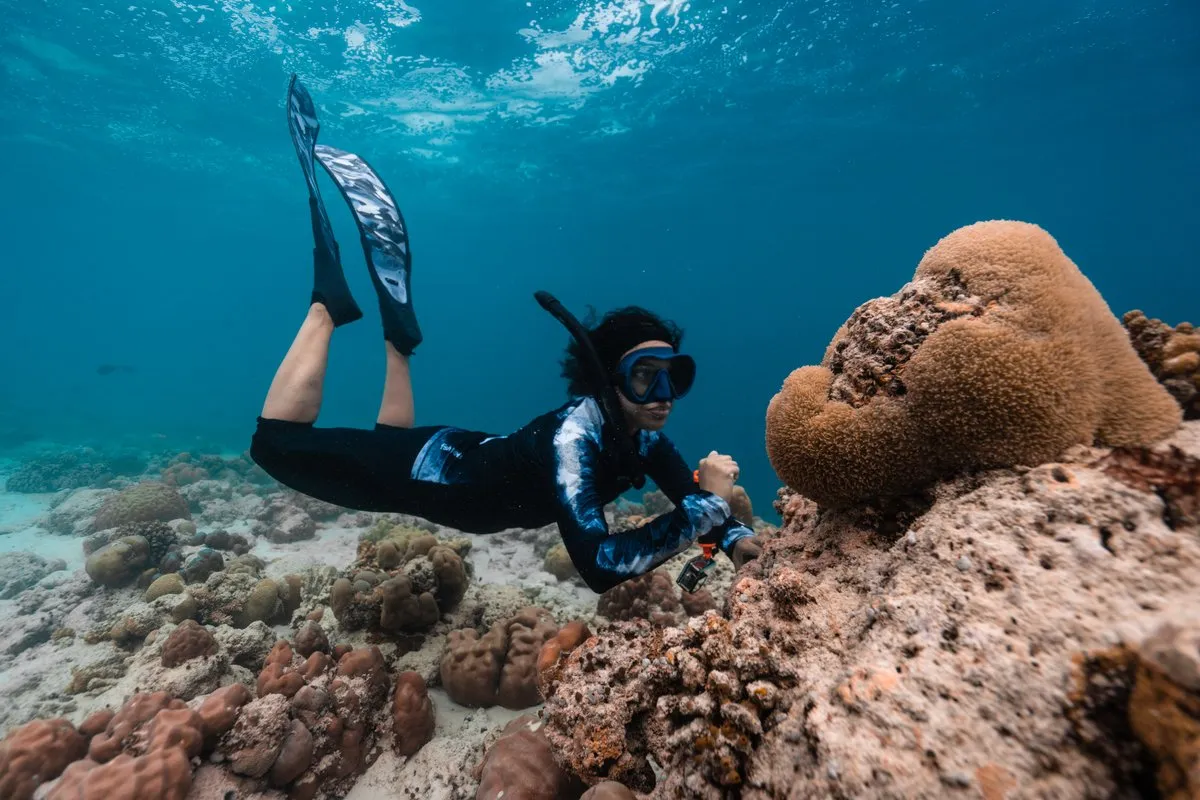
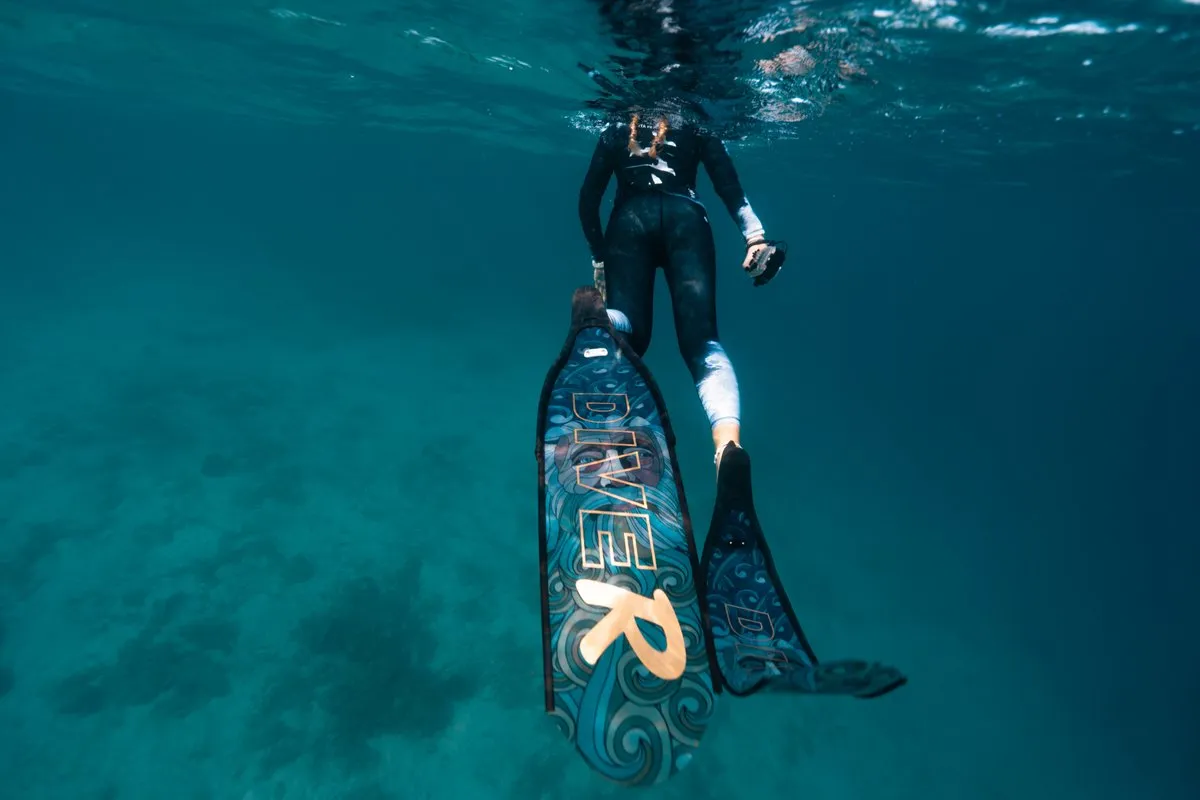
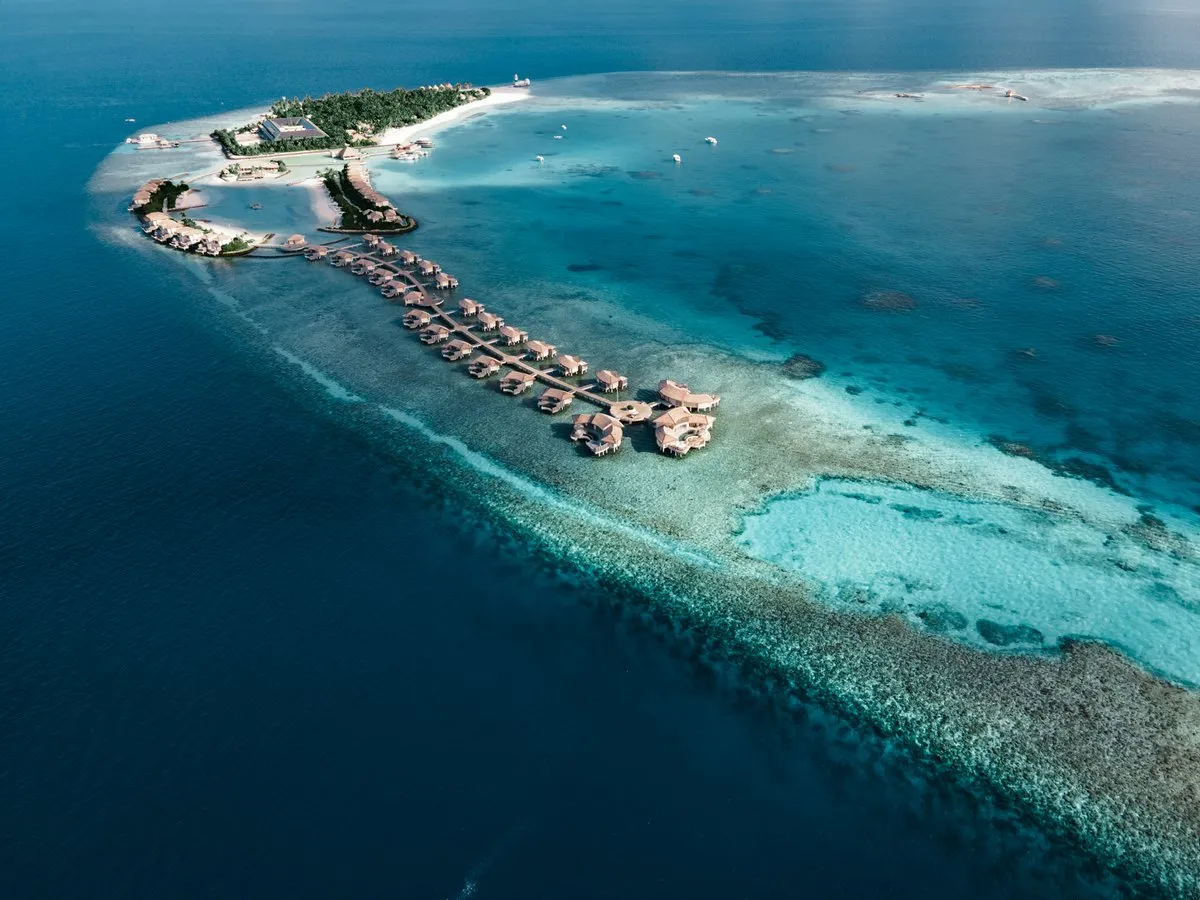
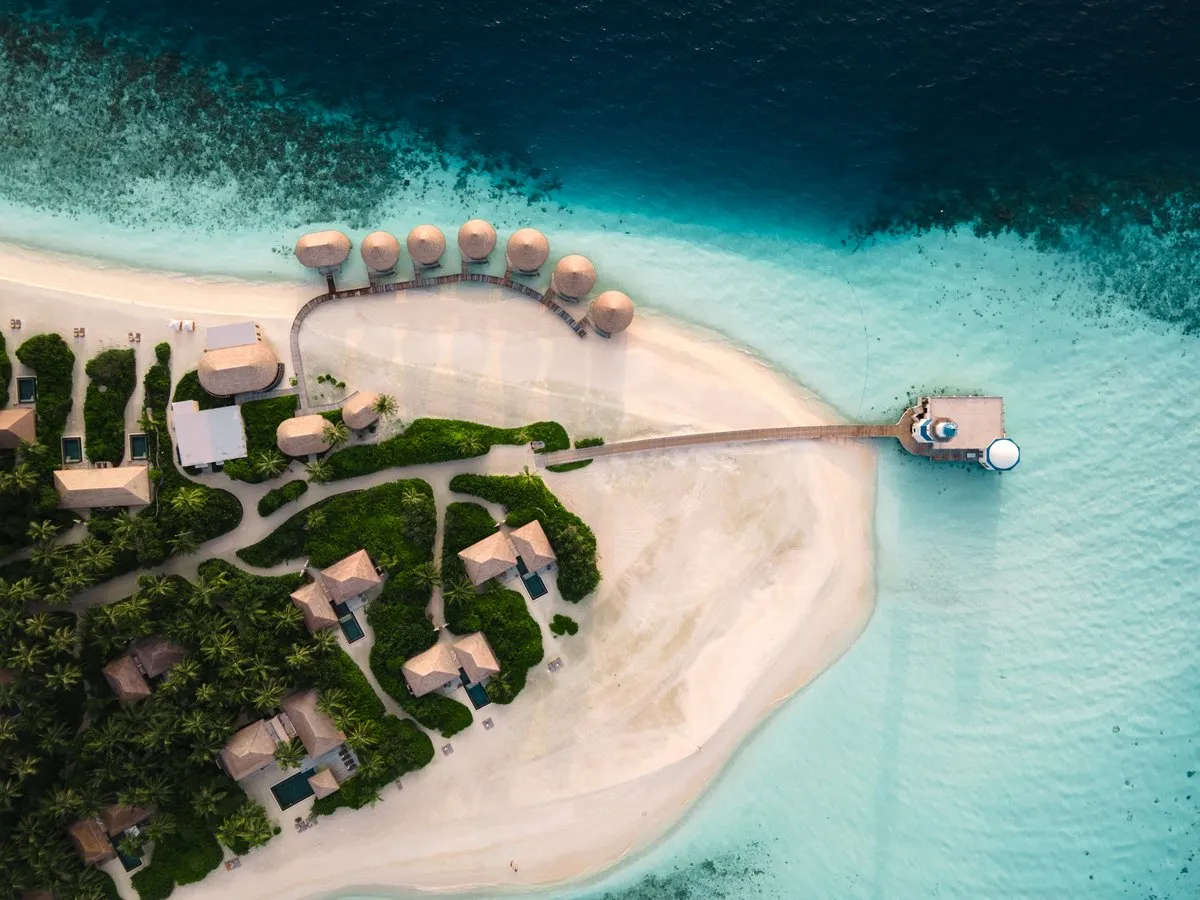
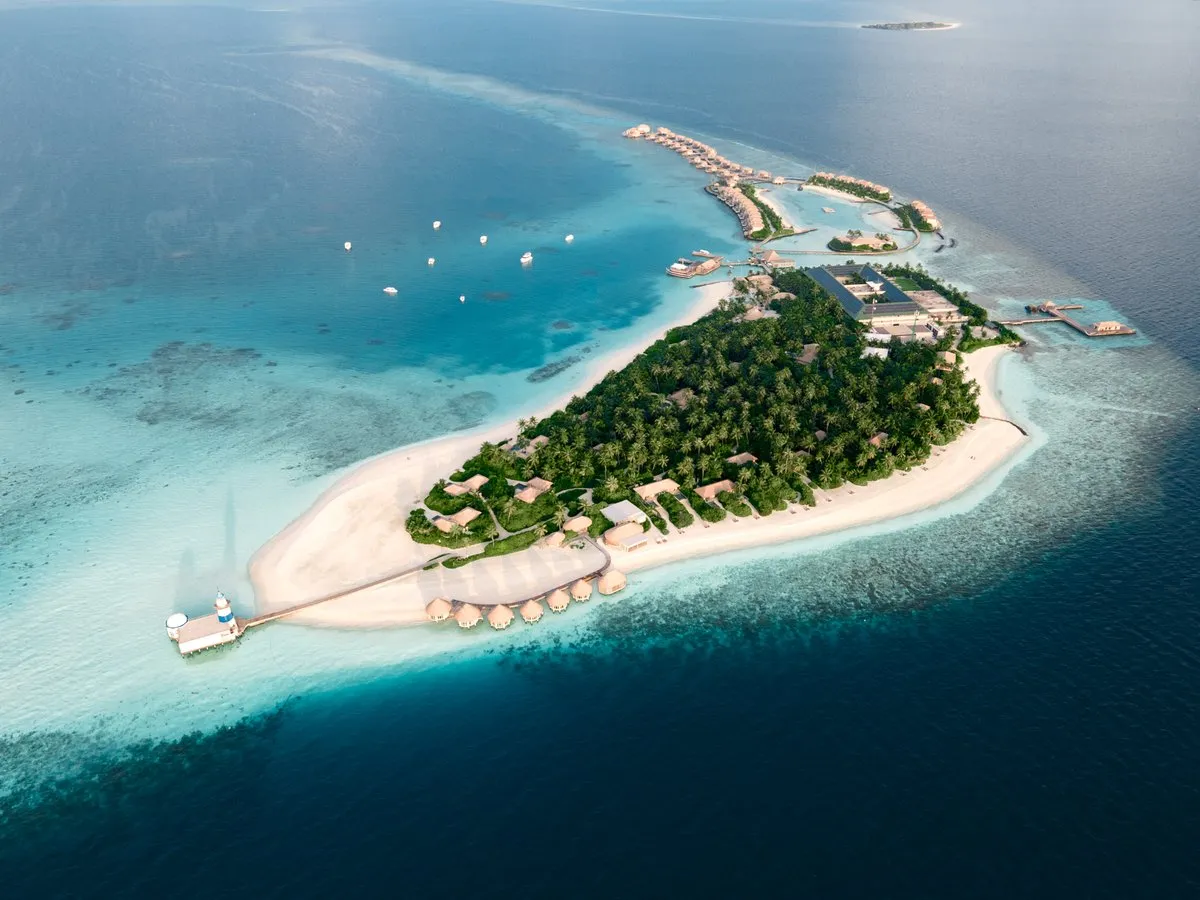
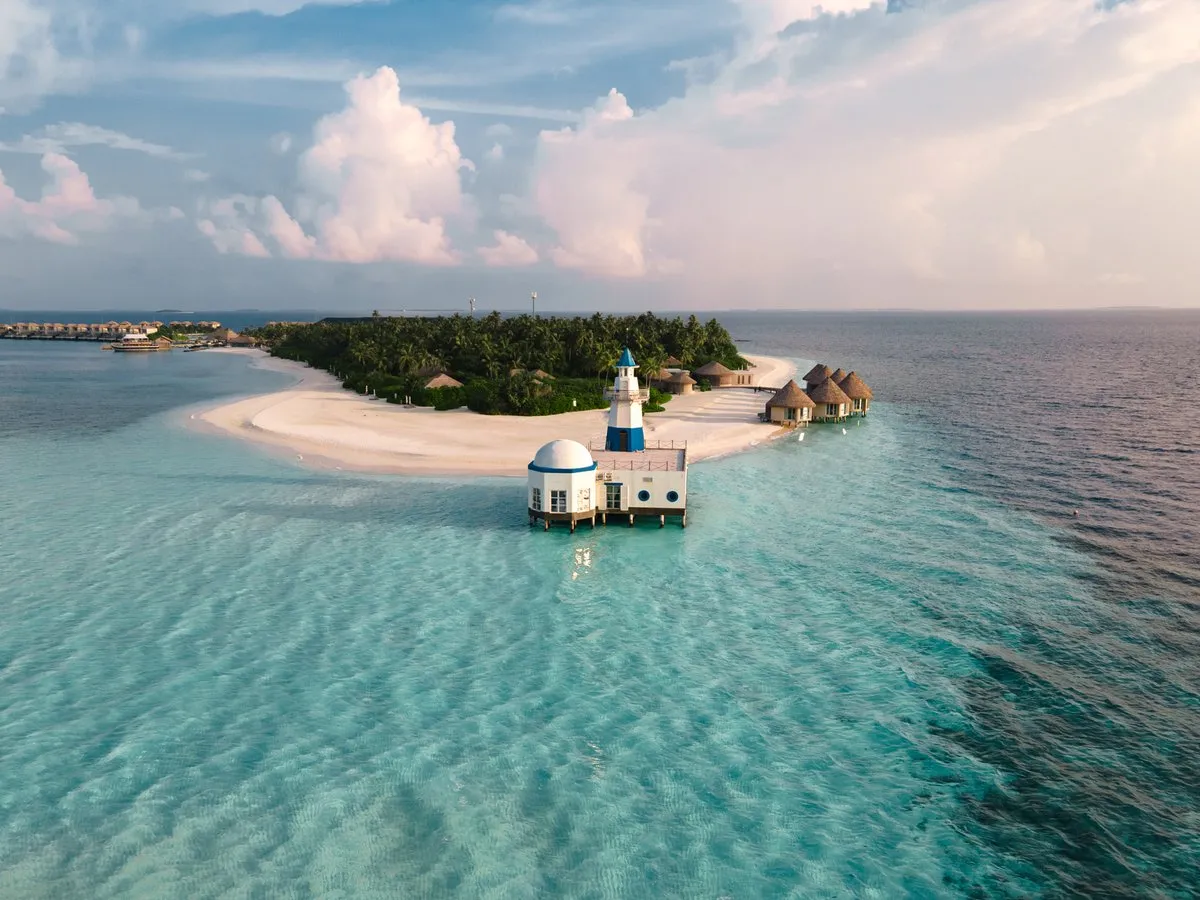
The Maldives is 26 coral atolls scattered across roughly 900 kilometers of the Indian Ocean, each a ring of reef enclosing a turquoise lagoon around low sand islands. There's no mainland and barely any land above two meters, so the entire geography is water, reef, and sky. Overwater bungalows, house reefs a few fin-kicks from shore, and channels between atolls where pelagics funnel through are the signature features here, alongside phosphorescent plankton that lights up some lagoons at night.
marquee wildlife
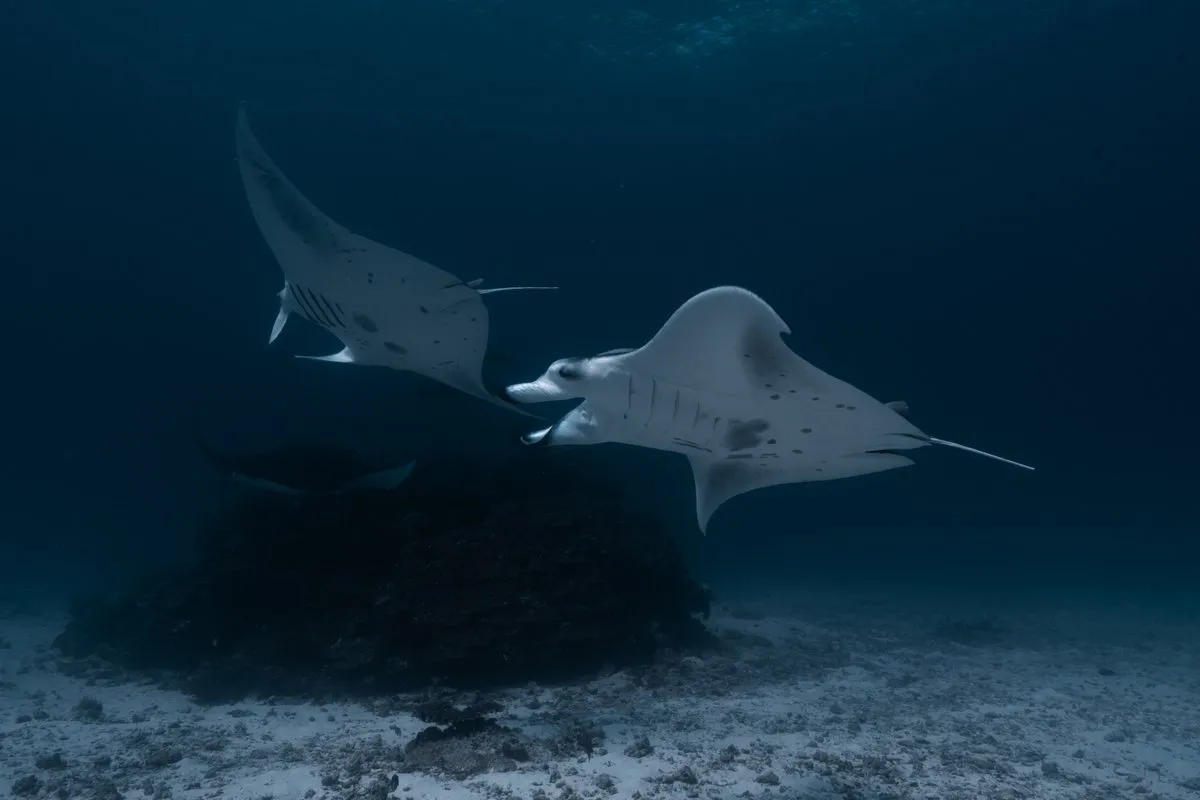
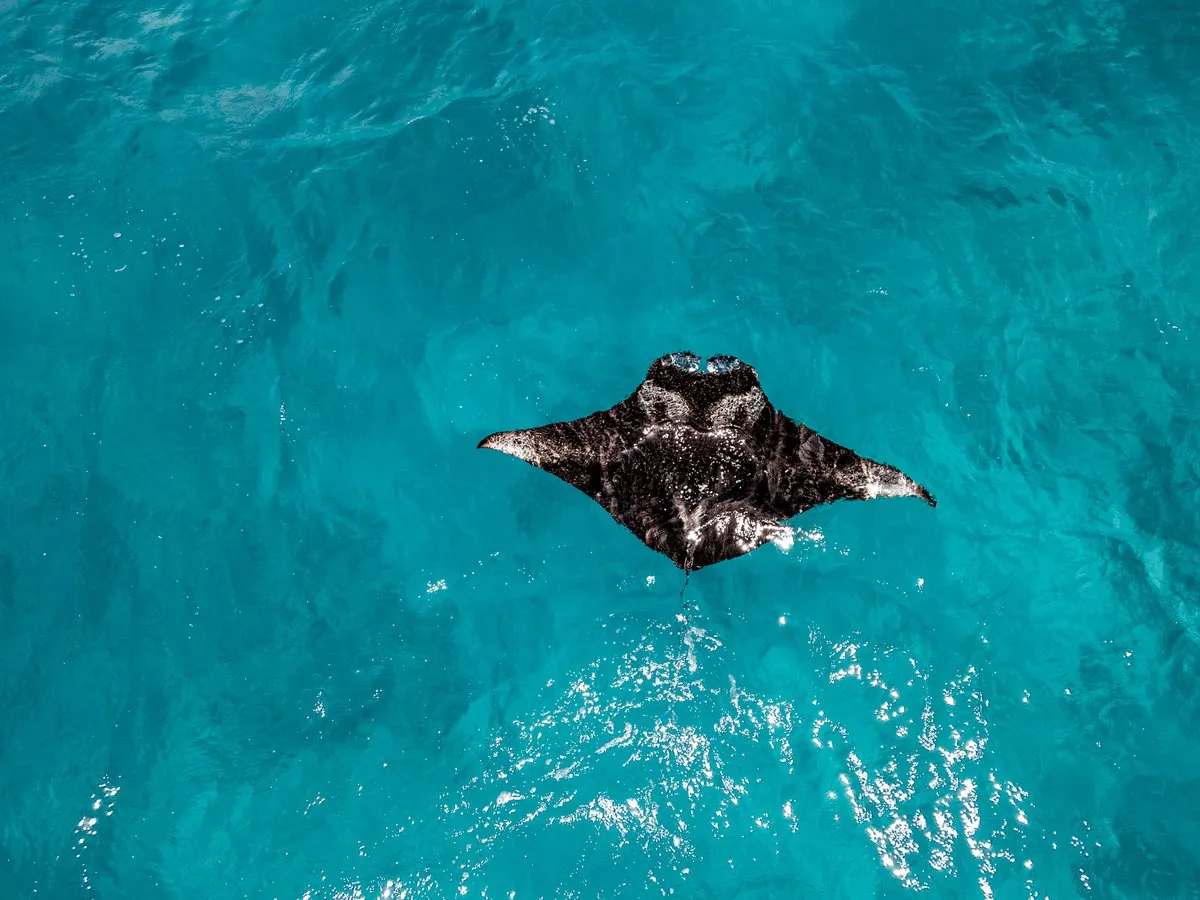
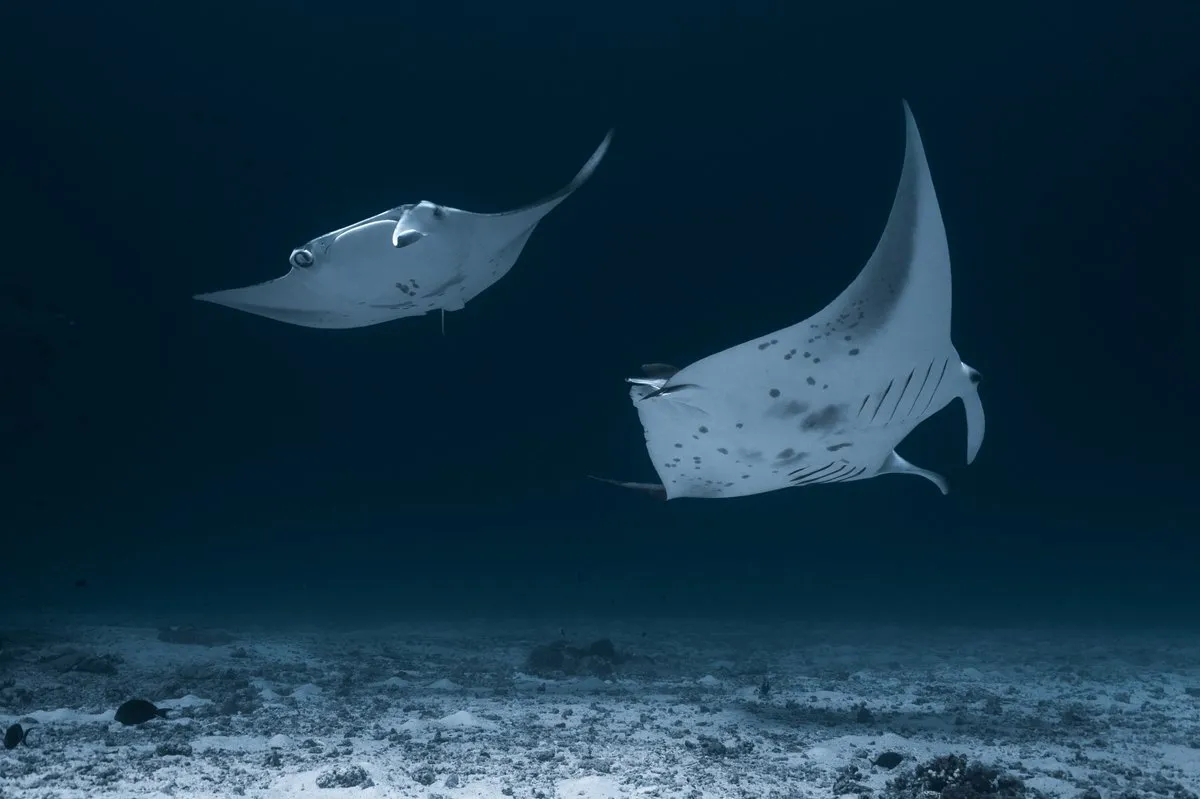
Reef manta rays, with wingspans up to five meters, and whale sharks, the world's largest fish, are the marquee species, both filter feeders drawn by seasonal plankton blooms. Hanifaru Bay in Baa Atoll is the largest known manta feeding station on the planet, where hundreds of mantas can converge in a single tide. South Ari Atoll holds whale sharks in its channels essentially year-round. Reef sharks, five species of sea turtle, and over 1,000 recorded fish species round out the water column.
food
Maldivian cooking centers on tuna, coconut, and rice, and runs spicier than most visitors expect. Mas huni, shredded smoked tuna mixed with grated coconut, onion, and chili, eaten with roshi flatbread, is the national breakfast. Garudhiya, a clear tuna broth with rice, lime, and chili, is the country's core comfort dish. Hedhikaa (afternoon snacks) like gulha and bajiya are worth seeking out on local islands rather than resort buffets.
culture & etiquette
Islam shapes daily life and law: alcohol and pork are illegal on local inhabited islands, confined to resort islands operating under separate tourism licenses. On local islands, cover shoulders and knees and skip swimwear outside designated bikini beaches; resort islands are the exception where swimwear is normal. Be mindful during prayer times and Ramadan, avoid eating or smoking in public during fasting hours, remove shoes before entering a home, and use the right hand for eating and giving or receiving items.
diving
Diving is the country's primary draw, built around 26 atolls whose channels funnel nutrient-rich currents past coral walls and cleaning stations, with water holding steady at 28-30°C and visibility often running 15-40 meters. Hanifaru Bay (a UNESCO Biosphere Reserve) and South Ari Atoll are the standout sites for manta and whale shark encounters, while numerous other atoll channels offer grey reef sharks, hammerheads, and dense soft-coral walls. Encounter patterns shift with the monsoon, flipping which side of each atoll is 'on' depending on which season is running.
for the impact solutionist or team
let's make your work more discoverable
do you have something that is or will change the world for the better?
learn morefor the conscious traveler
let's show you where we've been
are you interested in being a mindful explorer?
see where to go