Africa
Madagascar
Madagascar is one of the richest places for life on Earth, yet one of the poorest by economics. This paradox shapes daily life: while infrastructure and resources are limited, the island’s forests, reefs, and mangroves burst with species found nowhere else. Lemurs leap through canopies, chameleons vanish into foliage, and humpback whales migrate along the coasts. Its isolation has made Madagascar a global hotspot for biodiversity, but also a frontline for conservation.
seasons
Madagascar runs on two main seasons: a dry season from roughly May to October and a hot, rainy season from November to April, with January to March carrying real cyclone risk on the east coast. Climate varies sharply by region: the east coast is humid tropical rainforest, the central highlands are cooler and temperate, and the west and south turn arid and semi-arid with baobab-dotted spiny forest. Peak dry-season conditions (July-August) bring the most stable travel weather but also the most visitors and highest lodge prices.
best time to visit
Skip July-August peak season and travel April-May or October-November instead. These shoulder months still deliver dry, hikeable conditions and strong wildlife viewing (lemur activity, October-November whale shark aggregations off Nosy Be) but with noticeably lighter crowds in high-traffic parks like Andasibe-Mantadia and Ranomafana, less pressure on limited park infrastructure and guide capacity, and lower lodge and flight prices than the July-August rush.
why people go
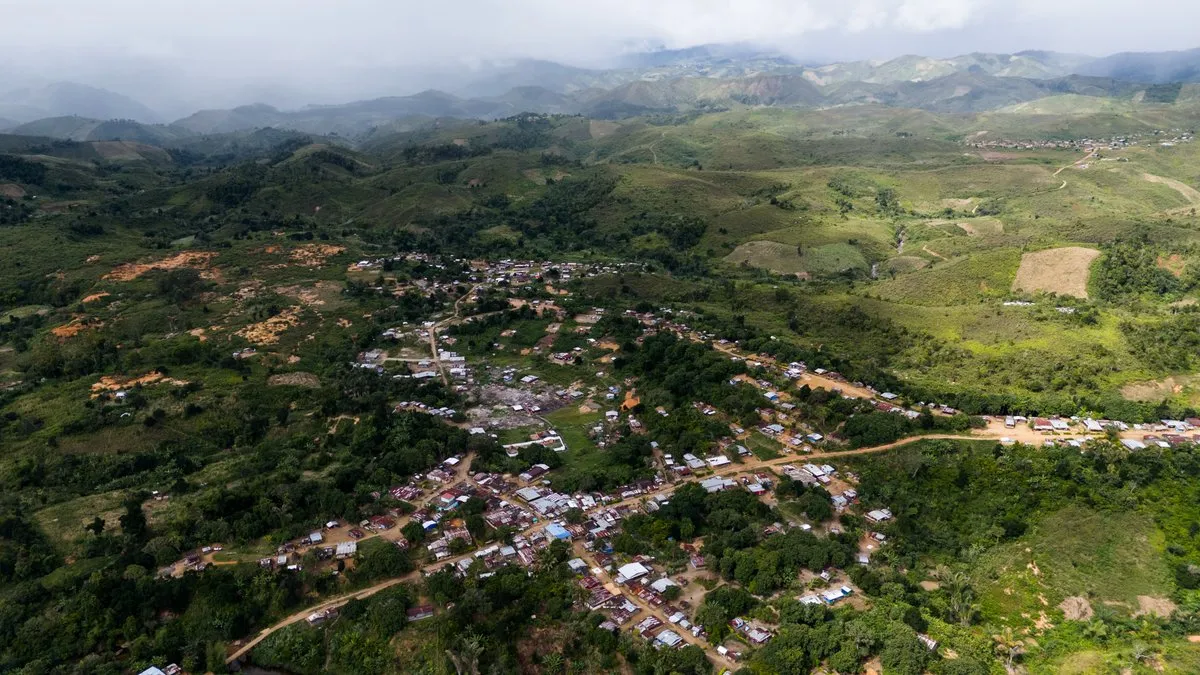
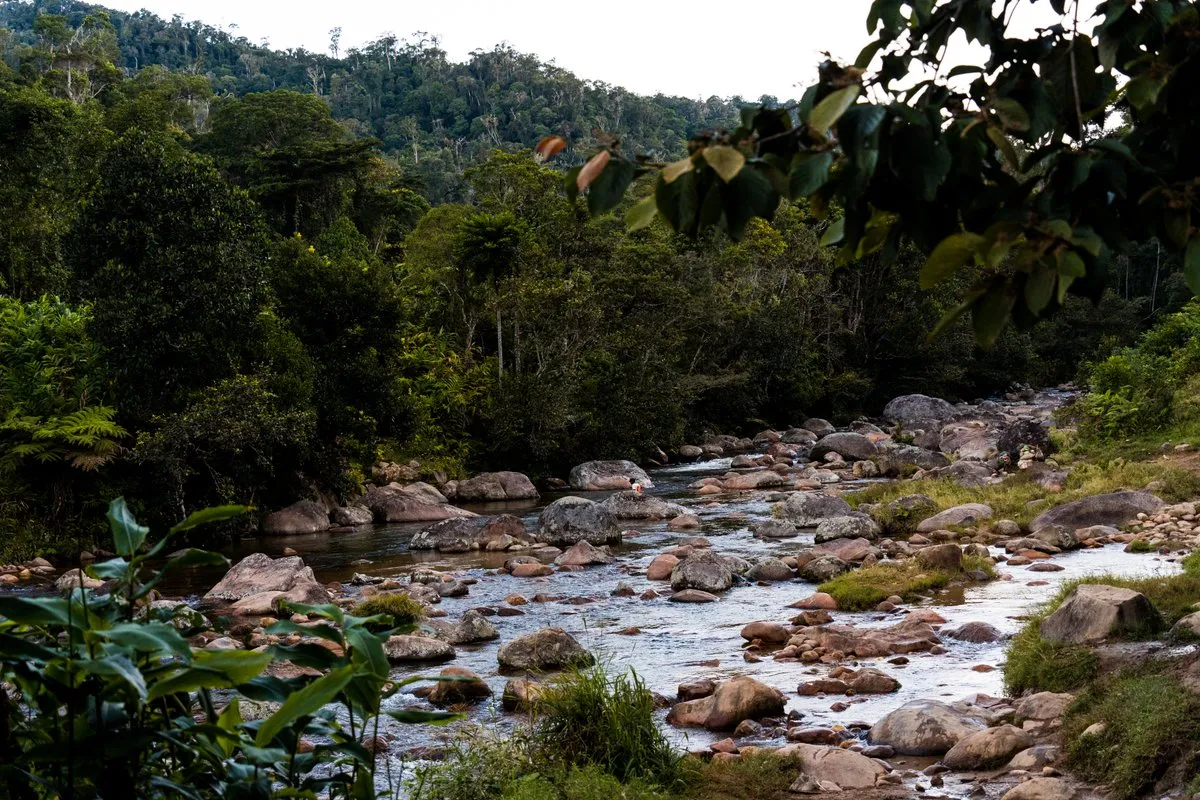
Madagascar split from mainland Africa around 165 million years ago and evolved in isolation, producing landscapes found nowhere else: the razor-sharp limestone pinnacles of the Tsingy de Bemaraha, the surreal silhouettes of the Avenue of the Baobabs at Morondava, rainforest-draped highlands around Andasibe, and a desert-like spiny forest in the south studded with octopus trees. The combination of otherworldly geology, dense endemic rainforest, and long stretches of undeveloped coastline makes it feel like several different countries stitched together.
marquee wildlife
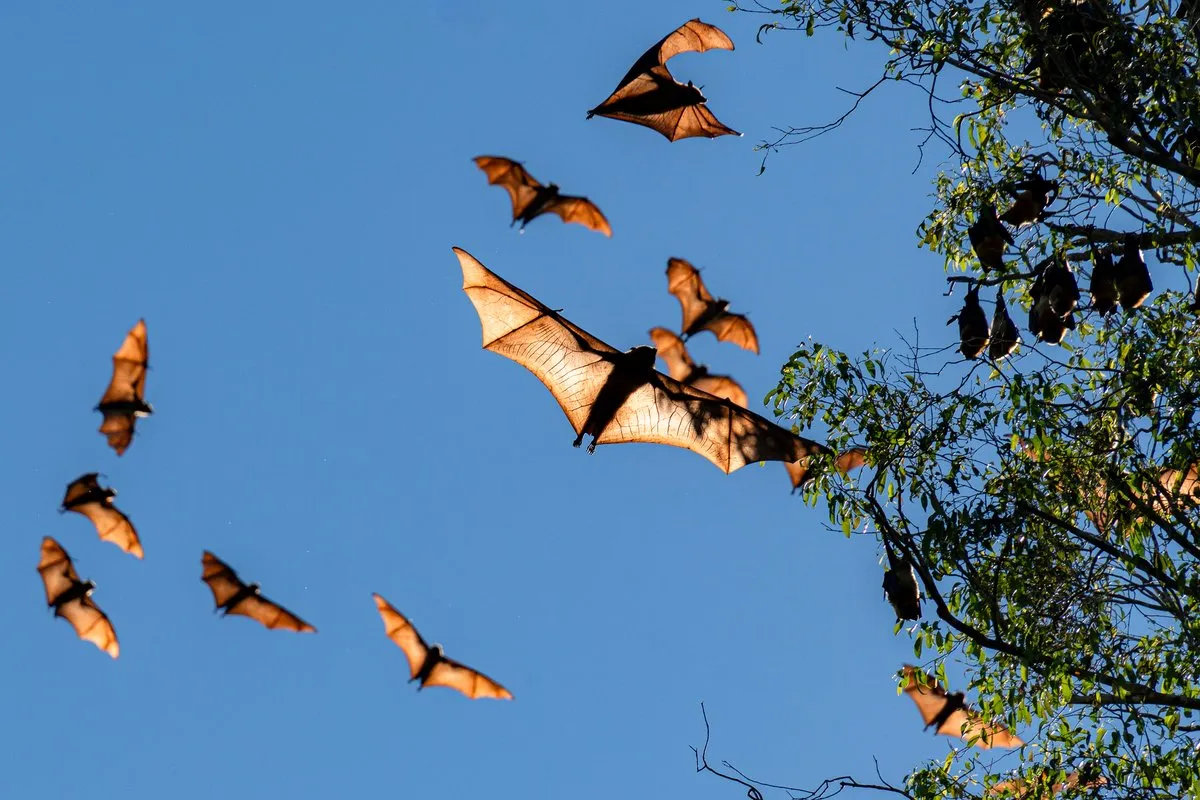
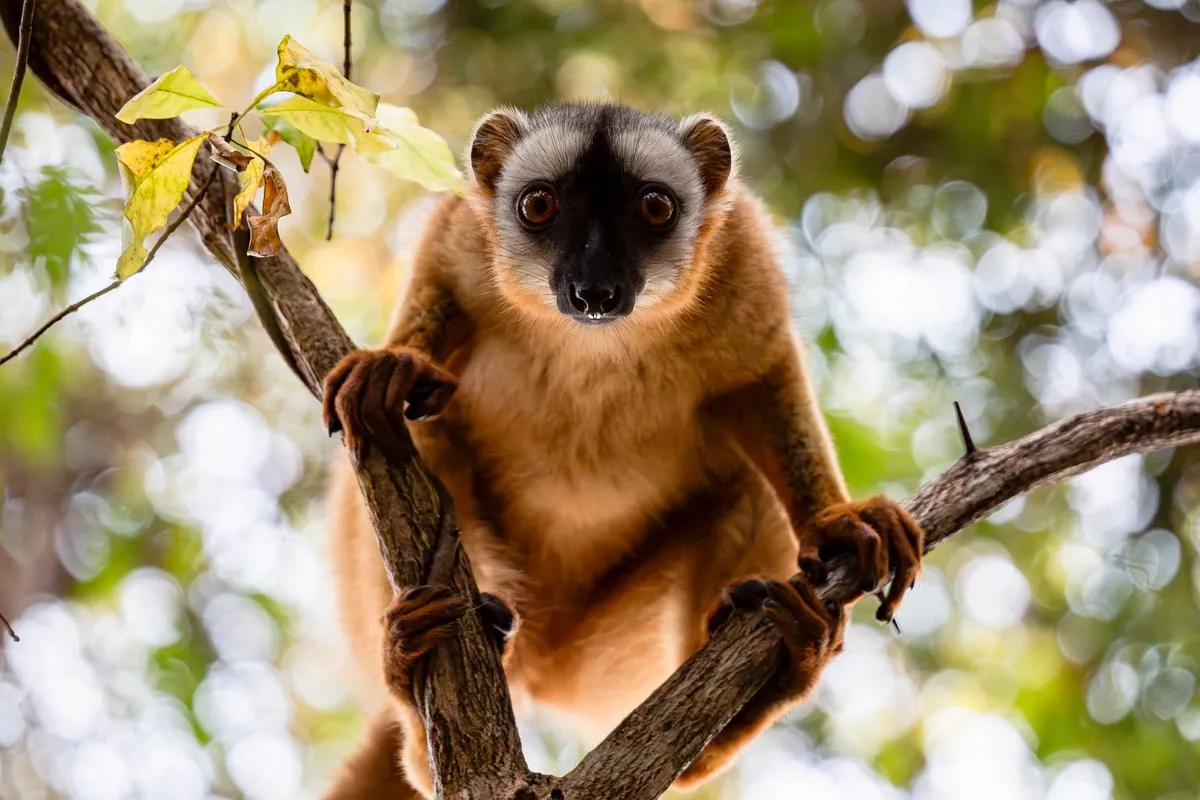
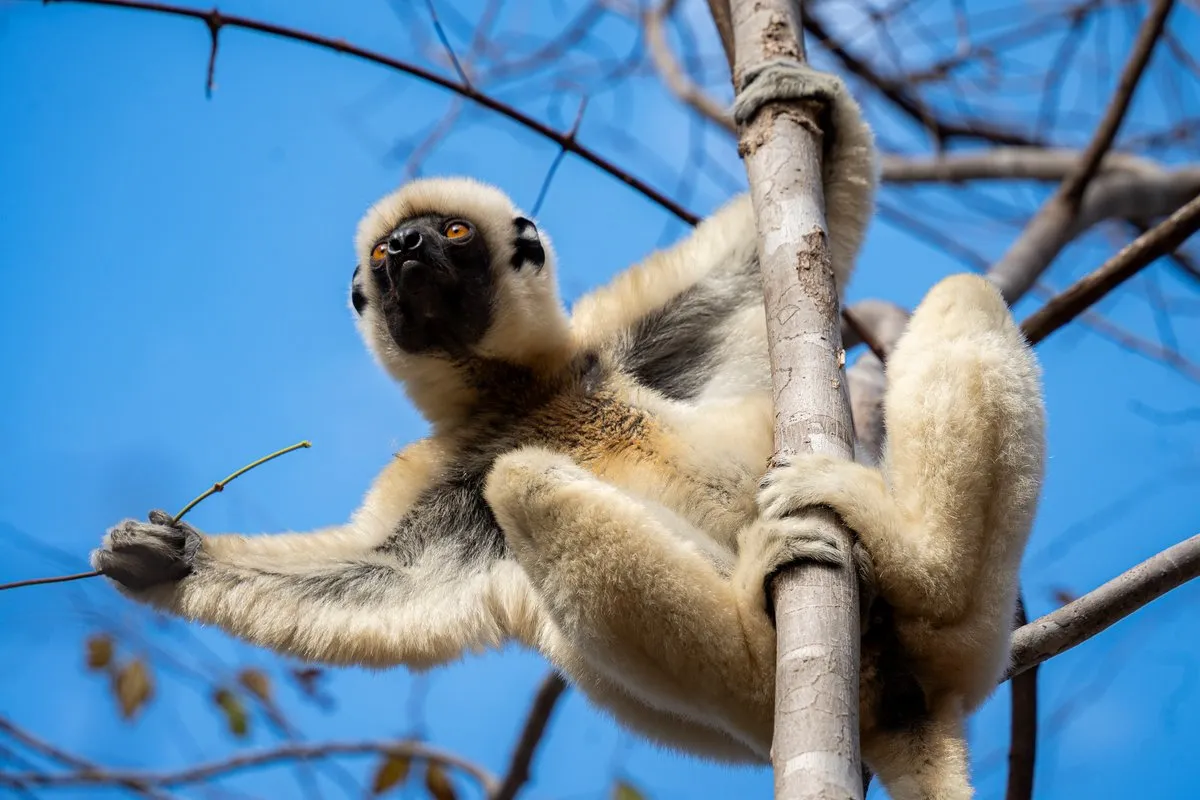
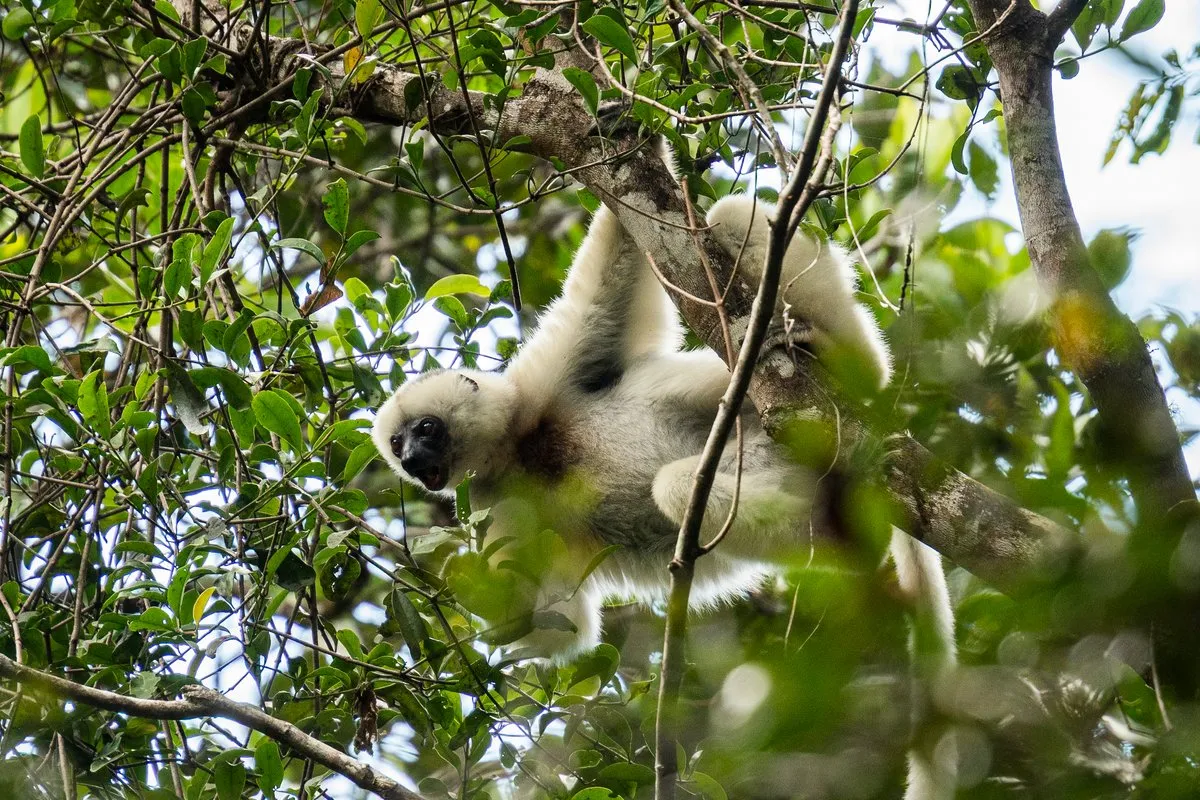
Madagascar's signature animal is the lemur, found nowhere else on Earth, ranging from the tiny mouse lemur to the indri with its haunting wail; roughly 107 species exist, and the large majority are threatened. The island's isolation also produced an outsized share of the world's chameleon species, fossa (the cat-like top predator), and seven baobab species against just one on the entire African mainland. Over 90% of Madagascar's mammals and roughly 80% of its plants are found nowhere else, but habitat loss has left hundreds of species threatened, so most sightings happen in protected reserves like Andasibe, Ranomafana, and Kirindy.
food
Everyday Malagasy food centers on rice (vary) with a side stew (laoka) — often zebu beef, pork, chicken, or fish depending on region, cooked with ginger, garlic, and tomato. Coastal areas lean heavily on fresh seafood and coconut-based sauces, French colonial influence shows up in baguettes and pastries in towns, and romazava (a beef-and-greens stew) is considered close to a national dish. Street food like mofo gasy (rice cakes) and grilled zebu skewers are worth seeking out over hotel buffets.
culture & etiquette
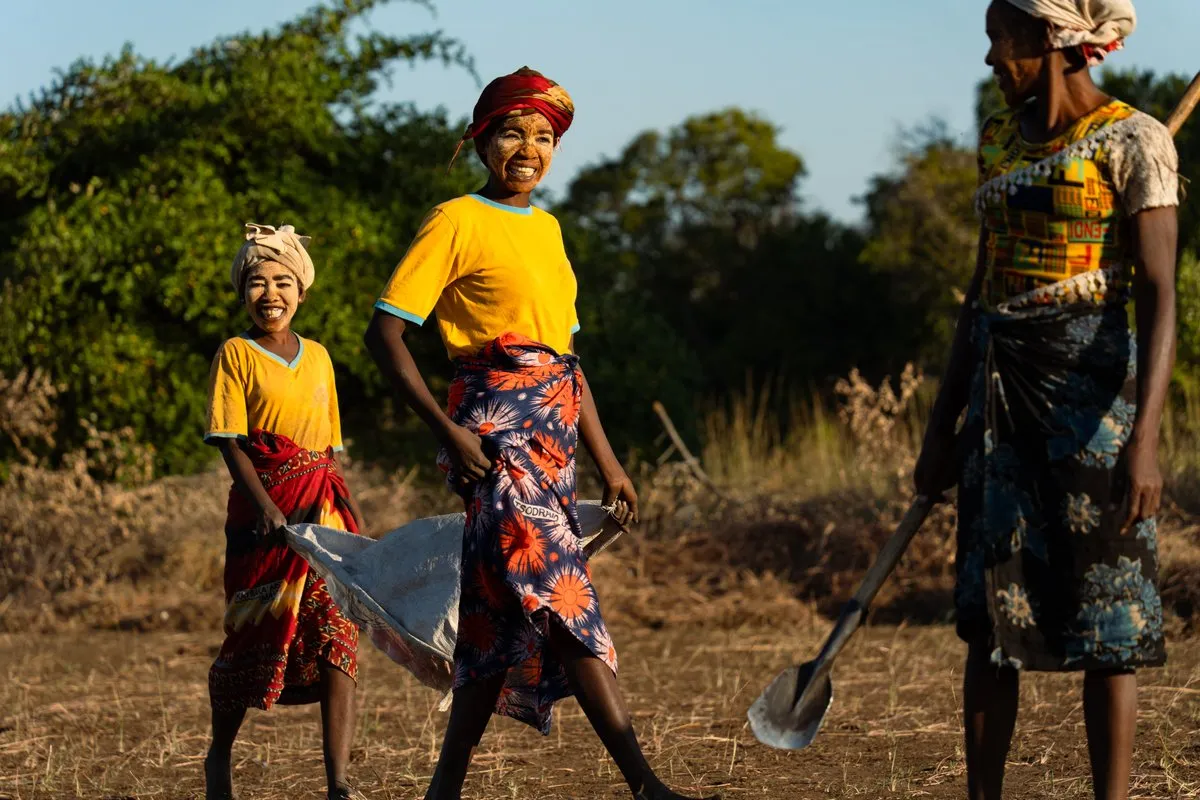
Malagasy social life centers on fihavanana, a value of community and harmonious relationships, and on respect for elders as keepers of tradition. The island is governed by extensive local taboos called fady, which vary by region — some forbid eating pork or turtle or lemur meat, others restrict clothing colors or behavior near sacred sites and tombs. Fady are not obvious to outsiders and can differ from village to village, so travelers should ask local guides before eating certain foods, photographing tombs, or entering sacred areas rather than assuming what's fine.
diving
The dive hub is Nosy Be in the northwest, with over 20 registered operators working sites around Nosy Tanikely Marine Park and Nosy Sakatia, home to roughly 400 coral species and marine life including grey sharks, manta rays, and Omura's whales. Whale sharks aggregate around October-November plankton blooms, and humpback whales pass through June-September. Diving is a regional specialty rather than the country's main draw — most visitors come for lemurs, baobabs, and rainforest, and the underwater scene, while good, is a secondary layer on top of a trip built around Madagascar's terrestrial landscapes.
for the impact solutionist or team
let's make your work more discoverable
do you have something that is or will change the world for the better?
learn morefor the conscious traveler
let's show you where we've been
are you interested in being a mindful explorer?
see where to go