Africa
Kenya
Kenya is the heart of East African wilderness, where rolling savannas, snow-dusted mountains, and coral-fringed coastlines converge. National parks and marine reserves protect everything from elephants and rhinos to whale sharks and dolphins, creating one of the most complete wildlife destinations in the world. Seasonal migrations sweep across the Maasai Mara, while birdlife flourishes in the Rift Valley lakes, and reefs thrive along the Indian Ocean coast.
seasons
Kenya has two dry seasons (June–October, and a shorter one in January–February) and two rainy periods: the 'long rains' (April–May) and 'short rains' (November). Coastal areas stay warm and humid year-round; highland areas around Nairobi and Mount Kenya are cooler.
best time to visit
Travel late October–early December or January–March instead of the June–October peak. You still get dry trails and strong wildlife viewing (January–February is a reliable dry window), but with a fraction of the vehicle traffic at Mara river-crossing points, lower lodge rates, and less pressure on parks that get genuinely overcrowded at peak — spreading demand this way also spreads tourism income to communities and camps that get bypassed when everyone books the same six-week window.
why people go
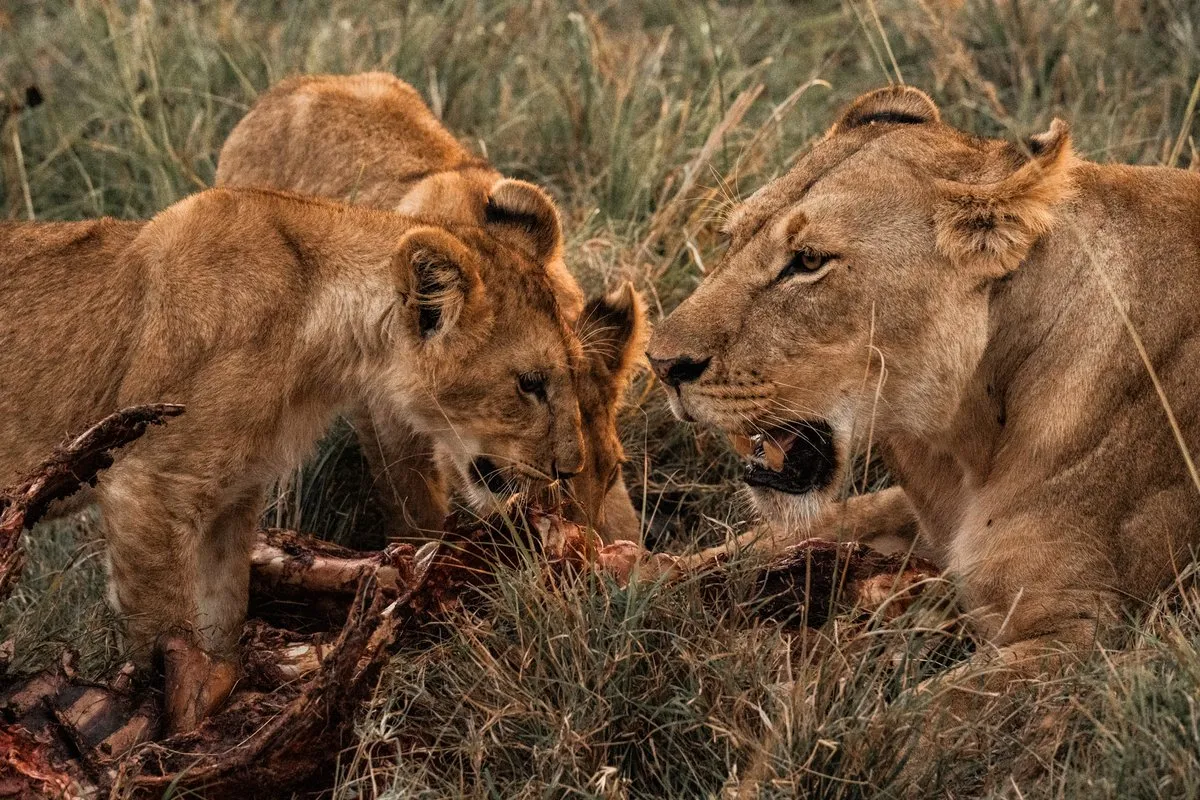
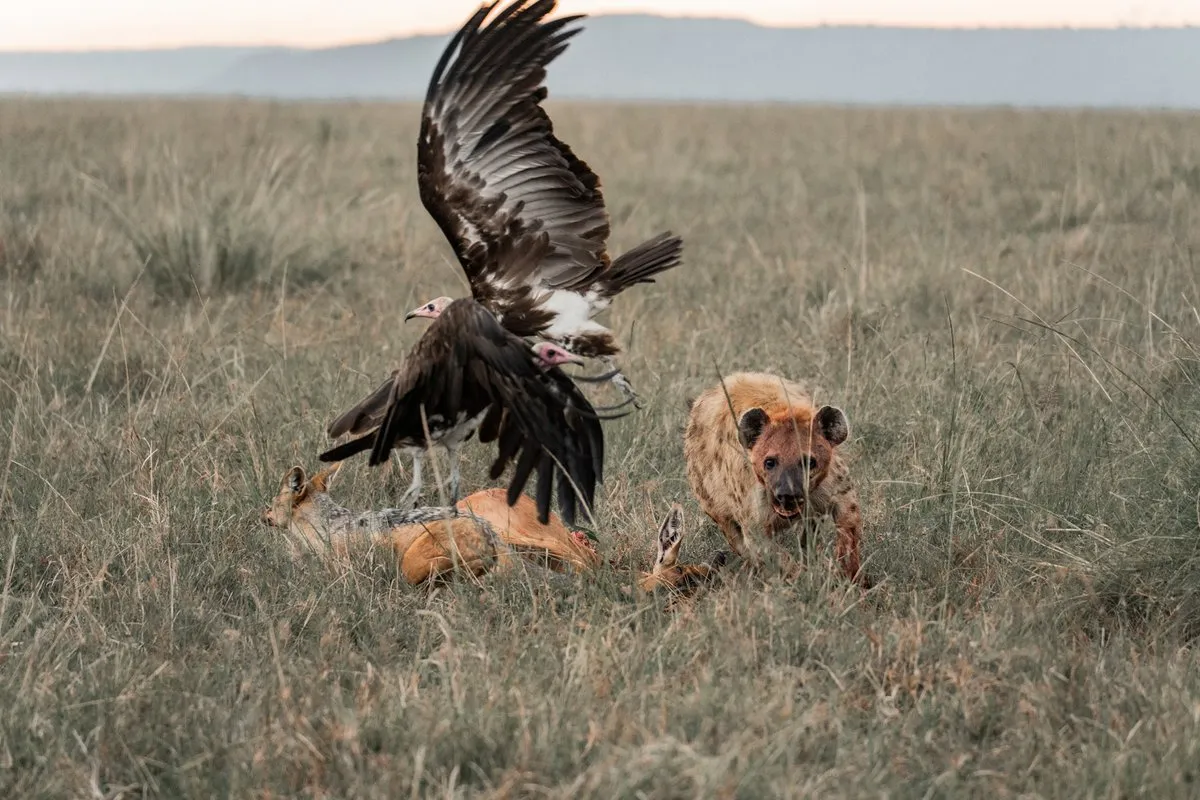
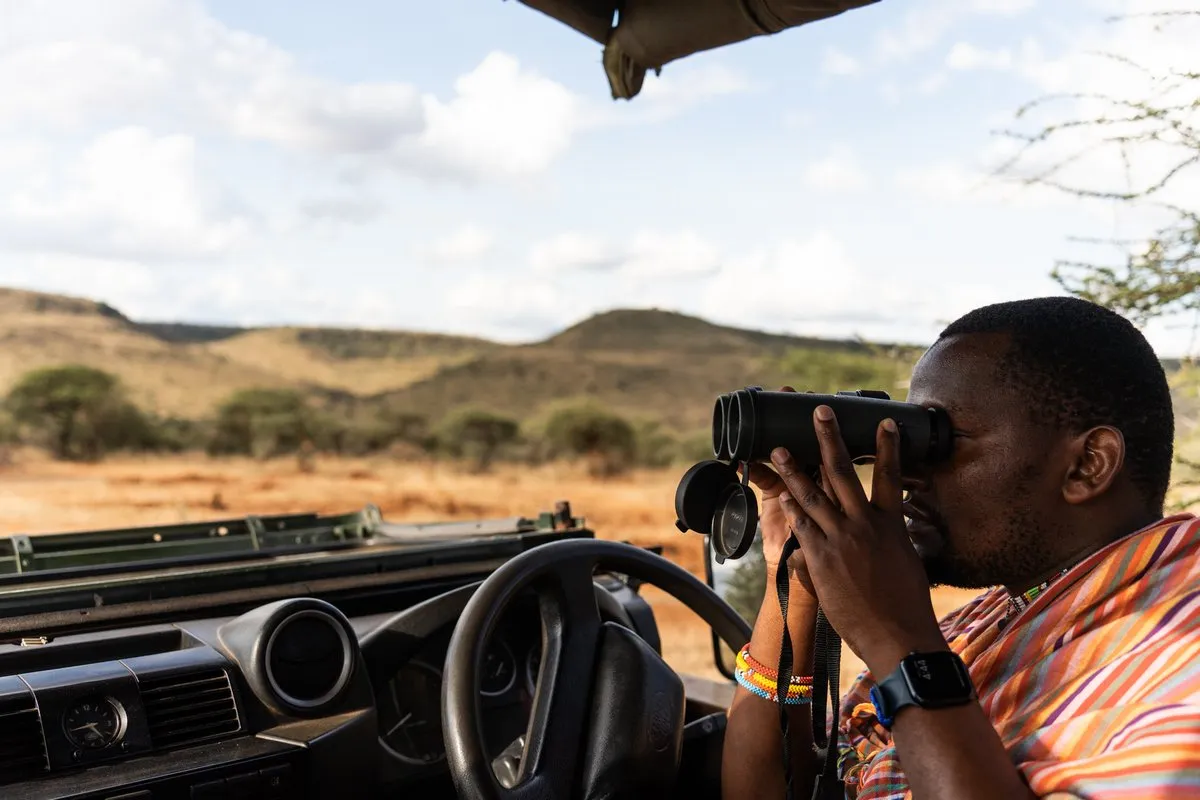
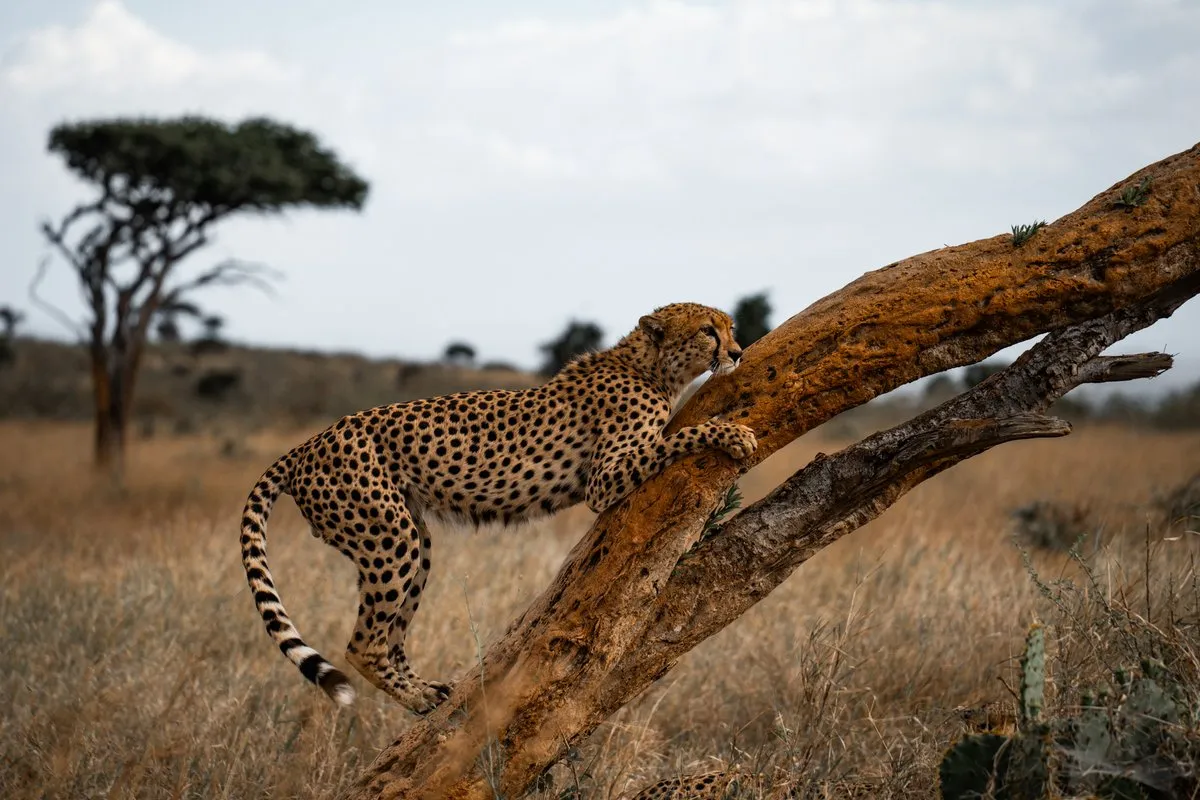
The Great Wildebeest Migration through the Maasai Mara, with dramatic Mara River crossings (best late July–September), is the headline draw. Beyond that: Big Five safaris, Mount Kenya trekking, Rift Valley lakes with flamingos, and the Swahili coast (Lamu, Diani) for beaches and old-town history.
marquee wildlife
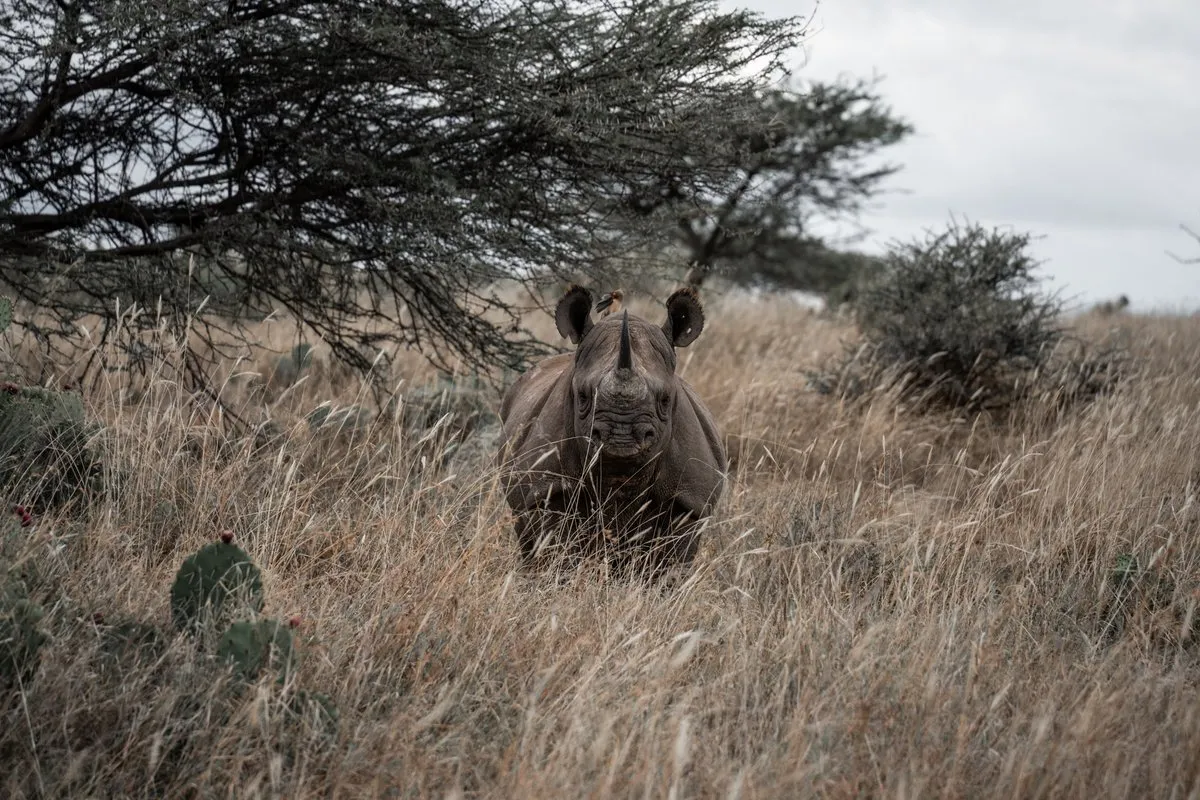
Kenya's Laikipia and Lewa conservancies protect roughly two-thirds of the world's remaining Grevy's zebra, the largest and most endangered zebra species, alongside significant black rhino populations. Amboseli is famed for its 'big tuskers,' elephants carrying exceptionally long, heavy ivory rarely seen elsewhere. The Aberdares and Mount Kenya forests shelter the critically endangered mountain bongo, a striking striped forest antelope found almost nowhere else. Lake Nakuru and Bogoria draw dense flocks of lesser flamingos.
food
Ugali (a firm maize dough, eaten by hand) and nyama choma (charcoal-grilled meat, usually goat) are the staples of everyday and social eating. Regional specialties include tilapia and omena (dried fish) from Lake Victoria in the west, and coconut-and-spice coastal dishes with Swahili/Arab influence near Mombasa.
culture & etiquette
Meals are often communal, eaten from shared dishes with the right hand only — the left is considered unclean in many communities. Greetings and respect for elders matter; in Muslim-majority coastal areas, avoid eating or drinking in public during Ramadan daylight hours. Always ask before photographing people, especially in Maasai and other pastoralist communities.
diving
Diving centers on two marine parks off the coast: Kisite-Mpunguti near Shimoni, with 11 sites, clear water, and reliable pods of bottlenose and spinner dolphins, plus occasional reef sharks, manta rays, and (Nov–Dec) humpback whales; and Watamu Marine Park, around 20 sites known for green turtles and coral gardens. Both are shallow, easy reef diving rather than dramatic walls or wrecks, best October–March. Kenya's diving is solid but secondary — divers rate Tanzania's Pemba and Mozambique's Tofo above it for reef diversity and big pelagics.
for the impact solutionist or team
let's make your work more discoverable
do you have something that is or will change the world for the better?
learn morefor the conscious traveler
let's show you where we've been
are you interested in being a mindful explorer?
see where to go