Asia
Japan
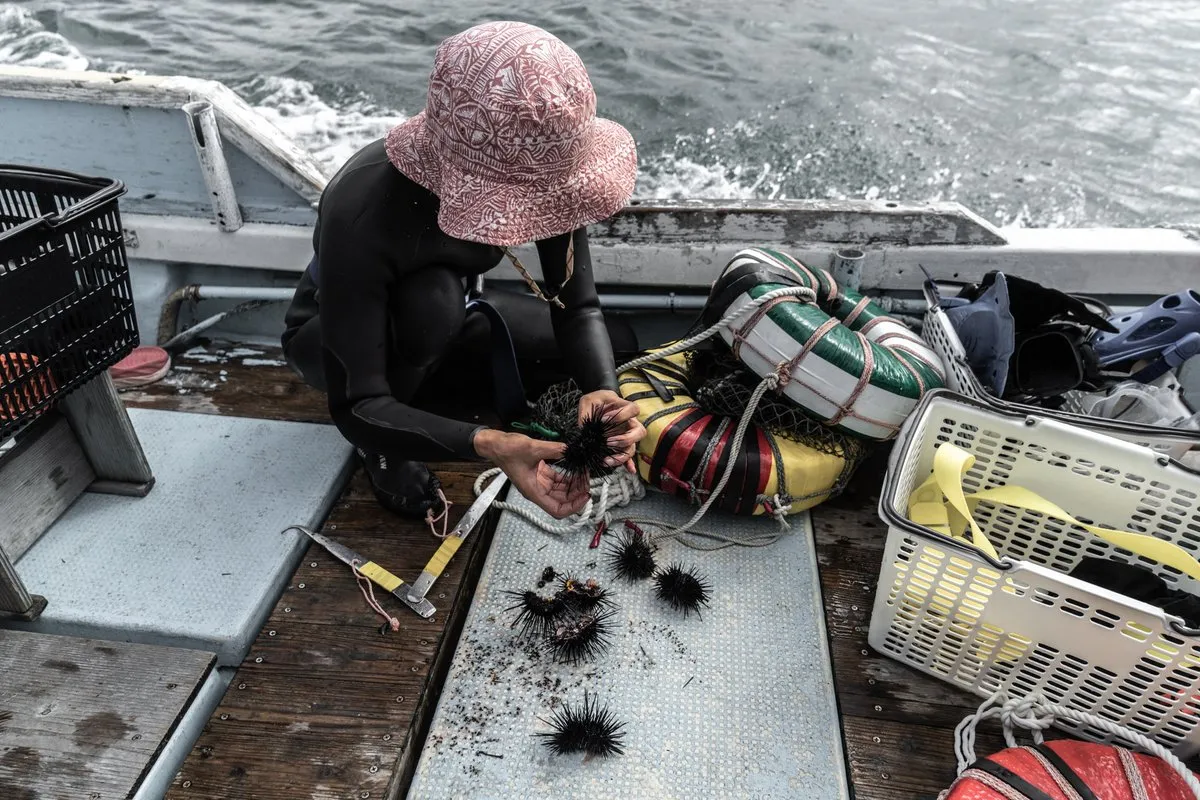
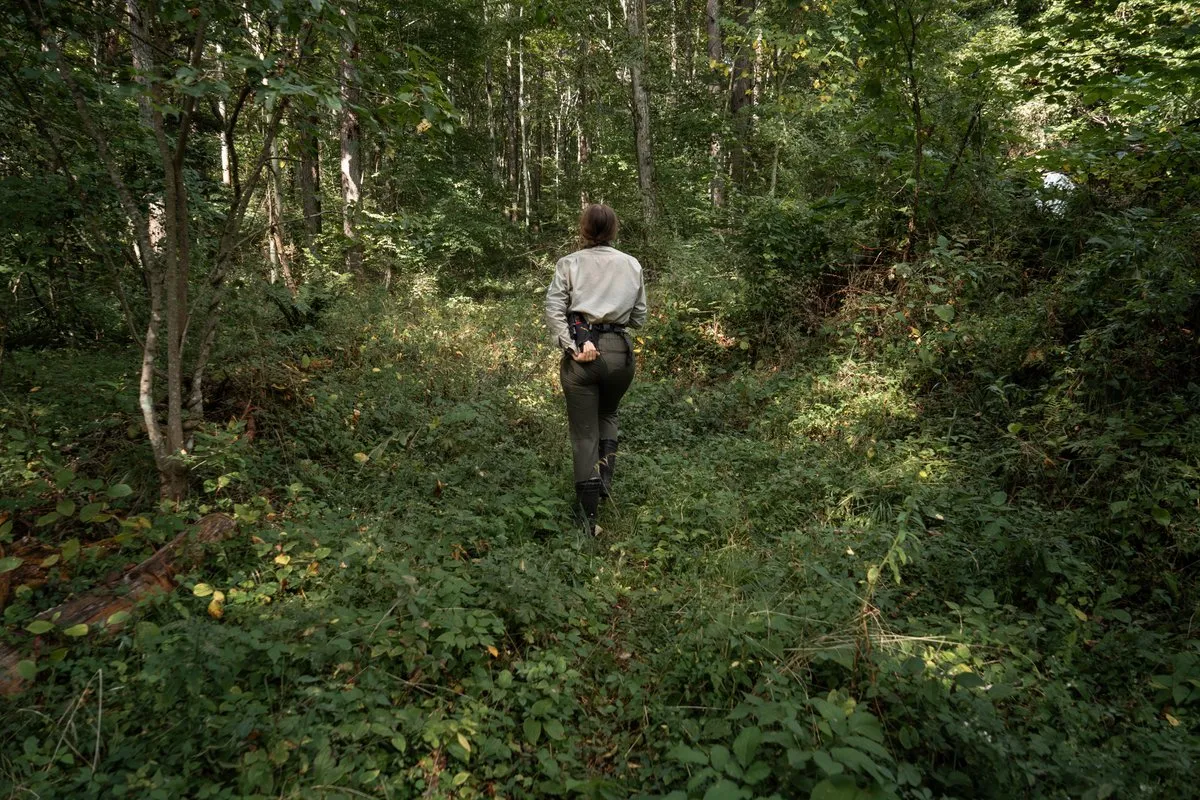
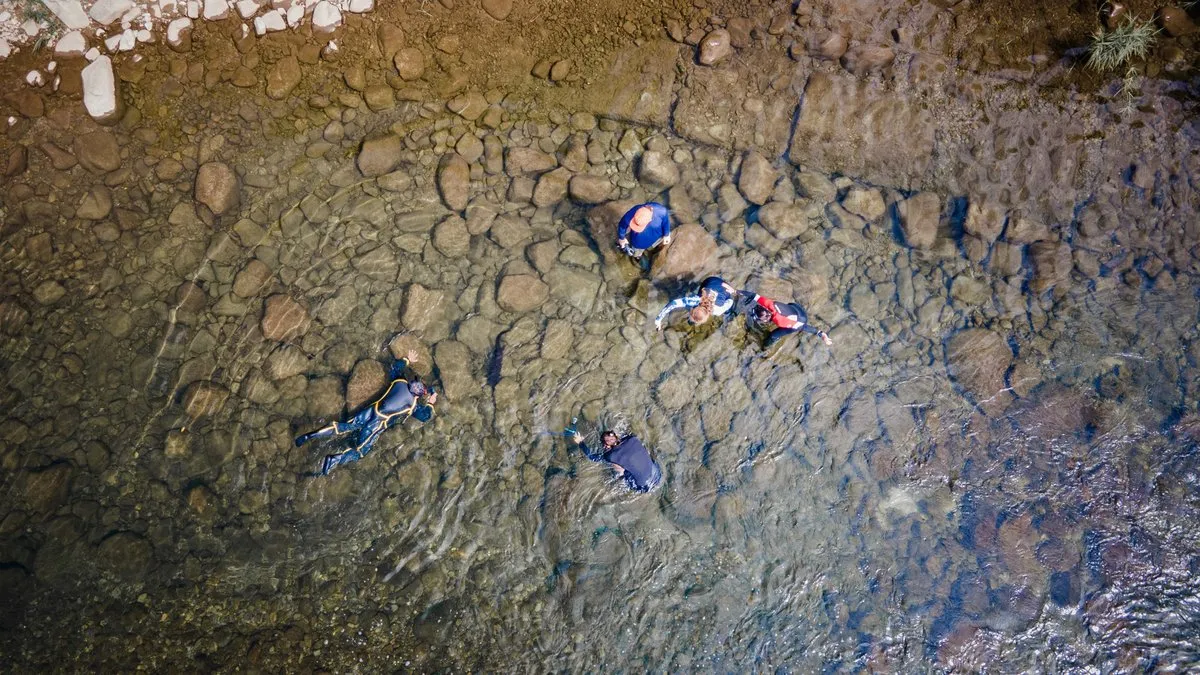
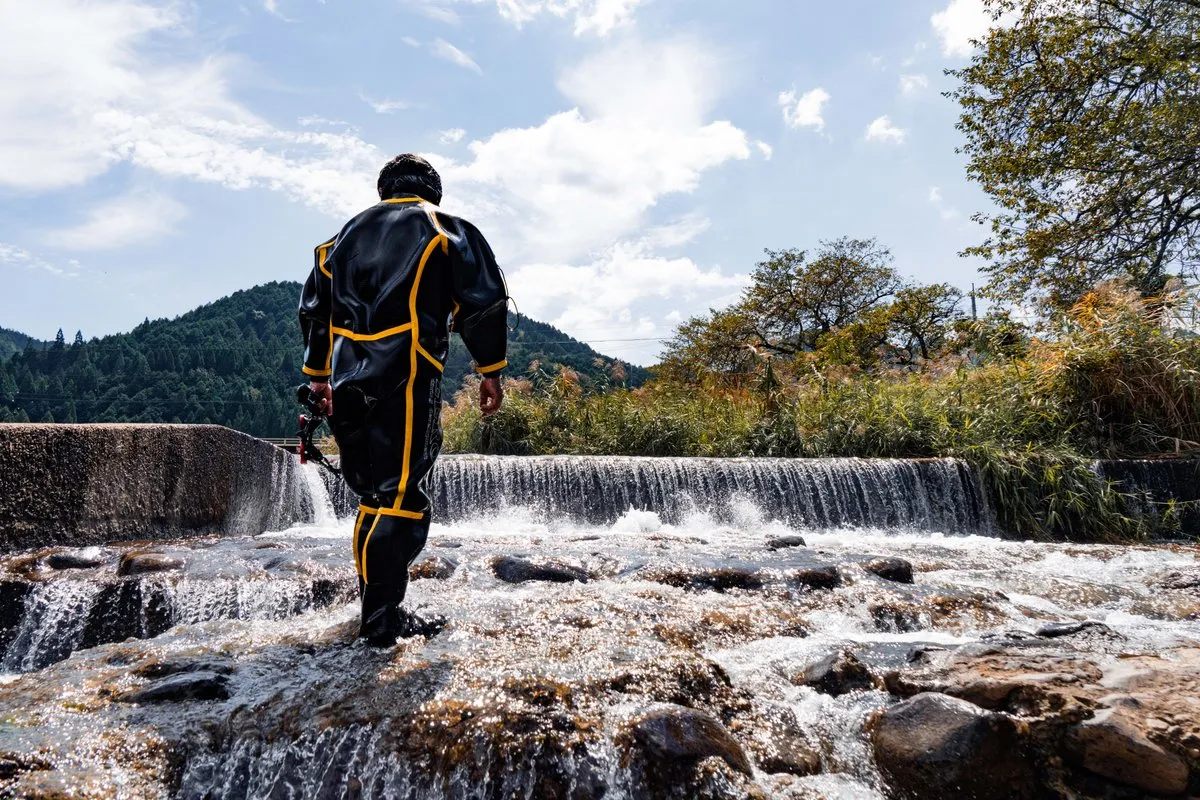
Japan is a country of extremes, where snowcapped mountains and frozen northern seas give way to subtropical islands. Snow monkeys soaking in hot springs, giant salamanders hiding through riverbeds, cranes dancing across wetlands, and manta rays hanging out past volcanic coastlines makes Japan’s range fascinating. Each island feels like its own world, layered with culture, myth, and wilderness. From the wild north of Hokkaido to the reef-fringed south of Okinawa, Japan’s diversity makes it one of the richest natural landscapes on the planet.
seasons
Japan runs a distinct four-season cycle: mild spring (March-May) with cherry blossoms sweeping north from Kyushu to Hokkaido, a hot and humid summer (June-August) that starts with a rainy season in most regions, a mild and clear autumn (September-November) with strong foliage, and a cold winter (December-February) that brings heavy snowfall to Hokkaido and the Japan Sea coast while Tokyo and points south stay dry and cold. Okinawa's subtropical climate diverges from the rest of the country almost year-round.
best time to visit
Go in late April to May or late September to October rather than peak cherry-blossom (late March-early April) or peak summer. Parks and temples fill early during blossom season and prices spike; shoulder months bring comparable weather, thinner crowds at major sites and wildlife-viewing spots like Nara Park and Jigokudani, and noticeably lower accommodation costs, with none of the June-July rains or August heat that make outdoor days in cities like Kyoto or Tokyo genuinely unpleasant.
why people go
Japan compresses an unusual range of landscapes into one archipelago: volcanic peaks like Fuji, alpine terrain in the Japan Alps, subtropical reef islands in Okinawa, ancient cedar forests on Yakushima, and geothermal valleys steaming with hot springs. Historic capitals (Kyoto, Nara) hold thousands of temples and shrines alongside hyper-dense, neon-lit cities, and a dependable, extensive rail network makes moving between all of it straightforward.
marquee wildlife
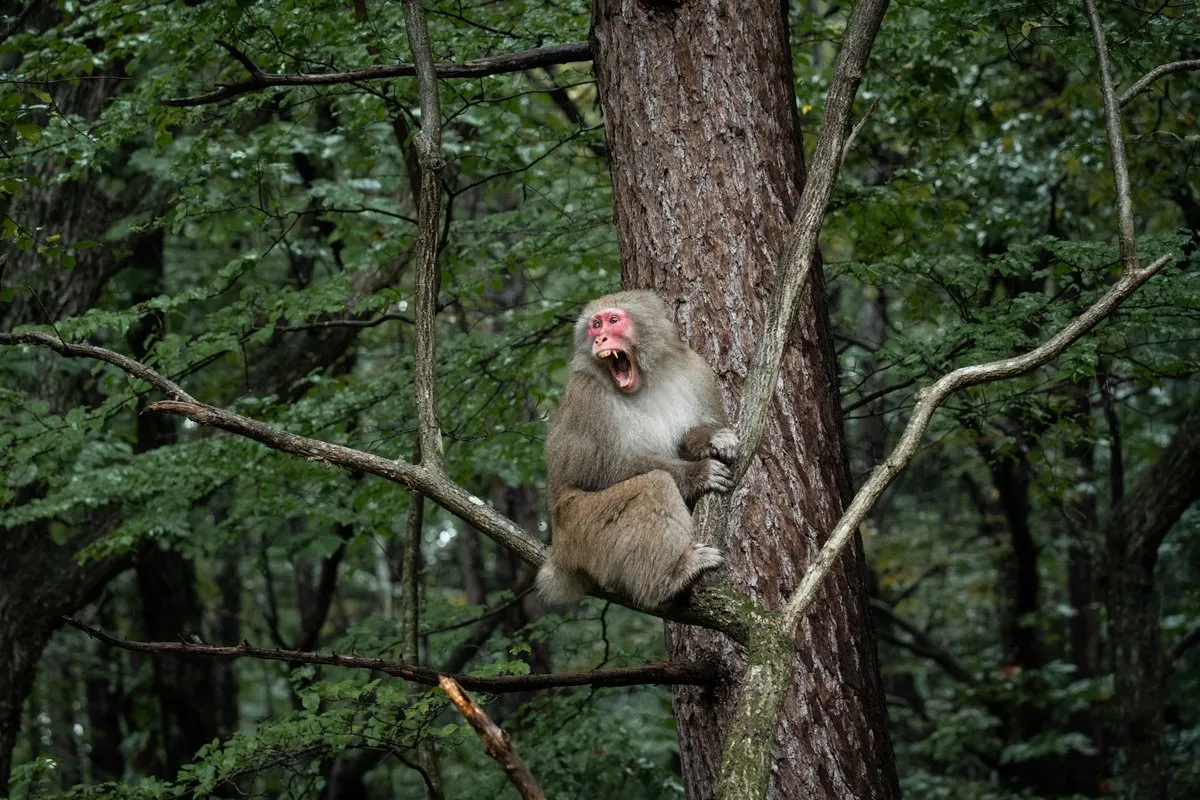
Japanese macaques ('snow monkeys') soak in hot springs at Jigokudani in Nagano, the northernmost-living non-human primates on Earth, drawing photographers each winter. The red-crowned crane is a conservation recovery story — population down to roughly 33 birds in 1952, now near 1,900-2,000 concentrated in Hokkaido's Kushiro wetlands, with the Tsurui-Ito Crane Sanctuary running feeding-ground viewing. Sika deer, considered sacred messengers in Nara, are tame enough to approach at Nara Park.

food
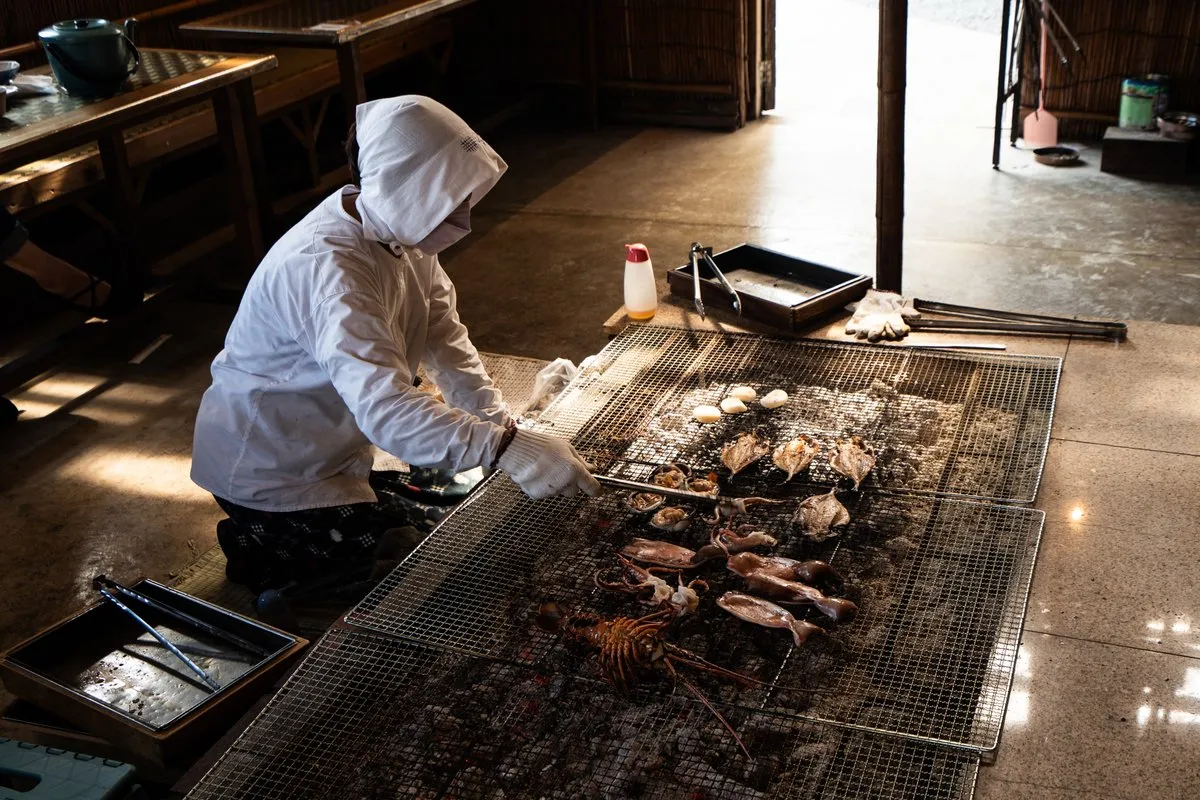
Ramen is regional and worth chasing by style: tonkotsu (rich pork-bone broth) from Fukuoka, shoyu (soy-based, lighter) centered on Tokyo, and miso ramen from Sapporo, often topped with corn and butter. Beyond ramen, build meals around udon, soba, tonkatsu, and donburi rice bowls, with an izakaya crawl for grilled skewers and small plates — save sushi or kaiseki for a deliberate splurge rather than the default meal.

culture & etiquette
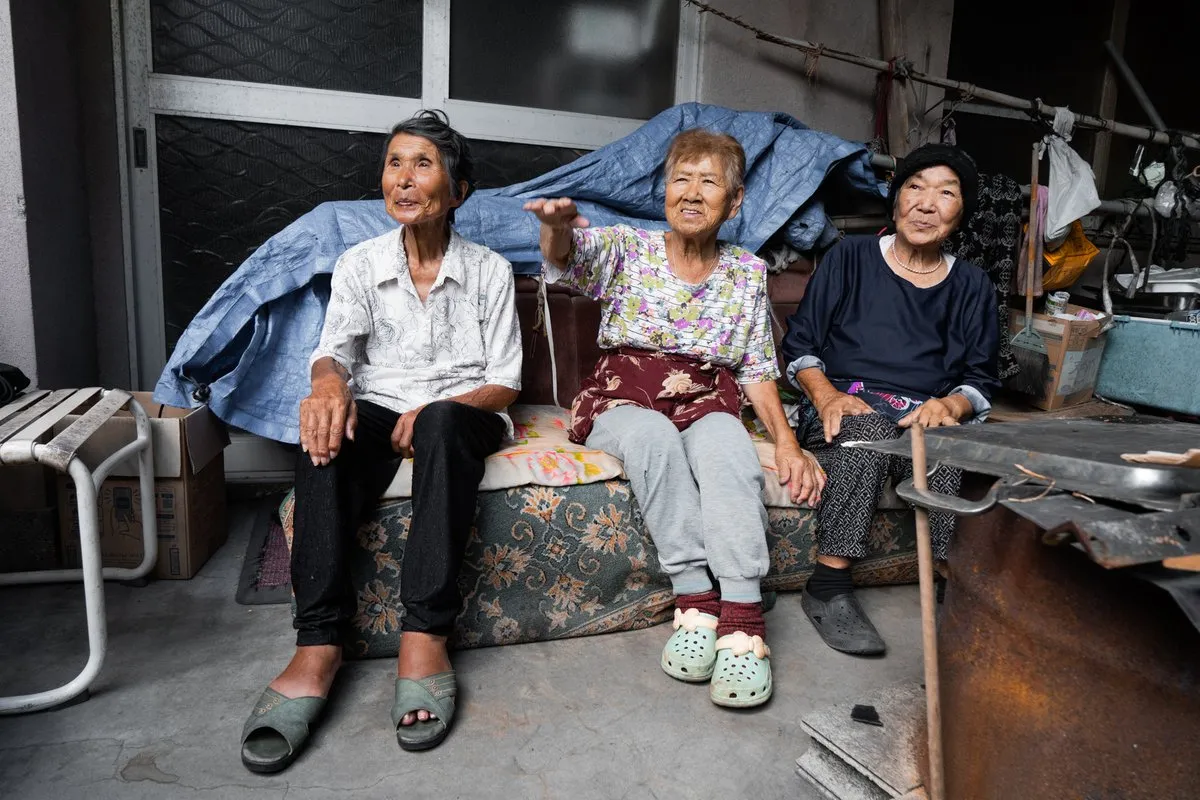
A slight bow (roughly 15 degrees) covers most tourist interactions — nobody expects a foreign visitor to master the finer gradations, but attempting one signals respect. Shoes come off at temple entrances, ryokan inns, and many restaurants and homes; keep voices down on trains, buses, and in temples. Onsen etiquette is specific and non-negotiable: wash thoroughly before entering the water, no swimwear, no towel in the bath, and note that visible tattoos are still barred at many public baths due to their historic association with the yakuza.
diving
Okinawa is the country's dive region, centered on Ishigaki Island in the Yaeyama chain, where established sites (including Kabira's Manta Scramble) draw manta rays that congregate seasonally, plus year-round sightings. Miyako Island holds Yabiji, Japan's largest coral reef system. Diving is a real but secondary draw next to Japan's headline attractions — it doesn't rival the Coral Triangle or Red Sea in scale, but for a trip built around temples, cities, and mainland wildlife, Okinawa adds a genuine subtropical reef component most Japan itineraries skip entirely.
for the impact solutionist or team
let's make your work more discoverable
do you have something that is or will change the world for the better?
learn morefor the conscious traveler
let's show you where we've been
are you interested in being a mindful explorer?
see where to go