Oceania
Indonesia
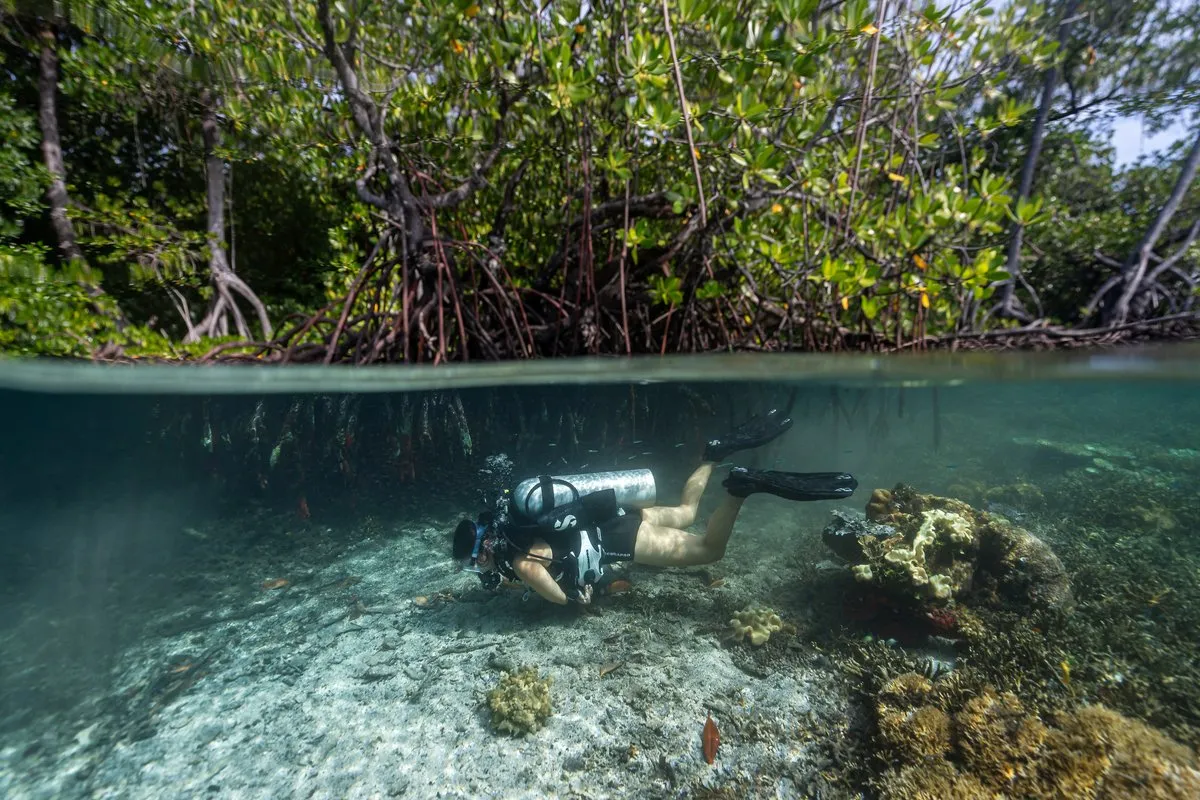
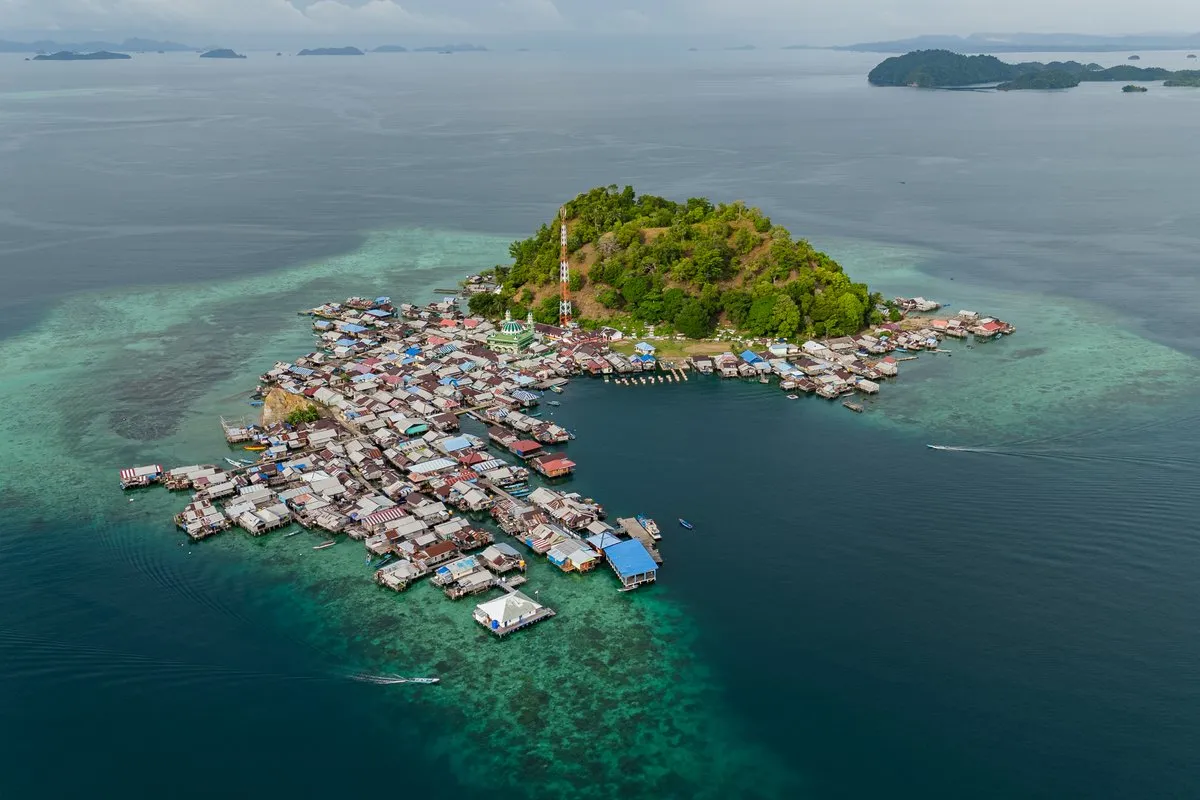
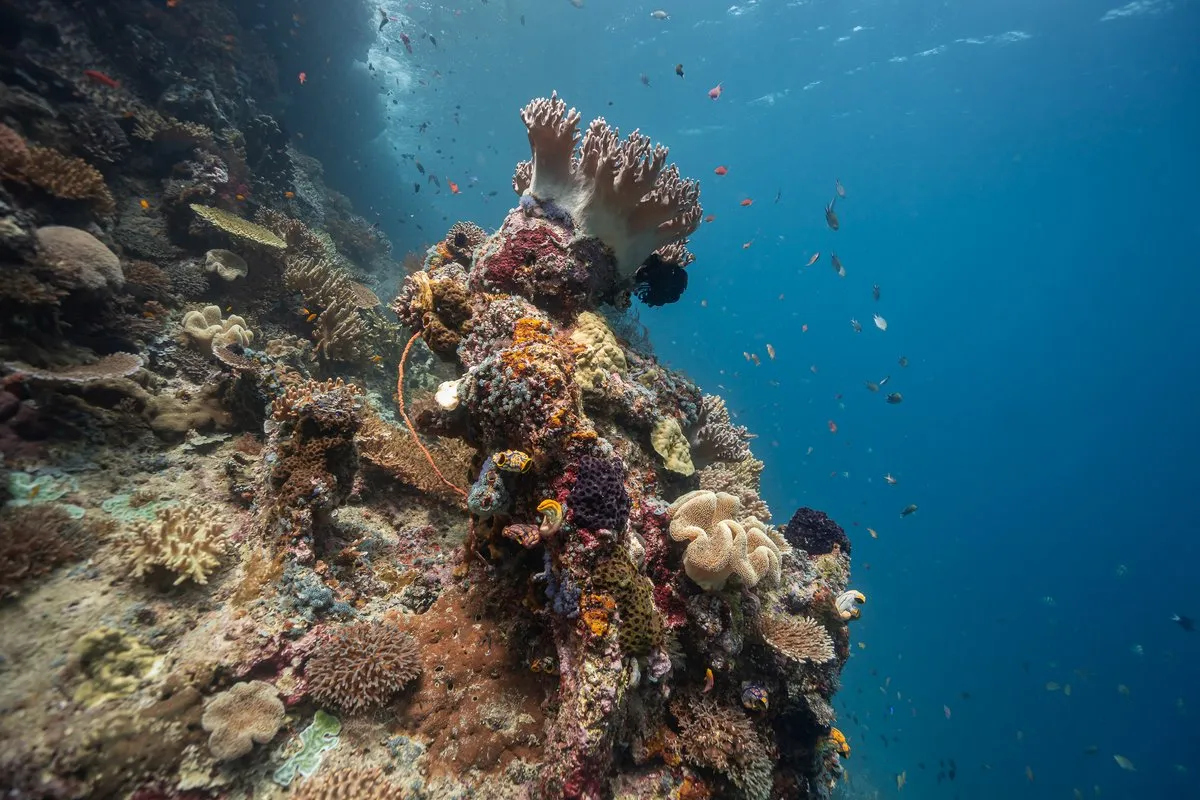
Indonesia is the beating heart of the Coral Triangle, a chain of over 17,000 islands straddling the equator. Rainforests echo with the calls of orangutans and birds of paradise, while volcanic ridges rise over mangrove lagoons and coral reefs that host more marine species than anywhere else on Earth. Komodo dragons patrol their namesake islands, whale sharks glide along fishing platforms, and manta rays sweep over reef channels.
seasons
Indonesia sits on the equator and runs a two-season monsoon pattern rather than four seasons: a dry season roughly April through October and a wet season from November through March, though this shifts by region since the archipelago spans over 17,000 islands. Southern islands like Bali, Java, Lombok and Flores follow this pattern most predictably, with the driest, sunniest stretch typically July through September. Northern and eastern regions, including parts of Sulawesi and Papua, can see rain year-round or on an inverted schedule.
best time to visit
Skip peak season (July, August, December) when European and Australian school holidays converge on Bali and drive up crowds and prices at dive sites and temples alike. Travel instead in the shoulder months of April-May or September-October: dry-season weather holds, seas stay calm for diving, but crowds thin out and rates on boats and hotels drop. This window also lines up well with visibility windows in Komodo and Raja Ampat before the wetter months roll in.
why people go
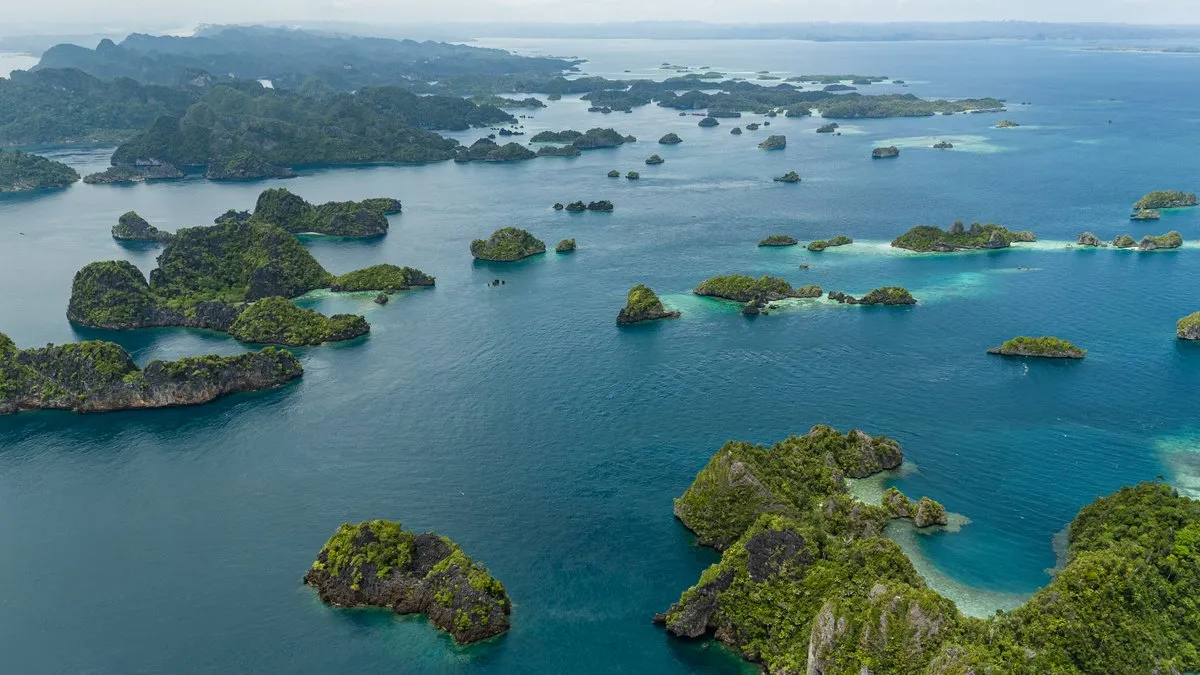
Indonesia strings together volcanic peaks, terraced rice paddies, dense rainforest, and the world's largest archipelago of coral-fringed islands across a distance wider than the continental US. Landscapes range from Java's active volcanoes like Bromo and Ijen (with its blue sulfuric flames) to the dragon-inhabited savanna islands of Komodo National Park and the limestone karst seascapes of Raja Ampat. It's a country built for slow, multi-island expedition travel rather than a single-resort stay.
marquee wildlife
The Komodo dragon, the world's largest lizard, survives only in the wild on a handful of islands in Komodo National Park and is the country's signature land species. Indonesia also holds two of the world's three orangutan species, the Bornean and Sumatran, both critically endangered and found in the rainforests and peat swamp forests of Borneo and Sumatra. Sumatra additionally shelters Sumatran tigers and elephants, and despite covering roughly 1% of Earth's land area, Indonesia hosts more than 10% of the world's mammal species and 17% of its bird species.
food
Rendang, slow-cooked beef in coconut milk and spice from West Sumatra's Minangkabau people, is widely rated among the best dishes in the region, and Padang-style food generally runs rich, spicy, and coconut-heavy. Java skews sweeter, built around palm sugar and kecap manis, with dishes like gado-gado and Yogyakarta's gudeg (young jackfruit stew). Bali's babi guling (spit-roast pork) and Sulawesi's coto Makassar (beef soup) are regional specialties worth detouring for.
culture & etiquette
A gentle handshake with a soft smile is the standard greeting; a hard grip reads as aggressive. Use the right hand for touching, giving, or receiving anything, since the left is reserved for bathroom use and considered unclean, and point with a thumb rather than an index finger. Dress modestly at religious sites (cover shoulders and knees), keep voices down and ask before photographing inside temples or mosques, don't show the soles of your feet, and avoid public displays of affection or drinking, which can draw disapproval outside tourist enclaves.
diving
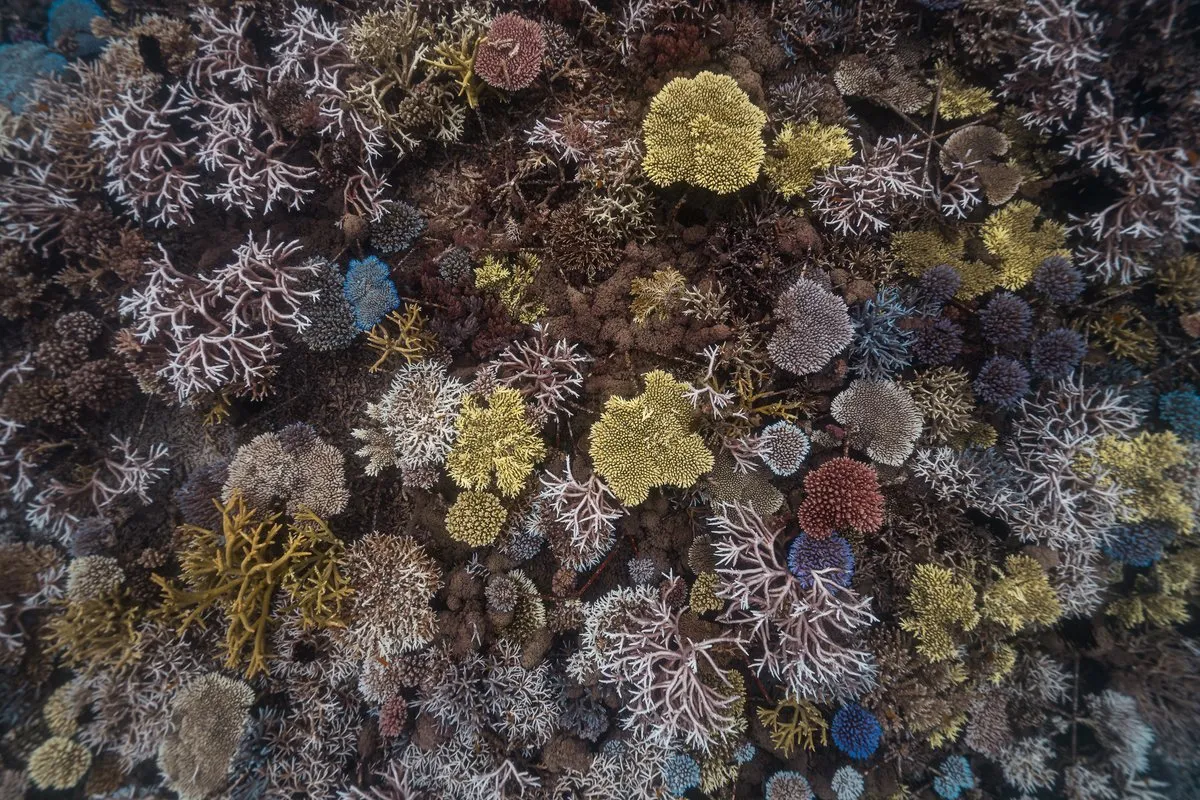
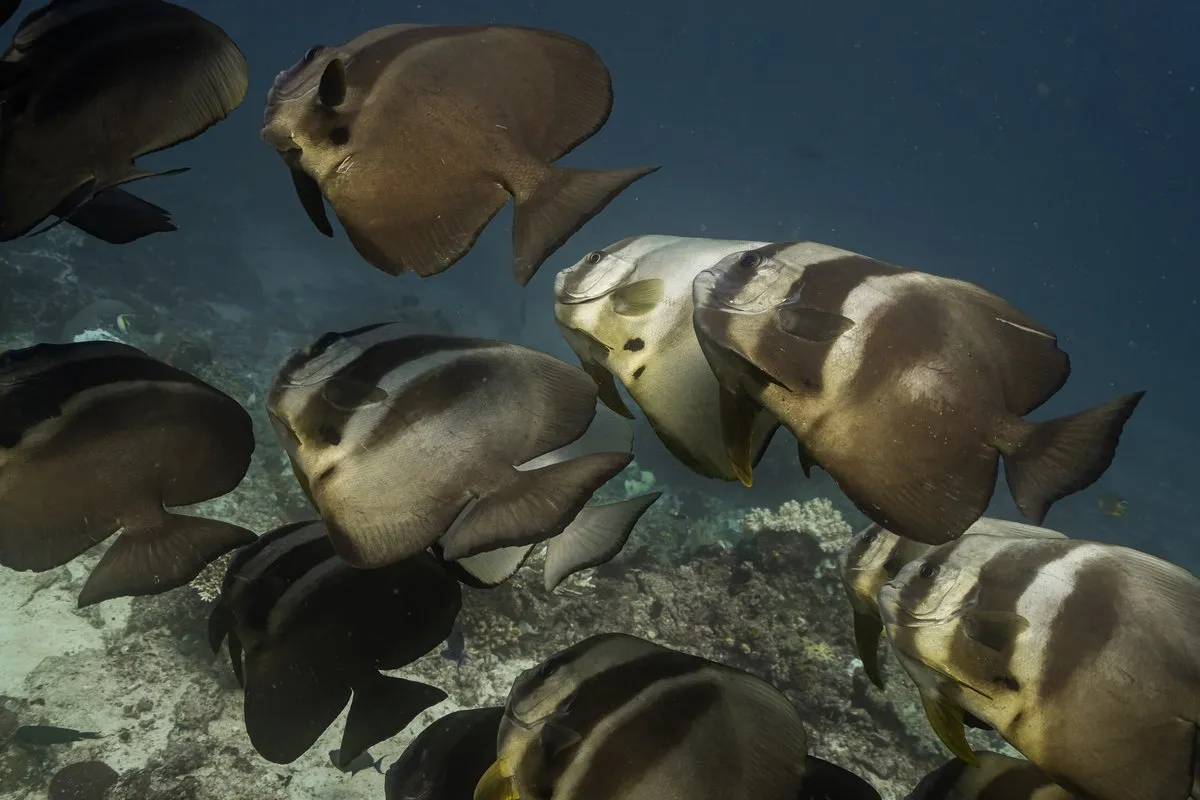
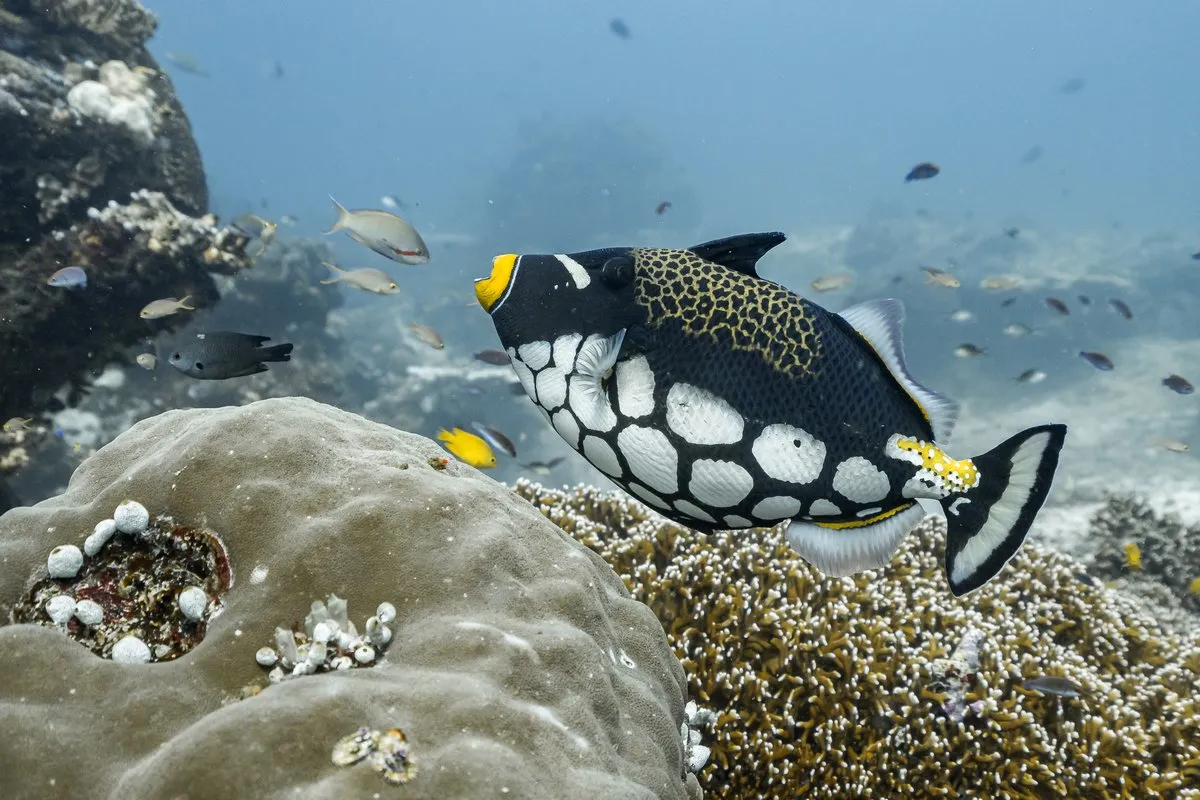
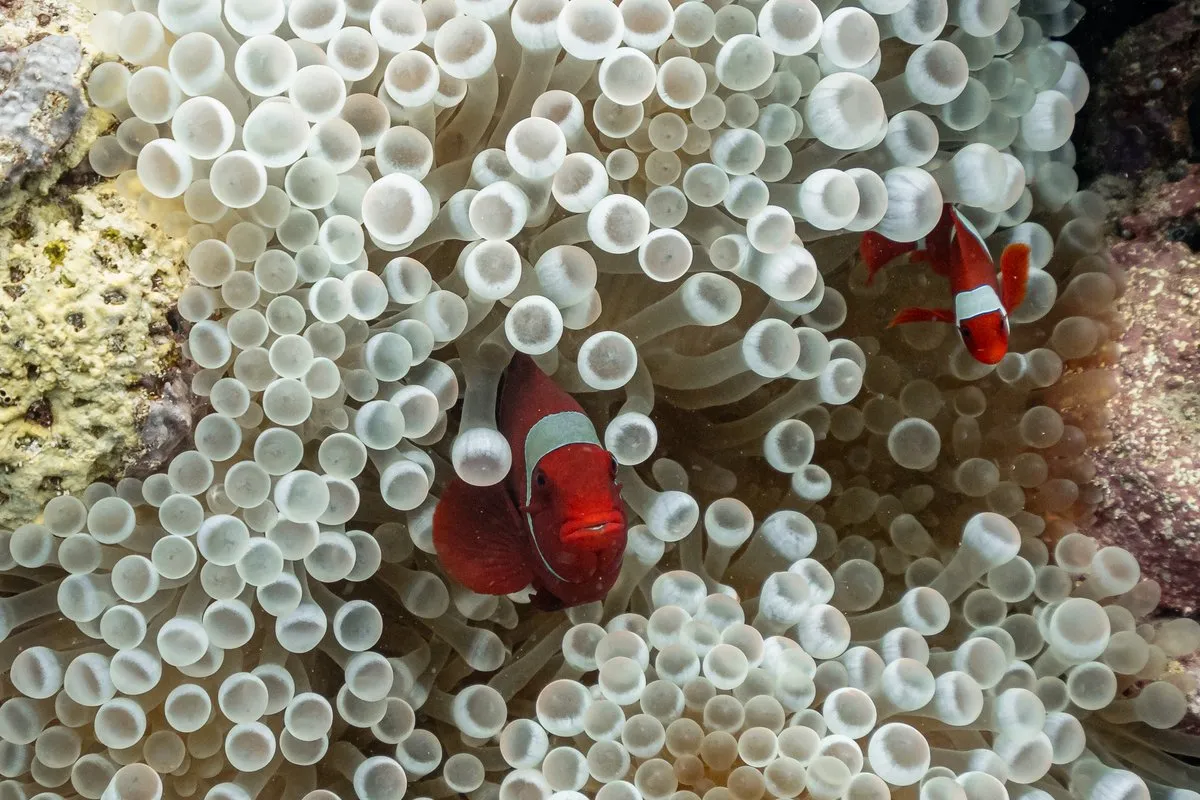
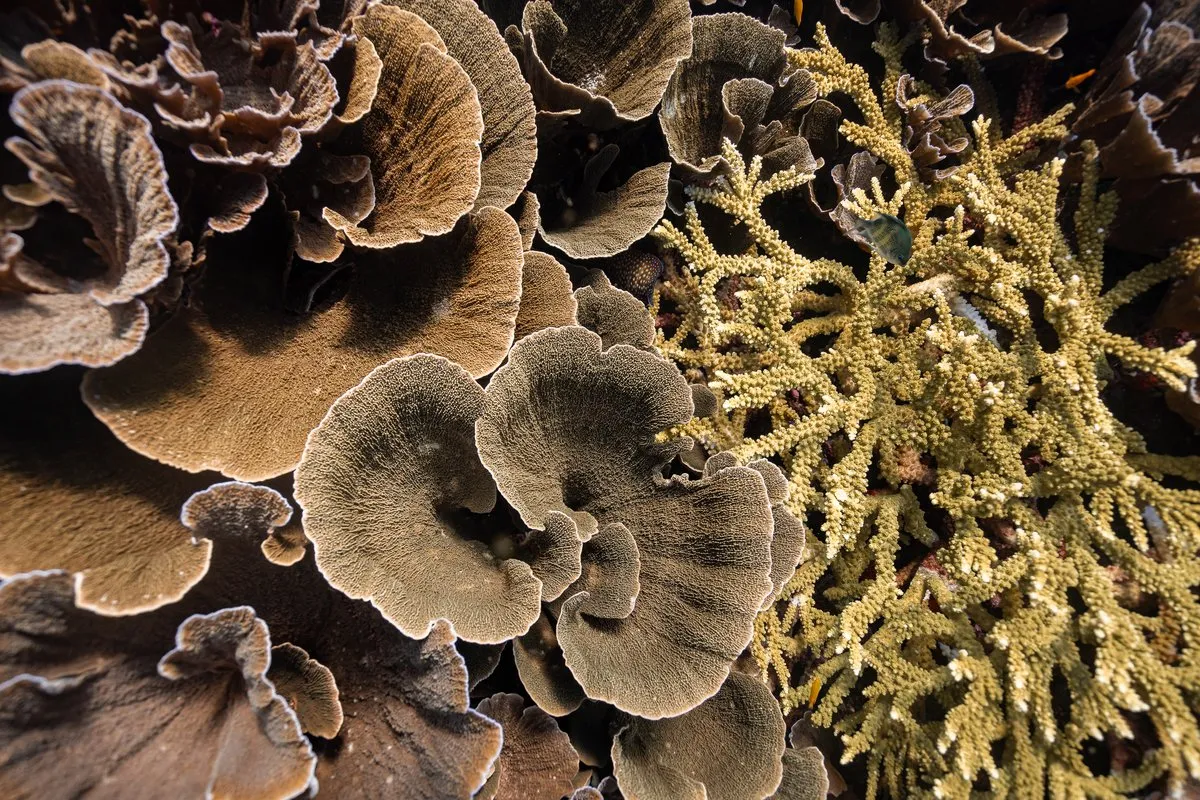
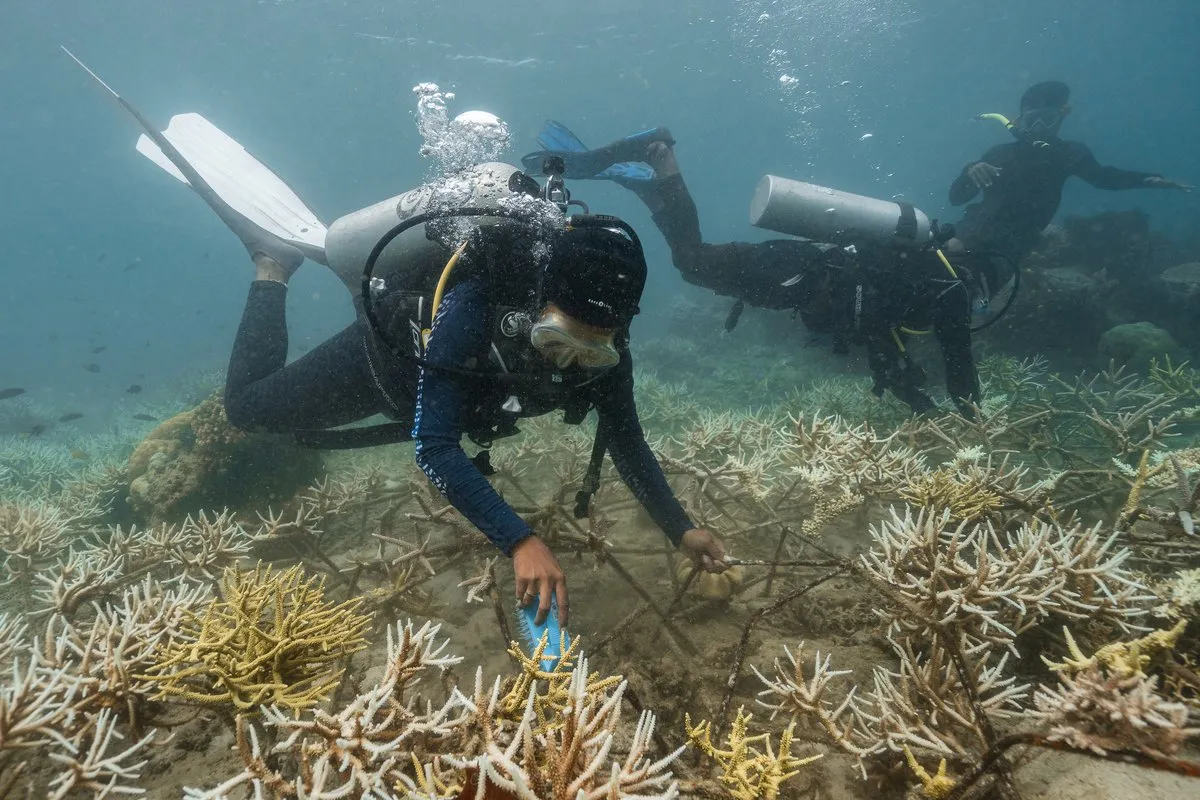
Raja Ampat, in eastern Indonesia's Coral Triangle, is the country's marquee dive destination and arguably the most biodiverse reef system on the planet: over 75% of the world's known coral species and 1,500-plus fish species have been recorded there, and a single dive at Cape Kri logged 374 fish species in one count, a world record. Komodo National Park offers strong currents and drift dives that draw manta rays and big pelagic life, with around 1,000 fish species and 260 coral species across the park. Both sit well outside Bali's more built-up dive scene and reward multi-day island-hopping itineraries rather than single-site day trips.
for the impact solutionist or team
let's make your work more discoverable
do you have something that is or will change the world for the better?
learn morefor the conscious traveler
let's show you where we've been
are you interested in being a mindful explorer?
see where to go