Asia
India
India is a land of vast differences, where snow-draped Himalayan peaks give way to jungles alive with tigers and elephants, deserts stretch into silence, and coral-fringed coasts are unexpected. Despite being one of the most populated countries on Earth, it remains one of the most biodiverse—its forests, rivers, and reefs sheltering species found nowhere else. India is just as much a cultural giant as it is a frontier for chasing wild encounters across both land and sea.
seasons
India's climate is dominated by the monsoon: a hot, dry pre-monsoon (March-May) with plains temperatures above 40°C, the southwest monsoon (June-September) bringing heavy rain to most of the country, and a cool, dry winter (October-March) that most of the country treats as its main travel window. Regional variation is extreme — the Western Ghats and Northeast get drenched and turn lush green during monsoon, Himalayan hill stations stay cool through summer when the plains are unbearable, and Kerala's backwaters run on a slightly different rhythm than the north.
best time to visit
Peak season (roughly December-February) draws the bulk of international arrivals to sites like the Taj Mahal, which sees tens of thousands of visitors on its busiest days, plus the highest hotel and guide prices. The better window is the shoulder period of September-October or February-March: post-monsoon landscapes are green, daytime heat is manageable, and both crowd levels and prices drop meaningfully compared to the December-January peak — shorter waits at wildlife parks and monuments, and a less compressed experience for guides and local operators stretched thin during peak months.

why people go
India's landscapes and cultural sites are hard to match for range: the Himalayas in the north, the Thar Desert in Rajasthan, the backwaters and rainforest of the Western Ghats, and a coastline running from Gujarat to the Andaman Sea. Mughal-era architecture (Taj Mahal, Fatehpur Sikri), ancient temple complexes (Hampi, Khajuraho), and living holy cities like Varanasi sit alongside colonial hill stations and a genuinely vast street-food and market culture.
marquee wildlife
India holds roughly 70% of the world's wild tiger population — the direct result of Project Tiger, the conservation program launched in 1973. Ranthambore in Rajasthan and Jim Corbett in Uttarakhand (India's oldest national park) are the best-known reserves for tiger sightings on jeep safari, alongside leopards, sloth bears, and large bird populations. Beyond tigers, India's parks hold Asian elephants, one-horned rhinos (Kaziranga), gaurs, and dholes — safari infrastructure is well developed at the marquee reserves but gets crowded during peak season.
food
Food varies as much as geography: South India runs on rice and lentil staples like idli and dosa (a fermented crepe, often stuffed with spiced potato), Bengal in the east is known for rasgulla and other milk-based sweets, and the north leans toward wheat breads, richer gravies, and tandoor cooking. Street food (chaat, in its many regional forms) mixes fried elements, yogurt, and tamarind chutney. A thali — a platter of small dishes served together — is the standard way to sample a region's range in one sitting.
culture & etiquette
A namaste (palms together, slight bow) is the standard, widely appreciated greeting and a safer default than a handshake, especially with women. Modest dress matters at religious sites: shoulders and knees covered for both genders, shoes removed before entering temples and some homes, and a head covering carried for temples or gurdwaras that require it. Eating is often done with the right hand only, and public displays of affection are best avoided.
diving
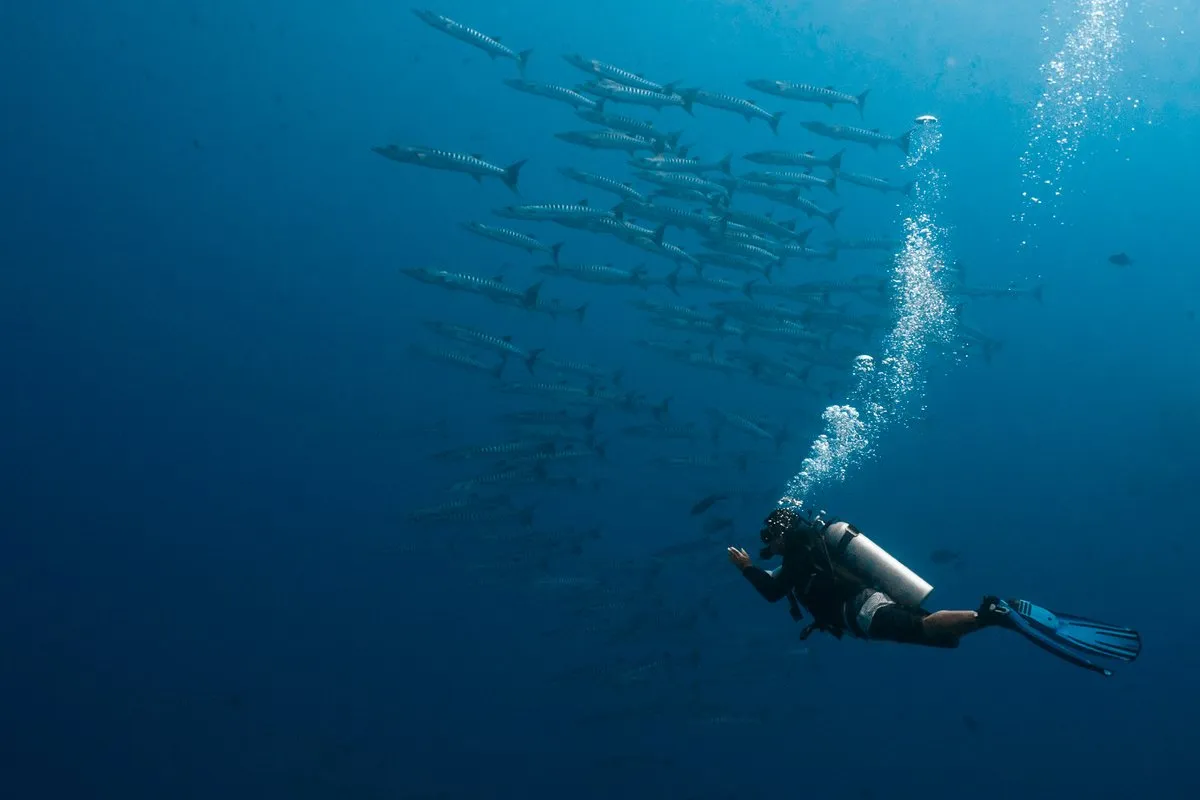
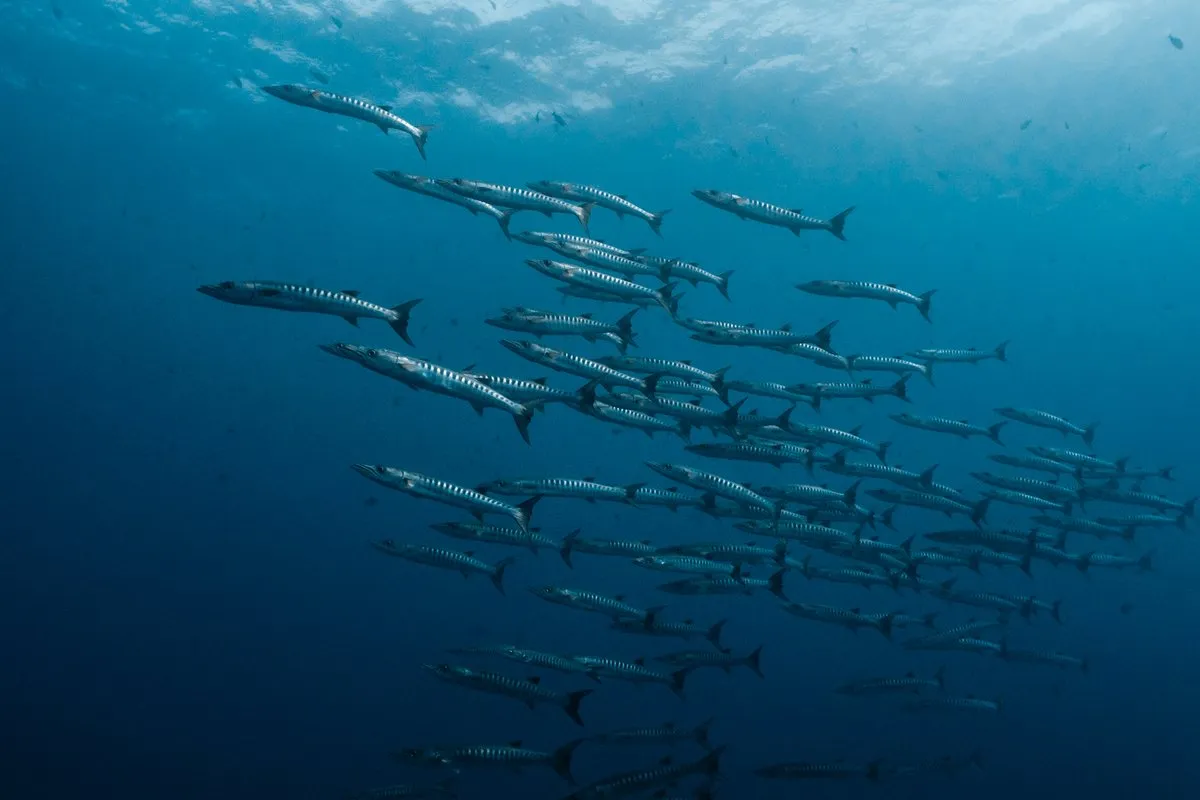
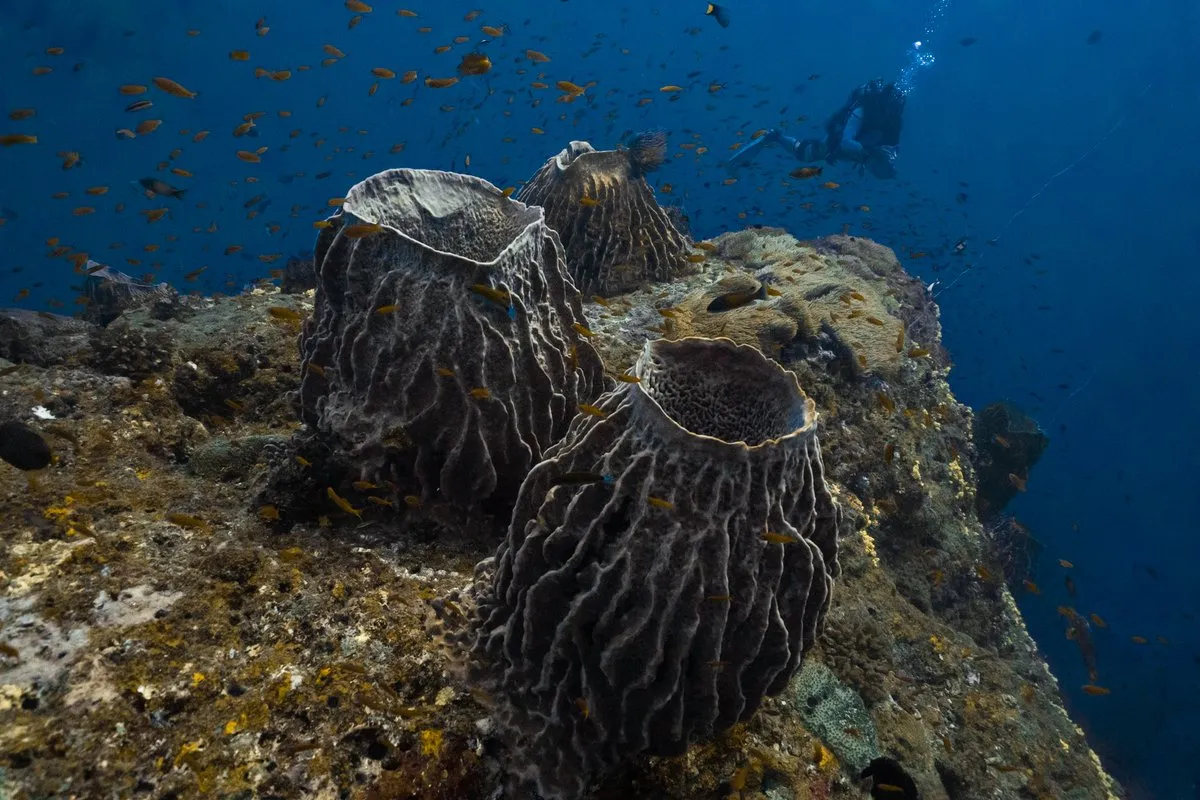
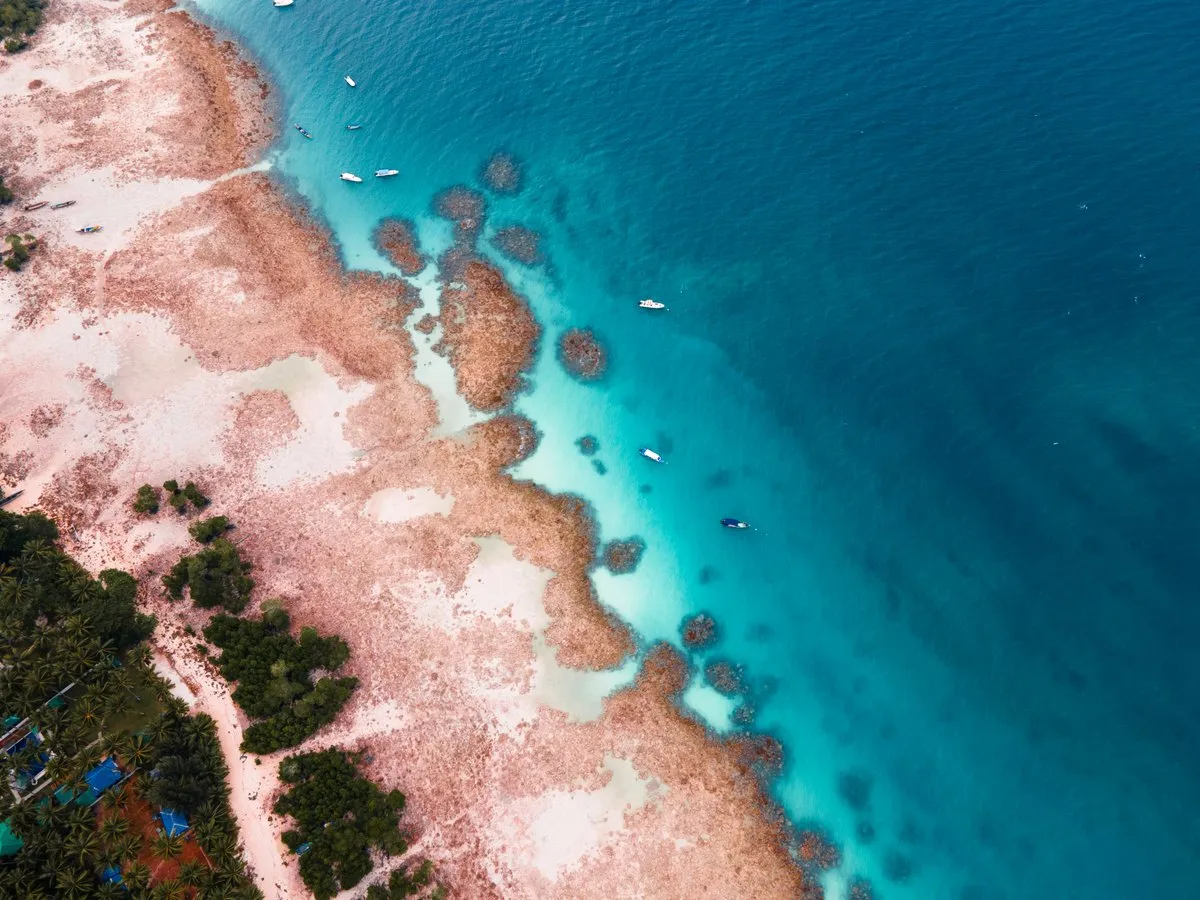
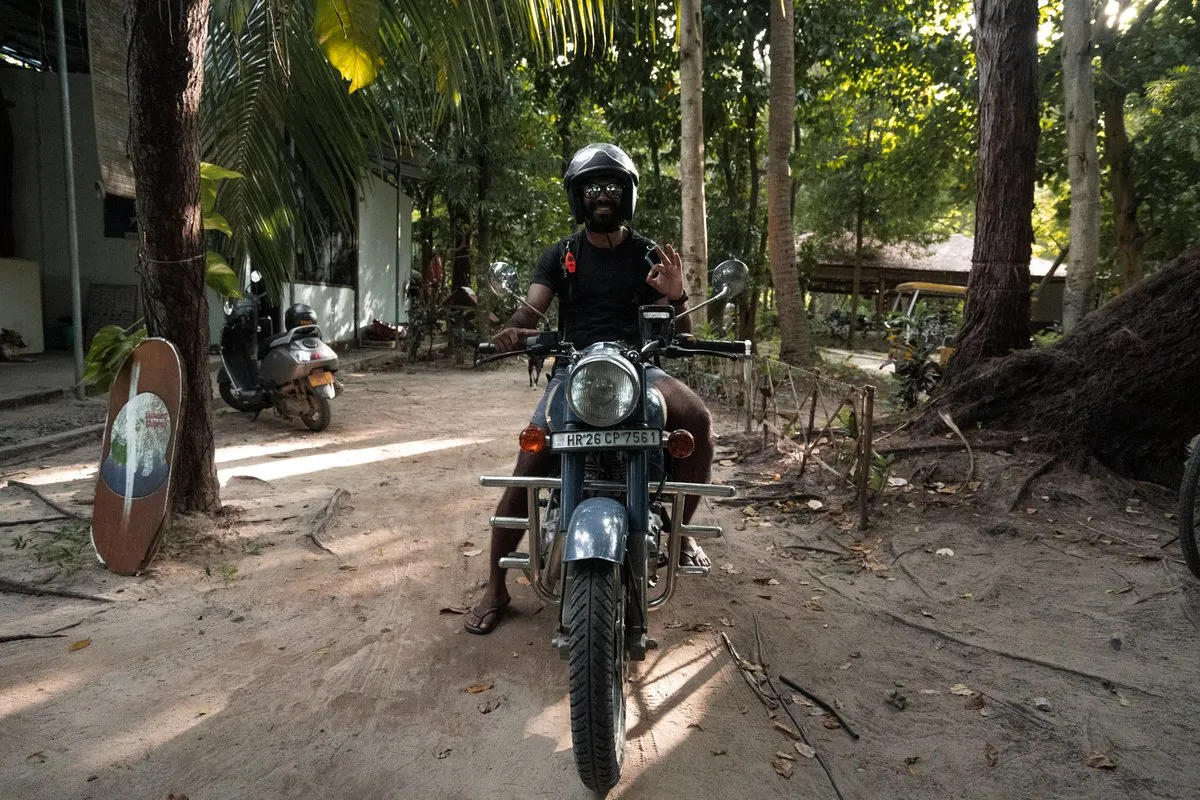
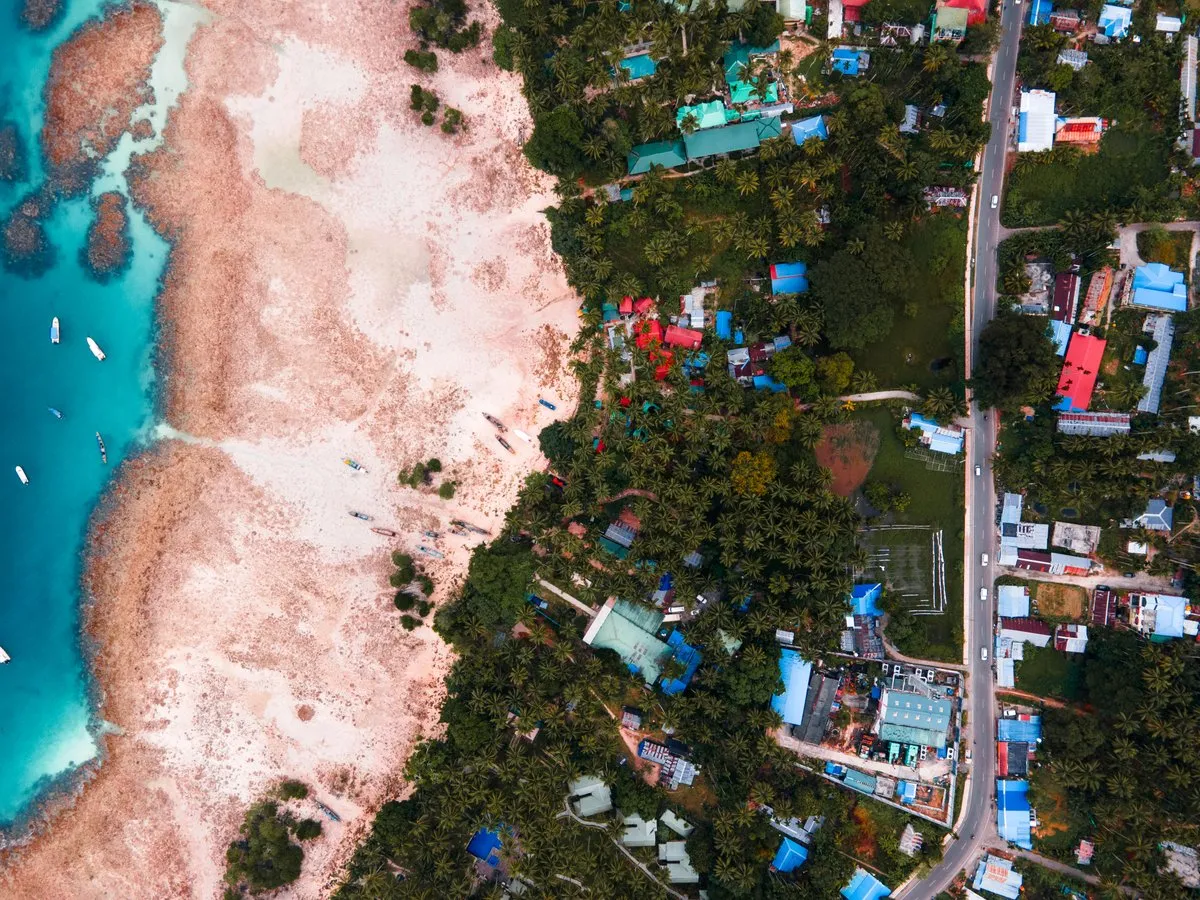
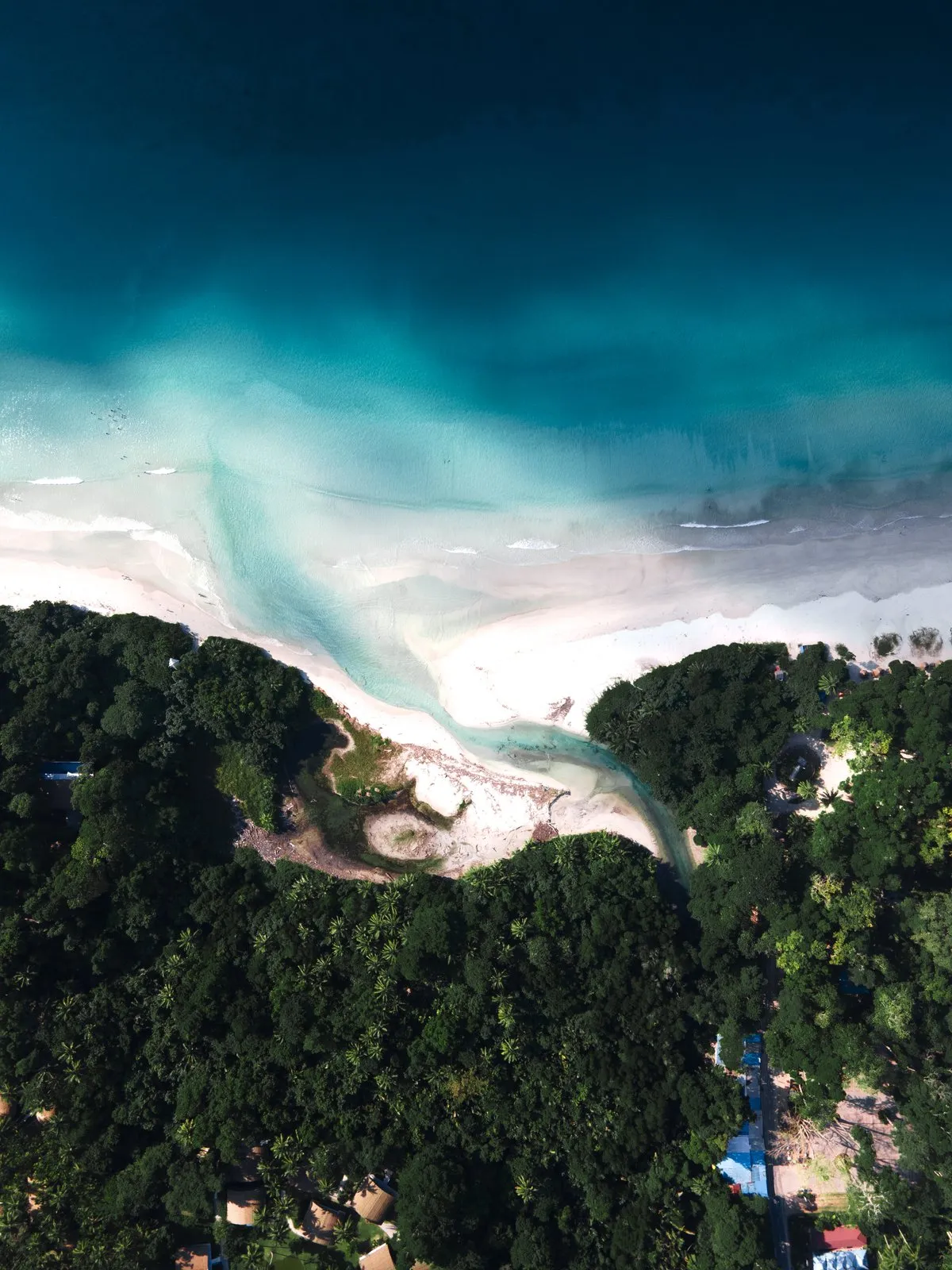
Diving in India is concentrated almost entirely in the Andaman Islands, particularly around Havelock and Neil Islands, with sites offering sightings of reef sharks, manta rays, turtles, and occasional dugongs in warm, clear water. Several PADI operators run certification courses and day trips from both islands, including boat runs out to Barren Island, India's only active volcano. Against the scale of India's mainland draws — the tiger reserves, the monuments — diving here is a genuine but minor footnote, worth a dedicated add-on trip to the Andamans rather than a reason to visit India on its own.
for the impact solutionist or team
let's make your work more discoverable
do you have something that is or will change the world for the better?
learn morefor the conscious traveler
let's show you where we've been
are you interested in being a mindful explorer?
see where to go