Europe & UK
Iceland
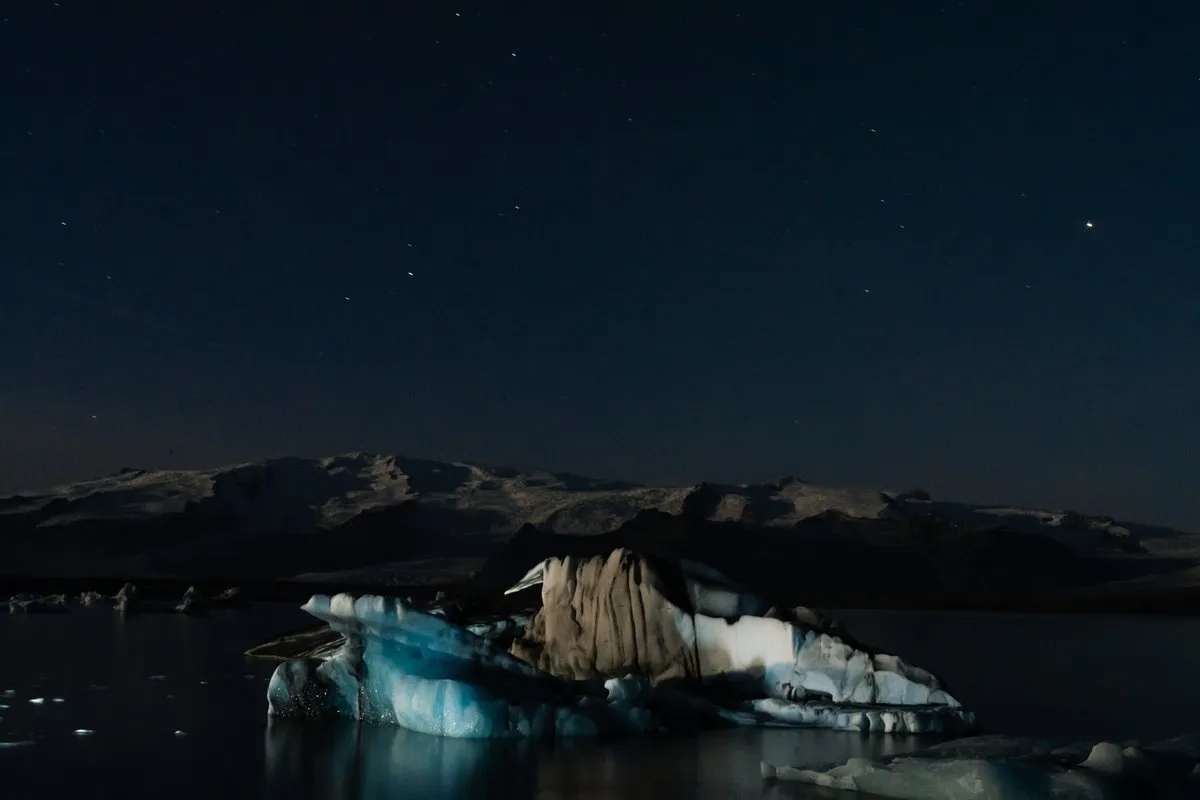
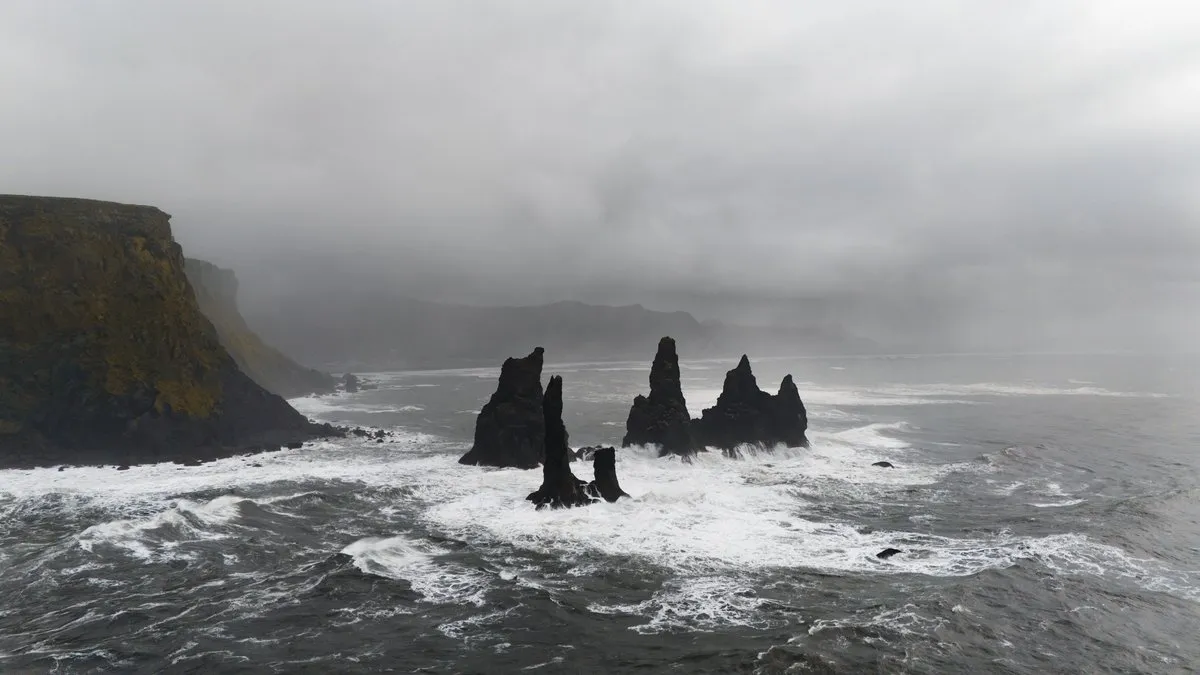
Iceland is a land of extremes—volcanoes still shaping the earth, glaciers grinding their way to the sea, and geothermal springs steaming through frozen ground. Puffins can be found in key regions around the island, while humpback and blue whales feed in icy bays. Whether slipping between tectonic plates at Silfra Fissure or hiking across lava fields, Iceland feels like a living laboratory of nature in motion.
seasons
Iceland has four distinct seasons with extreme daylight swings: near-24-hour daylight in summer versus 4-7 hours in deep winter. Summer (June-August) is mild, 10-15°C, with all highland F-roads open. Winter (November-February) is cold and dark, -3 to 3°C, with icy roads requiring 4WD.
best time to visit
May and September beat peak summer: fewer buses at the Golden Circle and Blue Lagoon, still-workable daylight, lower prices, and September layers in early Northern Lights viewing. Off-peak visits also matter ecologically here — Iceland's lava-field moss and geothermal ground cover are fragile and slow to recover from the foot and vehicle traffic that concentrates in June–August.

why people go
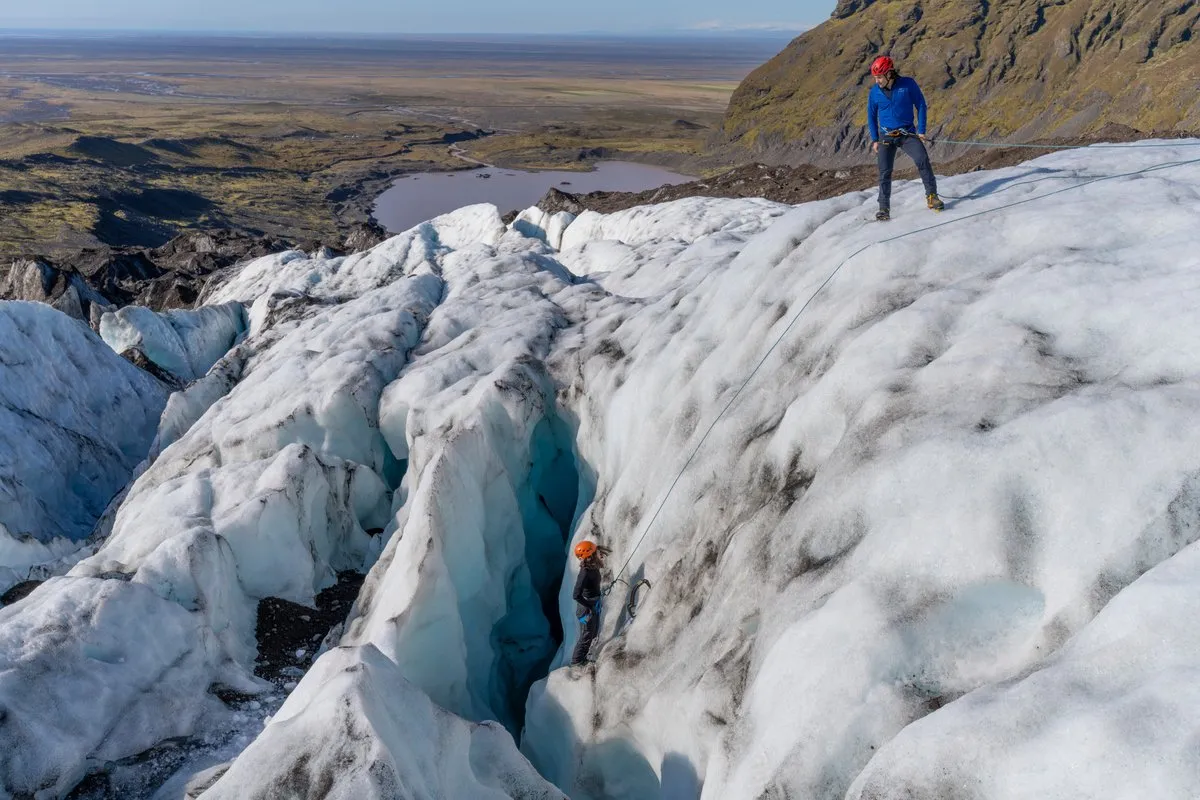
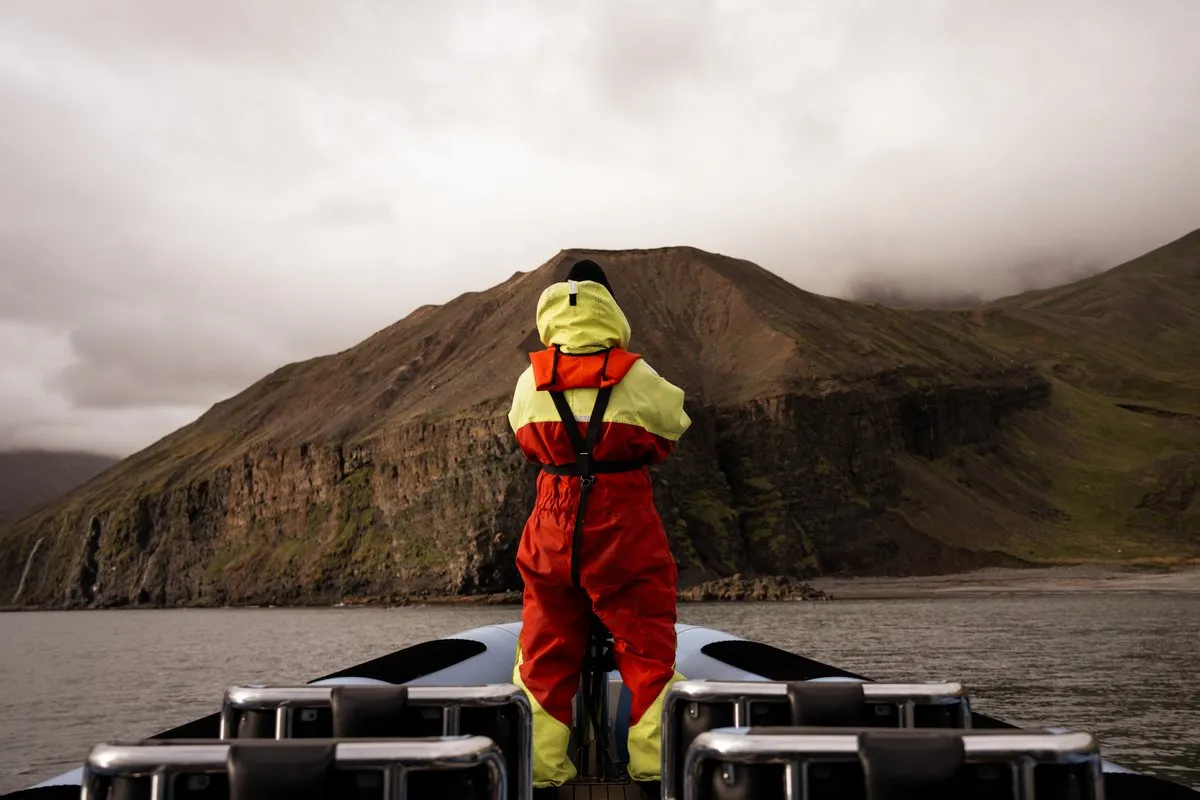
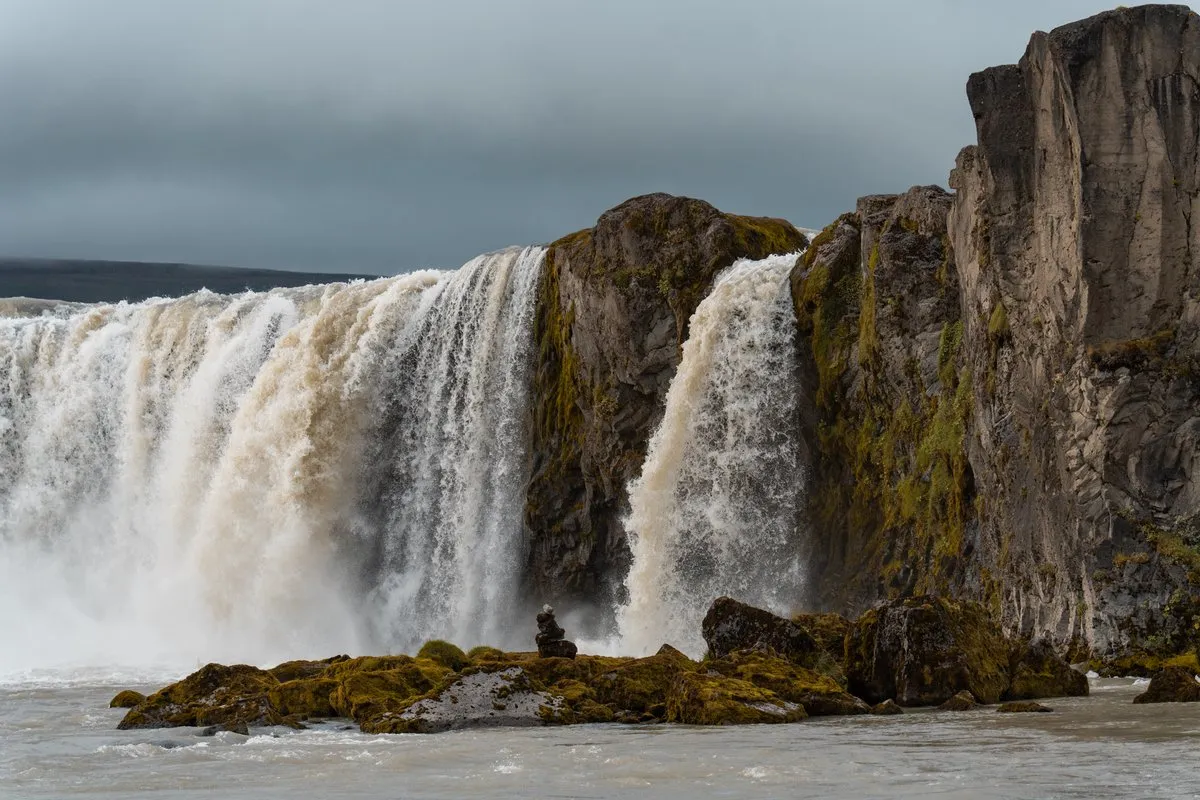
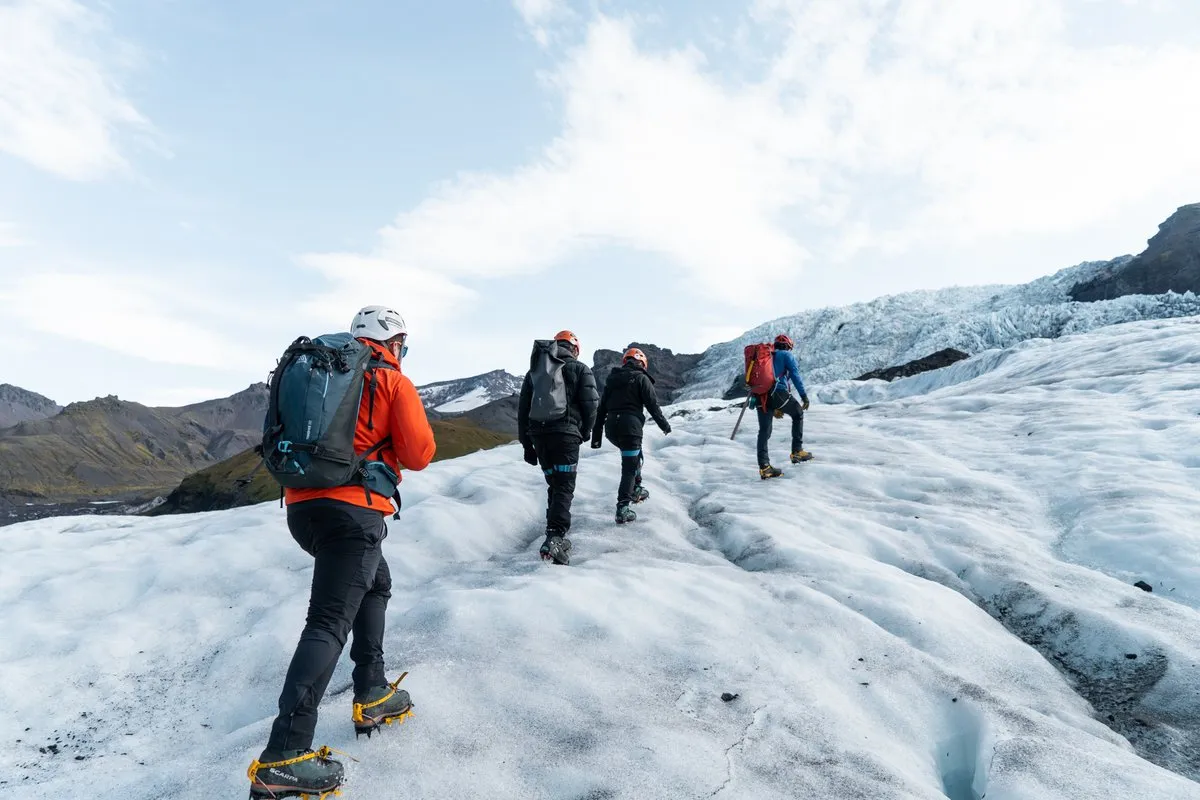
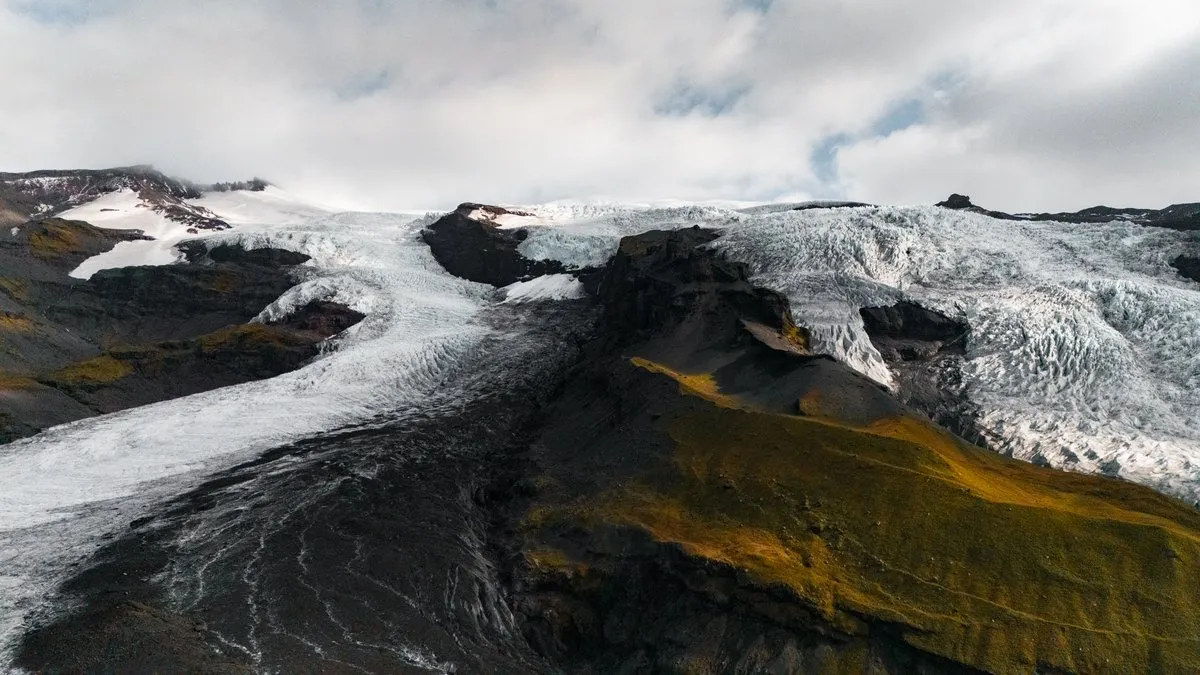
Iceland draws visitors for landscapes found in few other places: glaciers, geysers, waterfalls, black-sand beaches, and volcanic craters. Whale watching runs April-October, puffins nest May to mid-August, and glacier ice caves inside Vatnajökull open November-March. The Northern Lights and geothermal hot springs round out the signature draws.
marquee wildlife
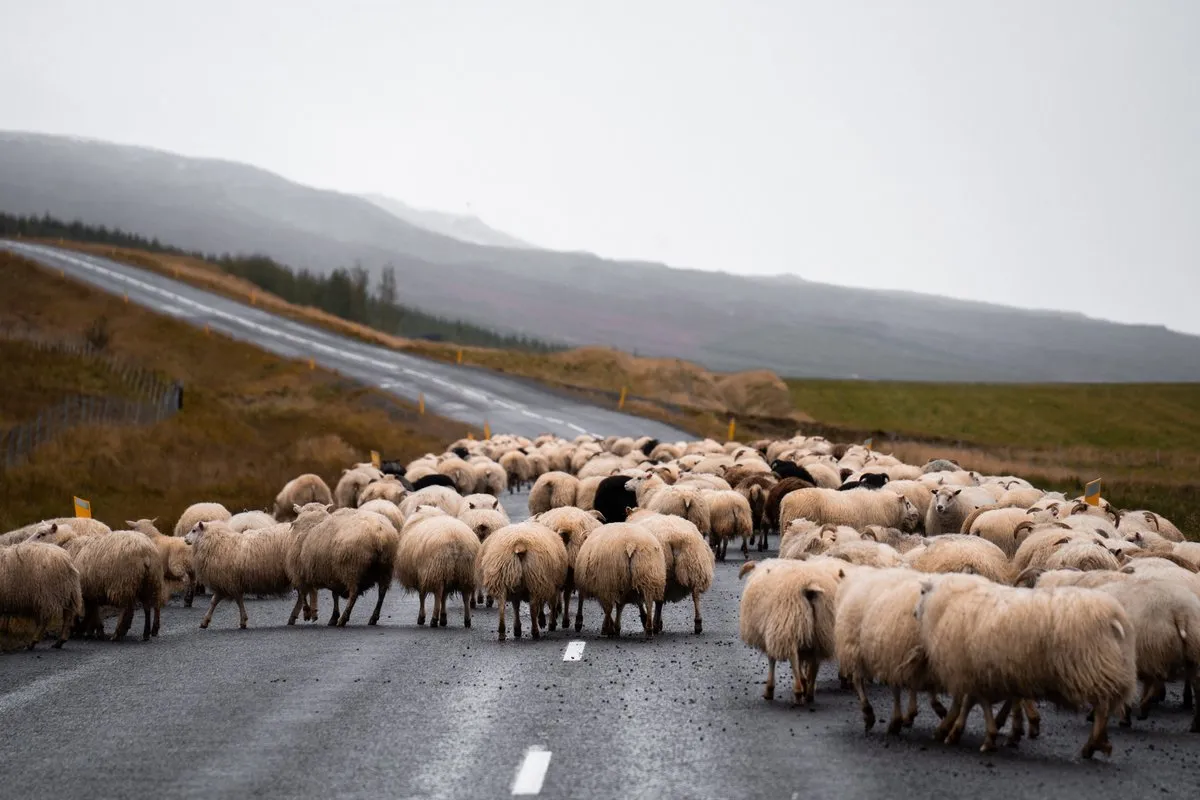
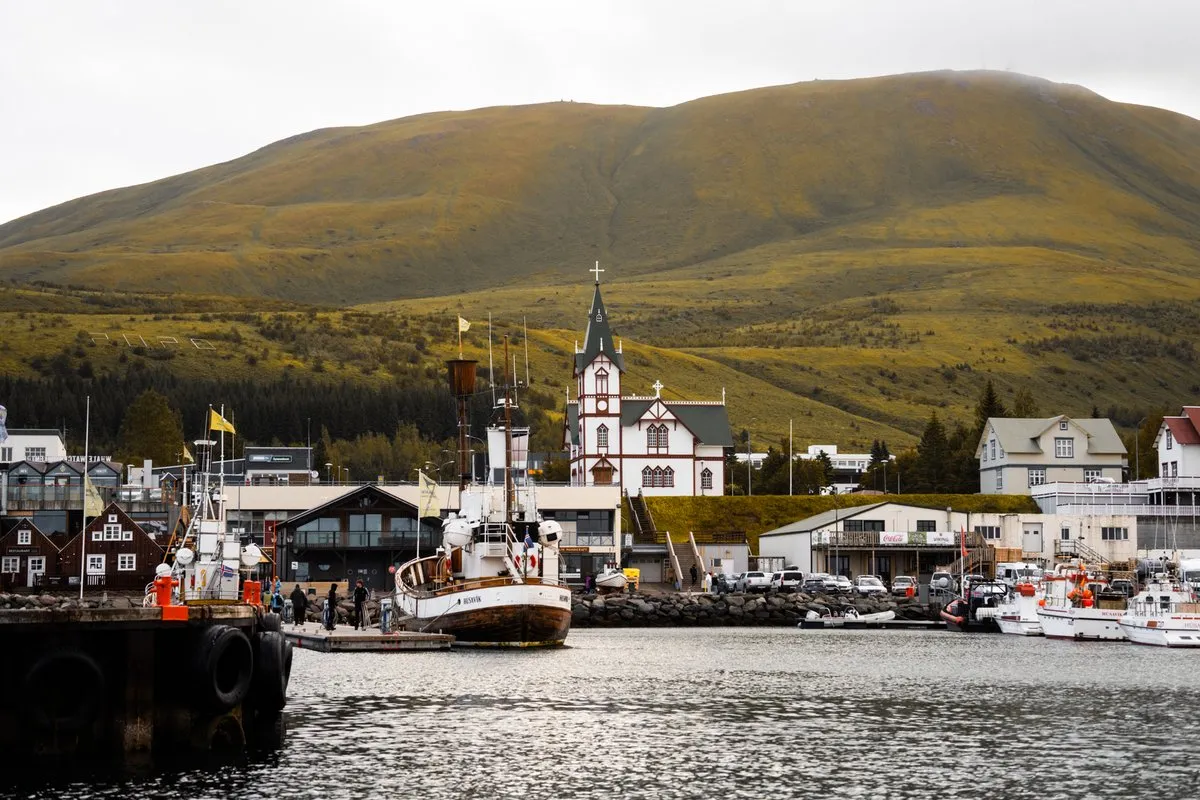
Iceland's coastal cliffs host Europe's largest Atlantic puffin colonies, most visible at Látrabjarg and the Westman Islands from May to August. Humpback, minke, and orca whales feed in nutrient-rich waters off Húsavík and Eyjafjörður, making whale watching a signature draw. The Icelandic horse, a pure breed isolated for over a thousand years, is known for its extra gait, the tölt, and its gentle temperament. Arctic foxes remain the only native land mammal, while reindeer roam the eastern highlands.
food
Seafood and lamb anchor the cuisine: try plokkfiskur (fish stew), kjötsúpa (lamb soup), hangikjöt (smoked lamb), and harðfiskur (dried fish, often eaten with butter). Skyr, a thick cultured dairy product, is a staple, alongside rúgbrauð (dense rye bread) and the ubiquitous pylsa (Icelandic hot dog). Adventurous eaters may try hákarl (fermented shark), typically a once-and-done novelty rather than a regular dish.
culture & etiquette
Icelanders are direct, informal, and value punctuality. Remove shoes when entering a home. Before entering any public pool or hot spring, a thorough naked pre-swim shower is mandatory, not optional. Tipping isn't customary since service is included in prices. Stay on marked paths: lava-field moss is fragile and can take decades to recover from foot or tire damage.
diving
Iceland's dive draw is Silfra, a submerged rift in Þingvellir National Park where the North American and Eurasian tectonic plates pull apart; glacial meltwater filtered through lava for decades gives it 100+ metres of visibility, near-freezing year-round. In the north, Strýtan in Eyjafjörður is the only shallow, diveable hydrothermal chimney known worldwide — a 55m mineral cone venting 72°C water, home to cod, wolffish, and lumpsuckers. Both sites are internationally unique rather than merely scenic, drawing dedicated dive tourism distinct from Iceland's broader landscape appeal.
for the impact solutionist or team
let's make your work more discoverable
do you have something that is or will change the world for the better?
learn morefor the conscious traveler
let's show you where we've been
are you interested in being a mindful explorer?
see where to go