Asia
Hong Kong
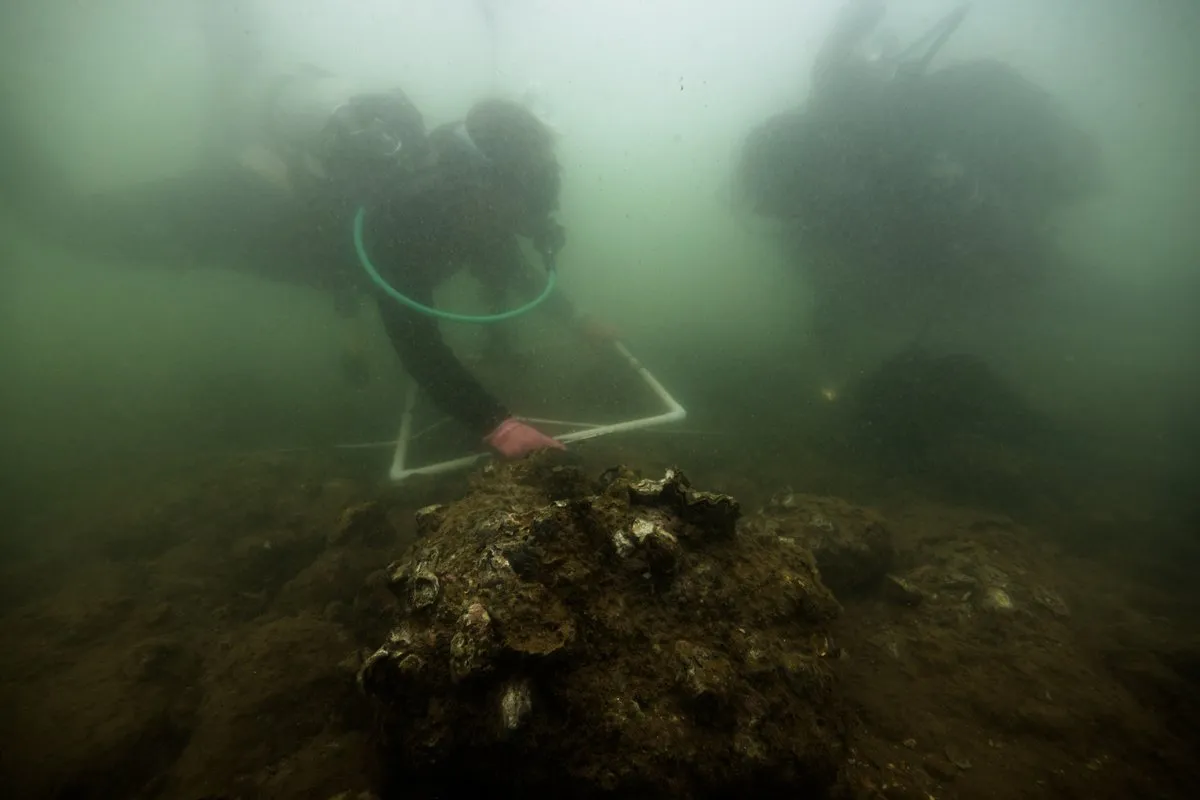
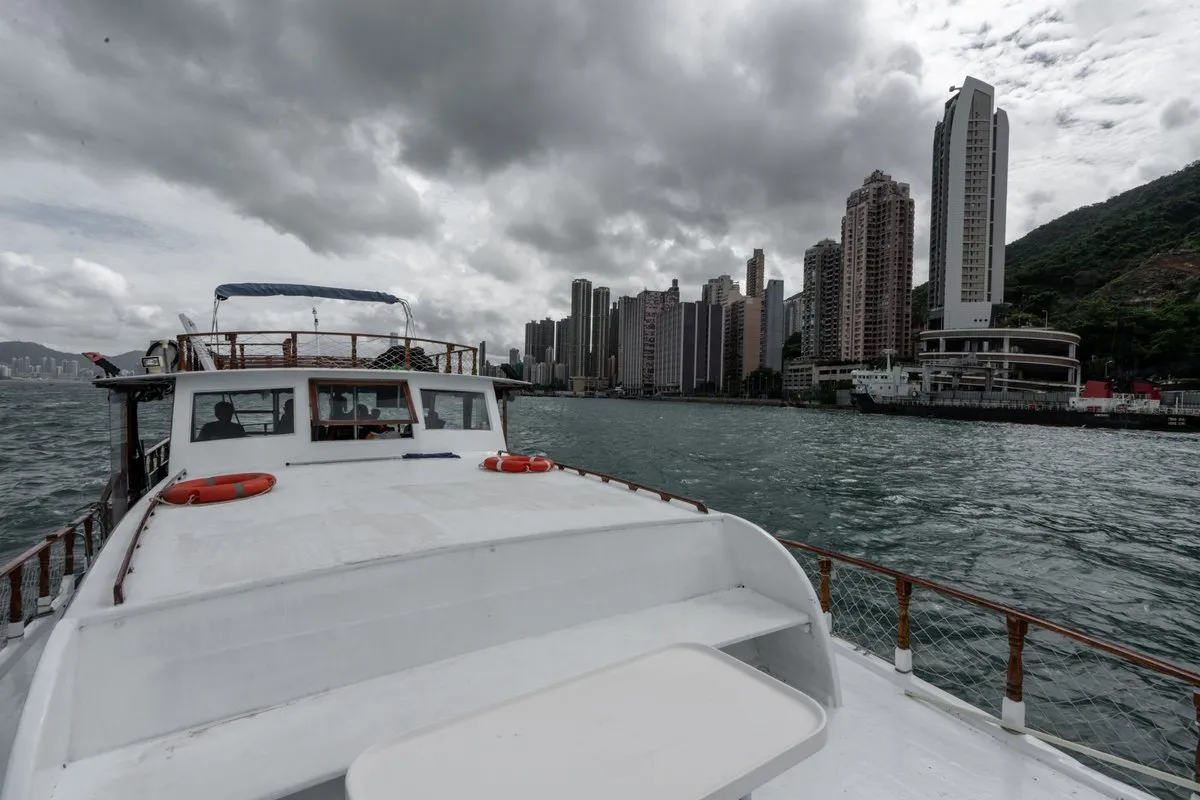
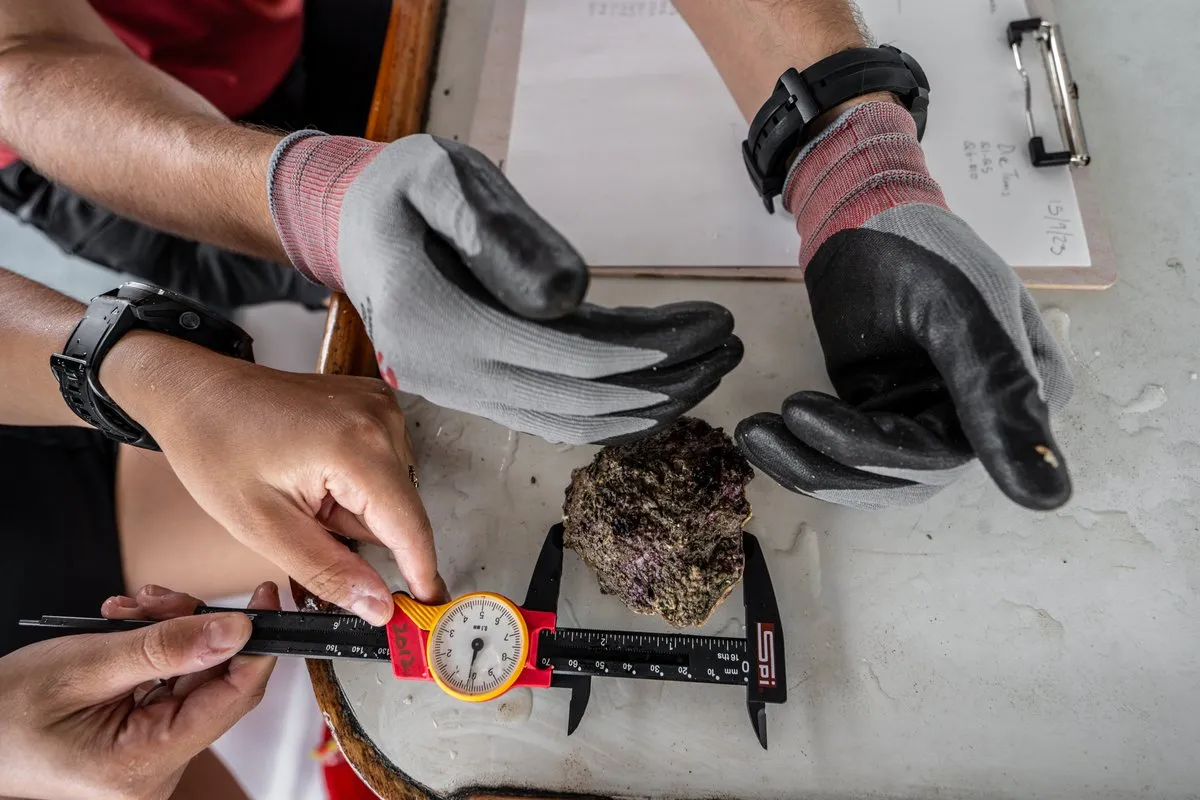
Beyond the high-rises and crowded harbors, Hong Kong is edged with unexpected wildness. The city was built on shellfish, specifically oysters. And today, there are major conservation efforts happening to rebuild a semblance of what once was. Rebuilding lost ecosystems and reconnecting the city to its maritime roots is no easy feat, but it shows that even one of the world’s densest urban centers still depends on its seas.
seasons
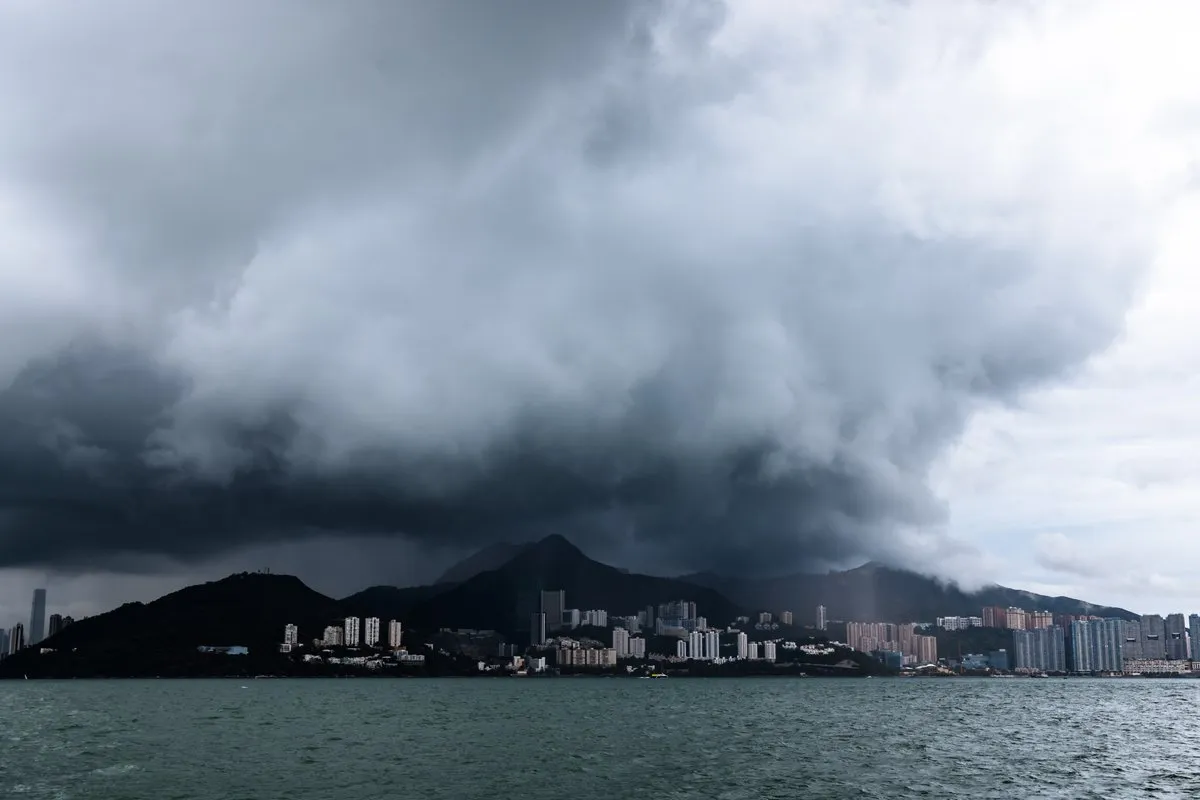
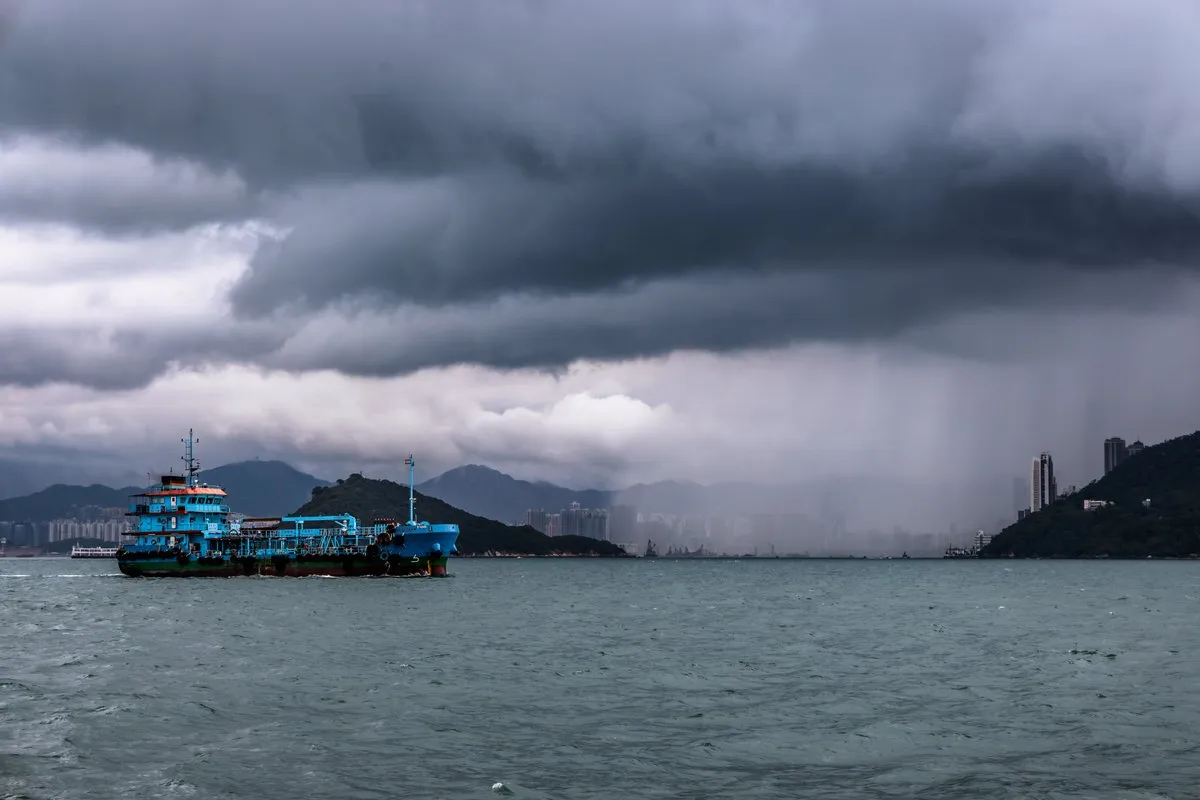
Hong Kong has a subtropical monsoon climate with four distinct seasons: a cool, dry winter (December to February) around 15°C, a warming spring (March to May) with persistent fog, drizzle, and high humidity, a hot, humid summer (June to August) near 30°C and the core of typhoon season, and a mild, dry autumn (September to November) generally considered the most comfortable stretch. Typhoons are a real seasonal hazard from roughly June through October and can shut down ferries and outdoor activity with little notice.
best time to visit
Skip the winter peak (December holidays) and the summer typhoon crush, and aim for October to early December or April to early May instead. Autumn pairs dry, mild weather with major cultural events like Mid-Autumn Festival and Happy Valley horse racing, while both shoulder windows mean fewer crowds at packed sites like The Peak and lower hotel rates than the winter and summer peaks.

why people go
Hong Kong's defining pull is the collision of dense, vertical city and wild green edges within the same territory: roughly 40% of the land is designated country park, so a short bus or ferry ride out of Central lands you on ridgelines like Dragon's Back or Lion Rock with skyline and harbor views, or on quiet outlying islands. Victoria Harbour's skyline, the Star Ferry crossing, and the walkable trail network stitched right up to the city's edge are experiences that don't really exist in this combination anywhere else in Asia.

marquee wildlife
The signature species is the Chinese white dolphin, known locally as the pink dolphin for its pale, pinkish skin, found in the waters off north Lantau near the airport. The population has collapsed by around 80% over the past two decades due to land reclamation, vessel traffic, and pollution, so sightings are increasingly rare and any dolphin-watching trip should be treated as a conservation story about a vanishing population, not a reliable wildlife encounter.

food
Dim sum is the essential Hong Kong meal, built around small steamer dishes like shrimp dumplings (har gow), siu mai, char siu bao, and rice noodle rolls, traditionally eaten as yum cha with tea over a long, shared, unhurried sitting. Beyond that, look for wonton noodle soup, claypot rice with its crisped bottom layer, siu mei roasted meats, curry fish balls from street stalls, and egg tarts from a local bakery.
culture & etiquette
Queue-jumping is treated as a real offense, elders are given priority seating and deference, and it's polite to let the eldest or most senior person at a table start eating first. Eating or drinking on the MTR is not allowed, loud public displays of anger or affection are frowned on, pointing at people is considered rude (use an open hand), and it's worth avoiding casual commentary on mainland Chinese politics, which remains sensitive.
diving
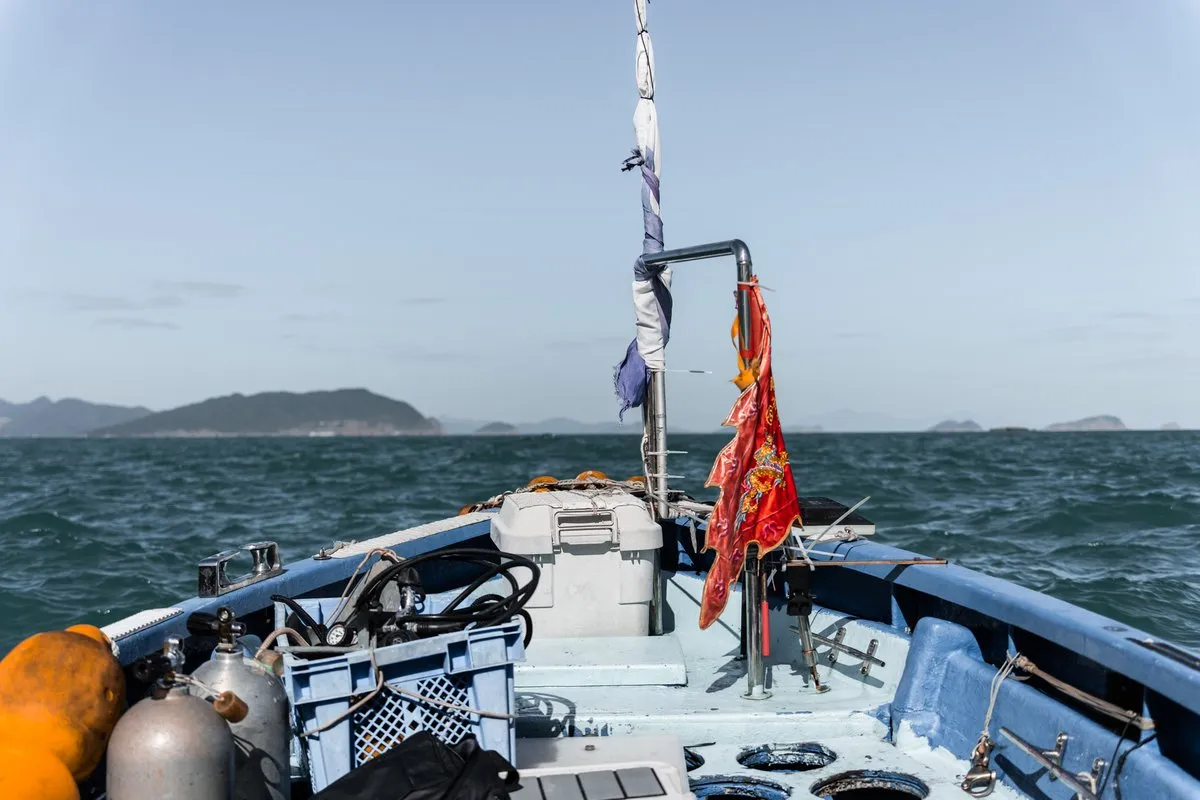
Diving centers on the eastern waters around Sai Kung, particularly the Hoi Ha Wan and Tung Ping Chau marine parks, plus the more exposed Cape D'Aguilar Marine Reserve in the south, where fishing and collecting are banned outright. The biodiversity is genuinely notable on paper, with more recorded hard coral species than the entire Caribbean, but visibility and conditions are inconsistent and diving is a minor footnote to Hong Kong's identity as a destination — worth a day trip for a curious diver rather than a reason to visit.
for the impact solutionist or team
let's make your work more discoverable
do you have something that is or will change the world for the better?
learn morefor the conscious traveler
let's show you where we've been
are you interested in being a mindful explorer?
see where to go