Oceania
Fiji
Fiji lives at the crossroads of culture and adventure—a country where reef breaks draw surfers from across the globe, shark-filled channels lure divers, and manta ray passes are magnetic. Tourism is rising fast here, particularly around Viti Levu and the Mamanuca and Yasawa Islands, yet the essence of Fiji runs deeper than resorts. Inland, rainforest peaks and hidden waterfalls can be found, while coastal villages keep alive a culture of ceremony, song, and kava.
seasons
Fiji runs a dry season from May to October and a wet season from November to April. Dry-season temperatures sit around 68–86°F with lower humidity and calmer seas; wet season brings higher heat, 80–90% humidity, and heavier rain. Cyclone risk is concentrated in the wet season, peaking December through March.
best time to visit
May, June, September, and October are the window: dry-season conditions (clear skies, calm water for diving, lower humidity) without June–September peak-season crowds or the 15–25% price premium. Lighter shoulder-season visitor numbers also mean less pressure on dive sites like Rainbow Reef and Beqa Lagoon, and on the villages whose sevusevu-based tourism model works better spread across the year than concentrated into a few peak months.
why people go
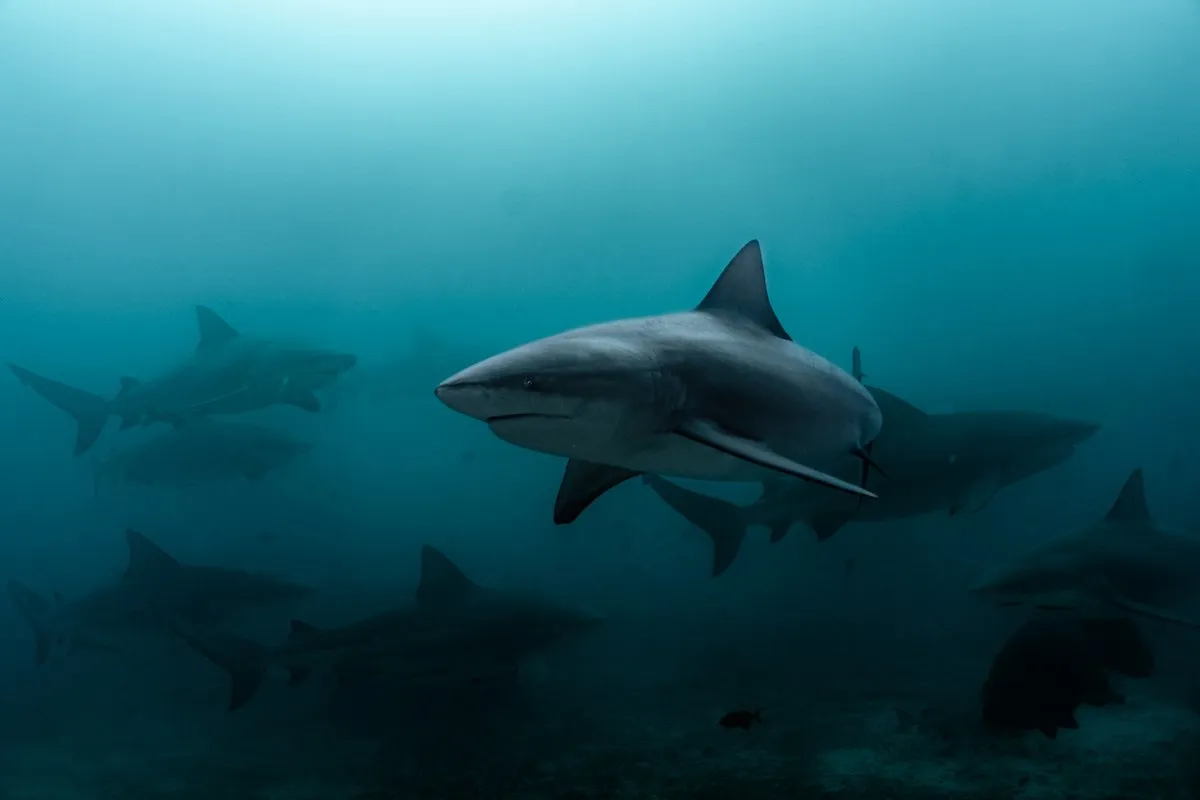
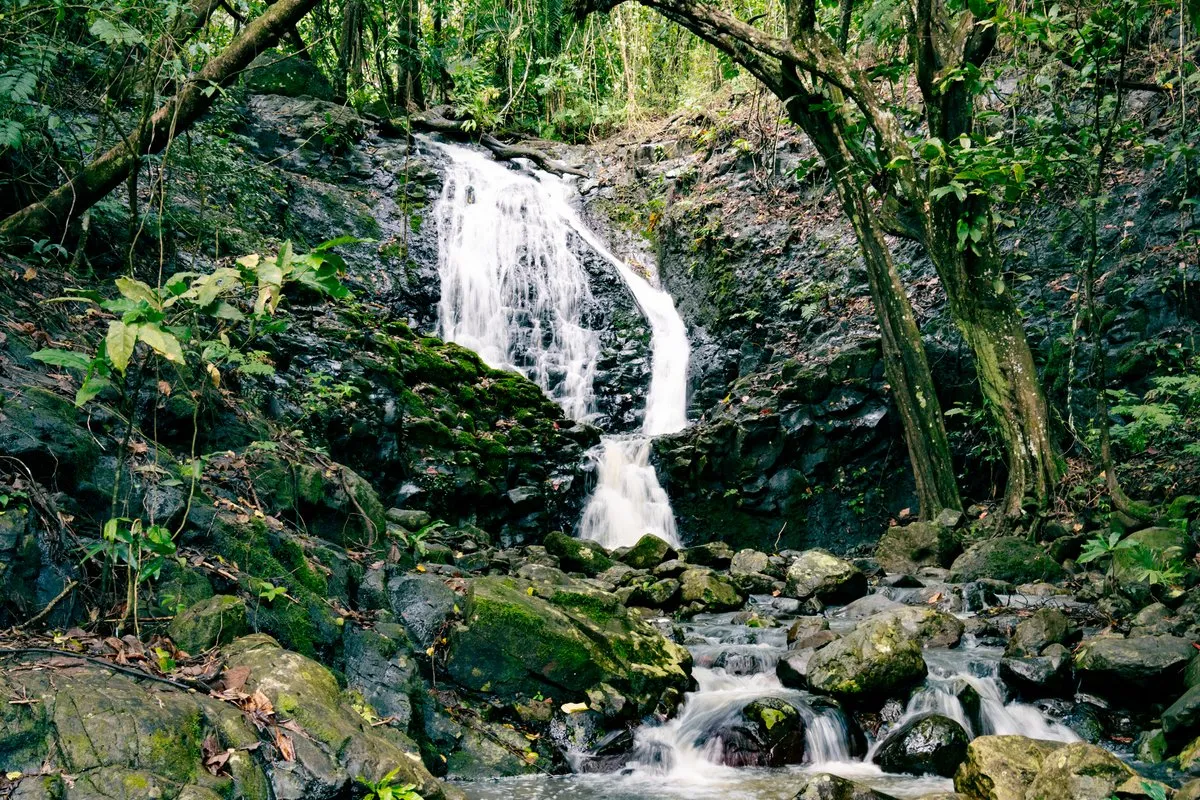
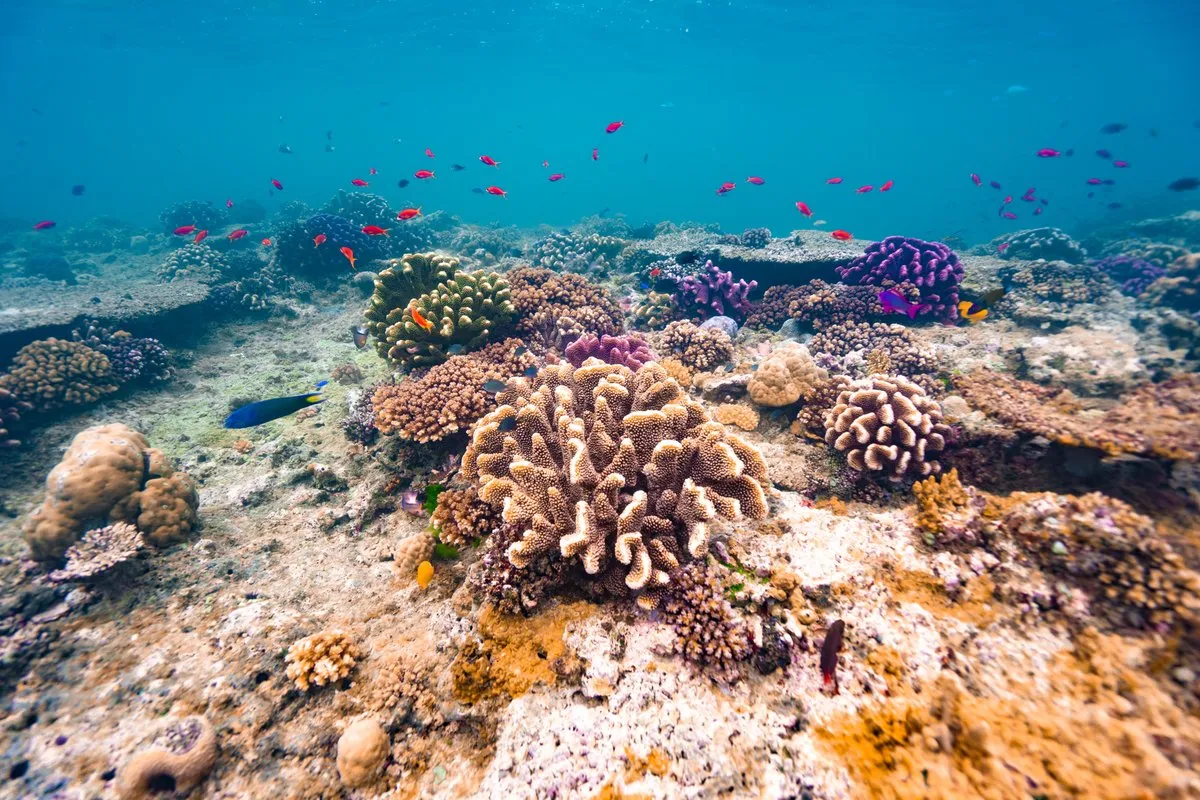
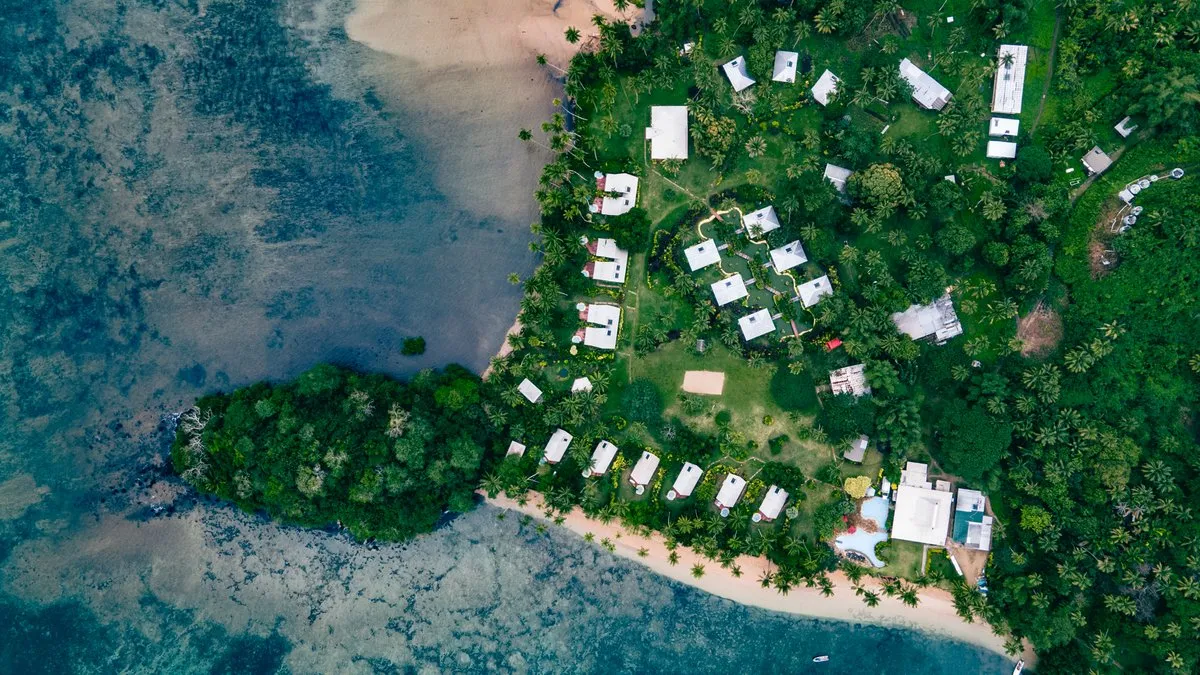
Fiji is known as the 'soft coral capital of the world,' with the Great Astrolabe Reef and Namena Marine Reserve drawing serious divers. Beqa Lagoon is one of the best-known shark dive sites globally (bull sharks, tiger sharks). The Yasawa and Mamanuca island chains offer classic overwater-bungalow, white-sand beach travel, and the interior of Viti Levu has waterfalls, rainforest hikes, and highland villages.
marquee wildlife
Fiji's waters rank among the world's premier soft coral destinations, with the Rainbow Reef and Bligh Water hosting manta rays, reef sharks, and over 1,200 fish species. The critically endangered Fijian crested iguana, found only on a handful of dry-forest islands like Yadua Taba, is one of the planet's rarest reptiles. Hawksbill and green turtles nest on Fiji's beaches and forage its reefs, both protected under national conservation programs. Humpback whales migrate through Fijian waters seasonally, and the islands host endemic birds found nowhere else on Earth.
food
Kokoda is Fiji's signature dish — raw fish (usually walu or mahi-mahi) marinated in citrus, coconut milk, onion, tomato, and chili, served in a coconut shell or papaya half. Lovo is a traditional feast of meat, fish, and root vegetables (dalo, tavioka) wrapped in banana leaves and slow-cooked underground over hot stones. Rourou (taro leaves in coconut milk) is a common side, and fresh tropical fruit and reef fish/mud crab are daily staples.
culture & etiquette
Entering a traditional village requires sevusevu — presenting a small bundle of kava root to the chief to request permission. In a kava ceremony, clap once, say 'bula,' drink in one go, then clap again before passing the cup back; don't talk while the bowl circulates. Cover shoulders and knees, remove hats before ceremonies, don't touch anyone's head, and avoid pointing feet at others when seated.
diving
Fiji's premier diving centers on Somosomo Strait between Taveuni and Vanua Levu, home to Rainbow Reef and the Great White Wall, a sheer drop-off blanketed in white soft coral — tidal currents through the strait feed reefs so dense with color they're marketed as the 'Soft Coral Capital of the World,' with over 1,400 recorded reef fish species. Beqa Lagoon off Pacific Harbour offers Fiji's other signature dive: a managed shark feed inside the Shark Reef Marine Reserve, drawing up to eight species including bull, tiger, and silvertip sharks. Diving is arguably Fiji's strongest single international draw, rivaling its beaches and surf breaks.
for the impact solutionist or team
let's make your work more discoverable
do you have something that is or will change the world for the better?
learn morefor the conscious traveler
let's show you where we've been
are you interested in being a mindful explorer?
see where to go