Europe & UK
Faroe Islands
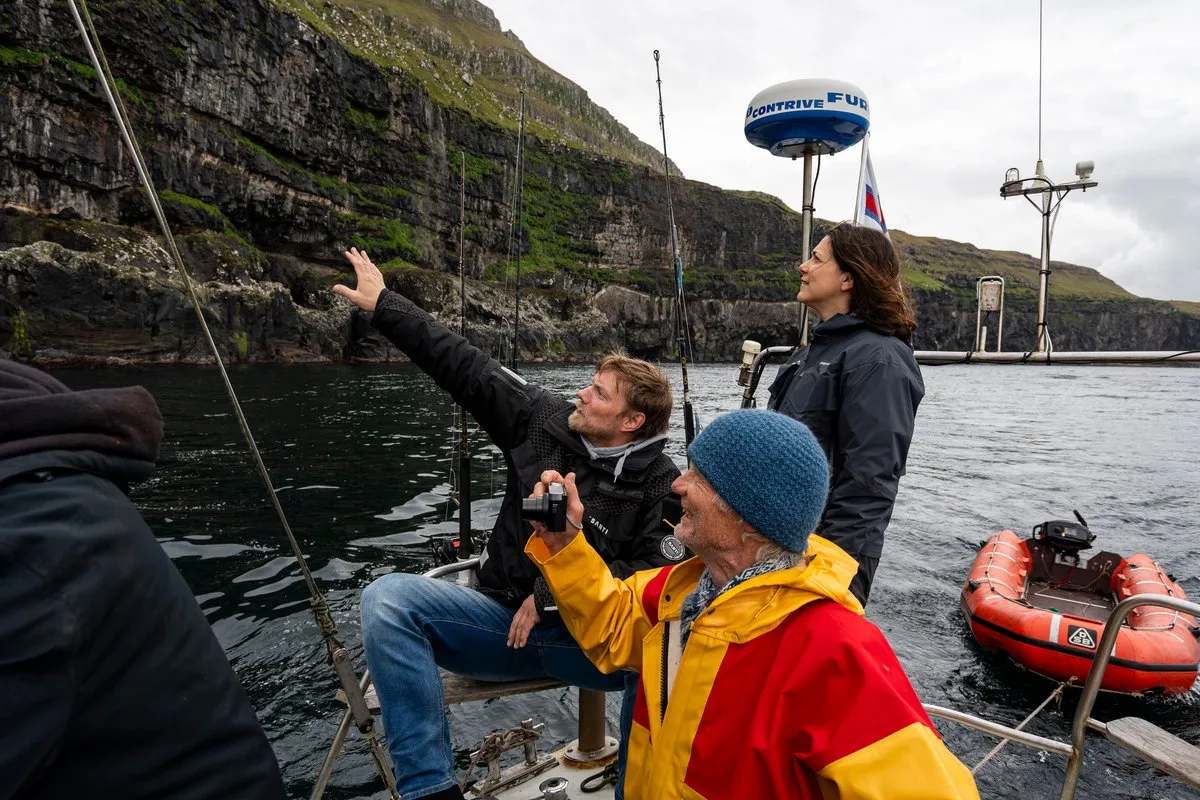
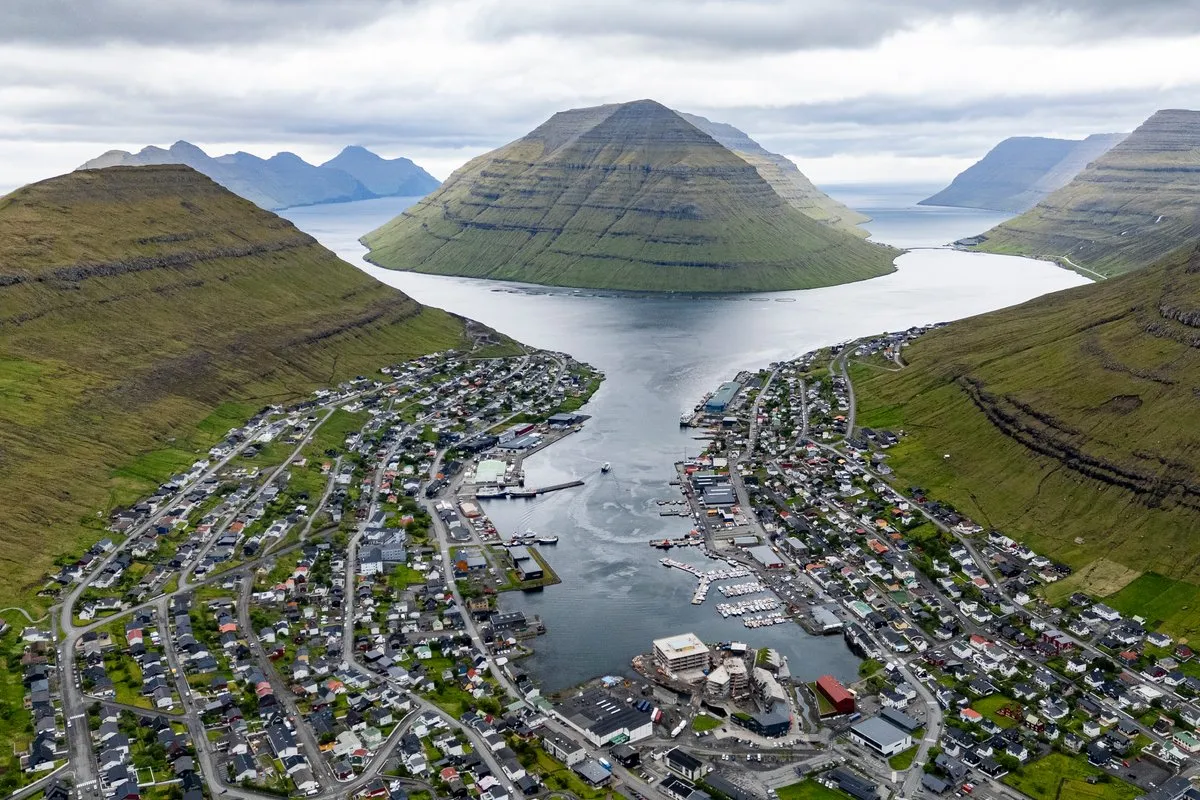
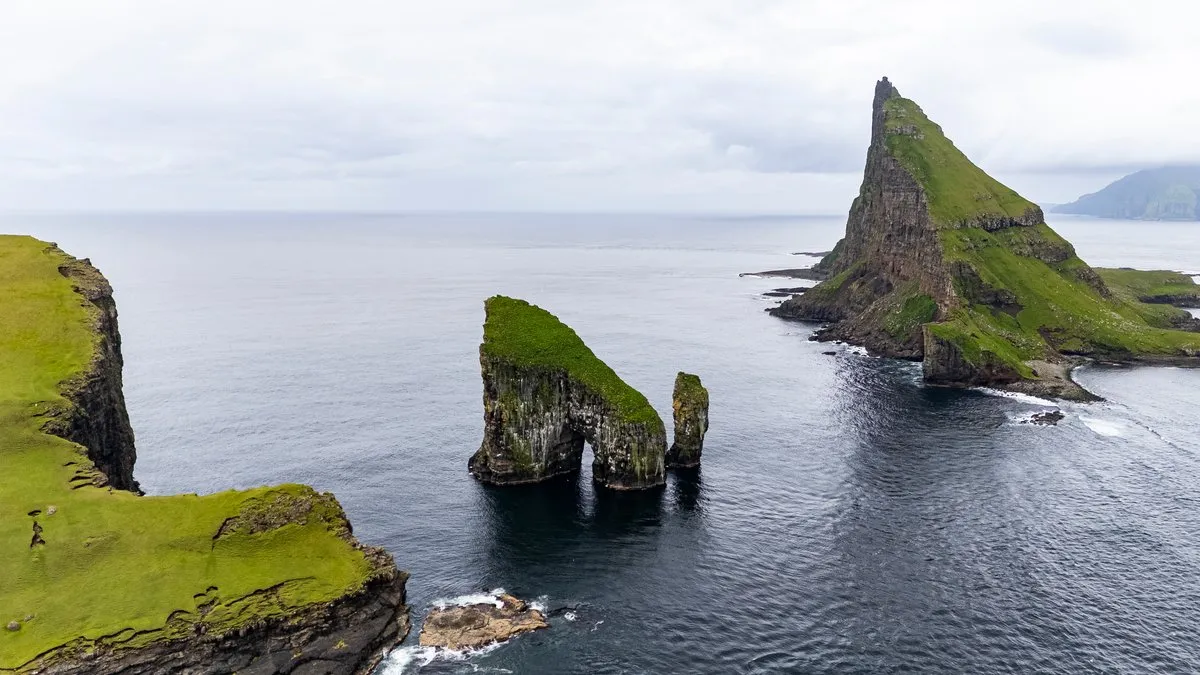
The Faroes are raw and rugged—green valleys broken by sheer cliffs, sea stacks rising from the Atlantic, and villages tucked deep into fjords. Seabirds dominate the skies, with puffins, guillemots, and fulmars in extraordinary numbers, while seals and whales can be found in the surrounding seas. The islands also carry a complicated legacy with pilot whales: centuries-old traditions of community hunts that remain deeply controversial today. Remote and weather-carved, the Faroes feel like one of Europe’s last true frontiers.
seasons
The Faroe Islands sit in the North Atlantic with a maritime subarctic climate: mild for the latitude but famously unstable, with locals describing four seasons in one day. Winters (December-February) hover just above freezing with short daylight, strong winds, and frequent storms, while summers (June-August) bring the mildest temperatures, around 10-14C, and the longest daylight. Rain and low cloud are possible any month, so layers and waterproofs are standard gear year-round.
best time to visit
Go in May or September rather than the July-August peak. Summer brings the best weather odds but also the highest prices, tightest accommodation availability, and the most crowded trailheads and viewpoints like Trælanípa and Múlafossur. The shoulder months keep daytime temperatures reasonable, thin out the crowds substantially, and in September specifically improve underwater visibility for diving as the water starts to cool and plankton blooms clear.
why people go
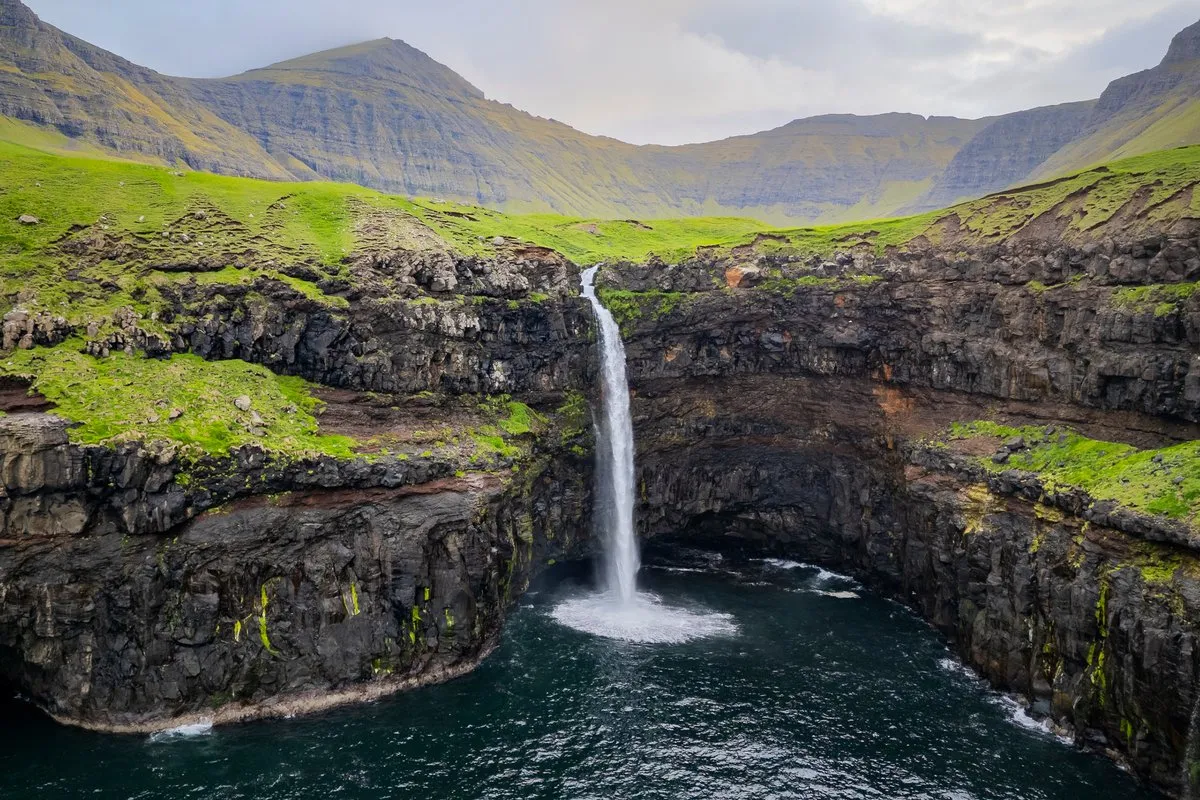
The landscape is the draw: sheer sea cliffs holding 1.5 million breeding pairs of seabirds, the optical-illusion clifftop lake Sørvágsvatn appearing to hover above the ocean, and Múlafossur waterfall dropping straight into the Atlantic beside the tiny village of Gásadalur. Grass-roofed turf houses, the isolated amphitheater village of Saksun, and a dense network of remote hiking trails across 18 volcanic islands round out a destination built around dramatic, largely undeveloped terrain.
marquee wildlife
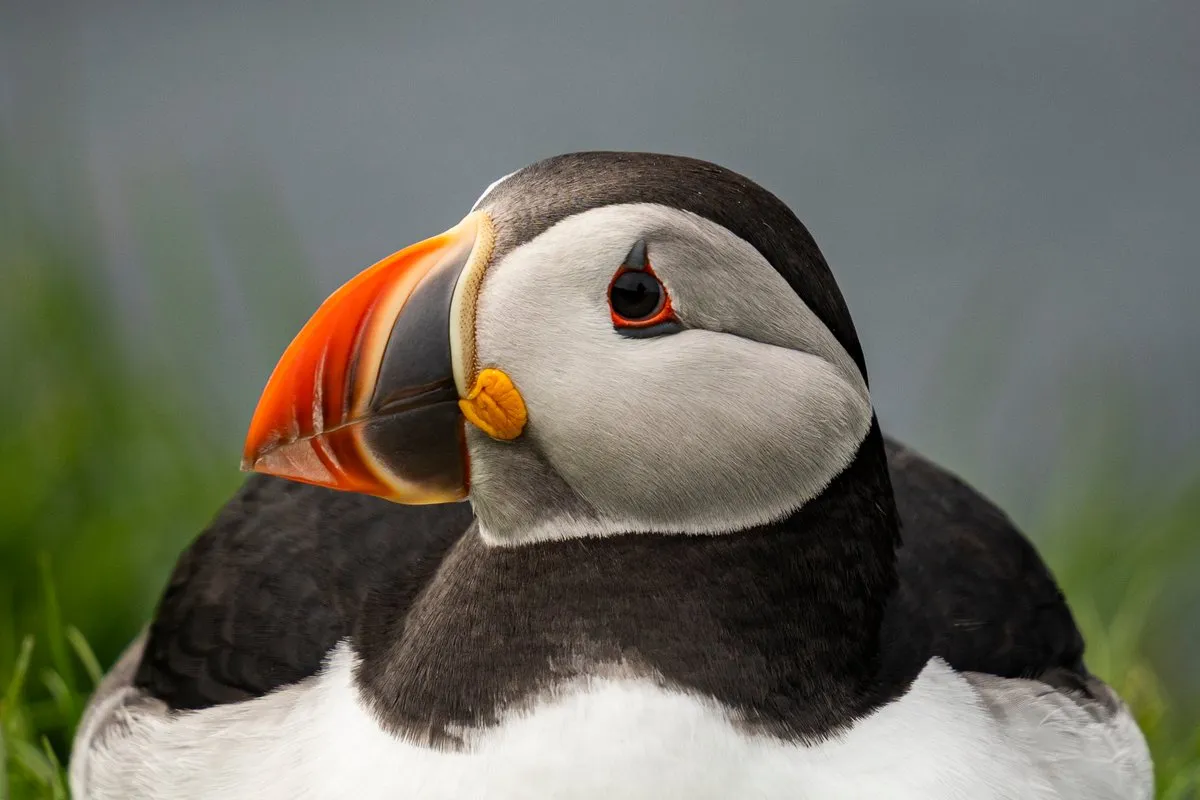
Atlantic puffins are the signature species, with an estimated 500,000 breeding pairs nesting in burrows on steep grassy sea slopes each summer, alongside guillemots, kittiwakes, fulmars, and the globally significant European storm petrel. Offshore waters support long-finned pilot whales, white-beaked dolphins, porpoises, and grey seals, with orcas an occasional sighting. Local pilot whale hunts (the grind) remain a controversial and internationally scrutinized practice worth noting for a conscious-travel audience.
food
The signature dish is skerpikjøt, mutton wind-dried for months in a hjallur (an open-slatted drying shed), producing a strong, cured flavor; a milder fermented-and-boiled lamb version is a common Sunday dinner. Dried and fermented cod, langoustine, salmon, and root vegetables like potatoes, kohlrabi, and turnips round out the traditional diet. Tórshavn has both traditional spots and a high-end scene, including the two-Michelin-starred restaurant Koks, for travelers who want the fine-dining version of the same ingredients.
culture & etiquette
The Faroese are a distinct people with their own language, flag, and identity, not Danish, and it can land badly to conflate the two despite the political relationship with Denmark. Hospitality is genuine but privacy matters: ask before photographing people's homes in small villages, and expect a slower, more reserved social pace outside tourist contexts. Outdoors, stick to marked trails, close pasture gates behind you, pack out all litter, and keep distance from nesting seabird colonies rather than approaching for photos.
diving
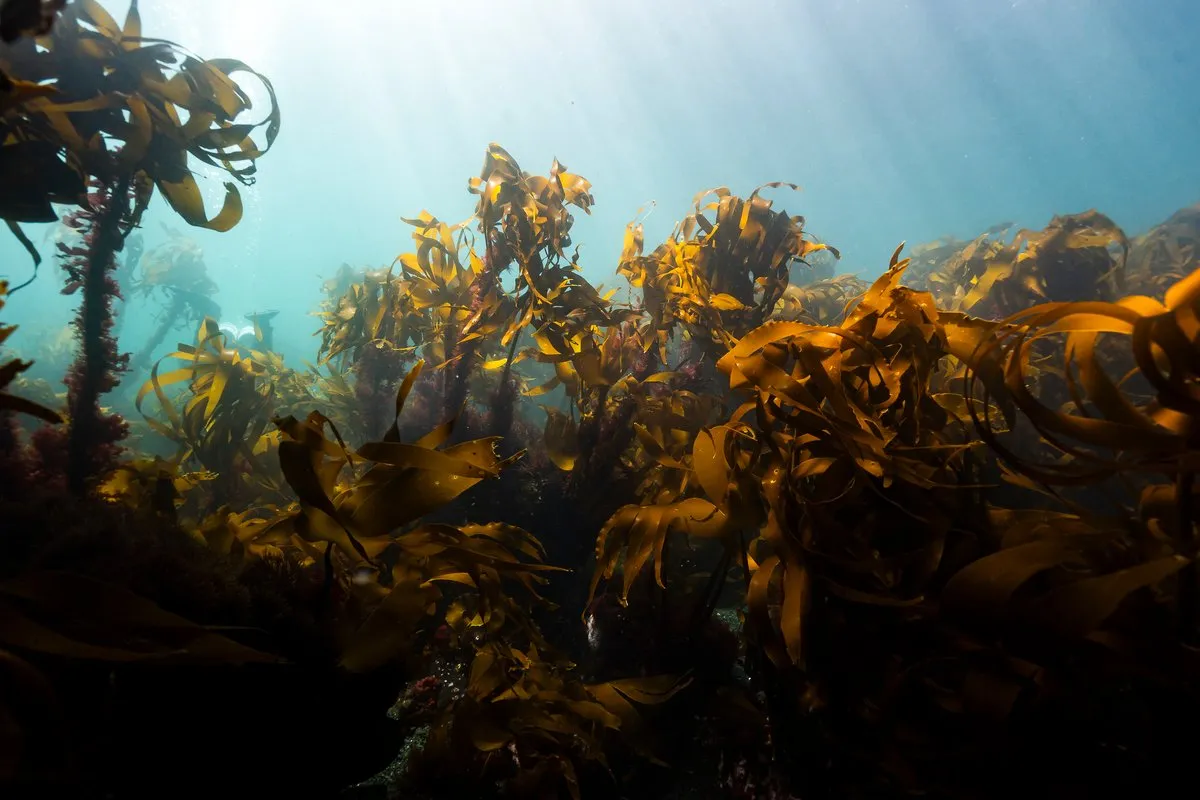
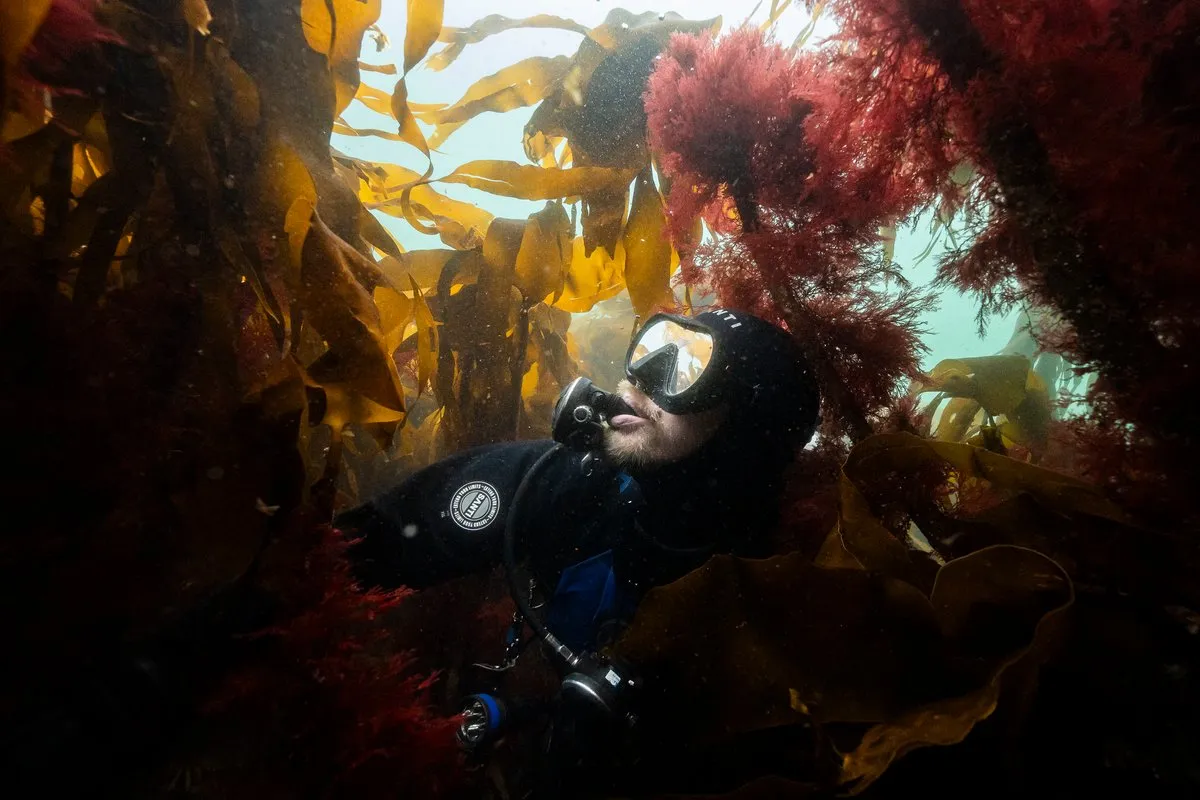
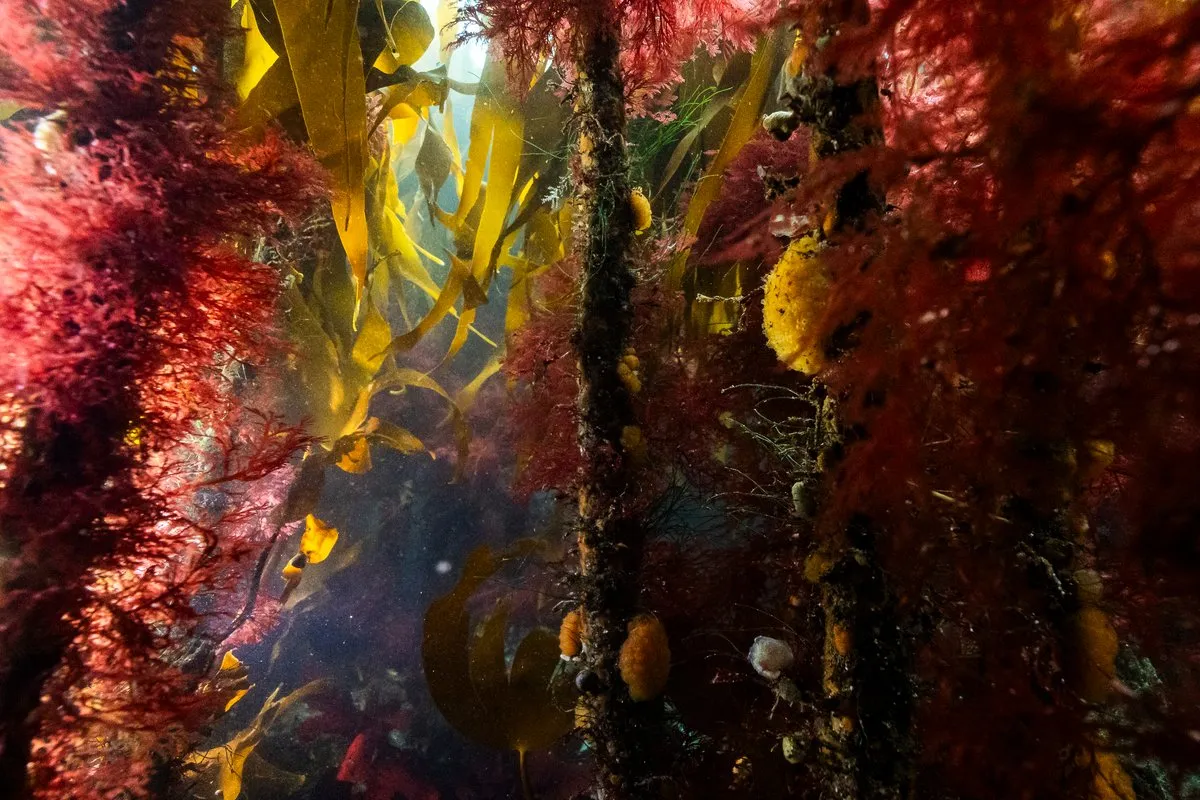
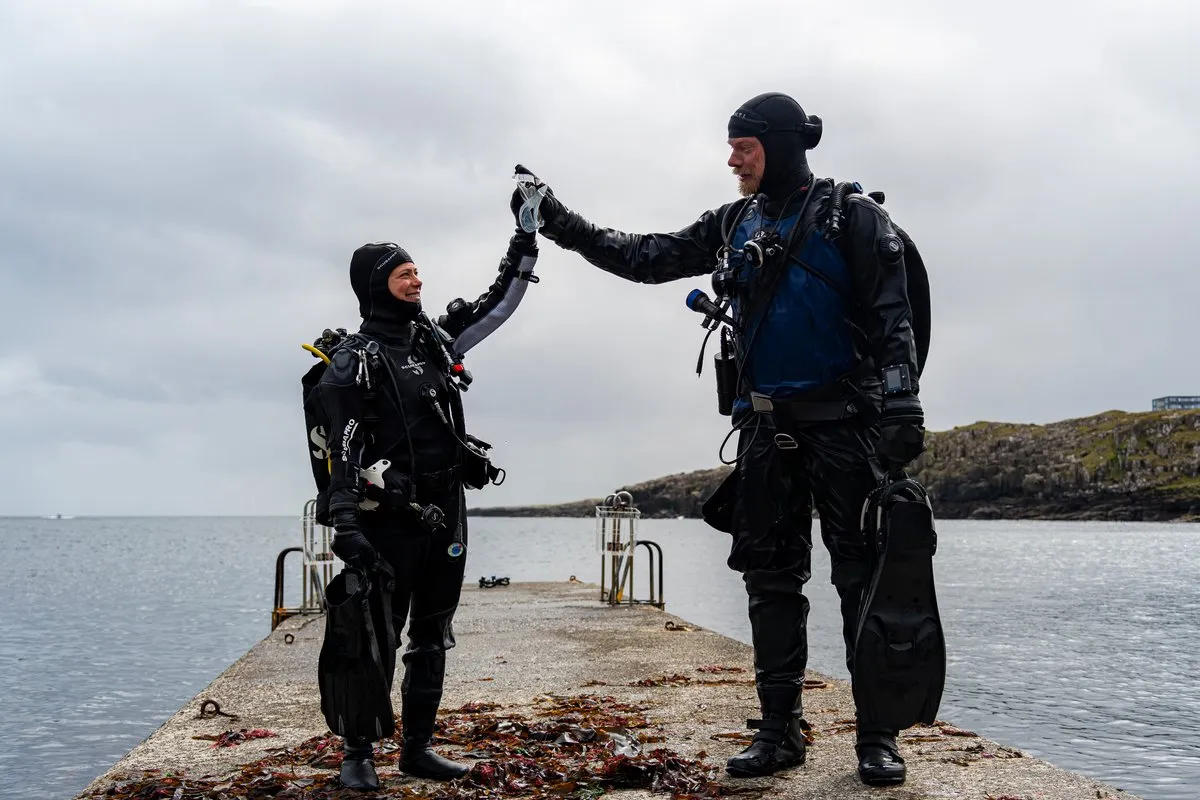
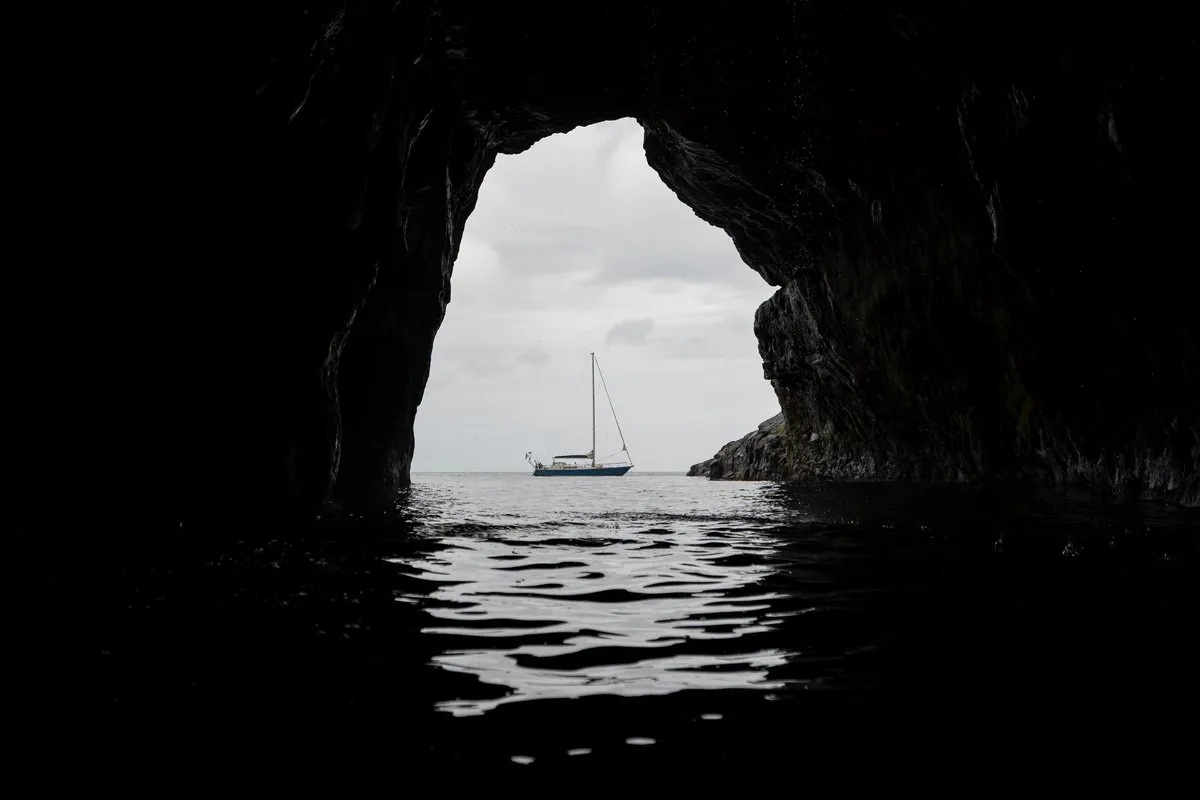
Diving centers on kelp forests, drop-offs, and grottos around the islands, with local operators running guided dives and certification courses out of a base with access to both shallow and deeper training sites. Visibility is best in the colder, darker months (up to roughly 30m) and drops in summer (15-20m) when plankton blooms cloud the water; water temperature runs 4-10C year-round, so this is drysuit diving, not tropical reef diving. It is a minor footnote next to the islands' hiking and landscape draw — a niche, cold-water activity for divers already in the region, not a reason on its own to book the trip.
for the impact solutionist or team
let's make your work more discoverable
do you have something that is or will change the world for the better?
learn morefor the conscious traveler
let's show you where we've been
are you interested in being a mindful explorer?
see where to go