Europe & UK
England
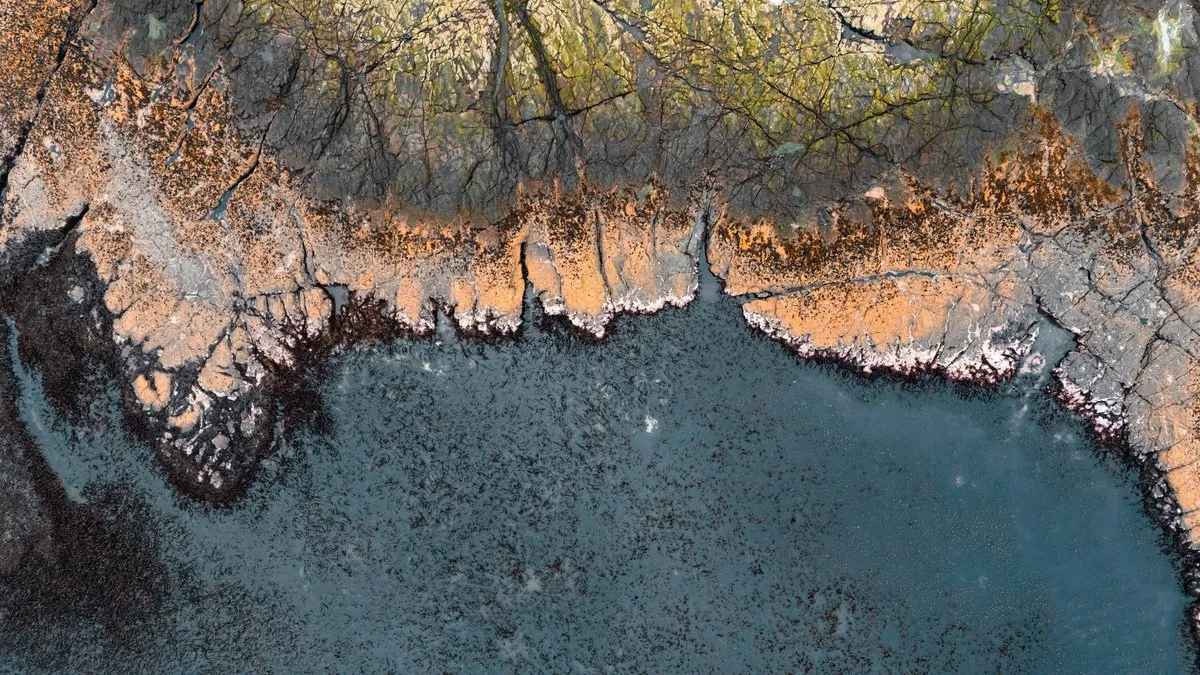
England may be compact, but its landscapes are as varied as its history of exploration. From chalk cliffs that launched ships across the globe to rolling hills, ancient oak forests, and tidal wetlands, this is a land where culture and wildness have always intertwined. Its coastal waters host seals, dolphins, and seabirds, while inland rivers and woodlands shelter deer, otters, and rare birds. National parks and heritage coastlines prove that wilderness survives here. These same shores were once shaping empires, but now are protecting vital habitats and species.
seasons
England has a temperate maritime climate with no extreme seasons but famously unpredictable weather year-round. Summers (June-August) run mild, roughly 18-25°C, with the longest daylight hours; winters (December-February) are cool and damp, rarely dropping below freezing but with short days and frequent rain. Spring and autumn sit in between, cooler and wetter than summer but with more stable, less crowded conditions. Rain is a possibility in any month, so layering and waterproofs matter more than chasing a specific season.
best time to visit
Go in May or September-early October rather than the July-August peak. Crowds and prices at big draws like Stonehenge, the Lake District, and coastal Cornwall spike hard in summer school-holiday months; May and September carry milder, more stable weather than winter while sidestepping that pressure, with noticeably better accommodation availability and rates. The Farne Islands seal-diving window (August-October) actually overlaps well with this shoulder period, making early autumn a strong pick for a diving-focused itinerary.
why people go
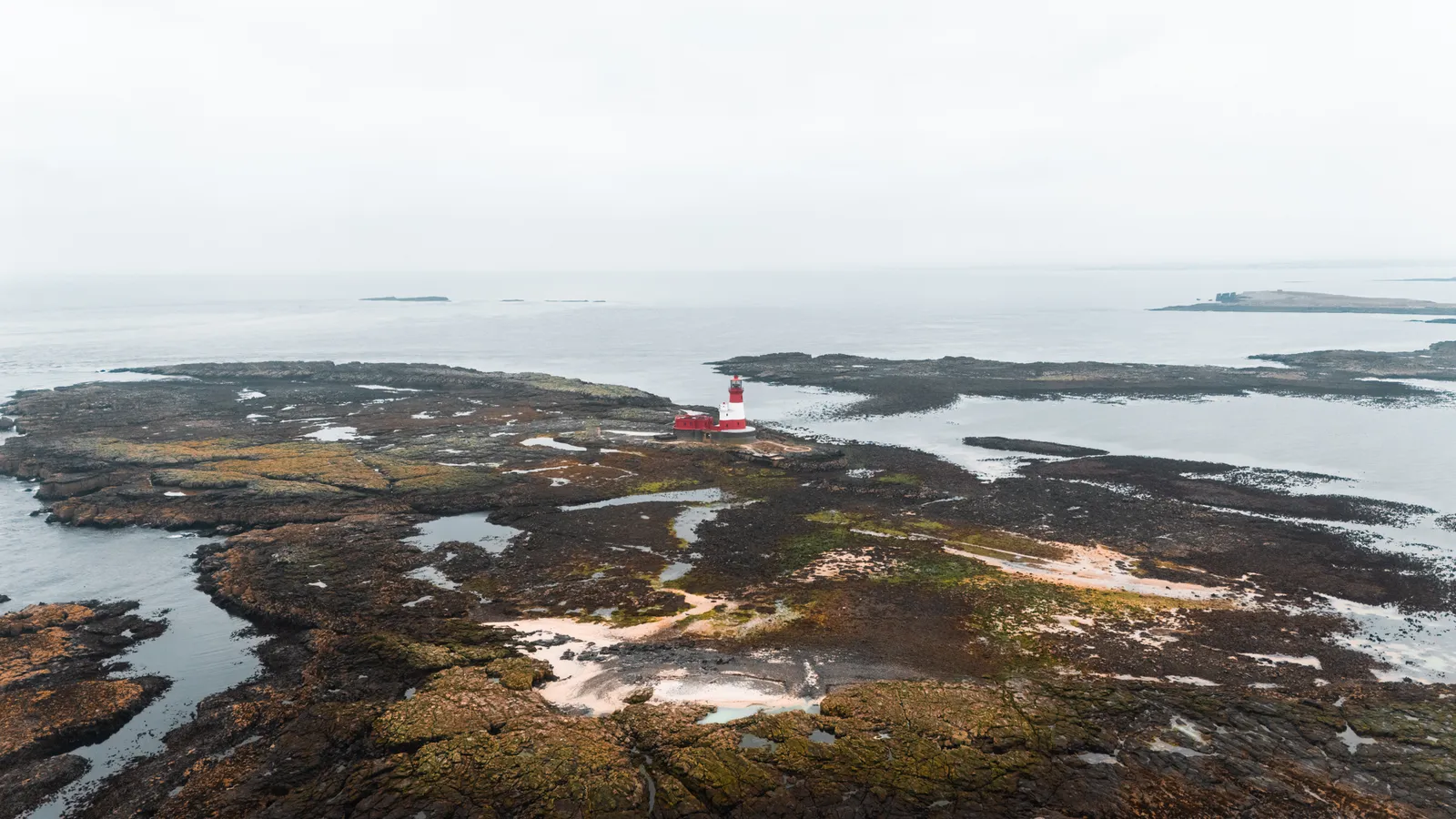
England's landscape draws are the chalk cliffs and rolling downs of the south coast, the lake-and-fell country of the Lake District, the moorland of Dartmoor and Exmoor, and the dramatic Northumberland and Yorkshire coastlines with their castles and seabird cliffs. Neolithic sites like Stonehenge and Avebury, and a dense network of coastal footpaths, give it a mix of deep history and genuinely wild edges most visitors don't associate with a densely populated country.
marquee wildlife
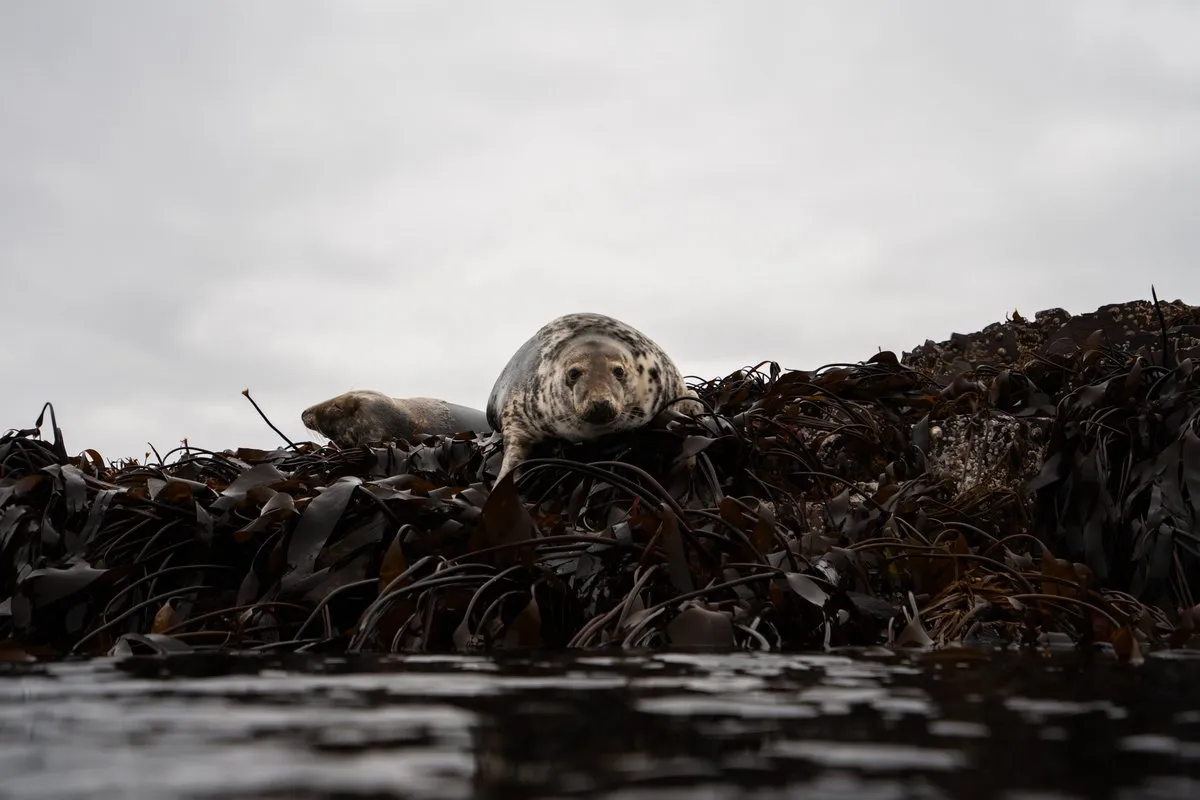
Grey seals are the marquee species, with major haul-outs and breeding colonies in Norfolk, Cornwall, and the Farne Islands off Northumberland, where boat trips and dives put visitors close to pups and adults in the water. Atlantic puffins gather each spring on the Farne Islands and Bempton Cliffs in Yorkshire, forming some of England's largest seabird colonies before dispersing to open ocean by late summer. Red deer, Britain's largest land mammal, roam wild in Exmoor and the East Anglian forests, and basking sharks pass through southwest waters like Lundy Island in summer.
food
Fish and chips is the obvious staple, but regional specialties are more interesting: Cornish pasties in the southwest, Cumberland sausage and Lancashire hotpot in the north, and a proper Sunday roast with Yorkshire pudding anywhere. A full English breakfast is worth doing once. Coastal towns near the dive regions — Devon, Cornwall, Northumberland — tend to have strong seafood, including fresh crab and mussels sold right off the boats.
culture & etiquette
Queueing is taken seriously; jumping a line draws real disapproval. Tipping is lower-stakes than in the US: 10-15% in restaurants if no service charge is already added. Politeness markers like 'please,' 'thank you,' and 'sorry' get used constantly and are expected back. On escalators and stairs, stand right, walk left; on public transport, let people off before boarding. Directness read as blunt elsewhere can come across as rude here — softer, indirect phrasing is the norm.
diving
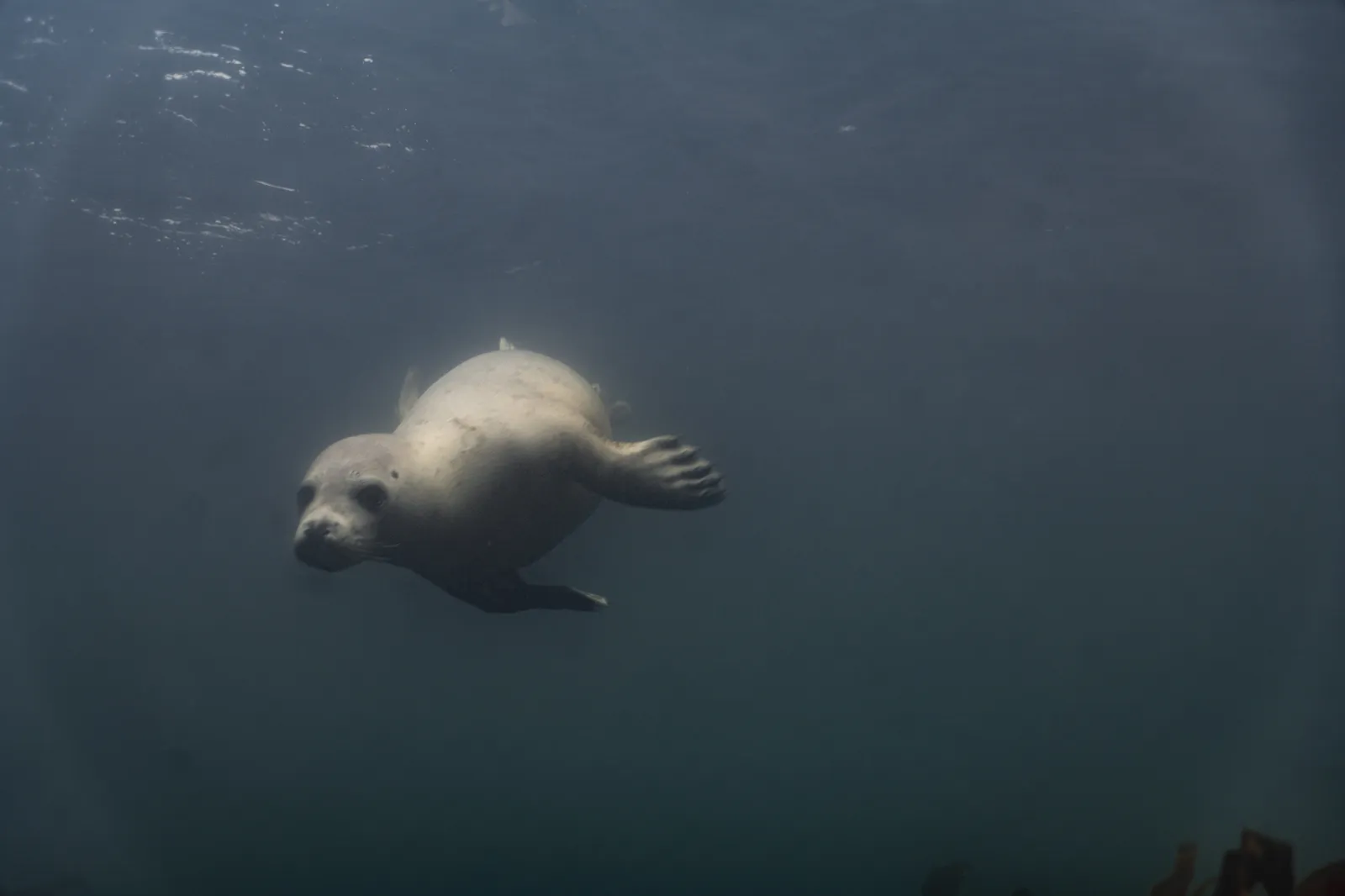
Diving in England is a real but secondary draw, built around cold-water wrecks and seal encounters rather than reef diving. Lundy Island in the Bristol Channel is a Marine Conservation Zone with over 40 dive sites and 137 known wrecks, resident grey seals, and visibility up to 15m on a good day. The Farne Islands off Northumberland have 50-plus wrecks and are one of the UK's best spots to dive with playful seals, best August-October. Compared to England's landscape and history draws, diving is a niche, specialist activity, not a mainstream reason people visit the country.
for the impact solutionist or team
let's make your work more discoverable
do you have something that is or will change the world for the better?
learn morefor the conscious traveler
let's show you where we've been
are you interested in being a mindful explorer?
see where to go