Central America
El Salvador
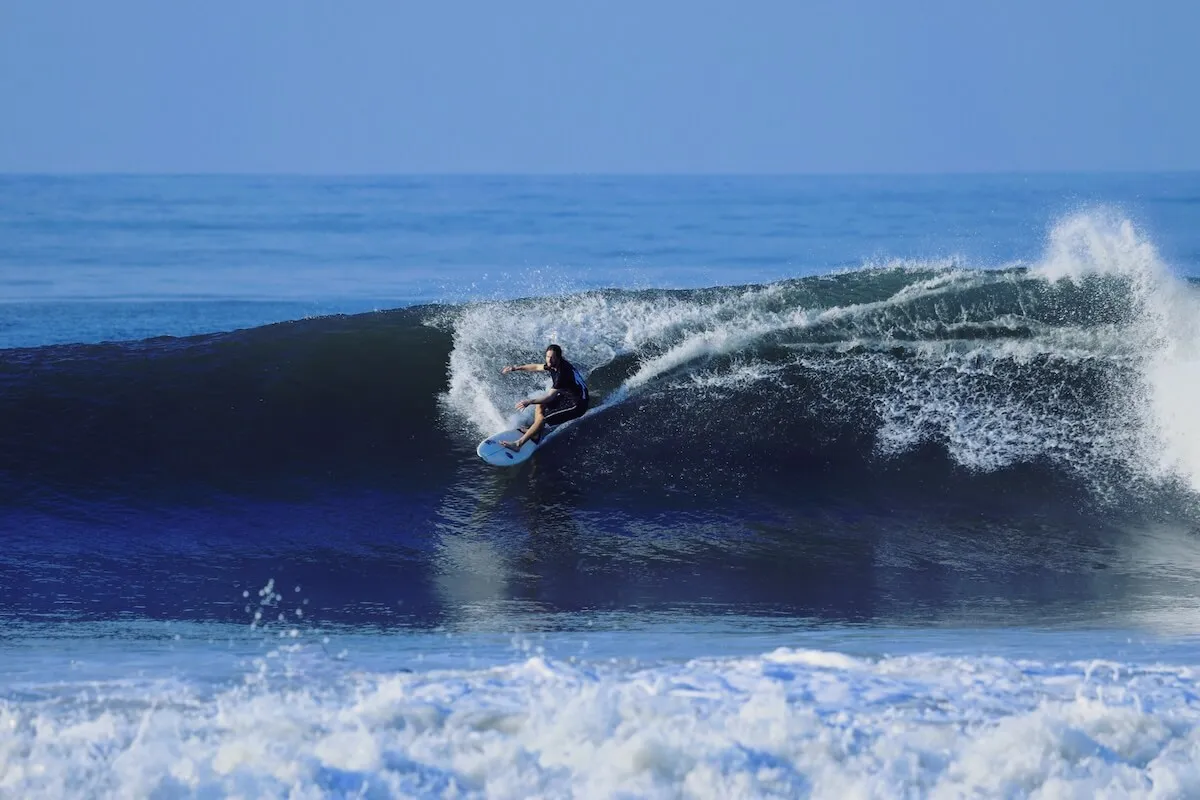
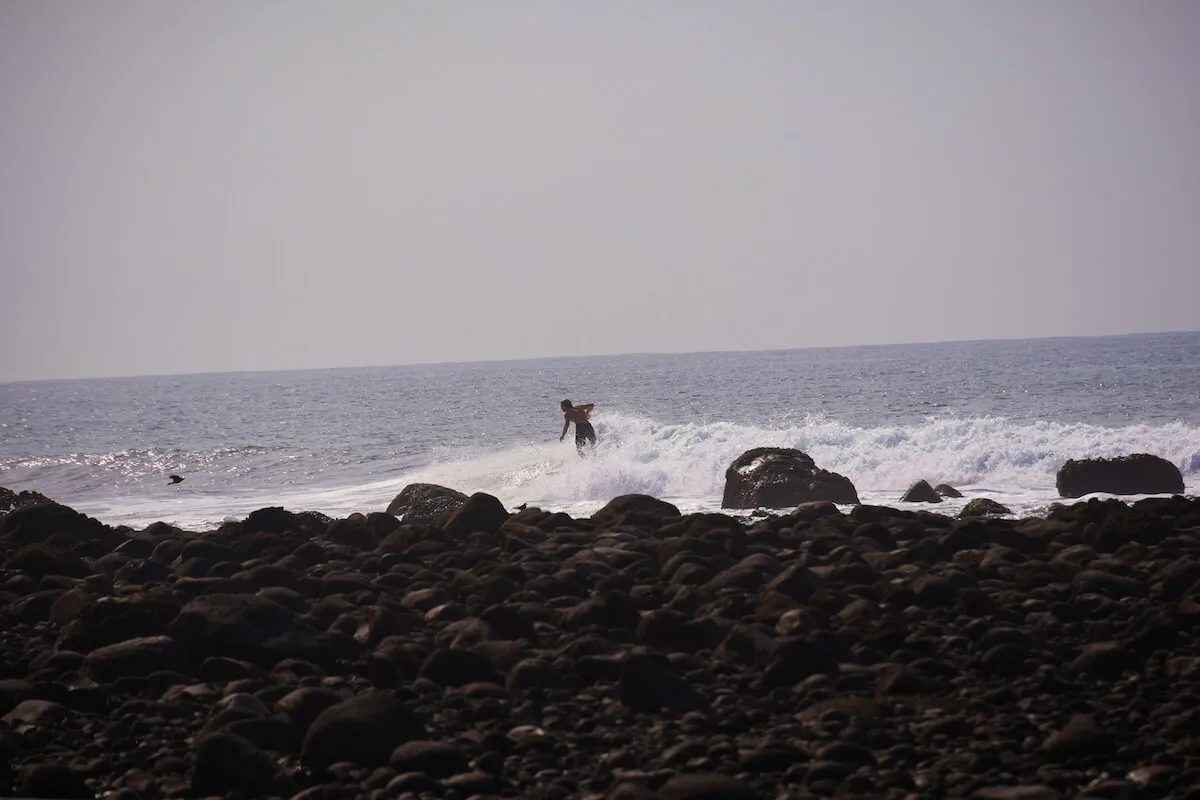
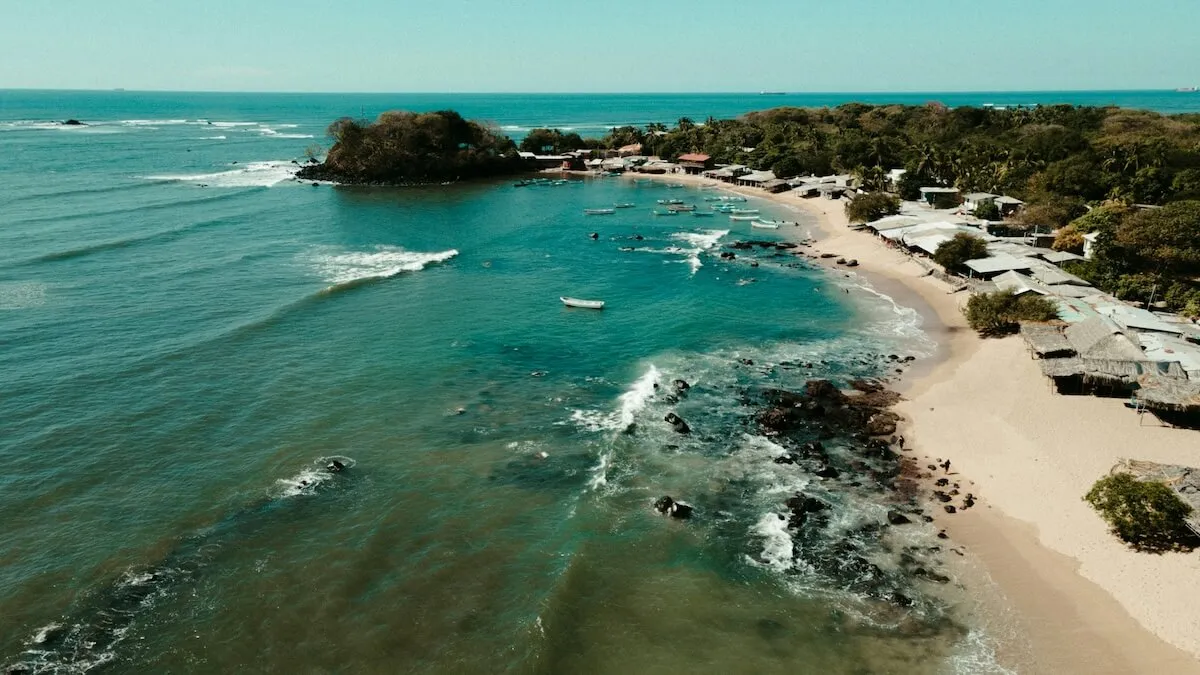
El Salvador is a country built on waves. Its Pacific shoreline is lined with volcanic points and sandy bays that produce some of the most consistent surf in the world. Breaks like Punta Roca and El Zonte draw surfers chasing long right-handers and powerful barrels, while quieter stretches of coast offer empty waves for those willing to explore. The same volcanic forces that shape its reefs and cliffs also give the waves their punch, making El Salvador a rising star in global surf culture.
seasons
El Salvador has two seasons: a dry season roughly November through April, with sunny days, minimal rain, and offshore winds that groom the Pacific coast's surf breaks, and a wet season from May through October, when afternoon thunderstorms roll in but mornings are often clear. The wet season also delivers the biggest, most consistent groundswells on the surf coast, including at Punta Mango near El Cuco. Humidity and heat stay high year-round on the coast, while the central highlands and volcano country run noticeably cooler.
best time to visit
Go in the shoulder months of November and May rather than the peak dry-season crowds of December through March. November still has clean, consistent groundswells left over from the wet season combined with drier weather starting to set in, and lodges and boats around Punta Mango and Los Cóbanos are easier to book. May offers the same trade-off in reverse: dry-season crowds have cleared out, prices drop, and the first wet-season swells start filling in before the heaviest rains arrive.
why people go
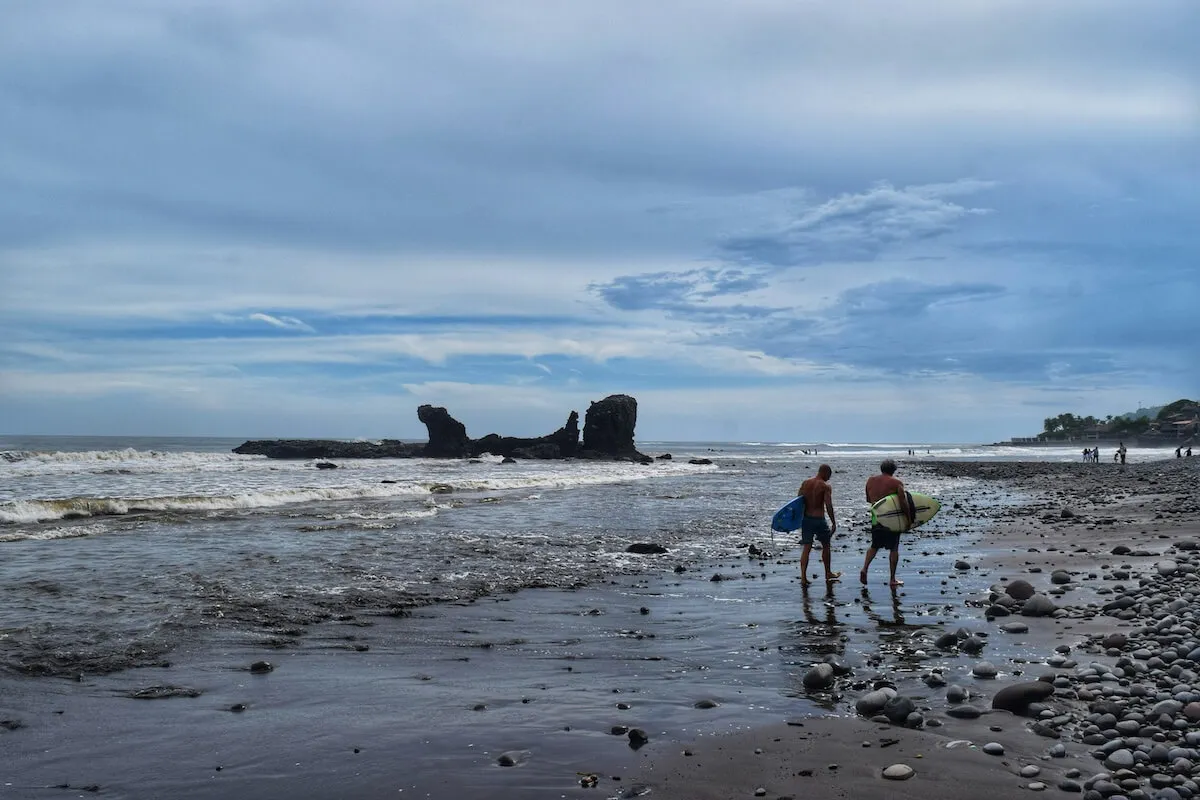
El Salvador packs volcanoes, cloud forest, mangrove estuaries, and a long stretch of black-sand Pacific coastline into a country small enough to cross in a few hours. The Ruta de las Flores winds through coffee country and colonial towns in the western highlands, while the Costa del Bálsamo and the more remote eastern coast around El Cuco and Punta Mango hold some of the best point breaks in Central America. Jiquilisco Bay's mangrove channels and the Gulf of Fonseca's volcanic islands add a slower, less-touristed side most surf-focused visitors skip.
marquee wildlife
Sea turtles are the country's signature wildlife draw: hawksbill, olive ridley, leatherback, and green turtles nest on beaches including Los Cóbanos, El Icacal, and Metalío, with the main nesting season running roughly July through January and community hatcheries releasing hatchlings along the coast. Humpback whales pass through coastal waters seasonally and are watched out of Los Cóbanos alongside dolphins. Inland, El Imposible National Park, a UNESCO biosphere reserve, holds over 400 bird species and around 100 mammal species.
food
Pupusas are the national dish: thick handmade corn tortillas stuffed with cheese, refried beans, or pork, always served with curtido, a fermented cabbage slaw, and a mild tomato salsa. Worth seeking out beyond the basics is loroco con queso, made with a native edible flower, and coastal seafood like fresh ceviche and fried fish in beach towns. Sopa de pata, a cow's-foot soup, is a traditional Sunday dish inland, and Salvadoran coffee from the Apaneca-Ilamatepec highlands is genuinely good.
culture & etiquette
Greetings matter: a handshake or cheek kiss and use of señor/señora with older people is expected, and Salvadorans generally favor indirect, polite communication over blunt talk. Modest dress is appropriate in churches, rural communities, and more conservative inland towns, even though beach towns are casual. Always ask before photographing people, particularly in smaller or indigenous communities, and treat 'Salvadoran time' as normal rather than rude.
diving
Diving and snorkeling in El Salvador center on Los Cóbanos, home to Central America's largest Pacific coral reef and a protected marine area with volcanic-rock reef, resident fish life, a couple of historic shipwrecks, and seasonal whale-watching trips run out of the same town. It's a minor footnote next to the country's surf identity — El Salvador is known internationally as a wave destination, not a dive destination, and Los Cóbanos' visibility and reef development don't rival the Pacific's better-known dive regions. It reads as a worthwhile day-trip add-on out of Los Cóbanos rather than a reason to build a trip around.
for the impact solutionist or team
let's make your work more discoverable
do you have something that is or will change the world for the better?
learn morefor the conscious traveler
let's show you where we've been
are you interested in being a mindful explorer?
see where to go