Central America
Costa Rica
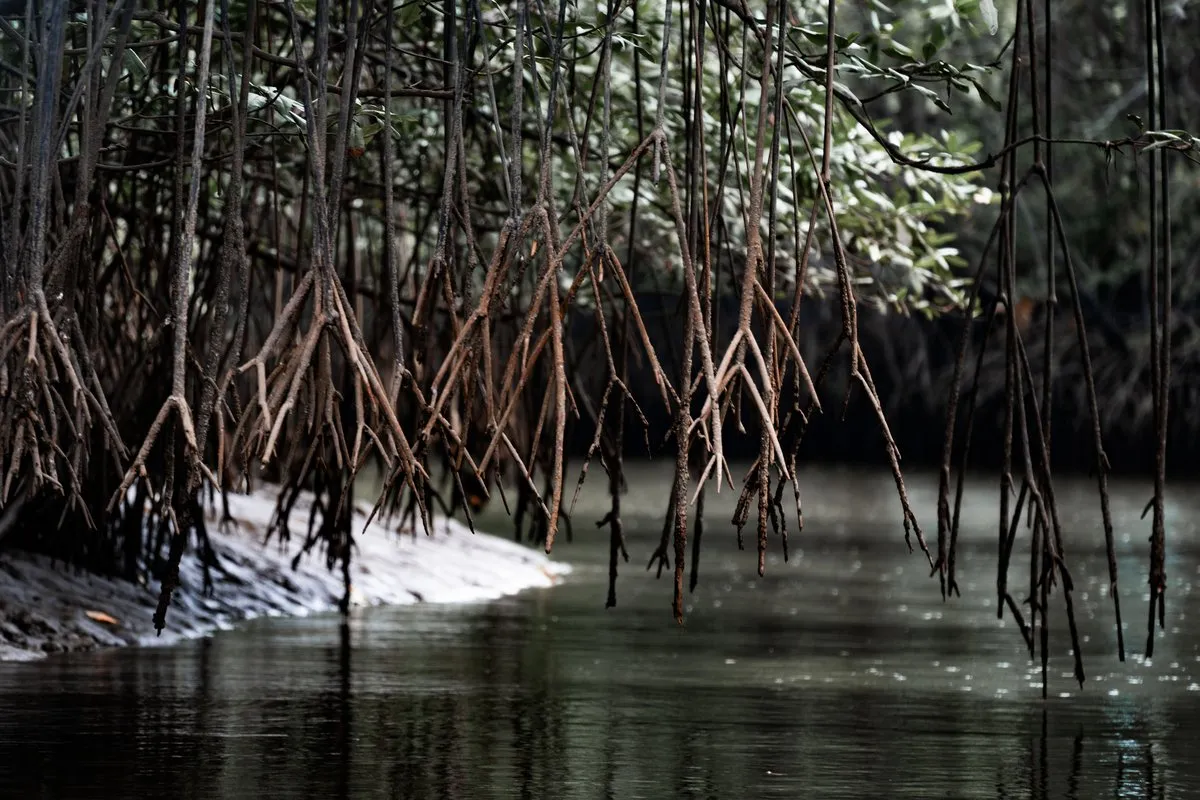
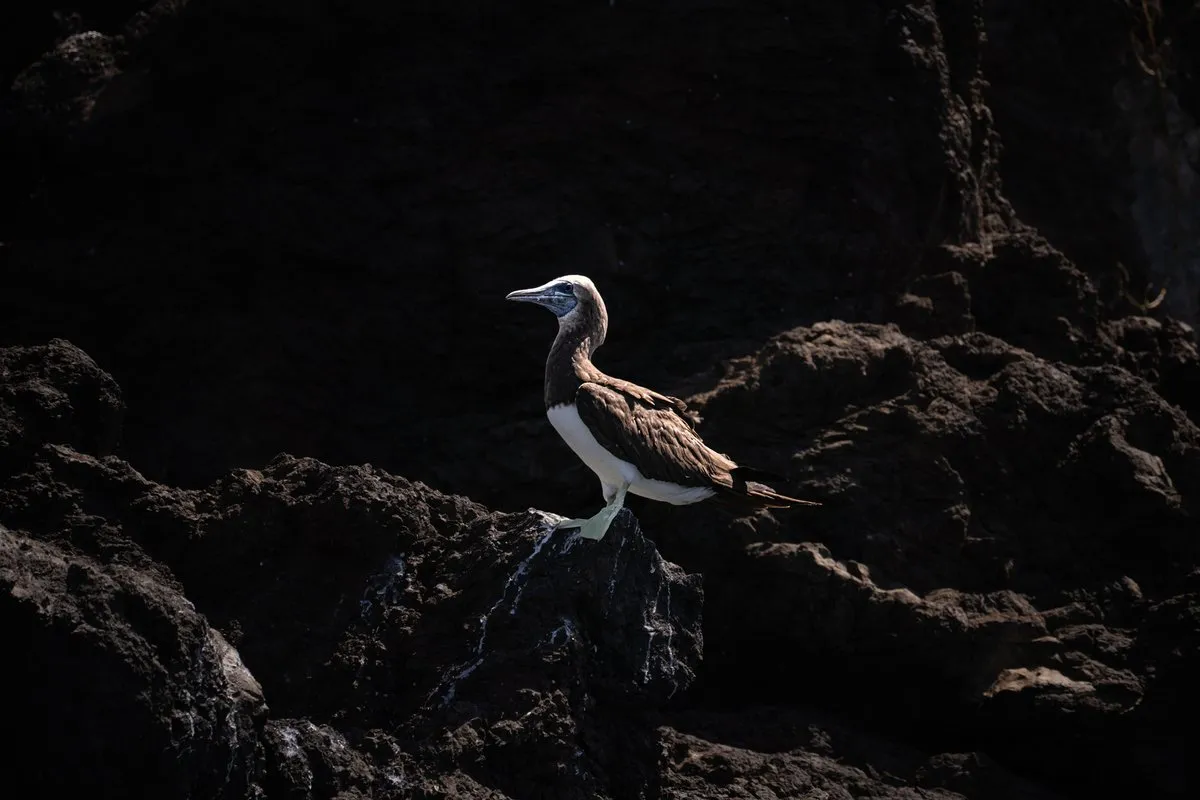
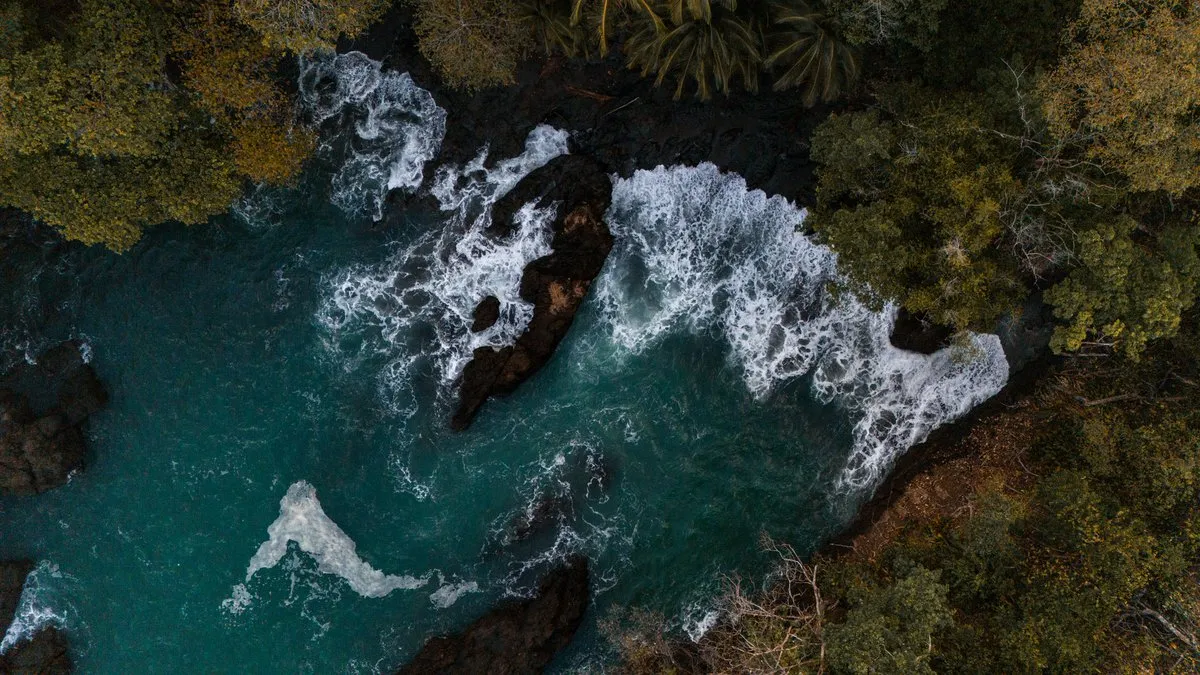
Costa Rica is one of the most biodiverse countries on Earth, with two coasts offering entirely different marine worlds. On the Pacific side, volcanic formations, seasonal migrations of humpback whales, and rich coral ecosystems create endless opportunities for diving. The Caribbean side holds mangroves, seagrass beds, and colorful reefs. Inland, rainforests and cloud forests shelter jaguars, monkeys, and more bird species than most countries combined. Known for its conservation leadership, Costa Rica proves that wild places can thrive when we put nature first.
seasons
The country runs on two seasons rather than four: dry season (December–April) and green/rainy season (May–November). Coastal temperatures stay warm year-round (21–27°C), while higher elevations run cooler. Rainfall patterns differ by coast — the Pacific and Central Valley are driest in the first half of the year, while the Caribbean side tends to be wettest then and driest when the Pacific gets its heaviest rain (September–October).
best time to visit
May/June and November are the window worth targeting over the crowded December–April dry-season peak. Manuel Antonio and Monteverde are both well past comfortable capacity at peak — shoulder-season visits mean lighter trail traffic, less wildlife disturbance, and rates well below high season, for only a modest trade in rain.
why people go
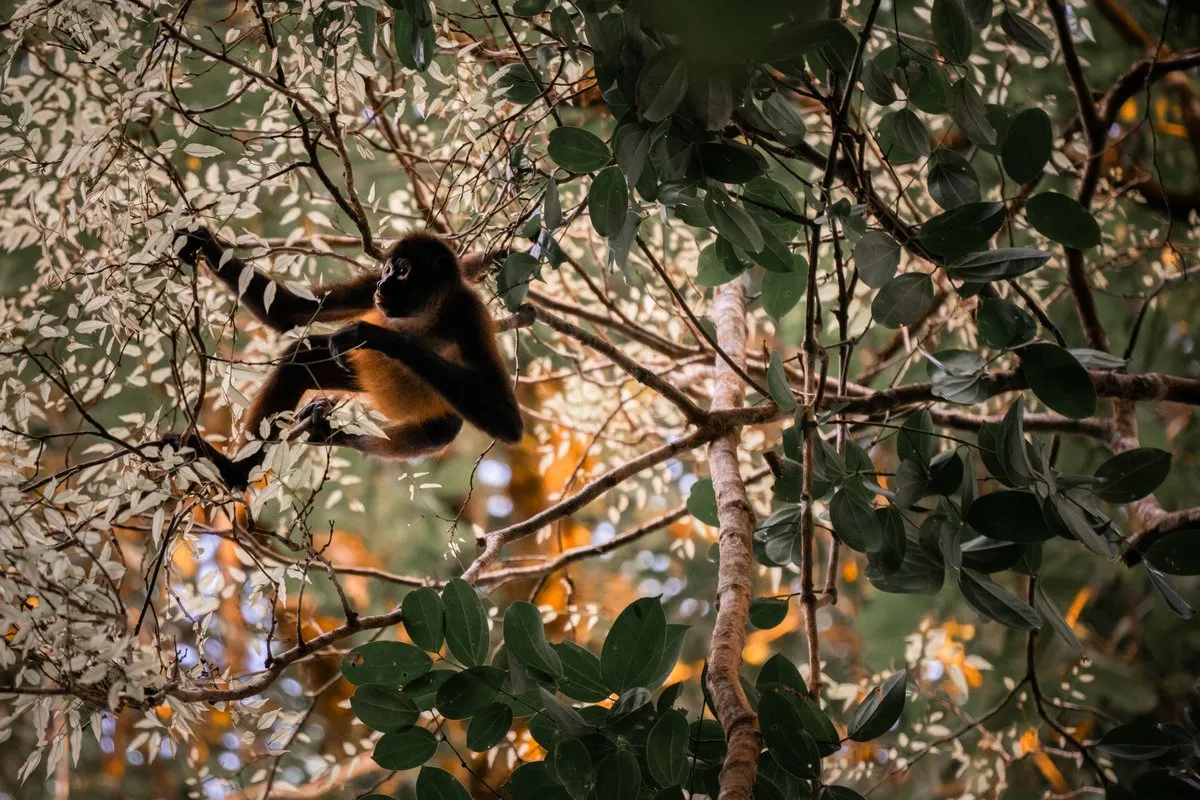
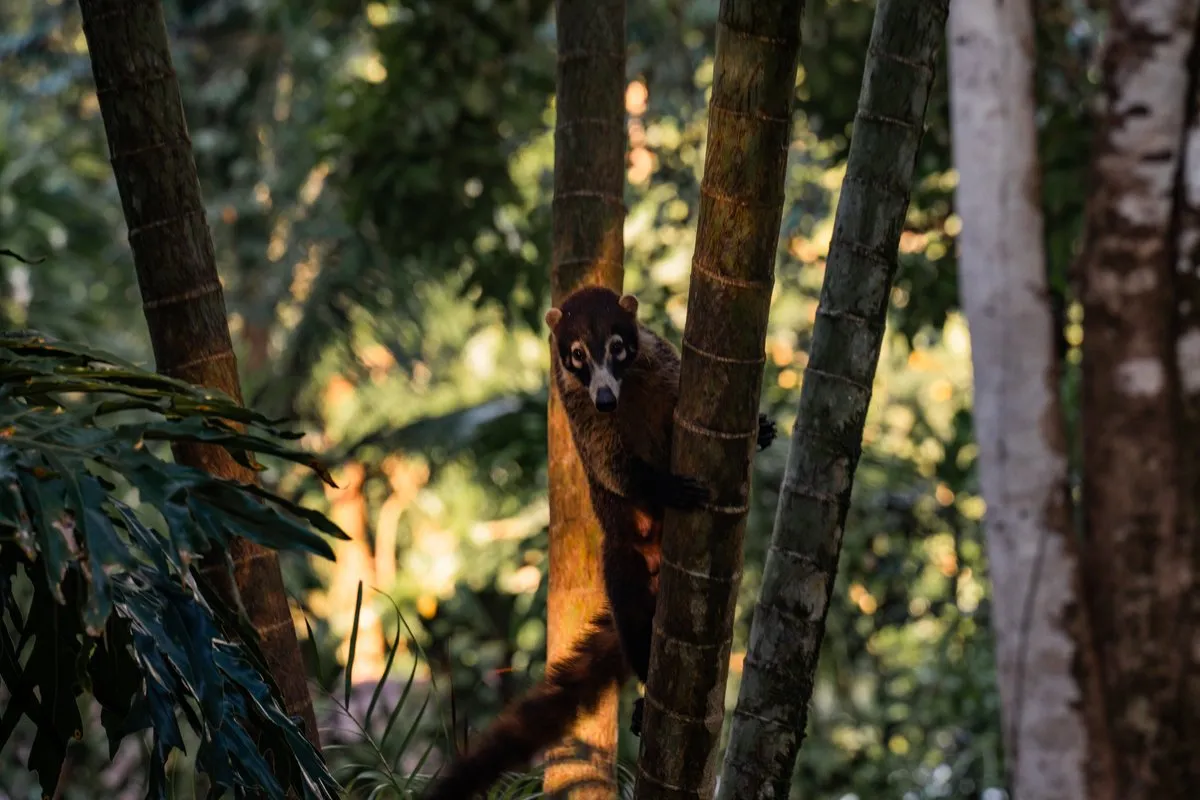
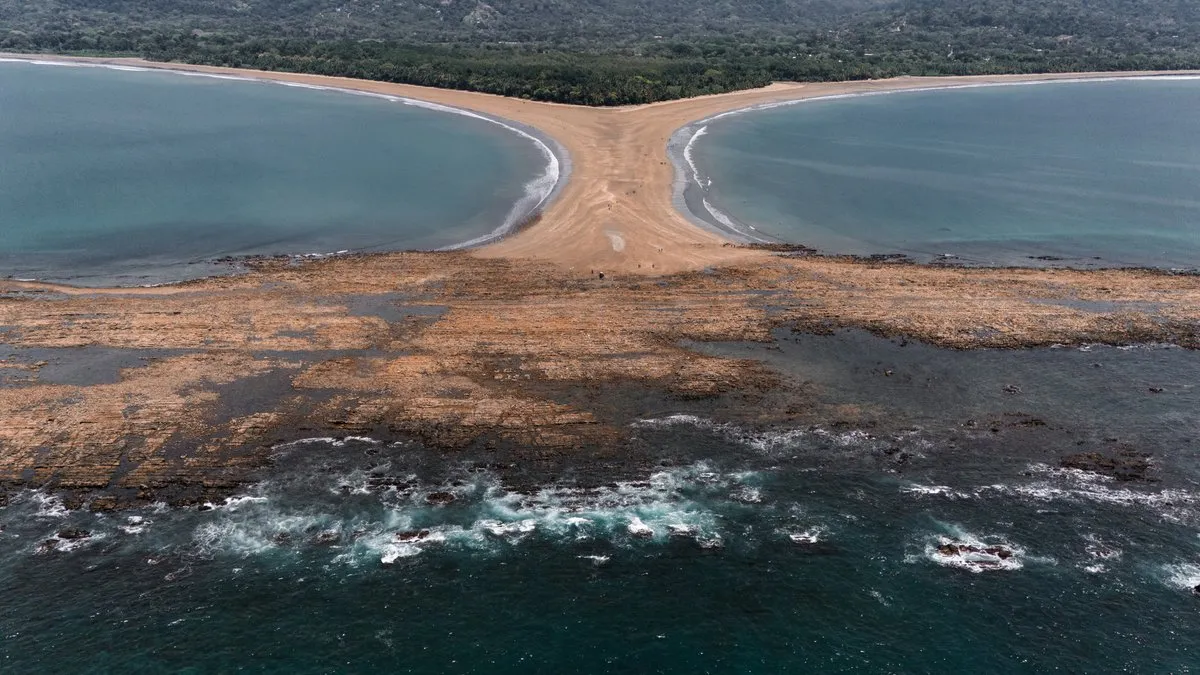
Wildlife density is the draw: sloths, capuchin and howler monkeys, scarlet macaws, and resplendent quetzals are commonly sighted in parks like Manuel Antonio, Monteverde Cloud Forest, and Corcovado (one of the most biodiverse places on Earth, home to tapirs and jaguars). Active volcanoes (Arenal), cloud forests, sea turtle nesting beaches, and whale-watching off Marino Ballena round out the appeal for expedition-style travel.
marquee wildlife
Costa Rica's cloud forests shelter the resplendent quetzal, prized by birders for iridescent green plumage and a meter-long tail streamer. Three-toed and two-toed sloths move through the canopy at a famously glacial pace, an icon of the country's slow-travel appeal. Scarlet macaws pair for life and flash crimson over the Pacific coast, while white-faced capuchins, howler monkeys, and Jesus Christ lizards round out an easy-to-spot cast found in national parks like Manuel Antonio and Monteverde.
food
Gallo pinto (rice and beans) and casado (a set plate of rice, beans, plantain, and meat or fish) are the everyday staples. Costa Rica's Arabica coffee is a genuine highlight, with farm tours and tastings widely available; guaro, a local sugarcane spirit, is the standard mixed drink.
culture & etiquette
Greetings are a light handshake or cheek kiss; use 'usted' with strangers, 'tú' with familiars. Pointing with a finger is considered rude — locals gesture with pursed lips instead. When offered food, especially in someone's home, accepting graciously matters more than politeness-by-refusal; bring a small gift if invited in. Respect for wildlife (observe from a distance, don't feed) and the environment (proper waste disposal) is a strong local norm, not just a tourist ask.
diving
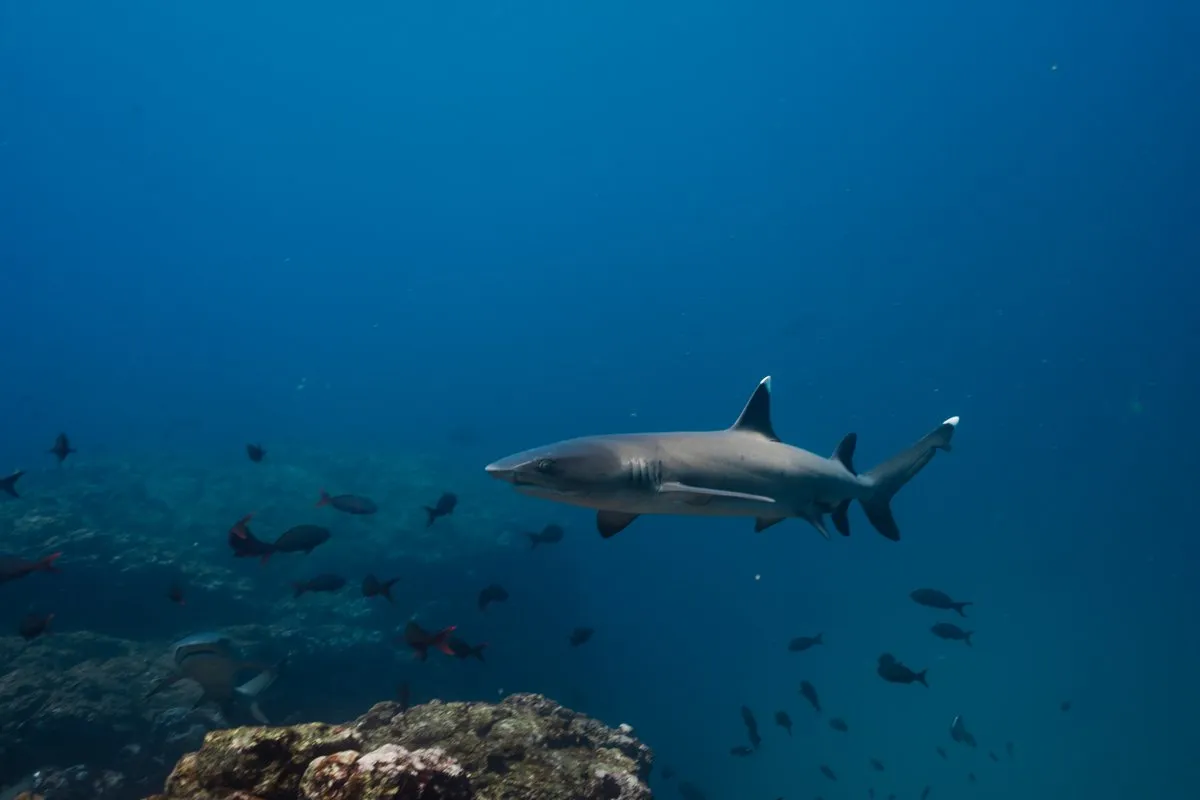
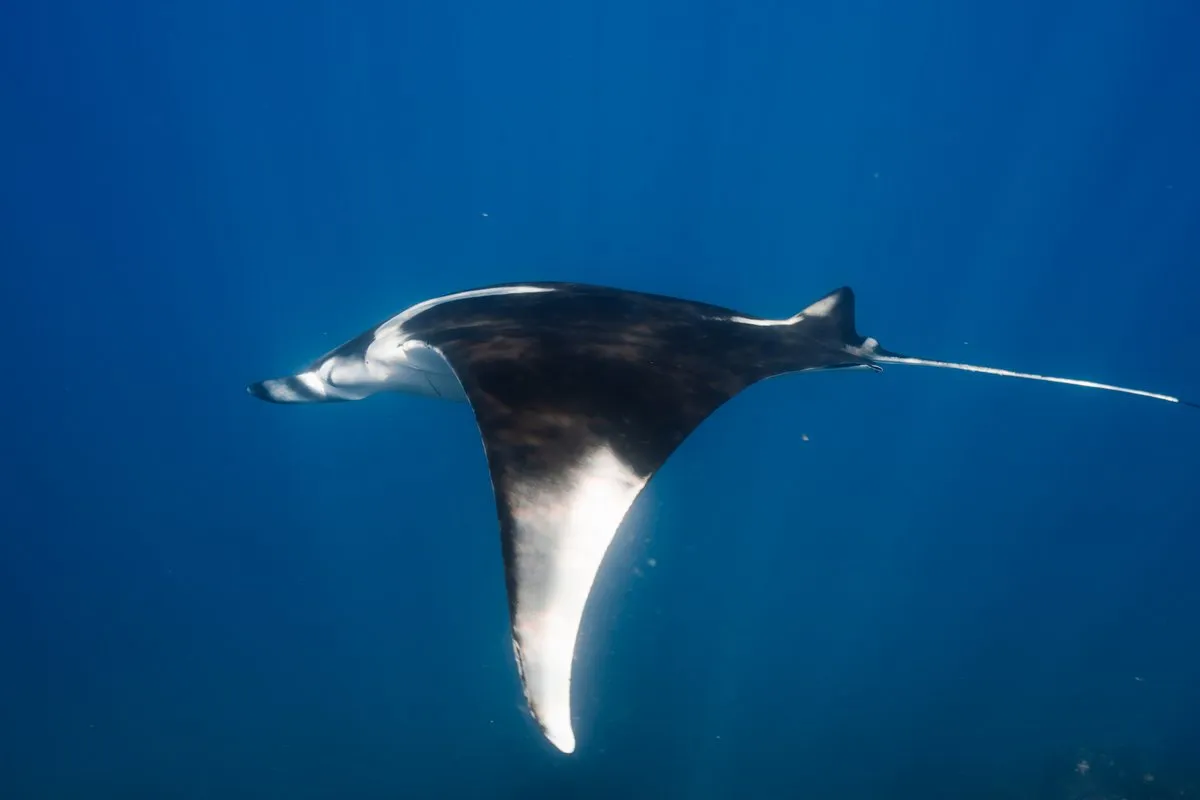
Diving centers on two Pacific sites: Cocos Island, a liveaboard-only marine reserve 342 miles offshore famous for schooling scalloped hammerheads (June–Oct) plus whale sharks, mantas, and 12 shark species; and Caño Island, a healthy Eastern Pacific reef reachable from the Osa Peninsula, with white-tip reef sharks, rays, and sea turtles. Caribbean-side diving is comparatively minor. Diving is a genuine specialty draw here (Cocos ranks among the world's great shark dives) but a smaller share of the country's overall appeal than its terrestrial ecotourism.
for the impact solutionist or team
let's make your work more discoverable
do you have something that is or will change the world for the better?
learn morefor the conscious traveler
let's show you where we've been
are you interested in being a mindful explorer?
see where to go