South America
Chile
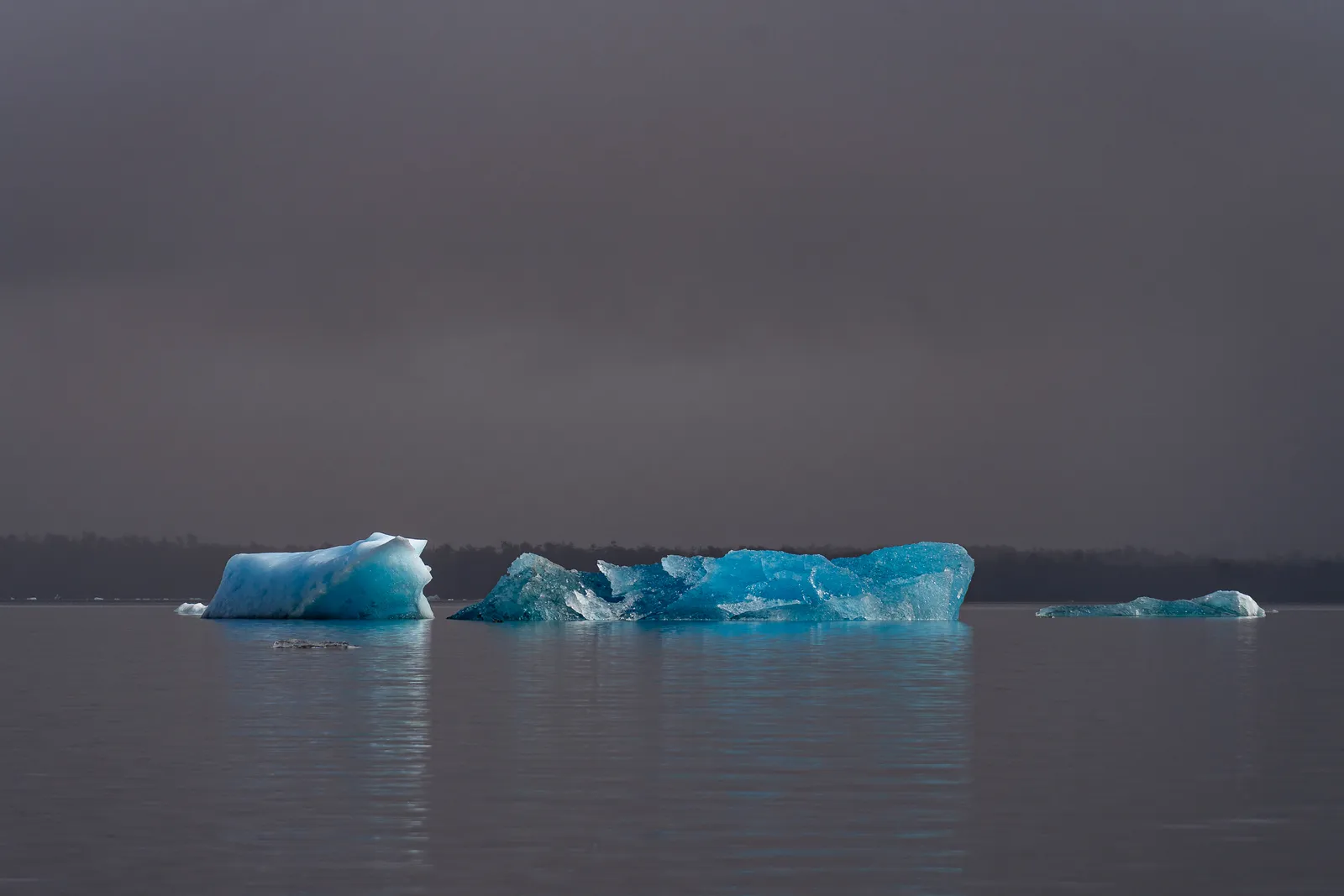
Chile stretches like a ribbon down the western edge of South America, a land where deserts, volcanoes, forests, and glaciers exist side by side. In the north, the Atacama is one of the driest places on Earth, while in the south, Patagonia’s fjords and icefields form a last frontier. Along the Pacific coast, sea lions, penguins, and whales thrive in rich marine ecosystems, while inland, the Andes carve out valleys, turquoise lakes, and peaks that scrape the sky.
seasons
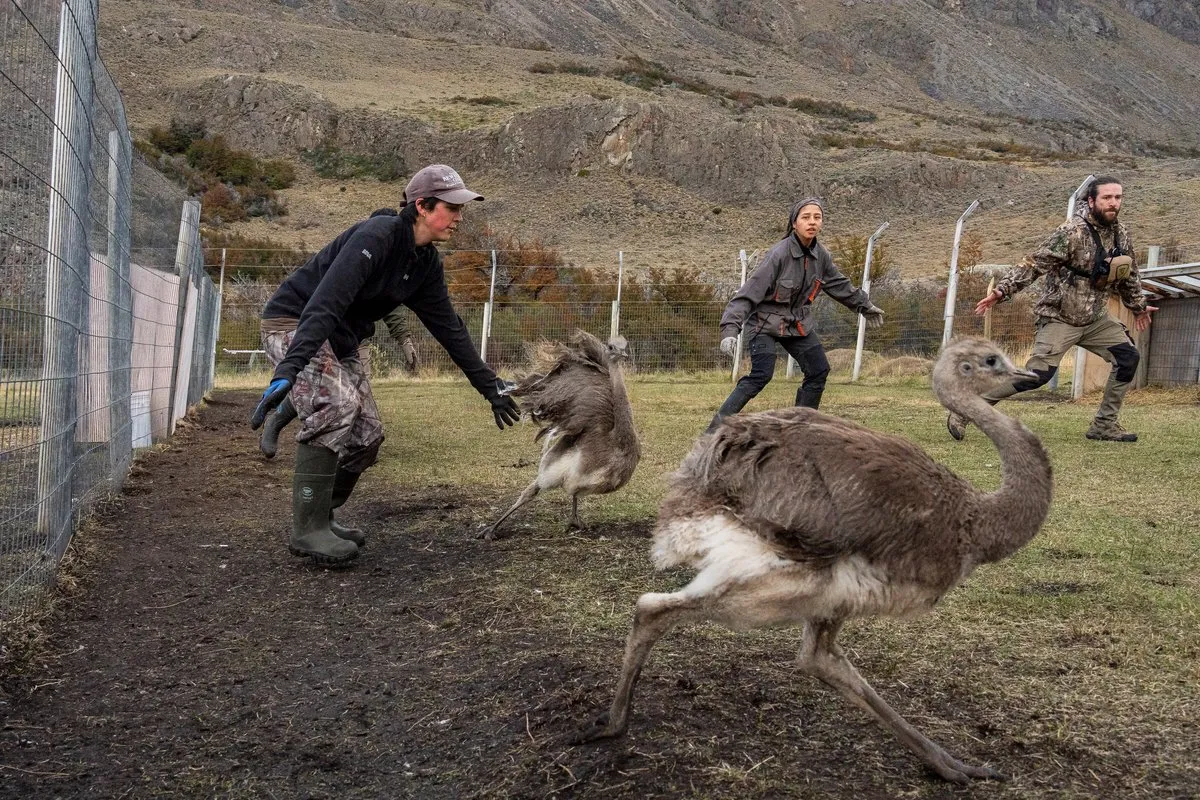
Chile runs nearly 2,700 miles north to south, so seasons vary wildly by region rather than following one national pattern. The Atacama Desert in the north stays arid and warm-to-cool year-round with almost no rain; central Chile (Santiago, the wine valleys, the coast) has a Mediterranean climate with dry summers (Dec-Feb) and wet winters (Jun-Aug); Patagonia in the south runs the opposite of the northern hemisphere, with summer (Dec-Feb) bringing long days and the most stable weather, and winter (Jun-Aug) bringing snow, high winds, and many lodges/park services closing.
best time to visit
Skip December-February in Patagonia if crowds matter more than guaranteed sun — Torres del Paine's high season is now bleeding into March and the first half of April as word has spread, with trails and refugios booking out. Go instead in November or from mid-April into May: weather is still workable, trekking permits and refugio beds are easier to get, and the park empties out noticeably after mid-April. The Atacama and Los Lagos/Chiloé don't have the same crowding pressure, so timing there is more about rain than about avoiding people.
why people go
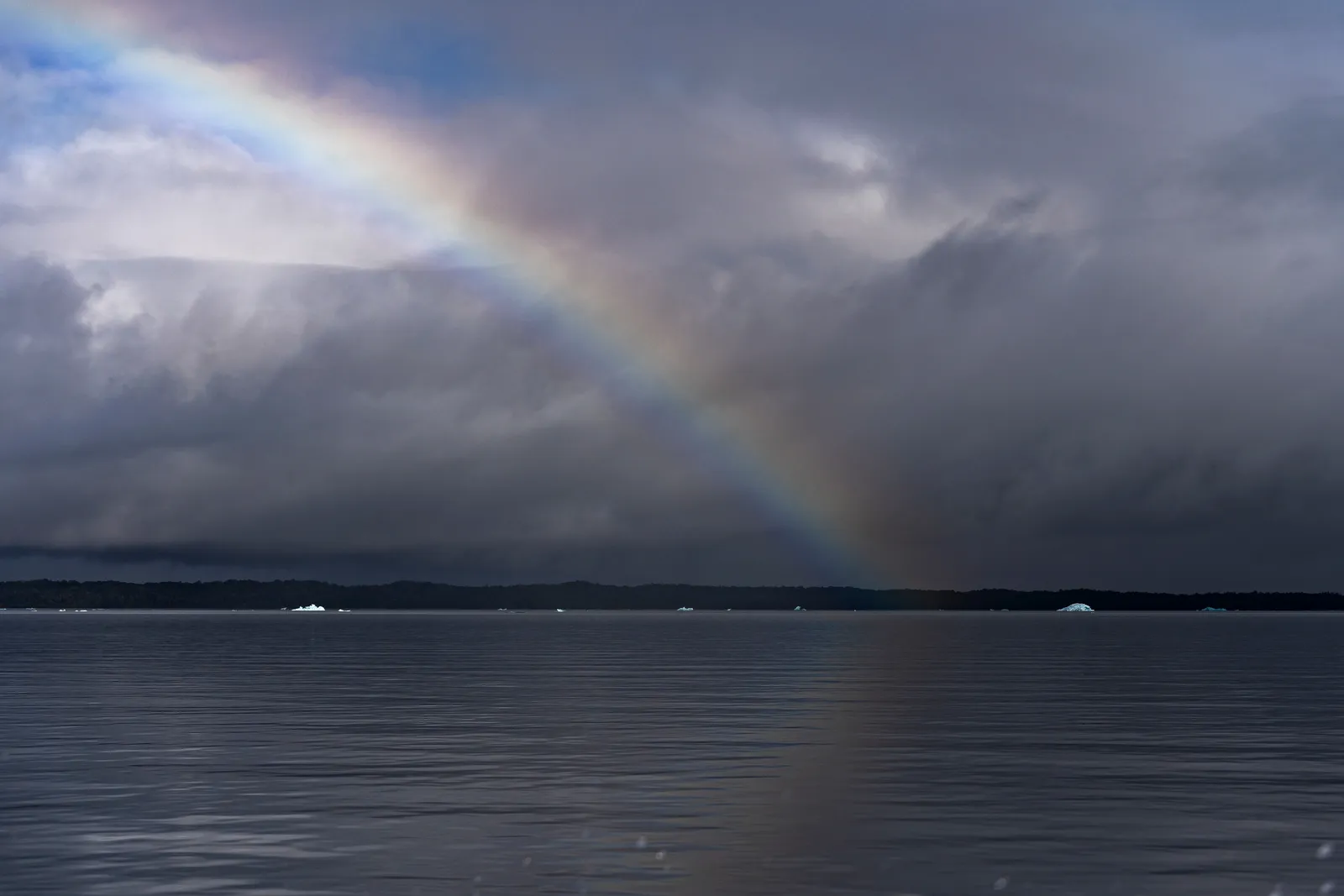
Chile stacks an unusual range of landscapes into one country: the Atacama, the driest non-polar desert on Earth, with geysers, salt flats, and some of the world's clearest night skies for stargazing; the Lakes District and Chiloé with volcanoes, temperate rainforest, and stilt-house fishing villages; and Patagonia's granite towers, glaciers, and steppe in Torres del Paine. Add the Pacific coast, a serious wine culture in the central valleys, and remote outposts like Easter Island (Rapa Nui) with its moai, and the country covers desert, ocean, mountains, and islands without leaving one nation.
marquee wildlife
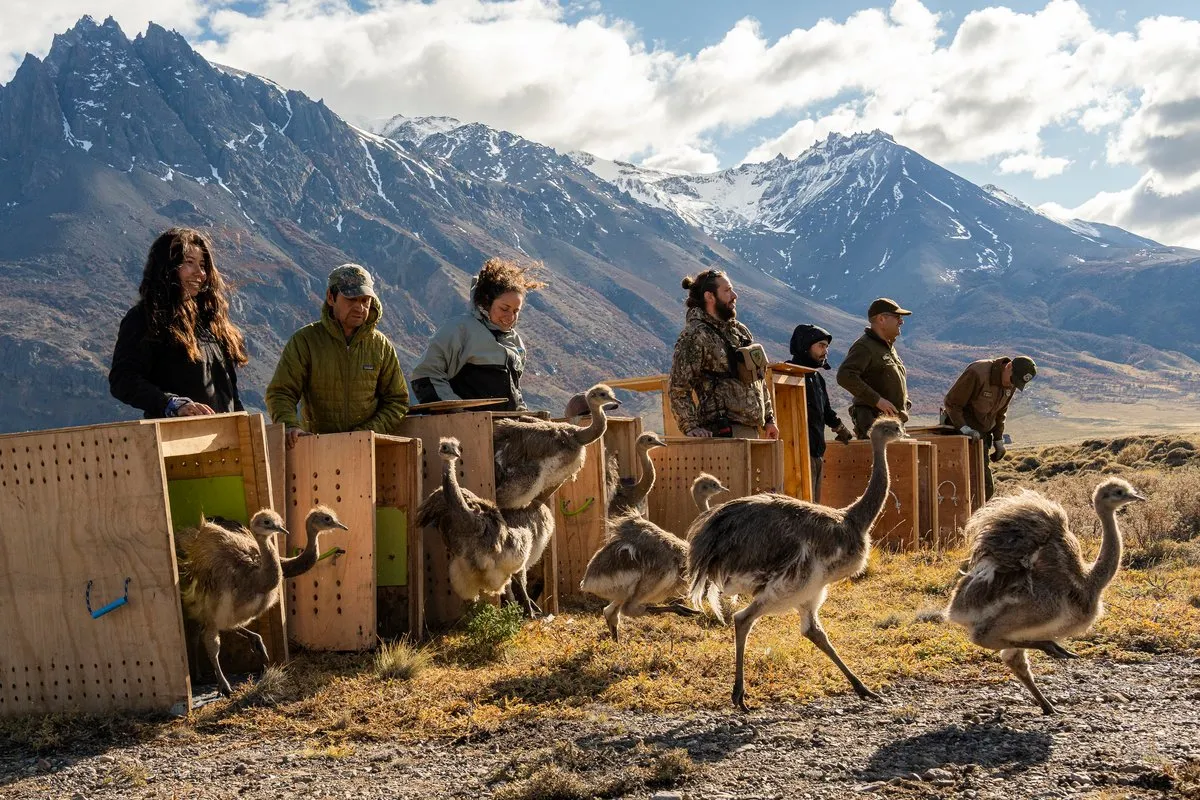
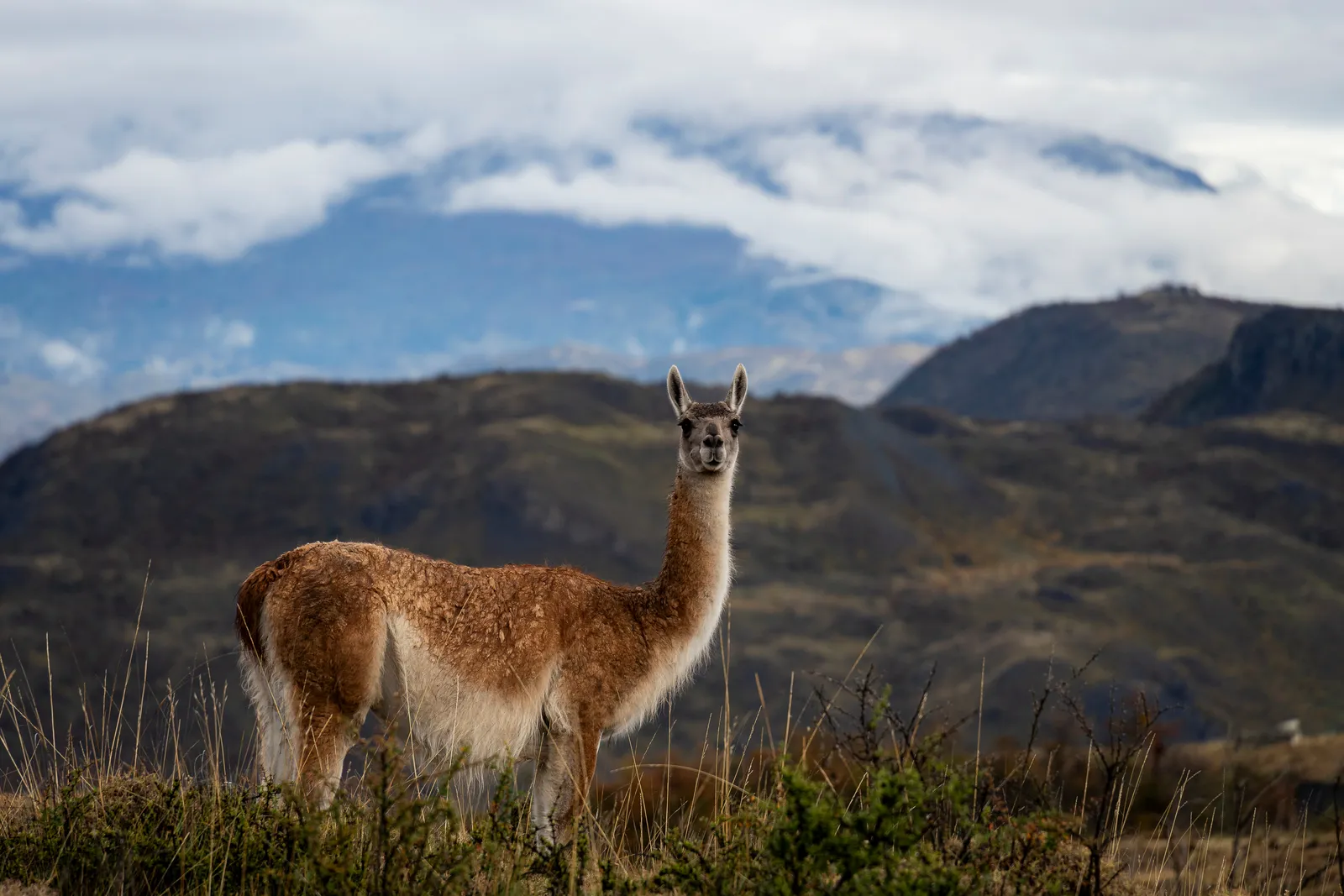
Torres del Paine is one of the most reliable places on Earth to see wild pumas, with a habituated population and dedicated puma-tracking operators built around them. Patagonia's steppe and coast also carry guanacos, Andean condors, and Magellanic penguins (notably on islands off Punta Arenas and near Chiloé), while the Humboldt Current off the north-central coast supports Humboldt penguins, marine otters, sea lions, and seasonal humpback and blue whale sightings. The Atacama's high-altitude salt flats draw three flamingo species and vicuña.
food
Chilean food centers on seafood given the coastline — ceviche, curanto (a Chiloé specialty of shellfish, meat, and potato cooked in an earth pit), and abundant fresh fish and shellfish like locos (a type of abalone) and machas (razor clams). Central Chile's asado (barbecue) and empanadas (often filled with pino, a beef-onion-egg-olive mix) are everyday staples, and the wine valleys (Maipo, Colchagua, Casablanca) produce serious Cabernet Sauvignon and Carménère, Chile's signature grape. Pisco, distilled in the north, is the national spirit.
culture & etiquette
Chileans are generally reserved with strangers initially but warm up quickly; greetings typically involve a handshake, or a single cheek kiss between women and between men and women in more casual settings. Punctuality is looser than in North America for social occasions but expected for business. In Patagonia and rural areas, respect land-access rules and private ranch boundaries, and in Mapuche areas of the south, be aware this is contested and sensitive territory tied to ongoing indigenous land rights disputes — avoid treating it as generic scenery.
diving
Diving exists in Chile but is a minor footnote next to the country's land-based draws — Torres del Paine, the Atacama, and the wine country dominate why people come. The main recreational diving is along the central coast (Quintay, Algarrobo, Los Molles, Zapallar) with cold-water kelp forests, sea lions, and small sharks, best from September to May. The more distinctive diving is far offshore and much less accessible: Easter Island (Rapa Nui) offers exceptionally clear volcanic water with visibility often exceeding 40 meters, and the Juan Fernández Archipelago has kelp forests, sea lions, and endemic species, but both require dedicated trips and aren't part of a typical Chile itinerary.
for the impact solutionist or team
let's make your work more discoverable
do you have something that is or will change the world for the better?
learn morefor the conscious traveler
let's show you where we've been
are you interested in being a mindful explorer?
see where to go