North America
Canada
From icebound Arctic coasts to rainforests draped in moss, Canada is a country built on wild spaces. Whales move through fjords, bears roam river valleys, and millions of migratory birds fill northern skies each summer. Beneath the surface, vast cave systems cut through ancient rock, while above, snow-covered peaks rise over crystal-clear lakes that mirror the wild around them. With three oceans, the world’s largest intact boreal forest, and an abundance of flowing freshwater, Canada’s landscapes are critical strongholds for global biodiversity.
seasons
Canada spans six climate zones from Pacific rainforest to Arctic tundra, so seasonal patterns vary enormously by region. Southern population centers like Vancouver, Toronto, and Montreal get warm summers and cold, snowy winters, while the Prairies swing to more extreme highs and lows. Coastal British Columbia stays milder and wetter year-round, and the north (Yukon, Nunavut, Northwest Territories) has short, cool summers and long, harsh winters with extended darkness. Fall (September-November) brings strong foliage color through Quebec and Ontario.
best time to visit
Skip July-August in the Canadian Rockies: Banff and Jasper hit peak crowding and peak pricing then, with jammed parking lots, booked-out restaurants, and accommodation running up to triple the shoulder-season rate. Travel instead in late May-June or September-October, when trails and townsites are noticeably quieter, hotel prices drop, and the weather is still workable for hiking and driving the Icefields Parkway. Early-to-mid October pairs cooler but manageable temperatures with fall color and a fraction of the summer foot traffic.
why people go
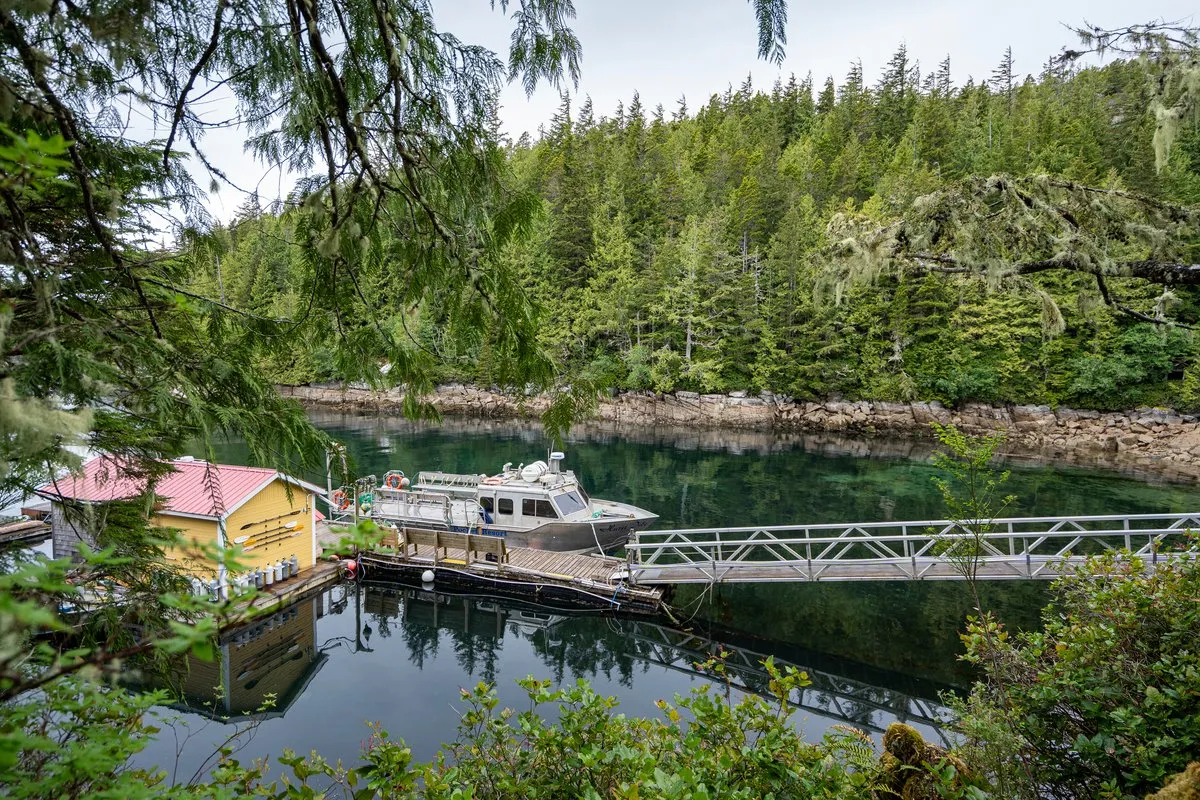
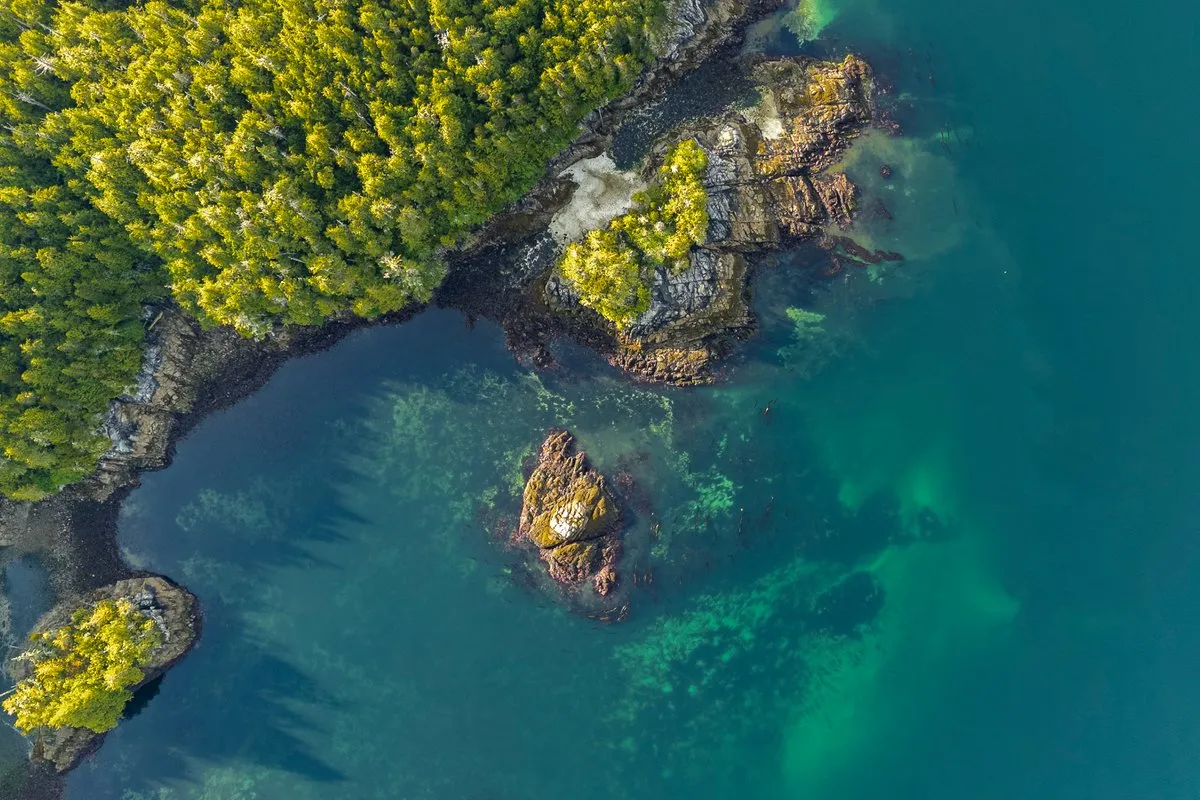
Canada's draw is scale and wildness: the Canadian Rockies' glacier-fed lakes and icefields, the fjord-cut coastline and old-growth rainforest of British Columbia's Great Bear Rainforest, the tidal extremes of the Bay of Fundy, and vast stretches of boreal forest, tundra, and Arctic coastline largely untouched by development. It's a country of edges — the world's longest coastline, the northern treeline, remote island archipelagos — which makes it a natural fit for expedition-style travel.
marquee wildlife
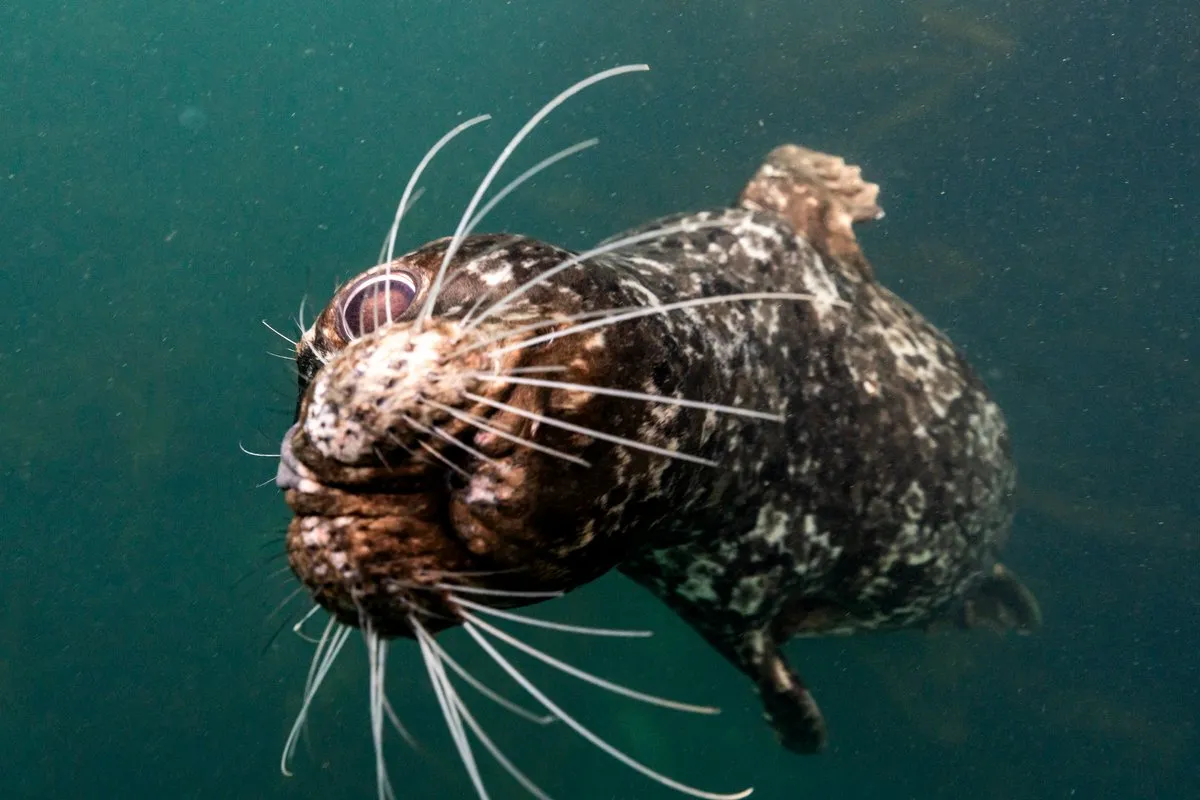
Orcas are the marquee species off Vancouver Island, with Tofino and Telegraph Cove offering some of the most reliable orca-watching in the world from May through October. Grizzly bears draw wildlife travelers to the Great Bear Rainforest and the Canadian Rockies, often paired with the same coastal trips that spot orcas. Churchill, Manitoba is the global reference point for polar bears, with peak sightings in October-November as Hudson Bay ice forms, and the same town sees thousands of beluga whales gather in the river estuary each June-July.
food
Regional specialty is the honest way to eat across Canada: Quebec for poutine, tourtière, and Montreal smoked meat; the Maritimes for lobster rolls, scallops, and chowder, plus Newfoundland's toutons; the Prairies for perogies and wild rice; and British Columbia for fresh salmon and Dungeness crab. Indigenous food traditions run through all of it, contributing bannock, wild game, and foraged ingredients like Saskatoon berries, and are worth seeking out specifically.
culture & etiquette
Canadians place a high value on politeness, personal space, and punctuality, and tipping 15-20% before tax is standard at restaurants and for taxis and hotel staff. Removing shoes when entering someone's home is expected. When visiting Indigenous communities or cultural sites, always ask permission first, never wear ceremonial regalia without being invited to, and use the terms Indigenous groups use for themselves — bands or nations, not tribes.
diving
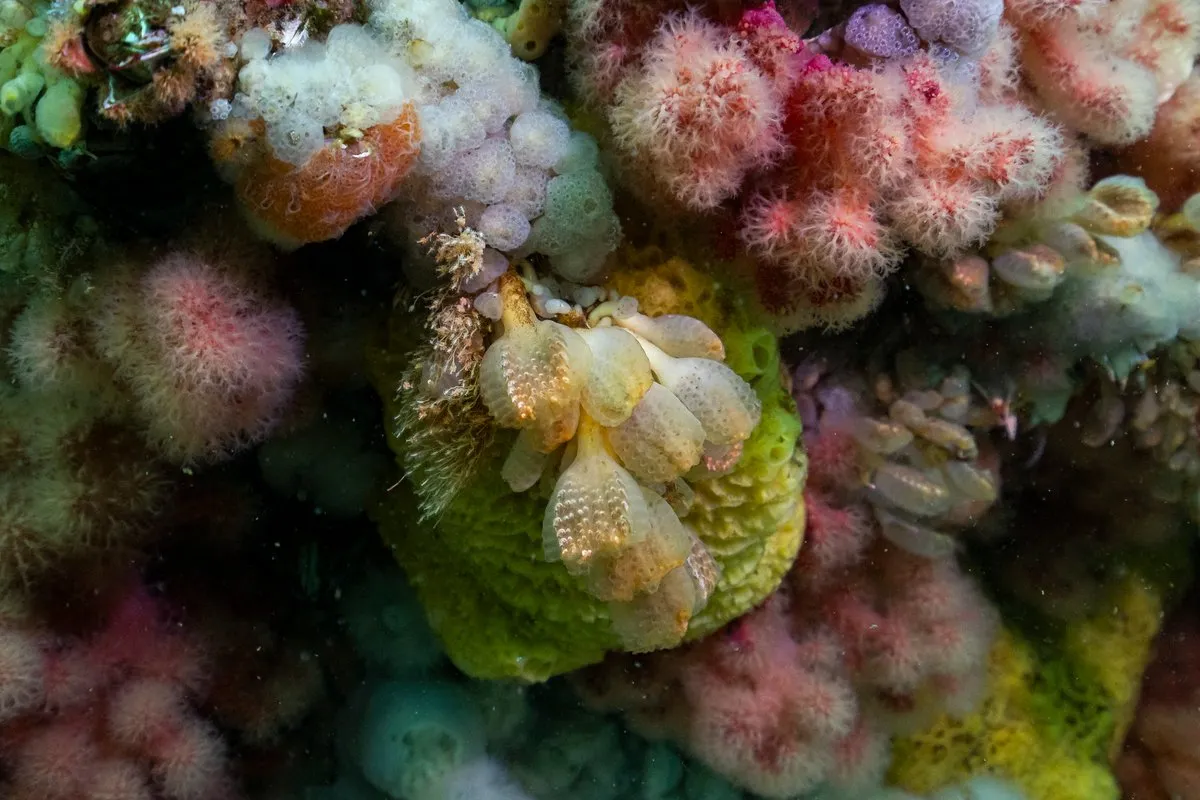
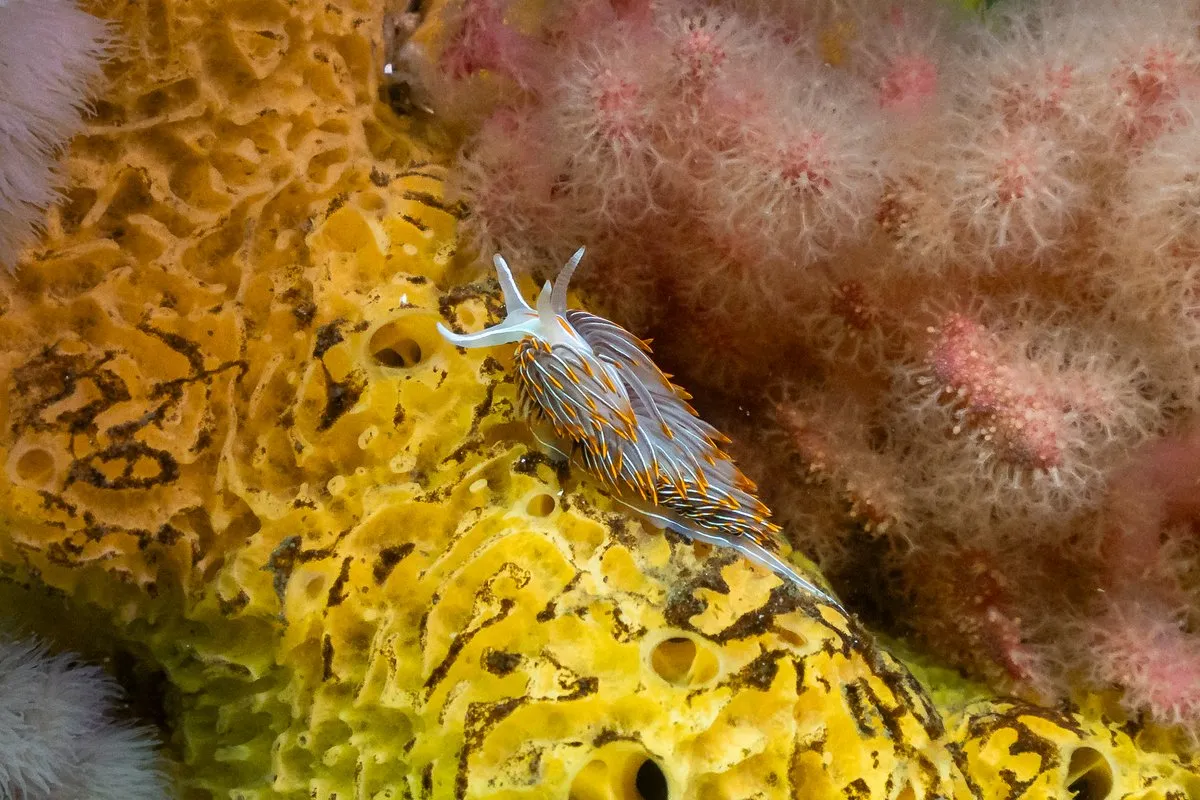
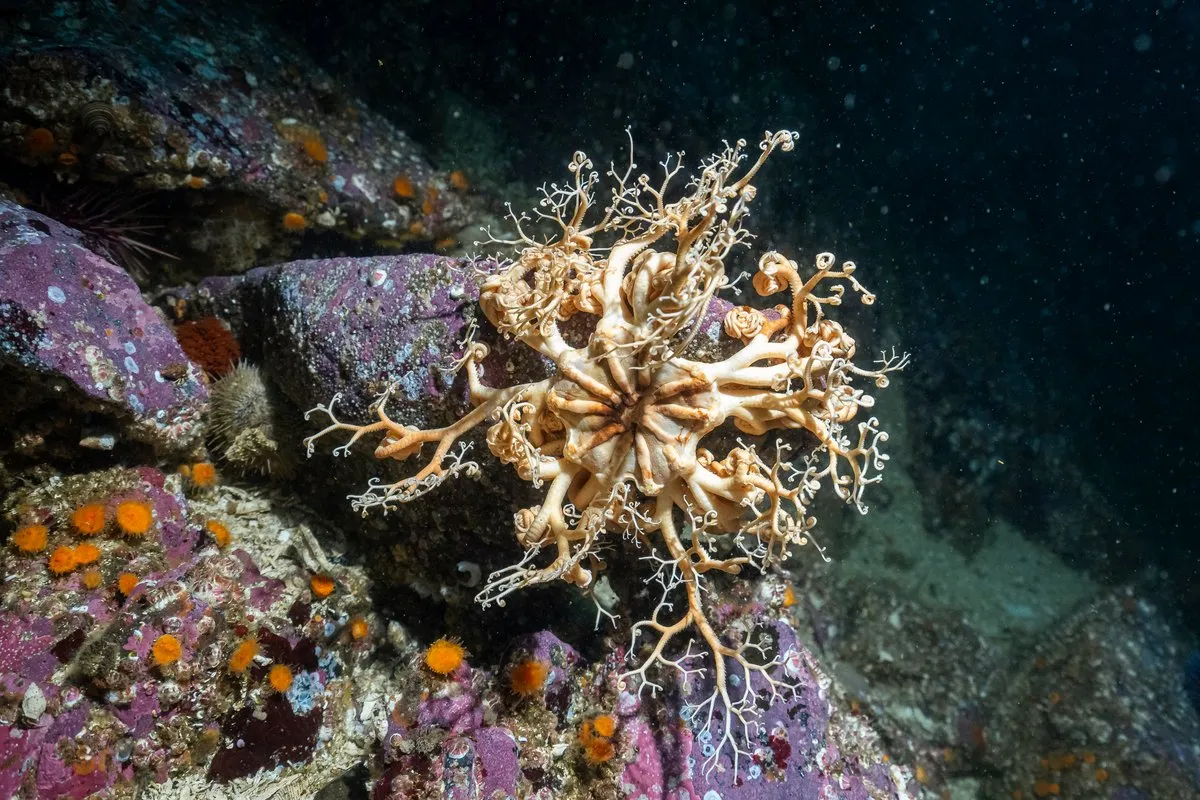
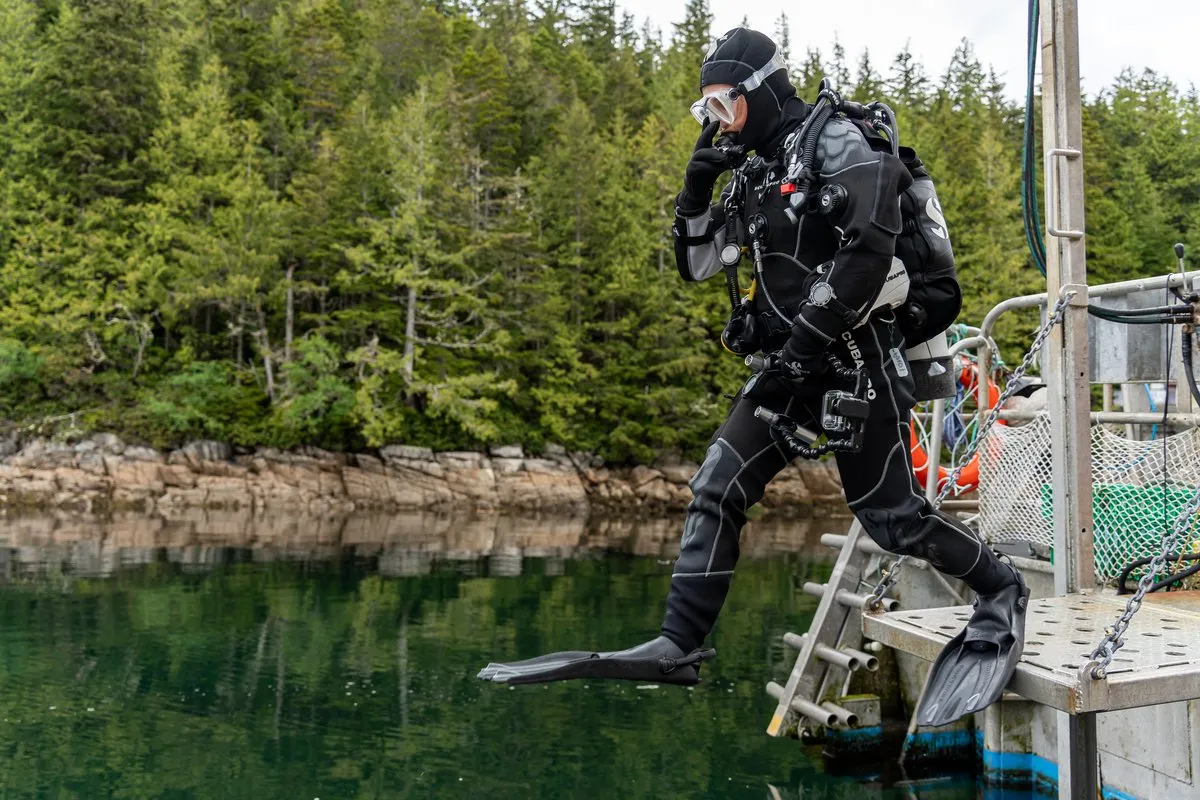
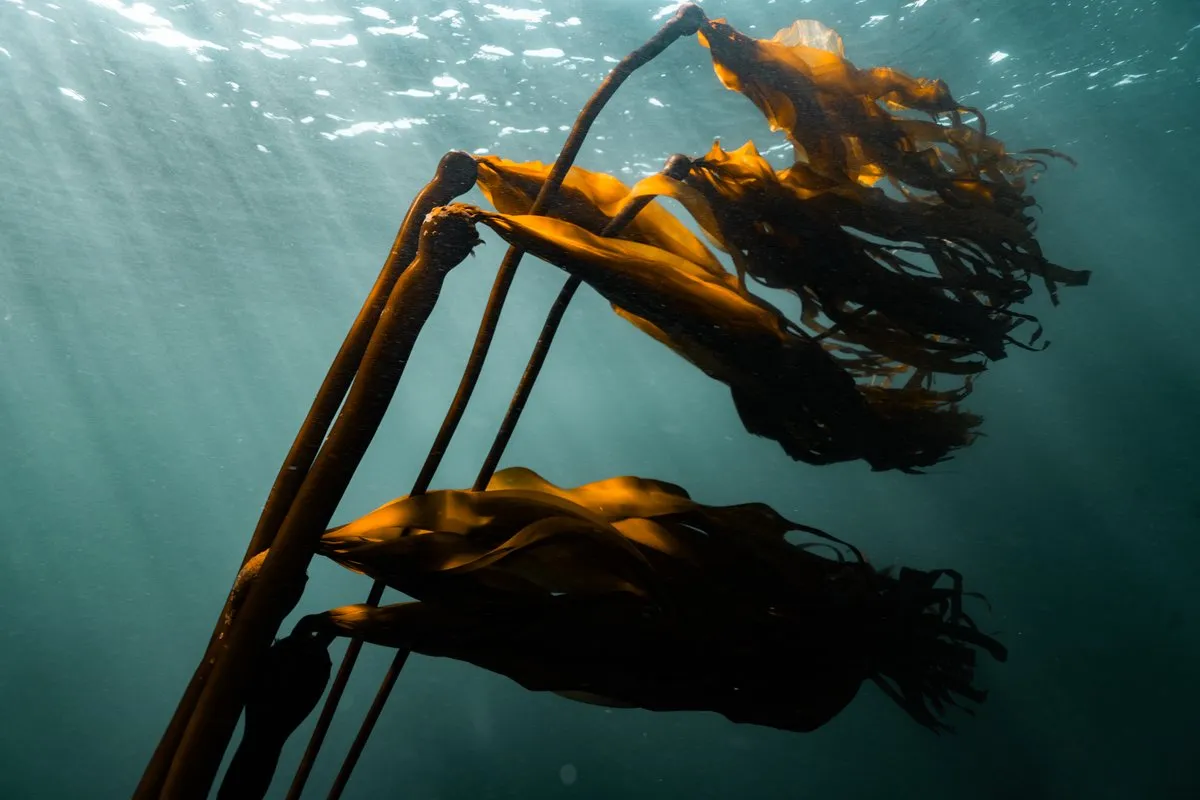
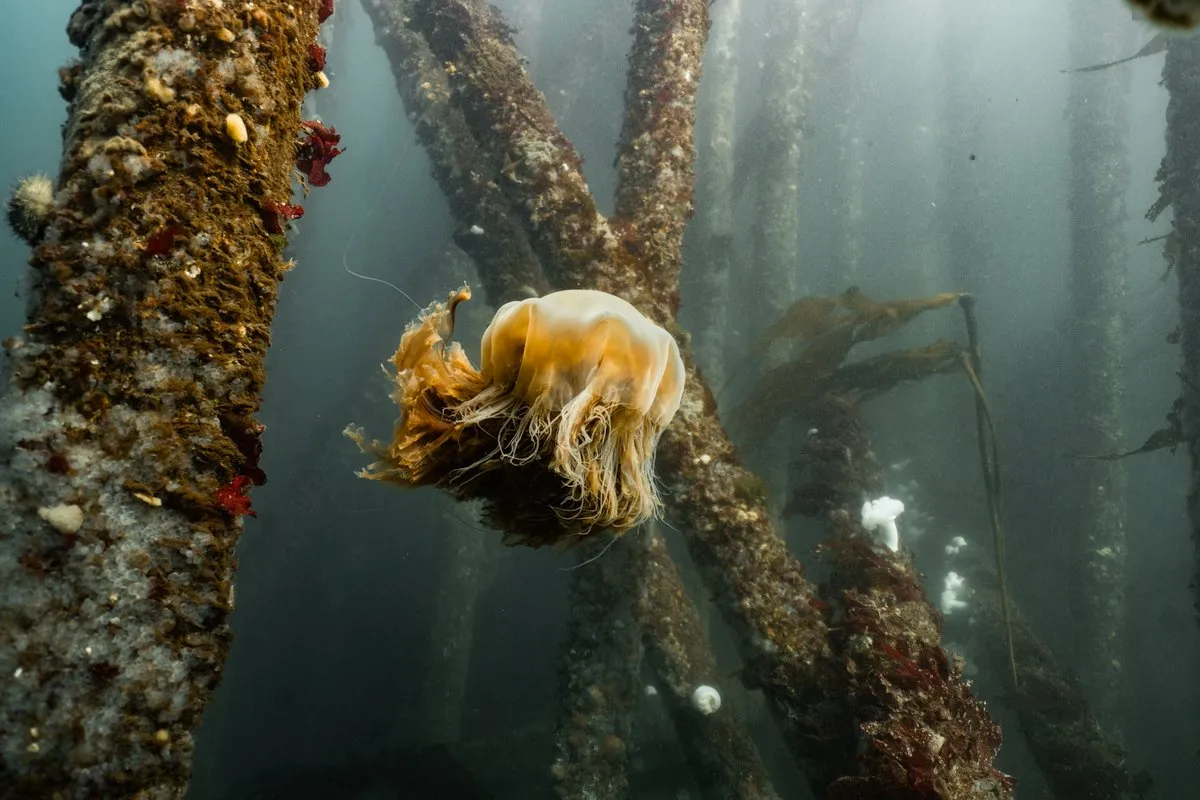
Cold-water diving is a genuine niche here, not an afterthought: British Columbia ranks among the world's best cold-water dive destinations, with visibility of 21-30 meters between October and April and standout sites like Browning Wall and God's Pocket near Port Hardy, plus wreck dives like the HMCS Annapolis. The Bay of Fundy adds a different draw, diving amid the world's highest tides with more than a dozen whale species passing through. Diving sits well behind Canada's terrestrial and above-water wildlife encounters as the country's primary draw — a specialist add-on for divers already in the region.
for the impact solutionist or team
let's make your work more discoverable
do you have something that is or will change the world for the better?
learn morefor the conscious traveler
let's show you where we've been
are you interested in being a mindful explorer?
see where to go