Asia
Cambodia
Cambodia is a country of contrasts, where dense jungles and rice plains meet coral-rich coastlines and mangrove thickets. Its wild heart is often overlooked, yet the biodiversity is staggering—elephants roam in protected sanctuaries, endangered birds stalk wetlands, and the rare Irrawaddy dolphin still surfaces in its rivers. At the same time, conservation here is complex, tangled in issues of development, poverty, and politics. Cambodia offers both staggering beauty and the sobering realities of what it takes to protect it.
seasons
Cambodia runs on two monsoon-driven seasons: a dry season from roughly November through April, and a wet season from May through October when rain falls most afternoons. December and January are coolest and driest, while March and April get brutally hot, often exceeding 40°C. The wet season turns the countryside lush green and floods Tonle Sap's forests, but travel logistics get harder with muddy roads and sudden downpours.
best time to visit
Skip December-February peak season and go in the shoulder months of October-November or February-March instead. Angkor Wat shoulder-season visits cut crowds noticeably compared to peak, and hotel rates drop with them, while the temples and Tonle Sap floating villages are still accessible without the Christmas-New Year crush. October in particular catches the tail end of the rains with green landscapes and thinner crowds before high season kicks in.
why people go
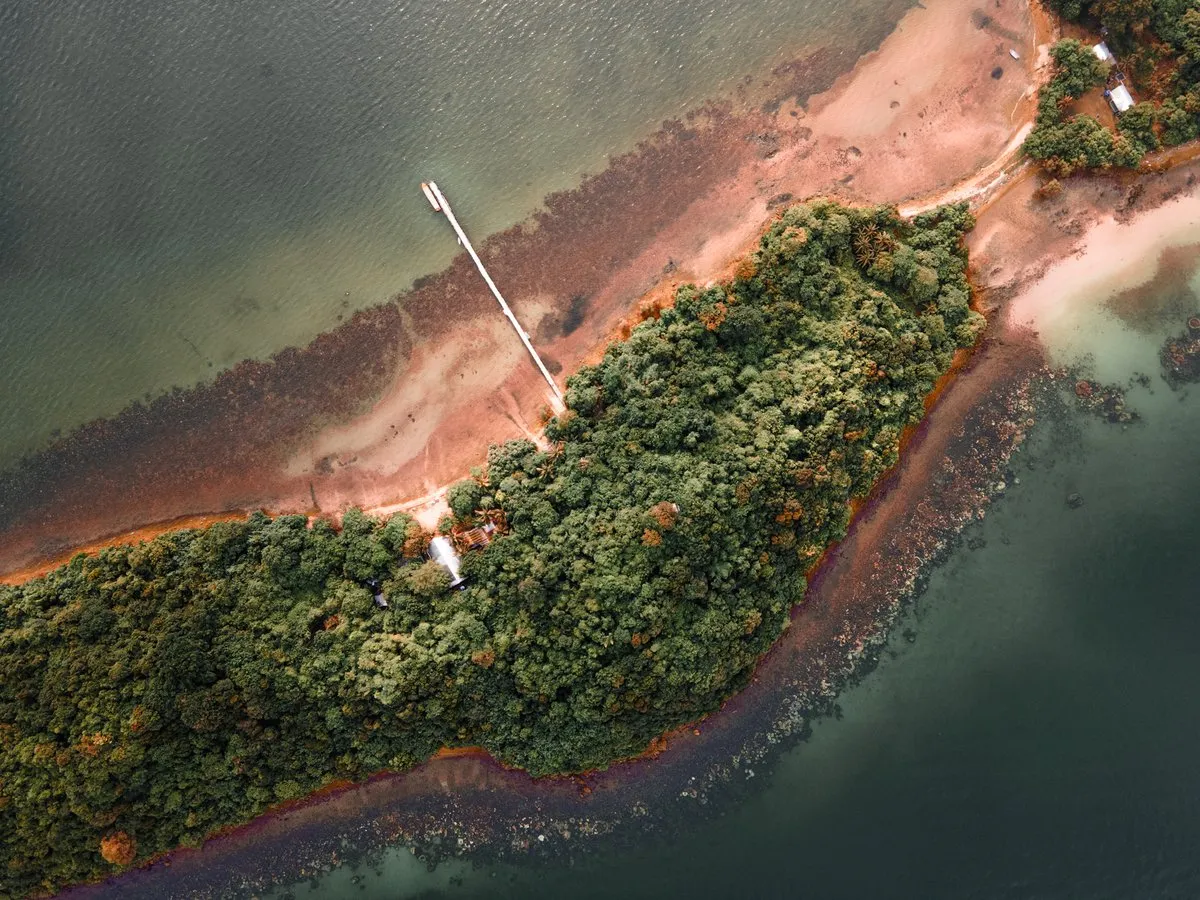
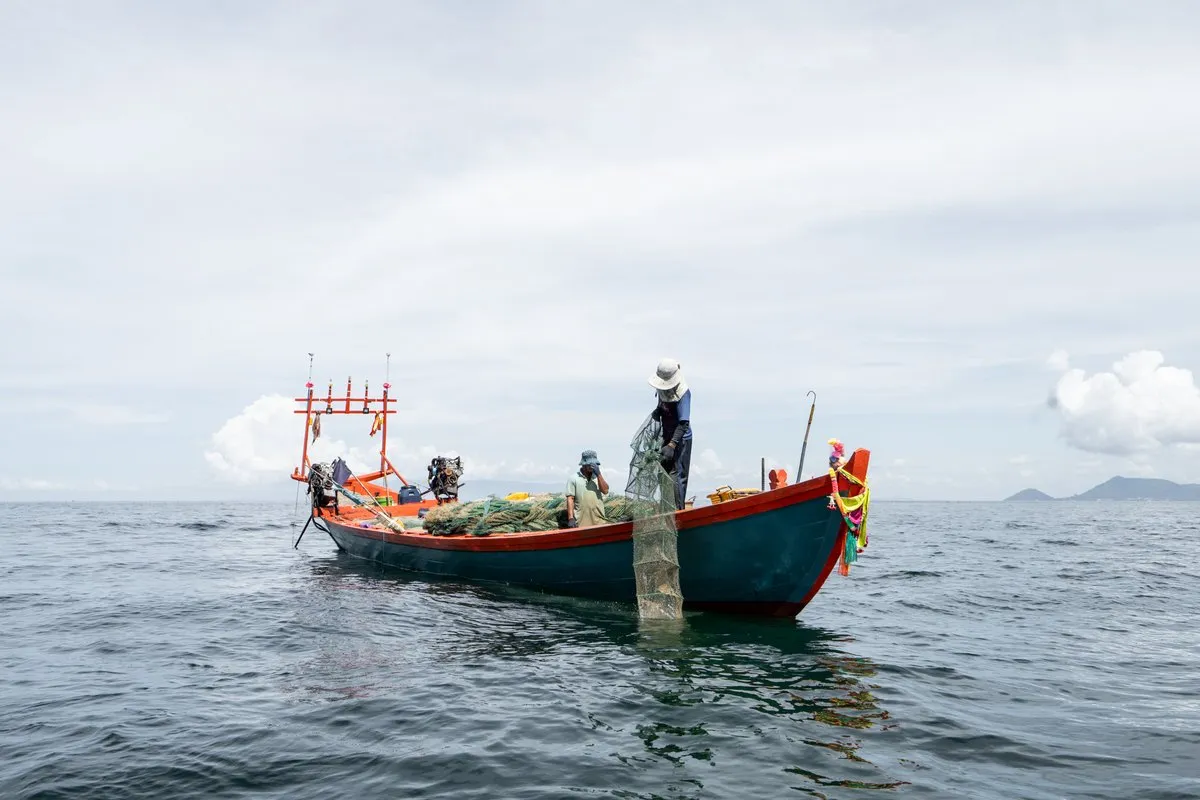
Angkor Archaeological Park is the headline draw: hundreds of Khmer temple ruins spread across jungle, with Angkor Wat itself the largest religious monument on earth. Beyond the temples, Cambodia has the flooded forests and stilted villages of Tonle Sap Lake, the still-wild Cardamom Mountains rainforest, and a quieter southern coastline of islands and beaches around Sihanoukville and Kep that hasn't been developed to the scale of Thailand's coast.
marquee wildlife
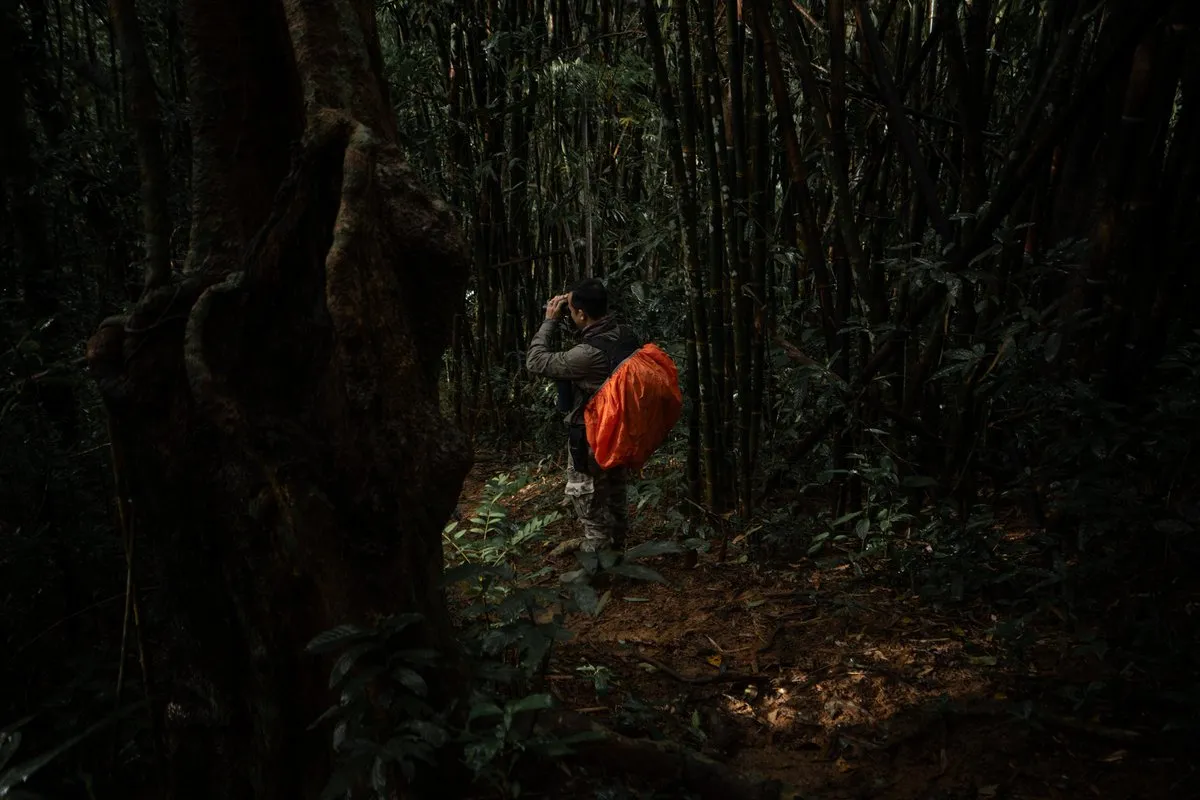
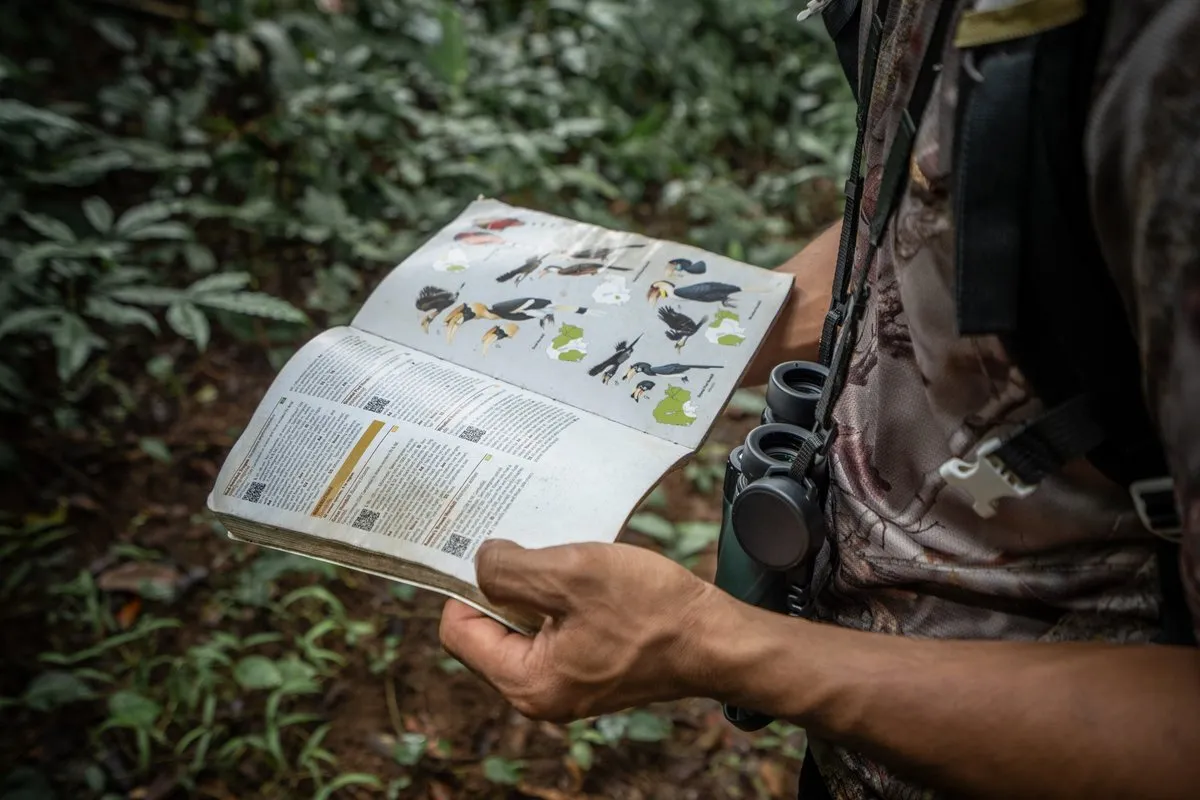
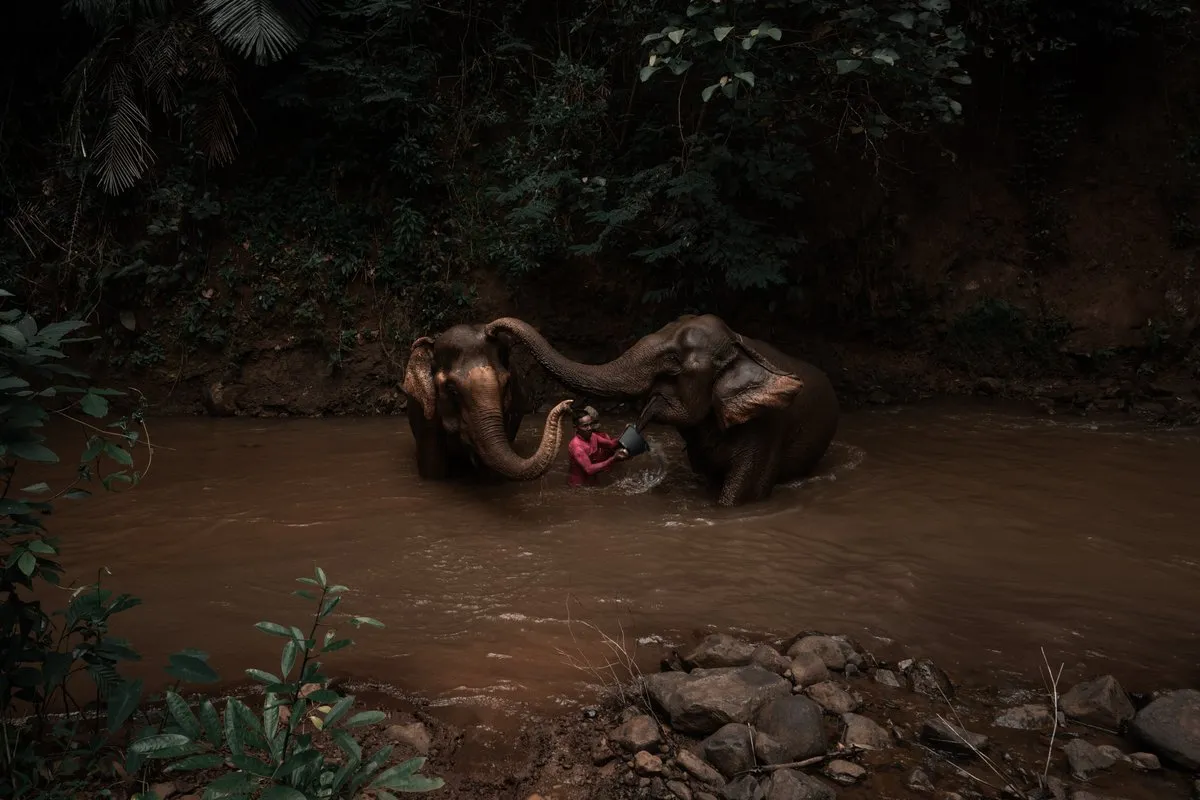
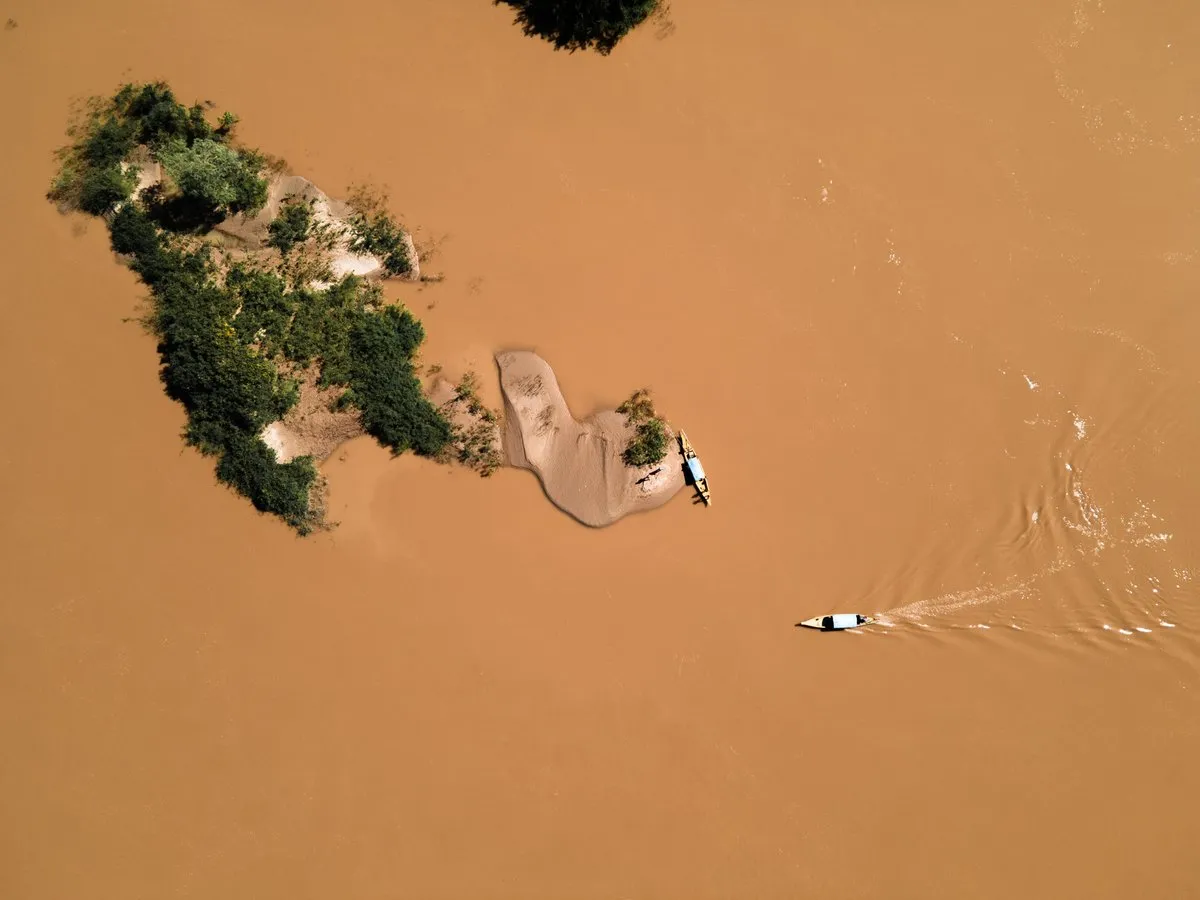
The signature species is the Irrawaddy dolphin, a critically endangered freshwater dolphin surviving in a stretch of the Mekong River near Kratie — the global population is small (under 100 individuals) but numbers have recently ticked up for the first time in two decades after conservation intervention. The Cardamom Mountains are the country's other wildlife stronghold, one of the last large intact forest blocks in the region, home to tigers, Asian elephants, sun bears, gibbons, clouded leopards, and gaur, though most are elusive and rarely seen by visitors.
food
Fish amok, a coconut-milk curry with lemongrass and kroeung spice paste steamed in banana leaf, is the national dish and the easiest entry point. Kampot, in the south, is worth targeting specifically for its green peppercorns, showcased in Kampot pepper crab. Prahok, a fermented fish paste, is the funkier backbone flavor running under most Khmer soups and stir-fries and worth understanding even if it's an acquired taste on its own.
culture & etiquette
Cover shoulders and knees at temples, remove hats at the gate, and take off shoes before entering buildings. Monks can't be touched by women — don't sit beside one on transport, and if handing a monk something, place it down for him to pick up rather than passing it directly. Don't touch anyone's head, avoid pointing the soles of your feet at Buddha images, and use the right hand for handling objects, especially at temples. The traditional greeting is the sampeah — palms pressed together, fingers up, with a slight bow.
diving
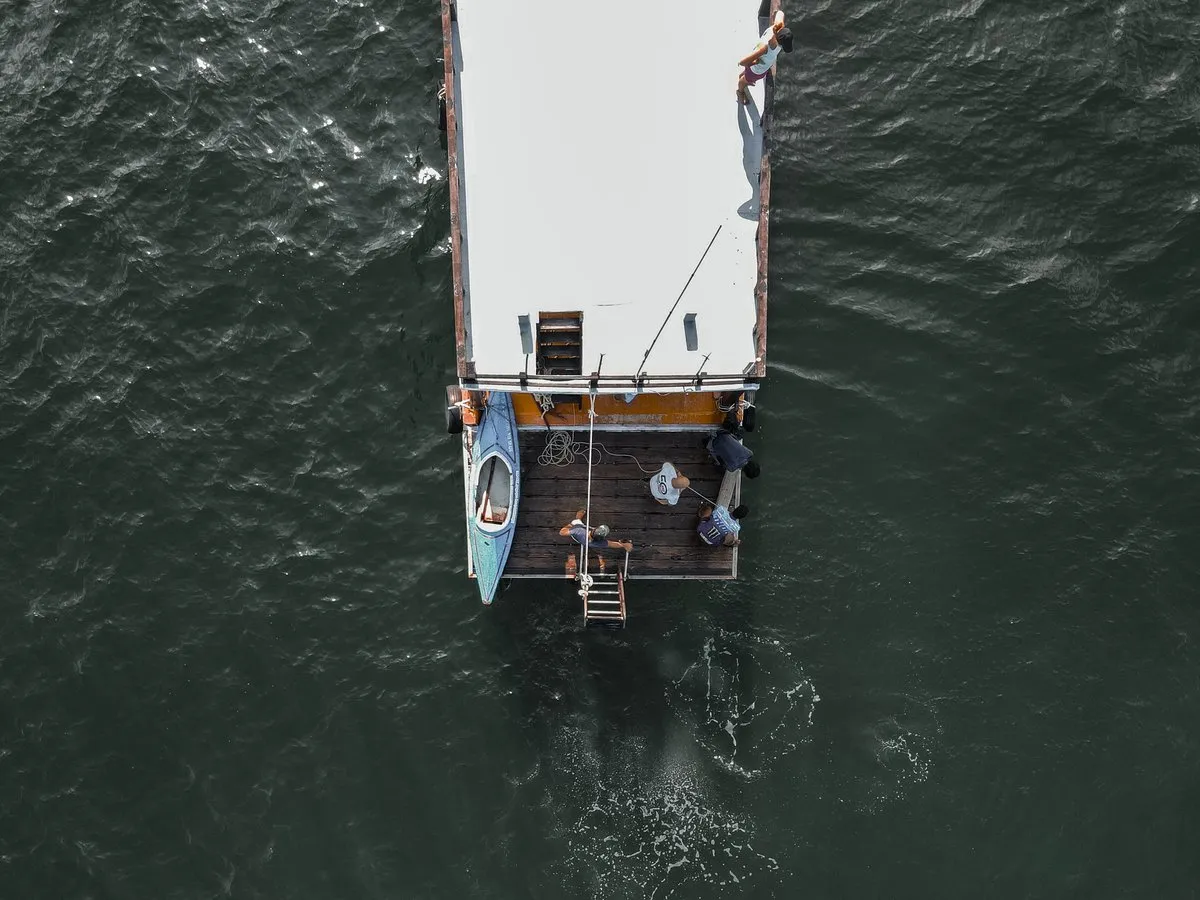
Diving centers on Koh Rong and Koh Rong Samloem off Sihanoukville, with hard coral reefs and decent biodiversity of smaller reef life like seahorses, scorpion fish, and stingrays, though typical visibility is a middling 5-6 meters unless you head further out. It's a real but minor footnote next to Cambodia's actual draws — nothing here rivals Thailand's Koh Tao or the Coral Triangle for visibility or reef health, so it reads as a decent bolt-on for divers already in the country rather than a reason to come on its own.
for the impact solutionist or team
let's make your work more discoverable
do you have something that is or will change the world for the better?
learn morefor the conscious traveler
let's show you where we've been
are you interested in being a mindful explorer?
see where to go