South America
Brazil
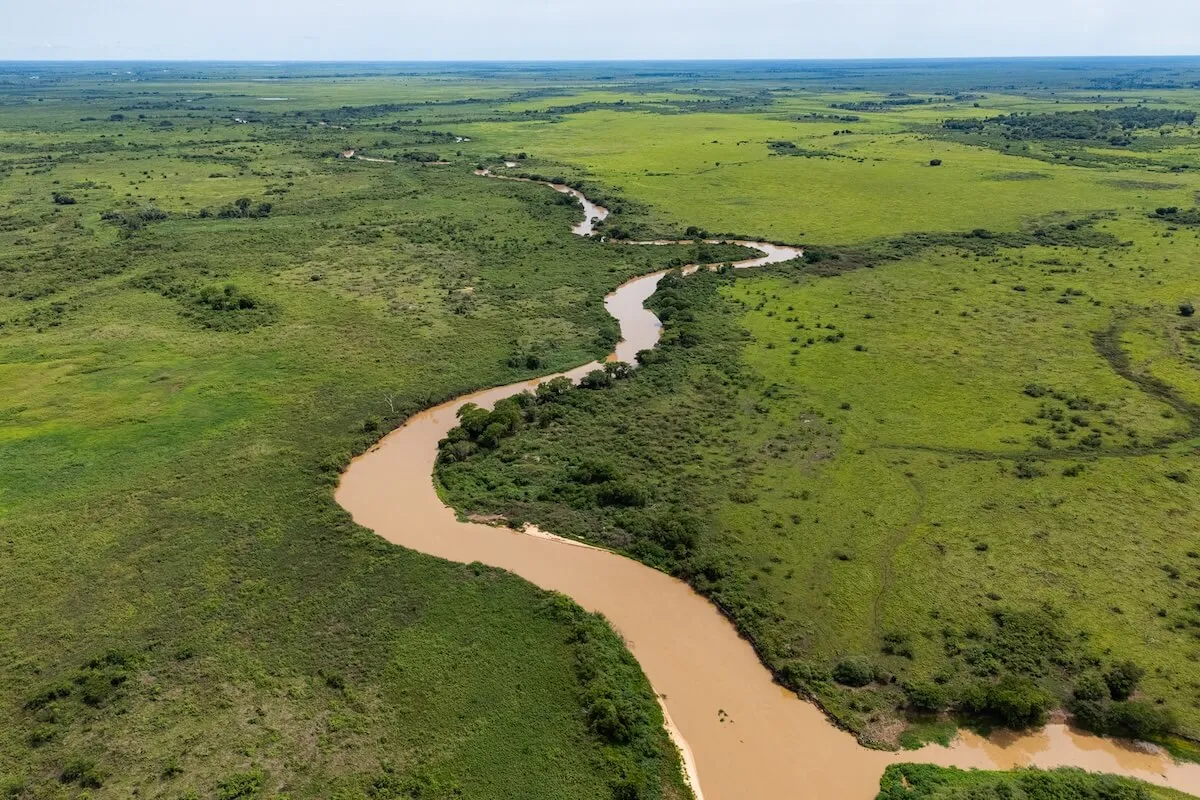
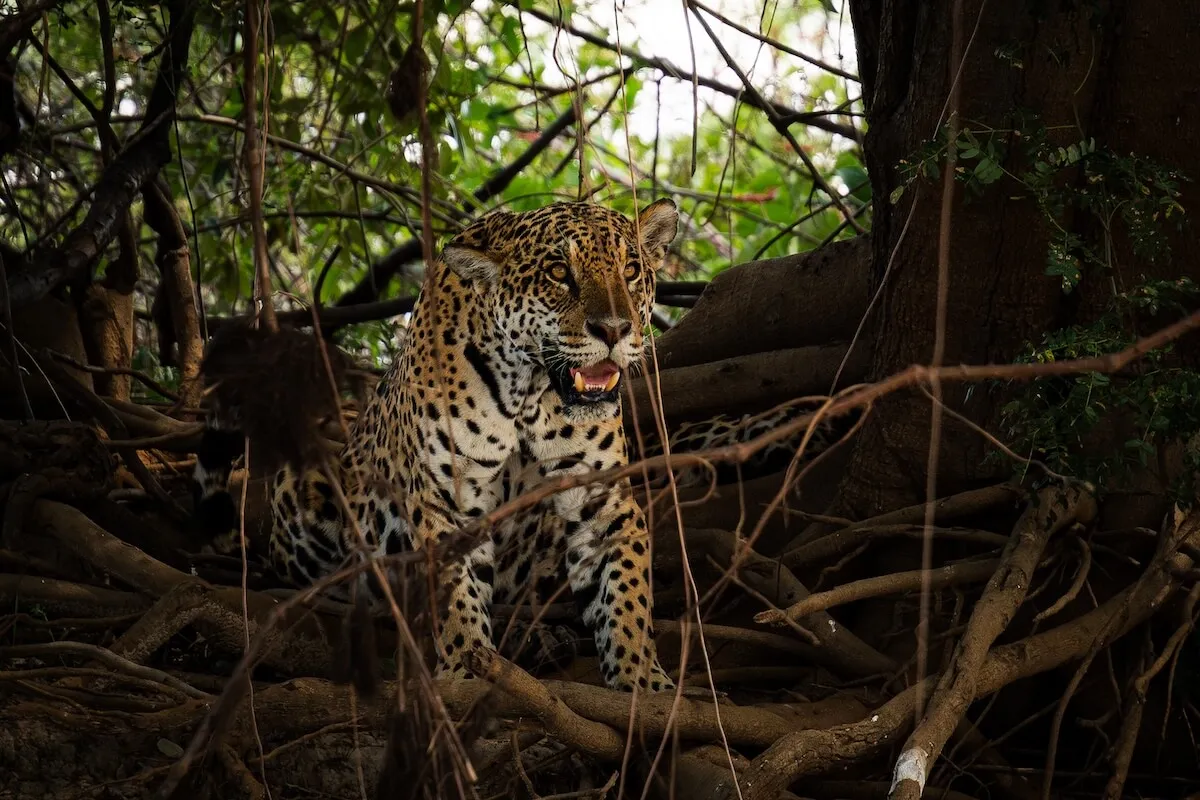
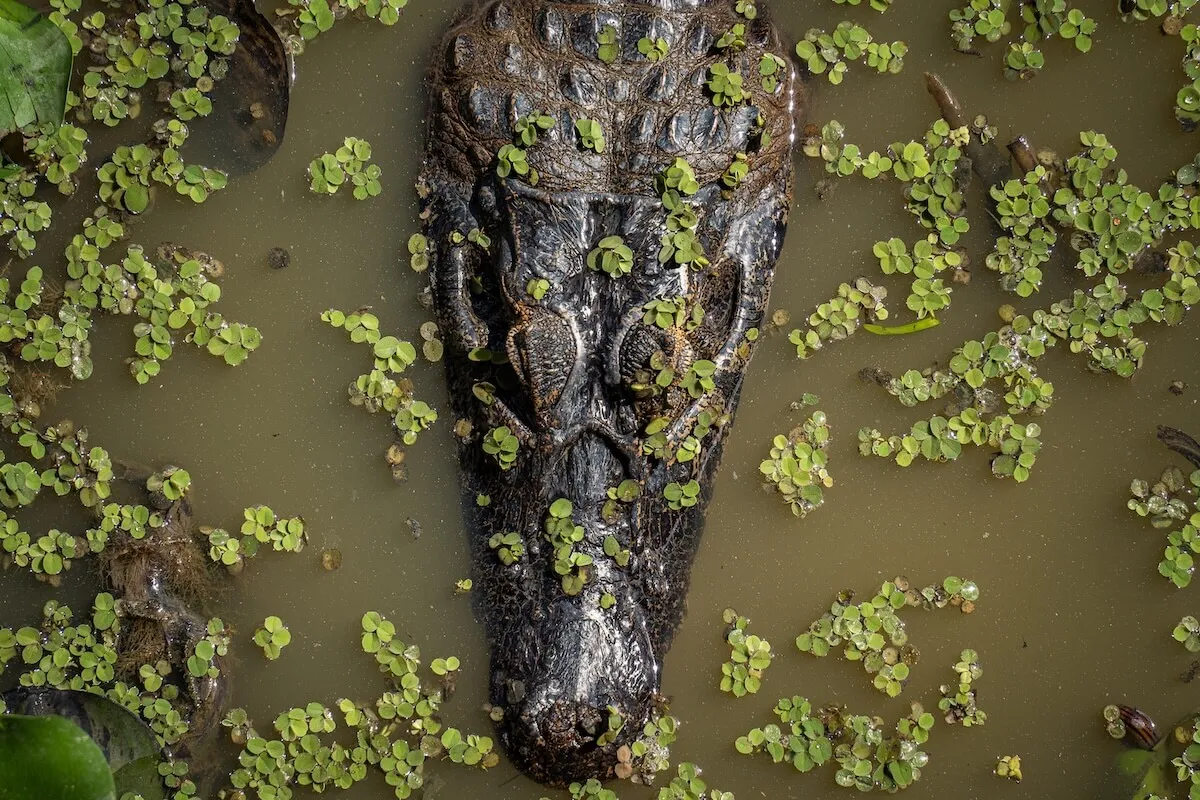
Brazil is home to some of the richest biodiversity on Earth, where rainforests, wetlands, and coastlines collide. In the Pantanal, jaguars stalk riverbanks while giant otters and caimans share the waterways. Offshore, coral reefs, dolphins, and sea turtles thrive along a coastline that stretches for thousands of miles and the surf has created some of the most elite athletes in the world. From the flooded forests of the Amazon to the Atlantic’s tropical shallows, Brazil’s wild spaces feel as untamed as they are essential.
seasons
Brazil spans equatorial, tropical, semi-arid, highland tropical, and subtropical zones, so the country doesn't run on one calendar. Broadly, summer (December-March) is hot and wet in most of the country and is also the rainy peak; winter (June-August) is cooler and drier, especially in the south. The Amazon in the north stays hot and humid with rain year-round, while the center and south (including the Pantanal) have a more distinct dry season roughly May-October.
best time to visit
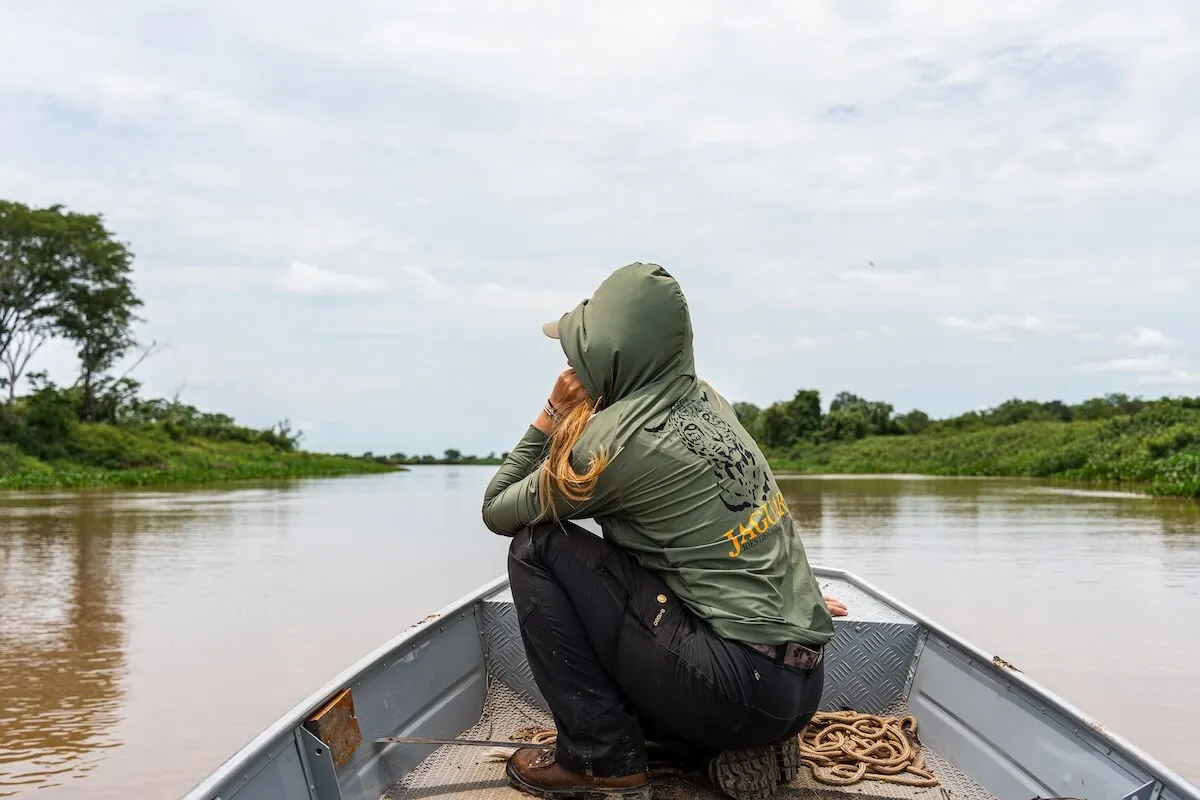
For most of the country, the shoulder months of April-May and September-November bring pleasant weather, thinner crowds, and lower prices than the December-March peak. The Pantanal is the exception worth flagging directly: its dry season, July-September, is not a compromise but the actual best window for wildlife, since low water concentrates animals along riverbanks and jaguar sightings near Porto Jofre run above 90% on multi-day trips during these months — for jaguar-focused travel, skip the shoulder-season logic and go straight into that July-September dry-season peak.
why people go
Brazil holds an outsized share of the planet's biodiversity and landscape variety in one country: the Amazon basin, the Pantanal wetlands (the world's largest tropical wetland), Iguazu Falls, long Atlantic coastline, and the granite peaks around Rio. It's less a single destination than a set of distinct ecosystems and cultures loosely stitched together by geography.
marquee wildlife
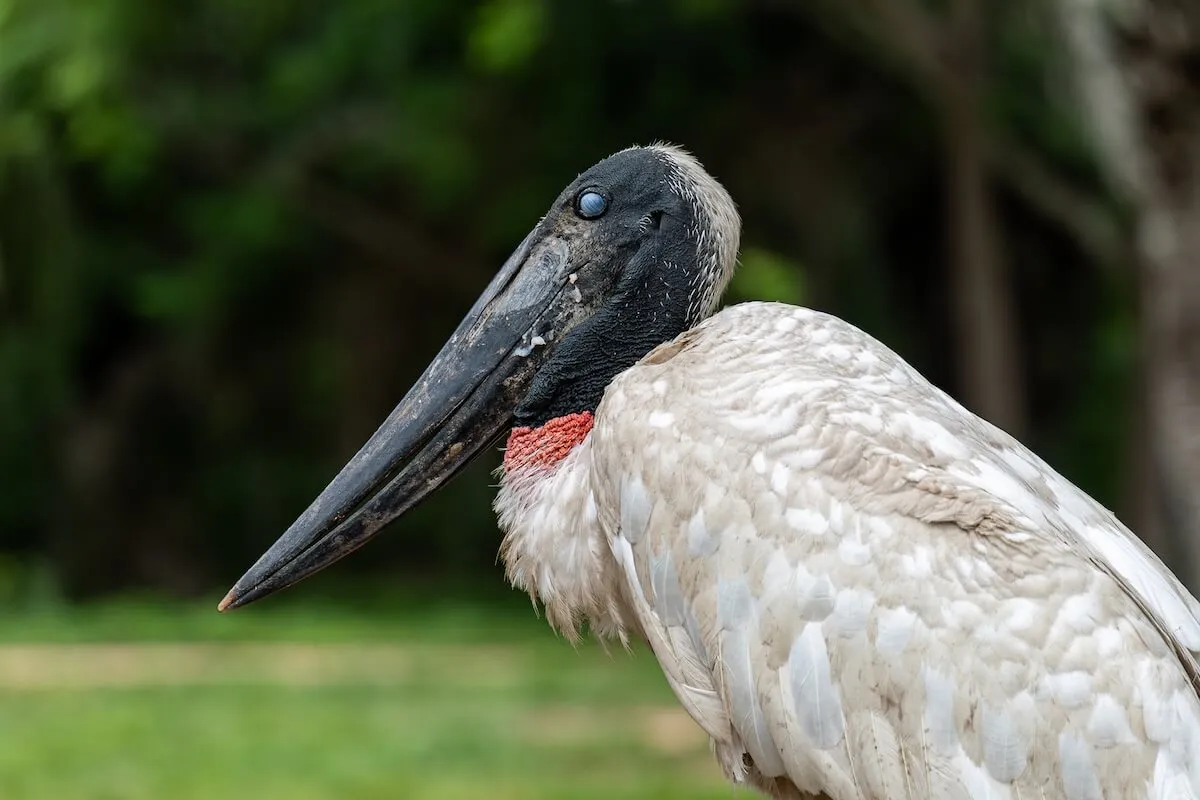
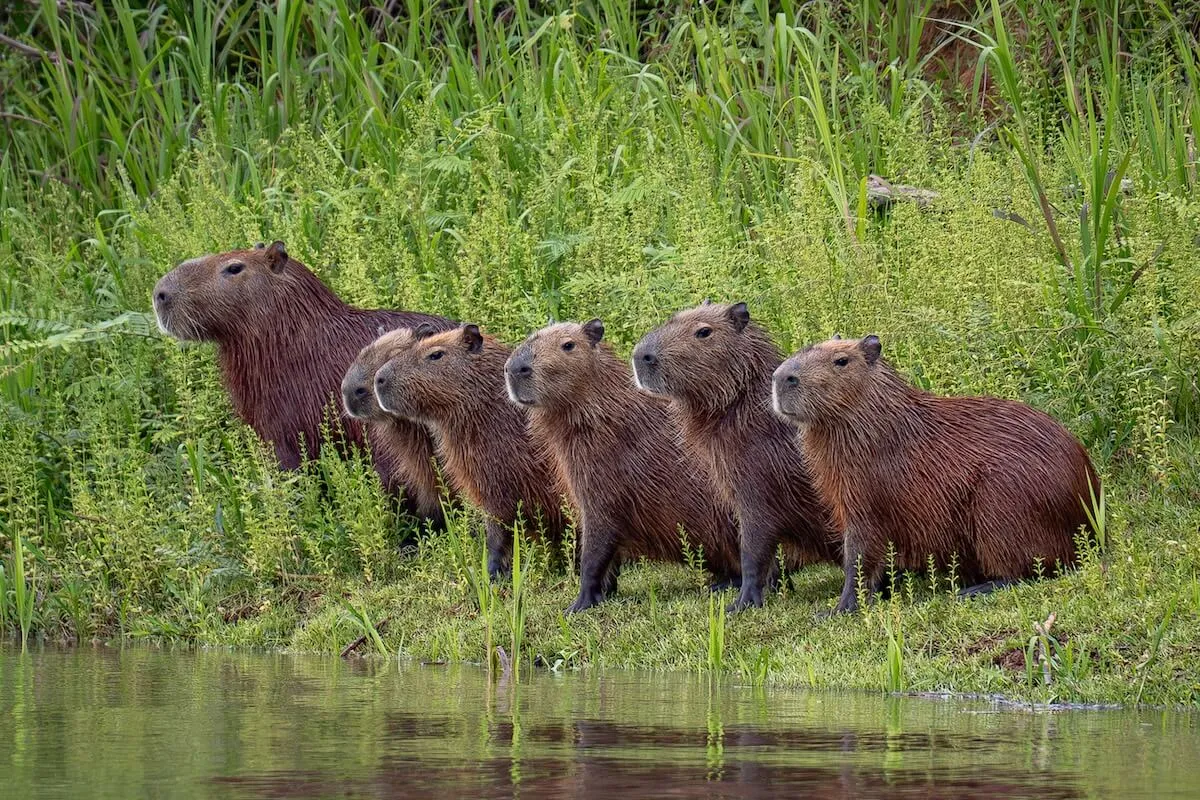
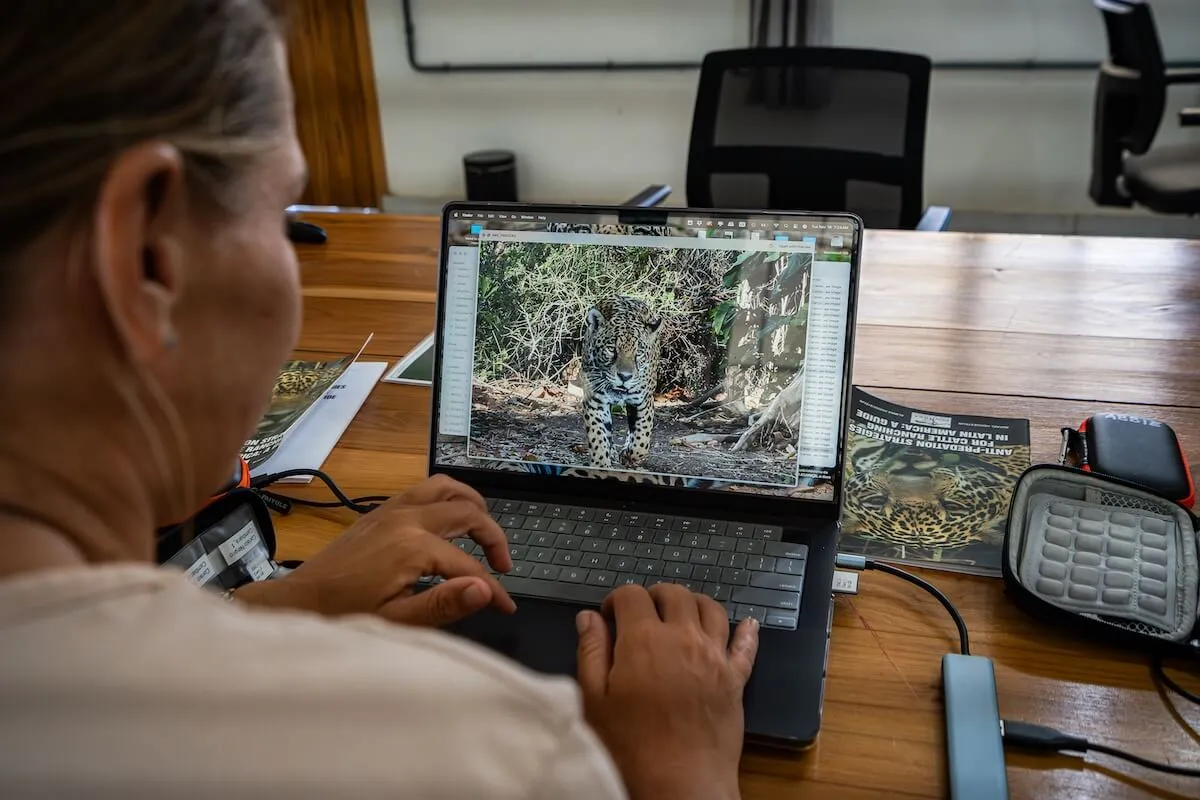
The Pantanal is the most reliable place on Earth to see wild jaguars, thanks to open sightlines and boat-based tracking along rivers where the cats hunt caiman. The Amazon holds the largest jaguar population overall plus species like the hyacinth macaw (the world's largest parrot), giant otters, capybaras, and pink river dolphins, though dense forest cover makes sightings there far less predictable than in the open Pantanal. Illegal wildlife trade and habitat loss remain active threats, which is part of why Brazil has built out more than 2,500 protected conservation units covering about 18% of its territory.
food
Feijoada, a black bean and pork stew, is the closest thing to a national dish, but regional cooking is where Brazil actually distinguishes itself. The Northeast, centered on Bahia, runs on dendê (palm oil) and coconut milk: moqueca is a seafood stew built on both, and acarajé, black-eyed pea fritters split and stuffed with shrimp and vatapá, is Bahian street food recognized as national cultural heritage. The North leans on Amazonian ingredients like açaí, cupuaçu, and freshwater fish, while the South, shaped by European immigration, is churrasco (barbecue) country.
culture & etiquette
Greetings run warm: a firm handshake, or cheek kisses between women or with a woman, and skipping small talk to get straight to business reads as rude. Use surnames with a title (Senhor/Senhora) until invited to switch to first names, and don't expect punctuality at social events, though tours and business meetings should be treated as fixed-time. Dress is casual and beach-appropriate at the beach, but cover up in churches and other public spaces away from the sand.
diving
Fernando de Noronha, a UNESCO World Heritage archipelago off the northeast coast, is Brazil's clear diving standout: visibility runs 30-50m and peaks in September-October, with reliable year-round sightings of turtles and nurse sharks plus reef fish, rays, dolphins, and a notable wreck dive at the Corveta Ipiranga. Daily visitor numbers are capped at under 500 people (divers, beachgoers, and birders combined), which keeps the reefs in good shape but means permits and access need planning ahead. It's a genuinely world-class dive destination, but a secondary draw against Brazil's headline appeal, which remains land-based wildlife (the Pantanal's jaguars, the Amazon) rather than its reefs.
for the impact solutionist or team
let's make your work more discoverable
do you have something that is or will change the world for the better?
learn morefor the conscious traveler
let's show you where we've been
are you interested in being a mindful explorer?
see where to go