Central America
Belize
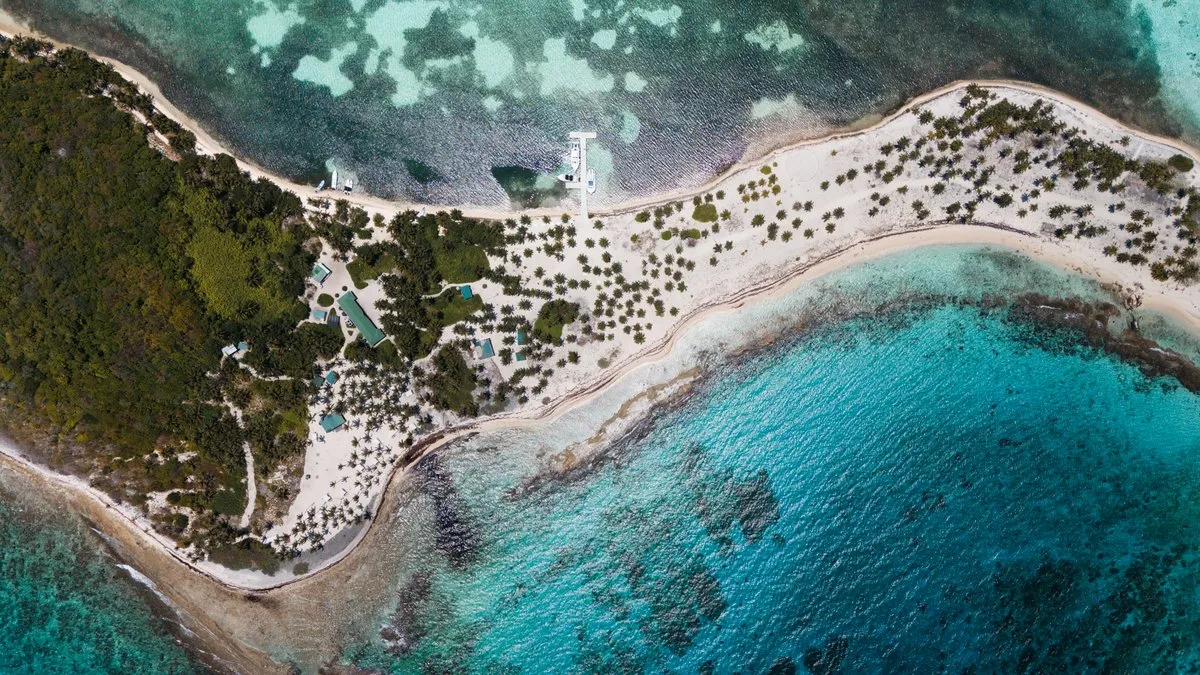
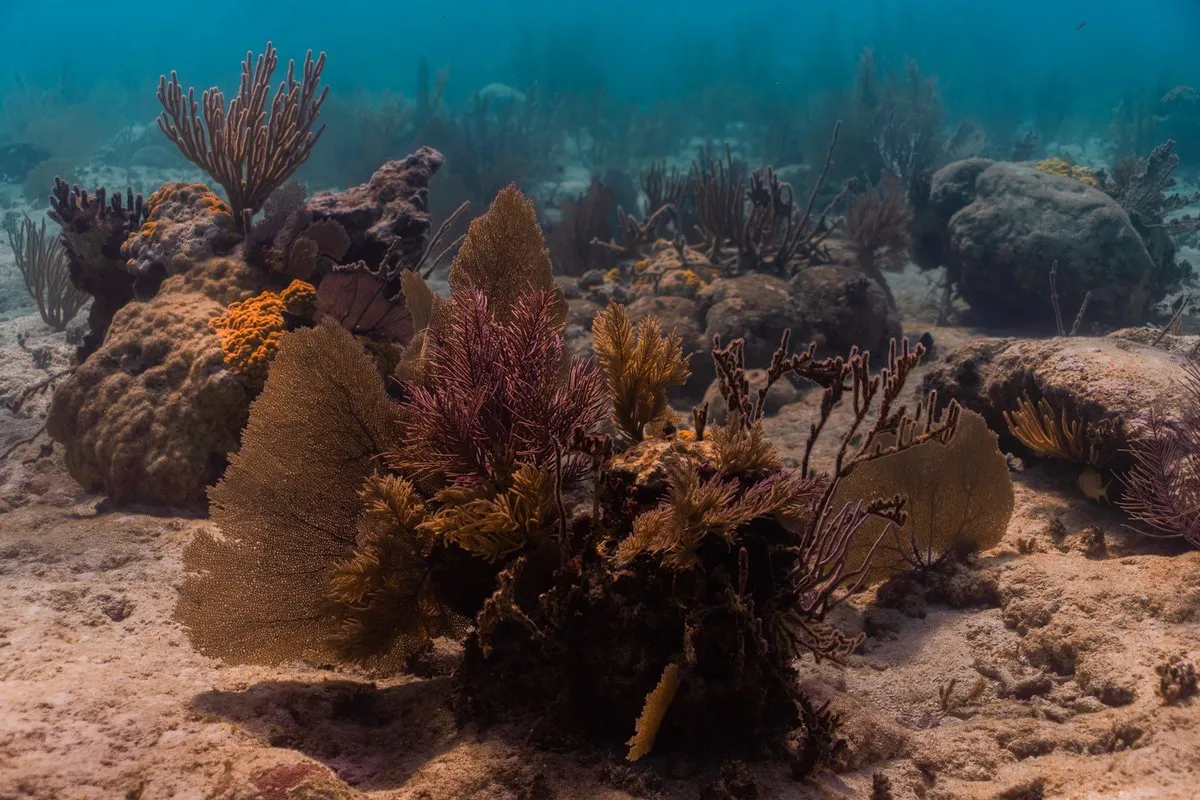
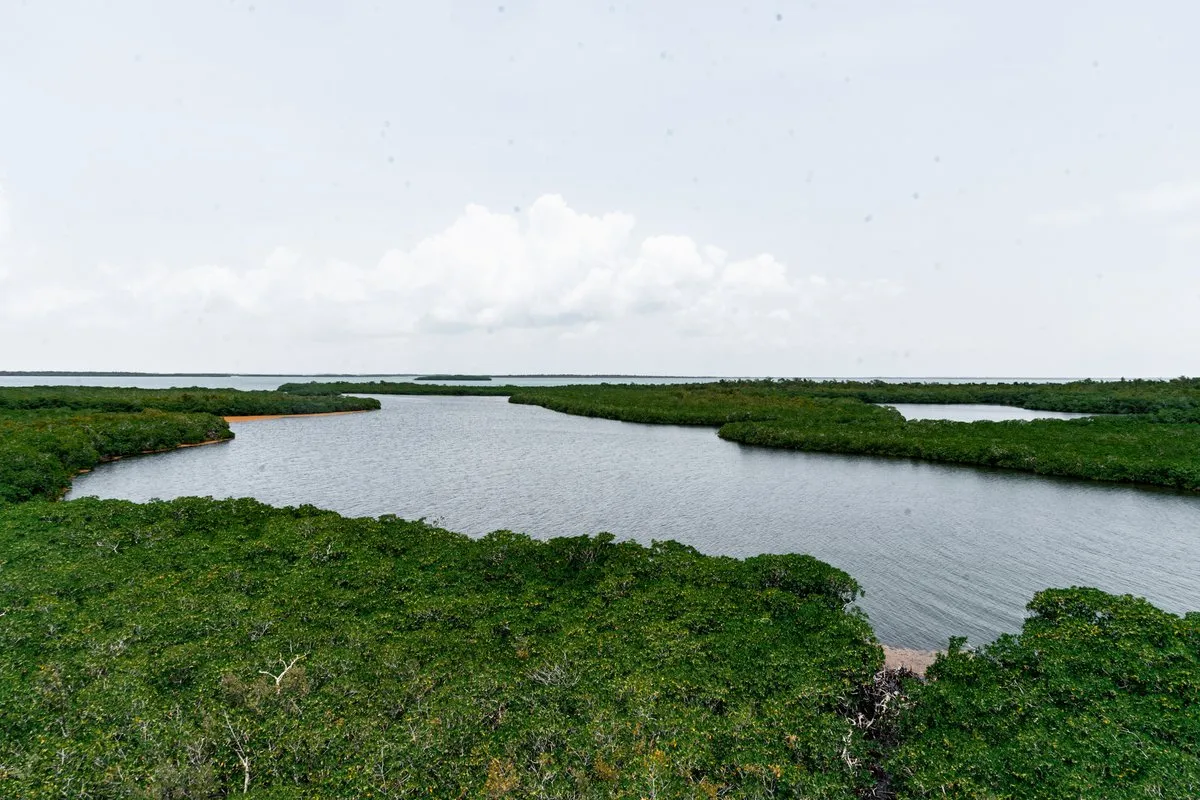
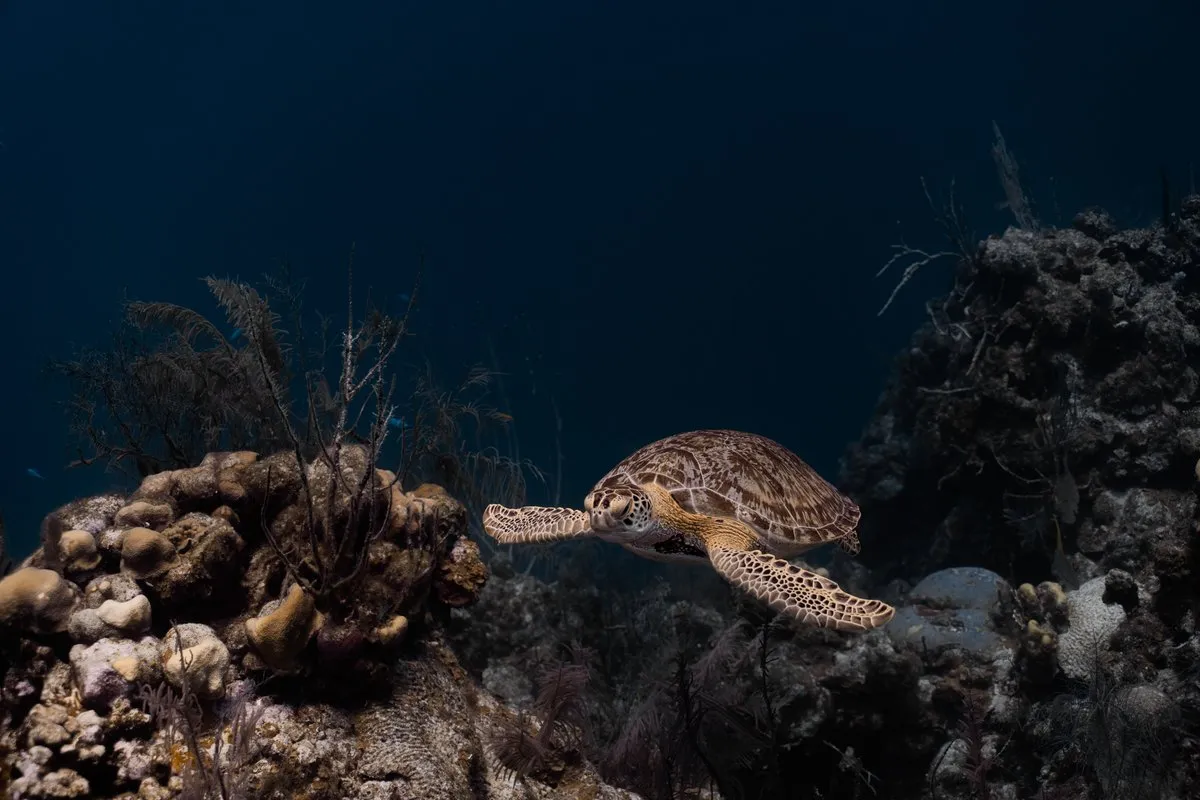
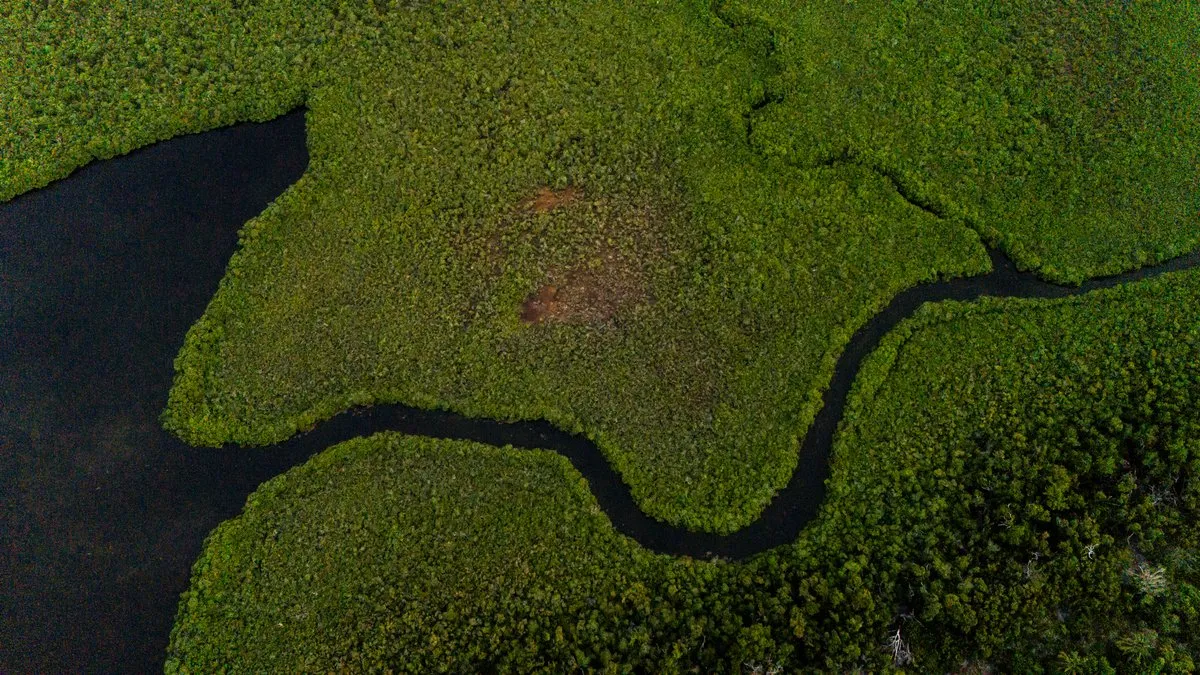
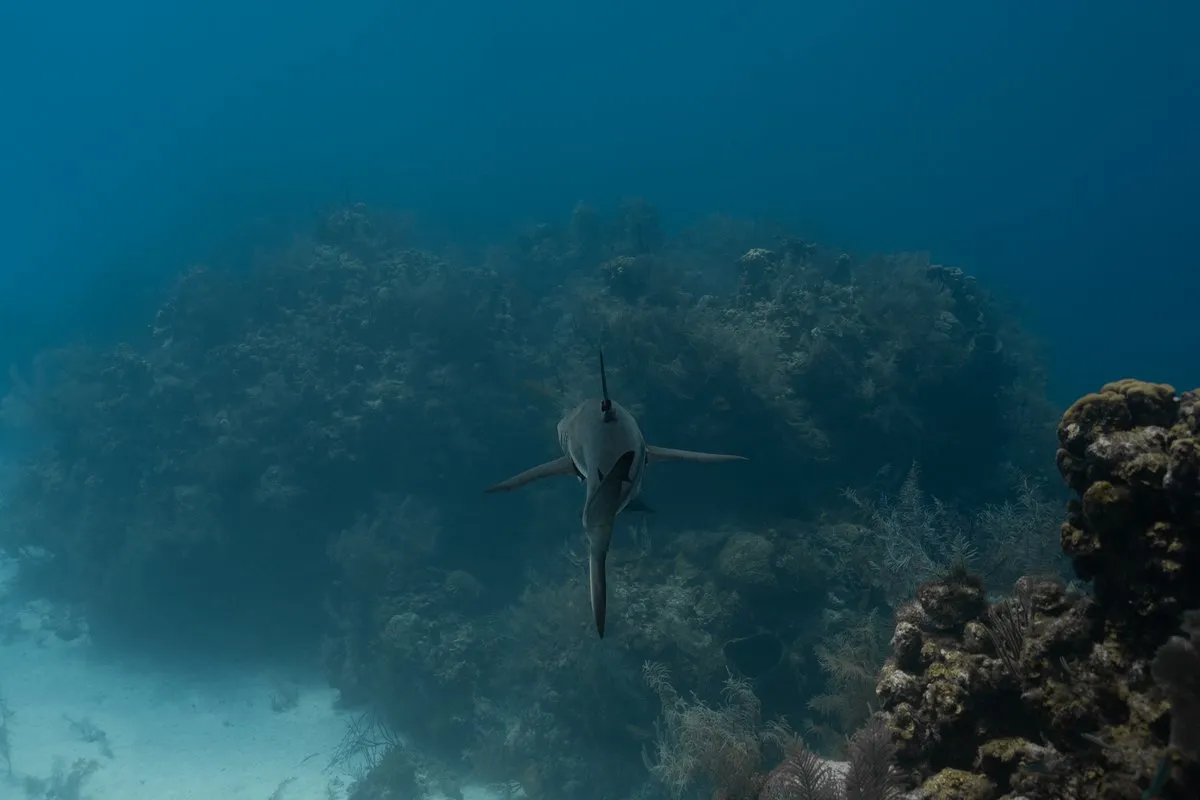
Belize is more than the Blue Hole. Along its coast, the world’s second-largest barrier reef stretches for hundreds of miles, alive with whale sharks, sea turtles, and bright schools of reef fish. Mangroves and atolls add layers of habitat, while Garifuna and Creole communities live alongside these ecosystems, shaping a culture that is deeply tied to land and sea. Few places balance conservation and access as seamlessly as Belize.
seasons
Belize runs a subtropical climate with a dry season from roughly late February through May and a wet season from June through November, itself broken by a short dry spell in late July and August locals call the 'mauger.' Rainfall varies sharply by region, from about 50 inches in the north near Corozal to over 175 inches in the south around Punta Gorda. December through February brings cooler, breezier days.
best time to visit
Skip peak dry season (mid-December through March), when flight and lodging prices peak and popular reef sites see the most boat traffic. Travel instead in the last two weeks of May or the last two weeks of November, the true shoulder windows, which offer mostly dry skies, noticeably lower rates on stays and dive trips, and far fewer boats and divers at sites like the Great Blue Hole and Lighthouse Reef. Hurricane risk runs July through November, so November's shoulder window sits just past the highest-risk weeks while still avoiding peak crowds.
why people go
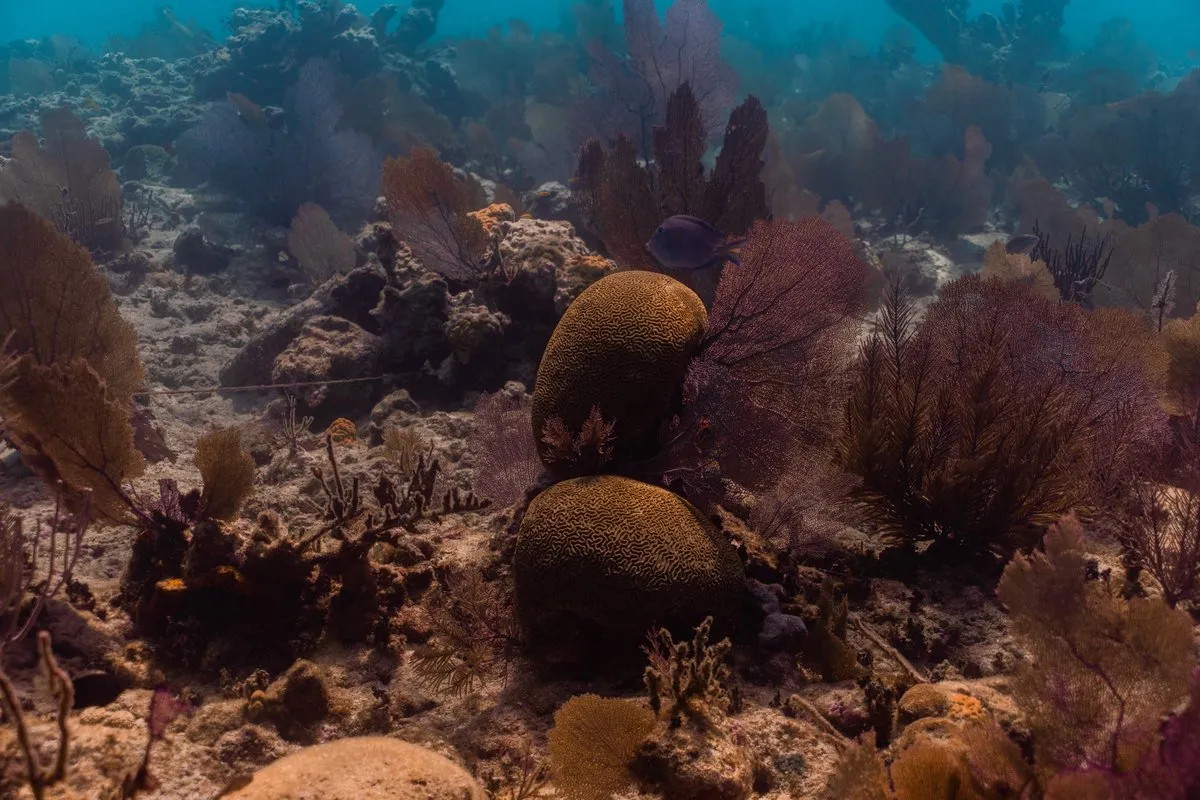
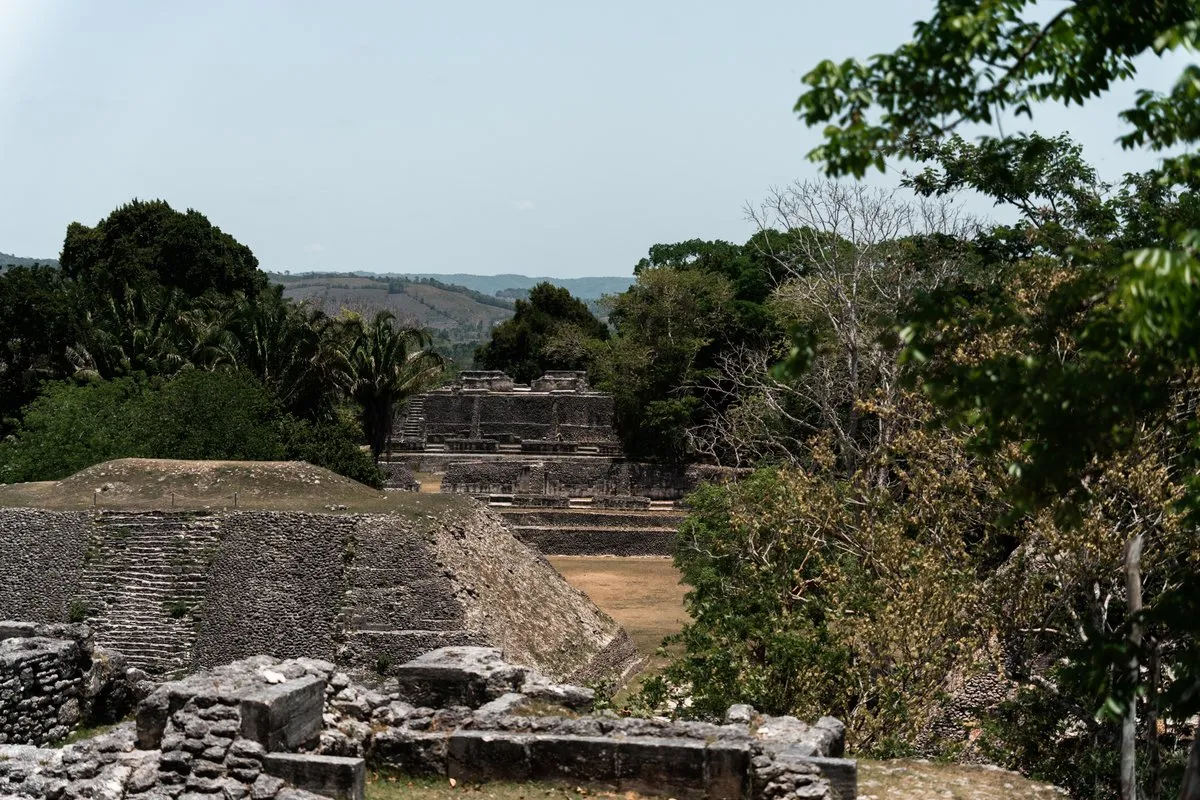
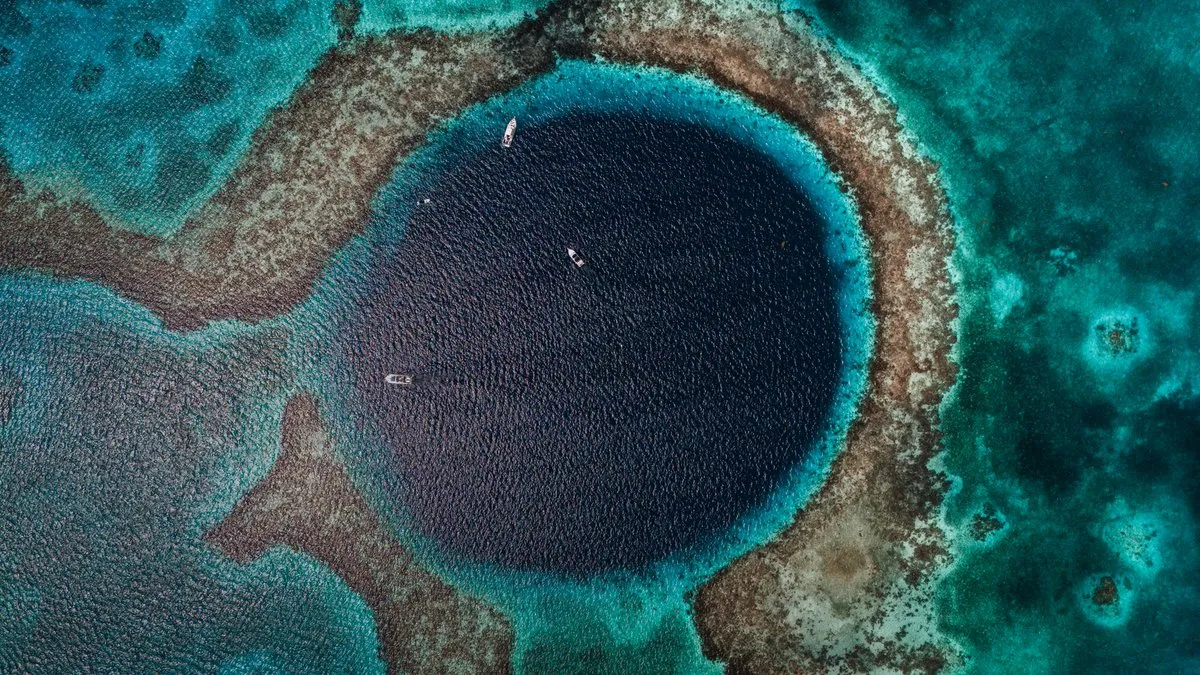
Belize packs barrier reef, cayes, rainforest, and Maya ruins into a small footprint: the Belize Barrier Reef is part of the Mesoamerican Reef System, the second-longest barrier reef on the planet after Australia's. Inland, ruins like Caracol and Xunantunich sit inside dense jungle, and the ATM cave system offers a wade-through archaeological site with Maya artifacts left in place. The Great Blue Hole, a nearly perfect circular sinkhole roughly 318 meters across and 124 meters deep, was rated by Jacques Cousteau as one of the top diving sites on Earth.
marquee wildlife
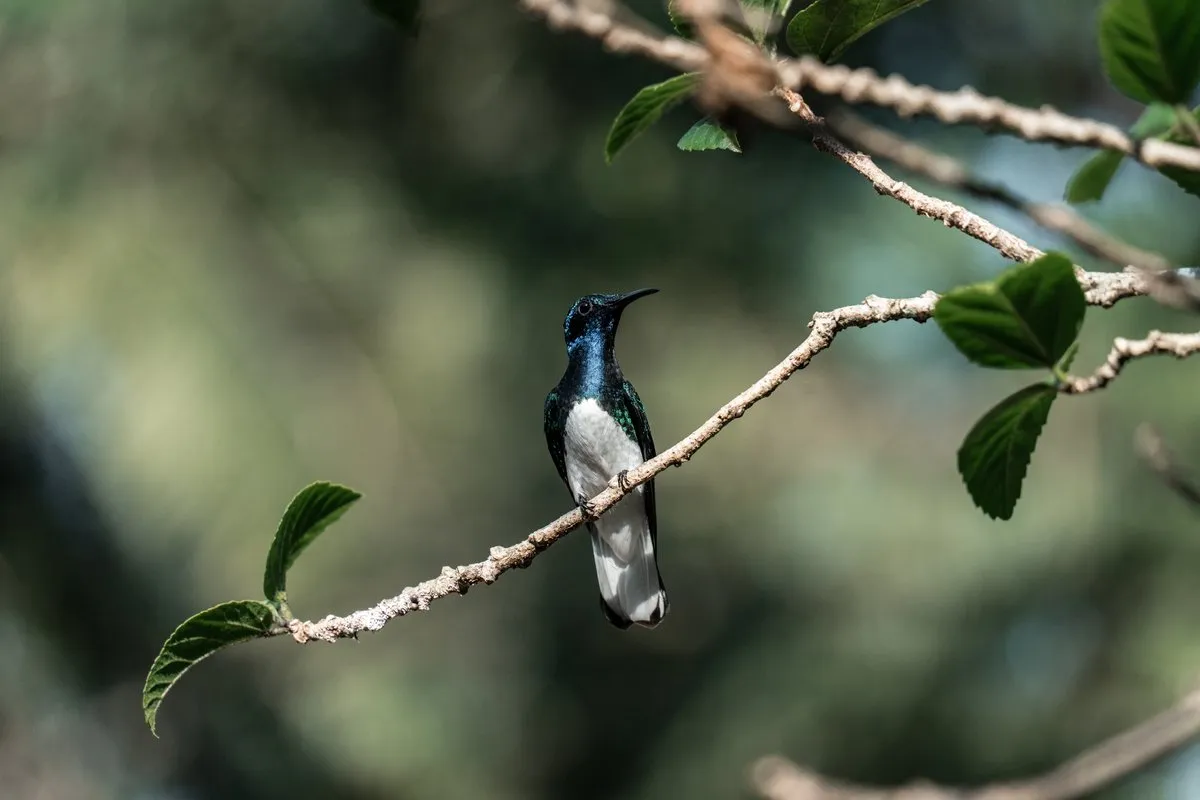
Belize is home to Cockscomb Basin Wildlife Sanctuary, the world's first protected jaguar reserve, giving it one of the healthiest jaguar populations left in Central America. Its mangroves, seagrass beds, and coastal lagoons support the world's largest population of Antillean manatees, protected at Swallow Caye Wildlife Sanctuary. Gladden Spit hosts a predictable seasonal whale shark aggregation tied to spawning events, one of the premier whale shark sites in the Caribbean. The Maya Forest, spanning Belize, Guatemala, and Mexico, is the largest contiguous tropical forest block in Central America, also supporting tapirs and spider monkeys.
food
Rice and beans cooked in coconut milk is the national dish, typically served with stewed chicken, potato salad or coleslaw, and fried plantain. Fry jacks, puffed fried dough eaten with beans, eggs, or jam, are the standard breakfast. In Garifuna communities like Dangriga and Hopkins, look for hudut, a coconut fish soup served over mashed plantains, along with darasa and cassava bread made from ereba.
culture & etiquette
English is official, but Belize Creole (Kriol), Garifuna, Spanish, and Mayan languages are all in everyday use. Greetings matter and Belize runs on 'Belize time,' where schedules are approximate. Always ask before photographing people, private homes, or rituals, particularly in Maya communities in the Toledo District. Garifuna drumming and dance encountered in a community setting is a living cultural practice, not staged entertainment, and modest dress is expected at Maya ruin sites and churches.
diving
The core diving and snorkeling grounds are the Belize Barrier Reef itself and the offshore atolls, especially Lighthouse Reef, home to the Great Blue Hole. The reef's geography concentrates marine life into a range of dive profiles, from shallow patch reefs for beginners to dramatic walls and channels for experienced divers. The Great Blue Hole formed as a limestone cave system during past ice ages before collapsing and flooding, so diving it feels closer to cave diving, with visibility often exceeding 100 feet. Gladden Spit adds a seasonal whale shark draw, and Belize's status as the second-longest barrier reef system, paired with straightforward access, makes it one of the more attainable world-class dive destinations.
for the impact solutionist or team
let's make your work more discoverable
do you have something that is or will change the world for the better?
learn morefor the conscious traveler
let's show you where we've been
are you interested in being a mindful explorer?
see where to go