Oceania
Australia
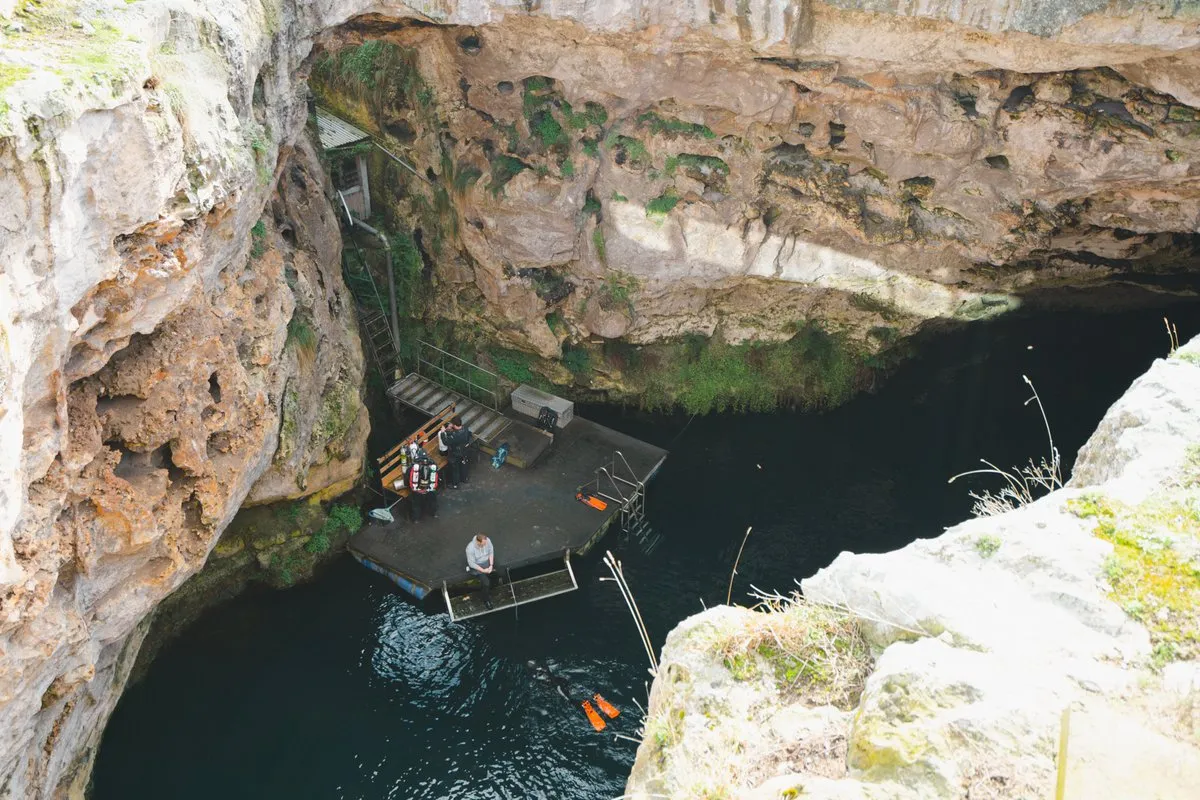
Australia features red deserts stretching to the horizon, rainforests so full of life, and two vast oceans, home to much of Earth’s most epic marine species. The Great Barrier Reef remains the world’s largest living structure, while southern waters host great white sharks, sea dragons, and giant cuttlefish. Inland, limestone sinkholes and flooded caves offer surreal freshwater diving. From kangaroos bounding across beaches to the humpback highway on the west coast, Australia is a country where land and sea could not be more wild.
seasons
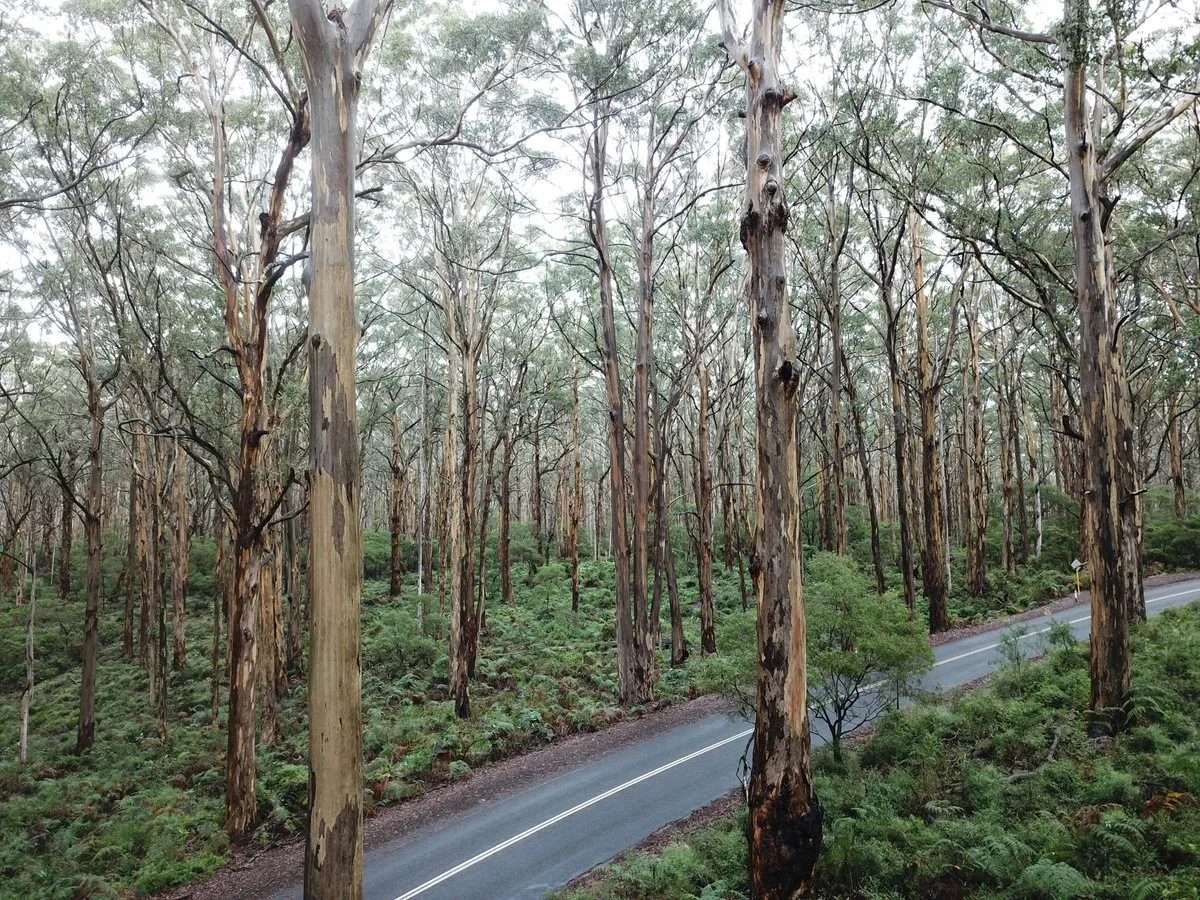
Australia sits in the southern hemisphere, so summer runs December–February and winter June–August, opposite the northern calendar. The tropical north (Cairns, Darwin, the Kimberley) runs on a wet season (roughly November–April, cyclones and monsoon rain) and dry season (May–October), while the temperate south (Melbourne, Tasmania, Adelaide) follows a conventional four-season pattern with cold, wet winters. The interior (the Outback) is arid year-round, with brutal summer heat and cool nights in winter.
best time to visit
Skip the June–August peak season and aim for the shoulder months of April–May or September–October instead. On the Great Barrier Reef this window still delivers the dry season's calm seas and 20-30m visibility without the July-August crowd surge; overtourism pressure on the reef is well documented, and shoulder-season visitation is one of the few levers travelers have to reduce per-boat and per-site load on already-stressed coral. Shoulder travel also lands accommodation and reef-tour pricing meaningfully lower than peak season.
why people go
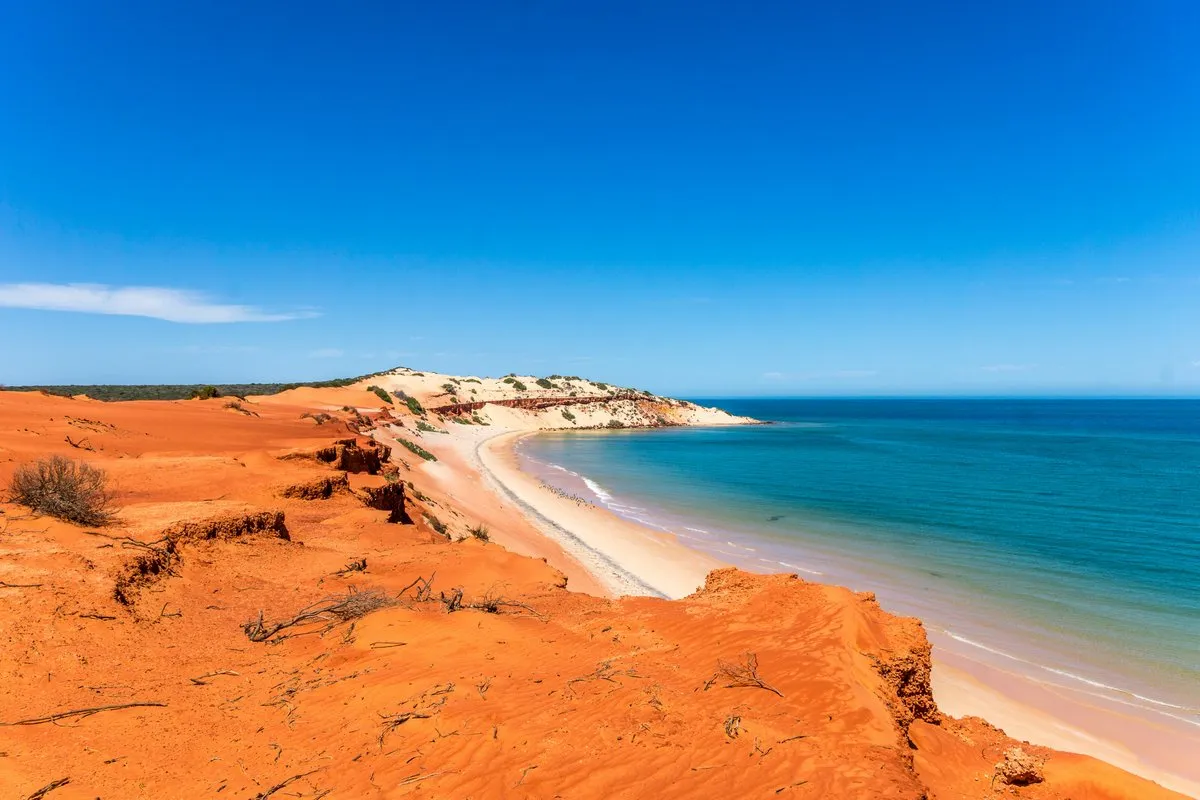
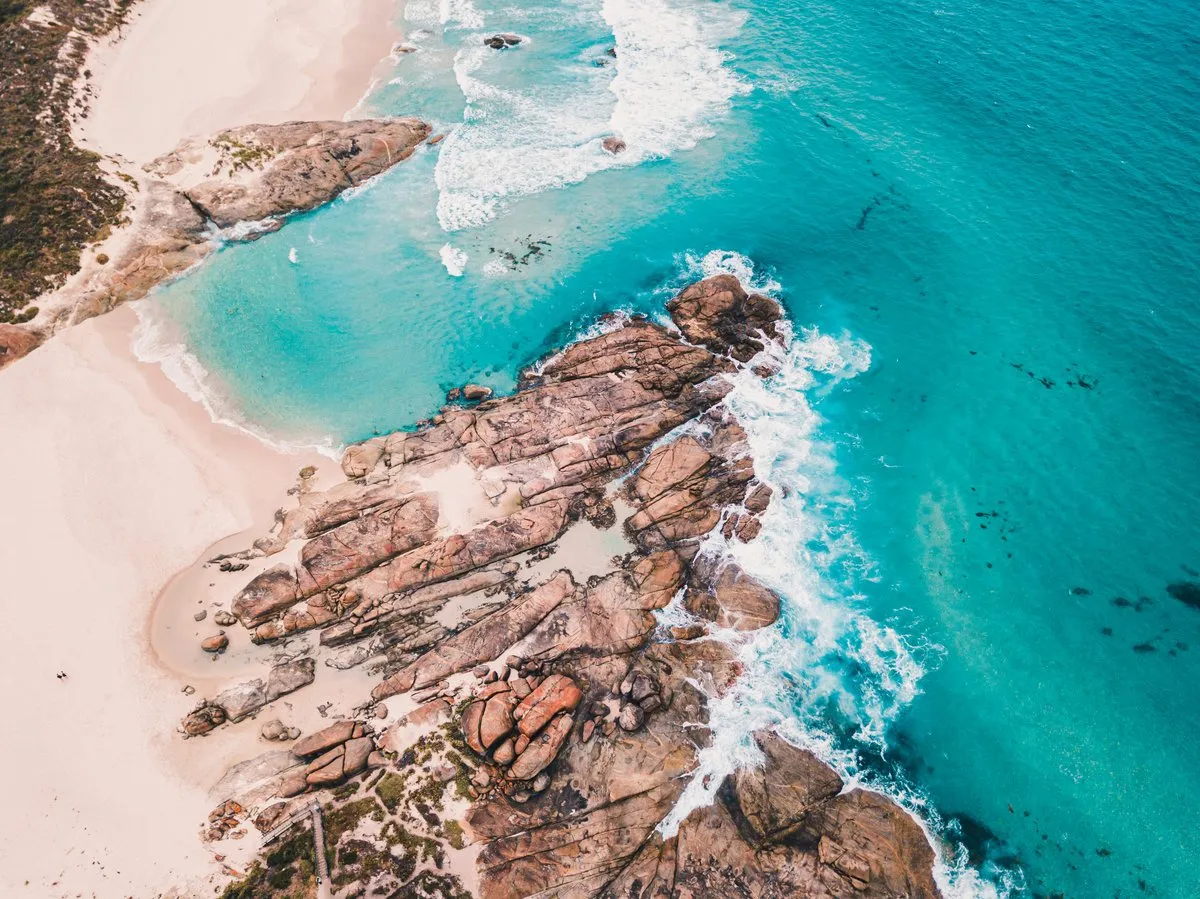
Australia's drawcards are landscapes with no real equivalent elsewhere: the red monolith of Uluru rising from the desert, the Great Barrier Reef visible from space, the sea cliffs and rainforest of Tasmania, the Twelve Apostles along the Great Ocean Road, and the ancient, ochre-toned Kimberley coastline in the far north. It's one of the few places to combine a major coral reef system, temperate wine country, alpine terrain, and outback desert within one country, though distances between them are enormous.
marquee wildlife
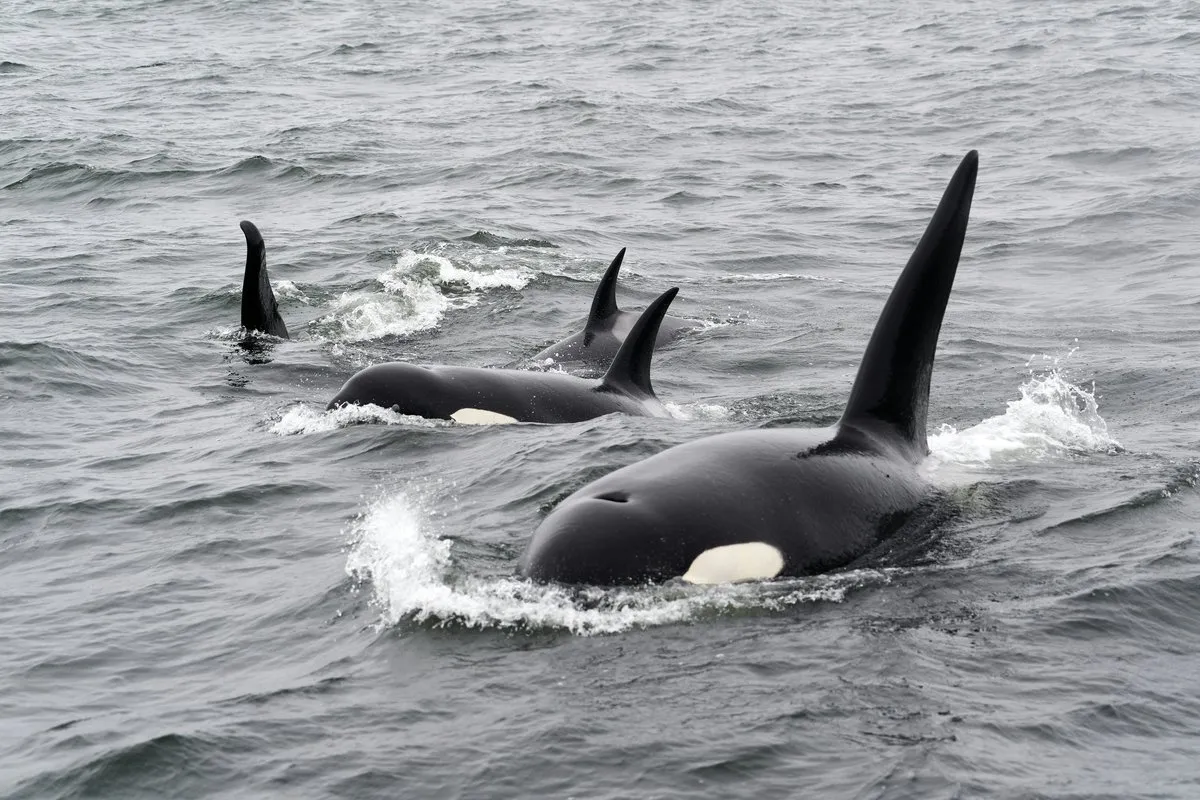
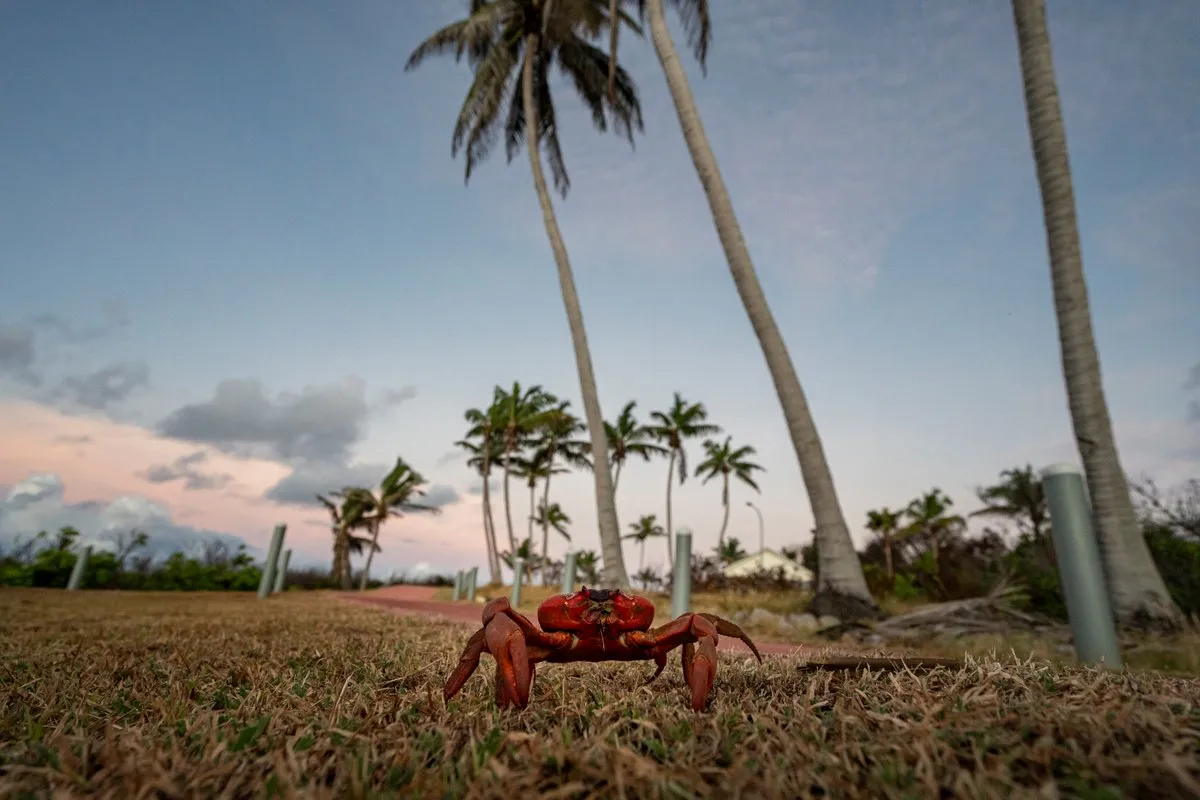
Kangaroos and wallabies (40+ species) are near-guaranteed sightings outside cities, and koalas draw visitors to eucalypt forests along the east coast despite population declines from habitat loss and bushfire. Tasmania is the only place to see wild Tasmanian devils, a carnivorous marsupial now the subject of active conservation breeding programs. Rottnest Island near Perth is the singular home of the quokka, a small, famously approachable marsupial. Offshore, the country is a migration corridor and nursery for humpback whales and saltwater crocodiles in the tropical north.
food
Modern Australian cuisine leans heavily on native ingredients (bush tucker like wattleseed, finger lime, lemon myrtle, and kangaroo meat) layered onto a multicultural base shaped by post-war European and more recent Asian immigration, so cities like Melbourne and Sydney have serious Vietnamese, Greek, Italian, and Chinese food. Seafood is a genuine strength: Tasmanian oysters and salmon, Moreton Bay bugs, barramundi, and Sydney rock oysters are all regionally distinct. Coffee culture (flat whites originated here) is taken seriously, and regional wine (Barossa Valley, Margaret River, Yarra Valley) is a legitimate travel focus in its own right.
culture & etiquette
Aboriginal and Torres Strait Islander culture is the oldest continuous culture on Earth, and respectful engagement matters: use traditional place names where offered (Uluru, not Ayers Rock), never photograph sacred or restricted sites without explicit permission, and never photograph Aboriginal people without consent. Climbing Uluru has been banned since 2019 at the request of its Anangu traditional owners; Aboriginal-led tours are the recommended way to engage with the culture directly. Broader Australian social norms are informal and direct, and sun safety (hats, sunscreen) is taken seriously given UV intensity.
diving
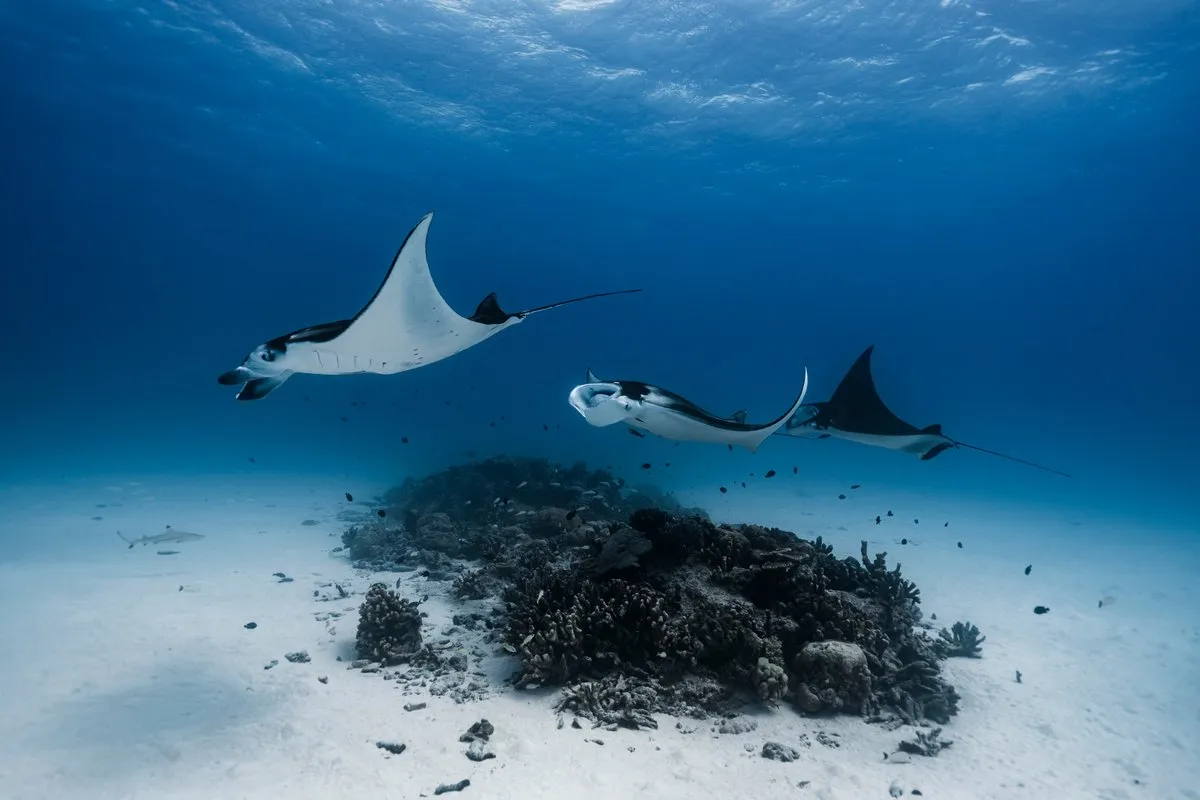
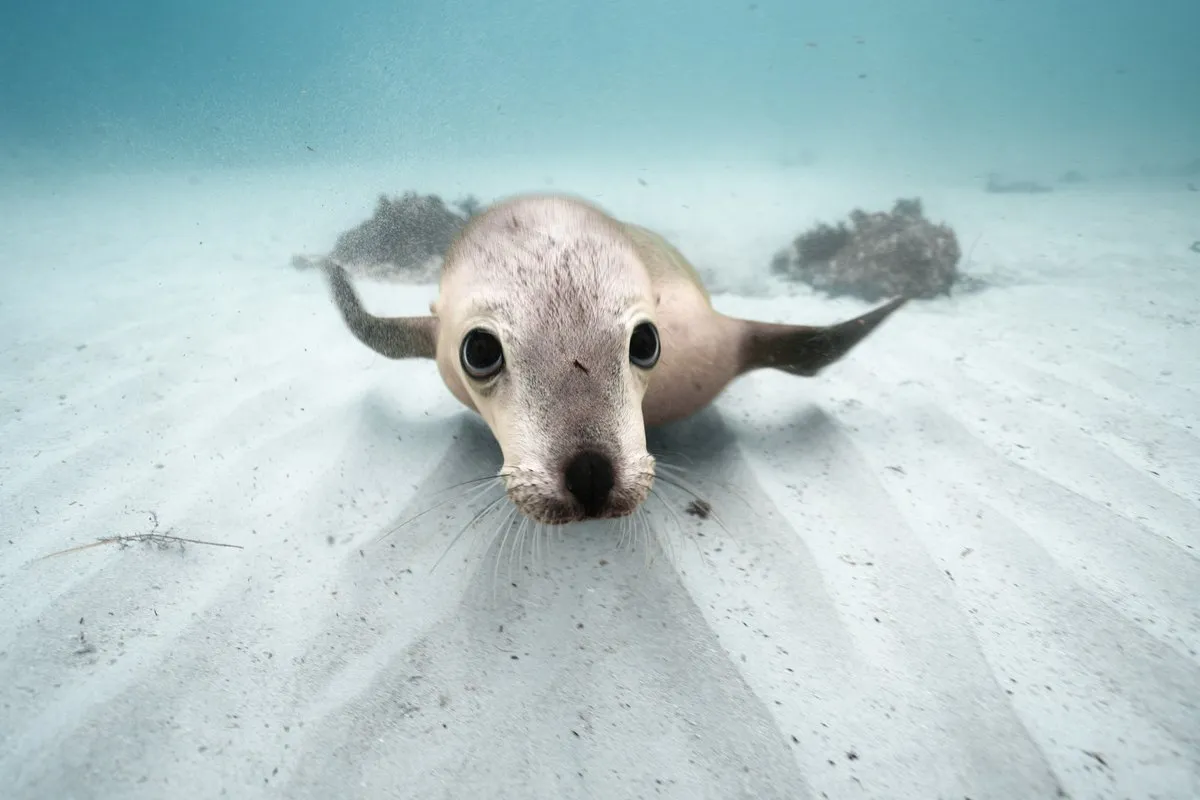
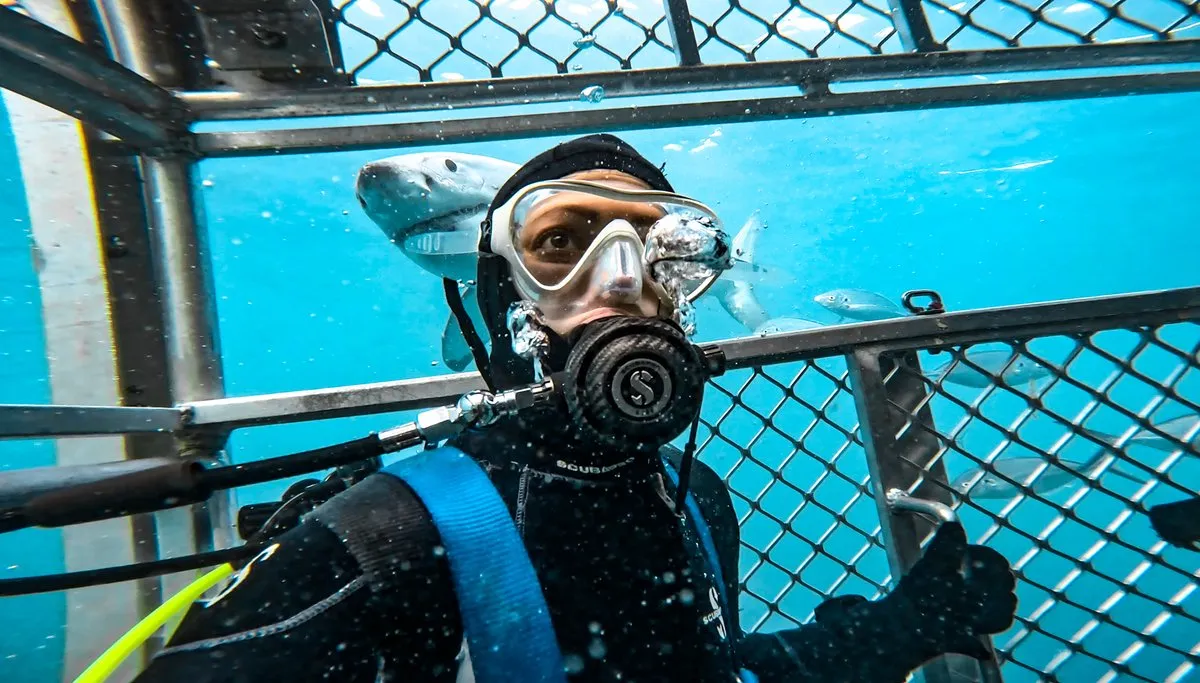
The Great Barrier Reef off Queensland is the headline site: 2,300km of reef system reachable from Cairns and Port Douglas, with the Ribbon Reefs and Cod Hole known for clear water, dramatic drop-offs, and resident giant potato cod. The SS Yongala wreck near Townsville, an intact 1911 shipwreck resting 14-28m down, is routinely ranked among the world's best wreck dives. On the opposite coast, Ningaloo Reef near Exmouth, Western Australia is a World Heritage-listed fringing reef and one of the most reliable places on the planet to swim with whale sharks and manta rays, directly from shore rather than by long boat transfer.
for the impact solutionist or team
let's make your work more discoverable
do you have something that is or will change the world for the better?
learn morefor the conscious traveler
let's show you where we've been
are you interested in being a mindful explorer?
see where to go