South America
Argentina
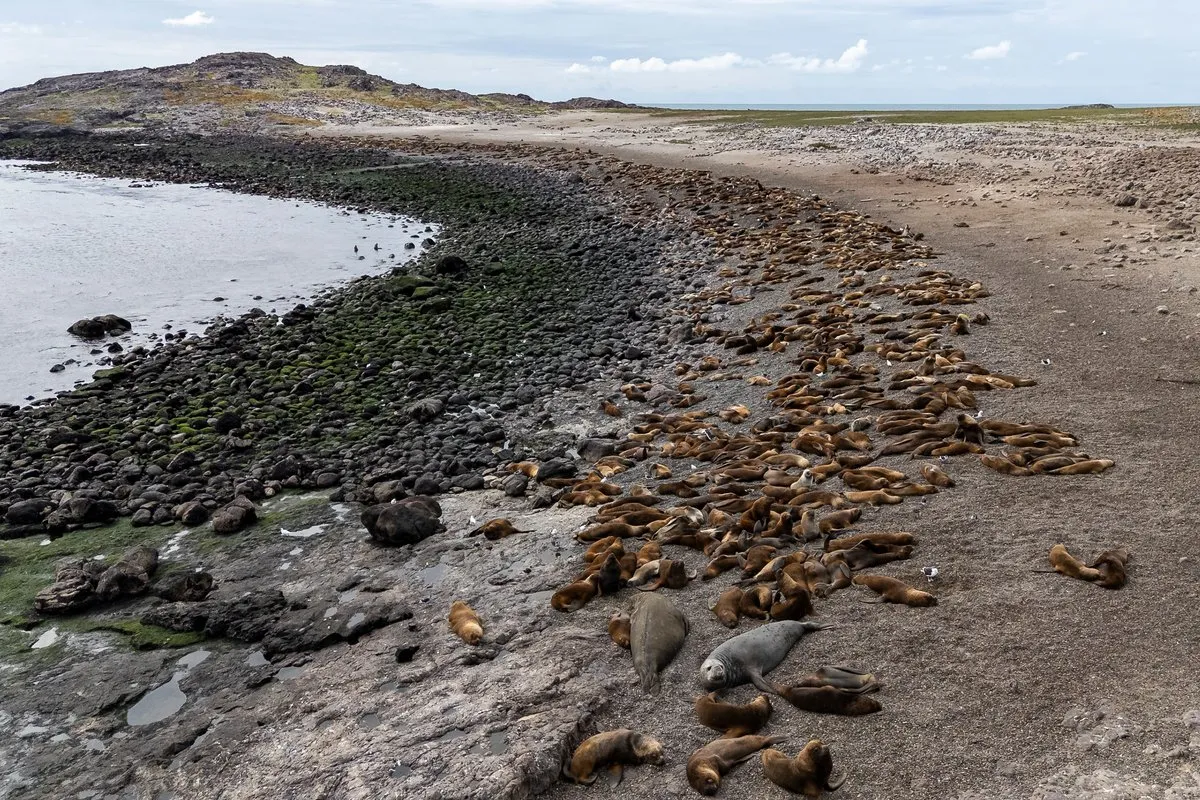
Argentina is a country of extremes: from humid jungles alive with howler monkeys and toucans, to glaciers hanging through the Andes, to the vast steppe of Patagonia where guanacos roam under endless skies. Along its 4,000-mile coastline, southern right whales calve, penguins nest, and sea lions gather on lonely beaches. Its national parks and wild frontiers hold some of the most dramatic and varied landscapes anywhere on the planet.
seasons
Argentina sits in the southern hemisphere, so seasons run opposite to North America and Europe: summer is December–February, winter June–August. Patagonia's climate is harsh and windy, with a short summer window for access; the north (Iguazú, Iberá) stays warm and humid most of the year. Buenos Aires and the central regions have a temperate, four-season climate.
best time to visit
Spring (September–November) and autumn (March–May) beat the crowded, pricier summer peak in Patagonia. Spring brings wildflowers and newborn wildlife to the Lake District and Iberá — good timing for the reintroduced jaguars and giant anteaters without peak-season vehicle traffic in the wetlands; autumn brings Mendoza's harvest and cooler, clearer Patagonia conditions before winter closes routes. Both windows mean lower prices and a materially better wildlife-watching experience than fighting summer crowds at Perito Moreno or Península Valdés.
why people go
Patagonia's glaciers, steppe, and Andean peaks draw hikers and climbers, while Península Valdés offers southern right whales and penguin colonies. Iguazú Falls, shared with Brazil, is one of the most dramatic waterfall systems on Earth, ringed by rainforest. Iberá, in Corrientes province, is a major rewilding success story — reintroduced jaguars and giant anteaters in one of South America's most biodiverse wetlands, comparable in scale to Brazil's Pantanal.
marquee wildlife
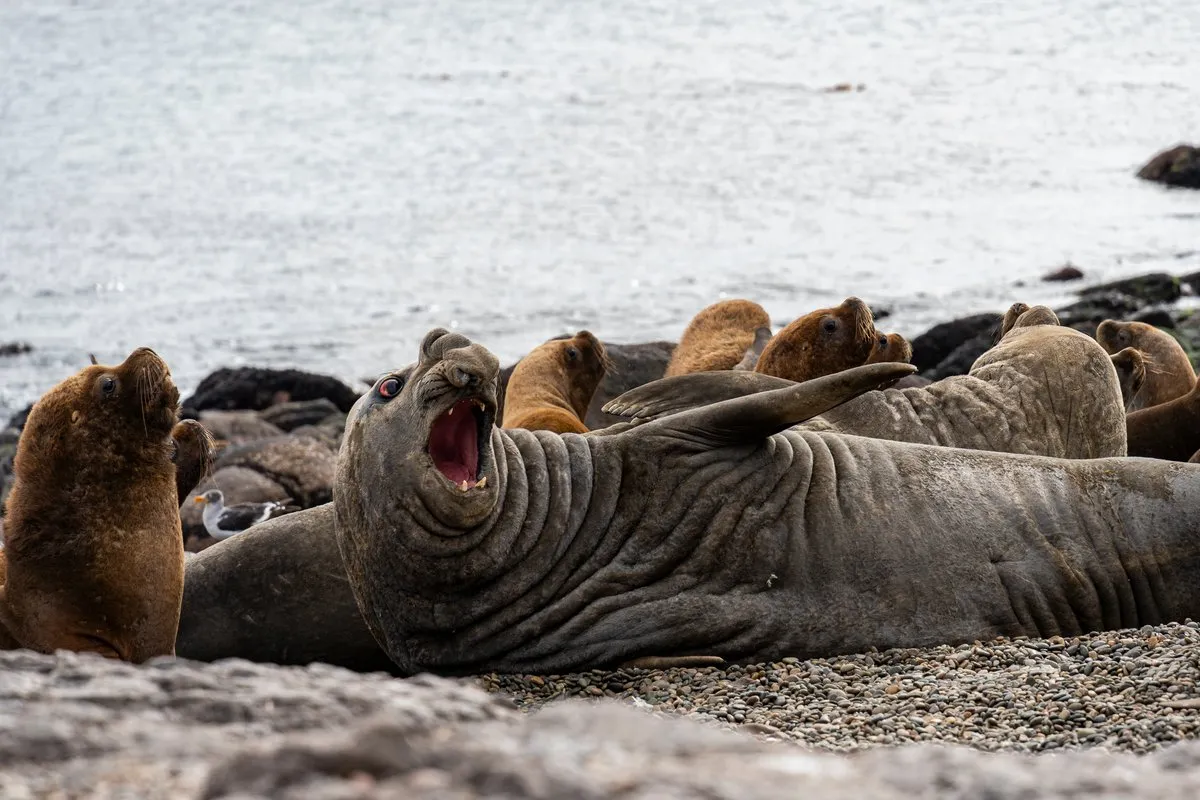
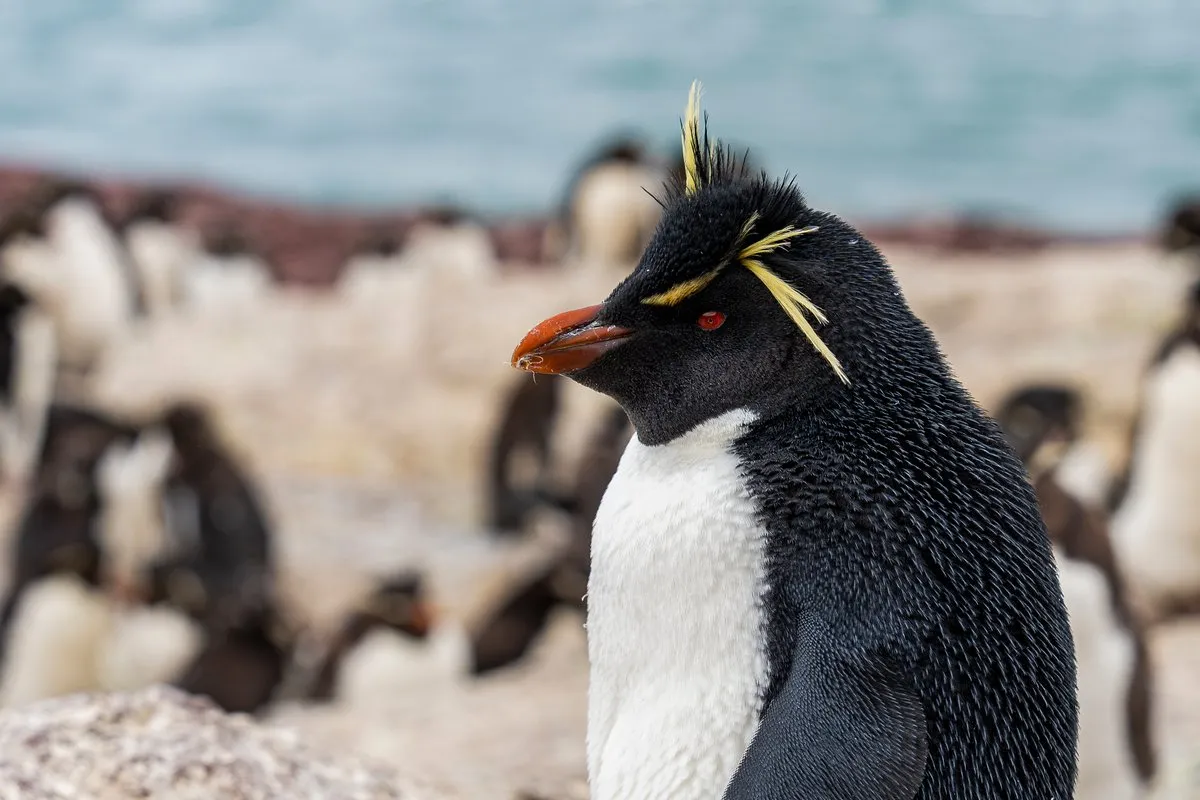
Beyond Iberá's jaguars and Península Valdés's whales and penguins, Argentina's wildlife roster runs from sky to steppe. The Andean condor, one of the world's largest flying birds, patrols the Andes and Patagonian cliffs on nine-foot wingspans. Guanacos roam Patagonia's open plains in wild herds, alongside rheas, pumas, and the pink flamingos of high-altitude salt lakes. Iguazú's subtropical forest adds toucans, capuchin monkeys, and coatis to the mix.
food
Asado (slow-grilled beef and other cuts over open flame) is the national ritual, usually served with chimichurri. Empanadas vary by region — beef, chicken, or vegetable fillings, often with egg, olives, or raisins. Mendoza's Malbec wine pairs naturally with the beef-heavy diet, and mate, a shared yerba infusion sipped through a metal straw, is a daily social fixture rather than a tourist novelty.
culture & etiquette
Argentines greet with a single cheek kiss, even between strangers in social settings, and stand closer and talk longer than many visitors expect. If offered a round of mate, accept and drink it — refusing or fussing with the straw is a minor faux pas. Meals run late (dinner often after 9pm), and lingering at the table is normal, not rude.
diving
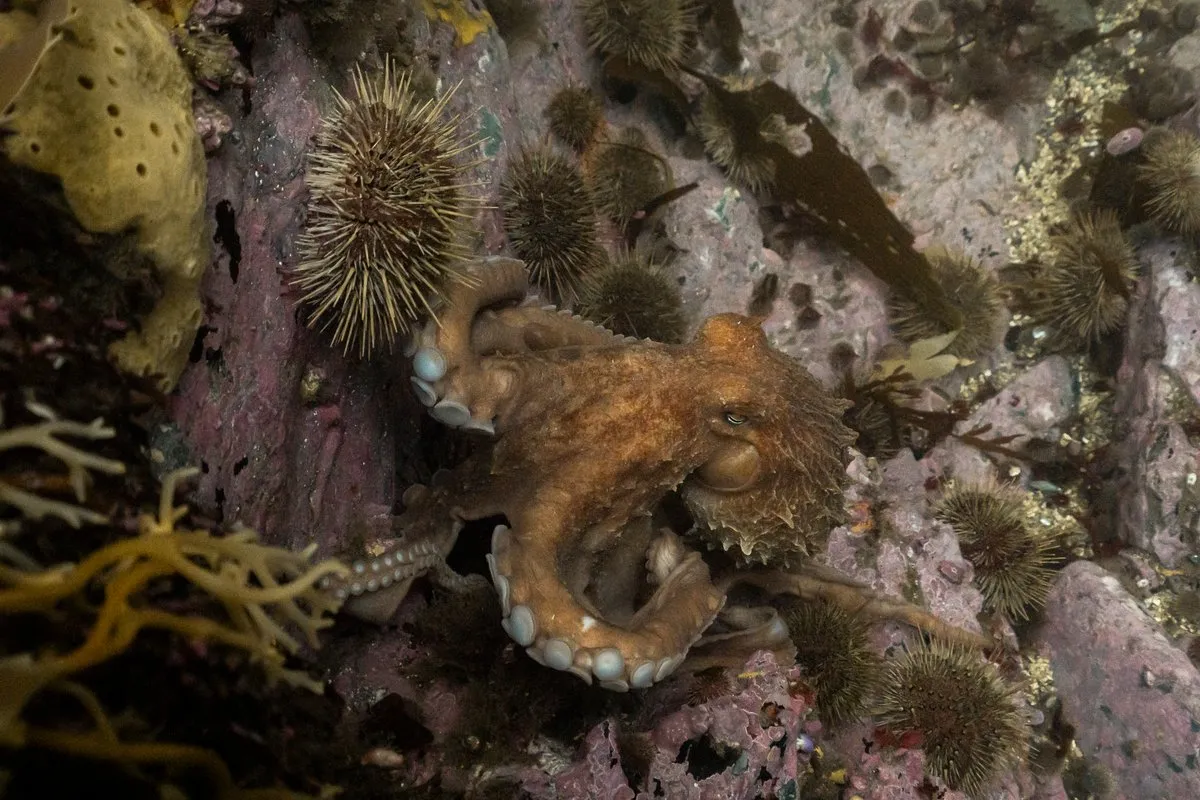
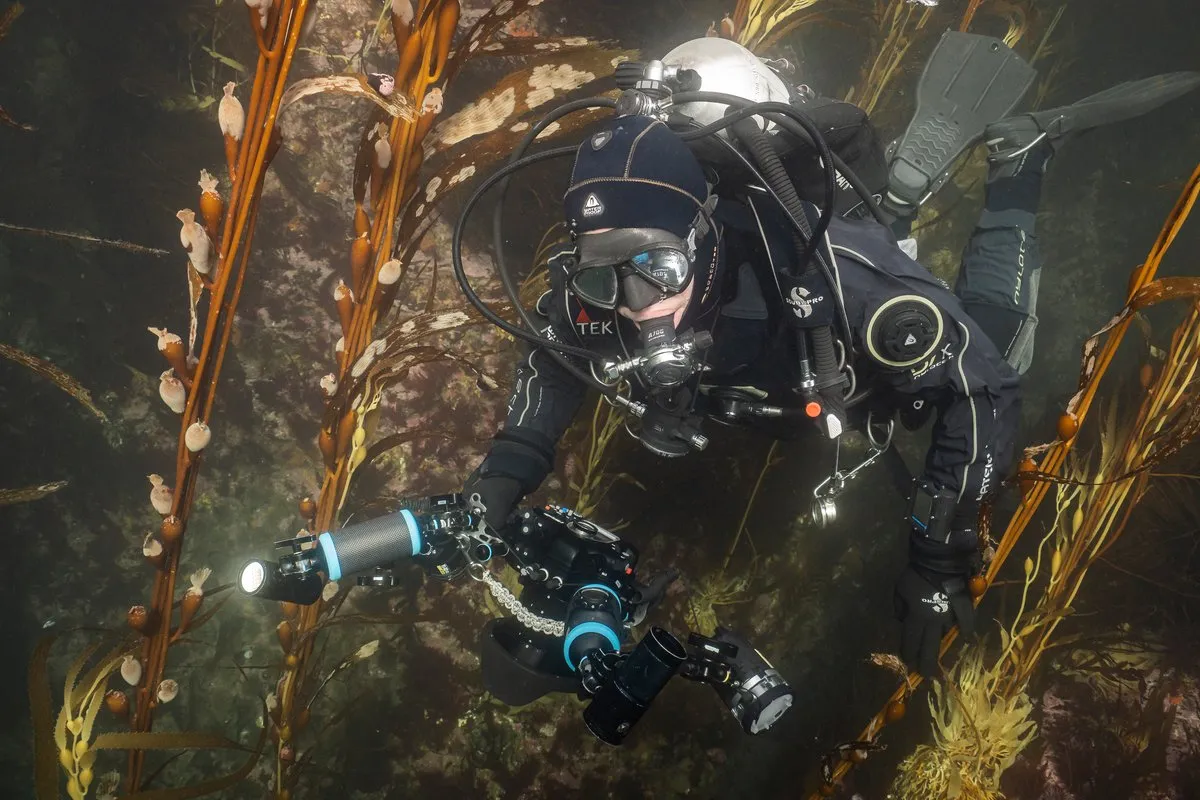
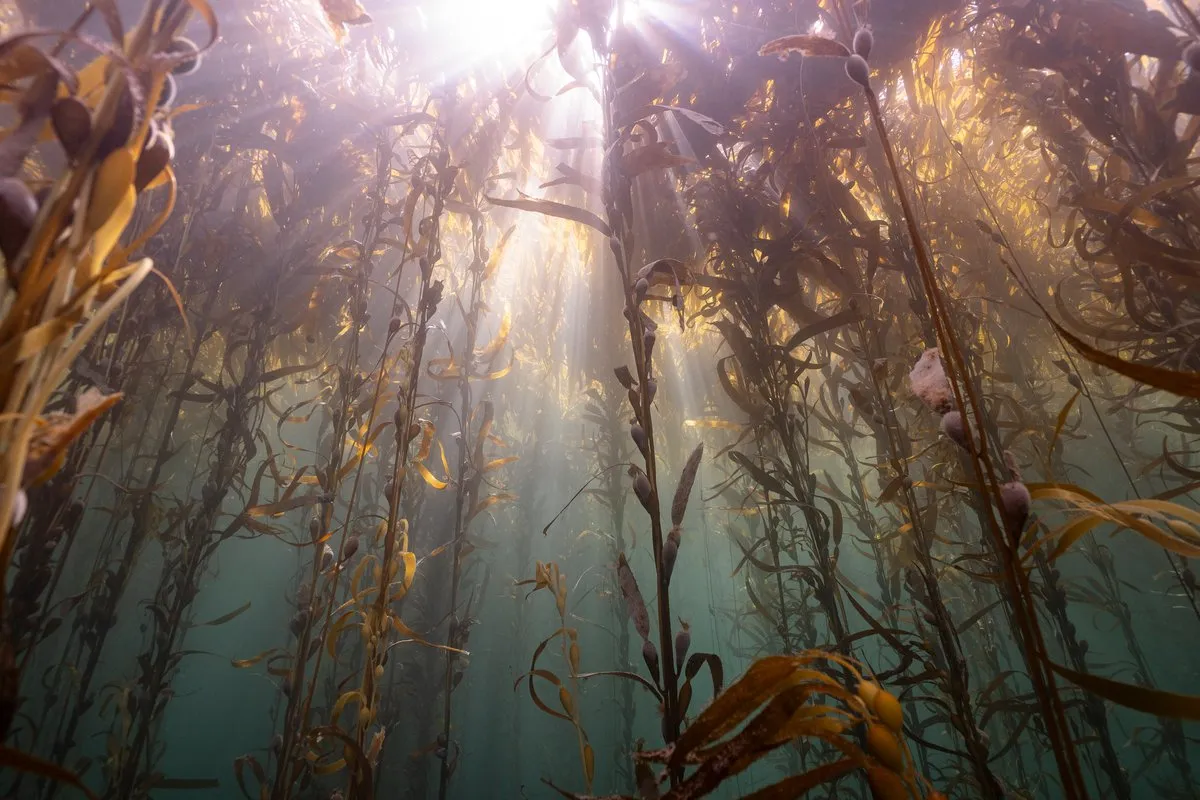
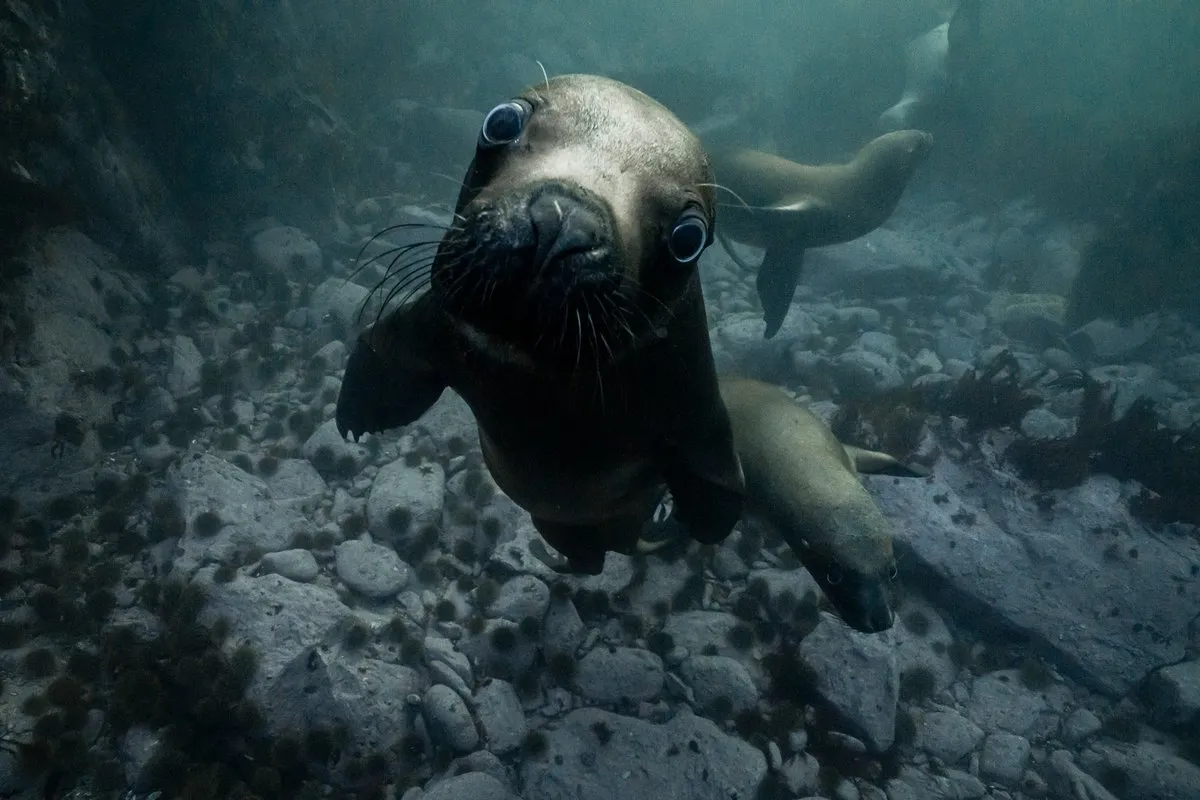
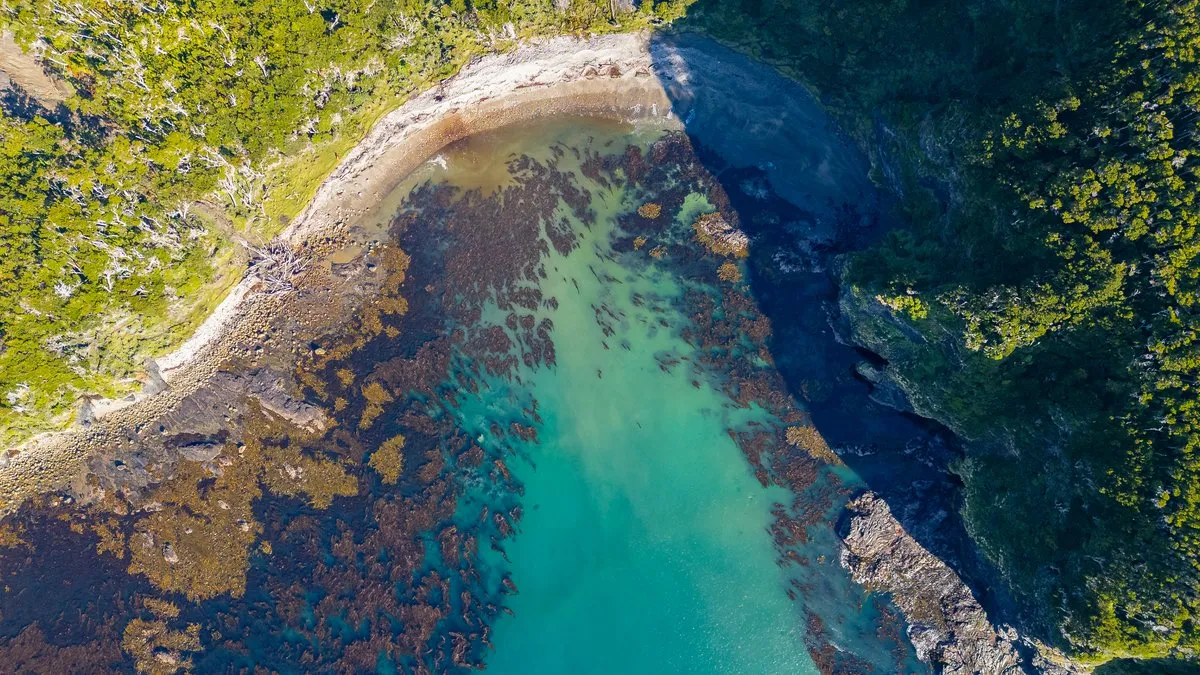
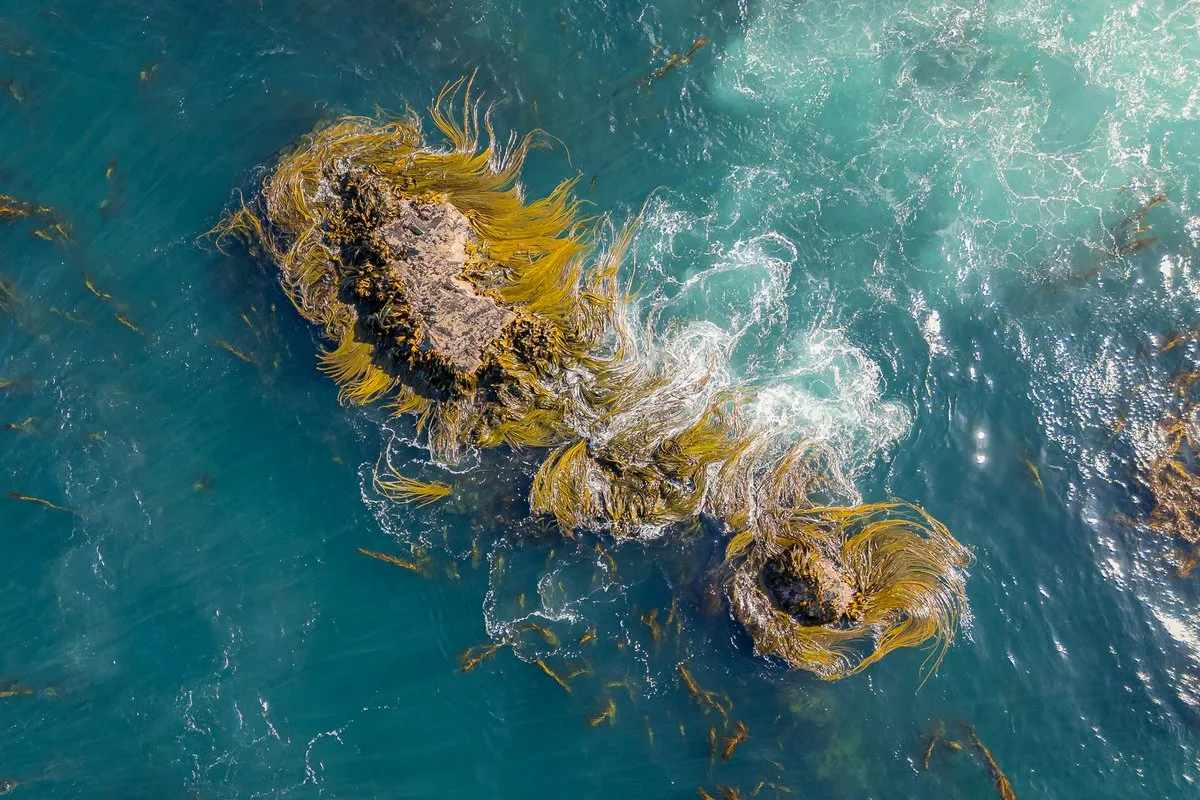
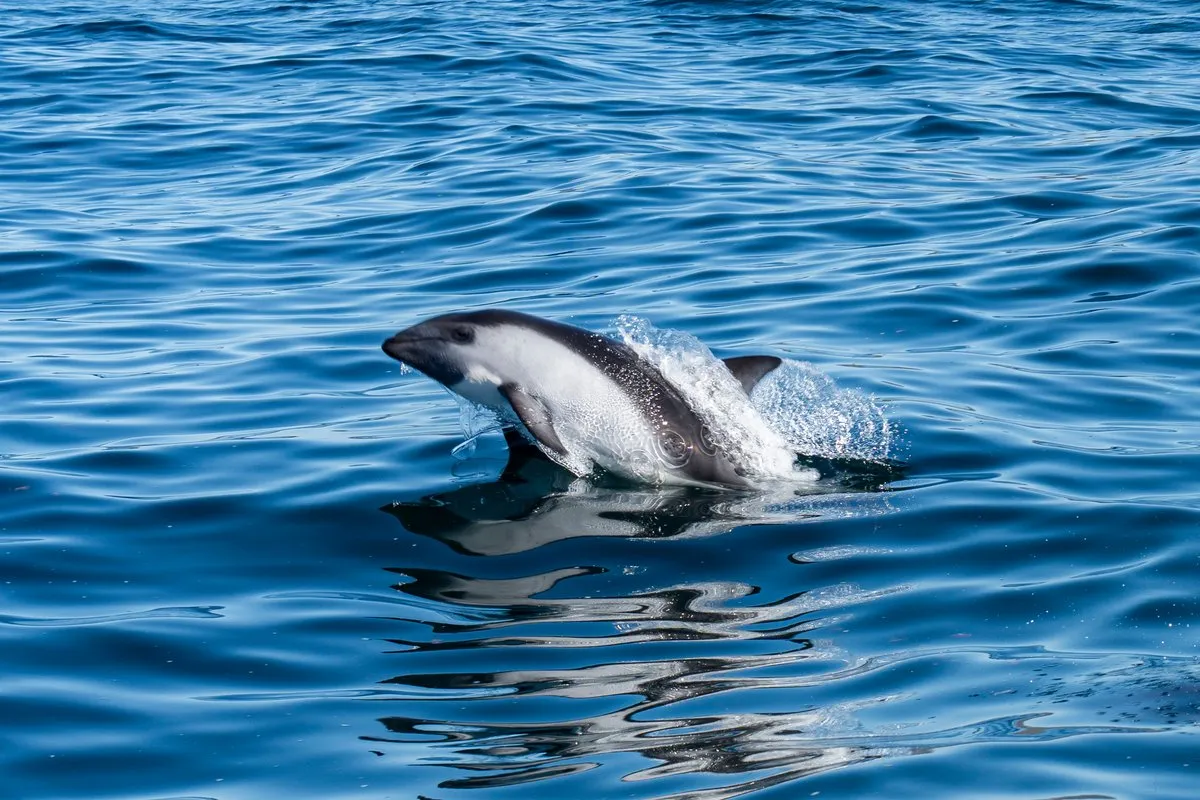
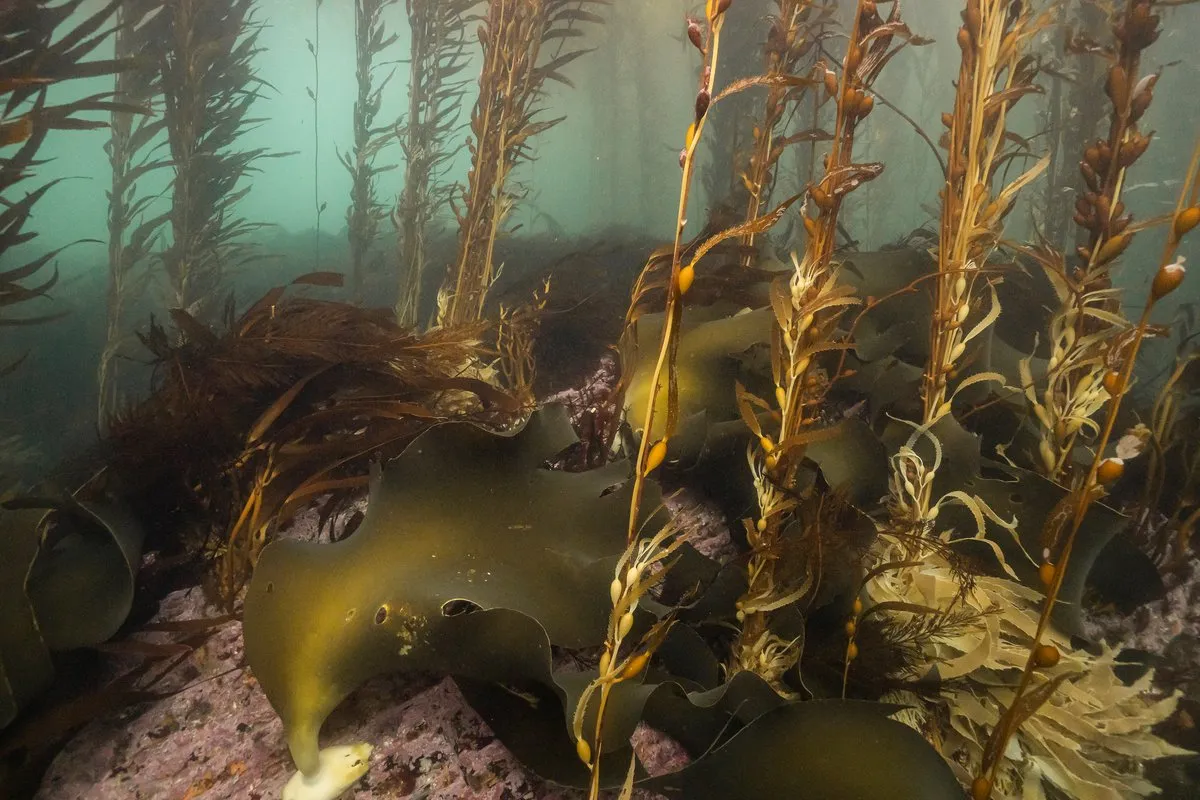
Diving centers on Puerto Madryn in Patagonia's Golfo Nuevo, the country's only real dive hub, where cold, clear Atlantic water supports kelp-covered rocky reefs and a handful of shallow wrecks (scuttled buses, sunken ships) alongside sea lion colonies at Punta Loma and Punta Cuevas. Snorkeling and diving with curious South American sea lions is the main draw; whales, dolphins, penguins, and elephant seals pass through seasonally but aren't reliable underwater encounters. Best conditions run October–March. In a country defined by the Andes, Patagonian trekking, and Iguazú, diving is a niche regional activity, not a national signature.
for the impact solutionist or team
let's make your work more discoverable
do you have something that is or will change the world for the better?
learn morefor the conscious traveler
let's show you where we've been
are you interested in being a mindful explorer?
see where to go