Oceania is scattered across the Pacific, inclusive of thousands of islands, reefs, and atolls where life has adapted in extraordinary ways. From Australia’s Great Barrier Reef and rugged coasts on the Forgotten West, to New Zealand’s fjords and bird-filled forests, to the volcanic archipelagos of Fiji, Vanuatu, and the Solomons, this region is as much ocean as it is land. Marine life thrives here: manta rays, dugongs, sharks, whales, and vast schools of fish. These islands carry cultures that are as ocean-rooted as the reefs themselves, each protecting ecosystems that feel both fragile and timeless. Oceania is one of our home bases, and the lifeline of the Edges of Earth expedition work.
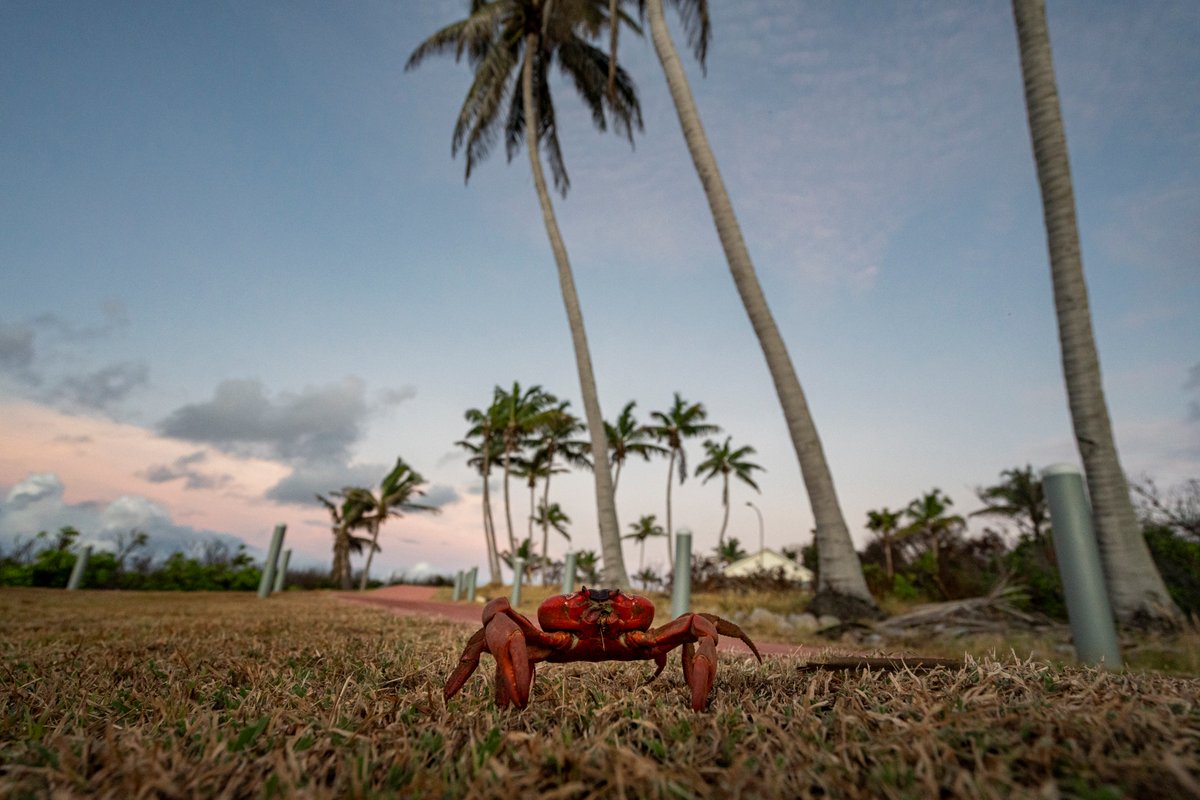
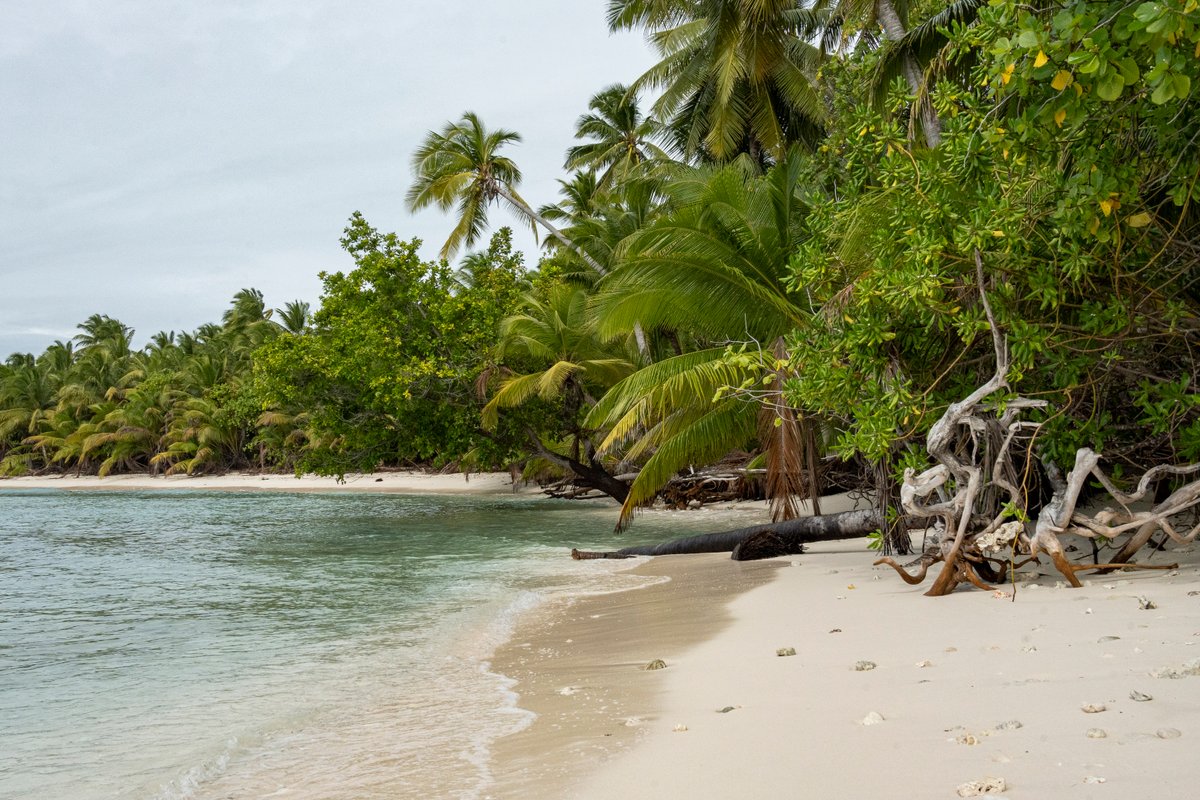
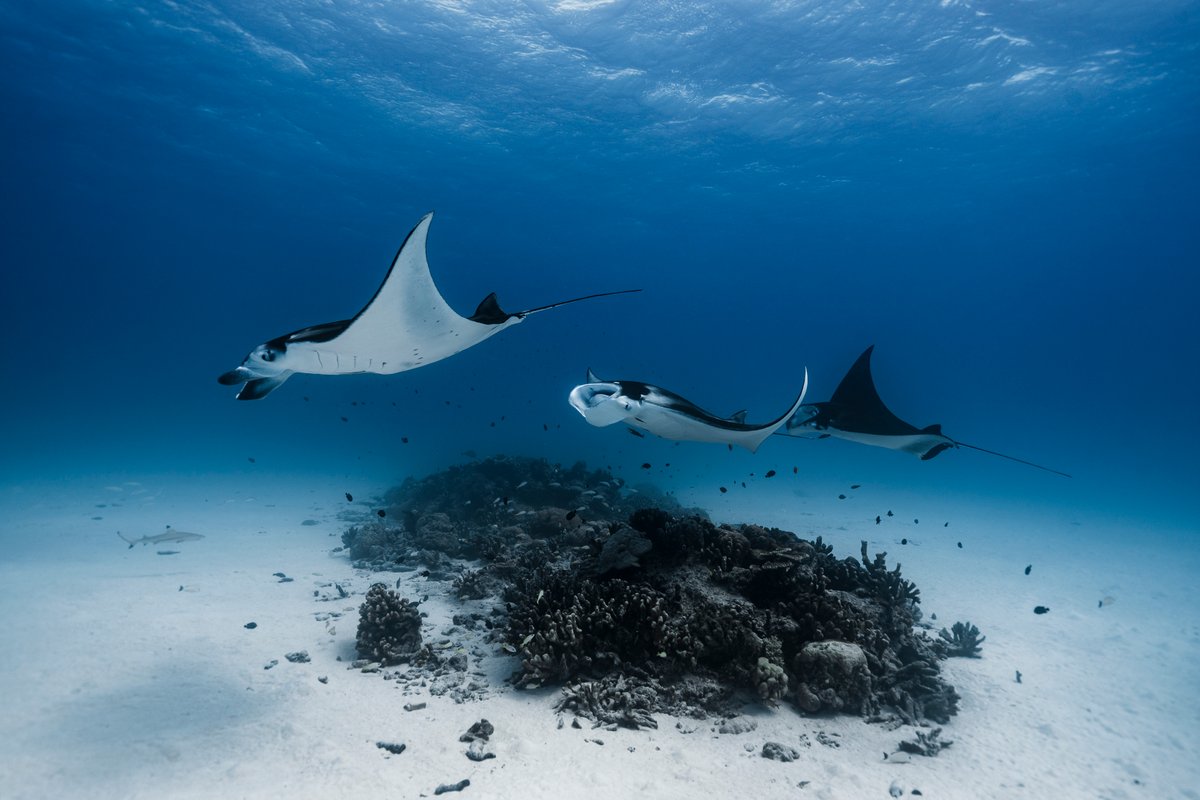
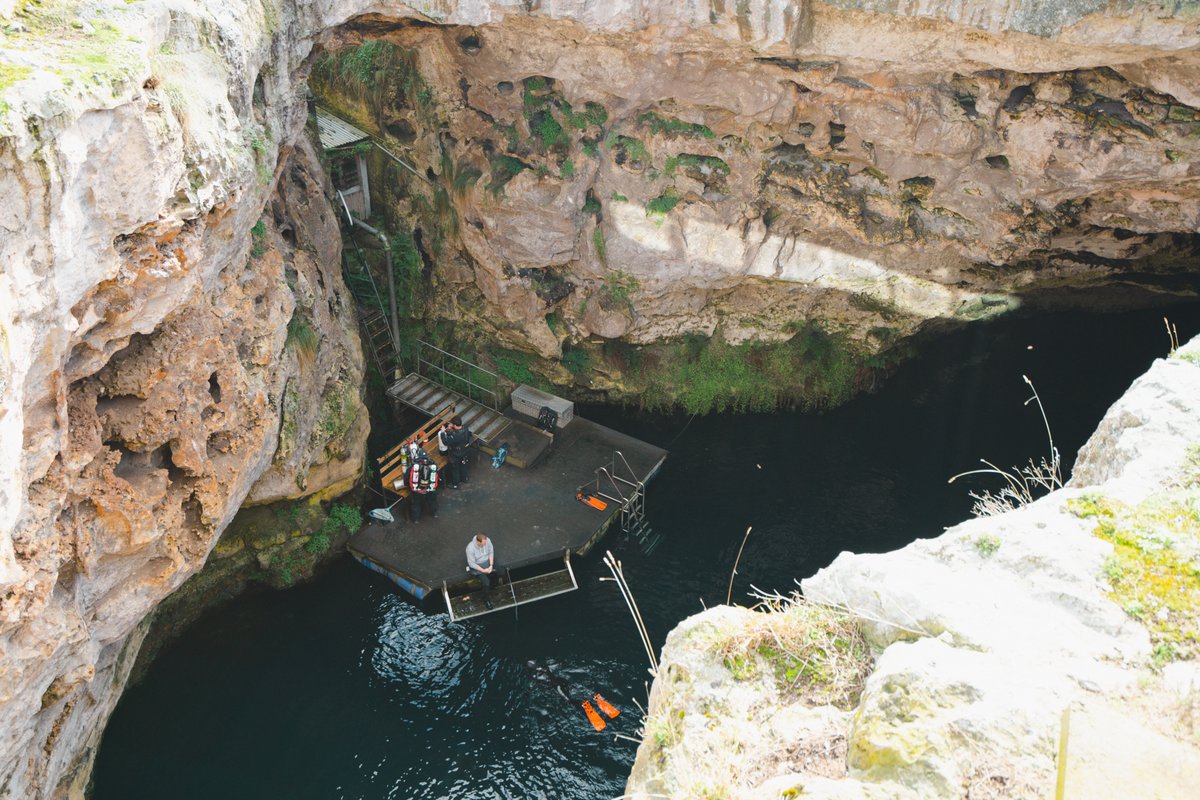
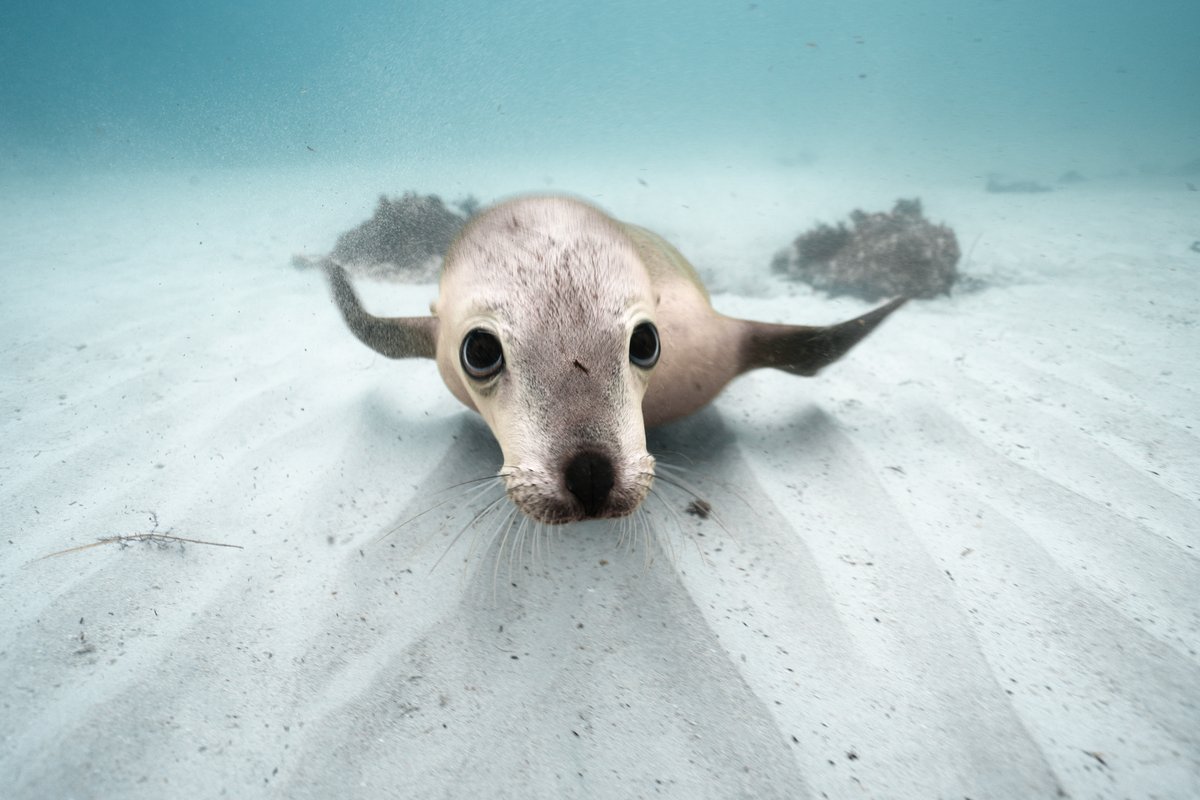
Australia features red deserts stretching to the horizon, rainforests so full of life, and two vast oceans, home to much of Earth’s most epic marine species. The Great Barrier Reef remains the world’s largest living structure, while southern waters host great white sharks, sea dragons, and giant cuttlefish. Inland, limestone sinkholes and flooded caves offer surreal freshwater diving. From kangaroos bounding across beaches to the humpback highway on the west coast, Australia is a country where land and sea could not be more wild.
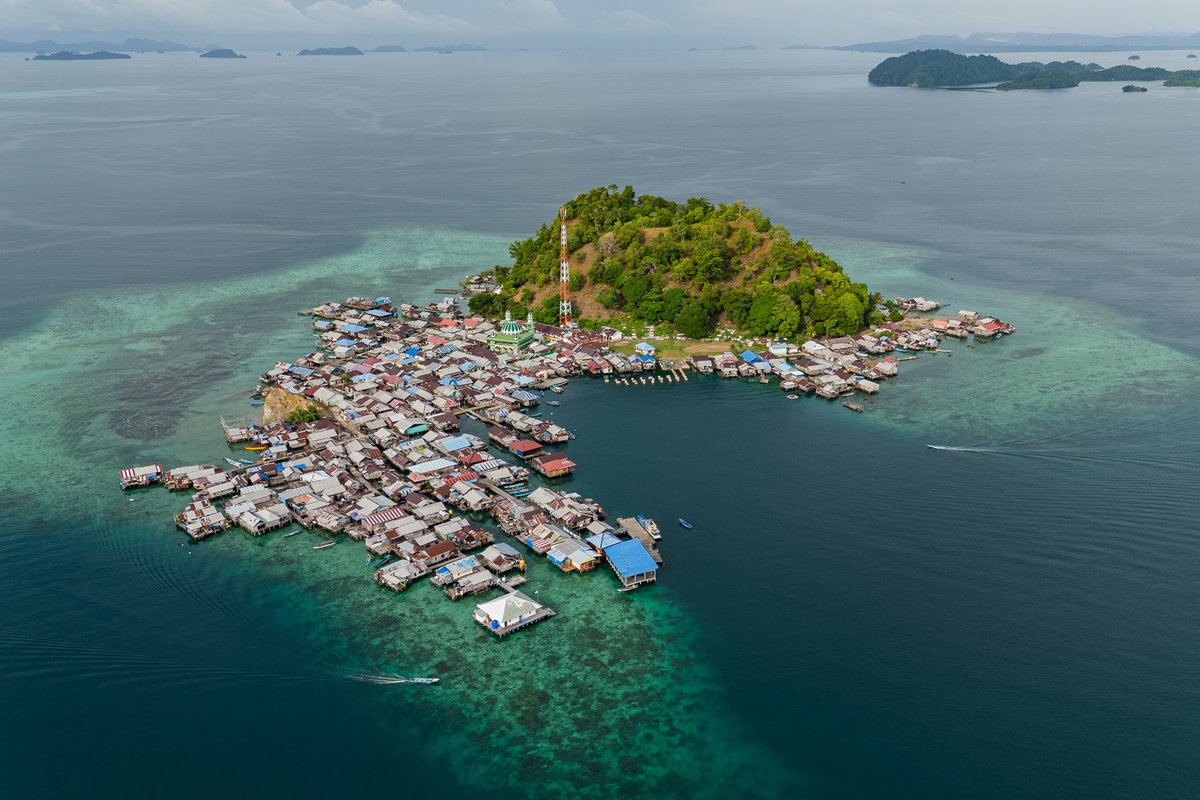

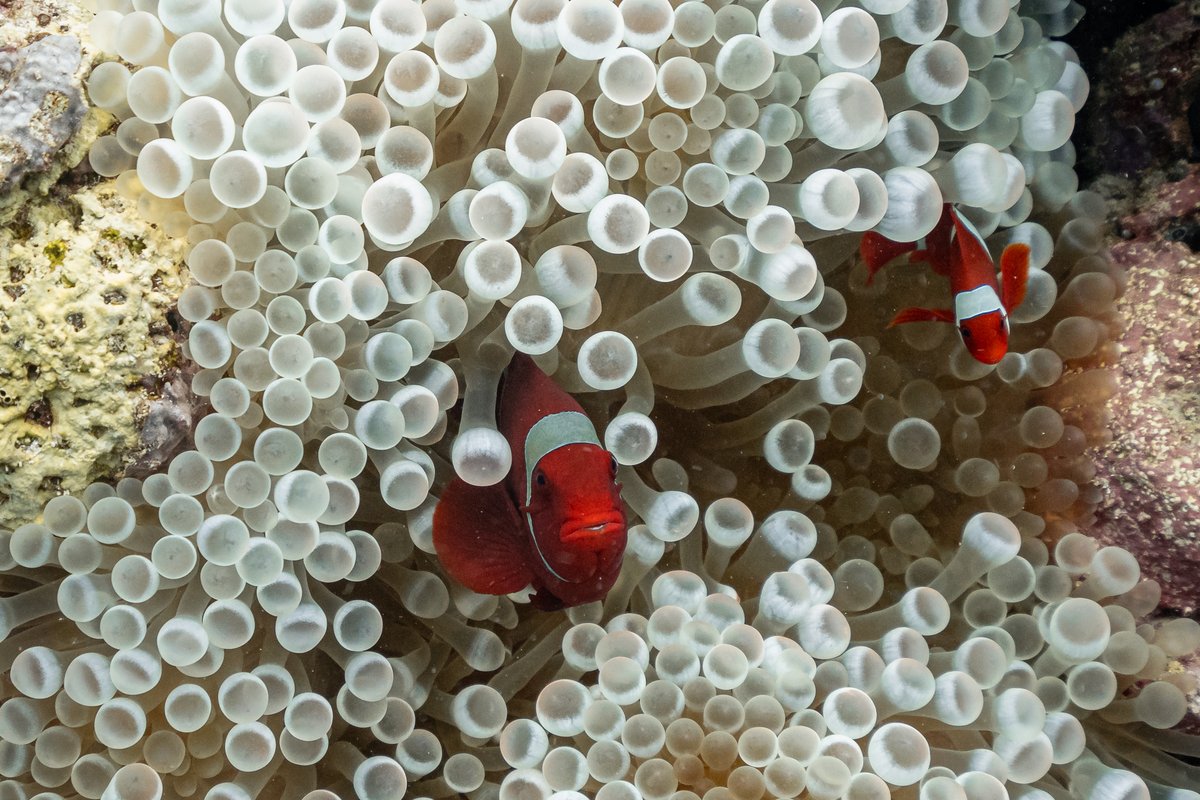
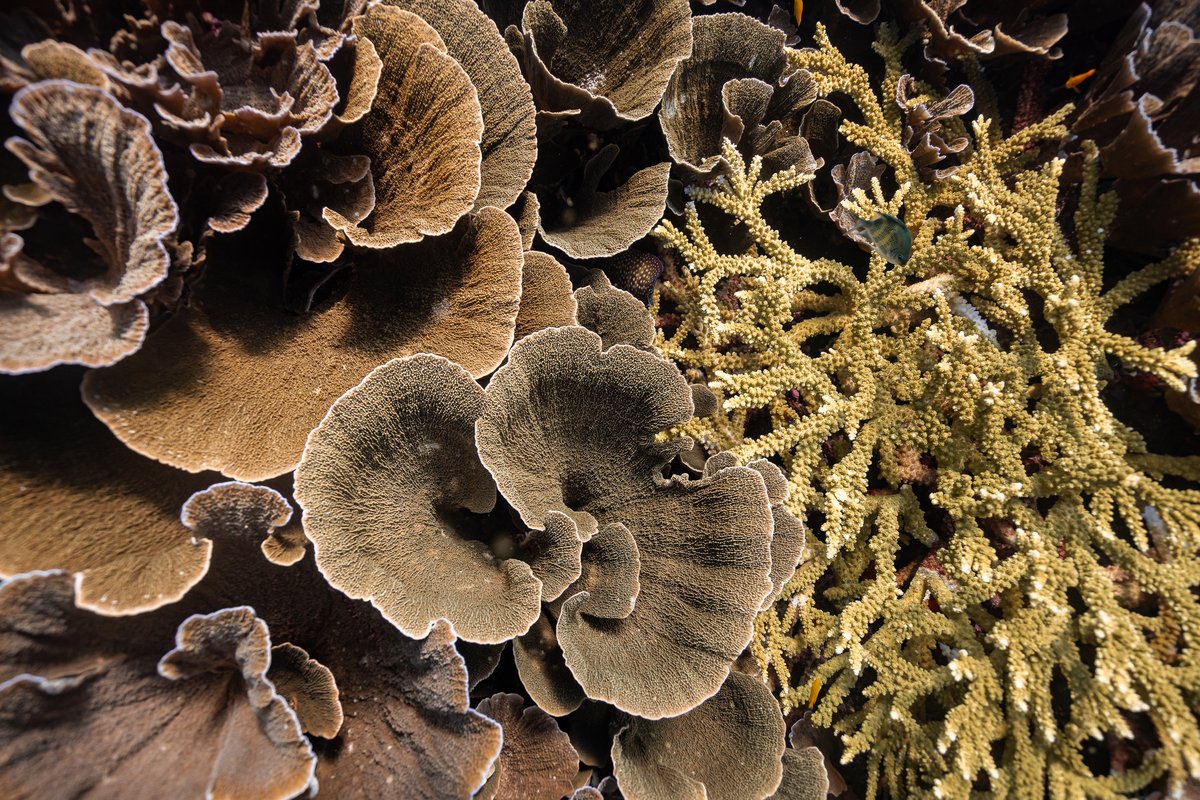
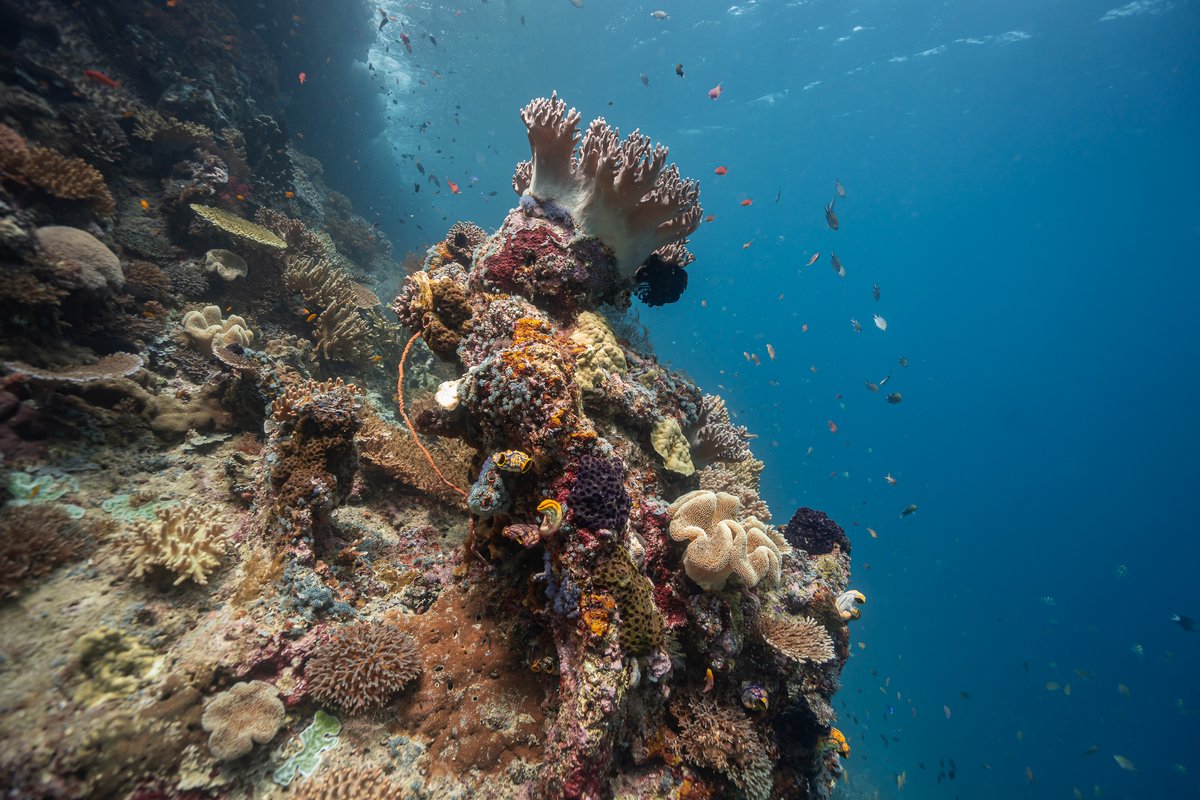
Indonesia is the beating heart of the Coral Triangle, a chain of over 17,000 islands straddling the equator. Rainforests echo with the calls of orangutans and birds of paradise, while volcanic ridges rise over mangrove lagoons and coral reefs that host more marine species than anywhere else on Earth. Komodo dragons patrol their namesake islands, whale sharks glide along fishing platforms, and manta rays sweep over reef channels.

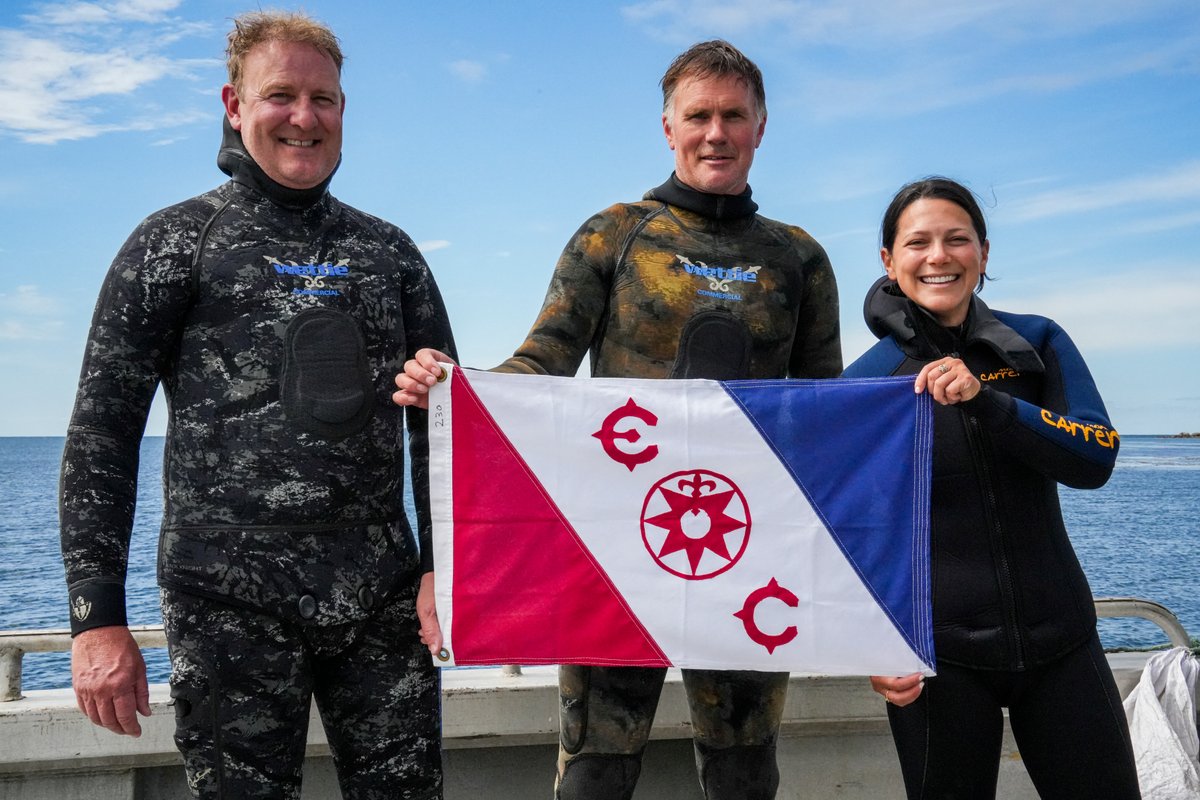
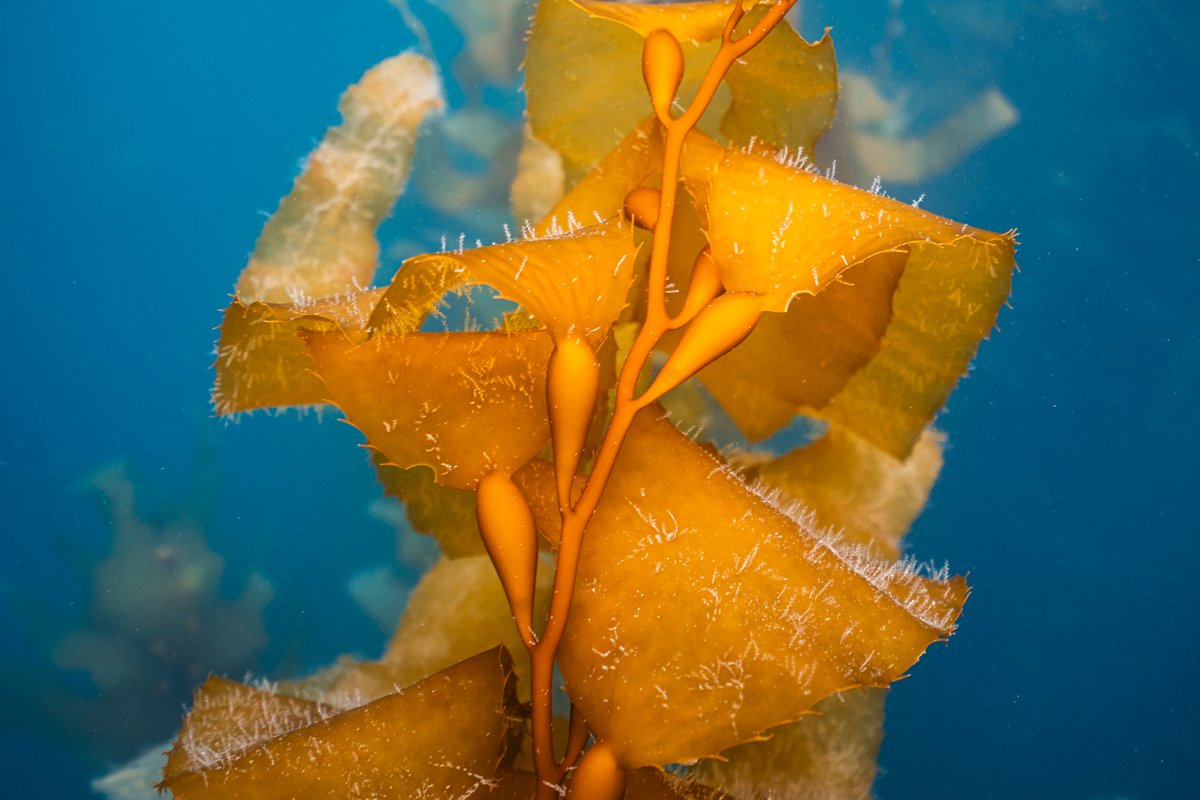
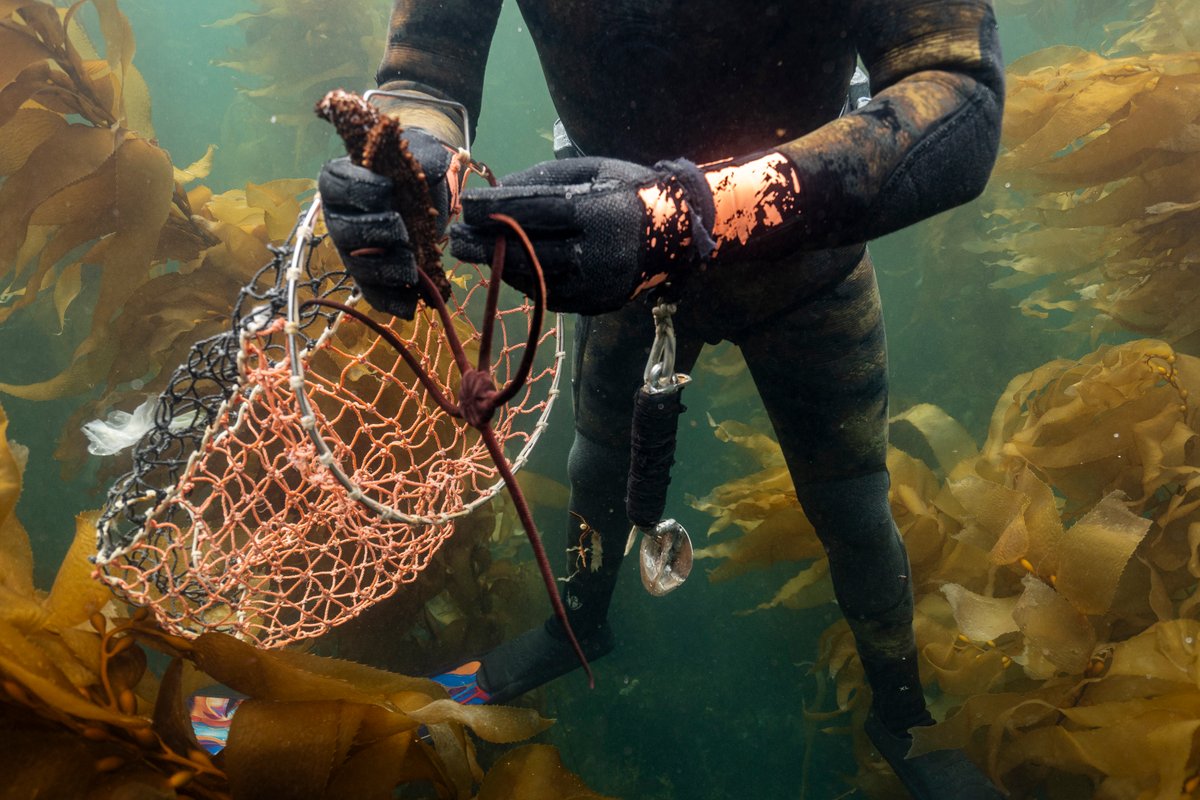
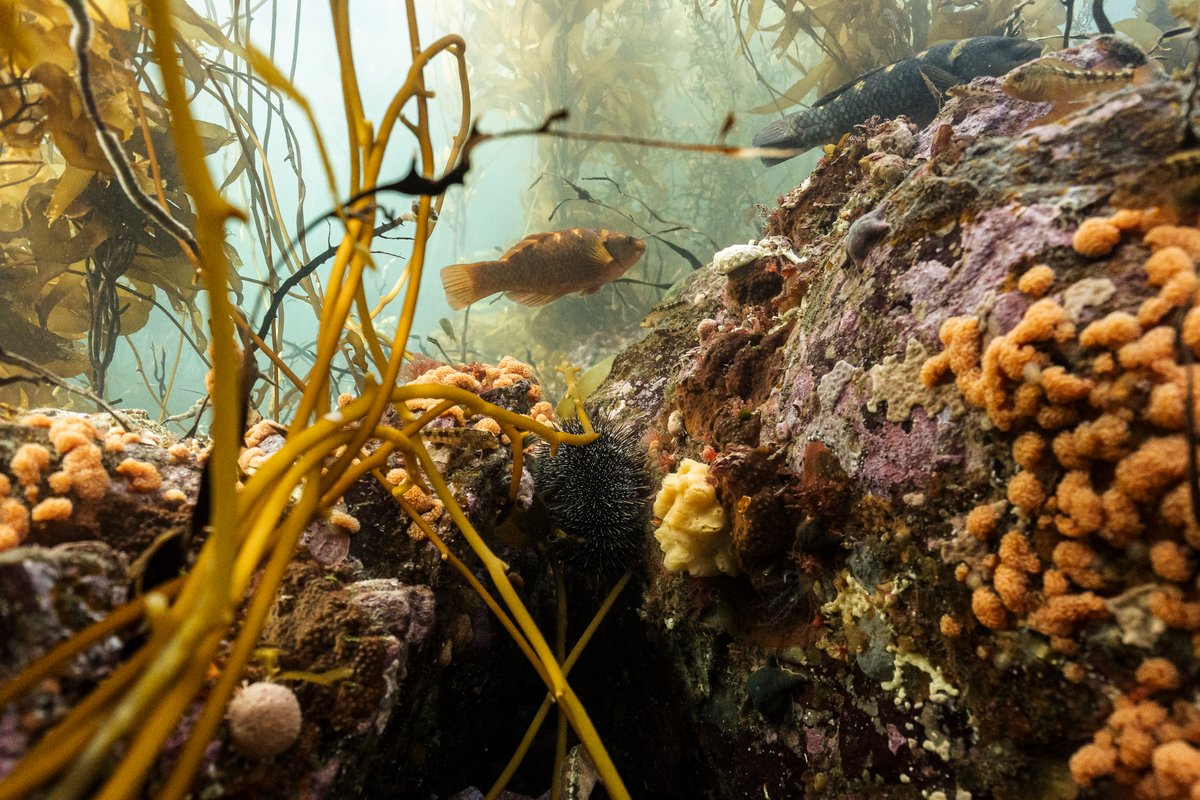
Split between the subtropical North Island and the wild, mountainous South Island, New Zealand is a country where culture and wilderness are inseparable. Māori heritage shapes the land through stories, place names, and guardianship traditions that honor rivers, mountains, forests, and seas as living ancestors. Rare birds like the kiwi, fur seals basking on rocky coasts, and dolphins weaving through rich marine currents all highlight a nation deeply tied to nature. From fjords and glaciers to golden beaches and volcanic plateaus, New Zealand feels like a microcosm of the planet’s most extraordinary landscapes.
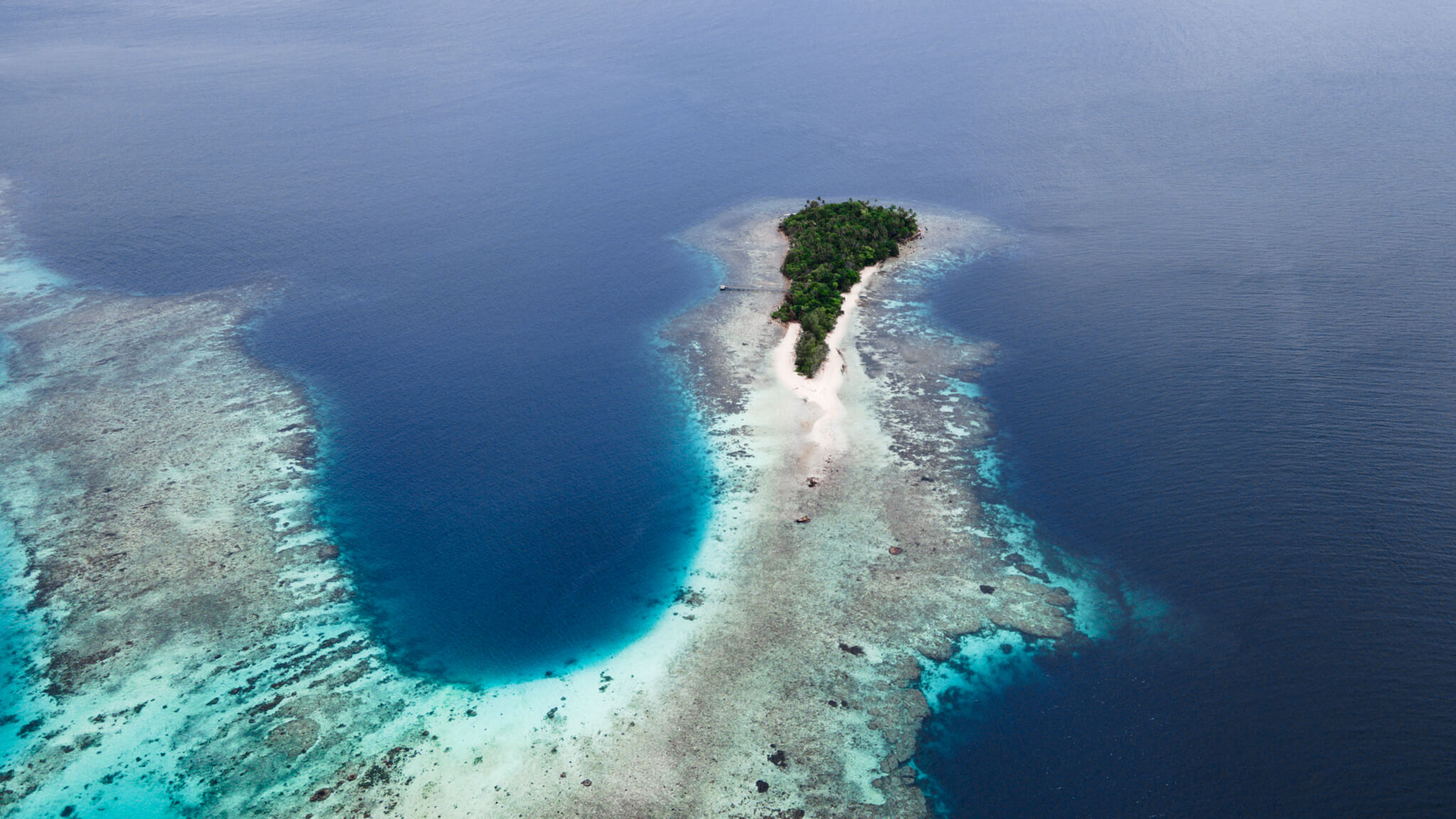
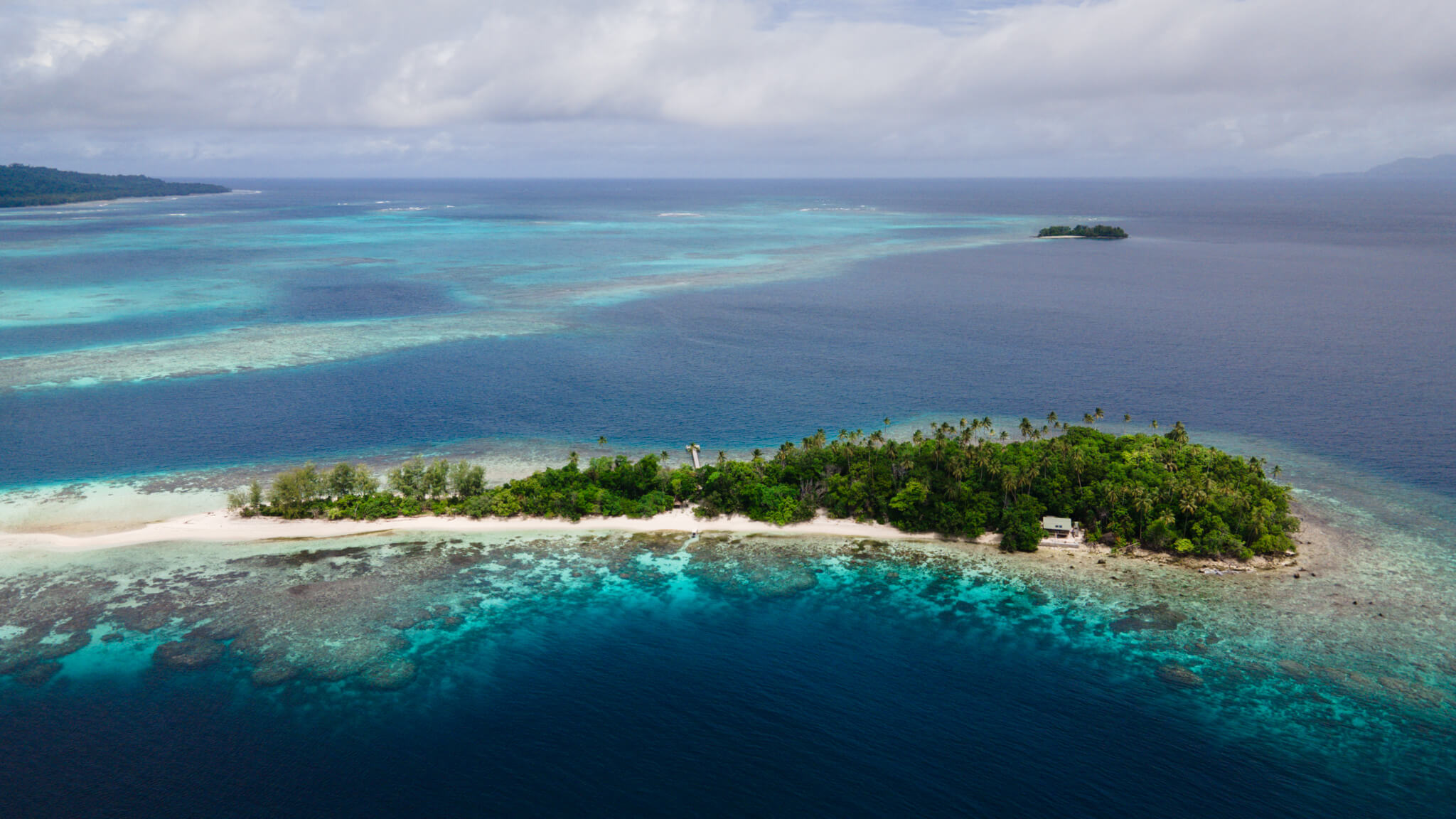
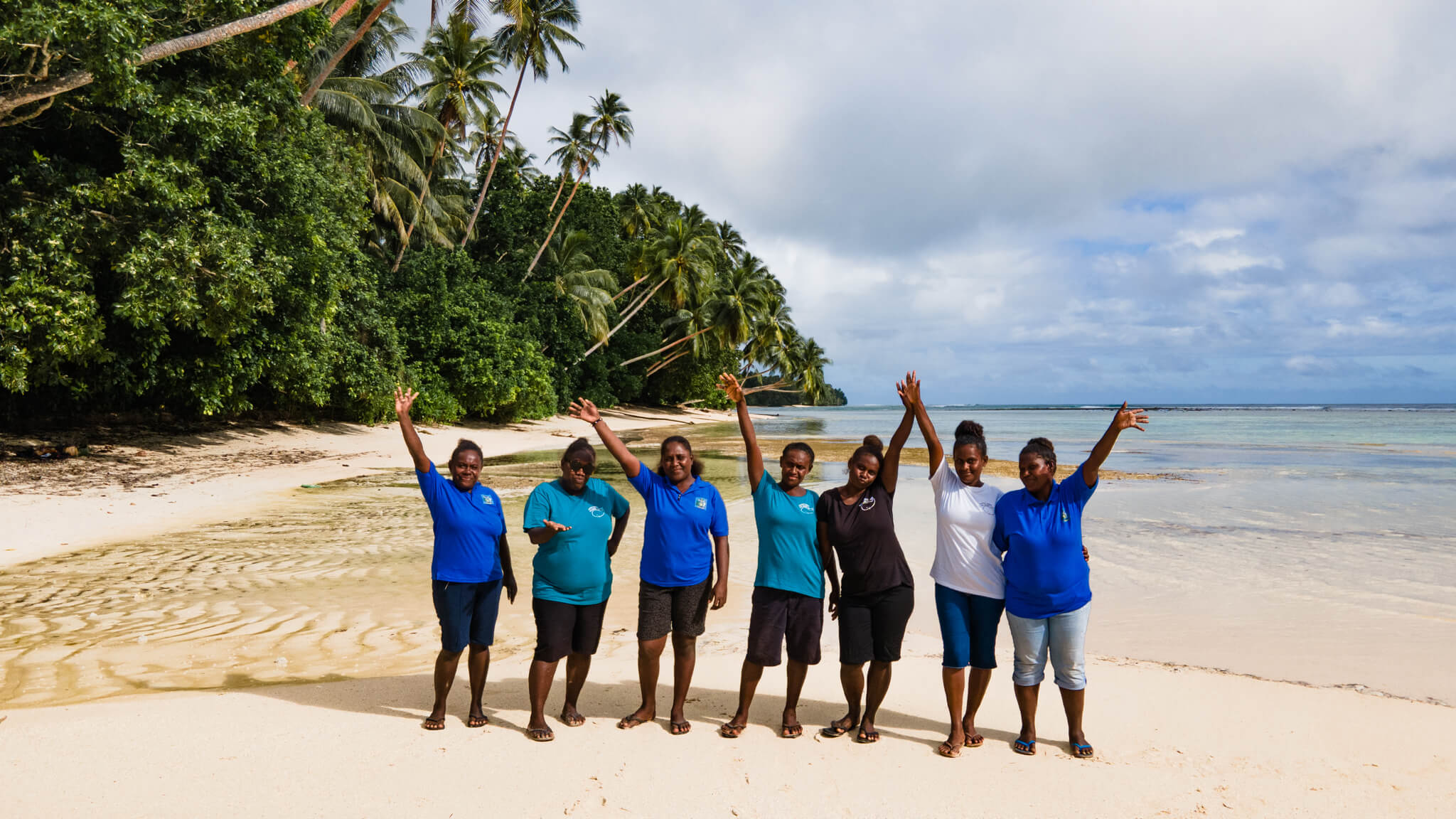
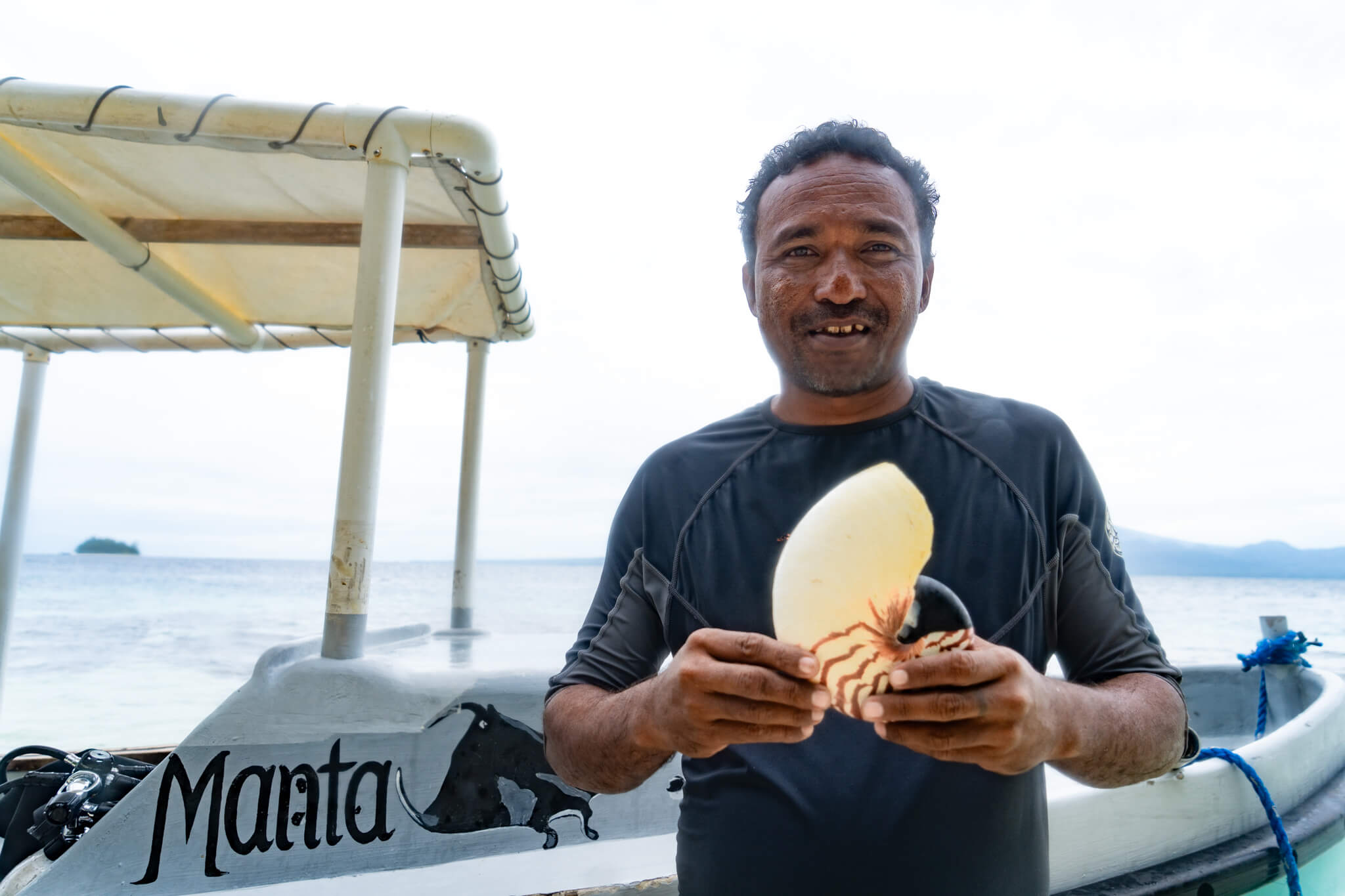
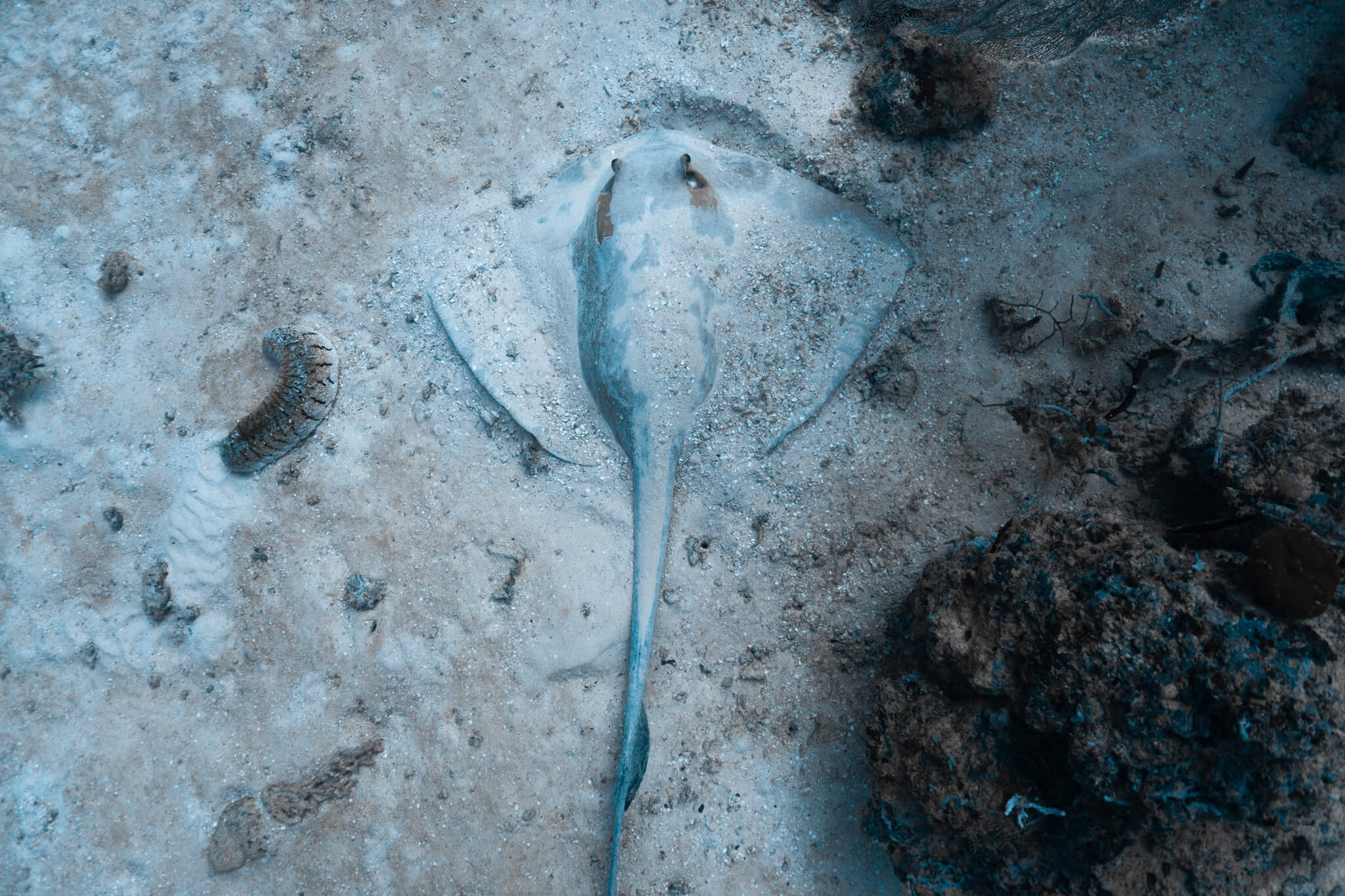
Spread across nearly a thousand islands, the Solomons are filled with differing cultures and ecosystems. Here, there’s everything from volcanic peaks, rainforest interiors, mangrove-fringed coastlines, and coral reefs hardly ever seen, with tourism numbers in the low 200,000s per year. When divers do come, it’s for the WWII wrecks and extraordinary marine biodiversity. But what makes the Solomons unforgettable is how tradition and nature remain interwoven across such a vast island nation.

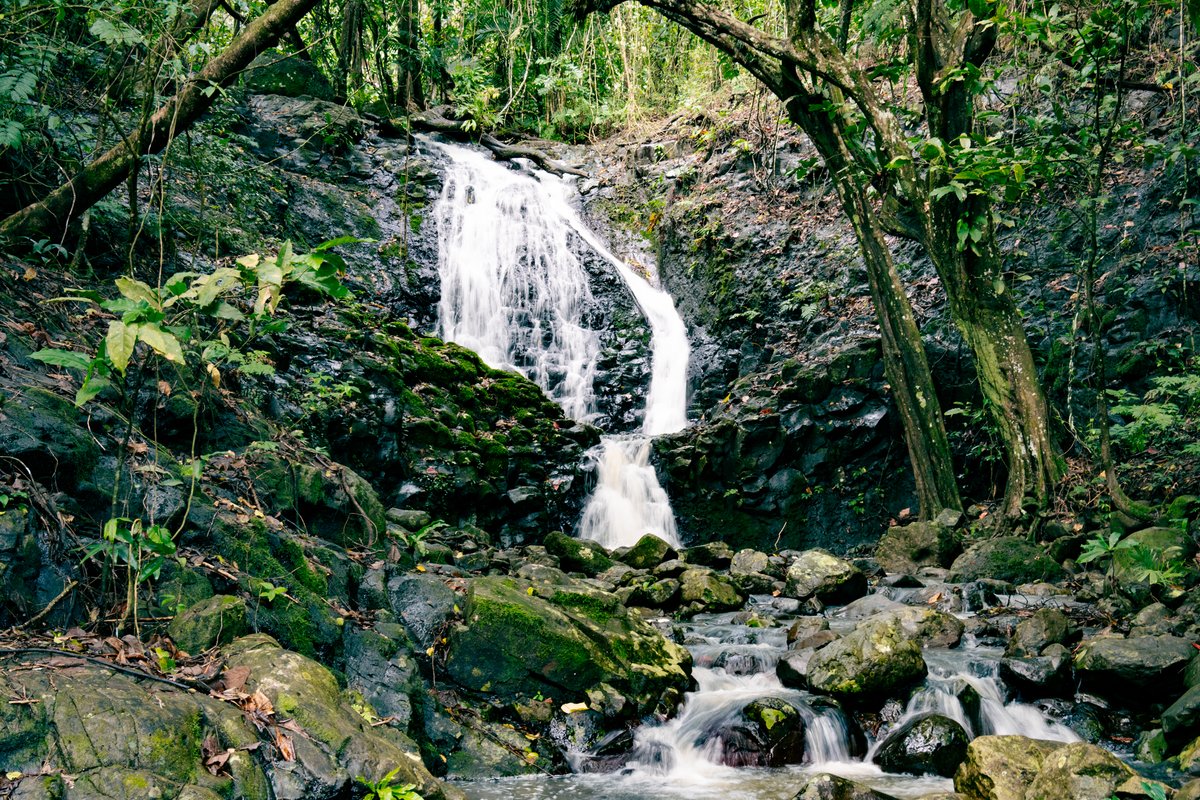
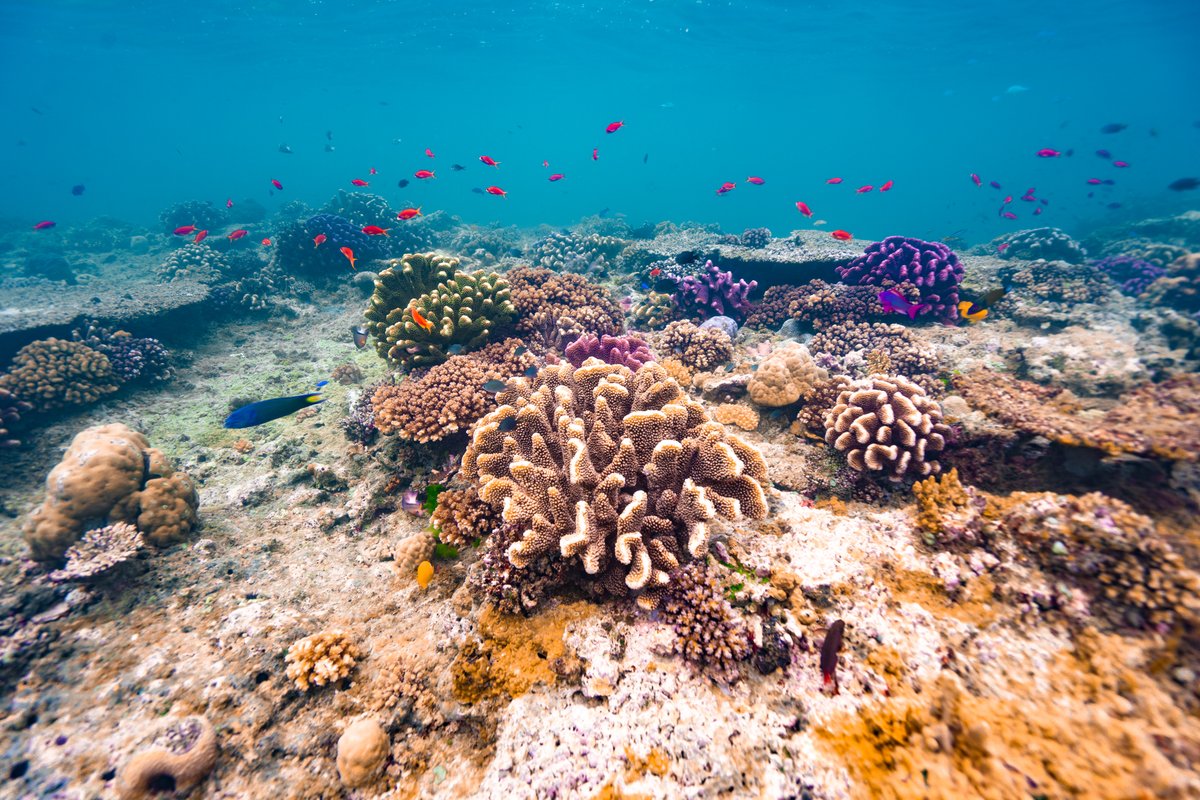
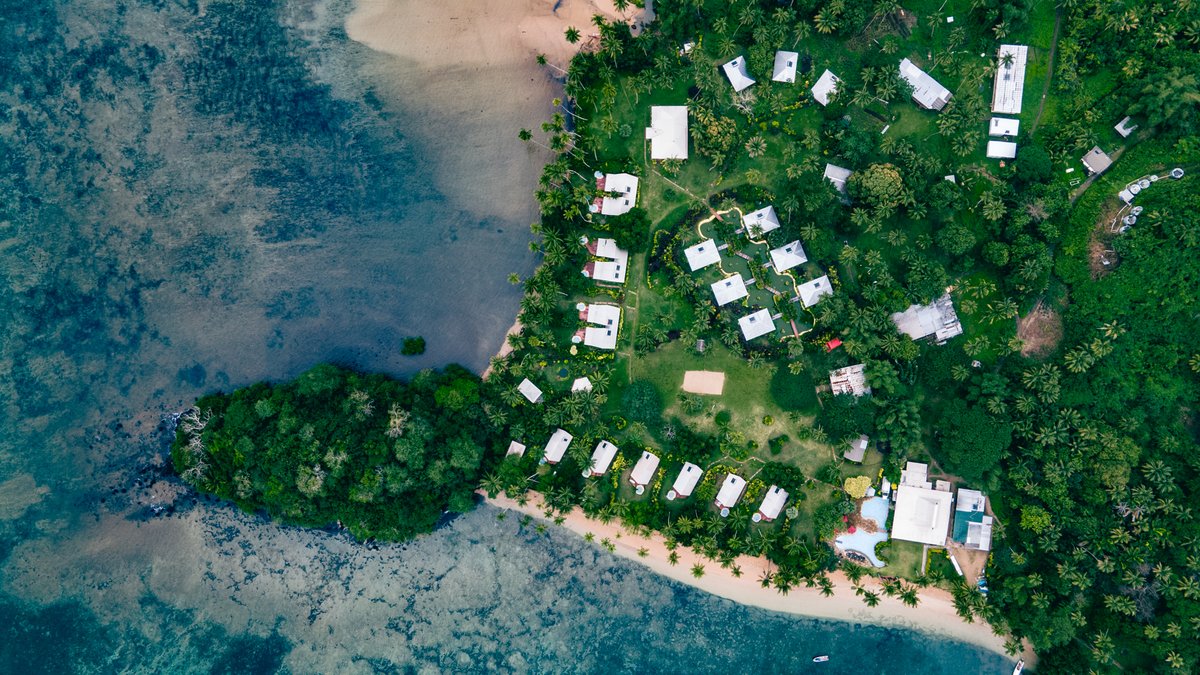
Fiji lives at the crossroads of culture and adventure—a country where reef breaks draw surfers from across the globe, shark-filled channels lure divers, and manta ray passes are magnetic. Tourism is rising fast here, particularly around Viti Levu and the Mamanuca and Yasawa Islands, yet the essence of Fiji runs deeper than resorts. Inland, rainforest peaks and hidden waterfalls can be found, while coastal villages keep alive a culture of ceremony, song, and kava.
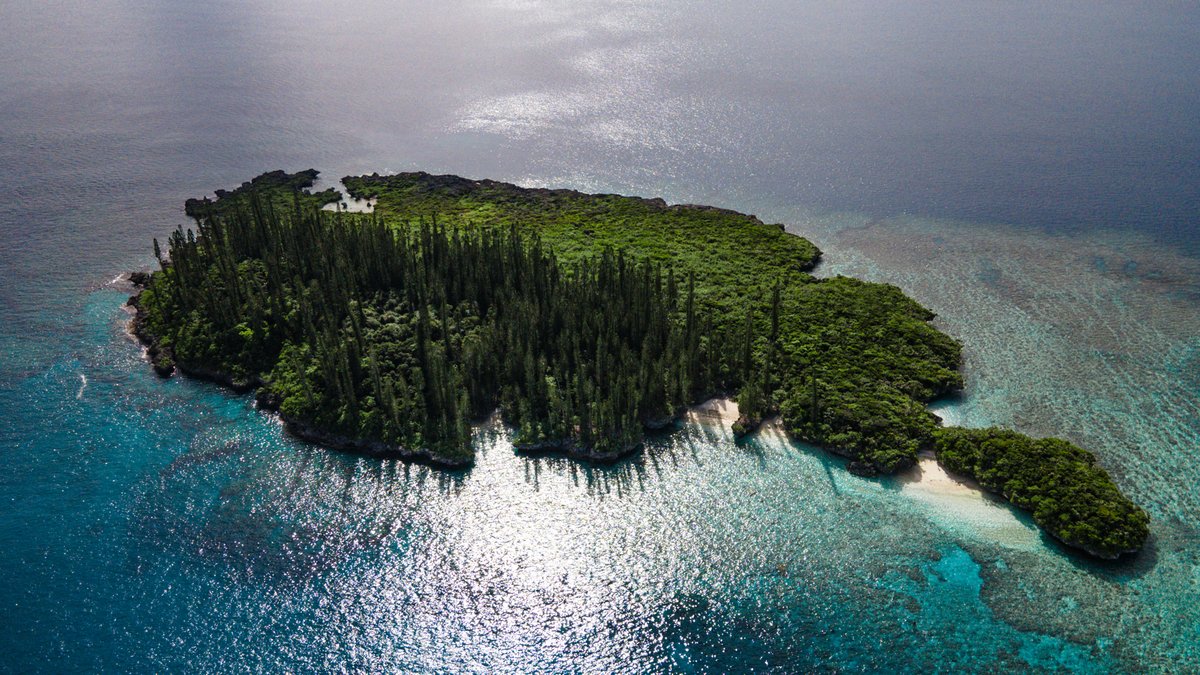
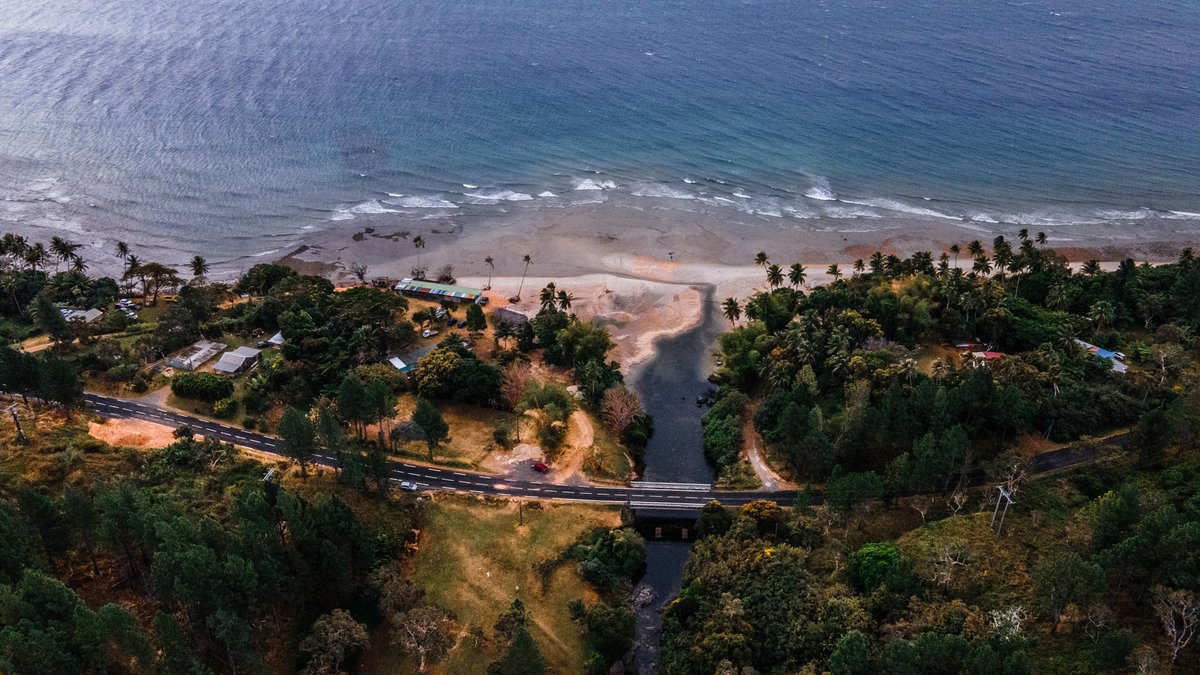

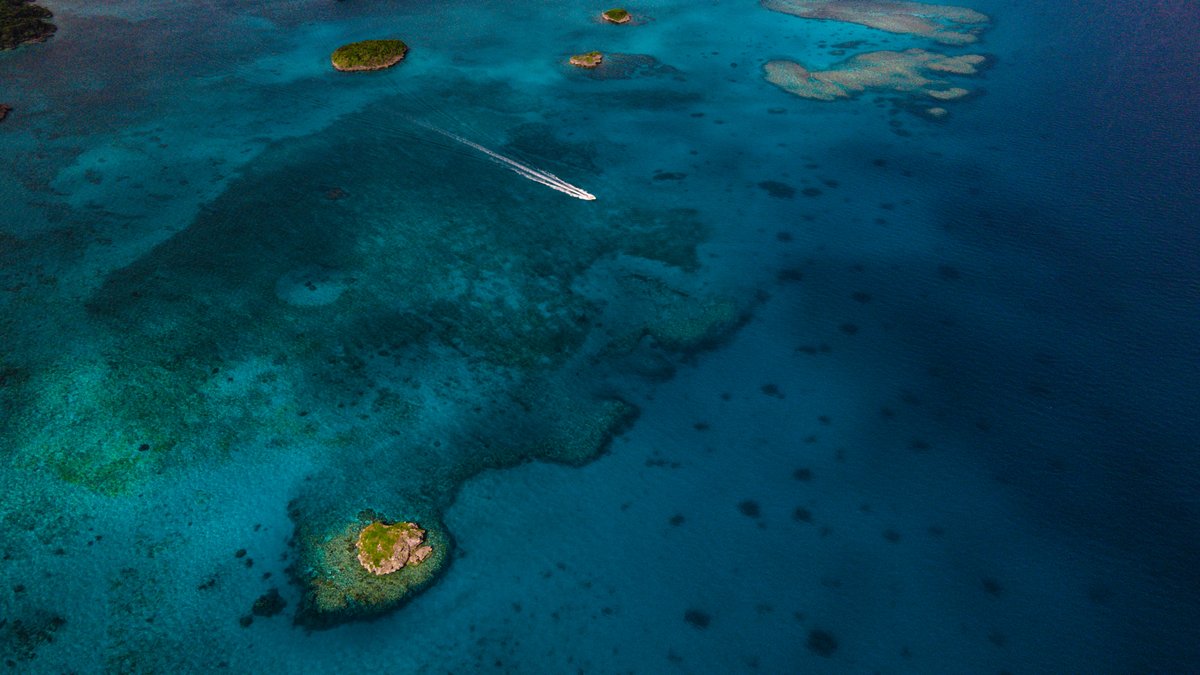

New Caledonia is unlike anywhere else in the Pacific. Its French influence layered with Kanak culture and some of the most untouched ecosystems in the region. Its barrier reef, a UNESCO World Heritage Site, is the second-largest on the planet, stretching across lagoons that shelter dugongs, turtles, and countless coral species. Inland, the island holds nickel-rich red earth, towering pines found nowhere else. It’s this unusual mix of cultures and ecosystems that makes New Caledonia complicated and stand alone.
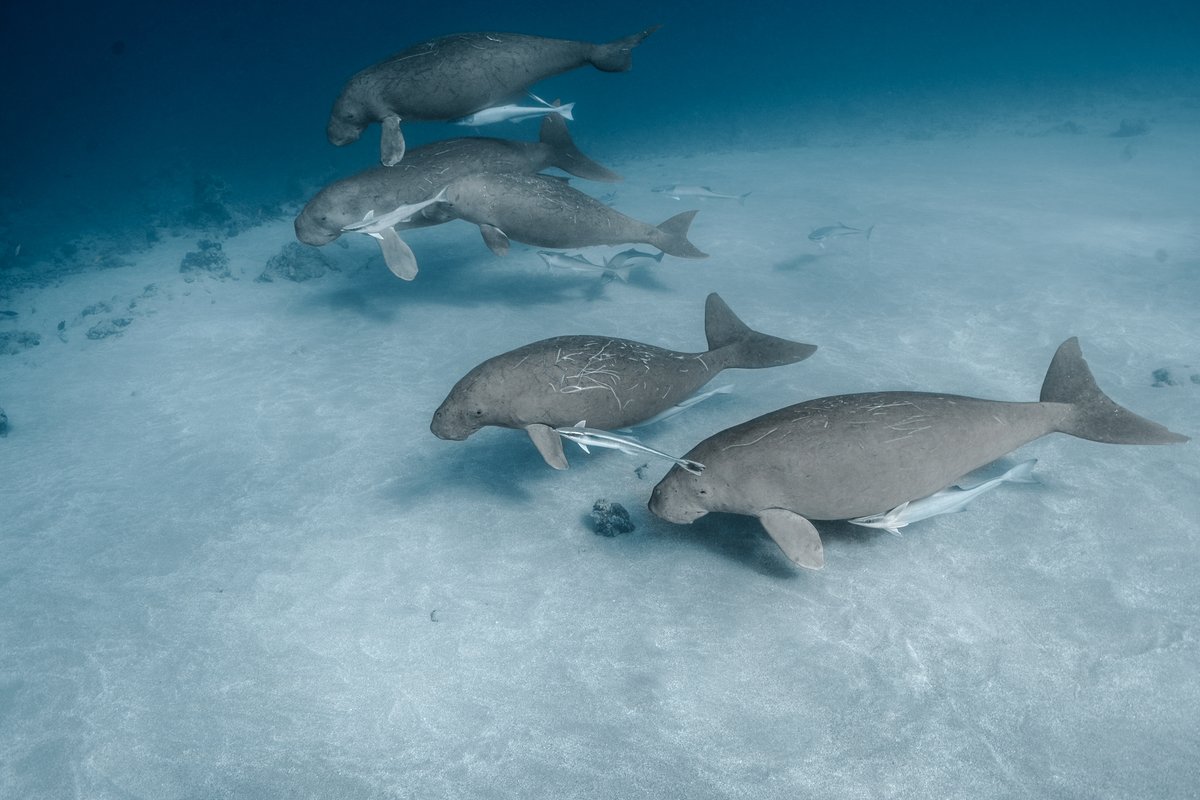
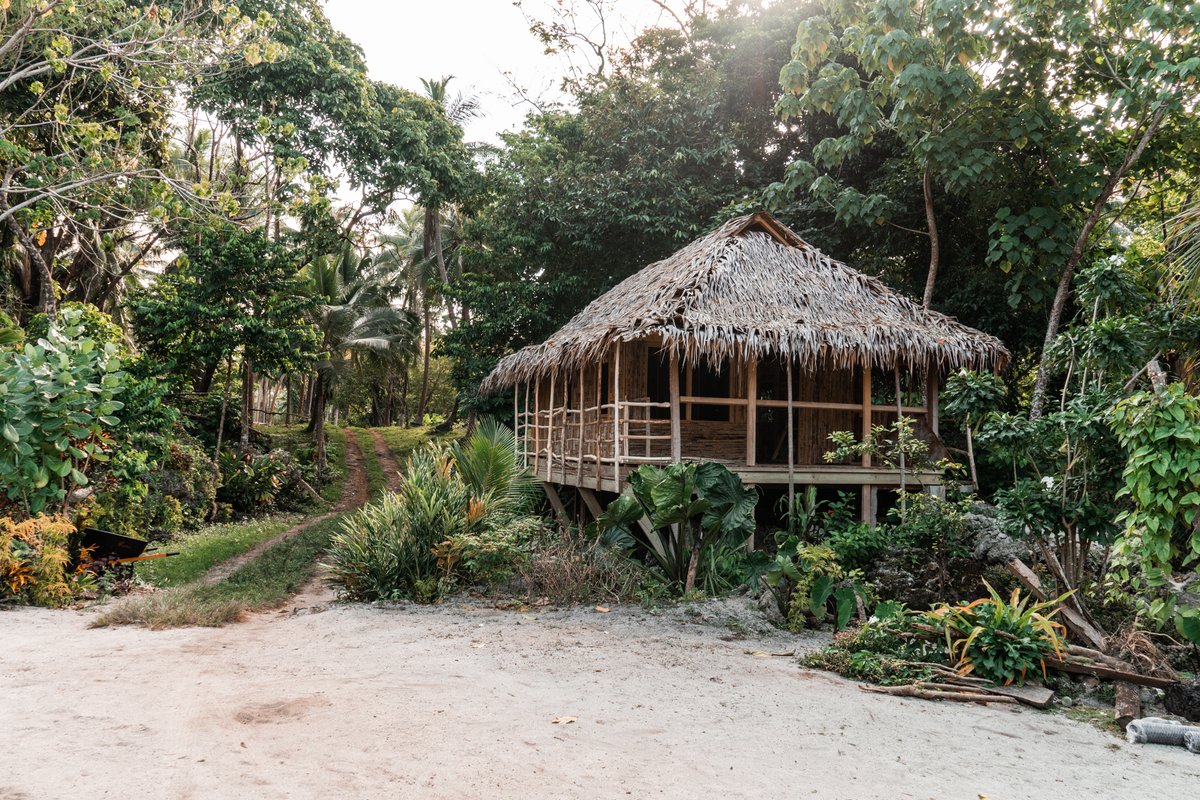
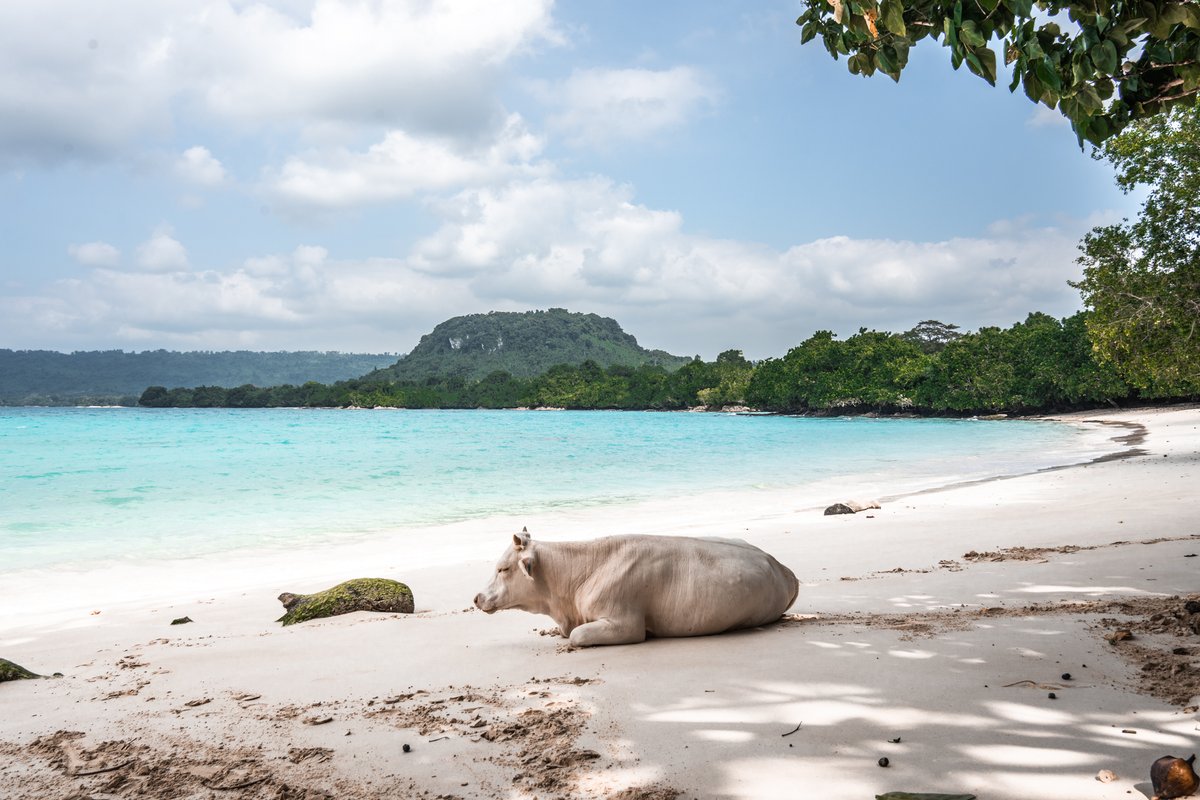
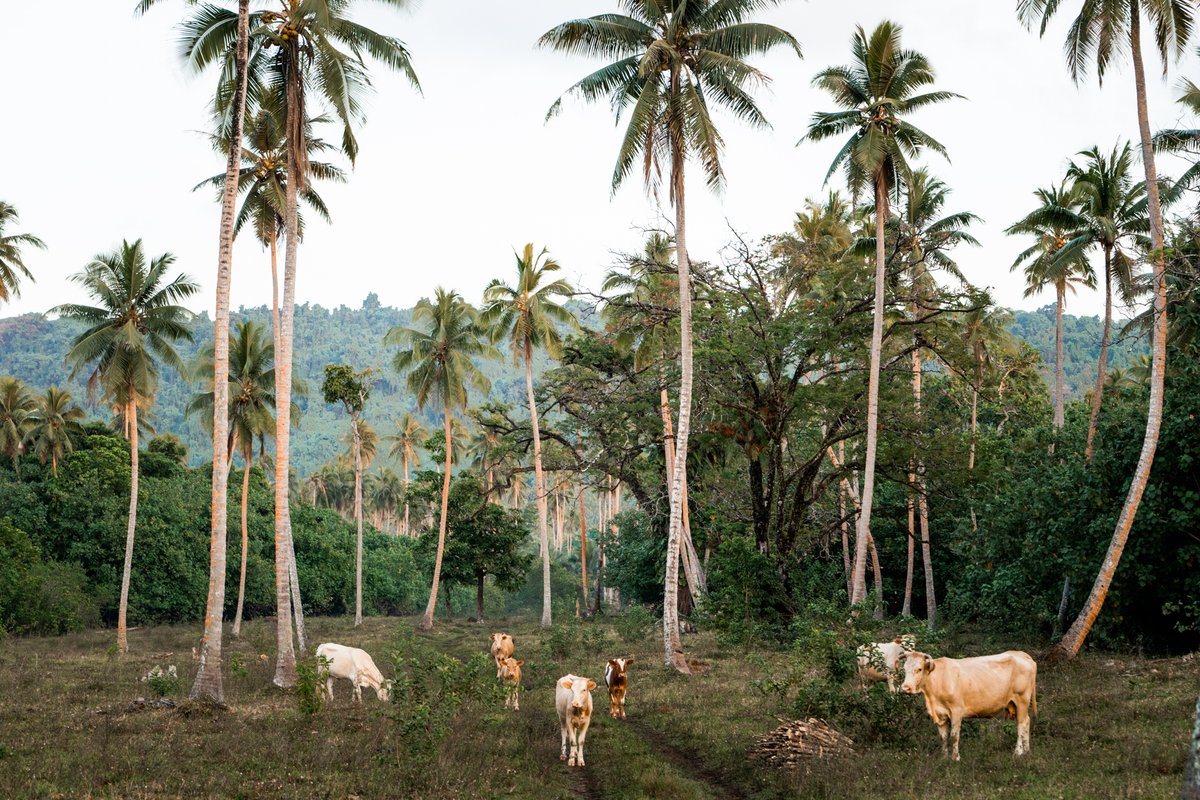
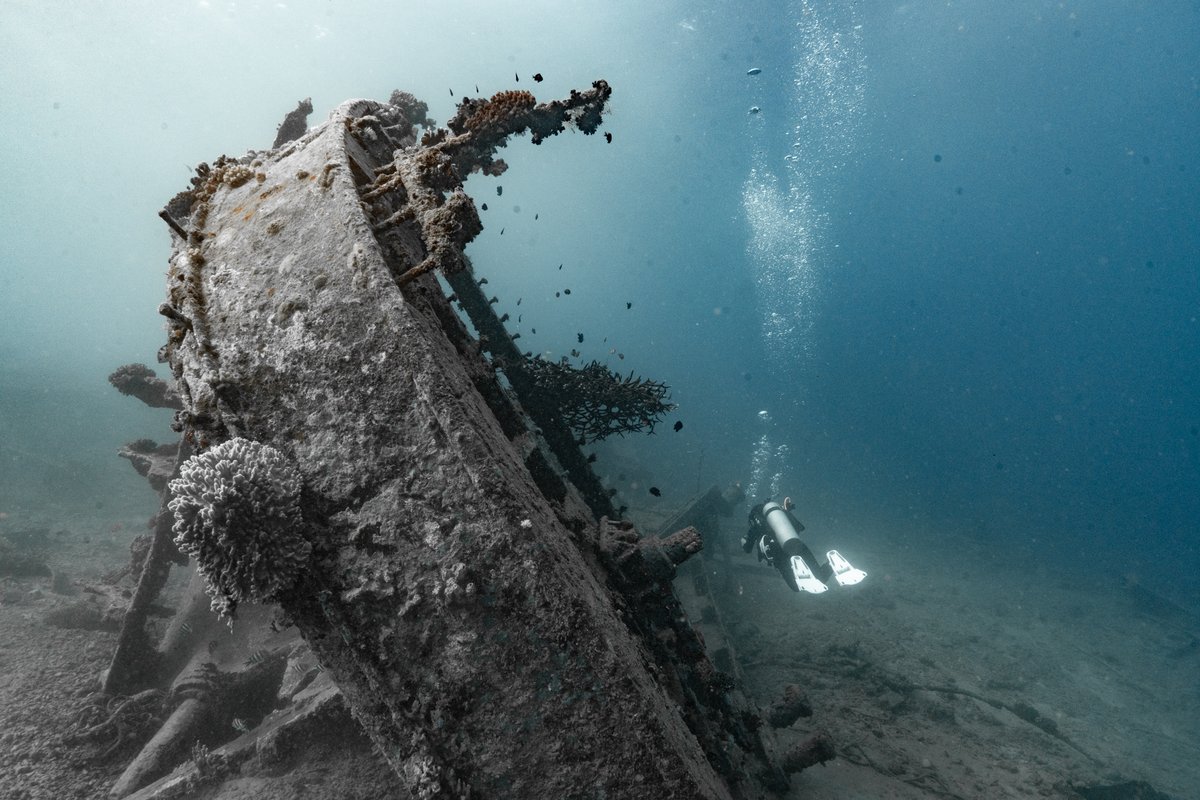
Vanuatu is a nation of 83 volcanic islands, scattered across the South Pacific with wild beauty that cannot be compared. Here, active volcanoes light up the night sky, while rainforest valleys, waterfalls, and reef-fringed coasts that have hardly been explored. Dugongs, turtles, and reef sharks can be found throughout bays and lagoons, while WWII wrecks and coral gardens make the waters irresistible. On land, kastom villages keep traditions alive, from ceremonies to sand drawings, grounding the islands’ natural wonders in a deep cultural heritage.





.png)
.png)
.png)

.png)





.png)
.png)

.svg)